
Innovations in Indigenous Art: Blending Tradition with Modern Techniques

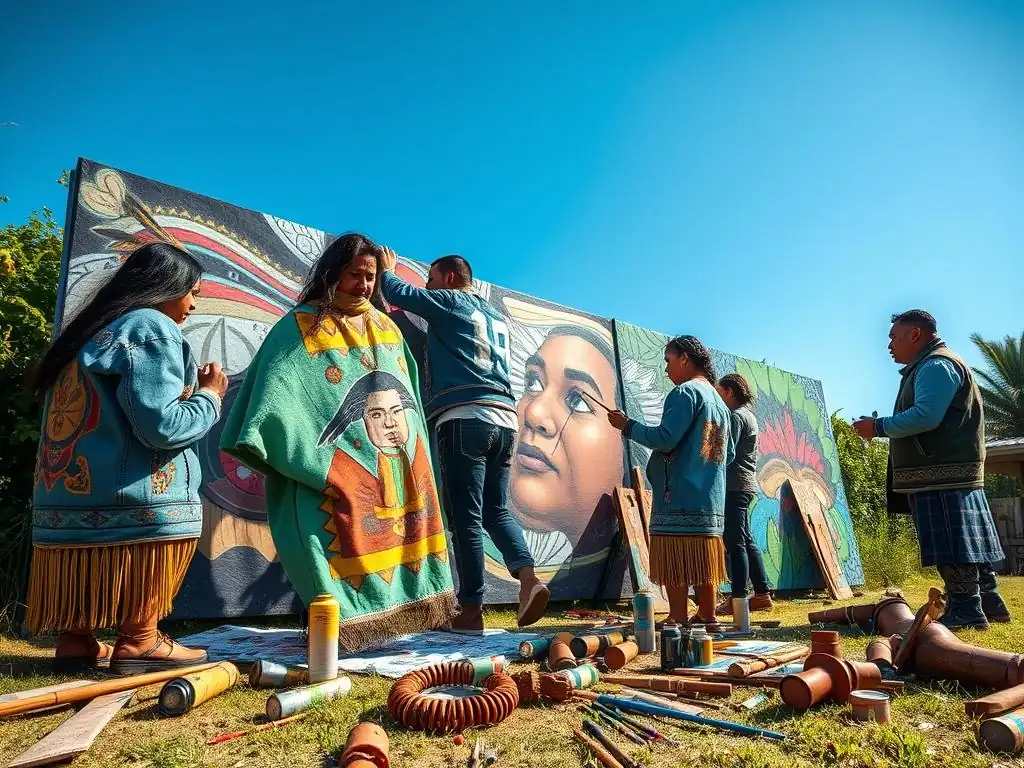
Welcome to Indigenous Civilizations of the Americas, where we invite you to embark on a captivating journey through the rich tapestry of pre-colonial cultures. Dive deep into the world of Indigenous art techniques and innovations, where tradition meets creativity in profound ways. In our featured article, "Innovations in Indigenous Art: Blending Tradition with Modern Techniques," you'll uncover how these vibrant cultures not only thrived but also transformed their artistic expressions over time.
Curious about how ancient practices continue to influence contemporary art? Join us as we unravel the stories behind these remarkable innovations and their lasting impact on society and culture.
Introduction to Indigenous Art Techniques and Innovations
Indigenous art is a vibrant expression of cultural identity, spirituality, and community that has evolved over thousands of years among the diverse Native American tribes and nations. This article delves into the intricate world of Indigenous art techniques and innovations, highlighting how traditional practices are being reinterpreted and fused with contemporary approaches. By exploring the rich heritage of artistic expression and examining the modern adaptations that have emerged, we gain insight into the resilience and creativity of Indigenous peoples. This exploration not only honors the past but also showcases the ongoing evolution of Indigenous artistry in today's cultural landscape.
Overview of Indigenous Art in North America
Indigenous art in North America encompasses a vast array of styles, techniques, and materials that reflect the unique cultures of various tribes. From the intricate beadwork of the Sioux to the vibrant pottery of the Pueblo peoples, each art form serves as a narrative of history, beliefs, and social values. Indigenous artists often draw from their rich oral traditions, creating pieces that resonate with spiritual significance and cultural pride.
- Key Art Forms:
- Pottery: Utilized by many Indigenous groups, pottery often features intricate designs that convey stories and cultural symbolism.
- Textiles: Weaving techniques from tribes such as the Navajo showcase complex patterns and vibrant colors, often inspired by nature and mythology.
- Carving: Wood, stone, and bone are commonly carved into masks, totems, and other ceremonial objects, reflecting the spiritual connection to the environment.
The blending of these traditional techniques with contemporary styles has led to a renaissance in Indigenous art, fostering a deeper appreciation for its cultural significance.
The Importance of Tradition in Indigenous Art
Tradition plays a crucial role in Indigenous art, serving as a means of preserving cultural heritage and identity. The techniques passed down through generations are not merely methods of creation but are imbued with stories, rituals, and teachings. These practices connect artists with their ancestors and the land, reinforcing a sense of belonging and continuity.
- Cultural Significance:
- Storytelling: Each piece of art often tells a story, providing insights into the community's history and values.
- Spiritual Connection: Many art forms are created for ceremonial purposes, serving as a bridge between the physical and spiritual worlds.
As Indigenous artists innovate and adapt their practices, they honor these traditions while also ensuring their relevance in contemporary society.
Historical Context of Indigenous Art Techniques
Evolution of Art Forms Among Indigenous Cultures
The evolution of Indigenous art forms is a testament to the adaptability and resilience of Indigenous peoples. Historically, art was created for functional purposes, such as tools and clothing, but over time, it has transformed into a medium for personal and political expression. The arrival of European colonizers brought new materials and influences, leading to a fusion of traditional techniques with European styles.
- Influences on Evolution:
- Colonization: European contact introduced new materials such as glass beads, which were incorporated into traditional beadwork.
- Cultural Exchange: Collaboration among different Indigenous groups led to the sharing of techniques and styles, enriching artistic expression.
This dynamic evolution reflects the ongoing dialogue between tradition and innovation within Indigenous art.
Key Materials and Methods Used in Traditional Indigenous Art
Understanding the materials and methods used in traditional Indigenous art is essential to appreciating its depth and complexity. Each tribe has distinctive materials that are sourced from their environment, influencing both the aesthetics and functionality of their art.
- Common Materials:
- Natural Dyes: Derived from plants, minerals, and insects, these are used in textiles and pottery to create vibrant colors.
- Clay and Stone: Essential for pottery and carving, these materials are often sourced locally, reflecting a deep relationship with the land.
- Animal Hides and Bones: Used in clothing, tools, and ceremonial objects, they embody the resourcefulness of Indigenous artisans.
- Traditional Techniques:
- Weaving and Looming: Employed primarily in textiles, these methods have been passed down through generations, showcasing intricate patterns and designs.
- Carving and Sculpting: Artisans utilize tools made from stone and bone to create detailed carvings that represent cultural narratives and spirituality.
By examining these materials and methods, we can appreciate the skill and knowledge that Indigenous artists possess, as well as the cultural significance embedded in their work.
Modern Innovations in Indigenous Art
Modern innovations in Indigenous art are reshaping the landscape of artistic expression while honoring traditional roots. Indigenous artists across North America are increasingly exploring new materials, technologies, and concepts that reflect both their heritage and contemporary life. This fusion leads to a dynamic art scene that challenges stereotypes and promotes cultural narratives. Artists are experimenting with digital media, installation art, and mixed-media approaches, which allows for a broader expression of their identity and experiences.
The resurgence of Indigenous art also coincides with a growing global awareness of Indigenous issues, resulting in greater visibility for these artists. This cultural renaissance is characterized by a commitment to storytelling through art, where contemporary works often serve as a platform for discussing historical injustices, cultural revitalization, and environmental themes. The merging of traditional techniques with modern innovations creates a dialogue that enriches both the artists' cultural identity and the viewers' understanding of Indigenous perspectives.
Integration of Contemporary Techniques into Traditional Art
The integration of contemporary techniques into traditional art forms allows Indigenous artists to push boundaries while preserving their cultural significance. Artists are utilizing modern tools such as digital printing, photography, and video to reinterpret traditional motifs and narratives. This incorporation often involves using traditional materials—like clay, wood, or textile—alongside modern mediums, creating pieces that resonate with both Indigenous and non-Indigenous audiences.
For instance, some artists are employing laser cutting technology to create intricate designs that reflect traditional symbolism, while others use digital platforms to share their work with a global audience, effectively bridging cultural gaps. Workshops and collaborative projects further enhance this integration, as they facilitate knowledge exchange between generations, ensuring that traditional techniques are not lost but rather evolved. This approach not only honors the past but also adapts to the present, making Indigenous art relevant in today's fast-paced world.
Case Studies of Indigenous Artists Blending Tradition with Modernity
Ashley S. Johnson: Innovating through Cultural Techniques
Ashley S. Johnson is a prominent Indigenous artist known for her innovative approach to blending traditional techniques with contemporary art forms. Utilizing her background in textiles, Johnson creates vibrant, narrative-rich pieces that often draw on her personal heritage and experiences. Her work features intricate beadwork combined with modern fabrics and designs, showcasing a dialogue between past and present.
Johnson's art serves as a medium for storytelling, where each piece reflects her cultural identity and the stories passed down through generations. By embracing new techniques, she not only revitalizes traditional practices but also introduces them to a broader audience, fostering appreciation and understanding of Indigenous cultures. Her exhibitions often highlight themes of resilience and connection to land, making her a significant figure in the contemporary Indigenous art movement.
Jordan B. Thomas: Reviving Traditional Methods with a Modern Twist
Jordan B. Thomas is another influential artist who successfully revives traditional Indigenous methods while incorporating modern artistic elements. His work primarily focuses on pottery and ceramics, where he employs ancient techniques passed down through his ancestry. However, Thomas introduces contemporary aesthetics through unique glazing techniques and innovative forms, resulting in pieces that are both functional and artistic.
Thomas’s practice emphasizes sustainability, as he often sources materials locally and uses traditional firing methods that respect the environment. His artwork not only showcases the beauty of Indigenous craftsmanship but also challenges viewers to think critically about the intersection of tradition and modernity. Through exhibitions and workshops, Thomas encourages younger generations to engage with their heritage, ensuring that traditional practices continue to thrive.
Raven T. K. White: Fusing Cultural Heritage with Contemporary Art Forms
Raven T. K. White exemplifies the fusion of cultural heritage with contemporary art forms through her dynamic and thought-provoking installations. White's work often incorporates multimedia elements, including sound, video, and performance, creating immersive experiences that engage viewers on multiple levels. This approach allows her to convey complex narratives about Indigenous identity and the impact of colonization.
Her installations frequently draw on traditional stories and motifs, reinterpreted through a modern lens. For instance, by using digital media to project traditional narratives, White connects the past with the present, inviting her audience to participate in the ongoing dialogue about Indigenous cultural survival. Her innovative use of space and technology highlights the adaptability of Indigenous art, making it relevant and accessible to contemporary audiences. Through her work, White advocates for the recognition and respect of Indigenous cultures in the modern art world.
The Role of Community in Artistic Innovation
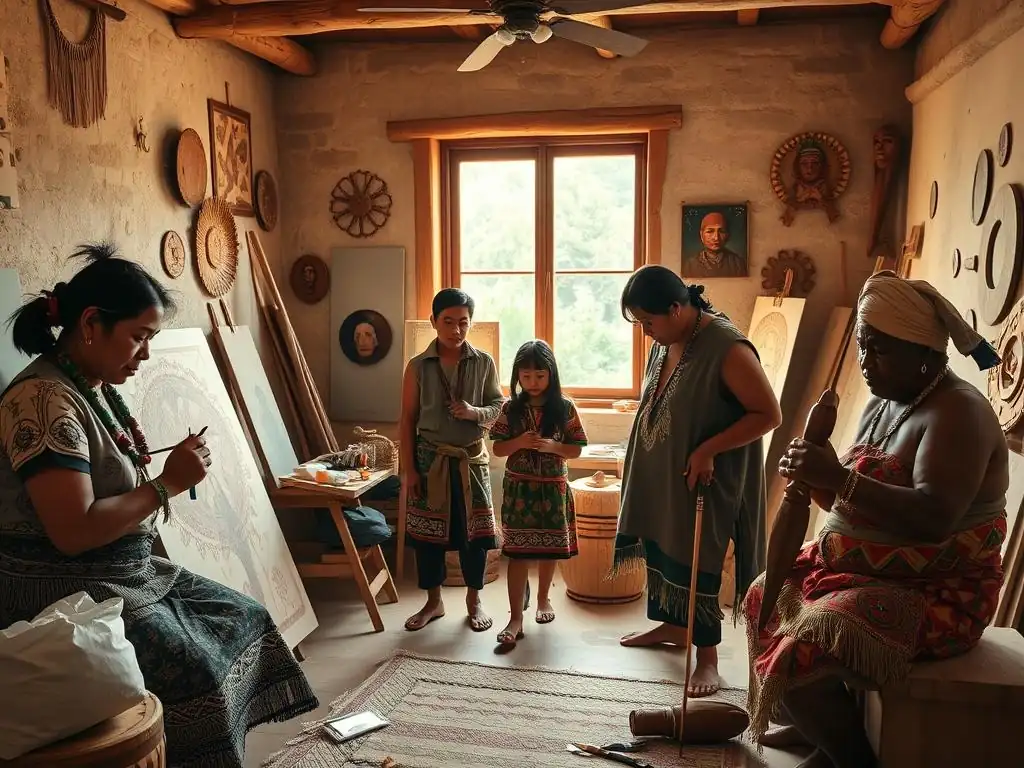
Indigenous art has always been a communal activity, reflecting the values, beliefs, and stories of the community. The role of community in artistic innovation is paramount, as it fosters collaboration and shared knowledge among artists. This communal bond not only strengthens cultural ties but also enhances the creative process, allowing for a rich exchange of ideas that can lead to innovative art techniques. Community gatherings, workshops, and art fairs serve as platforms for artists to showcase their work, collaborate on projects, and learn from one another, creating a vibrant ecosystem that nurtures both traditional and contemporary artistic expressions.
Moreover, the community's involvement helps to ensure that new art forms resonate with cultural significance. By working together, artists can blend traditional motifs and techniques with contemporary themes, creating pieces that reflect both their heritage and the modern world. This dynamic interplay between community and creativity is evident in various artistic practices, such as pottery, weaving, and painting, where collective efforts lead to the evolution of distinct styles that maintain cultural relevance while embracing innovation.
Collaborative Projects and Their Impact on Indigenous Art Techniques
Collaborative projects have emerged as a vital mechanism through which Indigenous artists can innovate and develop their techniques. These initiatives often bring together artists from different tribes or regions, encouraging the sharing of diverse perspectives and skills. For instance, the creation of large-scale murals or public installations often involves multiple artists who contribute their unique styles, resulting in a fusion of techniques that celebrates both individuality and collective identity.
One notable example is the "Indigenous Modernism" project, which invites artists to create works that incorporate traditional symbols and narratives within contemporary frameworks. This collaboration not only expands the artists' technical repertoire but also fosters a sense of unity and shared purpose, reinforcing cultural ties. As artists experiment with new materials and methods in these collaborative settings, they can push the boundaries of traditional techniques, ultimately leading to the development of innovative Indigenous art forms that resonate with wider audiences.
Preserving Cultural Identity through Modern Innovations
Modern innovations in Indigenous art serve as a powerful means of preserving cultural identity. By integrating contemporary techniques and materials, artists are able to reinterpret traditional stories and practices in ways that are relevant to today's society. This approach not only revitalizes ancient art forms but also ensures their continuity in a rapidly changing world.
For example, the use of digital media has enabled Indigenous artists to reach broader audiences, sharing their cultural narratives through platforms that were previously inaccessible. Social media has become a crucial tool for artists to showcase their work, engage with audiences, and educate others about their heritage. This blending of traditional themes with modern technology allows for a dynamic representation of Indigenous identities, ensuring that cultural expressions remain vibrant and relevant.
Additionally, many Indigenous artists are exploring new materials, such as recycled plastics and sustainable resources, to create art that reflects contemporary environmental concerns while honoring their cultural heritage. This innovative approach not only preserves traditional aesthetics but also adapts to modern values, reinforcing the importance of cultural identity in the face of globalization.
Challenges Faced by Indigenous Artists Today
Indigenous artists today encounter a myriad of challenges that impact their ability to innovate and express their cultural narratives through art. One of the primary issues is the struggle for recognition and representation in the broader art world. Many Indigenous artists find it difficult to gain access to galleries and exhibitions, which can limit their visibility and opportunities to share their work. This lack of representation can stifle artistic innovation, as artists may feel pressured to conform to mainstream expectations rather than exploring their unique cultural expressions.
Additionally, funding and resources are significant barriers for many Indigenous artists. Limited access to grants, training programs, and materials can hinder the creative process and prevent artists from experimenting with new techniques. As a result, many artists must rely on their communities for support, which can restrict the scope of their work and limit opportunities for broader collaboration.
Balancing Tradition and Modernity in Indigenous Art
The challenge of balancing tradition and modernity is a prominent issue faced by Indigenous artists as they navigate their creative practices. While many strive to honor their cultural heritage, the pressure to adapt to contemporary trends can create tension in their work. Some artists find it difficult to reconcile traditional techniques with modern artistic expressions, leading to a fear of cultural dilution or misrepresentation.
To address this challenge, some artists adopt a hybrid approach, integrating traditional methods with contemporary influences to create innovative works that reflect both their heritage and current societal themes. This balance can be achieved through thoughtful experimentation and dialogue within the community, allowing artists to maintain cultural integrity while exploring new avenues of expression. However, this process requires careful consideration and respect for the traditions being represented.
The Impact of Commercialization on Indigenous Artistic Practices
Commercialization poses significant challenges to Indigenous artistic practices, particularly as demand for Indigenous art grows in the global market. While increased interest can provide opportunities for artists, it often leads to the commodification of their cultural expressions. This commercialization can result in the dilution of traditional techniques, as artists may feel compelled to produce work that caters to market trends rather than their cultural narratives.
Furthermore, the appropriation of Indigenous motifs and styles by non-Indigenous artists raises concerns about authenticity and respect for cultural heritage. It is essential for Indigenous artists to navigate these challenges carefully, advocating for fair representation and compensation for their work. By promoting education and awareness around the significance of their art, Indigenous artists can combat commercialization's negative effects and ensure that their practices remain rooted in cultural authenticity and integrity.
While Indigenous artists face various challenges in their pursuit of innovation, the blending of tradition with modern techniques continues to thrive, contributing to the rich tapestry of Indigenous art forms that celebrate both heritage and contemporary creativity.
Conclusion: The Future of Indigenous Art Techniques and Innovations
As we look towards the future of indigenous art techniques and innovations, it becomes clear that the resilience and adaptability of these cultures are paramount. Indigenous artists are not only preserving their rich heritage but are also pushing the boundaries of creativity by integrating modern techniques and materials. This dynamic fusion creates artworks that resonate with both traditional themes and contemporary issues, showcasing the depth and relevance of indigenous narratives in today's world.
The future of indigenous art lies in the continued exploration of new mediums and forms, from digital art to mixed media. Artists are increasingly using technology, such as virtual reality and augmented reality, to enhance storytelling and engage broader audiences. By embracing innovation while maintaining a strong connection to their cultural roots, indigenous artists are ensuring that their work remains vibrant and influential in the global art scene.
Moreover, as awareness of the significance of indigenous art grows, institutions and galleries are beginning to provide platforms for these artists. This trend not only elevates their work but also educates the public about the importance of indigenous cultures and their contributions to the creative landscape. The journey ahead is promising, and the potential for indigenous art to thrive is immense.
The Importance of Supporting Indigenous Artists
Supporting indigenous artists is crucial for several reasons. First and foremost, it helps in the preservation and promotion of cultural heritage. When we invest in indigenous art, we are not just buying a piece of artwork; we are supporting the stories, traditions, and histories that these artists embody. This financial backing allows them to continue their craft, which is often rooted in centuries-old practices and beliefs.
Furthermore, promoting indigenous artists fosters greater visibility and recognition of their contributions within the broader art community. Many indigenous artists face systemic barriers, including limited access to resources and opportunities. By actively supporting their work, we can help dismantle these barriers and create a more equitable art world.
In addition, supporting indigenous artists encourages a dialogue about cultural appropriation and representation. It is essential to recognize and uplift the voices of those who have historically been marginalized, allowing them to share their narratives and perspectives. This not only enriches the art community but also promotes understanding and respect among diverse cultures.
Embracing Change while Honoring Tradition in Indigenous Art
The ability to embrace change while honoring tradition is a defining characteristic of contemporary indigenous art. Artists today are faced with the challenge of navigating the complexities of a globalized society while remaining true to their cultural roots. This delicate balance is often reflected in their work, which might incorporate traditional motifs, techniques, and stories alongside modern influences.
For example, many indigenous artists are experimenting with new materials, such as recycled or sustainable substances, to create works that speak to both environmental issues and cultural narratives. This innovation is not merely a departure from tradition; rather, it represents a thoughtful evolution that respects the past while addressing contemporary challenges.
Moreover, the blend of traditional and modern techniques can lead to unique artistic expressions that resonate with a wide audience. By inviting viewers into this dialogue, indigenous artists are fostering a greater appreciation for their cultures and the significance of their work. This embrace of change, coupled with a commitment to honoring tradition, ensures that indigenous art remains not only relevant but also a powerful medium for cultural expression and social commentary.
Call to Action
The richness of indigenous art is a treasure that deserves to be explored and celebrated. As individuals, we can play a vital role in supporting and uplifting indigenous artists and their communities. Here’s how you can make a difference:
- Visit local galleries and exhibitions: Take the time to discover indigenous art in your area. Many communities host events showcasing the work of indigenous artists, providing a platform for their voices and stories.
- Purchase indigenous art: When you buy artwork directly from indigenous artists, you contribute to their livelihoods and help sustain their cultural practices.
- Educate yourself and others: Learn about the history and significance of indigenous art forms. Share this knowledge with friends and family to foster a greater appreciation for diverse cultures.
- Advocate for indigenous rights: Support initiatives that aim to protect the rights and traditions of indigenous peoples. Your voice can help amplify their struggles and successes.
Explore Indigenous Art and Support Indigenous Artists in Your Community
Engaging with indigenous art is not just a passive experience; it is an invitation to participate in a rich cultural dialogue. Explore local art markets, galleries, and online platforms that feature indigenous artwork. Many artists share their creative processes and stories on social media, providing insights into their work and its cultural context.
While exploring, consider supporting workshops or classes led by indigenous artists. These experiences can deepen your understanding of indigenous art techniques and innovations while allowing you to connect with the artists directly. By participating in these initiatives, you contribute to a sustainable future for indigenous art and ensure that these vibrant cultures continue to thrive and inspire.
- Introduction to Indigenous Art Techniques and Innovations
- Historical Context of Indigenous Art Techniques
- Modern Innovations in Indigenous Art
- Case Studies of Indigenous Artists Blending Tradition with Modernity
- The Role of Community in Artistic Innovation
- Challenges Faced by Indigenous Artists Today
- Conclusion: The Future of Indigenous Art Techniques and Innovations
- Call to Action
Frequently Asked Questions
What are some key indigenous art techniques mentioned in the article?
The article highlights various traditional art techniques such as weaving, pottery, and carving, emphasizing how these methods have been passed down through generations.
How have modern innovations impacted indigenous art?
Modern innovations have introduced new materials and technologies, allowing artists to blend traditional practices with contemporary styles, enhancing both expression and cultural relevance.
Why is the study of indigenous art important?
Studying indigenous art is crucial for understanding the cultural heritage and identity of indigenous peoples, as well as the historical context of their societal achievements.
Can you provide examples of indigenous art forms?
Examples include mural painting, textile art, and ceramics, each reflecting the unique cultural narratives and aesthetic values of different indigenous groups.
How does the article suggest we support indigenous artists today?
The article encourages supporting indigenous artists by promoting their work, purchasing original pieces, and advocating for the preservation of their cultural expressions in modern contexts.
Final Reflection: Embracing the Future of Indigenous Art
The fusion of tradition and innovation in Indigenous art techniques is not just a creative endeavor; it is a powerful statement of resilience and cultural identity. Today, as we witness the resurgence of Indigenous voices in the art world, it becomes increasingly clear that these innovations are not merely aesthetic choices but vital expressions of heritage and contemporary relevance. The blending of ancient practices with modern techniques serves as a bridge, connecting past and present while enriching the cultural tapestry of our society.
The ongoing evolution of Indigenous art has profoundly influenced the cultural landscape, challenging stereotypes and fostering appreciation for diverse narratives. As artists continue to explore new mediums and technologies, they invite us to engage with their stories in fresh and meaningful ways. This transformation is encapsulated in the words of Indigenous artist Rebecca Belmore, who once said, "> Art is a way of knowing; it is a way of being." This perspective emphasizes the importance of understanding and respecting the cultural significance behind each piece, as well as the innovative processes that breathe new life into traditional practices.
As we reflect on the lessons learned from the intersection of Indigenous art techniques and modern innovations, I invite you to consider how you can engage with and support these artistic expressions in your own life. Take a moment to explore Indigenous art in your community, attend exhibitions, or even delve into the stories behind the works that resonate with you. By doing so, you not only honor the rich heritage of Indigenous cultures but also contribute to a broader dialogue that celebrates diversity and creativity in our ever-evolving world.
Embrace Cultural Heritage and Ignite Your Creativity!
Thank you for exploring the fascinating world of innovations in Indigenous art. Your interest not only enriches your understanding but also supports the vibrant cultures that shape this legacy. Now, let’s take that inspiration and turn it into action!
- Dive deeper into the works of Indigenous artists by visiting local galleries or online platforms showcasing their stunning creations.
- Share this article with friends and family to spark conversations about the importance of blending tradition with contemporary techniques.
- Consider attending workshops or art classes that focus on Indigenous art forms to further enhance your appreciation and skills.
How will you incorporate Indigenous perspectives into your creative journey?