
Indigenous Art Markets: Challenges and Opportunities for Contemporary Artists

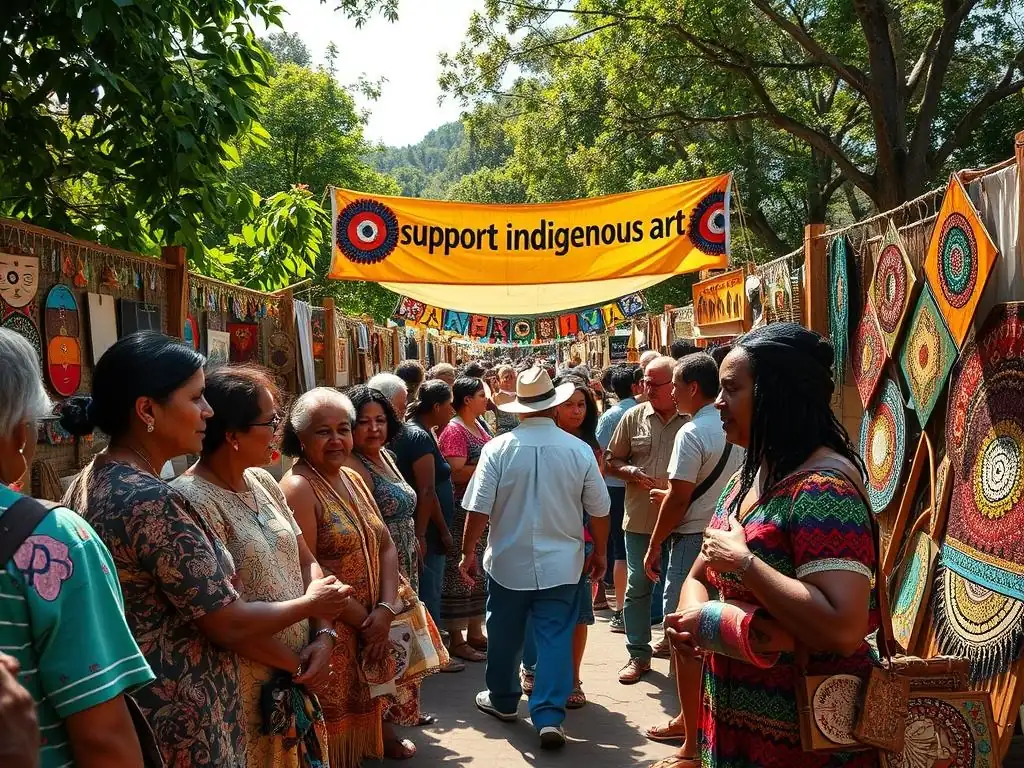
Welcome to Indigenous Civilizations of the Americas, where we invite you to embark on a journey through the vibrant tapestry of pre-colonial cultures that shaped the Americas. In our featured article, “Indigenous Art Markets: Challenges and Opportunities for Contemporary Artists,” we delve into the intricate dynamics of the indigenous art market challenges that contemporary creators face today.
As you explore the rich histories and enduring legacies of these remarkable societies, you'll uncover not only their artistic achievements but also the modern-day hurdles that artists navigate in preserving their heritage. Join us as we unravel the stories behind the art and inspire a deeper appreciation for these resilient cultures.
Indigenous art markets represent a vibrant and essential aspect of cultural expression, reflecting the rich traditions and histories of indigenous peoples throughout North America. These markets not only showcase the artistic achievements of contemporary indigenous artists but also serve as a vital platform for preserving and promoting cultural heritage.
However, as these artists navigate the complexities of the modern art world, they encounter a variety of challenges that can hinder their success and the sustainability of their art practices. This article delves into the intricacies of the indigenous art market, examining both the obstacles faced by artists and the opportunities that arise from a growing recognition of indigenous art in contemporary society.
Understanding Indigenous Art Markets
Definition of Indigenous Art Markets
Indigenous art markets encompass a diverse array of artistic expressions created by indigenous peoples, including traditional crafts, contemporary visual arts, and performance arts. These markets are characterized by the integration of cultural narratives, spiritual beliefs, and historical experiences, making them unique in their representation of indigenous identities.
Historical Context of Indigenous Art in North America
The history of indigenous art in North America is deeply rooted in the cultural practices of various tribes and nations. From intricate beadwork and pottery to powerful storytelling through visual arts, indigenous art has always played a significant role in community cohesion and cultural identity. The arrival of European colonizers disrupted these practices, leading to a decline in traditional art forms. However, many indigenous artists today are revitalizing these traditions while also incorporating contemporary techniques, creating a dynamic fusion that speaks to both past and present.
The Role of Contemporary Artists in Indigenous Art Markets
Contemporary indigenous artists are pivotal in shaping the modern landscape of indigenous art markets. They challenge stereotypes, redefine cultural expressions, and assert their identities through innovative works that resonate with both indigenous and non-indigenous audiences. By participating in various art fairs, exhibitions, and online platforms, these artists not only gain recognition but also contribute to the ongoing dialogue surrounding indigenous rights and representation in the art world.
Current Challenges in Indigenous Art Markets
Economic Barriers for Indigenous Artists
Economic barriers remain a significant hurdle for many indigenous artists. Limited access to funding, lack of commercial galleries, and the high costs of materials often impede their ability to produce and promote their work. Additionally, many indigenous communities face broader socio-economic challenges that further complicate the pursuit of art as a viable career.
Cultural Appropriation and Its Impact on the Indigenous Art Market
Cultural appropriation poses a serious threat to the integrity of indigenous art markets. When non-indigenous individuals or corporations exploit indigenous designs and motifs without permission, it undermines the cultural significance of these works and can lead to economic losses for indigenous artists. The challenge lies in educating the public about the importance of respecting and valuing indigenous art in its authentic form.
Limited Access to Mainstream Art Platforms
Despite the growing interest in indigenous art, many artists still encounter barriers when attempting to access mainstream art platforms. This can stem from a lack of representation in galleries, museums, and art fairs, which often prioritize established artists over emerging indigenous voices. The challenge is to create more inclusive spaces that recognize and celebrate the diversity of indigenous artistic expression.
Preservation of Traditional Techniques Amidst Market Pressures
As indigenous artists navigate the demands of the contemporary art market, there is a pressing concern regarding the preservation of traditional techniques. Many artists are faced with the choice between maintaining their cultural practices and adapting to market trends that may prioritize commercial viability over cultural authenticity. This tension raises important questions about the future of indigenous art and the ways in which artists can uphold their heritage while thriving in a competitive environment.
Opportunities for Indigenous Artists in the Contemporary Market
The contemporary art market presents a wealth of opportunities for Indigenous artists, enabling them to redefine their narratives and share their cultural heritage with broader audiences. As interest in Indigenous art grows, artists find avenues to connect with collectors who are increasingly seeking authentic, meaningful pieces that reflect diverse experiences. This burgeoning market empowers Indigenous creators to reclaim their stories, express their identities, and foster a greater understanding of their cultures.
Furthermore, the integration of Indigenous perspectives into contemporary art allows for innovative expressions that challenge mainstream aesthetics and themes. Artists are now more equipped to explore and convey complex socio-political issues, contributing to a richer dialogue within the art world. This shift not only enhances the visibility of Indigenous art but also encourages collaboration and cross-cultural exchanges that can lead to new artistic practices and forms.
Growth of Online Platforms for Indigenous Art Sales
The digital revolution has significantly transformed how Indigenous artists market their work. Online platforms provide an accessible and global stage for artists to showcase and sell their creations without the traditional barriers of entry associated with physical galleries. Websites dedicated to Indigenous art, alongside general art marketplaces, allow for a wider reach and engagement with potential buyers.
This shift towards online sales has proven particularly beneficial during times of social distancing and reduced travel, as showcased during the COVID-19 pandemic. Artists have adapted by leveraging e-commerce tools, social media promotions, and virtual exhibitions to maintain visibility and sales. Consequently, Indigenous artists can now connect with a diverse audience, including international collectors, thus expanding their influence and market presence.
Collaborations Between Indigenous Artists and Mainstream Galleries
Collaborations between Indigenous artists and mainstream galleries have become increasingly prevalent, fostering mutual growth and understanding. These partnerships can enhance the visibility of Indigenous art, allowing artists to reach audiences that may not have been familiar with their work. Mainstream galleries often provide resources, marketing expertise, and established networks, which can be invaluable for Indigenous artists seeking to elevate their careers.
Such collaborations also offer an opportunity for cultural exchange, as galleries can educate their patrons about the significance of Indigenous art and the stories behind the pieces. This increased visibility not only benefits individual artists but also contributes to a broader appreciation for Indigenous cultures within the art community, paving the way for a more inclusive and diverse art market.
Increased Awareness and Support for Indigenous Art Forms
In recent years, there has been a notable increase in awareness and support for Indigenous art forms. Organizations, institutions, and collectors are recognizing the importance of Indigenous narratives and cultural expressions, leading to greater investment in Indigenous arts initiatives. This heightened awareness has resulted in more grants, scholarships, and exhibitions dedicated to showcasing Indigenous artists, thus providing them with valuable resources and opportunities to thrive.
Moreover, educational institutions are beginning to integrate Indigenous art history and practices into their curricula, fostering a new generation of artists and scholars who appreciate and respect Indigenous cultures. This growing support not only strengthens the Indigenous art market but also reinforces the cultural significance of Indigenous art as a vital part of the American artistic landscape.
Leveraging Social Media to Promote Indigenous Art
Social media has emerged as a powerful tool for Indigenous artists to promote their work and connect with audiences. Platforms like Instagram, Facebook, and TikTok allow artists to share their creative processes, tell their stories, and engage with followers in real time. This direct interaction helps build a community around their art, enabling them to cultivate a loyal following and generate interest in their pieces.
Artists can utilize social media to highlight their cultural heritage, showcase their artwork, and even sell their pieces directly to consumers. By sharing their narratives and artistic journeys, Indigenous artists can foster understanding and appreciation for their work, breaking down stereotypes and misconceptions. This online presence not only enhances visibility but also creates a platform for advocacy and social change, as artists can address relevant issues affecting their communities.
Case Studies of Successful Indigenous Artists
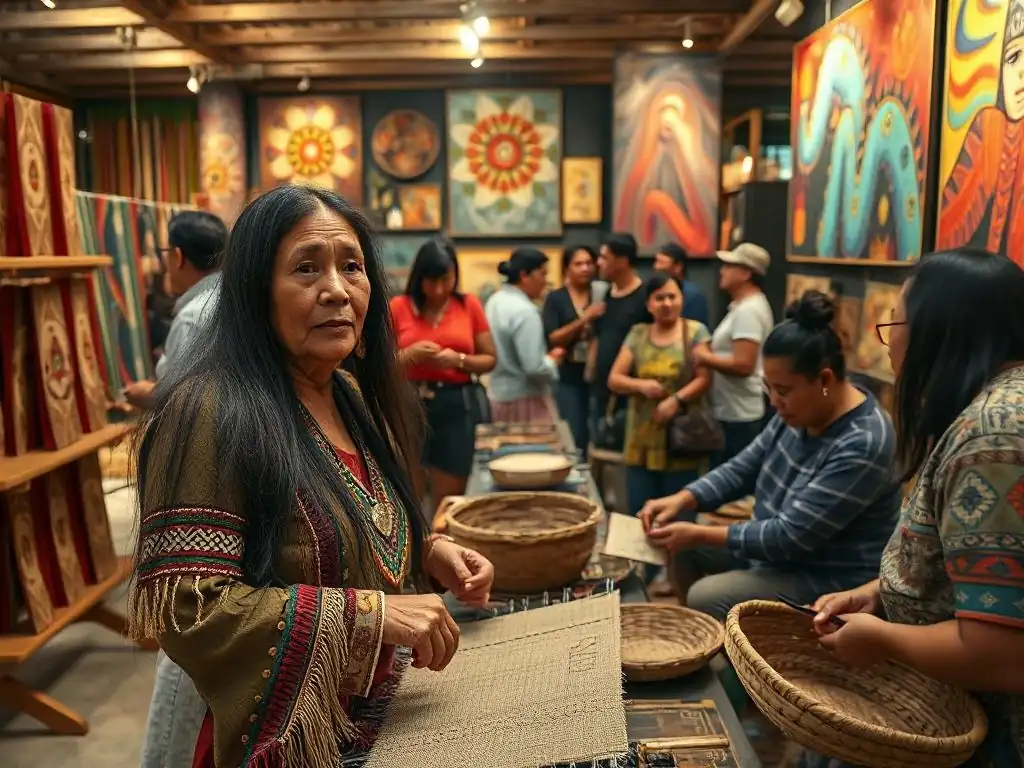
Christi Belcourt: Navigating Challenges in the Art Market
Christi Belcourt, a Métis artist known for her intricate beadwork and vibrant paintings, exemplifies the resilience and creativity of Indigenous artists navigating contemporary challenges. Belcourt’s work often explores themes of nature, identity, and the impacts of colonization. She has successfully utilized both traditional and modern techniques, allowing her to connect with diverse audiences.
Despite facing challenges related to market accessibility and representation, Belcourt has built a strong presence through exhibitions and collaborations with organizations committed to promoting Indigenous art. Her dedication to her craft and commitment to cultural storytelling have positioned her as a leading figure in the Indigenous art scene, inspiring future generations of artists.
Nicki Green: Seizing Opportunities in the Digital Age
Nicki Green, a contemporary artist with a focus on Indigenous identity and environmental issues, has effectively harnessed the opportunities presented by the digital age. Through her innovative use of digital media, Green creates immersive installations that engage viewers in thought-provoking dialogues about heritage and ecological stewardship.
Her ability to adapt to digital platforms has enabled her to reach wider audiences and participate in virtual exhibitions and art fairs. By utilizing social media to share her artistic journey and promote her work, Green has successfully carved out a niche for herself within the contemporary art market, illustrating the potential for Indigenous artists to thrive in a rapidly changing landscape.
Rebecca Belmore: Blending Tradition and Modernity
Rebecca Belmore is a renowned Indigenous artist who masterfully blends traditional practices with contemporary art forms. Her work often addresses urgent social issues, including Indigenous rights and environmental justice, using a variety of mediums such as installation, performance, and sculpture. Belmore’s ability to intertwine personal and collective narratives allows her to resonate deeply with audiences.
Through her participation in prestigious exhibitions and collaborations with prominent institutions, Belmore has gained international recognition. Her innovative approach to storytelling not only elevates Indigenous voices but also challenges viewers to reconsider their perceptions of art and culture. Belmore's success serves as a testament to the possibilities that arise when Indigenous traditions are embraced within the contemporary art market.
Strategies for Supporting Indigenous Art Markets
Supporting Indigenous art markets requires a multifaceted approach that acknowledges the unique challenges faced by Indigenous artists while promoting their work in a respectful and sustainable manner. By focusing on community support, ethical consumption, and policy advocacy, stakeholders can help create a more equitable environment for Indigenous artists to thrive.
To effectively support Indigenous art markets, initiatives should prioritize education about cultural significance, foster collaborations between Indigenous and non-Indigenous artists, and promote platforms that highlight Indigenous voices. Additionally, creating accessible marketplaces, both online and offline, can help artists reach broader audiences while maintaining the integrity of their cultural expressions.
Building Community Support Systems for Artists
Community support systems are vital for Indigenous artists, providing them with resources, mentorship, and networking opportunities. Establishing local art collectives or cooperatives can empower artists to share knowledge, collaborate on projects, and market their work collectively. These systems can also play a crucial role in preserving traditional techniques and storytelling methods, ensuring that cultural heritage remains alive.
Moreover, community workshops and events can be organized to engage the public and raise awareness about Indigenous art forms. These initiatives not only support artists financially but also foster a deeper appreciation for Indigenous cultures among broader audiences. By creating safe spaces for artistic expression, Indigenous artists can explore their identities and narratives, contributing to the vibrancy of the art market.
Encouraging Ethical Consumption of Indigenous Art
Ethical consumption of Indigenous art involves understanding the cultural significance of the pieces and ensuring that artists receive fair compensation for their work. Consumers are encouraged to educate themselves about the origins of the art, the artists behind it, and the cultural stories it represents. This awareness can help combat the exploitation of Indigenous art and ensure that purchases support the artists and their communities.
Artisans can also benefit from certifications or labeling systems that denote authentic Indigenous art, helping consumers make informed choices. By promoting ethical buying practices, the art market can shift towards sustainability and respect for cultural heritage, ensuring that Indigenous artists are recognized as the rightful owners of their creative expressions.
Policy Recommendations for Protecting Indigenous Arts and Artists
Policies aimed at protecting Indigenous arts and artists must be comprehensive and inclusive, addressing the unique challenges they face. Recommendations include:
- Intellectual Property Rights: Strengthening laws that protect Indigenous artists from cultural appropriation and unauthorized reproductions of their work.
- Funding and Grants: Increasing access to funding opportunities specifically for Indigenous artists and art organizations to support creative projects and cultural initiatives.
- Cultural Preservation Initiatives: Supporting programs that focus on the documentation and preservation of traditional art forms, encouraging intergenerational knowledge transfer.
- Education and Awareness: Implementing educational programs that teach the importance of Indigenous cultures and the role of art in these societies, fostering respect and understanding.
By advocating for these policies, stakeholders can create a more supportive environment for Indigenous artists, ensuring their contributions to the art market are recognized and valued.
Conclusion: The Future of Indigenous Art Markets
The future of Indigenous art markets rests on the collective efforts of artists, communities, consumers, and policymakers. By addressing the challenges faced by Indigenous artists and promoting sustainable practices, we can create a thriving art ecosystem that honors cultural heritage and supports artistic innovation.
Summary of Challenges and Opportunities
Indigenous artists encounter various challenges, including issues related to appropriation, market access, and funding. However, there are significant opportunities for growth through community support, ethical consumption, and robust policy frameworks. By acknowledging these challenges and capitalizing on opportunities, the Indigenous art market can flourish and remain a vital part of the cultural landscape.
Call to Action for Supporting Indigenous Artists and Their Markets
To support Indigenous artists and their markets, individuals and organizations are encouraged to take action. This can include:
- Purchasing Art: Invest in authentic Indigenous art directly from artists or reputable galleries.
- Advocating for Policies: Support policy changes that protect Indigenous rights and promote equitable access to resources.
- Educating Others: Share knowledge about the significance of Indigenous art and the importance of ethical consumption.
- Participating in Community Events: Engage with local Indigenous art initiatives and events to foster connections and support artists in their endeavors.
By taking these steps, we can contribute to a vibrant future for Indigenous art markets, ensuring that they continue to thrive and evolve for generations to come.
- Understanding Indigenous Art Markets
- Current Challenges in Indigenous Art Markets
- Opportunities for Indigenous Artists in the Contemporary Market
- Case Studies of Successful Indigenous Artists
- Strategies for Supporting Indigenous Art Markets
- Conclusion: The Future of Indigenous Art Markets
- What are the main challenges faced by contemporary indigenous artists in the art market?
- How does the art market impact indigenous artists today?
- What opportunities exist for indigenous artists in the modern art market?
- How can collectors support the indigenous art market?
- What role do cultural institutions play in addressing these challenges?
Frequently Asked Questions
What are the main challenges faced by contemporary indigenous artists in the art market?
Contemporary indigenous artists encounter systemic barriers such as limited access to resources, cultural appropriation, and the need to navigate a market that often undervalues their work.
How does the art market impact indigenous artists today?
The art market can provide opportunities for visibility and income, but it also poses challenges, including the risk of misrepresentation and pressure to conform to commercial trends rather than cultural authenticity.
What opportunities exist for indigenous artists in the modern art market?
Indigenous artists can benefit from increased visibility through online platforms, art fairs, and galleries that focus on cultural representation, allowing them to reach a wider audience and gain recognition.
How can collectors support the indigenous art market?
Collectors can support the indigenous art market by purchasing works directly from artists or reputable galleries, ensuring that a fair portion of the proceeds goes back to the artists and their communities.
What role do cultural institutions play in addressing these challenges?
Cultural institutions can provide education, resources, and platforms for indigenous artists, helping to promote cultural preservation and appreciation, while also fostering a more inclusive art market.
The challenges faced by the indigenous art market today are not just obstacles; they are opportunities for growth and transformation. As we delve into the intricate dynamics of indigenous art, it becomes clear that understanding these challenges is crucial for fostering a more equitable and vibrant marketplace. The intersection of tradition and contemporary expression highlights a pressing need for awareness and advocacy, reminding us that the stories behind the art are as significant as the art itself.
The indigenous art market is a living testament to resilience and cultural identity, continually shaping and reshaping the social landscape. Artists are not merely creators; they are custodians of their heritage, navigating the complexities of commercialization while striving to maintain authenticity. As we witness the evolution of this market, we are reminded of the words of renowned artist and activist, Rick Bartow: Art is a way of knowing, a way of being, a way of living.
This sentiment underscores the importance of supporting indigenous artists in their quest to share their narratives and preserve their cultural legacies.
As we reflect on the insights gained from exploring the indigenous art market, I invite you to consider your role in this vibrant ecosystem. How can you contribute to the upliftment of indigenous artists and their communities? Whether through purchasing art, advocating for fair practices, or simply educating yourself and others about the challenges they face, your actions can make a difference. Let us embrace the opportunity to engage with indigenous art not just as consumers, but as allies in a journey toward recognition, respect, and revitalization.
Ignite Your Connection to Indigenous Art!
Thank you for diving into the vibrant world of Indigenous art markets! Your interest is essential in supporting contemporary artists who weave rich cultural narratives through their work. Now that you’ve gained insight into the challenges and opportunities in this field, it's time to take action and make a difference.
Here are some simple steps you can take to engage further:
- Explore Indigenous Art: Visit local galleries or online platforms that showcase Indigenous artists. Support their work by purchasing pieces that resonate with you.
- Share the Dialogue: Discuss the importance of Indigenous art within your community. Share this article and your newfound knowledge on social media to raise awareness.
- Engage with Artists: Attend workshops, discussions, or artist showcases to connect directly with Indigenous creators and hear their stories firsthand.
What piece of Indigenous art has inspired you the most, and how do you envision it impacting your understanding of contemporary culture?