
The Global Influence of North American Indigenous Art: How These Cultures Inspire Artists Worldwide

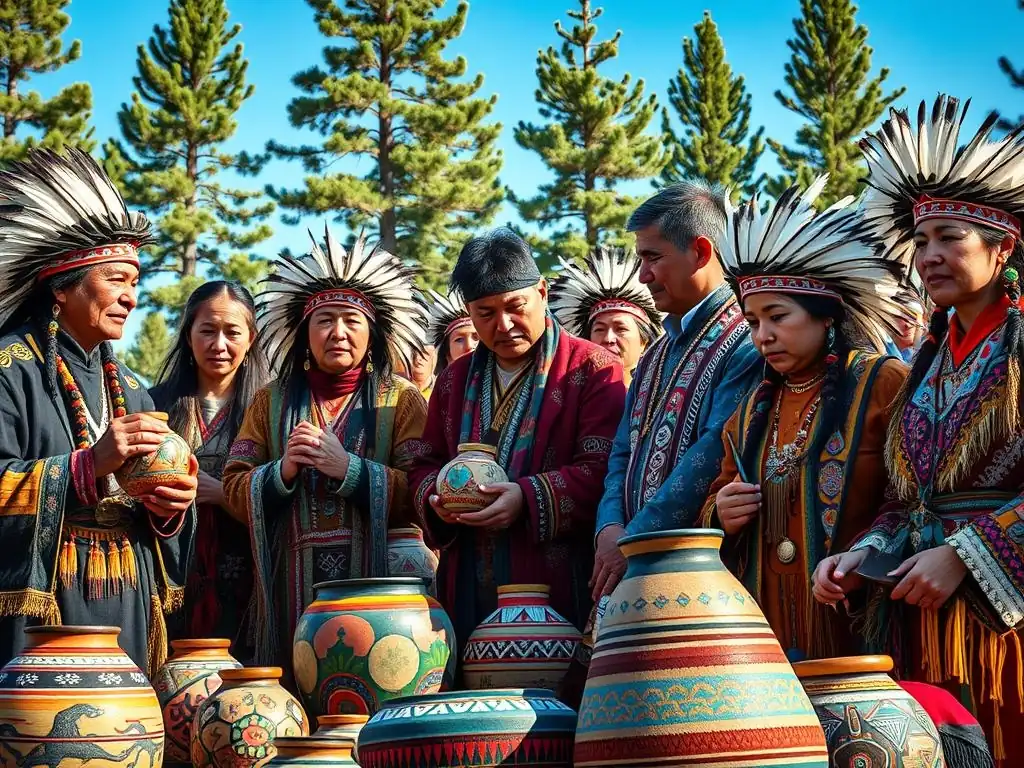
Welcome to Indigenous Civilizations of the Americas, where we embark on a fascinating journey through the rich tapestry of indigenous cultures that flourished long before the arrival of Europeans. Here, we delve into the profound impact and achievements of these vibrant societies, highlighting their enduring legacies.
In our featured article, "The Global Influence of North American Indigenous Art: How These Cultures Inspire Artists Worldwide," we uncover the remarkable ways in which North American indigenous art continues to shape and inspire contemporary artists across the globe. Prepare to be intrigued as we explore the profound connections between ancient traditions and modern creativity—an invitation to discover more awaits!
Introduction to North American Indigenous Art Influence
The rich tapestry of North American indigenous art is a profound testament to the diverse cultures that flourished long before European contact. This art form is not merely decorative; it embodies the values, beliefs, and histories of various indigenous communities. From intricate beadwork to vibrant textiles, sculptures, and paintings, North American indigenous art influences contemporary artists around the globe.
By exploring these artistic expressions, we can appreciate their significant contributions to global art scenes and recognize the ongoing legacy of these cultures. This article delves into the various aspects that define North American indigenous art, highlighting its characteristics, historical context, and the way it continues to inspire creativity today.
Definition of North American Indigenous Art
North American indigenous art encompasses a vast array of artistic expressions created by the indigenous peoples of the continent, including but not limited to Native American, First Nations, and Inuit cultures. This art is characterized by its deep connection to the natural world, spirituality, and community life. It often serves functional, ceremonial, and aesthetic purposes, reflecting the unique cultural identities of the various tribes and nations. Key forms of this art include:
- Visual Arts: Paintings, carvings, and drawings that often depict stories, beliefs, and the environment.
- Textile Arts: Weaving, quilting, and beadwork that showcase intricate patterns and cultural symbolism.
- Performance Arts: Dance, music, and storytelling that convey historical narratives and cultural traditions.
Historical Context of Indigenous Art in North America
The history of indigenous art in North America is as diverse as the cultures that created it. Before European colonization, indigenous peoples had developed rich artistic traditions that were integral to their social and spiritual lives. Art was used in various contexts, such as:
- Ceremonies: Art played a crucial role in rituals and ceremonies, often serving as a means of communication with the spiritual realm.
- Trade: Artistic objects were traded, showcasing the skill and creativity of different tribes and fostering intercultural exchanges.
- Identity: Art has historically been a powerful expression of cultural identity, helping to reinforce communal bonds and convey stories of ancestry.
As colonization began, indigenous art faced significant challenges, including the loss of traditional practices and the imposition of foreign artistic standards. However, many indigenous artists have revitalized and adapted their art forms, ensuring their survival and relevance in contemporary society.
Key Characteristics of North American Indigenous Art Forms
Symbols and Meanings in Indigenous Art
Symbols in North American indigenous art carry profound meanings, often rooted in the spiritual beliefs and stories of the respective cultures. Common symbols include:
- Animals: Representing various traits and teachings, such as strength, wisdom, and resilience.
- Nature: Elements such as water, mountains, and plants often symbolize life, growth, and interconnectedness.
- Geometric Patterns: These patterns can signify cosmological beliefs, social structures, or clan identities.
Understanding these symbols is essential for appreciating the depth and significance of the artwork.
Techniques and Materials Used in Indigenous Art
The mastery of techniques and the use of natural materials are hallmarks of North American indigenous art. Artists traditionally utilized local resources to create their works, which included:
- Stone and Wood: Commonly used for carving and sculpting, producing intricate figures and totems.
- Clay: Employed in pottery-making, with specific styles and methods varying among different tribes.
- Textiles: Natural fibers, dyes, and beads are used in weaving and adornment, often incorporating traditional patterns.
These techniques not only showcase the artists' skills but also reflect their deep connection to the environment.
Regional Variations in Indigenous Art Styles
North American indigenous art is characterized by distinct regional variations, shaped by geography, culture, and historical influences. Some notable styles include:
- Northwest Coast Art: Known for its totem poles, masks, and intricate woodwork, often featuring animal motifs.
- Plains Art: Celebrated for its beadwork and quillwork, often used in clothing and ceremonial items.
- Southwestern Art: Renowned for pottery, weaving, and jewelry, with strong connections to the land and spiritual beliefs.
These regional differences not only enrich the tapestry of indigenous art but also demonstrate the adaptability and resilience of indigenous cultures across North America.
The Cultural Significance of Indigenous Art
Indigenous art in North America serves as a profound reflection of the cultures, histories, and values of the various tribes and nations that have inhabited the continent for millennia. This art is not merely decorative; it is deeply intertwined with the spiritual, social, and political fabric of indigenous life. Each piece of art, whether it be a totem pole, pottery, beadwork, or painting, carries stories and meanings that connect the community to its ancestors and the natural world.
The cultural significance of indigenous art is evident in its use as a medium for expression and communication. Through intricate designs and symbols, artists convey beliefs, traditions, and social messages. For many indigenous communities, art is a vital means of preserving heritage and identity, especially in the face of colonization and cultural assimilation efforts. Thus, the art produced is not only a reflection of personal creativity but also a collective narrative that informs both the community and the wider world about their unique experiences and perspectives.
Spiritual and Religious Themes in North American Indigenous Art
Spirituality is a cornerstone of many indigenous cultures, and this is vividly manifested in their art. Many artworks are imbued with sacred meanings, often depicting creation stories, spiritual beings, and the interconnectedness of all living things. For example, the use of natural materials like clay, wood, and feathers is intentional, as these elements are often viewed as gifts from the Earth, deserving of respect and reverence.
Artworks such as ceremonial masks, regalia, and ritual objects play essential roles in traditional practices and ceremonies. They serve not only as artistic expressions but also as tools for connecting with the divine. The motifs and symbols used are often passed down through generations, ensuring that spiritual beliefs and values remain vibrant within the community.
Storytelling Through Visual Art: A Tradition
Storytelling is a vital aspect of indigenous cultures, and visual art serves as a powerful medium for this tradition. Through paintings, carvings, and textiles, artists weave narratives that depict historical events, cultural myths, and personal stories. These visual stories not only entertain but also educate community members, especially the younger generations, about their heritage and moral lessons.
For instance, many tribes utilize the art of storytelling through pictographs or petroglyphs, where each symbol represents a part of the story, allowing viewers to engage with the narrative actively. This technique reinforces the importance of oral traditions, as artists often draw inspiration from tales told by elders, ensuring that the legacy of storytelling continues.
Community and Identity Reflected in Indigenous Art
North American indigenous art is a mirror reflecting the identity and values of the communities that create it. Each artwork encapsulates the unique experiences, beliefs, and traditions of a particular tribe or nation. This sense of identity is often manifested through the use of specific colors, patterns, and materials that are culturally significant.
Moreover, art plays a crucial role in community cohesion. Collaborative projects, such as communal murals or collective crafts, foster a sense of belonging and shared purpose among community members. These art forms serve as a reminder of communal history and encourage the continuation of cultural practices, reinforcing the idea that each individual contributes to the collective identity of their people.
How North American Indigenous Art Influences Contemporary Artists
The influence of North American indigenous art on contemporary artists is profound and far-reaching. As global interest in indigenous cultures grows, many modern artists seek to incorporate elements of indigenous art into their own work, leading to a rich dialogue between traditional and contemporary styles. This intersection promotes a deeper understanding of the complexities and nuances of indigenous cultures.
Inspiration Drawn from Indigenous Art by Modern Artists
Many contemporary artists cite indigenous art as a significant source of inspiration, leading them to explore themes such as identity, community, and the relationship with nature. Artists like Jaune Quick-to-See Smith and Sonya Kelliher-Combs have successfully blended traditional indigenous techniques with modern artistic practices, showcasing the vibrancy of indigenous culture while addressing contemporary issues such as colonialism and environmentalism.
This blending of styles not only honors the traditions of indigenous art but also challenges preconceived notions about what constitutes art and who gets to define it. As a result, the influence of indigenous art is reshaping contemporary art discourse, prompting artists to consider their own cultural narratives and responsibilities.
Collaborations Between Indigenous and Non-Indigenous Artists
Collaborative projects between indigenous and non-indigenous artists are becoming increasingly common, fostering mutual respect and understanding. These collaborations often involve shared exhibitions, workshops, and community art projects that highlight the significance of indigenous art while allowing for cross-cultural dialogue.
Such partnerships can lead to innovative artistic expressions that honor indigenous traditions while incorporating contemporary techniques. They create a platform for indigenous voices to be heard and valued in the broader art world, challenging stereotypes and promoting cultural appreciation. These collaborations emphasize the importance of inclusivity and respect for cultural heritage in the artistic process.
The Role of Indigenous Art in Global Art Movements
Indigenous art contributes significantly to global art movements by challenging dominant narratives and introducing new perspectives. The themes and techniques found in indigenous art resonate with many contemporary movements, such as environmental art and social justice initiatives, which often seek to address issues of identity, community, and the impact of colonialism.
Furthermore, indigenous art has gained recognition on international stages, influencing art fairs, galleries, and exhibitions worldwide. This exposure not only elevates the visibility of indigenous artists but also enriches the global art landscape by integrating diverse cultural perspectives. As artists and audiences engage with indigenous art, they are invited to reflect on broader themes of resilience, cultural preservation, and the ongoing impact of colonization, encouraging a more inclusive understanding of art's role in society.
Case Studies: Notable Artists Inspired by Indigenous Art
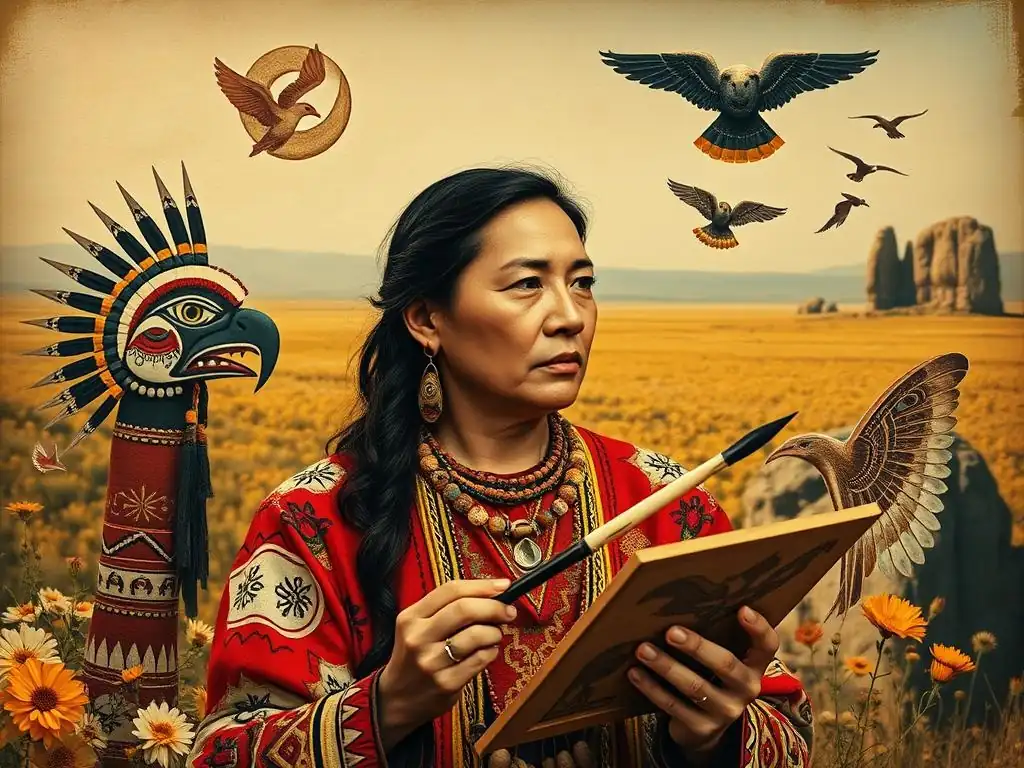
The influence of North American indigenous art extends far beyond its geographical roots, inspiring a diverse array of contemporary artists who infuse their work with indigenous themes, techniques, and philosophies. This section highlights three notable artists who exemplify the integration of indigenous art influences into their practices, showcasing how these cultural elements resonate globally.
Nicholas Galanin: Their Work and Influence
Nicholas Galanin, a member of the Tlingit and Unangax tribes from Alaska, is a prominent artist whose work challenges perceptions of indigenous identity and cultural narratives. His multidisciplinary approach encompasses sculpture, installation, and video art, often utilizing traditional materials and techniques.
Galanin’s acclaimed piece, "Blood on the Dance Floor," critiques the commodification of indigenous culture by juxtaposing traditional Tlingit carving with contemporary pop culture, effectively merging two worlds. His work serves as a bridge, inviting viewers to reflect on the complexities of identity and representation in a post-colonial context. Through exhibitions worldwide, Galanin’s influence is evident in the growing recognition of indigenous perspectives within contemporary art discourse.
Tanya Lukin Linklater: Incorporating Indigenous Themes
Tanya Lukin Linklater, an Alutiiq artist and educator, focuses on the intersections of performance, installation, and video to explore themes of cultural memory and indigenous knowledge. Her work often draws upon her Alutiiq heritage, incorporating traditional stories, languages, and practices.
One of her notable projects, "The Way We Look," engages with the history of indigenous education and the impacts of colonization on cultural transmission. Through her performances, she creates an evocative dialogue that challenges colonial narratives while celebrating indigenous resilience. Lukin Linklater’s art not only reflects personal and collective histories but also encourages an ongoing conversation about the importance of indigenous voices in contemporary art.
Jeffrey Veregge: Impact on the Global Art Scene
Jeffrey Veregge, a Coast Salish artist, is known for his innovative approach to indigenous art through the lens of popular culture, particularly comic books and graphic novels. His work incorporates traditional Salish designs and motifs into modern formats, making indigenous art accessible and relatable to a broader audience.
Veregge’s series, "Superheroes of the Salish Sea," reimagines comic book characters with indigenous symbolism, creating a fusion that resonates with both indigenous and non-indigenous viewers. His art not only celebrates native heritage but also critiques the portrayal of indigenous peoples in mainstream media. By leveraging contemporary pop culture, Veregge has significantly impacted the global art scene, inspiring a new generation of artists to explore the integration of indigenous themes within various artistic mediums.
Challenges and Opportunities for North American Indigenous Artists
North American indigenous artists face a unique set of challenges and opportunities as they navigate the contemporary art world. Understanding these dynamics is crucial for fostering a supportive environment that honors traditional practices while embracing modern influences.
Preservation of Traditional Techniques in a Modern Context
The preservation of traditional techniques poses both a challenge and opportunity for indigenous artists. Many artists strive to maintain the integrity of their ancestral practices while simultaneously adapting to contemporary artistic demands. This duality can lead to a rich dialogue between the past and present, allowing artists to innovate without losing their cultural roots.
For example, some artists are reinterpreting ancient methods, such as weaving and carving, to create contemporary pieces that speak to modern issues. This blending of old and new not only helps preserve these techniques but also showcases their relevance in today’s art world, ensuring that indigenous traditions remain vibrant and evolving.
The Impact of Commercialization on Indigenous Art
Commercialization presents a double-edged sword for indigenous artists. While it can provide greater visibility and financial opportunities, it also risks commodifying indigenous culture in ways that dilute its meaning and significance. The challenge lies in balancing the need for recognition with the desire to maintain authentic cultural expressions.
Many artists are finding innovative ways to navigate this landscape. By establishing direct relationships with collectors and audiences, they can promote understanding and appreciation for the cultural narratives behind their work. Additionally, initiatives that prioritize ethical practices and fair compensation for indigenous artists are essential in addressing the complexities of commercialization.
Advocacy for Indigenous Rights in the Art World
Advocacy for indigenous rights is critical in the art world, where issues of representation, appropriation, and ownership persist. Many indigenous artists are actively engaged in promoting their rights, using their platforms to raise awareness about the challenges faced by indigenous communities.
Organizations and movements that support indigenous artists are gaining momentum, emphasizing the importance of respecting cultural heritage and intellectual property. By collaborating with allies and engaging in dialogue, these artists are not only advocating for their rights but also working towards broader societal change, ensuring that indigenous voices are heard and valued in the global art conversation.
Conclusion: The Lasting Impact of North American Indigenous Art Influence
The influence of North American indigenous art extends far beyond its geographical origins, weaving itself into the fabric of global artistic expression. This impact is characterized by a rich tapestry of techniques, themes, and cultural narratives that resonate with artists and audiences alike. By understanding and appreciating the depth of these indigenous art forms, we not only honor their creators but also enrich our own cultural landscapes. The legacy of indigenous art is one of resilience, innovation, and interconnectedness, reminding us of the profound ways in which art can bridge divides and foster understanding across diverse communities.
Summary of Key Points
- Cultural Significance: North American indigenous art encapsulates the stories, beliefs, and histories of various tribes, serving as a vital means of cultural expression and identity.
- Techniques and Materials: From intricate beadwork to pottery and weaving, indigenous artists employ traditional techniques and natural materials, showcasing a profound relationship with their environment.
- Global Inspiration: Artists worldwide draw inspiration from indigenous motifs, philosophies, and aesthetics, leading to a cross-pollination of ideas that enrich contemporary art.
- Contemporary Movements: The revival and adaptation of traditional art forms by modern indigenous artists reflect a dynamic evolution of heritage and identity, ensuring that these practices remain relevant and influential.
The Future of Indigenous Art and Its Global Influence
The future of indigenous art is both promising and challenging. As more artists gain visibility on global platforms, there is an opportunity to further the dialogue about cultural appropriation and authenticity. This awareness encourages artists to not only celebrate their roots but also engage in meaningful exchanges that respect the origins of their influences.
Furthermore, the integration of technology and social media provides a unique avenue for indigenous artists to share their work, connect with audiences, and advocate for their communities. The ongoing collaboration between traditional and contemporary practices is likely to continue shaping the art world, ensuring that the voices of indigenous cultures resonate well into the future.
Call to Action: Supporting Indigenous Art and Artists
Supporting indigenous art and artists is crucial for preserving these rich cultural traditions and fostering their continued evolution. As consumers and advocates, we can play an active role in promoting indigenous art forms and the narratives they embody.
Ways to Engage with Indigenous Art
- Purchase Authentic Art: Consider buying directly from indigenous artists or reputable galleries that represent their work. This ensures that the profits support the artists and their communities.
- Attend Exhibitions and Workshops: Engage with local exhibitions, art fairs, and workshops that feature indigenous art. This not only supports the artists but also offers opportunities to learn directly from them.
- Promote Visibility: Use social media platforms to share and promote indigenous artists and their work, helping to elevate their profiles and reach wider audiences.
Encouraging Awareness and Appreciation of Indigenous Cultures
- Education and Resources: Invest time in learning about the histories and traditions of indigenous cultures. Many organizations and educational institutions offer resources and programs that provide deeper insights.
- Participate in Cultural Events: Attend cultural festivals, powwows, or community gatherings that celebrate indigenous heritage. These events are excellent opportunities to experience the richness of indigenous cultures firsthand.
- Advocacy: Support policies and initiatives that protect indigenous rights and promote their art and culture. Advocacy can take many forms, from signing petitions to participating in community discussions.
By actively engaging with indigenous art and cultures, we contribute to a more inclusive understanding of the diverse narratives that shape our world, fostering respect and appreciation for the invaluable contributions of North American indigenous peoples.
- Introduction to North American Indigenous Art Influence
- Key Characteristics of North American Indigenous Art Forms
- The Cultural Significance of Indigenous Art
- How North American Indigenous Art Influences Contemporary Artists
- Case Studies: Notable Artists Inspired by Indigenous Art
- Challenges and Opportunities for North American Indigenous Artists
- Conclusion: The Lasting Impact of North American Indigenous Art Influence
- Call to Action: Supporting Indigenous Art and Artists
- What is the primary focus of the article on North American indigenous art?
- How did North American indigenous cultures contribute to art?
- What lasting impact has indigenous art had on contemporary artists?
- Can you provide examples of how indigenous art has inspired global artists?
- Why is it important to understand the context of North American indigenous art?
Frequently Asked Questions
What is the primary focus of the article on North American indigenous art?
The article explores the global influence of North American indigenous art and how these cultures have inspired artists worldwide, showcasing their unique artistic achievements.
How did North American indigenous cultures contribute to art?
North American indigenous cultures contributed through their rich traditions, intricate designs, and symbolic meanings that reflect their connection to nature, spirituality, and community.
What lasting impact has indigenous art had on contemporary artists?
Indigenous art continues to influence contemporary artists by inspiring new forms of expression and encouraging the integration of traditional techniques and cultural narratives into modern artwork.
Can you provide examples of how indigenous art has inspired global artists?
Many global artists draw inspiration from indigenous motifs, storytelling methods, and natural materials, leading to a fusion of styles that honors the original cultures while innovating new artistic expressions.
Why is it important to understand the context of North American indigenous art?
Understanding the historical and cultural context of North American indigenous art deepens appreciation for its significance, allowing for a more respectful and informed engagement with these vibrant cultures.
Final Reflection: The Enduring Legacy of North American Indigenous Art Influence
The profound impact of North American Indigenous art on global creativity is more relevant today than ever. As we navigate a world increasingly focused on cultural appreciation and diversity, the vibrant expressions of Indigenous artists serve as a powerful reminder of the rich narratives and traditions that shape our collective human experience. The intricate designs, deep spiritual connections, and storytelling embedded in these artworks resonate across borders, challenging us to rethink our own artistic practices and cultural identities.
The influence of North American Indigenous art extends far beyond the confines of traditional galleries; it permeates contemporary culture, inspiring artists from various backgrounds to engage with themes of nature, identity, and resilience. As we witness a resurgence of interest in Indigenous stories and aesthetics, we are reminded of the importance of honoring these voices in the broader conversation about art and society. Art is the most beautiful of all lies.
This quote encapsulates the essence of how art can transcend reality, inviting us to explore deeper truths about ourselves and the world around us.
Now, I invite you to reflect on how the lessons from North American Indigenous art can inspire your own creative journey. Consider how you can incorporate these influences into your life, whether through your artistic endeavors, personal storytelling, or simply by appreciating the beauty and wisdom of diverse cultures.
Embrace the challenge to engage with art that speaks to the heart and mind, fostering a deeper understanding of the interconnectedness of all cultures. Let the legacy of Indigenous art guide you in your pursuit of authenticity and creativity, as we collectively honor and celebrate the rich tapestry of human expression.
Unleash Your Creativity Through Indigenous Inspiration!
Thank you for exploring the captivating world of North American Indigenous art with us! We hope you gained a deeper appreciation of its unique influence on artists around the globe. Now, it's time to take that inspiration and put it into action. Here are a few steps to help you connect further with these incredible cultures:
- Dive into your own creativity: Incorporate elements of Indigenous artistry into your next creative project. Allow their stories and styles to guide your work!
- Visit local Indigenous exhibitions or online galleries that showcase these art forms to enhance your understanding and appreciation.
- Share your discoveries: Engage with friends or join online communities to discuss the impact of Indigenous art on contemporary artists. Together, we can spread awareness!
What unique artistic expression do you feel inspired to create after learning about the influence of Indigenous cultures?