
Totem Poles and Beyond: Understanding the Spiritual Significance of Indigenous Sculptures

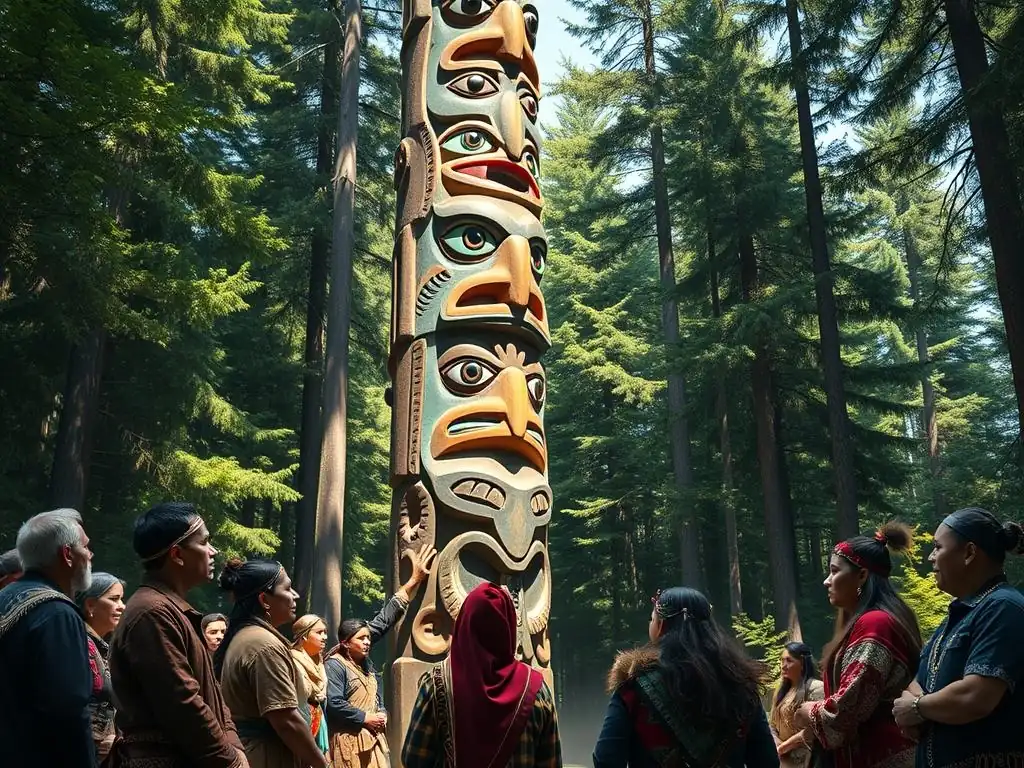
Welcome to Indigenous Civilizations of the Americas, where we invite you to embark on a journey through the rich tapestry of indigenous cultures that flourished long before European contact. In our feature article, "Totem Poles and Beyond: Understanding the Spiritual Significance of Indigenous Sculptures," we delve into the profound meanings embedded in these majestic carvings. Discover how totem poles serve as powerful symbols of identity, heritage, and spirituality, and explore the intricate stories they tell.
As you navigate through the captivating history and cultural significance of these remarkable artifacts, we encourage you to uncover the layers of wisdom that continue to resonate in today's world. Prepare to be inspired and intrigued—your exploration begins now!
- Introduction to Totem Poles and Indigenous Sculptures
- The Spiritual Significance of Totem Poles
- Elements of Totem Pole Design
- Totem Poles in Indigenous Spiritual Practices
- Beyond Totem Poles: Other Indigenous Sculptures
- Contemporary Perspectives on Totem Poles
- Conclusion: The Lasting Impact of Totem Poles
- Call to Action: Engage with Indigenous Culture
- Frequently Asked Questions
- Final Reflection: Embracing the Spiritual Significance of Totem Poles
- Unveil the Spirit: Engage with Indigenous Art Today!
Introduction to Totem Poles and Indigenous Sculptures
Totem poles stand as iconic symbols of the rich tapestry of Indigenous cultures in North America, representing not only artistic expression but also profound spiritual narratives. These towering sculptures, intricately carved from wood, serve as a testament to the creativity, history, and beliefs of the Indigenous peoples who created them.
This article delves into the spiritual significance of totem poles, exploring their role in storytelling, community identity, and the connection to ancestral heritage. By understanding these sculptures within the broader context of Indigenous art forms, we gain insight into the diverse cultural landscapes that thrived across the Americas before European colonization.
Overview of Indigenous Art Forms in North America
Indigenous art in North America encompasses a vast array of forms, styles, and materials, each reflecting the unique cultural practices and beliefs of various tribes and nations. From pottery and weaving to painting and sculpture, these art forms are deeply intertwined with spiritual beliefs and social structures.
- Sculpture:
- Totem poles are perhaps the most recognized forms of sculpture, predominantly created by the Indigenous peoples of the Pacific Northwest.
- Other forms include stone carvings, ceremonial masks, and figurative sculptures that often embody spiritual beings or ancestral figures.
- Painting:
- Traditional painting techniques often use natural pigments to create vibrant designs that represent stories, spiritual beliefs, and tribal identity.
- Textiles:
- Weaving and textile arts, such as basketry and blanket-making, serve both functional and ceremonial purposes, often adorned with symbols that convey spiritual significance.
- Pottery:
- Pottery, especially among the Pueblo peoples, reflects not only utilitarian craftsmanship but also intricate designs that hold spiritual meanings.
Each of these art forms plays a crucial role in preserving cultural narratives and fostering community ties, emphasizing the importance of art as a medium for expressing the spiritual significance unique to each Indigenous group.
Importance of Spiritual Significance in Indigenous Cultures
The spiritual significance of totem poles and other Indigenous art forms cannot be overstated. For many Indigenous cultures, art is not merely a visual expression but a vital component of their spiritual and social fabric.
- Connection to Ancestors:
- Totem poles often depict ancestral stories, serving as a physical manifestation of the connection between past and present. They help community members remember their lineage and honor their heritage.
- Cultural Identity:
- Art plays a critical role in defining tribal identity. The symbolism embedded in totem poles and other artworks fosters a sense of belonging among community members.
- Ceremonial Use:
- Many sculptures, including totem poles, are utilized in rituals and ceremonies, reinforcing their spiritual significance and the beliefs surrounding them.
- Storytelling:
- Each carving on a totem pole tells a story, conveying moral lessons, historical events, and spiritual beliefs that are essential for cultural education.
The spiritual significance of totem poles and other Indigenous sculptures is deeply rooted in the cultures and traditions of North American Indigenous peoples. These art forms serve as powerful symbols of identity, history, and spirituality, ensuring that the narratives of Indigenous communities continue to thrive and resonate through generations.
The Spiritual Significance of Totem Poles

Totem poles are not merely art; they are profound expressions of the spiritual beliefs and cultural narratives of Indigenous peoples, particularly among the First Nations of the Pacific Northwest. Their significance transcends aesthetic value, serving as vital historical records, spiritual symbols, and communal markers. Understanding the spiritual significance of totem poles requires delving into their meanings, cultural contexts, and the intricate symbolism embedded in their carvings.
Definition and Purpose of Totem Poles
Totem poles are large, carved wooden structures that often depict a series of figures representing various animals, ancestors, and mythical beings. These structures serve multiple purposes:
- Cultural Identity: Totem poles signify the identity of a tribe or family, showcasing lineage and heritage.
- Historical Record: They narrate stories of notable events, ancestors, and cultural legends, acting as oral history in visual form.
- Spiritual Connection: Totem poles are believed to embody spiritual beings and serve as conduits between the physical and spiritual worlds.
The creation of a totem pole is often a community effort, reflecting collective values and beliefs, as well as honoring significant figures within the tribe. The spiritual significance of totem poles lies in their ability to connect people with their history and traditions, reinforcing a sense of belonging and continuity.
Cultural Context and Historical Background
The origins of totem poles can be traced back thousands of years among Indigenous cultures in the Pacific Northwest, particularly among the Haida, Tlingit, Coast Salish, and Kwakwaka'wakw tribes. These cultures developed rich artistic traditions that were closely tied to their spiritual beliefs and daily life.
- Historical Importance: Totem poles were traditionally erected in front of family homes or community spaces and were integral to various ceremonies, including potlatches, which were gatherings to celebrate significant life events.
- Artistic Evolution: Over the centuries, the styles and techniques of totem carving evolved, influenced by changes in materials and the introduction of new tools. The use of red cedar, which is abundant in the region, remains a constant due to its durability and workability.
The spiritual significance of totem poles is deeply embedded in their context, offering insights into the worldview of the Indigenous peoples who created them. They reflect the intricate relationship between nature, ancestry, and spirituality that characterizes these cultures.
Symbolism and Meaning in Totem Pole Art
Each totem pole is unique, with the figures carved into them carrying specific meanings and symbolism. Understanding this symbolism is essential to grasping the spiritual significance of totem poles:
- Animal Figures: Many poles feature animals, each representing different traits or spiritual teachings. For example:
- Eagle: Symbolizes strength and power.
- Bear: Represents bravery and leadership.
- Wolf: Denotes loyalty and family connections.
- Ancestral Figures: Carvings of ancestors serve to honor and remember family lineage, reinforcing the connection between past and present. These figures often embody traits that are aspired to by the living.
- Mythical Beings: Some totem poles include figures from tribal mythology, which serve as reminders of cultural stories and teachings, imparting moral lessons and spiritual guidance.
The intricate designs and layers of meaning in totem pole art reflect the spiritual beliefs and values of Indigenous cultures, where every detail is significant.
The spiritual significance of totem poles encompasses their roles as markers of identity, historical records, and embodiments of spiritual beliefs. Understanding totem poles requires an appreciation of the cultural context, historical background, and the deep symbolism inherent in their art. Each pole tells a story, a testament to the resilience and richness of Indigenous cultures in the Americas.
Elements of Totem Pole Design
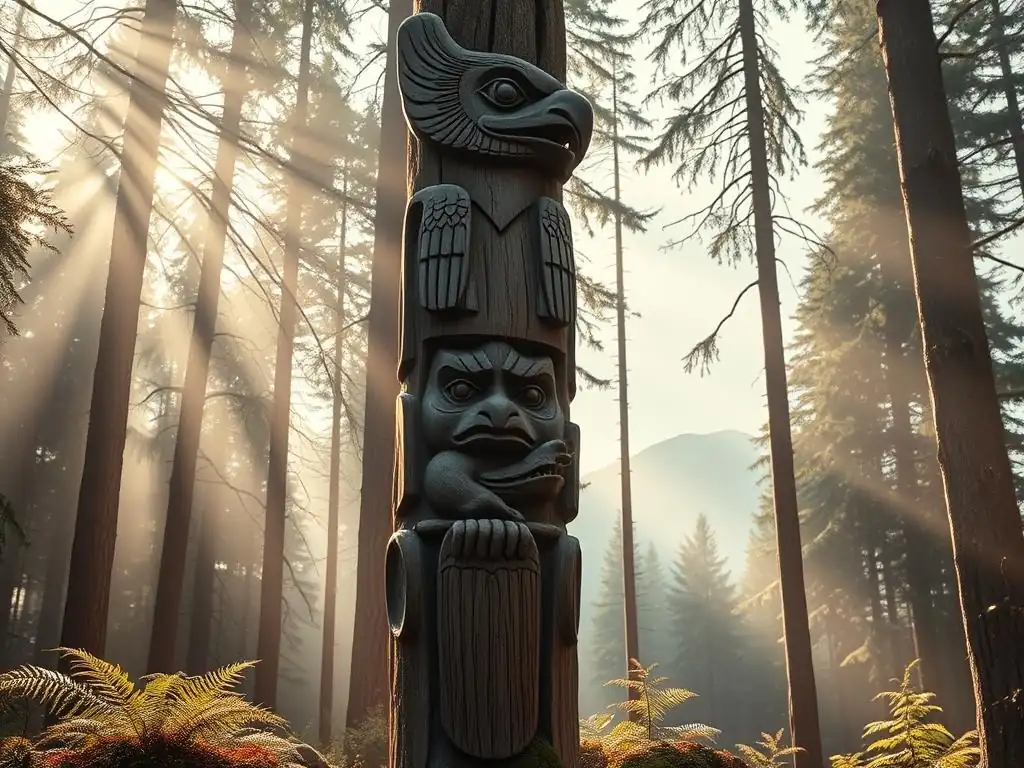
Totem poles are not just artistic expressions; they are rich tapestries woven with cultural narratives, spiritual beliefs, and social structures of Indigenous peoples. Understanding the elements of totem pole design unveils the profound spiritual significance of totem poles within their communities.
Common Materials Used in Totem Pole Construction
Traditionally, totem poles are crafted from materials that are locally sourced and culturally significant. The primary material used is cedar wood, particularly from the Western Red Cedar (Thuja plicata), which is revered for its durability, resistance to decay, and fragrant properties. Cedar holds a sacred place in many Indigenous cultures, symbolizing strength and resilience.
- Cedar Wood:
- Durability: Ideal for outdoor sculptures.
- Symbolism: Represents life and connection to nature.
In addition to cedar, other materials may also play a role in the construction and decoration of totem poles:
- Paints and Dyes:
- Made from natural pigments derived from minerals, plants, and berries.
- Used to add vibrant colors and intricate patterns that enhance the spiritual messages conveyed by the sculptures.
- Metal:
- Some contemporary totem poles may incorporate metal elements, such as copper or bronze, for additional decorative features or structural support.
- Stone and Bone:
- Occasionally, elements such as stone or animal bones may be integrated, particularly in more elaborate designs that tell specific cultural stories.
Iconography and Symbolic Representations
The imagery found on totem poles is deeply embedded with cultural narratives and spiritual significance. The carvings often depict animals, spirits, and ancestral figures that hold specific meanings. Each figure is a representation of clan lineage, personal stories, or moral lessons.
Common Symbols in Totem Pole Iconography:
- Eagle:
- Symbolizes strength, courage, and connection to the divine.
- Bear:
- Represents power, introspection, and healing.
- Wolf:
- Signifies loyalty, family ties, and communication.
- Raven:
- Often seen as a creator or trickster, embodying transformation and change.
The arrangement and hierarchy of these symbols on a totem pole can convey complex stories and relationships, serving as a visual language that communicates the values and beliefs of the community.
Regional Variations in Totem Pole Styles
The design and style of totem poles can vary significantly across different Indigenous cultures and regions. These variations are influenced by local customs, available materials, and distinct spiritual beliefs.
Notable Regional Styles:
- Northwest Coast Art:
- Predominantly seen in the Tlingit, Haida, and Kwakwaka'wakw cultures.
- Characterized by bold, stylized forms and vibrant colors, often featuring frontal faces and intricate details.
- Plains Tribes:
- Less common in traditional forms but can include effigies and ceremonial poles used for specific spiritual practices.
- Alaska Native Totem Poles:
- Often larger and more elaborate, these poles frequently represent clan lineage and historical events, serving as public monuments.
- Contemporary Totem Poles:
- Modern interpretations may incorporate mixed media and contemporary themes while still respecting traditional spiritual significance.
Understanding the elements of totem pole design sheds light on the spiritual significance of totem poles as they resonate with the identities, histories, and beliefs of Indigenous cultures across the Americas. Each pole serves as a testament to the resilience and creativity of these communities, preserving their heritage while also adapting to contemporary influences.
Totem Poles in Indigenous Spiritual Practices
Totem poles are not just artistic expressions; they hold profound spiritual significance within the cultures of various Indigenous groups in the Americas, particularly among the Northwest Coast tribes. These towering sculptures serve as vital symbols in spiritual practices, reflecting the beliefs, histories, and identities of the communities that create them.
In many Indigenous cultures, totem poles are intricately connected to the natural and spiritual worlds, embodying the essence of the beings they represent. From animals to ancestral figures, each carving is imbued with meaning, often serving as a conduit for spiritual communication. Through their designs, totem poles convey values, teachings, and the interconnectedness of life, establishing a rich tapestry of cultural heritage.
Role of Totem Poles in Rituals and Ceremonies
Totem poles play a critical role in various rituals and ceremonies among Indigenous peoples. They are often erected during significant events, such as potlatches, which are ceremonial feasts that serve as a platform for the community to celebrate important milestones.
- Ceremonial Erection: The raising of a totem pole is a ceremonial act in itself, involving communal participation. This event is marked by prayers, songs, and dances, emphasizing the pole’s role as a spiritual anchor for the community.
- Memorial Functions: Many totem poles serve memorial purposes, honoring deceased ancestors or important figures within the community. These poles are often adorned with symbols that reflect the individual's life and achievements, ensuring their legacy continues to resonate within the community.
- Healing and Protection: In some cultures, totem poles are believed to possess protective qualities, warding off negative energies and ensuring the well-being of the community. Rituals associated with the poles may also include healing practices that invoke the spirits represented in the carvings.
Overall, the incorporation of totem poles in rituals reinforces their significance as spiritual entities that facilitate connection and continuity within Indigenous cultures.
Connection to Ancestral Spirits and Community Identity
The spiritual significance of totem poles is deeply intertwined with the beliefs surrounding ancestral spirits. For many Indigenous cultures, these poles serve as symbols of connection between the living and the deceased, emphasizing the importance of lineage and heritage.
- Ancestral Representation: Each figure carved on a totem pole often represents a specific ancestor or clan, embodying their spirit and legacy. This connection to ancestry reinforces community identity, as individuals draw strength and guidance from their forebears.
- Cultural Narratives: The stories behind the figures depicted on totem poles often reflect community values, teachings, and historical events. This narrative aspect not only preserves cultural memory but also instills a sense of pride and belonging among community members.
- Spiritual Guidance: Many Indigenous peoples believe that the spirits represented on totem poles offer guidance and protection. The poles serve as reminders of the teachings and values passed down through generations, helping individuals navigate their spiritual journeys.
In this way, totem poles transcend mere artistry; they embody a spiritual lineage that shapes community identity and fosters a deep sense of belonging.
Totem Poles as Storytellers: Mythology and Legends
Totem poles are often described as visual storytellers, encapsulating the rich mythology and legends of Indigenous cultures. Each pole conveys complex narratives that can be read through its carvings, allowing for the transmission of cultural knowledge and wisdom.
- Symbolic Representations: The various creatures and figures depicted on a totem pole are laden with symbolism. For instance, the eagle may represent strength and vision, while the bear signifies courage and introspection. Understanding these symbols allows observers to engage with the stories and teachings embedded within the pole.
- Cultural Myths: Many totem poles narrate foundational myths that explain the origins of the people, their relationship with the natural world, and the lessons learned from ancestral spirits. These stories are vital for cultural continuity, as they are shared during gatherings and educational events.
- Educational Tools: In addition to their spiritual significance, totem poles serve as educational tools for younger generations. Elders often use the imagery and stories of the poles to teach the youth about their history, values, and responsibilities within the community.
By weaving together mythology and artistry, totem poles become more than mere sculptures; they are dynamic vessels of cultural heritage that continue to resonate with spiritual significance today.
Beyond Totem Poles: Other Indigenous Sculptures
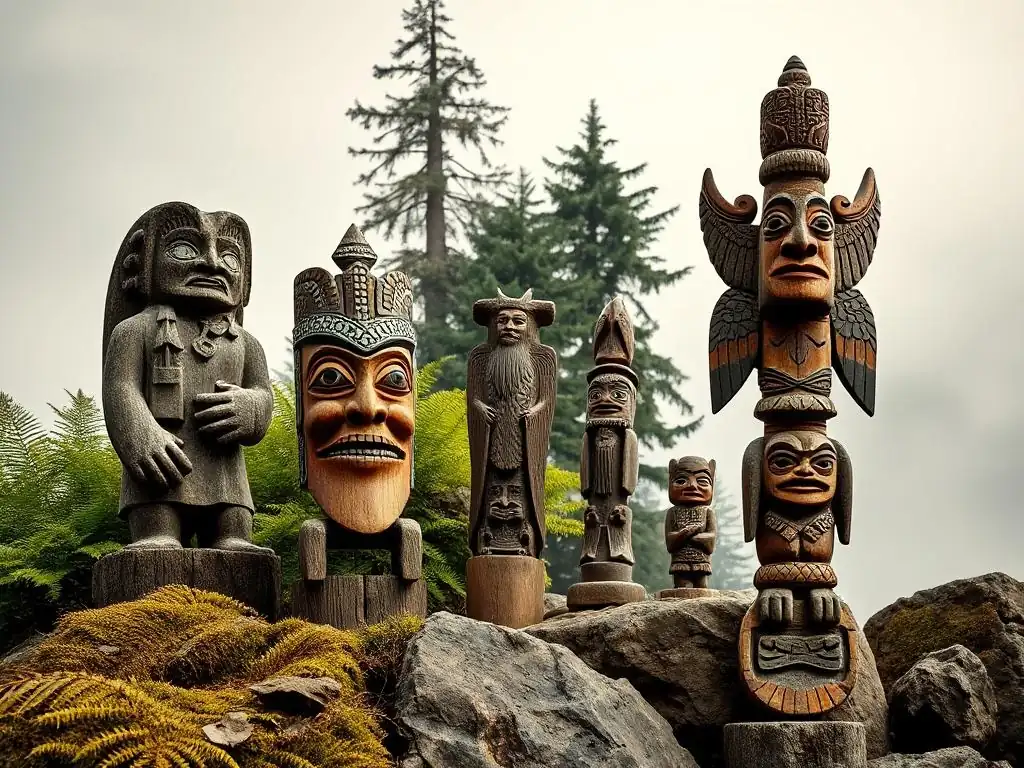
While totem poles are widely recognized as iconic representations of Indigenous art, they are merely one facet of a rich tapestry of sculptural traditions found among various Indigenous cultures of North America. This section delves into other significant forms of Indigenous sculptures, highlighting their diverse meanings, materials, and cultural contexts.
Overview of Other Indigenous Art Forms
Indigenous cultures across North America have created a myriad of sculptural works, each with its own unique characteristics and purposes. Below are some notable examples of these art forms:
- Carved Masks:
- Found among tribes such as the Haida and Tlingit, these masks often represent animals, spirits, or ancestors and are integral to ceremonies and storytelling.
- Stone Carvings:
- Indigenous artists from the Great Plains and the Arctic have crafted stone sculptures that reflect their environment, spirituality, and social structures.
- Kachina Dolls:
- Created by the Hopi and other Pueblo peoples, these dolls embody the spirits of ancestral beings. They are used in rituals and serve as educational tools for children.
- Wooden Figures and Statues:
- Tribes such as the Zuni and Navajo create wooden carvings that depict deities, animals, and everyday life. These figures often play a role in spiritual practices.
- Petroglyphs and Pictographs:
- While not traditional sculptures, these rock carvings and paintings serve as vital historical records and spiritual expressions for many Indigenous cultures.
Spiritual Significance of Other Sculptural Works
The spiritual significance of totem poles is profound, but other Indigenous sculptures also carry deep meaning. Each art form serves as a conduit for cultural identity, spiritual beliefs, and community values. Here are some ways in which various sculptures hold spiritual significance:
- Connection to Ancestors:
- Carved masks and figures often depict ancestral spirits, emphasizing the importance of lineage and heritage in Indigenous cultures.
- Representation of Nature:
- Many sculptures embody animals and natural elements, symbolizing the interconnectedness of life and the respect Indigenous peoples have for the environment.
- Ritualistic Uses:
- Sculptures such as Kachina dolls are used in ceremonies, fostering a sense of community and spiritual connection among participants.
- Storytelling:
- Many Indigenous sculptures serve as narrative devices, conveying important cultural stories and teachings through visual representation.
- Healing and Protection:
- Certain sculptures are believed to possess protective qualities or healing powers, often used in spiritual practices to safeguard individuals and communities.
Comparative Analysis: Totem Poles vs. Other Indigenous Sculptures
While totem poles are often viewed as monumental and symbolic, a comparative analysis reveals both similarities and differences with other Indigenous sculptures. Here are some key points of comparison:
| Criteria | Totem Poles | Other Indigenous Sculptures |
|---|---|---|
| Purpose | Primarily ceremonial and commemorative | Varied: ceremonial, educational, and decorative |
| Materials | Primarily wood, often cedar | Diverse: wood, stone, clay, and natural fibers |
| Cultural Context | Specific to Northwest Coast tribes | Varied across regions, reflecting local beliefs |
| Spiritual Themes | Ancestry, clan identity, and storytelling | Ancestor veneration, nature, and spiritual teachings |
| Artistic Style | Often highly stylized with bold imagery | More varied styles, reflecting cultural diversity |
While totem poles hold a prominent place in the landscape of Indigenous art, they are part of a broader spectrum of sculptural works that express the spiritual significance of Indigenous cultures. Each form of sculpture, whether a mask, a doll, or a carving, contributes to the rich narrative of Indigenous identity and belief systems, reflecting the diverse ways in which these cultures interpret and engage with the world around them.
Contemporary Perspectives on Totem Poles
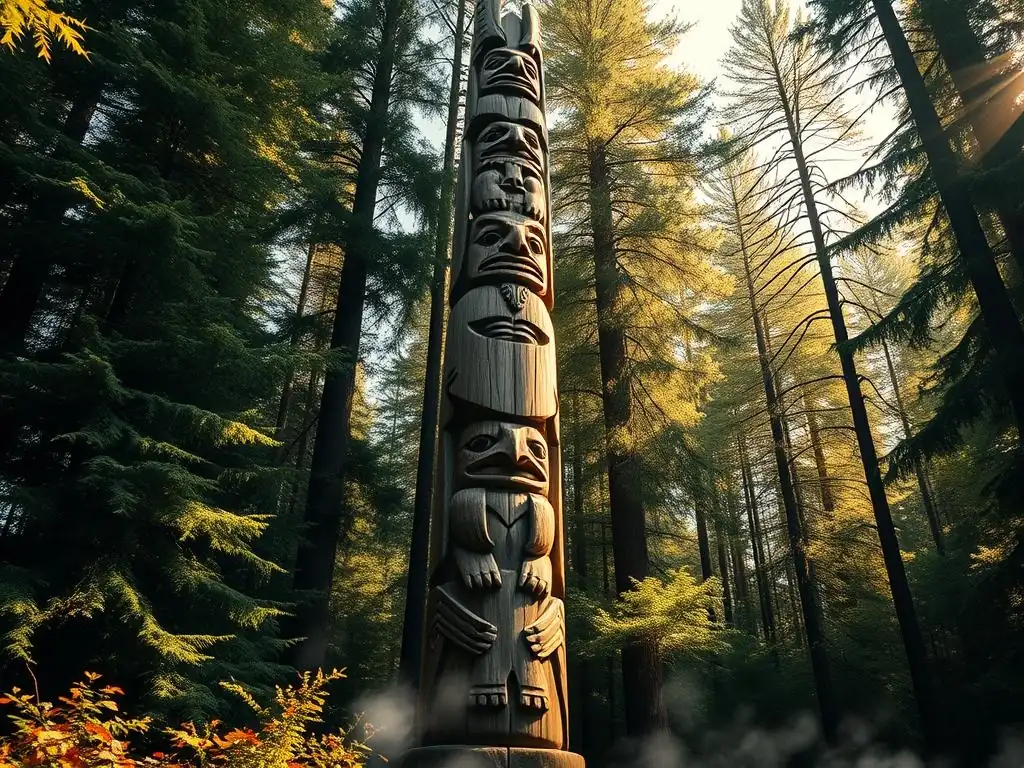
The interpretation and appreciation of totem poles have evolved significantly in contemporary times. While these monumental sculptures are rooted in the rich traditions of Indigenous cultures, modern perspectives offer a nuanced understanding of their spiritual significance and societal roles. This section explores how contemporary Indigenous artists and communities are navigating the complexities of tradition, identity, and cultural preservation in their works.
Preservation of Traditions in Modern Indigenous Art
Modern Indigenous artists often blend traditional techniques and contemporary themes to preserve and revitalize their cultural heritage. The spiritual significance of totem poles is deeply intertwined with identity, history, and storytelling. Artists draw from ancestral knowledge and practices, ensuring that the spiritual and cultural meanings behind totem poles remain alive in their work.
- Revival of Traditional Techniques: Many contemporary artists are learning and applying traditional carving methods, utilizing materials such as cedar wood, which holds historical significance. This revival not only pays homage to their ancestors but also strengthens the connection between the past and present.
- Integration of Modern Themes: While traditional symbols and narratives are prominent, contemporary totem pole art often incorporates modern themes, such as environmental issues, social justice, and identity politics. This fusion allows artists to address current challenges faced by Indigenous communities while honoring their rich heritage.
- Community Workshops and Education: Various initiatives are being implemented to educate younger generations about the spiritual significance of totem poles and the art of carving. Workshops led by skilled artisans help instill pride in cultural identity and ensure that these traditions are passed down.
The Role of Totem Poles in Contemporary Indigenous Identity
In today's society, totem poles serve as powerful symbols of Indigenous identity and resilience. They function not only as artistic expressions but also as cultural markers that reflect the community's values, beliefs, and history.
- Cultural Revitalization: The resurgence of totem pole carving has played a crucial role in cultural revitalization efforts across Indigenous communities. These sculptures are often erected during significant events, ceremonies, or community gatherings, reinforcing their importance in contemporary life.
- Representation and Visibility: Totem poles have gained recognition beyond Indigenous communities, becoming symbols of cultural pride and representation. They are often featured in public spaces, museums, and art galleries, fostering a greater understanding of Indigenous cultures among broader audiences.
- Spiritual Connection: For many Indigenous peoples, totem poles continue to hold spiritual significance, serving as reminders of their connection to the land, ancestors, and the spiritual world. Contemporary interpretations often explore these themes, deepening the dialogue around spirituality and cultural identity.
Challenges Facing Indigenous Sculptures Today
Despite the positive strides in the appreciation and understanding of totem poles, several challenges persist in the contemporary landscape that impacts Indigenous sculptures.
- Cultural Appropriation: As totem poles gain popularity, there is a rising concern about cultural appropriation. Non-Indigenous artists and companies may replicate Indigenous designs without understanding their meanings, leading to the commodification of sacred symbols.
- Environmental Concerns: The materials traditionally used for carving, such as cedar, are facing threats from environmental changes and deforestation. This not only affects the availability of resources but also raises questions about sustainability and ecological responsibility.
- Economic Barriers: Many Indigenous artists struggle with economic challenges, including limited access to funding for materials and tools. This financial strain can hinder their ability to produce and promote their work, impacting the broader goal of cultural preservation.
- Representation in Art Spaces: Despite the growing interest in Indigenous art, representation in mainstream galleries and exhibitions remains limited. This lack of visibility can undermine the significance of Indigenous perspectives and narratives in the art world.
Contemporary perspectives on totem poles highlight their enduring spiritual significance within Indigenous cultures while addressing the challenges that come with modernity. Through a commitment to preserving traditions and fostering cultural pride, Indigenous artists are redefining the role of totem poles in today's society, ensuring that these monumental symbols continue to resonate with current and future generations.
Conclusion: The Lasting Impact of Totem Poles
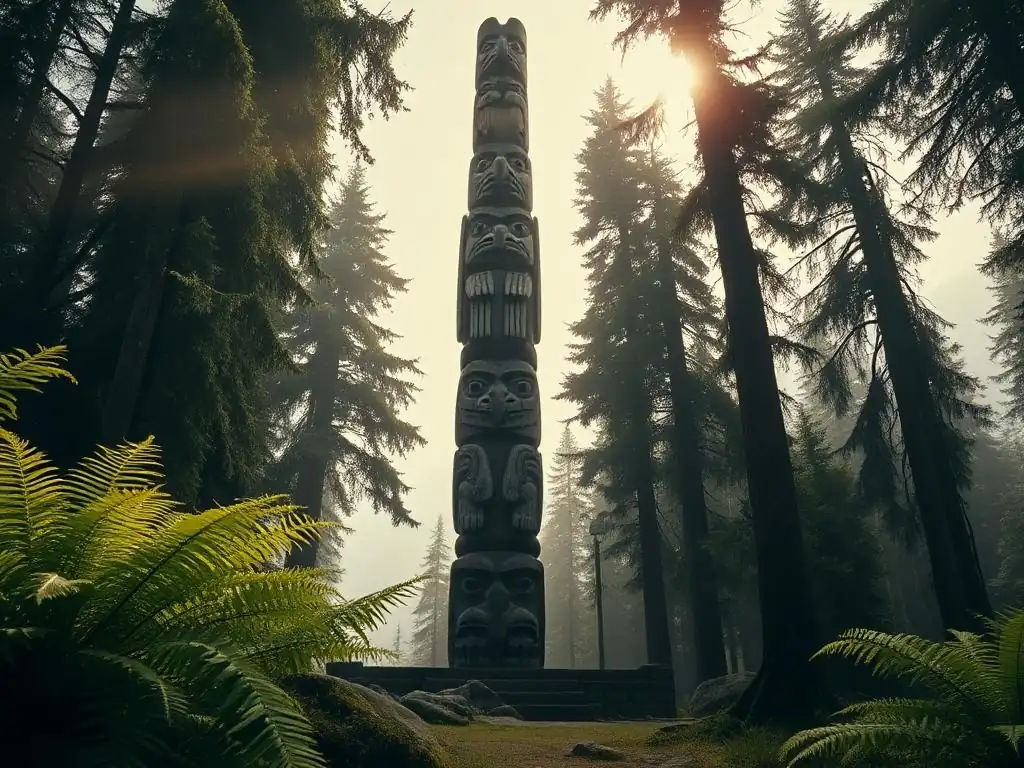
The totem pole, a remarkable art form of the Indigenous peoples of the Pacific Northwest, embodies profound cultural narratives, spiritual beliefs, and social values. These towering sculptures serve not only as artistic expressions but also as significant markers of identity and history. As we reflect on their spiritual significance, it becomes clear that totem poles are more than mere wooden structures; they are vibrant storytellers of the communities that created them.
Reflection on the Spiritual Significance of Totem Poles
Totem poles encapsulate rich spiritual symbolism that resonates deeply within Indigenous cultures. Each figure carved into the pole serves a distinct purpose, often representing ancestral spirits, clan lineage, or important cultural narratives. The intricate designs are imbued with meaning, allowing these sculptures to convey messages of respect for nature, community values, and historical events.
- Ancestral Connections: Many totem poles honor ancestors, reinforcing the connection between past and present. The presence of animal motifs, such as bears, eagles, and wolves, often signifies qualities attributed to these creatures, merging the spiritual and natural worlds.
- Ceremonial Functions: Totem poles play a vital role in various ceremonies, such as potlatches, where they are used to commemorate significant events or transitions within the community. Their presence during these gatherings emphasizes the importance of honoring traditions and reinforcing social bonds.
- Cultural Identity: For many Indigenous peoples, totem poles are a representation of cultural identity and continuity. They serve as a reminder of the rich heritage and resilience of Indigenous cultures in the face of historical challenges.
Overall, the spiritual significance of totem poles lies in their ability to connect individuals to their heritage, foster communal ties, and preserve vital teachings for future generations.
Future of Indigenous Sculptures in Cultural Heritage
As we look towards the future, the role of Indigenous sculptures, including totem poles, in cultural heritage becomes increasingly vital. The resurgence of interest in Indigenous art forms reflects a growing recognition of their importance in understanding humanity's diverse narratives.
- Cultural Revitalization: Many Indigenous communities are actively engaging in the revitalization of traditional carving practices, ensuring that the skills and knowledge are passed down through generations. This cultural resurgence not only sustains artistic traditions but also strengthens community identity.
- Educational Initiatives: Institutions and museums are beginning to collaborate with Indigenous artists and communities to educate the public about the significance of these sculptures. Through workshops, exhibitions, and outreach programs, they aim to foster a deeper appreciation for Indigenous art and its cultural context.
- Advocacy for Preservation: There is an increasing need for advocacy regarding the protection and preservation of totem poles and other Indigenous sculptures. As climate change and urban development threaten these cultural landmarks, efforts must be made to ensure their longevity and relevance in contemporary society.
The future of Indigenous sculptures, particularly totem poles, hinges on the collective efforts of Indigenous communities, artists, and advocates. By recognizing their spiritual significance and cultural value, we can ensure that these remarkable art forms continue to thrive and inspire future generations.
Call to Action: Engage with Indigenous Culture
The spiritual significance of totem poles extends far beyond their aesthetic appeal. They embody the rich cultural heritage and deep-rooted beliefs of Indigenous communities in North America. By engaging with these cultures, you not only enrich your own understanding but also contribute to the preservation of their traditions. Here’s how you can immerse yourself in the vibrant world of Indigenous art and spirituality.
Explore More About Indigenous Art Forms
Indigenous art forms, including totem poles, are integral to the storytelling traditions of various tribes. Each sculpture serves as a historical narrative, depicting ancestral tales, clan lineage, and spiritual beliefs. To deepen your appreciation, consider exploring the following aspects:
- Cultural Context: Understanding the history behind totem poles can enhance your appreciation of their spiritual significance. Each design and figure has a story, often representing animals, spirits, or ancestors that hold specific meanings within the community.
- Artistic Techniques: The craftsmanship involved in creating totem poles is remarkable. Traditional methods often include the use of local materials, like cedar wood, and techniques passed down through generations. This knowledge can be explored through workshops or cultural events.
- Modern Interpretations: Contemporary Indigenous artists are reinterpreting traditional forms, creating a dialogue between the past and the present. Engaging with their work allows you to see how the spiritual significance of totem poles continues to evolve.
Support Indigenous Artists and Communities
Supporting Indigenous artists and communities is crucial for the sustainability of their cultural practices. Here are some ways you can contribute:
- Purchase Authentic Artwork: Consider buying directly from Indigenous artists or reputable galleries. This ensures that artists receive fair compensation for their work, which is essential for community development.
- Participate in Cultural Events: Attend powwows, art exhibitions, and workshops. These gatherings not only showcase Indigenous art but also provide insight into the spiritual significance behind each piece.
- Educate Others: Share your knowledge about Indigenous cultures and their art forms with friends and family. Raising awareness helps preserve these rich traditions and fosters respect for their spiritual significance.
By engaging with Indigenous culture, exploring the depths of their artistic expressions, and supporting their communities, you can play a pivotal role in honoring and preserving the spiritual significance of totem poles and beyond.
Frequently Asked Questions
What are totem poles?
Totem poles are tall wooden sculptures carved by Indigenous peoples of the Pacific Northwest, often depicting mythical creatures, ancestors, or tribal symbols that convey stories and cultural heritage.
How do totem poles reflect the spiritual beliefs of Indigenous cultures?
Totem poles serve as a visual representation of the spiritual significance and beliefs of Indigenous cultures, often embodying the relationship between the community and their ancestors or the natural world.
What materials are typically used to create totem poles?
Traditionally, cedar wood is the primary material used for totem poles due to its durability and ease of carving, allowing artisans to create intricate designs that hold cultural significance.
How do totem poles differ among various Indigenous groups?
Different Indigenous groups have unique styles, symbols, and meanings associated with their totem poles, reflecting their distinct histories, mythologies, and social structures within their cultures.
What is the contemporary relevance of totem poles?
Today, totem poles continue to hold cultural importance, serving both as a means of preserving traditions and as a way to educate others about the spiritual and historical significance of Indigenous cultures.
Final Reflection: Embracing the Spiritual Significance of Totem Poles
The spiritual significance of totem poles transcends mere artistry; it embodies the rich cultural narratives and beliefs of Indigenous peoples. In today's world, where cultural appropriation often overshadows genuine appreciation, understanding the profound meanings behind these sculptures is more crucial than ever. The stories told through totem poles serve as a reminder of the interconnectedness of life, history, and identity, urging us to recognize and respect the heritage they represent.
The influence of totem poles extends far beyond their physical presence; they resonate deeply within our cultural and social landscapes. These magnificent structures not only tell the stories of ancestors but also foster a sense of community and belonging among Indigenous peoples. As we engage with these symbols, we are invited to reflect on our own narratives and the histories that shape us. Totem poles are not just art; they are the voices of our ancestors, speaking to us through time.
This ongoing dialogue encourages us to honor the past while acknowledging the present challenges faced by Indigenous communities.
As we conclude this exploration of the spiritual significance of totem poles, I invite you to reflect on your own connection to culture and identity. Consider how you can engage with and support Indigenous narratives in your life. Whether through education, advocacy, or simply by appreciating the stories behind these sculptures, let us strive to honor the wisdom and traditions that totem poles represent. Together, we can foster a deeper understanding and appreciation for the rich tapestry of human experience that these remarkable works of art embody.
Unveil the Spirit: Engage with Indigenous Art Today!
Thank you for exploring the rich world of totem poles and their profound spiritual significance. You've gained valuable insights into the cultural depths and stories encapsulated in these impressive sculptures. Now, it’s time to take action and connect with this incredible heritage!
Here are some exciting ways to deepen your understanding and appreciation:
- Dive Deeper: Visit a local museum or cultural center to view Indigenous art firsthand and learn about the stories behind each piece.
- Share and Discuss: Engage in conversations with friends and family about what you learned, and consider sharing this article on social media to promote awareness!
- Explore Further: Investigate the art practices of a specific Indigenous culture, and try your hand at creating your own inspired artwork.
How will you choose to honor and engage with Indigenous cultures today?