
Dance as Resistance: How Indigenous Performing Arts Challenge Colonial Narratives

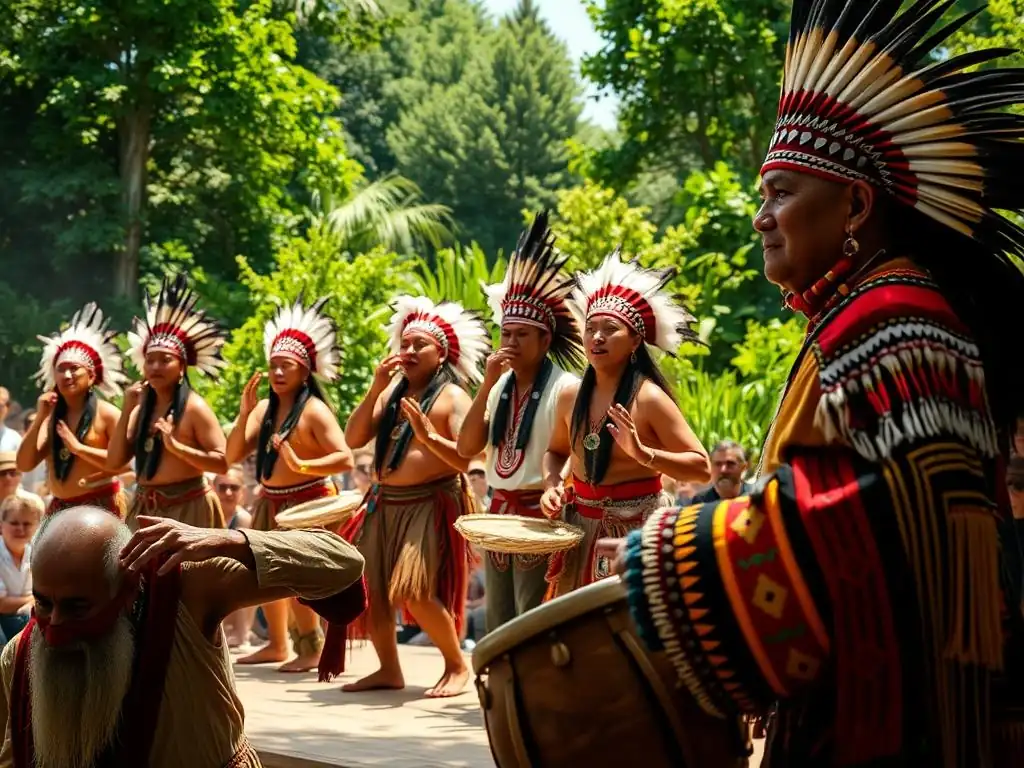
Welcome to Indigenous Civilizations of the Americas, where we embark on an enriching journey through the vibrant tapestry of indigenous cultures that flourished across the continent long before European settlers arrived. Here, we invite you to delve into the intriguing realm of Indigenous performing arts resistance, a powerful form of expression that not only showcases the rich heritage of these communities but also serves as a bold challenge to colonial narratives.
In our featured article, "Dance as Resistance: How Indigenous Performing Arts Challenge Colonial Narratives," you’ll discover how these artistic traditions have become vital tools for cultural preservation and empowerment. Prepare to be inspired as you explore the profound connections between art, identity, and resilience in the face of adversity.
- Introduction to Indigenous Performing Arts Resistance
- Historical Context of Indigenous Performing Arts
- Indigenous Performing Arts as a Form of Resistance
- Thematic Elements of Resistance in Indigenous Dance
- Contemporary Indigenous Performing Arts
- The Impact of Indigenous Performing Arts Resistance
- Conclusion: The Future of Indigenous Performing Arts Resistance
- References
- Frequently Asked Questions
- Final Reflection: Indigenous Performing Arts as a Powerful Form of Resistance
- Embrace the Power of Dance and Change the Narrative!
Introduction to Indigenous Performing Arts Resistance
The rich tapestry of Indigenous cultures across the Americas is woven with threads of resilience, creativity, and profound expression, particularly evident in their performing arts. Dance, music, and theatrical forms have not only served as vital cultural expressions but have also emerged as powerful tools of resistance against colonial narratives.
This article delves into the concept of resistance within Indigenous performing arts, exploring how these vibrant practices challenge historical inaccuracies and celebrate the enduring spirit of Indigenous peoples. By examining the intersection of art and activism, we can gain a deeper appreciation for the ways in which Indigenous communities use performance to assert their identities, reclaim their histories, and foster cultural continuity in the face of ongoing challenges.
Understanding the Concept of Resistance in Arts
The term "resistance" in the context of Indigenous performing arts encompasses a variety of meanings and functions. At its core, resistance can be understood as a reaction against the dominant narratives imposed by colonial powers, which often sought to erase or distort Indigenous cultures. Through performance, Indigenous artists reclaim their stories and assert their presence in a world that has historically marginalized them.
Key elements of resistance in Indigenous performing arts include:
- Cultural Preservation: Many performances draw upon traditional stories, dances, and songs that have been passed down through generations, ensuring the survival of cultural knowledge and practices.
- Political Activism: Performances can serve as a platform for raising awareness about contemporary issues affecting Indigenous communities, such as land rights, environmental justice, and cultural appropriation.
- Identity Affirmation: Engaging in traditional forms of dance and performance helps reinforce a sense of identity and belonging among Indigenous peoples, fostering community solidarity and pride.
By analyzing these aspects, we can recognize how Indigenous performing arts not only provide a means of expression but also act as a form of resistance that challenges colonial legacies and asserts the vibrancy of Indigenous cultures.
Overview of Indigenous Cultures and Their Performative Traditions
Indigenous cultures across the Americas exhibit a remarkable diversity in their performing arts, each with unique traditions, styles, and purposes. From the ceremonial dances of the Plains tribes to the storytelling traditions of the Pacific Northwest, these performances are deeply intertwined with the cultural, spiritual, and social fabric of Indigenous life.
Key Characteristics of Indigenous Performative Traditions:
- Spiritual Connections: Many Indigenous performances are imbued with spiritual significance, often serving as rituals to connect with ancestors, the land, and the cosmos.
- Community Involvement: Performances typically involve communal participation, reinforcing social bonds and collective identity.
- Adaptation and Innovation: While rooted in tradition, Indigenous performing arts are dynamic and continue to evolve, integrating contemporary issues and influences while maintaining a connection to cultural heritage.
By examining these diverse traditions, we can appreciate the profound ways in which Indigenous performing arts serve as a medium for storytelling, cultural expression, and resistance against colonial narratives, ultimately celebrating the resilience and creativity of Indigenous peoples throughout history.
Historical Context of Indigenous Performing Arts
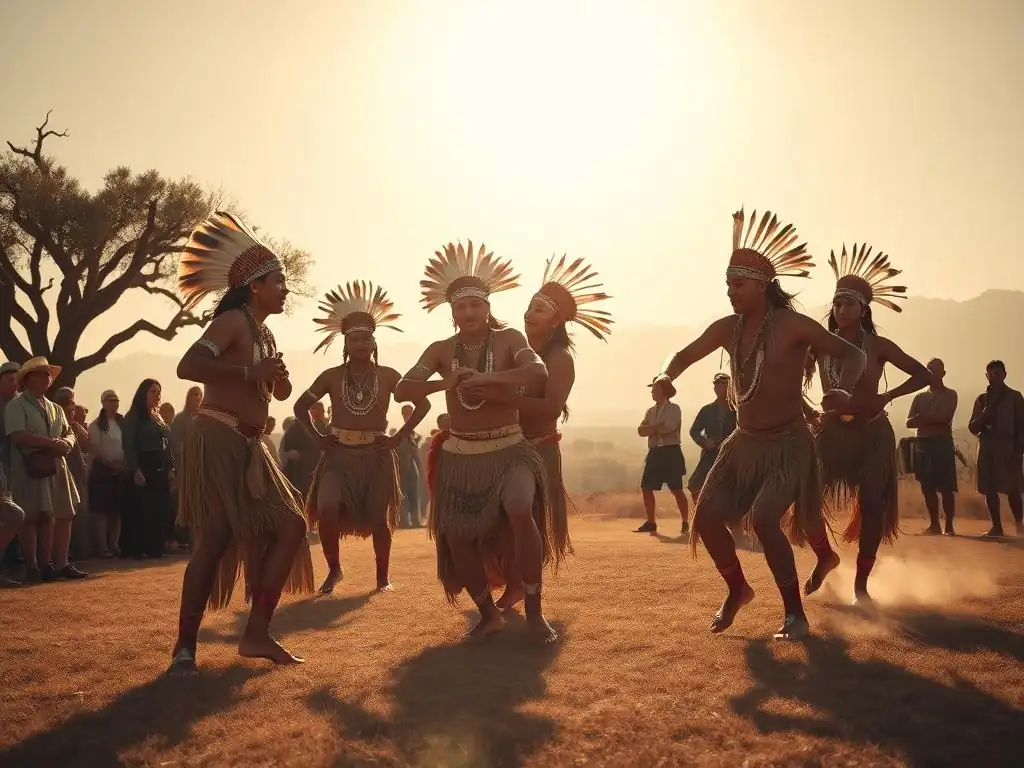
Indigenous performing arts in the Americas have a rich historical context that is deeply intertwined with the cultural, spiritual, and social practices of various tribes and nations. Before European colonization, these art forms were not mere entertainment; they were vital expressions of identity, community, and resistance.
The Impact of Colonialism on Indigenous Cultures
Colonialism had a profound and often devastating impact on Indigenous cultures across the Americas. From the moment European powers arrived, Indigenous populations faced violent disruptions to their social structures, traditions, and artistic expressions. Key effects included:
- Displacement and Disruption: Colonizers imposed their own cultural norms, often forcibly removing Indigenous peoples from their ancestral lands, which disrupted traditional practices, including dance.
- Cultural Suppression: Many colonial regimes actively suppressed Indigenous languages, spiritual practices, and art forms, labeling them as "heathen" or "savage." This led to a decline in traditional dance forms and performances, as they were associated with the very cultures the colonizers sought to eradicate.
- Adaptation and Syncretism: Despite the oppressive environment, many Indigenous communities adapted their performing arts. They incorporated elements of European music and dance while embedding traditional themes and messages within these new forms, creating a unique blend that reflected both resistance and survival.
The colonial legacy continues to impact contemporary Indigenous performing arts, as artists strive to reclaim and revitalize their cultural heritage while challenging the narratives imposed by colonial histories.
Traditional Dance Forms Before Colonization
Before the arrival of Europeans, Indigenous cultures across the Americas had a diverse array of traditional dance forms, each with its own significance and role within the community. Some notable examples include:
- Powwow Dances: These dances, practiced by various tribes in North America, serve not only as social gatherings but also as expressions of cultural identity and pride.
- Ceremonial Dances: Many Indigenous groups performed dances as part of religious ceremonies, such as the Sun Dance or the Green Corn Dance, which were integral to spiritual and agricultural cycles.
- Storytelling Through Dance: Dance was often a medium for storytelling, where movements conveyed historical events, spiritual beliefs, and community values.
These traditional forms were characterized by their communal nature, with participants often engaging in vibrant displays of color, rhythm, and symbolism that resonated deeply within their cultures.
The Role of Dance in Indigenous Societies
Dance has always played a crucial role in Indigenous societies, serving multiple functions that go beyond mere performance. Key aspects include:
- Cultural Transmission: Dance acts as a vessel for passing down stories, traditions, and teachings from one generation to the next, ensuring the continuity of cultural identities.
- Social Cohesion: Participating in communal dances fosters a sense of belonging and unity among community members, reinforcing social bonds and collective identity.
- Healing and Spirituality: Many dances are linked to spiritual practices and healing rituals, providing a means for individuals and communities to connect with their ancestors and the natural world.
In contemporary contexts, Indigenous performing arts continue to serve as a powerful form of resistance. By reclaiming traditional dance forms and creating new expressions, Indigenous artists challenge colonial narratives, affirm their identities, and promote cultural resurgence. Through these performances, they assert their presence and resilience in a landscape often dominated by colonial histories.
Indigenous Performing Arts as a Form of Resistance
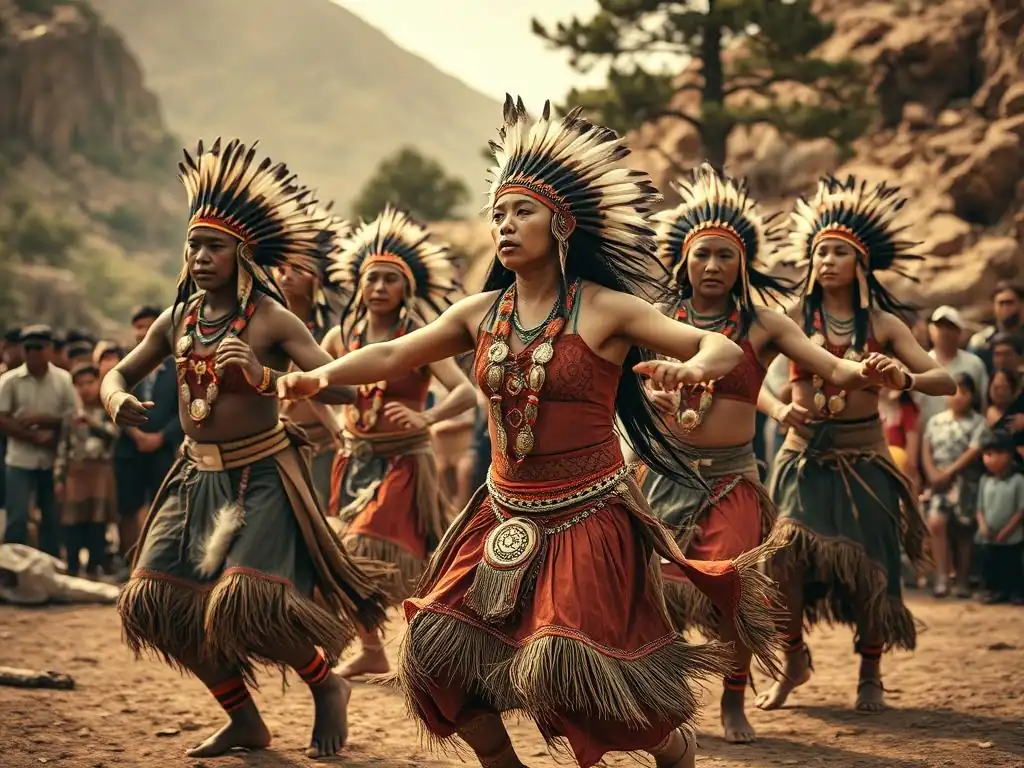
Indigenous performing arts have long served as a vital means of resistance against colonial narratives and oppression. Through various forms of expression such as dance, music, and storytelling, Indigenous communities articulate their histories, beliefs, and cultural identities. This resistance is not merely a reaction to colonialism; it is a proactive assertion of identity, sovereignty, and resilience.
Indigenous performing arts create a space for reclaiming narratives that have been marginalized or distorted by colonial perspectives. The act of performing becomes a powerful statement of existence and continuity, allowing communities to honor their ancestors while simultaneously challenging the historical narratives imposed upon them. In this context, dance becomes an instrumental tool for fostering cultural pride and unity among Indigenous peoples.
Defining Resistance in Indigenous Contexts
In Indigenous contexts, resistance transcends simple opposition to colonial powers; it embodies a holistic approach to cultural survival and revitalization. Resistance can manifest through:
- Cultural Revitalization: Efforts to reclaim and practice traditional dances, songs, and ceremonies that may have been suppressed or lost.
- Political Activism: Using performing arts to raise awareness about Indigenous rights and issues, often during significant events or protests.
- Community Empowerment: Strengthening community bonds through collective performances that celebrate shared heritage and identity.
Resistance thus becomes a multifaceted concept, deeply rooted in the lived experiences of Indigenous peoples and their ongoing struggle for recognition and respect in a world still influenced by colonial legacies.
How Dance Challenges Colonial Narratives
Dance as a form of Indigenous performing arts serves as a potent challenge to colonial narratives in several ways:
- Subverting Stereotypes: Many colonial narratives depict Indigenous peoples as static or primitive. Dance, with its dynamic movements and evolving styles, showcases the vibrancy and adaptability of Indigenous cultures.
- Reclaiming Space: Indigenous dance performances often take place in public spaces, asserting the presence and rights of Indigenous peoples in their ancestral lands. This reclamation of space is a powerful resistance against historical erasure.
- Storytelling: Through dance, Indigenous communities convey their histories, cosmologies, and worldviews. These narratives counteract colonial stories that have often marginalized or misrepresented Indigenous perspectives.
- Cultural Education: Dance performances educate audiences about Indigenous cultures, fostering understanding and respect. By sharing their stories, Indigenous artists challenge misconceptions and encourage a more nuanced appreciation of their rich cultural heritage.
Case Studies of Indigenous Dance as Resistance
Case Study 1: Powwow Dancing
Powwow dancing serves as a vibrant expression of Indigenous identity and community cohesion, particularly among Native American tribes in North America. These gatherings not only celebrate cultural traditions but also function as a platform for political expression and resistance.
- Community Gathering: Powwows bring together people from various tribes, fostering unity and collective strength. They serve as a reminder of shared histories and challenges faced by Indigenous communities.
- Revitalization of Traditions: Powwow dancing has experienced a revival, with younger generations engaging in traditional dances that reflect their cultural heritage while incorporating contemporary elements. This blend reinforces the idea that Indigenous cultures are not relics of the past but living, evolving entities.
Case Study 2: Maori Haka
The Haka, a traditional war dance of the Maori people of New Zealand, exemplifies how Indigenous performing arts can be a powerful form of resistance. Historically performed by warriors before battle, the Haka has transformed into a means of cultural expression and protest.
- Cultural Pride: The Haka has gained global recognition as a symbol of Maori identity. Its performance during significant events, such as sports matches, asserts the presence and resilience of the Maori people.
- Political Statements: The Haka is also employed in protest movements, where it becomes a powerful tool for voicing opposition to injustices faced by Maori communities. These performances challenge colonial narratives by affirming the strength and sovereignty of the Maori people.
Through these case studies, it becomes evident that Indigenous performing arts, particularly dance, play a crucial role in challenging colonial narratives and fostering cultural resilience. They serve not only as a form of entertainment but as a profound declaration of identity, history, and resistance.
Thematic Elements of Resistance in Indigenous Dance
Indigenous performing arts resistance is a powerful expression of cultural identity and resilience. Dance, in particular, serves as a vital medium through which indigenous communities convey their history, values, and challenges. This section explores the thematic elements that characterize resistance in indigenous dance, emphasizing how these performances actively challenge colonial narratives and affirm cultural sovereignty.
Symbolism and Storytelling in Dance
One of the most profound elements of indigenous dance is its inherent symbolism, which often conveys complex stories and cultural teachings. Each movement, gesture, and rhythm is imbued with meaning, allowing dancers to narrate historical events, ancestral stories, and spiritual beliefs.
- Cultural Narratives: Dances often recount creation myths or significant historical events, serving as a reminder of the resilience of indigenous peoples. For example, the powwow dances among Native American tribes not only celebrate community but also retell the struggles faced during colonization.
- Metaphorical Expressions: The use of symbolism in dance can also challenge colonial interpretations. For instance, the use of animal motifs can represent the interconnectedness of life and nature, countering Western notions of dominance over the environment.
- Community Engagement: Through storytelling, dance fosters communal ties and encourages collective memory, reinforcing the importance of shared history in resisting erasure. Participatory dances draw in audiences, transforming passive observers into active participants in the cultural narrative.
The Use of Traditional Costumes and Music
Traditional costumes and music are integral to the resistance found in indigenous performing arts. They not only enhance the aesthetic appeal of the performances but also serve as powerful symbols of cultural heritage and identity.
- Costumes as Historical Artifacts: The garments worn during dances often reflect the history and identity of a people. For instance, the intricate beadwork and patterns in garments can signify tribal affiliation, personal stories, and cultural significance. This reclamation of traditional attire in performances challenges the historical imposition of Western dress codes.
- Musical Heritage: Traditional music, characterized by unique instruments and vocal techniques, plays a crucial role in setting the tone of the dance. The use of drums, flutes, and rattles connects the dancers to their ancestors, evoking a sense of continuity and cultural pride.
- Resisting Cultural Homogenization: By incorporating traditional music and costumes, indigenous performers assert their cultural uniqueness against the backdrop of globalization and cultural homogenization. This resistance is evident in the fusion of traditional and contemporary elements, allowing for innovative expressions that remain rooted in indigenous identity.
Revitalization of Cultural Practices
The revitalization of cultural practices through dance is a significant aspect of indigenous performing arts resistance. Many communities are actively working to reclaim and revitalize traditional dances that may have been suppressed or lost due to colonization.
- Community Workshops and Education: Initiatives aimed at teaching younger generations traditional dance forms help preserve cultural knowledge. Workshops often include lessons on the historical context and significance of each dance, fostering a deeper understanding of its role in cultural identity.
- Inter-generational Transmission: Elders play a crucial role in passing down dance traditions, ensuring that the stories and meanings associated with these performances endure. This transmission not only strengthens community bonds but also empowers future generations to continue the legacy of resistance.
- Performances as Political Statements: Contemporary indigenous dance performances often serve as platforms for political activism. By showcasing their art in public spaces, indigenous dancers challenge stereotypes and advocate for their rights, thereby using performance as a form of resistance against colonial narratives.
The thematic elements of resistance in indigenous dance are multifaceted, encompassing symbolism, traditional attire, and the revitalization of cultural practices. Through these artistic expressions, indigenous communities assert their identity, challenge colonial histories, and promote the enduring relevance of their cultural heritage.
Contemporary Indigenous Performing Arts
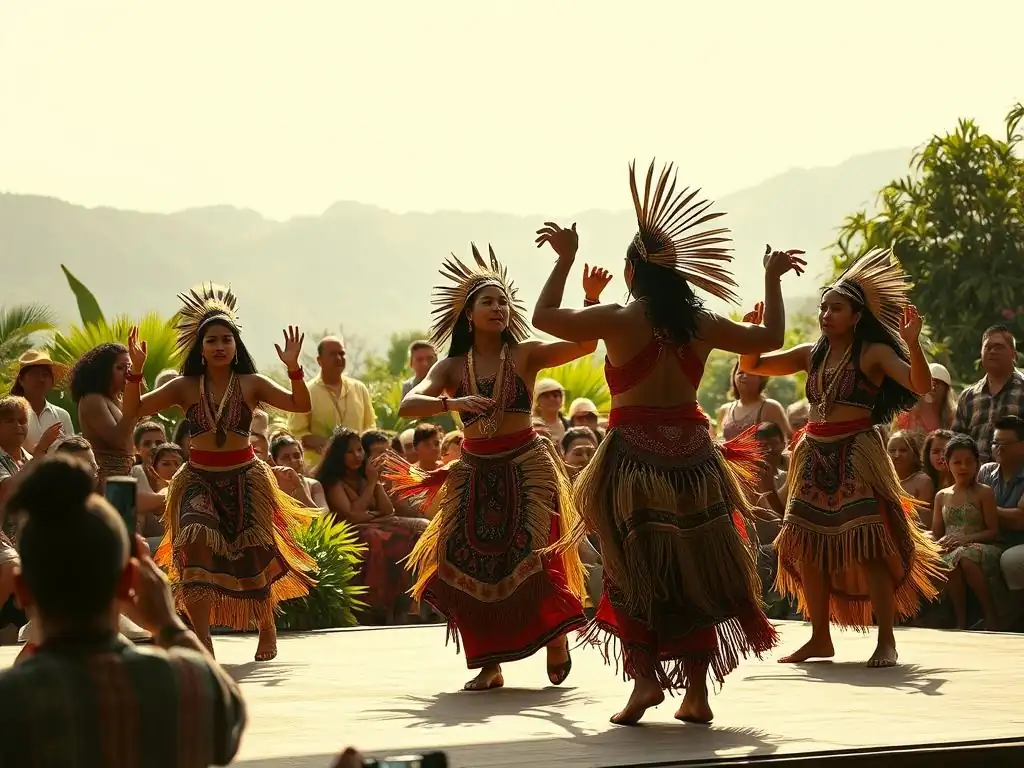
The Evolution of Indigenous Dance in Modern Times
Contemporary Indigenous performing arts have undergone a significant transformation, reflecting both the preservation of traditions and the adaptation to modern influences. Indigenous dance, once primarily ceremonial and community-oriented, has evolved to embrace new forms and narratives that challenge colonial histories. This evolution is characterized by the integration of contemporary themes with traditional practices, creating a dynamic platform for cultural expression.
- Cultural Resilience: Many Indigenous artists utilize dance to reclaim narratives that have been marginalized. By incorporating elements of storytelling, symbolism, and traditional attire, they emphasize the resilience of their cultures. For instance, the incorporation of modern music and technology allows for a fusion that resonates with younger generations while honoring ancestral roots.
- Diverse Styles: Contemporary Indigenous dance encompasses a variety of styles, from traditional powwow dances to innovative choreography that reflects personal and collective histories. Artists like Rosy Simas and Rulan Tangen are known for their groundbreaking works that blend traditional movements with contemporary dance, challenging perceptions and expanding the boundaries of Indigenous performing arts.
- Social Commentary: Indigenous dance serves as a medium for social critique. Themes such as land rights, sovereignty, and identity are often woven into performances, making them not only a celebration of culture but also a powerful form of resistance against colonial narratives. This shift towards social commentary highlights the role of dance as a platform for activism, allowing Indigenous voices to be heard in the broader discourse on justice and equality.
Collaborations Between Indigenous and Non-Indigenous Artists
The collaboration between Indigenous and non-Indigenous artists has become a vital component of contemporary Indigenous performing arts. These partnerships often serve to create a dialogue that fosters understanding and respect for Indigenous cultures while allowing for a cross-pollination of ideas and styles.
- Mutual Learning: Through collaboration, both Indigenous and non-Indigenous artists can engage in mutual learning experiences. Non-Indigenous artists gain insight into Indigenous traditions and practices, while Indigenous artists can explore new techniques and perspectives. Such collaborations can lead to innovative works that challenge stereotypes and broaden the audience's understanding of Indigenous narratives.
- Examples of Collaborations: Notable projects, such as the partnership between the National Ballet of Canada and Indigenous choreographers, have resulted in performances that highlight Indigenous stories and perspectives. These collaborations often seek to elevate Indigenous voices within mainstream performing arts, creating opportunities for representation and visibility.
- Challenges and Critiques: While collaborations can be beneficial, they also present challenges. There is a critical need for ethical engagement that respects Indigenous intellectual property and cultural protocols. Ensuring that Indigenous artists are at the forefront of these projects is crucial to avoid cultural appropriation and to honor the authenticity of their narratives.
Festivals and Platforms for Indigenous Performing Arts
Festivals and platforms dedicated to Indigenous performing arts play a crucial role in promoting cultural expression and providing visibility for Indigenous artists. These events create spaces for celebration, education, and community engagement, showcasing the richness of Indigenous dance and performance.
- Spotlight on Indigenous Artistry: Festivals such as the Indigenous Dance and Arts Festival and Powwow gatherings serve as vital platforms for Indigenous performers to share their work with broader audiences. These events not only celebrate traditional forms but also feature contemporary pieces that address current social issues and cultural resilience.
- Community Engagement: Many festivals incorporate workshops, discussions, and community activities, allowing attendees to engage with Indigenous cultures on a deeper level. This engagement fosters a sense of community and encourages dialogue about the significance of Indigenous performing arts in contemporary society.
- Global Connections: Additionally, international festivals provide opportunities for Indigenous artists to connect with global audiences and other Indigenous cultures. This cross-cultural exchange can lead to new collaborations and greater recognition of Indigenous performing arts on the world stage, reinforcing their importance as a form of resistance against colonial narratives.
Contemporary Indigenous performing arts serve as a powerful medium of resistance, allowing Indigenous cultures to assert their identities, challenge colonial histories, and engage with broader societal issues. Through the evolution of dance, collaborations with non-Indigenous artists, and dedicated platforms for performance, Indigenous artists continue to reshape the narrative surrounding their cultures and histories.
The Impact of Indigenous Performing Arts Resistance
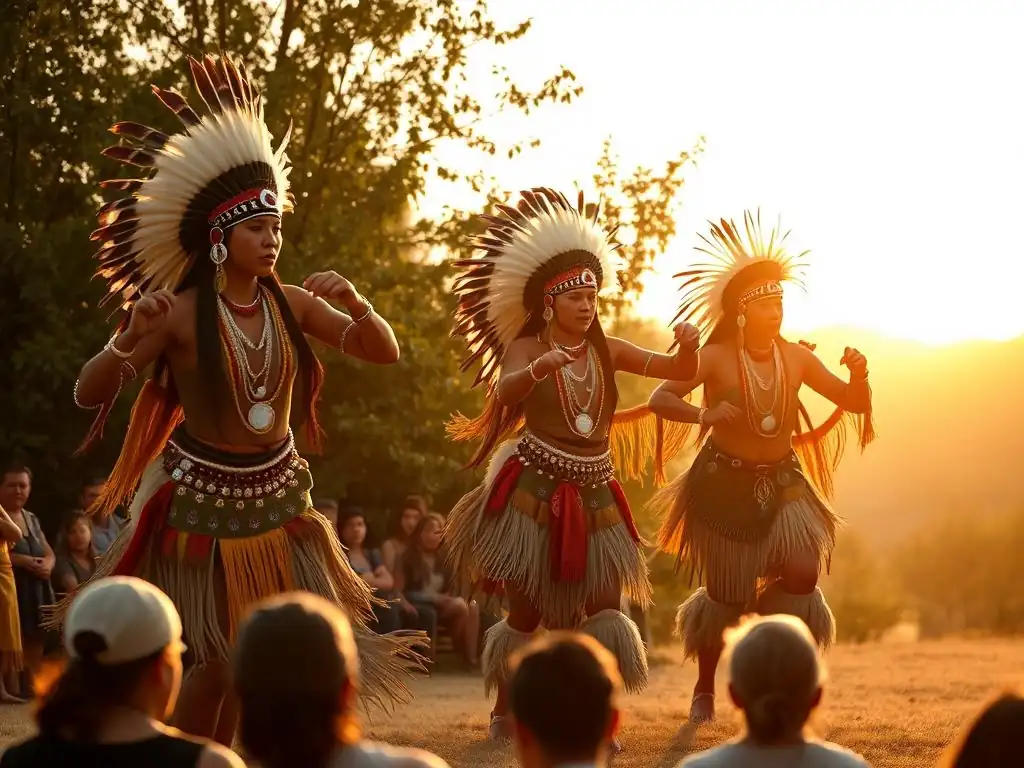
Indigenous performing arts serve as a powerful form of resistance against colonial narratives, playing a crucial role in the cultural revitalization and empowerment of Indigenous communities. Through dance, music, and theatrical performances, these art forms provide a platform for expressing identity, reclaiming history, and challenging stereotypes imposed by colonial powers. This resistance manifests in various ways, reinforcing community bonds and fostering a sense of pride among Indigenous peoples.
Empowerment within Indigenous Communities
Indigenous performing arts empower communities by facilitating cultural expression and identity reinforcement. Performances often draw from traditional stories, songs, and dances that reflect the values, beliefs, and histories of Indigenous peoples.
- Cultural Reclamation: Utilizing traditional narratives in performances allows communities to reclaim their heritage and assert their cultural identity. For instance, the revival of traditional dance forms, such as the Powwow, has become an essential means for many tribes to connect with their roots and community.
- Intergenerational Transmission: Performing arts provide a space for elders to teach younger generations about their culture. Through participation in dance and music, youth learn about their heritage, fostering a sense of belonging and continuity.
- Community Cohesion: Events centered around performing arts often bring together various members of the community, strengthening social ties. These gatherings can serve as a space for healing, solidarity, and collective expression.
Raising Awareness Among Non-Indigenous Audiences
Indigenous performing arts also play a vital role in educating non-Indigenous audiences about Indigenous cultures, histories, and contemporary issues.
- Challenging Stereotypes: By showcasing authentic Indigenous narratives and artistic expressions, these performances challenge the often-misrepresented stereotypes prevalent in mainstream media. They provide a counter-narrative that highlights the richness and diversity of Indigenous cultures.
- Cultural Exchange: Performances create opportunities for dialogue and cultural exchange between Indigenous and non-Indigenous peoples. These interactions can foster understanding, empathy, and respect, breaking down barriers and misconceptions.
- Advocacy Platforms: Many Indigenous artists use their performances as platforms to advocate for social justice, environmental issues, and Indigenous rights. By drawing attention to these critical issues through art, they engage broader audiences in conversations about decolonization and equity.
Preservation of Indigenous Languages and Traditions
The integration of Indigenous languages into performing arts is essential for the preservation of these languages and the traditions associated with them.
- Language Revitalization: Many performances incorporate Indigenous languages, thereby revitalizing and maintaining these languages in contemporary contexts. Songs and chants sung in native tongues contribute to linguistic preservation and encourage younger generations to learn and use their languages.
- Cultural Storytelling: Through dance and theater, traditional stories are preserved and transmitted. These narratives often contain moral lessons, historical accounts, and cultural teachings, providing a rich tapestry of knowledge that is essential for the community's identity.
- Hybrid Art Forms: Artists are increasingly blending traditional Indigenous elements with modern styles, creating hybrid forms of performance that appeal to a broader audience while still honoring ancestral traditions. This fusion not only keeps traditions alive but also showcases the adaptability and resilience of Indigenous cultures.
Indigenous performing arts resistance is a multifaceted movement that empowers communities, raises awareness, and preserves languages and traditions. Through these artistic expressions, Indigenous peoples continue to challenge colonial narratives, ensuring their voices and cultures remain vibrant and relevant in today's society.
Conclusion: The Future of Indigenous Performing Arts Resistance
The Ongoing Importance of Dance in Cultural Identity
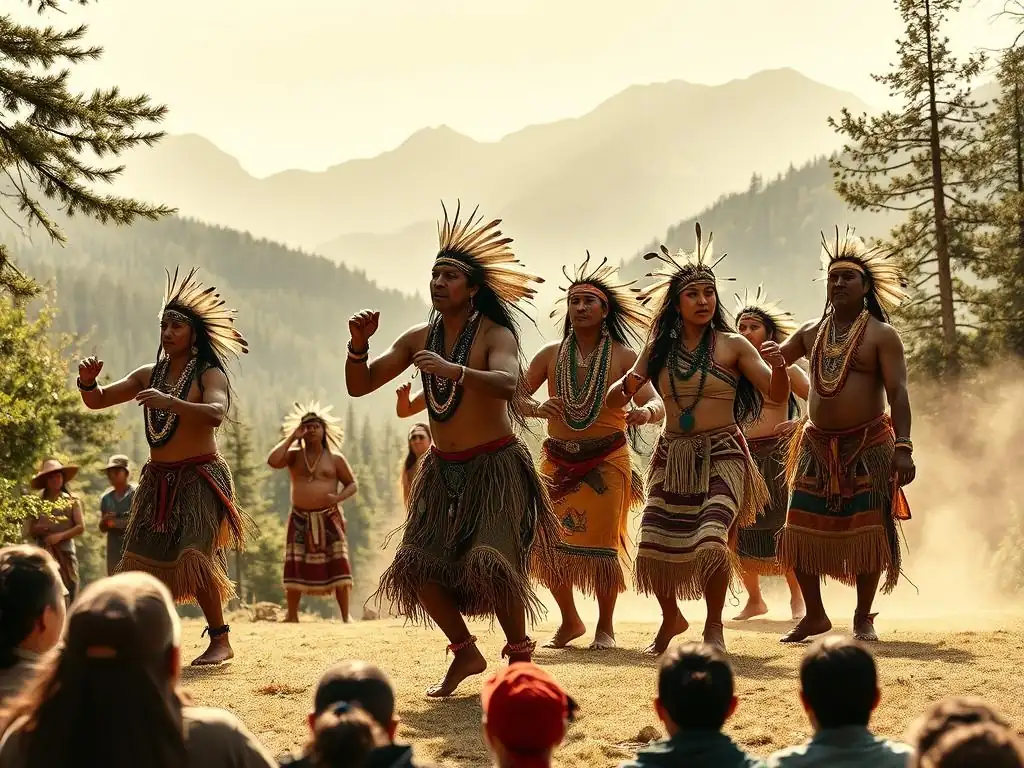
Indigenous performing arts, particularly dance, serve as vital expressions of cultural identity and resilience among Indigenous communities. These art forms are not merely entertainment; they encapsulate histories, traditions, and beliefs that have been passed down through generations. As Indigenous peoples continue to reclaim their narratives, dance becomes a powerful medium through which they assert their identities in a world that has often marginalized them.
Dance is deeply intertwined with community life and spirituality. Many Indigenous dances are performed during significant ceremonies, bringing people together and fostering a sense of belonging. These performances often convey stories of creation, survival, and resistance, making them essential tools for cultural preservation. For example, the Powwow, a gathering that includes dance competitions, serves not only as a celebration of Indigenous culture but also as an assertion of identity and unity among various tribes.
Moreover, the incorporation of contemporary themes into traditional dance reflects the adaptability and evolution of Indigenous cultures. By addressing current social issues—such as environmental justice and land rights—through dance, Indigenous artists create a dialogue that resonates with both Indigenous and non-Indigenous audiences. This dynamic not only reinforces cultural identity but also educates the broader public about the ongoing struggles faced by Indigenous communities.
Call to Action for Supporting Indigenous Arts
To ensure the continued vitality and resistance embodied in Indigenous performing arts, it is crucial for individuals and institutions to actively support these cultural expressions. Here are some actionable steps that can make a difference:
- Attend Indigenous Performances: Engage with local Indigenous arts organizations and attend performances. Your presence supports artists and helps sustain cultural practices.
- Promote Indigenous Artists: Share information about Indigenous artists and their work on social media platforms to raise awareness and appreciation. Highlighting their contributions can reach wider audiences.
- Support Funding Initiatives: Contribute to or advocate for funding programs that support Indigenous arts. Financial backing can help artists create, perform, and pass on their cultural legacies.
- Engage in Education: Encourage educational institutions to include Indigenous performing arts in their curricula. This fosters understanding and respect for Indigenous cultures among younger generations.
- Collaborate with Indigenous Communities: If you are an artist or part of an organization, seek opportunities for collaboration with Indigenous artists. This can foster mutual respect and promote shared narratives.
By taking these steps, we can collectively honor the resilience of Indigenous cultures and ensure that their performing arts continue to challenge colonial narratives and thrive for generations to come. Each act of support contributes to a more inclusive and diverse cultural landscape, recognizing the profound impact of Indigenous performing arts resistance.
References
Indigenous performing arts have long served as a vital expression of cultural identity and resilience among Native peoples. This section aims to provide a curated list of resources that delve deeper into the significance of dance and performance in the context of resistance against colonial narratives. These references will enhance your understanding of how these art forms serve not just as entertainment but as powerful tools for social commentary and cultural preservation.
Suggested Readings on Indigenous Performing Arts
-
"Dancing on the Edge: The Role of Indigenous Performance in Social Movements"
This book explores the intersection of indigenous performance and activism, analyzing how dance can serve as a form of protest and cultural reclamation.
-
"The Spirit of the Dance: Indigenous Perspectives on Performance"
A compilation of essays that highlight various indigenous dance traditions across the Americas, focusing on the spiritual and communal aspects that define these practices.
-
"Performing the Past: Indigenous Art as Resistance"
This work examines how indigenous artists use performance to challenge historical narratives, emphasizing the importance of storytelling and cultural memory.
-
"Indigenous Performance and the Politics of Place"
A scholarly analysis of how indigenous performances interact with land and place, revealing how these connections inform resistance against colonial structures.
-
"The Body as a Site of Resistance: Indigenous Dance in Contemporary Contexts"
This text investigates the ways in which contemporary indigenous dancers navigate their cultural identities through performance, asserting their presence in a post-colonial world.
Documentaries and Films on Indigenous Dance Traditions
-
"Rumble: The Indians Who Rocked the World"
A documentary that showcases the influence of indigenous musicians and performers, highlighting how their contributions have shaped broader cultural movements.
-
"Dance of the Spirits"
This film offers an intimate look at traditional indigenous dance ceremonies, exploring the deep spiritual connections and communal bonds that these performances foster.
-
"We Are Still Here"
A powerful documentary that features a variety of indigenous artists and performers, illustrating their ongoing struggle for cultural survival and the role of performance in this journey.
-
"The Last of the First"
A film that focuses on the last remaining traditional dancers of a specific indigenous tribe, capturing their efforts to pass down their cultural heritage to future generations.
-
"Indigenous Superstars"
This documentary highlights the lives and careers of contemporary indigenous performers, showcasing how they navigate the complexities of modern performance while maintaining cultural roots.
By engaging with these readings and films, you will gain a richer perspective on how indigenous performing arts serve as a form of resistance, weaving together threads of history, culture, and identity.
Frequently Asked Questions
What are Indigenous performing arts?
Indigenous performing arts encompass various forms of expression, including dance, music, and storytelling, that reflect the cultural heritage and traditions of Indigenous peoples in the Americas.
How do Indigenous performing arts serve as a form of resistance?
These art forms challenge colonial narratives by asserting Indigenous identity, preserving traditions, and promoting cultural resilience against the impacts of colonization.
What role does dance play in Indigenous cultures?
Dance is a vital component of Indigenous cultures, serving as a medium for storytelling, community bonding, and the expression of spiritual beliefs and histories.
How can Indigenous performing arts influence contemporary society?
By raising awareness and fostering understanding, Indigenous performing arts can reshape perceptions of Indigenous peoples and contribute to social justice movements today.
Where can I learn more about Indigenous cultures and their performing arts?
The website "Indigenous Civilizations of the Americas" provides a comprehensive exploration of Indigenous cultures, their achievements, and their enduring impact, including their performing arts.
Final Reflection: Indigenous Performing Arts as a Powerful Form of Resistance
In a world where narratives are often shaped by dominant cultures, the role of Indigenous performing arts as a form of resistance has never been more crucial. These art forms not only preserve cultural heritage but also challenge the colonial narratives that have long sought to erase Indigenous identities. The resilience and creativity found in these performances serve as a powerful reminder of the strength of Indigenous communities, emphasizing that their voices and stories are not only relevant but essential in today's society.
The influence of Indigenous performing arts extends far beyond the stage, permeating the cultural and social landscape in profound ways. These art forms foster a sense of identity and community, empowering Indigenous peoples to reclaim their narratives and assert their presence in a world that often marginalizes them. As we witness the resurgence of these traditions, we are reminded of the words of Indigenous activist and artist, Linda Tuhiwai Smith: Research is a way of knowing, and it is a way of being.
This highlights the importance of Indigenous perspectives in reshaping our understanding of history and culture, and how these performances can serve as a catalyst for broader social change.
As we reflect on the themes of this article, I invite you to consider your own role in supporting Indigenous voices and narratives. How can you engage with and uplift Indigenous performing arts in your community? Whether through attending performances, advocating for representation, or simply educating yourself about the rich histories and stories behind these art forms, every action counts. Let us honor the resilience of Indigenous cultures and commit to amplifying their voices, ensuring that their stories are not only heard but celebrated in the tapestry of our shared human experience.
Embrace the Power of Dance and Change the Narrative!
Thank you for taking the time to explore how Indigenous performing arts serve as a powerful form of resistance against colonial narratives. You've uncovered the profound ways that dance can connect us to culture, heritage, and identity. Now, it’s time to take that inspiration further!
Here’s how you can engage and make a difference:
- Join a local Indigenous dance group or workshop to connect with the art form and the community directly.
- Share your newfound knowledge on social media to advocate for Indigenous voices and stories—your platform can spark awareness!
- Attend Indigenous dance performances or festivals in your area to experience this beautiful art form live.
How do you think participating in or supporting Indigenous dance can reshape the understanding of culture and resilience within your community?