
From Ritual to Celebration: The Evolution of Indigenous Dance in the Americas

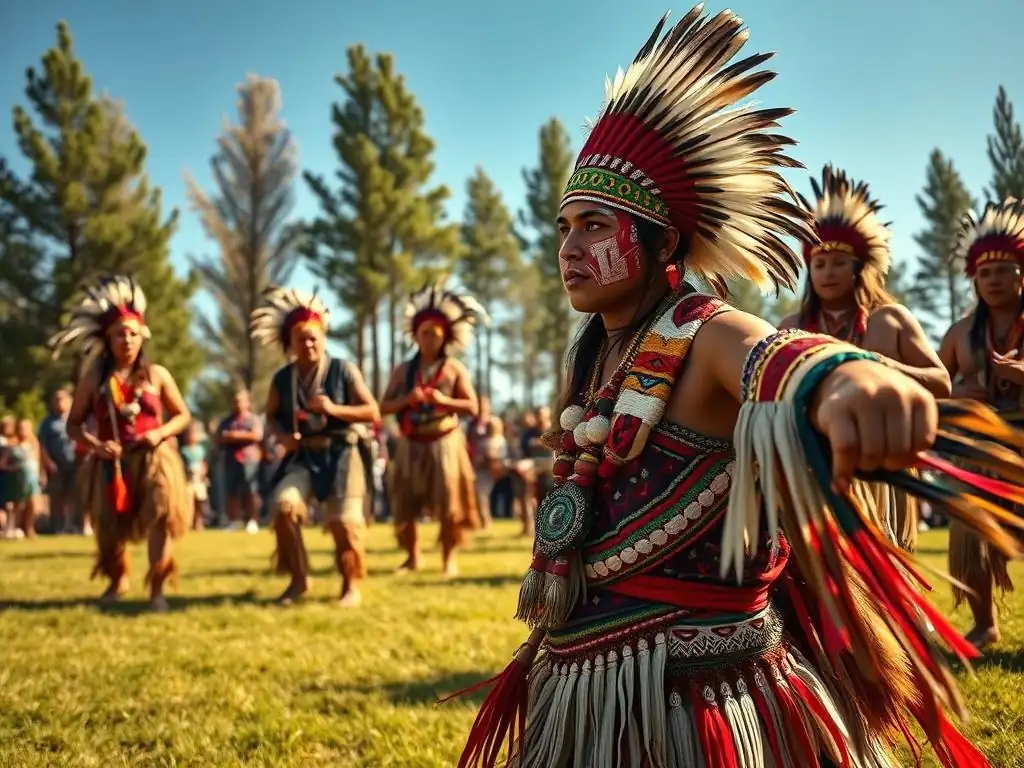
Welcome to Indigenous Civilizations of the Americas, where we invite you to journey through the rich tapestry of indigenous cultures that flourished across the continent long before European contact. Here, you'll uncover the profound significance of Indigenous dance traditions in the Americas, a vibrant expression of identity and heritage that has evolved from sacred rituals to cherished celebrations.
As you delve into our featured article, "From Ritual to Celebration: The Evolution of Indigenous Dance in the Americas," prepare to be captivated by the stories, meanings, and enduring legacies woven into each dance. Join us in exploring these dynamic cultures and their remarkable contributions to the world.
Introduction to Indigenous Dance Traditions in the Americas
Indigenous dance traditions across the Americas represent a profound and vibrant aspect of the cultural heritage of various indigenous communities. These dances are not merely forms of entertainment; they are deeply intertwined with the spiritual, social, and historical fabric of the societies from which they originate. From ceremonial rituals that honor the earth and ancestors to celebratory performances that mark significant events, indigenous dance has evolved over centuries, reflecting the values, beliefs, and experiences of the people.
Understanding these dance traditions provides insight into the rich tapestry of indigenous cultures, highlighting their resilience and adaptability in the face of colonization and contemporary challenges. This article delves into the evolution of indigenous dance, examining its historical context, cultural significance, and the transformative impact of European contact on these enduring practices.
The Importance of Dance in Indigenous Cultures
Dance serves as a powerful medium for storytelling, education, and cultural expression among indigenous peoples. It is often used to:
- Communicate with the spiritual realm: Many dances are performed to invoke the presence of spirits, seeking guidance or blessings.
- Preserve historical narratives: Through dance, stories of ancestors, creation, and community values are passed down through generations.
- Foster community cohesion: Group dances strengthen social bonds and reinforce a sense of identity and belonging.
The significance of dance can vary widely among different cultures, yet it invariably plays a central role in ceremonies, rituals, and daily life.
Overview of Indigenous Dance Traditions Across the Americas
Indigenous dance traditions in the Americas are as diverse as the cultures themselves. Some key examples include:
- Powwow dances: Celebrated in various Native American communities, these dances often feature competitions and social gatherings that showcase traditional attire and songs.
- Mayan dances: In Central America, the Maya incorporate dance into their rituals, often performed to honor gods or mark agricultural cycles.
- Inuit throat singing: A unique form of vocal performance that often accompanies dance, highlighting the deep connection to the environment and storytelling.
Each of these traditions embodies distinct cultural values and historical contexts, contributing to the rich mosaic of indigenous dance in the Americas.
Historical Context of Indigenous Dance Traditions
Pre-Colonization Dance Practices
Before European contact, indigenous communities across the Americas engaged in a variety of dance practices that were integral to their cultural identities. These dances often held specific meanings tied to seasons, agricultural cycles, and communal gatherings, reflecting the intimate relationship between the people and their environment. For instance, many tribes performed dances to celebrate harvests or to invoke rain, showcasing their dependence on and respect for nature.
The Role of Dance in Indigenous Spirituality and Community
Dance was not only a form of expression but also a vital component of spiritual life. It served as a means of:
- Ritualistic communication: Dancers often believed they were channeling the spirits of ancestors or deities, creating a connection between the physical and spiritual worlds.
- Community healing: Ceremonial dances were performed to restore harmony within the community, addressing issues such as illness or conflict.
These practices fostered a collective identity, reinforcing the importance of tradition and cultural continuity.
Changes in Dance Traditions Post-Colonization
The arrival of European colonizers brought significant changes to indigenous dance traditions. Many dances were suppressed or altered due to colonial policies aimed at assimilation. Despite these challenges, indigenous communities demonstrated resilience by:
- Adapting practices: Many dances evolved to incorporate new elements while preserving core cultural values.
- Reviving traditions: In contemporary times, there has been a resurgence of interest in traditional dances, as communities work to reclaim their heritage and assert their identities.
This ongoing evolution of indigenous dance reflects the enduring spirit of these cultures and their ability to navigate the complexities of history while celebrating their unique identities.
Key Themes in Indigenous Dance Traditions
Indigenous dance traditions across the Americas are rich in cultural significance and diversity, reflecting the unique histories and beliefs of various tribes and communities. These dances are not merely artistic expressions; they serve as crucial conduits for storytelling, spiritual practices, and social cohesion. Understanding the key themes within these traditions provides insight into how indigenous cultures have preserved their identities through movement. Common themes include rituals and ceremonies, storytelling through movement, and deep connections to nature, each playing a pivotal role in the lives of indigenous peoples.
Rituals and Ceremonies: The Heart of Indigenous Dance
Rituals and ceremonies are foundational to indigenous dance traditions, often marking significant life events such as births, marriages, and funerals. These dances are imbued with spiritual importance and are performed to honor ancestors, seek guidance from the spirit world, or celebrate communal identity. For instance, the Powwow ceremonies of North American tribes feature dance competitions and traditional performances that strengthen community ties and celebrate cultural heritage.
Moreover, many dances are tied to specific seasons or agricultural cycles, reflecting the interconnectedness of indigenous peoples with their environment. For example, the Green Corn Ceremony among various Eastern Woodlands tribes celebrates the harvest and renewal of life through dance, song, and feasting, showcasing the deep respect for nature and its cycles.
Storytelling Through Movement: Cultural Narratives in Dance
Indigenous dances often serve as powerful vessels for storytelling, conveying cultural narratives, historical events, and moral lessons through movement. Each gesture, step, and rhythm carries meaning, transforming the dance floor into a living canvas of oral traditions.
For example, the Māori haka of New Zealand, while not part of the Americas, illustrates a similar point where warriors perform a fierce dance to tell stories of their ancestors and express their identity. In the Americas, the Coyote Dance of the Plains tribes embodies the trickster spirit prevalent in their folklore, using humor and movement to relay important cultural teachings.
Through these performances, indigenous peoples not only preserve their stories but also educate younger generations, ensuring that the cultural heritage continues to thrive.
The Connection Between Dance and Nature in Indigenous Beliefs
Nature is a central theme in indigenous dance traditions, serving as both inspiration and a vital participant in the performances. Many dances are choreographed to mimic animal movements or reflect natural phenomena, reinforcing the intimate relationship indigenous peoples have with their environment.
For instance, the Buffalo Dance among the Plains tribes celebrates the buffalo as a source of life and sustenance, with movements that honor the animal's grace and strength. Similarly, dances that depict rain, growth, and the changing seasons are common, symbolizing the cyclical nature of life and the reliance on the earth's resources.
This connection fosters a profound respect for nature, prompting many indigenous communities to advocate for environmental stewardship, recognizing that their cultural survival is tied to the health of their ecosystems.
Regional Variations in Indigenous Dance Traditions
The indigenous dance traditions of the Americas are not monolithic; they vary significantly across regions, shaped by local customs, geographical features, and historical experiences. Each region showcases distinct styles, rituals, and purposes for dance, highlighting the rich tapestry of cultural expression among indigenous peoples.
North American Indigenous Dance Traditions
In North America, diverse tribes exhibit unique dance forms that reflect their historical narratives and spiritual beliefs. For example, the Fancy Dance and Traditional Dance styles are prominent at Powwows, where dancers adorn themselves with elaborate regalia that symbolizes their heritage. Each tribe interprets these forms differently, adding layers of meaning and distinct styles.
The Navajo Yeibichai Dance is another significant tradition, performed during healing ceremonies to invoke spiritual guidance. Similarly, the Gourd Dance among the Plains tribes serves as a tribute to veterans and a celebration of community resilience, emphasizing the interplay between dance and social identity.
Central American Indigenous Dance Traditions
Central American indigenous dance traditions often blend pre-colonial practices with colonial influences, creating vibrant expressions of cultural identity. The Maya peoples, for instance, engage in ceremonial dances that honor their gods and celebrate agricultural cycles. The Dance of the Mayan Cross symbolizes the connection between the spiritual and physical worlds, showcasing intricate movements and traditional attire.
In Mexico, the Danze de los Voladores (Dance of the Flyers) is a striking ritual where performers ascend a tall pole and descend while spinning upside down, representing the cosmos and the connection between earth and sky. This dance reflects the deep spiritual beliefs inherent in many Central American cultures.
South American Indigenous Dance Traditions
In South America, indigenous dance traditions are deeply intertwined with the natural world and ancestral worship. The Andean communities, such as the Quechua and Aymara, perform dances that celebrate the earth, fertility, and harvest. The Inti Raymi, or Festival of the Sun, features traditional dances that honor the sun god, showcasing a vibrant blend of music and movement.
The Ticuna and other Amazonian tribes also have unique dance traditions that integrate elements of their surrounding environments, with movements that mimic animal behaviors and rituals that honor the spirits of the forest. These dances are often performed during festivals that celebrate communal values and environmental harmony, illustrating the importance of culture and nature in indigenous life.
The indigenous dance traditions across the Americas reflect a rich tapestry of cultural narratives, rituals, and connections to nature, each illustrating the vitality and diversity of indigenous societies before European colonization.
The Evolution of Indigenous Dance: From Rituals to Celebrations
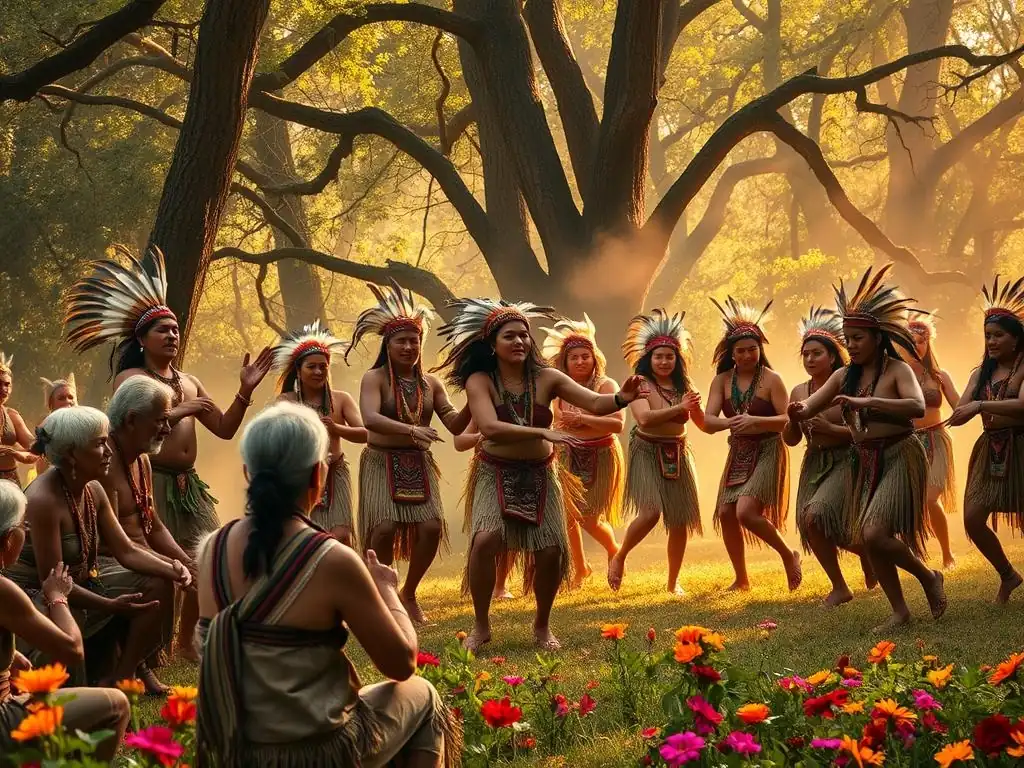
Indigenous dance traditions in the Americas have undergone a profound transformation over centuries, evolving from sacred rituals deeply intertwined with spirituality and community identity to vibrant celebrations that embrace cultural heritage and contemporary expressions. These dance traditions were historically rooted in the spiritual practices of various indigenous societies, serving as a means to communicate with the divine, honor ancestors, and mark significant life events such as births, marriages, and harvests. Each dance was not only a performance but also a vital cultural narrative that conveyed stories, beliefs, and communal values.
As colonization and globalization began to impact indigenous communities, many dance forms adapted to reflect both resilience and innovation. Dances that were once performed in sacred spaces were sometimes moved to public venues, allowing for greater visibility and engagement with wider audiences. This transition marked a shift in the meaning and purpose of indigenous dance, as it began to serve not only as a form of spiritual expression but also as a tool for cultural preservation and identity affirmation in the face of external pressures.
Shifts in Meaning and Purpose Over Time
The shifts in meaning and purpose of indigenous dance can be traced through several key historical periods. In pre-colonial times, dance was primarily a communal activity, integral to rituals and ceremonies. It was a way to enact stories of creation, celebrate seasonal changes, or seek blessings from deities. However, with the arrival of European colonizers, many traditional practices were suppressed or altered.
The introduction of new social dynamics and religious ideologies led to a recontextualization of dance. As indigenous peoples fought to retain their cultural identities, many dances began to incorporate elements of resistance and resilience. This was particularly evident in the late 19th and early 20th centuries, as indigenous groups organized to reclaim their cultural practices. The emergence of powwows and other celebratory gatherings allowed for the revival of traditional dances, where the focus shifted from ritualistic purposes to communal celebration, thus fostering a sense of pride and unity within indigenous communities.
Contemporary Indigenous Dance: Revitalization and Innovation
Today, contemporary indigenous dance is characterized by a vibrant fusion of traditional elements and modern influences. Many indigenous artists are actively engaged in revitalizing their dance forms by blending traditional choreography with contemporary themes and styles. This innovation reflects not only a desire to keep cultural practices alive but also to make them relevant to new generations.
For instance, dancers may incorporate contemporary music genres, innovative costuming, and multimedia elements into performances. This hybridization serves to attract younger audiences while still honoring the roots of the dances. Indigenous dance companies and collectives often showcase these new interpretations, thus expanding their reach beyond local communities to national and international stages.
The revitalization efforts have also been supported by educational programs and cultural exchanges that emphasize the importance of indigenous identity and heritage. Workshops, performances, and collaborations with other cultural groups create spaces for dialogue and understanding, contributing to a dynamic and evolving landscape of indigenous dance.
The Impact of Globalization on Indigenous Dance Practices
Globalization has played a complex role in shaping indigenous dance practices across the Americas. On one hand, it has facilitated the sharing of indigenous cultures with broader audiences, allowing for greater appreciation and recognition of these traditions. Events such as cultural festivals and international dance exchanges have provided platforms for indigenous artists to showcase their work and connect with diverse communities.
On the other hand, globalization poses challenges, as it can lead to the commodification of indigenous dance. Traditional practices may be appropriated or misrepresented by those outside the culture, which can dilute their significance and impact. This concern has led many indigenous artists to advocate for ethical representation and the importance of cultural sovereignty, emphasizing the need for authentic narratives and respect for the origins of these dance forms.
Despite these challenges, many indigenous communities are finding ways to navigate globalization while maintaining their cultural integrity. By reclaiming narratives and asserting their identity through dance, they are actively participating in a global conversation that honors their heritage.
Celebrating Indigenous Dance Traditions Today
Celebrating indigenous dance traditions today involves not only performance but also community engagement and cultural education. Indigenous dance remains a powerful tool for storytelling, social commentary, and cultural pride. Through various platforms, these traditions are being honored and revitalized, ensuring their continuation for future generations.
Festivals and Events Showcasing Indigenous Dance
Numerous festivals and events across the Americas celebrate indigenous dance traditions, providing opportunities for communities to come together and share their cultural heritage. Events such as powwows, cultural festivals, and dance competitions attract participants and audiences from diverse backgrounds, fostering an appreciation for the richness of indigenous cultures.
These gatherings often feature traditional dance performances, workshops, and storytelling sessions, allowing for an immersive experience of indigenous culture. Festivals not only serve to entertain but also to educate attendees about the histories, meanings, and practices surrounding these dances. They create a space for cultural exchange and respect, reinforcing the idea that indigenous dance is a living tradition that continues to evolve.
The Role of Indigenous Artists in Preserving Dance Traditions
Indigenous artists play a crucial role in the preservation and promotion of dance traditions. Through their performances, choreographies, and teachings, they ensure that cultural knowledge is passed down through generations. Many artists are also engaged in documenting traditional practices, creating resources that can be used for educational purposes.
Moreover, indigenous artists often serve as advocates for their communities, using their platforms to address social issues and raise awareness about the challenges faced by indigenous peoples. By integrating themes of identity, resilience, and social justice into their work, they not only preserve their cultural heritage but also inspire action and dialogue within and outside their communities.
The Importance of Education and Awareness in Indigenous Dance
Education and awareness are fundamental in fostering an understanding of indigenous dance traditions. Schools, cultural institutions, and community organizations are increasingly incorporating indigenous dance into their curricula and programming. This helps to dismantle stereotypes and misconceptions about indigenous cultures, providing a more nuanced understanding of their histories and contributions.
Workshops and classes led by indigenous artists allow participants to engage directly with the dance forms, promoting respect and appreciation for the cultural significance behind each movement and tradition. Additionally, public performances and exhibitions serve as platforms for dialogue, encouraging audiences to learn about the stories and meanings embedded in the dances.
The evolution of indigenous dance traditions in the Americas is a testament to the resilience and creativity of indigenous peoples. As these traditions continue to adapt and thrive, they remain a vital expression of cultural identity, spirituality, and community celebration, enriching the tapestry of the Americas' diverse cultural landscape.
Conclusion: The Future of Indigenous Dance Traditions in the Americas
As we reflect on the evolution of indigenous dance traditions across the Americas, it becomes evident that these art forms are not only a celebration of cultural heritage but also a vibrant expression of identity. The future of indigenous dance traditions relies heavily on the commitment of both indigenous communities and broader society to preserve, promote, and innovate these practices. By embracing the rich histories and narratives that indigenous dance encapsulates, we can ensure that these traditions continue to thrive for generations to come.
The integration of contemporary themes into traditional dance forms offers a unique opportunity to engage younger audiences, fostering a renewed interest in indigenous cultural expressions. Furthermore, as the world becomes increasingly interconnected, indigenous dance has the potential to serve as a bridge between diverse cultural identities, promoting understanding and appreciation among different communities.
Preserving Heritage Through Dance
Preservation of indigenous dance traditions is paramount for maintaining cultural identity and history. Dance serves as a living archive, passing down stories, rituals, and values from one generation to the next. Many tribes have instituted programs aimed at teaching the younger generation the traditional dances of their ancestors, ensuring that these practices are not lost to time.
Workshops, ceremonies, and festivals play a crucial role in this preservation effort, allowing community members to actively participate in their cultural heritage. For instance, the Powwow culture in North America has become an important venue for sharing traditional dances, and these events attract participants and spectators from diverse backgrounds, thereby fostering cultural exchange.
Moreover, the documentation of dance forms through video recordings, written accounts, and artistic representations contributes significantly to the preservation of these traditions. By creating resources that are accessible to future generations, indigenous communities can safeguard their rich dance heritage.
The Ongoing Journey of Indigenous Dance in a Modern World
Indigenous dance traditions are not static; they evolve and adapt in response to contemporary influences and societal changes. In today's modern world, many indigenous dancers are incorporating elements from various genres, such as hip-hop and contemporary dance, into their performances. This fusion not only rejuvenates traditional forms but also reflects the dynamic nature of cultural expression.
The ongoing journey of indigenous dance is also marked by increased visibility and recognition on global platforms. Indigenous artists are gaining opportunities to showcase their work beyond their local communities, allowing for a broader understanding of their cultural significance. This visibility is crucial, as it challenges stereotypes and misconceptions about indigenous peoples and their traditions, paving the way for deeper appreciation and respect.
Furthermore, the use of social media and digital platforms has revolutionized how indigenous dance is shared and experienced. Many dancers and choreographers are leveraging these tools to reach wider audiences, disseminating their stories and cultural practices in innovative ways. This digital engagement can ignite new interest and participation in indigenous dance traditions, ensuring their relevance in the contemporary world.
Call to Action: Engaging with Indigenous Dance Traditions
Engaging with indigenous dance traditions is an essential step toward understanding and appreciating the rich cultural tapestry of the Americas. By actively participating in or supporting various indigenous dance initiatives, individuals can contribute to the preservation and evolution of these vibrant art forms.
Encouraging Participation in Indigenous Dance Events
One of the most effective ways to engage with indigenous dance traditions is by attending local events, festivals, and performances. These gatherings provide an opportunity to witness the beauty and significance of indigenous dance firsthand. Engaging with dancers and community members can also foster meaningful dialogues about their cultural practices, enhancing mutual understanding and respect.
Participation can take many forms, from joining in traditional dances at powwows to attending workshops that teach specific dance styles. Such involvement not only enriches personal experience but also strengthens community ties and supports the continuation of these important traditions.
Supporting Indigenous Artists and Cultural Initiatives
Supporting indigenous artists and cultural initiatives is crucial for the sustainability of indigenous dance traditions. This can be achieved by purchasing artwork, attending performances, and donating to organizations that promote indigenous culture and arts.
Additionally, advocating for policies that protect indigenous rights and promote cultural expressions can create more opportunities for indigenous artists to thrive. By amplifying indigenous voices and supporting their endeavors, we can help ensure that the rich heritage of indigenous dance continues to flourish in the Americas and beyond.
The evolution of indigenous dance traditions is a testament to the resilience and creativity of indigenous cultures. By actively engaging with these traditions, we contribute to a greater appreciation of their significance and support their continued evolution in a modern context.
- Introduction to Indigenous Dance Traditions in the Americas
- Historical Context of Indigenous Dance Traditions
- Key Themes in Indigenous Dance Traditions
- Regional Variations in Indigenous Dance Traditions
- The Evolution of Indigenous Dance: From Rituals to Celebrations
- Celebrating Indigenous Dance Traditions Today
- Conclusion: The Future of Indigenous Dance Traditions in the Americas
- Call to Action: Engaging with Indigenous Dance Traditions
- What are the main themes explored in the article about Indigenous dance traditions?
- How did Indigenous dance traditions influence modern cultures?
- What role do dance traditions play in Indigenous societies?
- Are there specific regions in the Americas known for unique dance traditions?
- How can one experience Indigenous dance traditions today?
Frequently Asked Questions
What are the main themes explored in the article about Indigenous dance traditions?
The article delves into the evolution of Indigenous dance, highlighting its ritualistic origins and transition into modern celebratory forms across various cultures in the Americas.
How did Indigenous dance traditions influence modern cultures?
Indigenous dance traditions have significantly impacted contemporary cultural expressions, infusing elements of spirituality and community celebration into modern performances and festivals.
What role do dance traditions play in Indigenous societies?
Dance serves as a vital cultural expression and a means of preserving heritage, facilitating community bonding, and conveying stories and spiritual beliefs.
Are there specific regions in the Americas known for unique dance traditions?
Yes, various regions, such as the Andes and the Northwest Coast, are renowned for their distinctive dance styles, each reflecting local histories and cultural practices.
How can one experience Indigenous dance traditions today?
Many communities hold festivals and ceremonies where traditional dances are performed, and several organizations promote cultural exchanges to keep these traditions alive for future generations.
Final Reflection: Embracing the Spirit of Indigenous Dance Traditions in the Americas
The evolution of Indigenous dance traditions in the Americas is not merely a historical narrative; it is a living testament to resilience and cultural identity. Today, these dances serve as powerful expressions of community, spirituality, and heritage, reminding us of the importance of honoring our roots while embracing the present. The vibrant rhythms and movements of Indigenous dance continue to resonate, bridging generations and fostering a deeper understanding of the rich tapestry of cultures that define the Americas.
The influence of Indigenous dance traditions extends far beyond the dance floor; it shapes our cultural landscape and invites us to engage with the stories of those who came before us. As we witness the resurgence of these practices in contemporary celebrations and festivals, we are reminded of the profound connection between dance and identity. Dance is the hidden language of the soul.
This quote encapsulates the essence of Indigenous dance, revealing how it communicates the unspoken narratives of resilience, joy, and unity that have persisted through time.
As we reflect on the significance of Indigenous dance traditions, let us be inspired to celebrate and support these vibrant expressions of culture in our own lives. Take a moment to explore the dances of your community, learn their stories, and engage with the artists who keep these traditions alive. By doing so, we not only honor the past but also contribute to a future where these beautiful expressions of identity continue to thrive and inspire generations to come.
Embrace the Rhythm: Celebrate Indigenous Dance!
Thank you for taking the time to explore the vibrant evolution of Indigenous dance in the Americas. We hope you gained insight into the rich cultural significance and transformative power of these movements. Now, it's your turn to connect with this beautiful tradition!
Here are some powerful ways you can take action:
- Join a local Indigenous dance workshop or community event to experience the culture firsthand and learn the stories behind the movements.
- Share this article with friends and family to spread awareness about the importance of Indigenous dance in preserving cultural heritage.
- Consider exploring literature or documentaries that delve deeper into the histories of Indigenous peoples and their artistic expressions.
What does Indigenous dance mean to you, and how can you integrate its lessons into your own life or community? Let's start a conversation!