
Preservation and Innovation: How Indigenous Dance is Evolving Today

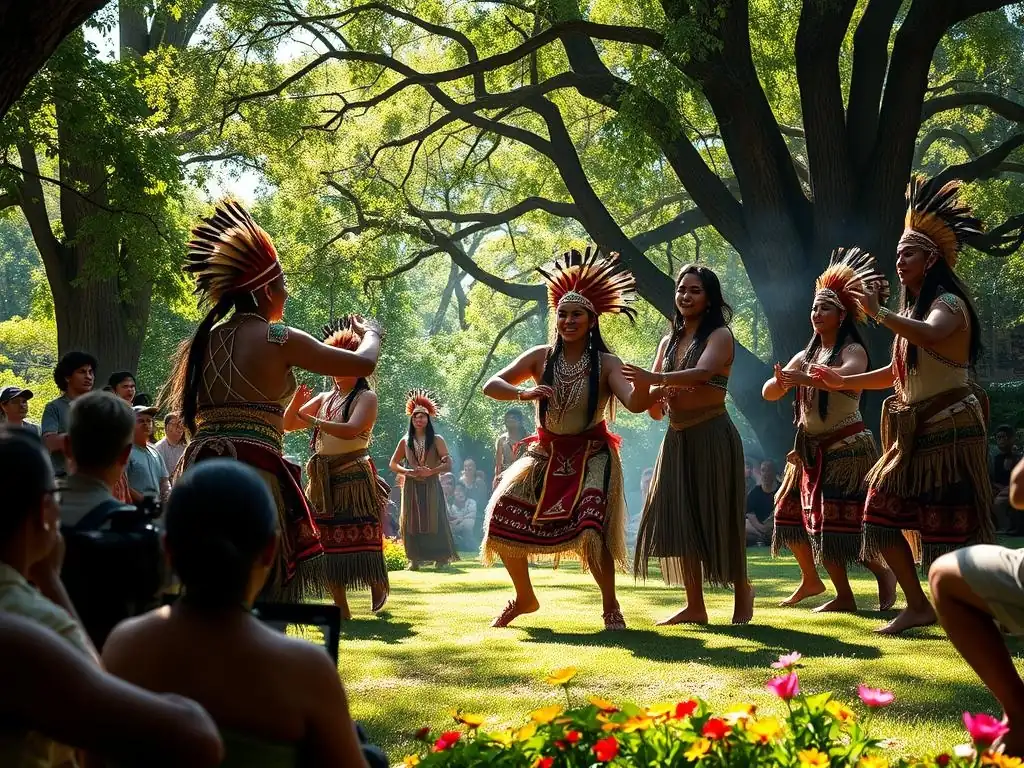
Welcome to Indigenous Civilizations of the Americas, where we invite you to embark on a fascinating journey through the rich tapestry of indigenous cultures that flourished long before European colonization. Here, we delve into the vibrant world of Indigenous dance cultural preservation, a powerful expression that not only reflects the heritage of these communities but also adapts and evolves in contemporary society.
Discover how these dynamic traditions are being safeguarded and transformed, and unlock the stories of resilience and creativity that continue to shape the identity of indigenous peoples today. Join us as we explore the intersection of tradition and innovation—your adventure begins now!
-
Preservation and Innovation in Indigenous Dance Cultural Preservation
- Introduction to Indigenous Dance Cultural Preservation
- Historical Context of Indigenous Dance
- The Role of Cultural Preservation in Indigenous Dance
- Innovations in Indigenous Dance Today
- Case Studies of Indigenous Dance Cultural Preservation and Innovation
- Community Engagement and Participation in Indigenous Dance
- Challenges Facing Indigenous Dance Cultural Preservation
- Future of Indigenous Dance Cultural Preservation and Innovation
- Conclusion
-
Frequently Asked Questions
- What is the significance of indigenous dance in cultural preservation?
- How are modern influences shaping indigenous dance?
- What challenges do indigenous communities face regarding dance preservation?
- How can individuals support indigenous dance cultural preservation?
- Are there contemporary examples of indigenous dance being used for activism?
- Final Reflection: Embracing the Evolution of Indigenous Dance for Cultural Preservation
- Embrace the Rhythm: Step into the World of Indigenous Dance!
Preservation and Innovation in Indigenous Dance Cultural Preservation
Introduction to Indigenous Dance Cultural Preservation
Indigenous dance serves as a vital thread in the rich tapestry of cultural heritage among Native American communities and other indigenous groups across the Americas. It is not merely an art form; it is a dynamic expression of identity, spirituality, and social connection. In the face of ongoing challenges posed by globalization and historical trauma, the preservation and innovation of indigenous dance practices have become crucial.
This article delves into how these dances, steeped in tradition, are evolving today while simultaneously maintaining their cultural significance. By examining the past and present of indigenous dance, we can appreciate its vital role in cultural preservation and the ongoing efforts to innovate while honoring ancestral practices.
Importance of Dance in Indigenous Cultures
Dance in indigenous cultures is a multifaceted practice that transcends entertainment. It serves numerous purposes, including:
- Spiritual Expression: Many dances are performed as rituals to honor ancestors, celebrate nature, or invoke blessings.
- Storytelling: Dance often conveys rich narratives about creation, history, and community values.
- Social Cohesion: Group dances foster a sense of belonging and unity among community members.
- Cultural Transmission: Through dance, younger generations learn about their heritage, traditions, and the values of their ancestors.
The significance of dance varies among different indigenous cultures, yet its role as a means of cultural expression remains universally acknowledged.
Overview of Current Trends in Indigenous Dance
Today, indigenous dance is experiencing a renaissance, influenced by both traditional practices and contemporary innovation. Some current trends include:
- Fusion with Modern Styles: Many indigenous dancers incorporate elements from contemporary dance genres, creating unique performances that resonate with wider audiences.
- Use of Technology: Digital platforms and social media are being utilized to share indigenous dance globally, fostering greater awareness and appreciation of these cultural expressions.
- Community Festivals: Events celebrating indigenous dance are increasingly common, providing platforms for performers to showcase their skills and educate the public about their heritage.
- Revival Initiatives: Many communities are actively working to revive traditional dances that may have been lost or altered due to colonial impacts.
These trends reflect a commitment to both preserving traditional forms and embracing innovation in the face of an ever-changing cultural landscape.
Historical Context of Indigenous Dance
To fully understand the evolution of indigenous dance, it is essential to explore its historical context. This includes examining traditional forms, the role of dance in societies before colonization, and the impacts of colonization on these practices.
Traditional Forms of Indigenous Dance
Traditional forms of indigenous dance are as diverse as the cultures themselves. Each dance is characterized by distinct movements, attire, and music, often reflecting the specific beliefs and practices of the community. Some notable traditional dances include:
- Grass Dance: Originating among the Plains tribes, this dance involves intricate footwork and is often performed during powwows.
- Fancy Dance: A more modern adaptation that showcases speed and agility, often seen in competitive settings.
- Ceremonial Dances: These dances are performed during significant cultural events, such as harvest celebrations or healing rituals.
Each traditional dance embodies the values, stories, and experiences of the community it represents.
Role of Dance in Indigenous Societies Before Colonization
Before European colonization, dance held a central role in indigenous societies. It was not only a form of entertainment but an integral part of community life. Dance was used to:
- Facilitate Communication: Dances often conveyed messages about social roles, community events, and spiritual beliefs.
- Strengthen Kinship Bonds: Participating in dance helped reinforce social structures and relationships within the community.
- Mark Life Cycles: Dances were performed during significant life events, such as births, marriages, and funerals, serving as a means to honor transitions.
These functions illustrate how deeply embedded dance was in the fabric of indigenous life.
Impacts of Colonization on Indigenous Dance Practices
The arrival of European colonizers had profound effects on indigenous dance practices. Colonization brought about significant disruptions, including:
- Suppression of Cultural Expression: Many indigenous dances were outlawed or discouraged, leading to a decline in traditional practices.
- Forced Assimilation: Indigenous peoples were pressured to abandon their cultural identities, which included the loss of dance forms.
- Cultural Resilience: Despite these challenges, many indigenous communities found ways to preserve their dance traditions, often in secret, laying the groundwork for their revival today.
Understanding these historical impacts is crucial for appreciating the resilience of indigenous cultures and the ongoing efforts for cultural revitalization through dance.
The Role of Cultural Preservation in Indigenous Dance
Cultural preservation is crucial for maintaining the identity and heritage of Indigenous communities, particularly in the realm of dance. Indigenous dance serves as a vibrant expression of history, spirituality, and community values. By preserving these dance traditions, Indigenous peoples ensure that their unique cultural narratives are passed down through generations. This preservation is not just a matter of keeping traditions alive; it also involves adapting and innovating practices to remain relevant in a rapidly changing world. Cultural preservation in Indigenous dance can be viewed as both a form of resistance against cultural erasure and an assertion of identity.
Definition of Cultural Preservation in Dance
Cultural preservation in dance refers to the actions and methodologies employed to maintain, protect, and revitalize traditional dance forms within Indigenous communities. It encompasses the safeguarding of dance movements, music, costumes, and the social contexts in which these dances are performed. This preservation can take various forms, including documentation, education, and community performances, which help to sustain and celebrate cultural heritage. In a broader sense, cultural preservation in dance plays a vital role in reinforcing Indigenous identity and fostering pride among community members.
Methods of Preserving Indigenous Dance Traditions
Several methods are employed to preserve Indigenous dance traditions, ensuring their survival amidst modern influences:
- Documentation: Recording dance performances through video and audio, as well as transcribing oral histories and teachings, provides a valuable resource for future generations.
- Education: Workshops, classes, and community events are organized to teach younger generations traditional dance forms, ensuring the transfer of knowledge.
- Cultural Festivals: Events that showcase Indigenous dance help to promote community engagement and public awareness, allowing for cultural exchange and appreciation.
- Collaboration with Academics: Partnerships with researchers and institutions can facilitate comprehensive studies on Indigenous dance, leading to better preservation methods and increased visibility.
These methods collectively contribute to the sustainability of Indigenous dance traditions, fostering a sense of community and continuity.
The Importance of Oral Traditions and Storytelling
Oral traditions and storytelling are integral to the preservation of Indigenous dance. These practices are not merely supplementary; they form the foundation upon which dance forms are built. Stories convey the history, morals, and values of a community, often imbued within the choreography and performance. Dancers learn not only the physical movements but also the meanings and cultural significance behind them. This deep connection ensures that Indigenous dance remains a living tradition, adapting over time while retaining its core essence. Furthermore, storytelling fosters a sense of belonging and continuity, reinforcing social bonds within the community.
Innovations in Indigenous Dance Today
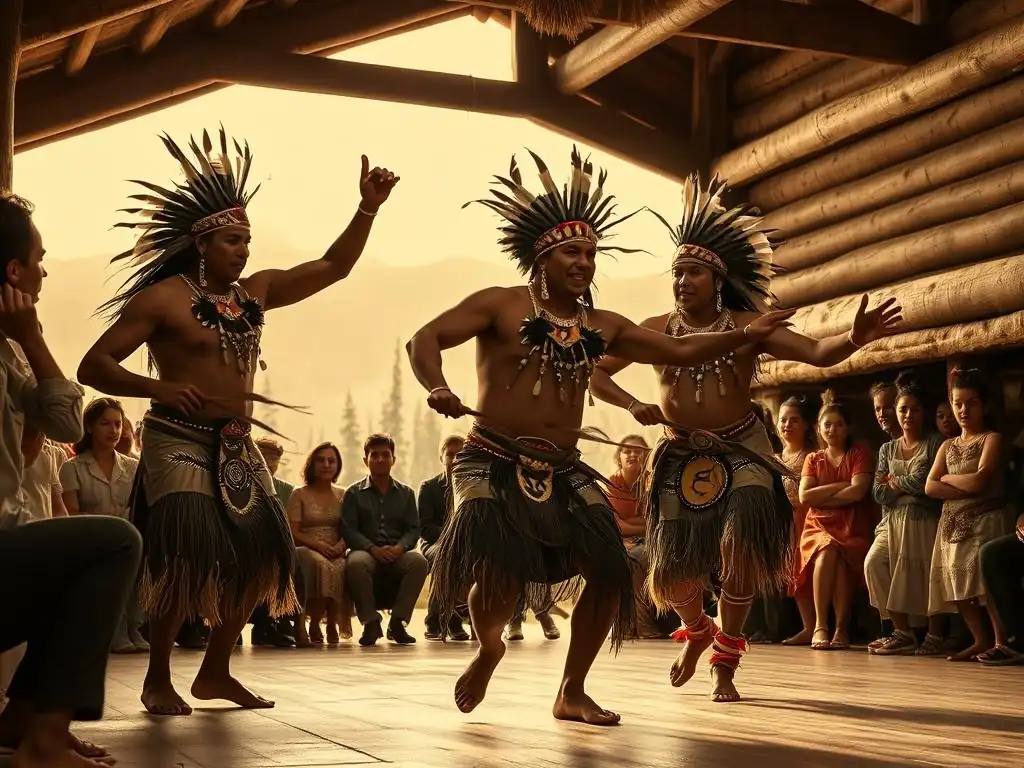
As Indigenous dance continues to evolve, innovation plays a significant role in its revitalization. Contemporary Indigenous dancers are exploring new styles and influences while remaining rooted in their cultural heritage. This dynamic interplay between tradition and modernity enriches the art form, allowing it to resonate with diverse audiences. Innovations in Indigenous dance reflect the creativity and resilience of Indigenous peoples, showcasing their ability to adapt while honoring their past.
Contemporary Styles and Influences in Indigenous Dance
Contemporary Indigenous dance often incorporates a blend of traditional and modern influences, creating unique styles that resonate with both Indigenous and non-Indigenous audiences. Dancers may draw inspiration from various cultural movements, enriching their performances with elements from hip-hop, contemporary dance, or ballet. This fusion allows for greater expression and exploration of themes pertinent to Indigenous identity today, such as social justice, environmental issues, and personal narratives. Such contemporary styles not only keep the dance form alive but also engage younger generations who may feel disconnected from traditional practices.
Fusion of Traditional and Modern Elements
The fusion of traditional and modern elements in Indigenous dance is a testament to the adaptability of these cultural expressions. Choreographers are increasingly blending traditional movements with innovative techniques, creating performances that are both rooted in heritage and reflective of contemporary life. This fusion may include the use of modern music, visual art, and multimedia elements, allowing dancers to tell stories in new and engaging ways. By bridging the gap between past and present, these performances invite audiences to appreciate the richness of Indigenous culture while addressing current issues faced by Indigenous communities.
Role of Technology in Evolving Indigenous Dance
Technology plays a transformative role in the evolution of Indigenous dance, providing new avenues for creation and sharing. Digital platforms allow for the dissemination of performances to a global audience, broadening the reach of Indigenous narratives. Moreover, social media serves as a powerful tool for community building and cultural exchange, enabling dancers to connect with each other and share their work in real time.
Video editing software and digital choreography tools also open up possibilities for experimentation and innovation within dance, allowing artists to create visually stunning performances that resonate with contemporary themes. As Indigenous dance continues to evolve, technology will undoubtedly remain a key factor in shaping its future.
Case Studies of Indigenous Dance Cultural Preservation and Innovation
Indigenous dance cultural preservation is not just about maintaining past practices; it also involves adapting these traditions to contemporary contexts. Various indigenous communities have demonstrated remarkable resilience and creativity in preserving and innovating their dance forms. Here, we explore two prominent examples: the Navajo Nation in the United States and the Māori of New Zealand.
Navajo Nation and Their Dance Practices
The Navajo Nation has a rich tapestry of dance traditions that serve not only as a form of artistic expression but also as a vital component of cultural identity. Traditional dances such as the Blessingway and Enemyway ceremonies are deeply rooted in Navajo cosmology, often performed to invoke healing, protection, and harmony within the community.
In recent years, there has been a resurgence in interest among the younger generations to learn these traditional dances. Community initiatives, including dance workshops and cultural camps, have been established to teach the intricate steps and cultural significance of these dances. Moreover, Navajo dance has found new platforms through collaborations with contemporary artists, allowing for innovative expressions that maintain traditional elements while appealing to modern audiences.
Māori of New Zealand and Their Approach
The Māori people of New Zealand possess a vibrant dance culture known as Kapa Haka, which combines dance, song, and traditional weaponry. Kapa Haka performances are not only a celebration of Māori culture; they also serve as a medium for storytelling and preserving history.
In recent years, the Māori have embraced innovation in their dance forms by incorporating contemporary themes and modern music while maintaining the core principles of their traditional performances. Events like the Te Matatini Festival showcase the best of Kapa Haka and encourage participation from various iwi (tribes), fostering a sense of unity and cultural pride. Additionally, educational programs in schools promote Māori dance, ensuring that the next generation understands and appreciates their heritage.
Community Engagement and Participation in Indigenous Dance
Community engagement plays a crucial role in the preservation of indigenous dance. It not only strengthens cultural ties but also encourages collective participation in cultural practices. Various initiatives have emerged to promote community involvement in dance, reinforcing its significance in the fabric of indigenous societies.
Importance of Community in Dance Preservation
The community serves as the backbone of indigenous dance preservation. Traditional dances are often performed during significant events such as seasonal festivals, ceremonies, and rites of passage, which reinforce cultural identity and continuity. Through these gatherings, community members can share their knowledge, skills, and stories related to dance. This collective participation helps to foster intergenerational connections, where elders pass down their wisdom to younger members, ensuring that the cultural practices are not lost but rather enriched with each performance.
Workshops and Festivals Celebrating Indigenous Dance
Workshops and festivals are vital in promoting indigenous dance. These events provide platforms for cultural exchange, learning, and celebration. For example, the Powwow circuit in North America allows indigenous dancers from various tribes to gather, perform, and share their traditions. Festivals often include workshops where participants can learn traditional dances, songs, and stories directly from skilled practitioners. This hands-on approach not only preserves dance forms but also invigorates them with new influences and perspectives.
Role of Youth in Continuing Dance Traditions
The youth play a pivotal role in the continuation of indigenous dance traditions. Their involvement ensures that these practices remain dynamic and relevant in today's world. Many indigenous communities are actively engaging youth through targeted programs aimed at teaching traditional dance. These initiatives often blend traditional techniques with modern expressions, enabling young dancers to explore their cultural heritage while contributing to its evolution.
Furthermore, youth-led groups and performances are emerging, showcasing the creativity and innovation of the younger generation. This fresh perspective not only attracts new audiences but also reinforces the significance of indigenous dance as a living art form that adapts to changing times while honoring its roots.
Challenges Facing Indigenous Dance Cultural Preservation
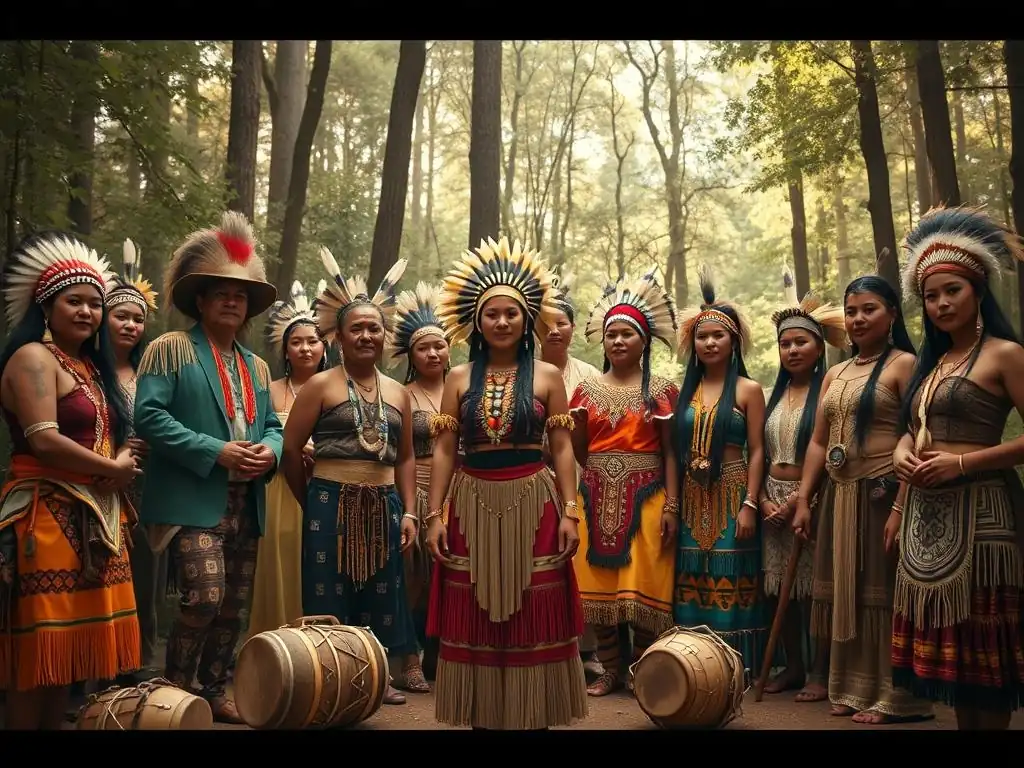
Indigenous dance is a vital expression of culture, history, and identity for many communities. However, it faces several challenges that threaten its preservation. These challenges range from external pressures such as globalization and cultural appropriation to internal tensions regarding the interpretation and performance of traditional practices.
Impact of Globalization on Indigenous Dance
Globalization has led to an increased exposure of Indigenous cultures to the global stage, often resulting in a dilution of traditional practices. As Indigenous dance becomes more commodified for entertainment purposes, the original meanings and contexts can be lost. This commercialization can distort the narratives and significance of the dances, leading to a superficial understanding among audiences. Furthermore, Indigenous artists may feel pressured to adapt their performances to fit mainstream expectations, risking authenticity in favor of broader appeal.
Balancing Tradition and Modernity
Many Indigenous dancers and choreographers grapple with the challenge of balancing traditional forms of dance with contemporary influences. While innovation is necessary for the art form to remain relevant, there is a fine line between modernization and the erosion of cultural heritage. Some argue that incorporating modern elements can enhance the visibility of Indigenous dance, while others caution against straying too far from the roots. This ongoing dialogue within communities is crucial, as it shapes the future of Indigenous dance and its cultural significance.
Funding and Support for Indigenous Dance Programs
Access to funding and resources is another significant challenge for Indigenous dance cultural preservation. Many Indigenous dance programs operate on limited budgets, relying heavily on grants and donations, which can be inconsistent. This financial instability can hinder the ability to sustain traditional practices, train new generations of dancers, and develop innovative projects. Increased support from governmental and non-governmental organizations is essential to ensure that these programs thrive and continue to educate audiences about Indigenous cultures.
Future of Indigenous Dance Cultural Preservation and Innovation
Despite the challenges, the future of Indigenous dance cultural preservation is marked by resilience and creativity. Many Indigenous dancers and choreographers are actively working to innovate while honoring their cultural roots. This evolution invites new audiences to engage with Indigenous dance, fostering a greater appreciation for its significance.
Predictions for the Evolution of Indigenous Dance
As Indigenous dance continues to evolve, we can expect to see a fusion of traditional and contemporary styles that reflect current social issues and cultural narratives. This evolution may include the incorporation of digital media, interdisciplinary collaborations, and a focus on environmental themes. Furthermore, as more Indigenous artists gain platforms in the global arts community, their unique perspectives will shape the future direction of dance, allowing for a richer, more dynamic representation of Indigenous cultures.
The Role of Education in Cultural Preservation
Education plays a pivotal role in the preservation of Indigenous dance. Initiatives that incorporate Indigenous dance into educational curricula not only help preserve these art forms but also promote cultural awareness among students from diverse backgrounds. Workshops, master classes, and community performances can serve as platforms for sharing knowledge and fostering respect for Indigenous cultural practices. By educating younger generations about the significance of these dances, communities can ensure that their heritage continues to thrive.
Potential Collaborations with Other Artistic Forms
Collaborations with other artistic forms can also be a powerful tool for the preservation and innovation of Indigenous dance. By partnering with visual artists, musicians, and theater practitioners, Indigenous dancers can create multidisciplinary works that resonate with broader audiences. These collaborations can highlight the richness of Indigenous narratives while introducing new elements that enhance storytelling. Such partnerships offer opportunities for cross-cultural dialogue and mutual learning, fostering a deeper appreciation for Indigenous dance within contemporary artistic landscapes.
Conclusion
The evolution of Indigenous dance is a powerful testament to the resilience and creativity of Indigenous cultures across the Americas. As traditional practices merge with contemporary influences, dancers and communities are not only preserving their rich heritage but also innovating new forms of expression that resonate with younger generations. This dynamic interplay between preservation and innovation highlights the importance of Indigenous dance as a living art form that adapts to changing cultural landscapes while maintaining deep roots in history and tradition.
Summary of Indigenous Dance Cultural Preservation and Innovation
Indigenous dance serves as a vital cultural expression that encapsulates the beliefs, stories, and histories of Indigenous peoples. Efforts to preserve these art forms are evident in various initiatives, such as community workshops, cultural festivals, and educational programs that emphasize the significance of dance in Indigenous identity. At the same time, innovation in Indigenous dance is flourishing, with artists incorporating modern elements, styles, and technology to reach broader audiences and explore new themes.
Through collaborations with contemporary artists and the integration of digital platforms, Indigenous dance is not only surviving but thriving in today's society. This blend of the old and the new enriches the cultural tapestry of the Americas and fosters a greater appreciation for Indigenous traditions among diverse audiences. By celebrating both preservation and innovation, Indigenous dance continues to play a crucial role in cultural revitalization and community empowerment.
Call to Action for Supporting Indigenous Dance Initiatives
To ensure the ongoing preservation and innovation of Indigenous dance, it is imperative to support Indigenous artists and cultural initiatives actively. Here are some ways you can make a difference:
- Attend Performances: Participate in local and regional Indigenous dance events to experience the rich cultural narratives firsthand.
- Support Indigenous Artists: Purchase art, music, or dance-related works from Indigenous creators to help sustain their livelihoods and cultural practices.
- Donate to Cultural Organizations: Contribute to organizations dedicated to the preservation of Indigenous cultures and arts, enabling them to fund workshops, performances, and educational programs.
- Advocate for Inclusion: Encourage educational institutions and cultural organizations to include Indigenous dance in their programming to promote awareness and appreciation.
- Share Knowledge: Spread the word about Indigenous dance and its significance through social media or community discussions to foster a deeper understanding of its cultural importance.
By taking these steps, you can play a vital role in supporting Indigenous dance cultural preservation and innovation, ensuring that these vibrant expressions of identity continue to flourish for generations to come.
Frequently Asked Questions
What is the significance of indigenous dance in cultural preservation?
Indigenous dance plays a crucial role in preserving cultural heritage, as it embodies traditional stories, values, and community identity.
How are modern influences shaping indigenous dance?
Modern influences are leading to innovative fusions of styles, allowing indigenous dance to adapt while still maintaining its core cultural significance.
What challenges do indigenous communities face regarding dance preservation?
Many indigenous communities encounter challenges such as globalization, loss of traditional knowledge, and limited resources for teaching and practicing their dances.
How can individuals support indigenous dance cultural preservation?
Individuals can support this preservation by participating in workshops, attending performances, and promoting awareness of indigenous cultures and their art forms.
Are there contemporary examples of indigenous dance being used for activism?
Yes, many indigenous dancers use their art as a form of activism, raising awareness about social issues and advocating for cultural rights and recognition.
Final Reflection: Embracing the Evolution of Indigenous Dance for Cultural Preservation
In today's rapidly changing world, the theme of Indigenous dance cultural preservation resonates more than ever. As we witness the blending of traditional practices with contemporary influences, it becomes clear that this evolution is not merely a trend but a vital means of survival and expression for Indigenous communities. The ability to adapt while honoring ancestral roots is a powerful statement about resilience and identity in the face of globalization and cultural homogenization.
The impact of Indigenous dance extends far beyond the performance stage; it shapes our cultural and social landscape by fostering understanding and respect for diverse traditions. The ongoing dialogue between preservation and innovation in Indigenous dance highlights the importance of cultural heritage in modern society. As one Indigenous dancer poignantly stated, Dance is the heartbeat of our culture; it connects us to our ancestors and to each other.
This connection serves as a reminder that while the forms of expression may evolve, the essence of what they represent remains steadfast, enriching our collective human experience.
As we reflect on the lessons shared in this article, I invite you to consider how you can engage with and support the evolution of Indigenous dance in your own life. Whether through attending performances, learning about the stories behind the movements, or advocating for Indigenous rights and representation, each action contributes to the preservation of these vital cultural expressions. Let us honor the past while embracing the future, ensuring that Indigenous dance continues to thrive as a testament to resilience, creativity, and community.
Embrace the Rhythm: Step into the World of Indigenous Dance!
Thank you for exploring the fascinating journey of Indigenous dance with us! You've gained insights into how these vibrant traditions are evolving while preserving their cultural essence. Now, let’s take actionable steps to deepen your connection to this rich heritage.
- Join a local Indigenous dance workshop to experience the movements and stories firsthand.
- Share this article with friends and family to spread awareness about the beauty and evolution of Indigenous dance.
- Discover additional resources on Indigenous dance forms by visiting community centers or exploring online platforms dedicated to these artistic expressions.
What impact do you think engaging with Indigenous dance could have on your understanding of cultural expression?