
Movements of the Ancestors: Traditional Dance Forms of Native American Tribes

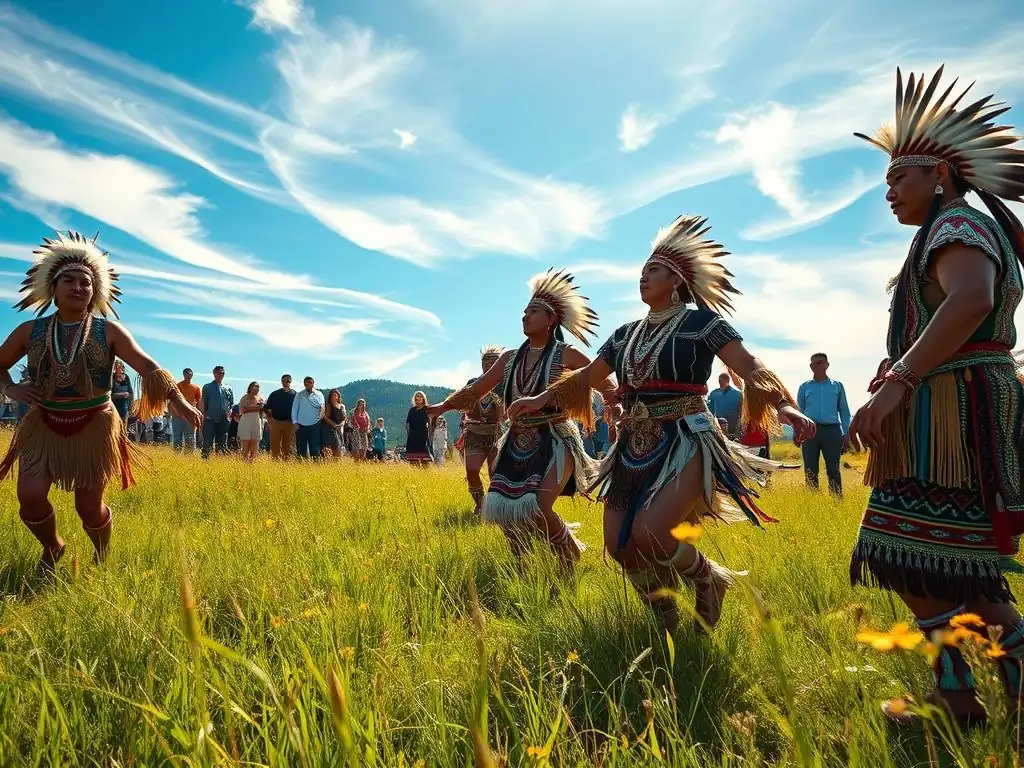
Welcome to Indigenous Civilizations of the Americas, where we invite you to embark on a captivating journey through the rich tapestry of indigenous cultures that flourished long before European contact. In our featured article, "Movements of the Ancestors: Traditional Dance Forms of Native American Tribes," delve into the vibrant world of traditional Native American dance forms—expressions of identity, spirituality, and community that echo the stories of generations.
Discover how these dynamic movements not only celebrate heritage but also continue to shape contemporary indigenous identity. Join us as we uncover the rhythms of history and the legacies that pulse through the dance, encouraging you to explore further and connect with these profound cultural narratives.
- Introduction to Traditional Native American Dance Forms
- Historical Context of Native American Dance
- Types of Traditional Native American Dance Forms
- Cultural Significance of Traditional Dance
- Instruments and Music in Traditional Native American Dance
- Contemporary Perspectives on Traditional Native American Dance
- Challenges Facing Traditional Native American Dance
- Conclusion: The Enduring Legacy of Traditional Native American Dance Forms
- Frequently Asked Questions
- Final Reflection: Embracing the Rhythms of Our Ancestors
- Celebrate and Share the Vibrancy of Native American Dance!
Introduction to Traditional Native American Dance Forms
Traditional Native American dance forms are not merely artistic expressions; they are profound cultural practices that encapsulate the history, spirituality, and social values of various indigenous tribes across the Americas. Long before European colonization, Native American tribes developed a rich tapestry of dance traditions, each infused with unique meanings, ceremonial significance, and community involvement. These dances serve as a medium to convey stories, celebrate harvests, honor ancestors, and foster unity among tribal members. Understanding the significance of these dance forms is crucial to appreciating the depth and diversity of indigenous cultures.
Significance of Dance in Native American Cultures
Dance in Native American cultures holds a multifaceted role, acting as a vehicle for storytelling, spiritual connection, and cultural preservation. Each movement and rhythm tells a story, often linked to the tribe's beliefs, historical events, and natural surroundings. For many tribes, dance is a sacred expression of gratitude towards the earth and the spiritual world.
- Spiritual Connection: Dances are often performed in conjunction with rituals that seek guidance, healing, or blessings from the Creator and ancestral spirits.
- Community Cohesion: Group dances foster a sense of belonging and unity, bringing community members together in celebration and remembrance. These gatherings strengthen social ties and reinforce cultural identity.
- Education and Transmission of Knowledge: Dance serves as a medium for passing down traditions, values, and historical narratives from one generation to the next.
As such, traditional Native American dance forms are essential to the cultural fabric of indigenous societies, highlighting their resilience and the importance of maintaining their heritage.
Overview of Traditional Dance Forms
The variety of traditional Native American dance forms is as diverse as the tribes themselves, with each tribe contributing its unique styles and practices. Here are some prominent examples:
- Powwow Dances:
- Fancy Dance: Known for its elaborate regalia and fast-paced movements, often performed by young men.
- Jingle Dress Dance: A healing dance originating from the Ojibwe tribe, characterized by the jingling of metal cones attached to the dancer's dress.
- Ceremonial Dances:
- Sun Dance: A spiritual ceremony among Plains tribes involving fasting, prayer, and endurance, symbolizing renewal and the connection to the Creator.
- Ghost Dance: A movement that arose in the late 19th century, aiming to restore the Native way of life and bring back the spirits of the ancestors.
- Social Dances:
- Round Dance: A communal dance that encourages participation, symbolizing unity and the interconnectedness of all people.
- Two-Step: A dance that incorporates elements of European influence, reflecting the adaptability of Native cultures.
These dance forms are not only artistic expressions but also serve as vital components of the cultural heritage of Native American tribes. They reflect the diverse experiences and histories of indigenous peoples while fostering a sense of identity and continuity in the face of ongoing challenges.
Historical Context of Native American Dance
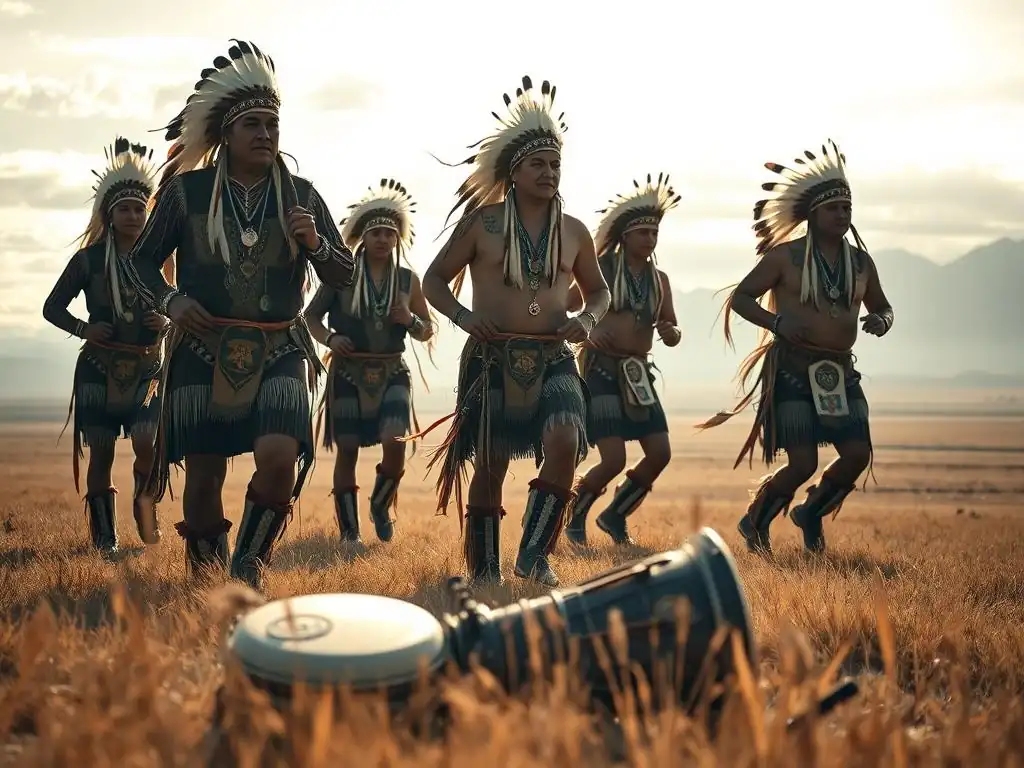
Traditional Native American dance forms are deeply embedded in the cultural, spiritual, and communal practices of indigenous tribes across the Americas. These dances serve as a means of storytelling, celebration, and connection to the ancestors. Understanding the historical context of these dances provides insight into their significance and the ways they have evolved over time.
Origins of Traditional Dance in Indigenous Societies
The origins of traditional Native American dance can be traced back thousands of years, with roots in the spiritual and social lives of indigenous peoples. Dance was not merely a form of entertainment; it was a vital expression of cultural identity and a vehicle for conveying important narratives about creation, nature, and community values.
- Spiritual Significance: Many dances were performed as part of rituals intended to communicate with the spiritual realm. For instance, the Sun Dance among the Plains tribes celebrated the sun’s life-giving properties and involved elaborate ceremonies that included fasting and physical endurance.
- Ceremonial Functions: Dances were integral to various ceremonies, including those for healing, marriage, and seasonal changes. The Powwow, a gathering of Native American tribes, showcases a variety of dances that honor both historical traditions and contemporary expressions of identity.
- Connection to Nature: Dances often mirrored the natural world, reflecting the relationship between the people and their environment. The Rain Dance, for example, was performed to invoke rain for crops, highlighting the agricultural societies' dependence on weather patterns.
The language of dance in these societies was rich and varied, with each movement and rhythm carrying profound meanings that were often passed down through oral traditions.
Evolution of Dance Forms Through Generations
Over the centuries, traditional Native American dance forms have undergone significant transformations, influenced by various factors including colonization, cultural exchange, and contemporary social dynamics.
- Adaptation and Resilience: Many tribes adapted their dance forms in response to colonization efforts, which sought to suppress indigenous cultures. This resilience is evident in the revival of traditional dances in the late 20th century, as communities sought to reclaim and celebrate their heritage.
- Fusion of Styles: In contemporary contexts, traditional Native American dance forms have experienced fusion with other cultural influences, resulting in new styles that blend traditional elements with modern aesthetics. For instance, hip-hop dance has found its way into powwow performances, creating a dynamic dialogue between past and present.
- Preservation Initiatives: Efforts to preserve traditional dance forms have been bolstered by cultural programs, educational initiatives, and community gatherings. Organizations dedicated to the arts promote workshops and festivals, ensuring that the knowledge and skills associated with these dances are transmitted to future generations.
- Global Recognition: The global interest in Native American dance has led to increased visibility for these cultural expressions. Events like the World Indigenous Peoples Conference on Education showcase traditional dance as a means of cultural exchange and education, allowing indigenous voices to be heard on a larger stage.
The historical context of traditional Native American dance forms reveals a rich tapestry of cultural expression that has adapted and evolved through generations while maintaining its core significance. The dances not only celebrate the past but also serve as a vibrant means of identity and resilience for indigenous communities today.
Types of Traditional Native American Dance Forms
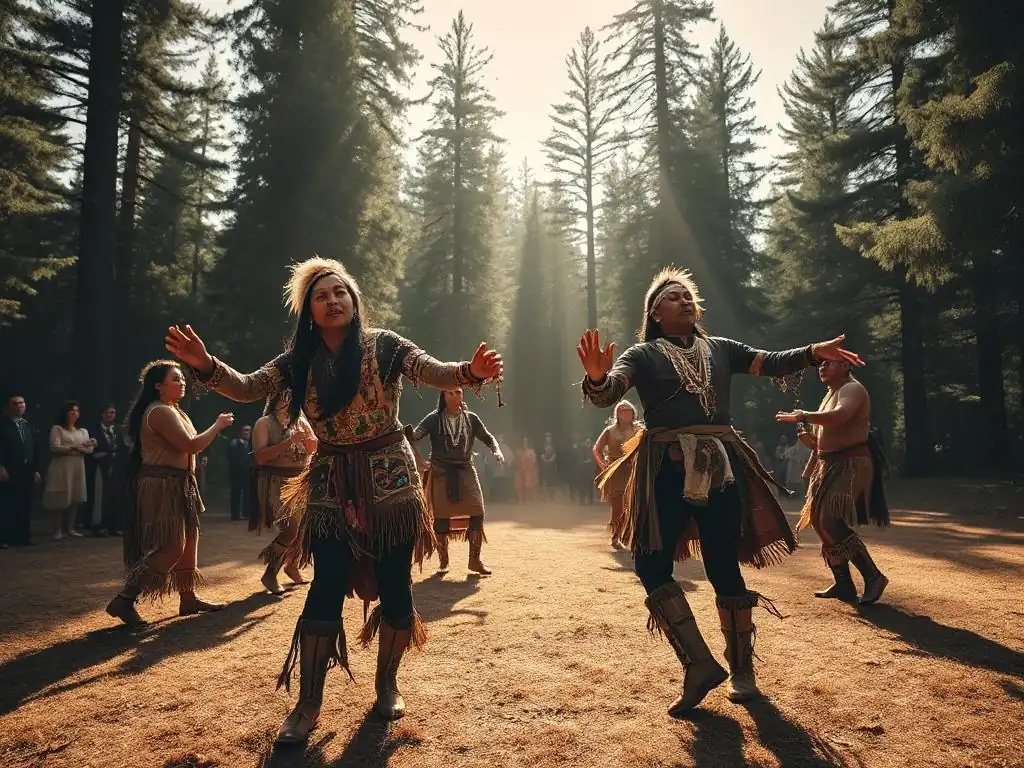
Powwow Dances
Overview of Powwow Culture
Powwow culture represents a vibrant and communal aspect of Native American life, where various tribes come together to celebrate their heritage through dance, music, and storytelling. Originating in the mid-19th century, powwows have evolved into significant social and cultural gatherings. They serve not only as a venue for showcasing traditional Native American dance forms but also as a platform for maintaining and revitalizing cultural practices.
At powwows, participants engage in competitive and non-competitive dancing, with categories often determined by age, gender, and style. These events are marked by colorful regalia, drumming, and singing, creating an atmosphere of unity and celebration. Each powwow typically features a Grand Entry, where dancers and veterans parade into the arena, symbolizing respect for their ancestors and culture.
Common Powwow Dance Styles
Several dance styles are integral to the powwow experience, each with unique movements, attire, and cultural significance. Some of the most recognized styles include:
- Fancy Dance: Known for its fast-paced movements and colorful costumes adorned with feathers and sequins. Dancers perform intricate footwork and spins, showcasing agility and grace.
- Traditional Dance: This style reflects the historical practices of Native American tribes. Dancers wear regalia that often includes long shawls and accessories that symbolize their tribal identity. The movements are slower and more deliberate, emphasizing the connection to heritage.
- Grass Dance: Originating from the Plains tribes, this dance is characterized by its flowing movements that mimic the swaying of grass. Grass dancers traditionally wear long fringed outfits that create a visual spectacle during performances.
- Jingle Dress Dance: This style is known for its unique attire, which features rows of metal cones that jingle during movement. The dance is said to have healing properties and is performed mainly by women to honor stories of healing.
Ceremonial Dances
Spiritual Significance of Ceremonial Dances
Ceremonial dances hold profound spiritual significance within Native American cultures. They often serve as a means of communication with the spiritual world, celebrating important life events, and seeking guidance or healing. These dances are deeply rooted in cultural beliefs and are performed during rituals or ceremonies that mark significant occasions such as births, marriages, and seasonal changes.
Each ceremonial dance is imbued with symbolism, often representing stories passed down through generations. The movements, songs, and attire used in these dances embody the teachings and values of the tribe, reinforcing the connection between the community and their ancestral spirits. For many tribes, participating in ceremonial dances is a way to honor their heritage and express their identity.
Examples of Ceremonial Dance Forms
Some notable examples of ceremonial dance forms include:
- Sun Dance: A sacred ritual among Plains tribes, the Sun Dance involves intense physical endurance and spiritual reflection. Participants often fast and dance for several days, seeking visions and renewal.
- Ghost Dance: This dance emerged in the late 19th century as a response to the struggles faced by Native Americans. It is a spiritual movement aimed at restoring the lost ways of life and is characterized by repetitive movements and songs that emphasize unity and hope.
- Healing Dance: Often performed to promote physical and emotional healing, these dances vary by tribe but typically involve rhythmic movements and prayers to invoke spiritual support for individuals in need of healing.
Both powwow dances and ceremonial dances showcase the rich tapestry of traditional Native American dance forms, reflecting the deep connections to culture, identity, and spirituality within indigenous communities. Each dance serves not only as an artistic expression but also as a vital component in the preservation of heritage and tradition.
Social dances in Native American cultures serve as a vibrant expression of community, identity, and tradition. These dance forms are often characterized by their communal nature, where individuals come together to celebrate significant events, honor ancestors, and reinforce social bonds. Social dances are not merely performances; they embody the values, stories, and teachings of the tribe, acting as a medium through which cultural heritage is preserved and passed down through generations.
These dances vary widely among tribes, each carrying unique significance and styles. They are commonly performed during gatherings such as powwows, festivals, and seasonal celebrations. The inclusive nature of social dances allows participants of all ages to engage, fostering unity and a sense of belonging within the community. As such, these dance forms play a crucial role in maintaining cultural identity and continuity among Native American tribes.
Role of Social Dances in Community Life
Social dances are integral to the fabric of Native American community life, serving several essential functions:
- Cultural Transmission: Through dance, stories, values, and traditions are shared, allowing younger generations to learn about their heritage.
- Spiritual Connection: Many dances are performed as a form of prayer or offering, connecting participants with their spirituality and the natural world.
- Social Cohesion: Social dances bring community members together, promoting relationships and strengthening bonds among individuals. They create a sense of unity and collective identity.
- Celebration of Life Events: These dances are often performed during significant life events such as weddings, births, and healing ceremonies, marking milestones within the community.
- Healing and Resilience: Participation in social dances can provide emotional and spiritual healing, helping individuals cope with challenges and reinforcing the tribe's resilience.
Through these roles, social dances contribute significantly to the overall health and vitality of Native American communities, ensuring that traditions endure while adapting to contemporary life.
Notable Social Dance Styles
Various notable social dance styles highlight the diversity and richness of traditional Native American dance forms. Here are a few prominent examples:
- Grass Dance: Originating from the Northern Plains tribes, the Grass Dance is characterized by fluid movements mimicking the swaying of grass. Dancers traditionally wear regalia adorned with grass and other natural materials to honor nature.
- Round Dance: A communal dance typically performed in a circle, the Round Dance symbolizes unity and togetherness. Participants join hands and follow a rhythm, emphasizing collective movement and participation.
- Fancy Dance: This lively and energetic dance form is often showcased at powwows. It features intricate footwork and colorful regalia, with dancers performing acrobatic movements that celebrate agility and speed.
- Social Powwow Dance: At powwows, various social dances are performed, including intertribal dances where individuals from different tribes come together to celebrate. These dances promote cross-cultural exchange and foster a sense of solidarity among Native peoples.
- Jingle Dance: Associated with the Northern Plains tribes, the Jingle Dance is performed by women wearing dresses adorned with metal cones that jingle as they move. It is often seen as a healing dance, invoking positive energies.
These dance styles not only reflect the artistry and creativity of Native American cultures but also serve as living traditions that connect individuals to their ancestors and their shared history.
Cultural Significance of Traditional Dance
Traditional Native American dance forms serve as a powerful means of cultural expression and community identity among the diverse tribes across the Americas. Each dance is intricately woven into the fabric of tribal heritage, reflecting the unique beliefs, values, and histories of the respective communities. These dances are not merely performances but are imbued with spiritual and social significance, often performed during ceremonies, celebrations, and communal gatherings.
Expression of Identity and Heritage
Traditional Native American dance forms are vital expressions of identity and heritage for many tribes. Each dance embodies the stories, traditions, and spiritual beliefs of Indigenous peoples, serving as a living archive that connects past generations with the present and future.
- Cultural Representation: Dances like the Powwow and the Grass Dance are often characterized by vibrant regalia and specific movements that symbolize tribal identity. These elements reflect the distinct cultural narratives of each tribe, promoting pride and unity among community members.
- Community Cohesion: Participation in traditional dances fosters a sense of belonging and kinship. Events such as Powwows bring together various tribes, allowing them to share their cultural practices and reinforce their collective identity.
- Spiritual Connection: Many dance forms are deeply spiritual, intended to honor ancestors, seek guidance, or celebrate nature’s cycles. The Eagle Dance, for example, mimics the movements of the eagle and is often performed to invoke the bird's strength and vision, symbolizing a connection to the spiritual realm.
Preservation of Language and Stories Through Dance
Traditional dance forms also play a crucial role in preserving Indigenous languages and stories, serving as an educational medium for younger generations. This preservation is vital in the context of language endangerment and cultural assimilation.
- Narrative Transmission: Dances often tell stories that convey moral lessons, historical events, or cultural myths. For instance, the Hoop Dance incorporates various symbols and movements that narrate creation stories or tribal legends. This method of storytelling ensures that the oral traditions of Indigenous peoples are maintained.
- Language Revival: Some dances include songs performed in Indigenous languages, fostering language use in a cultural context. The incorporation of language into dance reinforces its relevance, helping to revitalize and sustain linguistic heritage among tribe members.
- Educational Opportunities: Dance workshops and cultural events provide platforms for the transmission of knowledge about traditional practices, including language, music, and storytelling. These workshops help bridge generational gaps, ensuring that younger community members learn the significance of their cultural heritage through active participation.
Traditional Native American dance forms are integral to the cultural landscape of Indigenous peoples. They serve as powerful tools for expressing identity, preserving languages, and maintaining the rich tapestry of stories that define these vibrant communities. Through dance, the legacies of ancestors continue to thrive, reaffirming the enduring spirit of Native American cultures.
Instruments and Music in Traditional Native American Dance
Role of Music in Enhancing Dance
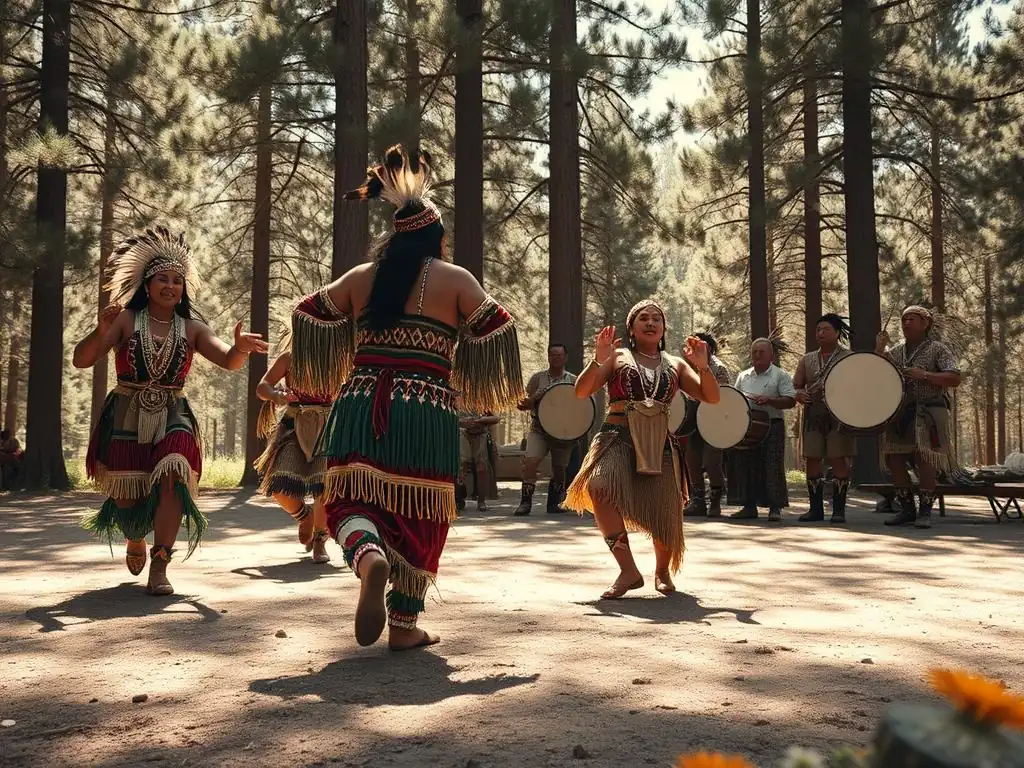
Music is an essential component of traditional Native American dance forms, serving not only as an accompaniment but also as a vital element that enhances the overall experience and significance of the dance. Each dance is often accompanied by specific songs that reflect the cultural heritage and stories of the tribe. These songs are typically composed of repetitive phrases, which create a rhythmic structure that dancers can follow.
- Cultural Significance: Music in these dances often tells stories of ancestors, nature, and spiritual beliefs. Each rhythm and melody is steeped in meaning, connecting dancers and audiences to their heritage.
- Emotional Connection: The beat of the drum and the melodies evoke emotions that resonate with the dancers, often leading to a deeper spiritual experience during performances. This connection is pivotal, as it not only celebrates cultural identity but also fosters community unity.
- Ceremonial Functions: Many dances are performed during ceremonies, where music plays a crucial role in invoking spirits, celebrating harvests, or commemorating important events. The songs often contain calls to the spiritual realm, reinforcing the connection between the physical and spiritual worlds.
Through the use of intricate rhythms and melodies, traditional Native American music serves as a guiding force, elevating the dance beyond mere movement to a profound cultural expression.
Traditional Instruments Used in Native American Dance
The instruments used in traditional Native American dance vary significantly between tribes and regions, each contributing unique sounds that reflect the tribe's culture and traditions. Here are some of the most common instruments:
- Drums:
- The heartbeat of Native American music, drums are central to almost all dance forms. They come in various sizes, from large powwow drums that require multiple players to smaller hand drums used by solo performers. The sound of the drum is powerful, resonating deeply and enhancing the dancers' movements.
- Rattles:
- Often made from gourd or wood and filled with small stones or seeds, rattles add a percussive element to the music. They are frequently used in rituals and dances, symbolizing the presence of spirits and the connection to the earth.
- Flutes:
- Traditional Native American flutes are typically made of wood or bamboo and are known for their soft, melodic tones. They are often played during dances to evoke feelings of peace and reflection.
- Maracas:
- Also known as shakers, maracas are commonly used in some tribes and are made from dried gourds filled with small beads. Their vibrant sound complements the rhythm of the drums and adds texture to the music.
- Vocals:
- Singing is an integral part of the performance, with male and female voices often harmonizing. The lyrics may vary, but they commonly reflect themes of nature, spirituality, and cultural stories.
| Instrument | Description | Cultural Significance |
|---|---|---|
| Drums | Large and small drums providing the primary rhythm | Symbolizes life and unity |
| Rattles | Percussive instruments made from gourds or wood | Connects to nature and spirits |
| Flutes | Wood or bamboo flutes producing melodic sounds | Represents peace and contemplation |
| Maracas | Shakers filled with beads for added rhythm | Enhances the communal experience |
| Vocals | Harmonizing voices that tell stories | Preserves oral traditions and history |
In traditional Native American dance forms, the combination of these instruments creates a rich tapestry of sound that not only enhances the beauty of the dance but also serves as a vehicle for cultural expression and storytelling. The music and instruments together embody the spirit of the community, making each performance a celebration of their heritage and identity.
Contemporary Perspectives on Traditional Native American Dance
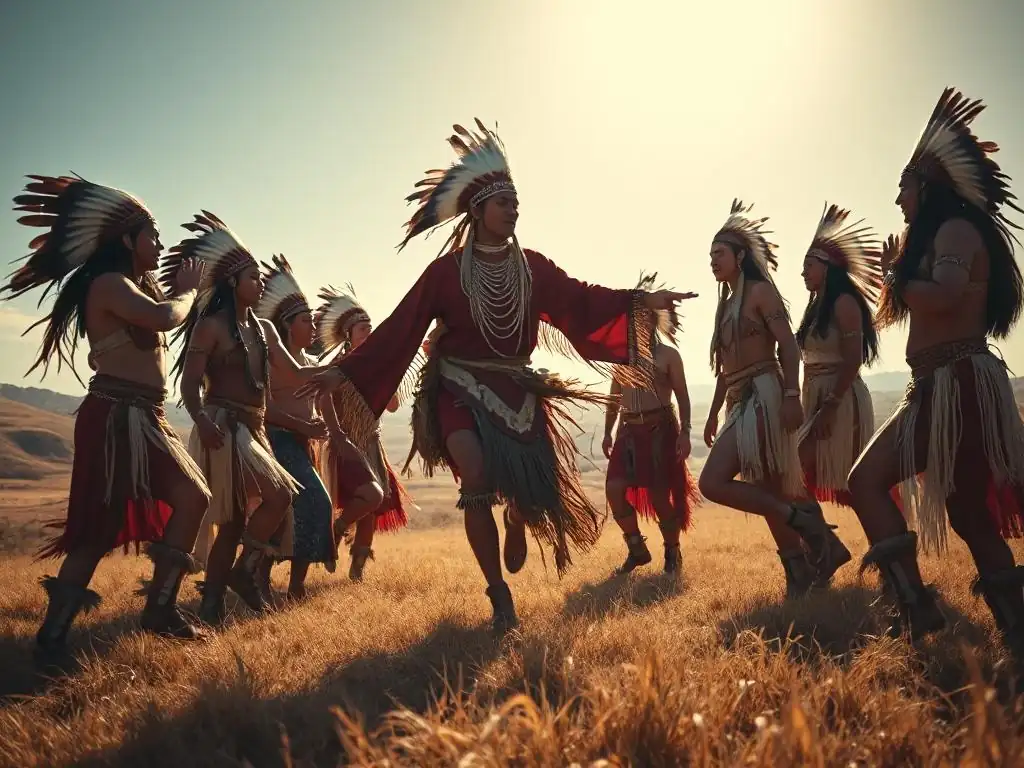
Traditional Native American dance forms are experiencing a resurgence in contemporary society, reflecting both a revival of cultural identity and a response to modern influences. As indigenous communities navigate the complexities of contemporary life, these dance forms serve as vital expressions of heritage, spirituality, and community cohesion. The interplay between tradition and modernity is particularly evident in two key areas: the revitalization of traditional dance forms and the fusion of traditional and modern dance styles.
Revitalization of Traditional Dance Forms
The revitalization of traditional Native American dance forms has become a powerful movement within many indigenous communities. This resurgence is often fueled by a desire to reconnect with ancestral roots and pass down cultural practices to younger generations. Workshops, cultural festivals, and powwows play a significant role in this movement, providing platforms for community members to learn and perform traditional dances.
- Cultural Festivals: Events such as powwows not only showcase traditional dances but also serve as communal gatherings that strengthen cultural bonds. These festivals often feature:
- Dance Competitions: Participants compete in various categories, showcasing styles such as grass dancing, jingle dress dancing, and fancy shawl dancing.
- Workshops and Demonstrations: These allow attendees to learn the history and significance of each dance form, ensuring that cultural knowledge is preserved.
- Community Involvement: Many tribes have established programs aimed at teaching traditional dances to youth. This grassroots approach fosters a sense of pride and belonging while ensuring the continuity of cultural practices.
- Cultural Preservation Organizations: Various non-profit organizations work to document and promote traditional dance forms, providing resources and support for indigenous dancers. They often collaborate with tribal leaders to create educational materials that emphasize the importance of these dances in cultural identity.
Fusion of Traditional and Modern Dance Styles
The fusion of traditional and modern dance styles illustrates the dynamic nature of cultural expression among Native American communities. As artists and performers experiment with blending elements from different genres, they create innovative forms that resonate with both indigenous and broader audiences. This fusion can be seen in several ways:
- Choreographic Innovations: Contemporary Native American dancers often incorporate modern dance techniques, hip-hop, and even ballet into their performances. This cross-pollination allows for:
- New Narratives: Dancers can tell contemporary stories or address current social issues through the lens of indigenous experiences.
- Broader Appeal: By merging traditional and modern styles, these performances attract a diverse audience, fostering greater understanding and appreciation of Native American cultures.
- Collaborative Projects: Many Native American artists collaborate with non-indigenous dancers and choreographers, creating works that explore the intersections of culture. These collaborations can result in unique performances that challenge stereotypes and showcase the richness of indigenous heritage.
- Media and Technology: The use of digital media has also influenced the evolution of traditional dance forms. Social media platforms provide a space for dancers to share performances and connect with audiences worldwide, further enhancing the visibility of Native American dance.
Contemporary perspectives on traditional Native American dance forms reveal a vibrant tapestry of cultural expression that honors the past while embracing the present. The revitalization efforts and innovative fusions not only celebrate indigenous identities but also contribute to a broader dialogue about culture, art, and community in the modern world.
Challenges Facing Traditional Native American Dance
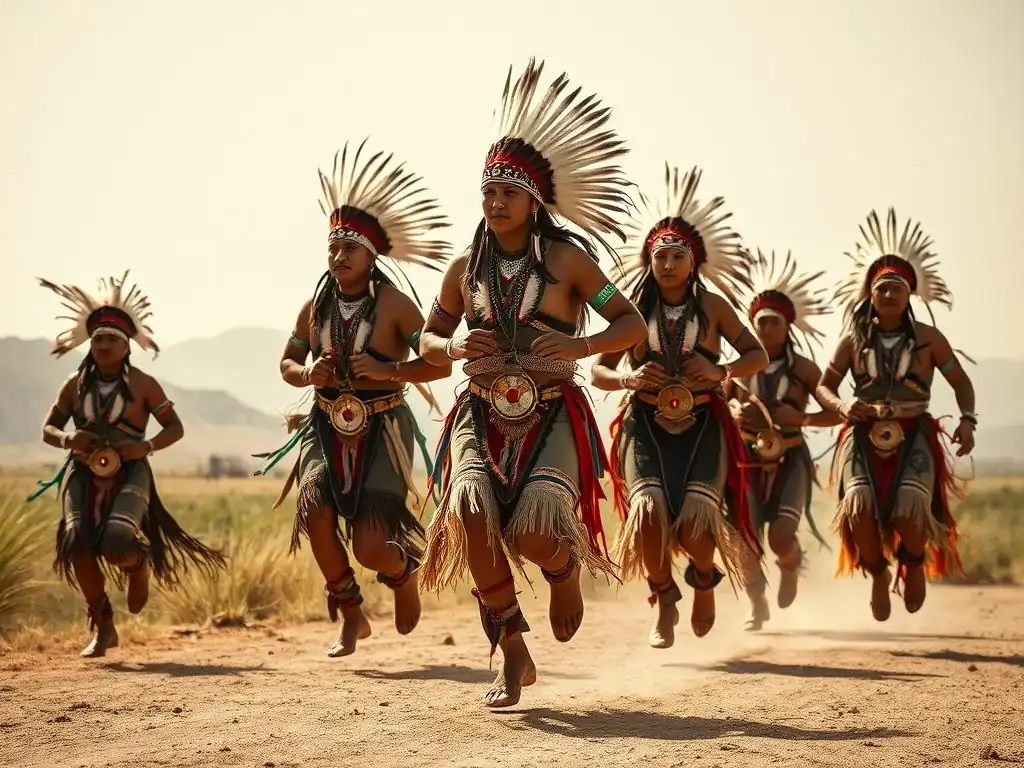
Traditional Native American dance forms are not just artistic expressions; they are vital components of cultural identity, spirituality, and community cohesion. However, these dance traditions face numerous challenges that threaten their survival and evolution.
Impact of Colonization on Dance Traditions
Colonization had a profound impact on the dance traditions of Native American tribes. The arrival of European settlers brought about significant cultural disruptions, leading to the suppression of indigenous practices. Many tribes were forced to abandon their traditional dances, which were often viewed as pagan or heathen by colonizers. This suppression led to several key challenges:
- Cultural Erasure: Many traditional dances were lost or altered due to the forced assimilation policies that aimed to eradicate indigenous cultures. For instance, the U.S. government implemented laws that prohibited the practice of ceremonies and dances, fundamentally altering the transmission of these traditions to future generations.
- Loss of Language and Meaning: Dance forms are often deeply intertwined with the languages and stories of a community. As speakers of indigenous languages dwindled, so too did the contextual understanding necessary for the dances, leading to a disconnect between the performance and its original meaning.
- Fragmentation of Communities: The forced relocation and resettlement of tribes disrupted social structures. Many communities that once danced together were divided, making it difficult to maintain the communal aspects of traditional dance practices.
Despite these challenges, many Native American tribes have made remarkable efforts to revive and sustain their dance traditions, recognizing their importance for cultural identity and continuity.
Modern-Day Efforts to Preserve Dance Forms
In recent decades, there has been a renewed interest in preserving traditional Native American dance forms. Various initiatives aim to revitalize these practices and ensure they are passed down to future generations. Here are some notable efforts:
- Cultural Festivals and Powwows: These events serve as platforms for the celebration and sharing of indigenous dance forms. Powwows bring together tribes from different regions, allowing dancers to showcase their skills and reconnect with their heritage. They often feature competitions, educational workshops, and opportunities for cultural exchange.
- Community-Based Programs: Many tribes have established dance groups and cultural programs designed to teach younger generations about traditional dance. These programs often include lessons in the historical context and significance of each dance, fostering a deeper appreciation and understanding among participants.
- Integration into Education: Some educational institutions are incorporating traditional Native American dance into their curricula, allowing students to learn about their own cultural heritage. This integration not only helps preserve the dances but also promotes awareness and respect for indigenous cultures among non-indigenous students.
- Documentation and Archiving: Efforts to document traditional dances through video recordings and written descriptions are crucial for preservation. These resources serve as educational tools, ensuring that the dances can be learned and performed accurately, even if they are not practiced in the same way as in previous generations.
While traditional Native American dance forms face significant challenges, the resilience of indigenous communities and their efforts to preserve their cultural heritage continue to thrive. The ongoing revitalization of these dance traditions is a testament to the enduring spirit of Native American cultures and their commitment to honoring their ancestors through movement.
Conclusion: The Enduring Legacy of Traditional Native American Dance Forms
The legacy of traditional Native American dance forms is a profound testament to the resilience and creativity of Indigenous cultures across the Americas. These dance forms are not merely artistic expressions; they are vital components of community identity, spirituality, and cultural heritage. Through intricate movements, vibrant costumes, and rhythmic sounds, these dances tell stories, honor ancestors, and celebrate the interconnectedness of life.
The enduring nature of these traditional dances can be observed in various tribal celebrations, ceremonies, and gatherings, where they continue to play a crucial role. They serve as a means of transmitting knowledge, values, and traditions to younger generations, ensuring that the rich tapestry of Indigenous cultures remains vibrant and alive. As these dances evolve and adapt, they maintain a core connection to the ancestral practices that have existed for centuries.
Reflection on the Importance of Dance in Indigenous Culture
Dance has always held a central place in Indigenous cultures, acting as a medium for spiritual expression and communal bonding. Each movement, song, and rhythm carries deep cultural significance, often linked to specific rituals, seasons, or historical events.
- Cultural Identity: Traditional Native American dance forms foster a sense of belonging and identity among community members. They reinforce cultural pride and continuity, reminding participants of their heritage and the teachings of their ancestors.
- Spiritual Connection: Many dances are performed as offerings to the spirits or during sacred ceremonies, emphasizing the relationship between the physical and spiritual worlds. For instance, the Powwow dance is not only a celebration but also a way to connect with spiritual ancestors and nature.
- Community Cohesion: Dance events often bring together tribes and families, creating a sense of unity. They serve as a platform for sharing experiences, fostering relationships, and strengthening community ties.
- Narrative and History: Each dance often encapsulates stories or historical events that are significant to the tribe. Through storytelling in movement, these dances preserve the history and experiences of Indigenous peoples for future generations.
Future of Traditional Dance in Native American Communities
The future of traditional Native American dance forms is both promising and challenging. As communities navigate the complexities of modern life, the preservation and evolution of these dance forms are paramount.
- Revitalization Efforts: Many tribes are actively working to revitalize traditional dances by organizing workshops, festivals, and educational programs aimed at younger generations. These initiatives are crucial for passing down knowledge and skills necessary to keep these traditions alive.
- Fusion with Contemporary Styles: Some communities are embracing contemporary influences, blending traditional dances with modern music and performance styles. This fusion can attract younger audiences and encourage participation while still honoring the roots of the dances.
- Global Awareness: The increasing interest in Indigenous cultures, both nationally and globally, can serve as a platform for showcasing traditional Native American dance forms. Social media and digital platforms allow for broader visibility, enabling these dances to reach new audiences.
- Cultural Sustainability: Challenges such as cultural appropriation and loss of traditional knowledge must be addressed to ensure the sustainability of these practices. Engaging community members in discussions about cultural representation and ownership is essential for preserving authenticity.
The traditional Native American dance forms encapsulate a vibrant history and a living heritage that continues to thrive within the communities. As these dances evolve, they will remain a vital expression of identity, spirituality, and resilience for generations to come.
Frequently Asked Questions
What are traditional Native American dance forms?
Traditional Native American dance forms are ritualistic movements that reflect the cultural heritage and spiritual beliefs of various tribes, often performed during ceremonies and celebrations.
Why are these dance forms important to indigenous cultures?
These dance forms are crucial as they serve to preserve history, celebrate community, and pass down traditions, making them a vital aspect of cultural identity for Native American tribes.
How do traditional dances vary among different tribes?
Each tribe has its own unique styles, rhythms, and meanings, reflecting their specific traditions and historical experiences, which leads to a rich diversity in dance forms across indigenous cultures.
What role do costumes play in traditional Native American dances?
Costumes are integral to traditional dances, often featuring symbolic designs and materials that represent the tribe's heritage, and they enhance the visual storytelling of the dance.
Can anyone participate in traditional Native American dances?
Participation may vary; some dances are open to the public during community celebrations, while others are reserved for tribal members or specific ceremonies, emphasizing the need for cultural respect and understanding.
Final Reflection: Embracing the Rhythms of Our Ancestors
The exploration of traditional Native American dance forms is not merely a journey into the past; it is a vibrant testament to the resilience and cultural richness of Indigenous communities today. As we witness a resurgence of interest in these dance forms, we recognize their profound significance in preserving identity, storytelling, and community cohesion. The dances serve as living expressions of history, spirituality, and connection to the land, reminding us that culture is not static but a dynamic force that shapes our present and future.
Cultural expressions, such as traditional Native American dance forms, continue to influence our social landscape by fostering understanding and appreciation for Indigenous heritage. These dances are not only performances but also powerful acts of resistance and reclamation. They invite us to reflect on our shared humanity and the importance of honoring diverse traditions. As the renowned Native American author and activist, Vine Deloria Jr., once said, The most important thing about a people is their culture, and the most important thing about a culture is its ability to survive.
This resilience is evident in the way these dances are being revitalized and celebrated, bridging generations and fostering a sense of pride among Native communities.
As we conclude this exploration, I invite you, dear reader, to reflect on the role of traditional Native American dance forms in your own life and community. Consider how you can engage with and support Indigenous cultures, whether through education, participation in cultural events, or advocacy for Indigenous rights. Let the rhythms of our ancestors inspire you to honor the past while actively contributing to a more inclusive and respectful future. Embrace the lessons these dances impart, and carry their spirit with you as you navigate your own journey.
Thank you for diving into the rich tapestry of traditional Native American dance forms. You’ve explored a vibrant aspect of Indigenous heritage, and now it’s time to amplify that knowledge! Here’s how you can make a difference:
- Participate in a Local Native Dance Workshop: Seek out organizations or community events where you can experience these dances firsthand. Join in, learn the steps, and celebrate the culture through movement!
- Share Your Favorite Dance Stories: Encourage your friends and family to appreciate this beautiful art by discussing your insights or sharing articles and videos on social media. Your voice can inspire others!
- Explore More: Visit our website for additional articles, resources, and interviews with Indigenous dancers and artists. Every click contributes to awareness and appreciation!
What dance form resonates most with you, and how do you plan to share its beauty with others?