
Women in Mesoamerican Religions: The Divine Feminine and Its Influence

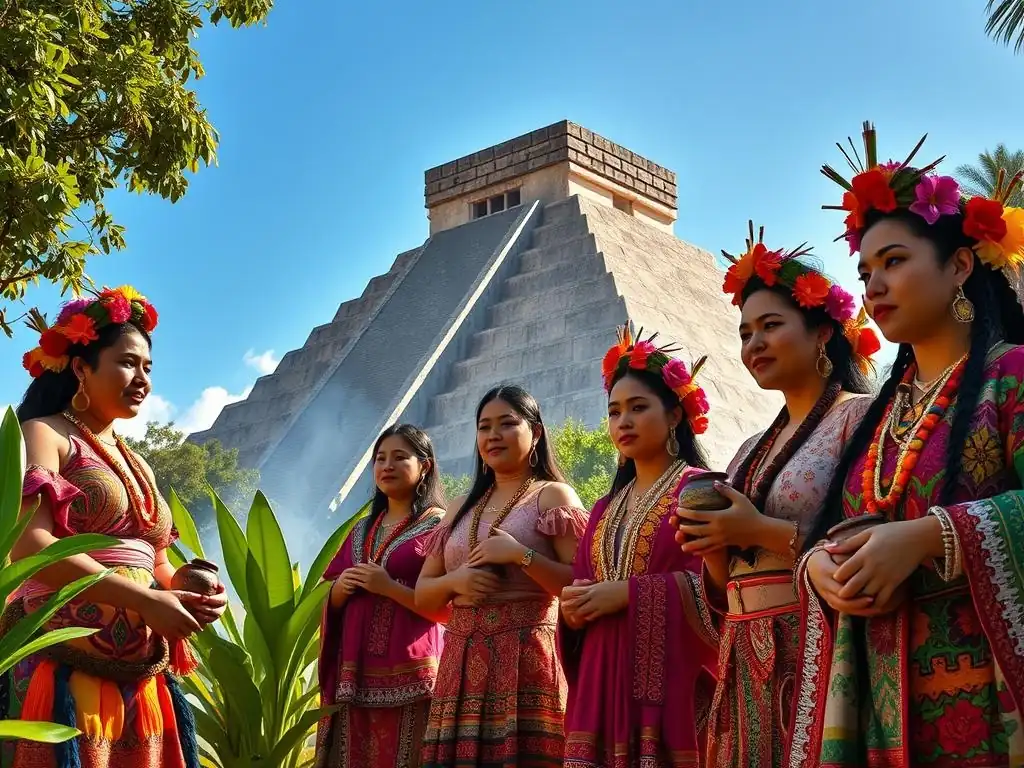
Welcome to Indigenous Civilizations of the Americas, where we invite you to embark on a journey through the rich tapestry of cultures that flourished long before European contact. In our featured article, “Women in Mesoamerican Religions: The Divine Feminine and Its Influence,” we delve into the profound roles that women played in the spiritual and societal frameworks of Mesoamerican civilizations.
Discover how these remarkable figures shaped religious practices and influenced their communities, leaving a legacy that resonates through history. Prepare to explore the complexities of gender, divinity, and cultural significance—there's so much more waiting for you just beyond this introduction!
- Introduction to Mesoamerican Women in Religion
- The Role of Women in Mesoamerican Religious Practices
- Key Female Figures in Mesoamerican Religions
- The Concept of the Divine Feminine in Mesoamerican Beliefs
- Mesoamerican Women as Keepers of Tradition
- Challenges Faced by Mesoamerican Women in Religion
- Conclusion: The Lasting Influence of Mesoamerican Women in Religion
-
Frequently Asked Questions
- What role did women play in Mesoamerican religions?
- How were goddesses represented in Mesoamerican cultures?
- What was the significance of the Divine Feminine?
- How did colonialism impact women's roles in Mesoamerican religions?
- Are there modern movements that celebrate Mesoamerican women's spiritual roles?
- Final Reflection: Embracing the Divine Feminine in Mesoamerican Religions
- Unveil the Power of the Divine Feminine Today!
Introduction to Mesoamerican Women in Religion
The exploration of Mesoamerican women in religion reveals a rich tapestry of beliefs, practices, and cultural significance that has largely been overlooked in historical narratives. 🌎 Before European colonization, Mesoamerican civilizations such as the Maya, Aztec, and Olmec developed intricate religious systems where the roles of women were not only essential but often revered. This article aims to delve into the profound influence of the divine feminine within these societies, highlighting the deities, rituals, and societal roles that women played in shaping religious practices.
Understanding the contributions of Mesoamerican women in religion not only sheds light on their pivotal role in spiritual life but also offers a broader perspective on gender dynamics and cultural values of the time. As we navigate through the intricate layers of these ancient societies, we will uncover the enduring legacy of the divine feminine and its impact on both historical and contemporary indigenous cultures of the Americas.
Overview of Mesoamerican Religions
Mesoamerican religions are characterized by a multitude of beliefs and practices that reflect the diverse cultures of the region. These religions often emphasize polytheism, intricate rituals, and a deep connection to nature. Key elements include:
- Polytheistic Deities: Mesoamerican societies worshipped a pantheon of gods and goddesses, each embodying different aspects of life, nature, and human experience.
- Ritual Practices: Rituals, including offerings, sacrifices, and ceremonies, played a crucial role in appeasing the deities and ensuring harmony within the community.
- Sacred Texts and Codices: Various texts and codices, such as the Popol Vuh of the Maya, provide insight into the religious beliefs, cosmologies, and mythologies of these civilizations.
The role of women in these religions was multifaceted, as they often served as priestesses, healers, and cultural custodians, wielding significant influence over spiritual affairs.
Importance of the Divine Feminine in Mesoamerican Cultures
The divine feminine holds a prominent place in Mesoamerican religions, representing fertility, creation, and the nurturing aspects of life. Women were frequently associated with key deities, such as:
- Coatlicue: The Aztec earth goddess, symbolizing fertility and motherhood, and often depicted as a powerful figure embodying life and death.
- Chalchiuhtlicue: The goddess of rivers and lakes, representing water and fertility, highlighting women's connection to nature and sustenance.
- Ix Chel: The Maya goddess of medicine and weaving, who exemplifies the skills and wisdom of women in both the domestic and spiritual realms.
These goddesses not only illustrate the reverence for female power in Mesoamerican cultures but also reflect the essential roles that women played in religious practices and societal structures. As custodians of sacred knowledge and practices, Mesoamerican women significantly shaped the spiritual landscape, influencing generations and leaving a lasting legacy that continues to resonate today.
The Role of Women in Mesoamerican Religious Practices
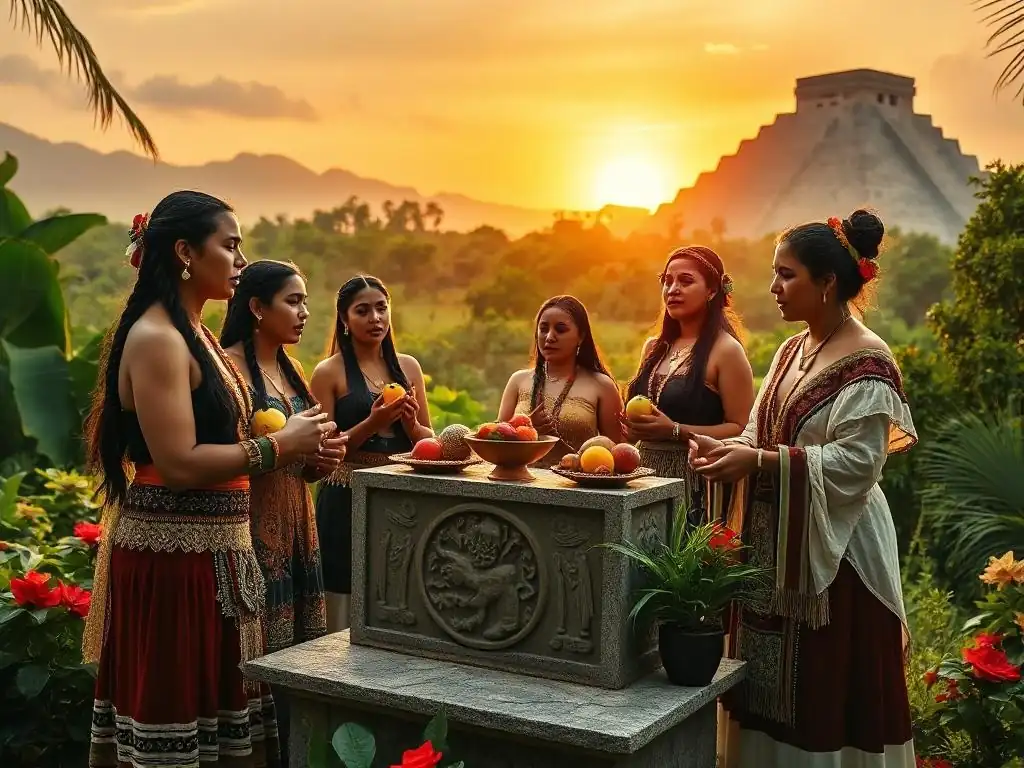
Mesoamerican Women's Spiritual Leadership
In Mesoamerican cultures, women held significant positions of spiritual authority that often transcended their societal roles. Their leadership was not limited to domestic spheres; many women acted as priestesses, healers, and shamans, serving as vital links between the community and the divine. For instance, among the Aztec and Maya civilizations, women were often seen as custodians of sacred knowledge, particularly in matters related to health, fertility, and agriculture.
Women like Tlazolteotl, the Aztec goddess of purification and fertility, exemplified this spiritual leadership. She was revered not only for her connection to fertility but also for her role in guiding women through childbirth and offering them redemption from sin. Such divine representations of women reinforced their status as spiritual leaders and decision-makers in their communities.
The spiritual authority of women in Mesoamerican religions was a crucial aspect of social cohesion, as their roles in rituals and ceremonies often facilitated the community's connection to the divine.
Additionally, many women participated in the education of younger generations, passing down religious traditions and practices. This transmission of knowledge ensured the continuity of cultural beliefs and practices among Mesoamerican societies, emphasizing the importance of women in maintaining their spiritual heritage.
Participation of Women in Rituals and Ceremonies
Women actively participated in various rituals and ceremonies, which were integral to Mesoamerican religious life. Their involvement ranged from performing rituals to offering prayers and sacrifices. In many cases, women were responsible for the preparation of offerings, such as food and flowers, which were presented to deities during significant ceremonies.
For example, during the Aztec festival of Tlacaxipehualiztli, women played a crucial role in preparing the ceremonial foods and altars. This ceremony honored the god Huitzilopochtli and involved complex rituals of sacrifice and celebration. Women’s contributions ensured that these ceremonies were carried out effectively and respectfully, highlighting their indispensable role in Mesoamerican religious practices.
- Key Rituals Involving Women:
- Childbirth Ceremonies: Women would invoke deities to ensure safe delivery and the health of newborns.
- Harvest Festivals: Women's rituals celebrated the fertility of the land and sought blessings for bountiful crops.
- Rites of Passage: Women led ceremonies marking significant life events, such as marriages and coming-of-age rituals.
The active participation of women in these rituals not only underscored their spiritual roles but also reinforced their status within the community. It is important to note that the involvement of Mesoamerican women in religious practices varied by region and culture, reflecting the diversity and complexity of their spiritual contributions.
Female Deities and Their Significance
The pantheon of Mesoamerican deities is replete with powerful female figures who played essential roles in shaping the cosmos and human experience. These goddesses often represented various aspects of life, including fertility, agriculture, and motherhood, embodying the qualities that Mesoamerican societies valued.
- Key Female Deities:
- Coatlicue: The Aztec earth goddess, symbolizing life and death, often depicted as a mother figure who gave birth to the stars and the moon.
- Chalchiuhtlicue: The goddess of water and rivers, associated with fertility and growth, emphasizing the importance of water in agriculture.
- Ix Chel: The Maya goddess of the moon, weaving, and medicine, revered for her healing powers and connection to women’s cycles.
These deities were not merely symbolic; they held practical significance in the daily lives of Mesoamericans. Women invoked these goddesses for blessings in childbirth, agriculture, and health, reflecting their deep connection to the divine feminine. The veneration of female deities underscores the cultural recognition of women's roles as nurturers, healers, and life-givers.
The reverence for female deities and the active participation of women in religious practices highlight the integral role of Mesoamerican women in their societies. Their spiritual leadership, involvement in rituals, and connection to the divine feminine contributed to the rich tapestry of Mesoamerican religious life, leaving a lasting impact on their civilizations.
Key Female Figures in Mesoamerican Religions
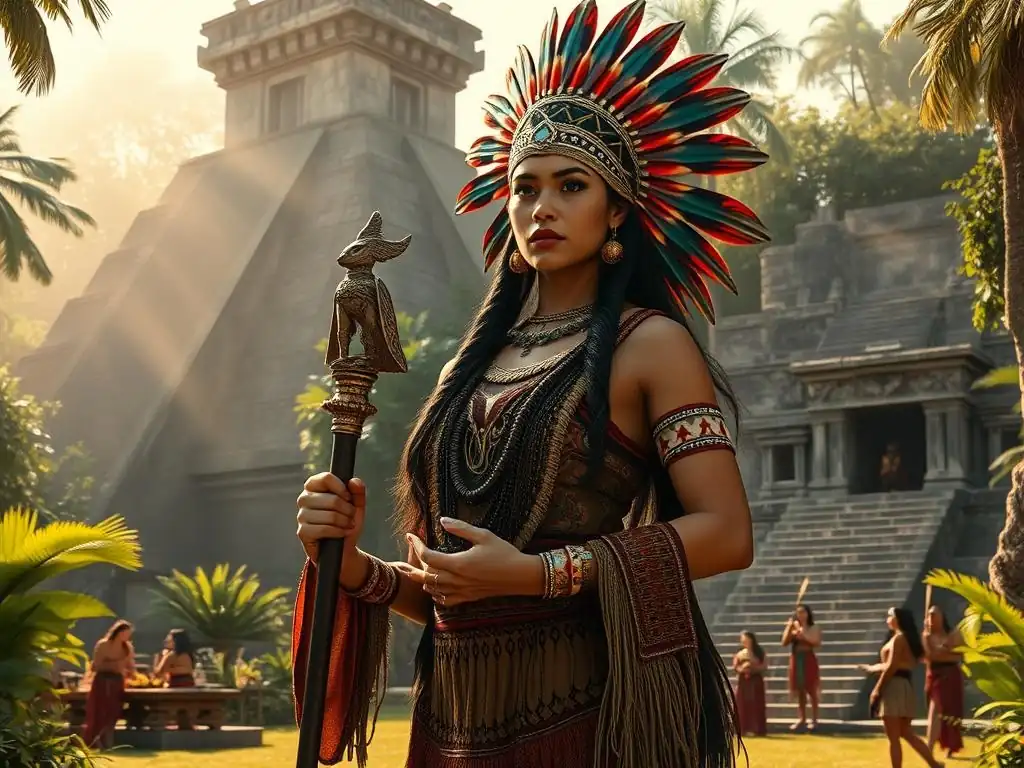
The Goddess Coatlicue: Mother of Gods
Coatlicue, often referred to as the "Mother of Gods," holds a pivotal position in Mesoamerican mythology, particularly within the Aztec pantheon. She is depicted as a powerful figure, embodying dualities of life and death, creation and destruction. Her name translates to "Serpent Skirt," signifying her connection to the earth and fertility, as well as her association with the serpentine creatures prevalent in Mesoamerican iconography.
Coatlicue is revered as the mother of several important deities, including Huitzilopochtli, the god of war, and Coyolxauhqui, the moon goddess. The narrative surrounding her conception of Huitzilopochtli is particularly significant; it symbolizes the struggle between light and darkness. According to myth, Coatlicue became pregnant after a ball of feathers fell into her bosom, suggesting themes of divine intervention and the sacred nature of motherhood.
Her imagery is rich with symbolism. Coatlicue is often portrayed with a necklace of human hearts and skulls, emphasizing her role as a goddess of life and death. This representation illustrates the Mesoamerican belief in the cyclical nature of existence, where death leads to rebirth.
The worship of Coatlicue was integral to rituals, especially those involving fertility and agriculture. Her influence extended beyond religious practices; she served as a cultural symbol of feminine power and resilience, reflecting the reverence for women within Mesoamerican societies.
The Influence of the Moon Goddess Coyolxauhqui
Coyolxauhqui, the moon goddess, embodies the complexities of femininity in Mesoamerican religion. As the sister of Huitzilopochtli, her narrative is one of conflict and transformation, representing the dual aspects of femininity—nurturing yet fierce. Coyolxauhqui's name translates to "Golden Bells," referring to the bells that adorned her face, symbolizing beauty and harmony.
Her story is a compelling tale of rivalry and ambition. After a plot to kill their mother, Coatlicue, was revealed, Huitzilopochtli emerged fully grown and armed to defend his mother, ultimately defeating Coyolxauhqui. This myth not only highlights the dynamic between the goddess and her brother but also suggests themes of familial loyalty and the consequences of ambition.
Coyolxauhqui’s worship was significant in various rituals, particularly those connected to the moon and its cycles. The moon was often associated with women and their reproductive powers, linking Coyolxauhqui to fertility and the agricultural calendar. Her imagery often depicts her dismembered body lying at the foot of the temple, which serves as a reminder of the power struggles inherent in existence and the sacrifices that accompany them.
The legacy of Coyolxauhqui transcends her mythological narrative; she serves as a powerful symbol of the divine feminine, representing the strength and complexity of women in Mesoamerican cultures. Her influence is seen in various art forms, rituals, and the ongoing reverence for lunar cycles in agricultural practices.
The Role of the Earth Goddess Tlaltecuhtli
Tlaltecuhtli, the Earth Goddess, is another significant female figure in Mesoamerican religion, representing the earth's fertility and the nurturing aspects of nature. Often depicted as a monstrous figure with a gaping mouth and a body adorned with features of the earth, she embodies the raw power and life-giving properties of the land. Her name means "Earth Lord," highlighting her dominion over the natural world.
Tlaltecuhtli's role is essential in agricultural societies, where the earth's fertility directly impacts survival. She is associated with the cycles of planting and harvesting, representing the life force that sustains all living beings. Rituals dedicated to Tlaltecuhtli often involved offerings of food and ceremonial ceremonies to ensure a bountiful harvest and to honor the earth's gifts.
In addition to her nurturing aspects, Tlaltecuhtli is also depicted as fierce and formidable, reflecting the destructive power of nature. This duality is crucial in understanding the Mesoamerican worldview, where life and death are interconnected. Tlaltecuhtli's portrayal often includes imagery of her devouring humans, emphasizing the belief that the earth must be appeased to maintain balance.
The reverence for Tlaltecuhtli underscores the importance of female deities in Mesoamerican religions, where women were not only seen as nurturers but also as powerful forces of nature. Her influence can be observed in the rituals that promote harmony with the earth, as well as in the cultural narratives that celebrate the vital role of women in sustaining life.
The Concept of the Divine Feminine in Mesoamerican Beliefs
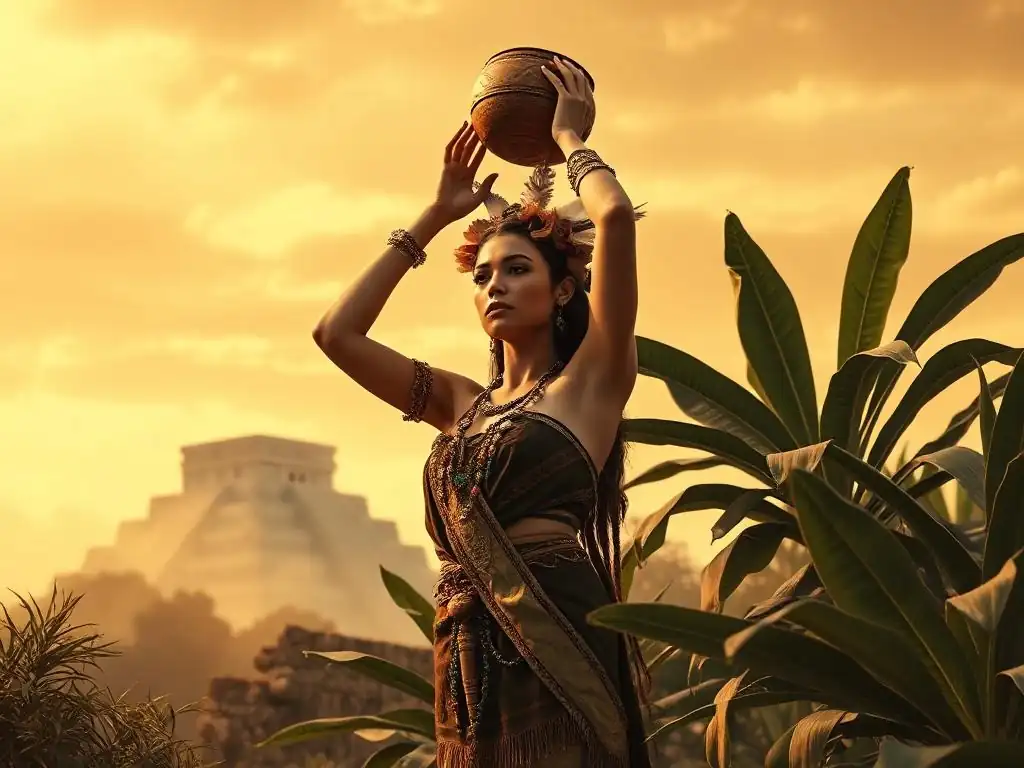
Understanding the Divine Feminine Archetype
The Divine Feminine in Mesoamerican religions represents a complex and multifaceted archetype that embodies various aspects of femininity, creation, and sustenance. Central to many Mesoamerican cultures, this archetype often manifest through goddesses who symbolize fertility, agriculture, and motherhood. For instance, Tlazolteotl, the goddess of purification and fertility, played a crucial role in the lives of the Aztecs, representing both the earth's bounty and the transformative power of sexuality.
Mesoamerican women in religion were often seen as conduits of divine energy and nurturers of life. This connection to the Divine Feminine allowed women to hold significant positions within their communities, where they engaged in rituals that honored these powerful deities. The duality of the Divine Feminine—encompassing both nurturing and destructive aspects—reflects the understanding that life and death are interconnected. As such, goddesses like Coatlicue, the earth goddess, illustrate the vital balance between creation and destruction, embodying the cyclical nature of existence.
The reverence for the Divine Feminine is evident in numerous myths and legends that permeate Mesoamerican cultures. For example, the tale of Quetzalcoatl and Coatlicue illustrates the intricate relationships between gods and goddesses, showcasing the essential role that feminine energies play in the creation and sustenance of the world.
The Balance of Gender in Mesoamerican Cosmology
In Mesoamerican cosmology, the balance of gender is not merely a binary concept but rather a dynamic interplay of male and female forces that contribute to the harmony of the universe. This belief is reflected in the dual nature of many deities, where gods and goddesses often complement each other. For instance, the pairing of Tlaloc, the rain god, and Chalchiuhtlicue, the goddess of rivers and lakes, exemplifies the essential collaboration between masculine and feminine energies in maintaining the life-giving cycles of nature.
Mesoamerican women in religion were not relegated to passive roles; instead, they actively participated in religious practices, often serving as priestesses, healers, and intermediaries between the divine and the community. These women were instrumental in performing rituals that honored the gods and ensured agricultural fertility, emphasizing their vital role in both spiritual and daily life.
The reverence for feminine principles can also be seen in the symbolism associated with certain natural elements. For example, water, often personified as a feminine force, was critical for agriculture and sustenance. The reverence for water-related deities underscores the importance of women in Mesoamerican societies, as they were often seen as the primary caretakers of water and its associated life-giving properties.
The Divine Feminine in Mesoamerican religions underscores the profound influence that women had in shaping spiritual beliefs and practices. By recognizing the essential balance of gender within their cosmology, Mesoamerican cultures highlight the interconnectedness of all life and the vital role of women in both sacred and secular spheres.
Mesoamerican Women as Keepers of Tradition
Transmission of Religious Knowledge Among Women
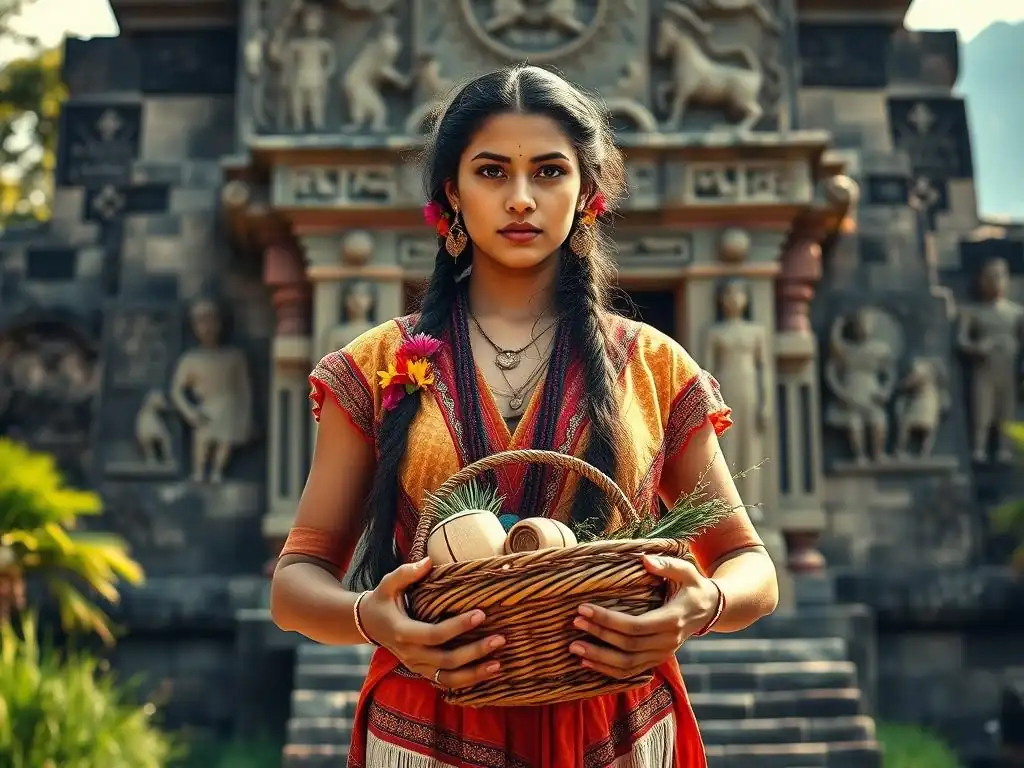
Mesoamerican women played a pivotal role in the transmission of religious knowledge, acting as custodians of sacred traditions and practices. This process was deeply embedded in the fabric of Mesoamerican societies, where oral tradition was a primary means of preserving religious narratives and rituals. Women, often regarded as the primary educators within their families, were responsible for passing down sacred stories, ceremonial practices, and spiritual teachings to the younger generations.
- Oral Traditions and Storytelling:
- Women utilized storytelling as a means to impart moral lessons and religious beliefs. This method not only preserved the rich tapestry of Mesoamerican mythology but also reinforced community values.
- The tales often featured goddesses and female deities, highlighting the importance of the feminine in religious contexts. For instance, the goddess Ix Chel, associated with fertility and medicine, was frequently invoked in these narratives.
- Ritual Practices:
- Women participated in and led various religious ceremonies, such as offerings and sacrifices. They were often tasked with preparing altars, crafting ceremonial items, and performing rituals that were crucial for appeasing the gods.
- Through these practices, women not only transmitted religious knowledge but also asserted their roles as vital participants in the spiritual life of their communities.
- Educational Roles:
- In many Mesoamerican societies, women were integral to the education of children in spiritual matters. This included teaching the significance of rituals, the meanings behind sacred symbols, and the history of their people.
- By fostering a deep understanding of their culture’s religious tenets, women ensured the continuity of these beliefs across generations.
The Role of Women in Maintaining Cultural Heritage
Mesoamerican women were not only keepers of religious knowledge but also essential in maintaining the broader cultural heritage of their societies. Their contributions were multifaceted and deeply influential in preserving the identity and traditions of their communities.
- Artisan Traditions:
- Women engaged in various artisanal practices, such as weaving, pottery, and crafting ceremonial objects. These art forms often carried religious significance and were used in rituals, thus linking material culture with spiritual beliefs.
- The creation of textiles and pottery often incorporated symbolic motifs that reflected religious ideologies, thereby serving as a canvas for cultural expression.
- Community Leadership:
- Women often held positions of influence within their communities, particularly in matters related to spirituality and health. For instance, female healers played crucial roles in both religious and medicinal practices, blending traditional knowledge with spiritual healing.
- These leaders were instrumental in the management of community rituals and celebrations, ensuring that cultural practices were upheld and adapted as needed.
- Preservation of Language:
- Language is a vital part of cultural heritage, and women contributed significantly to its preservation. They were often the primary speakers of indigenous languages within families, ensuring that linguistic traditions were maintained.
- The use of language in religious contexts, including prayers and chants, emphasized the spiritual significance of their native tongues, reinforcing cultural identity.
Mesoamerican women in religion were not just participants; they were the backbone of spiritual and cultural continuity. Their roles in transmitting religious knowledge and maintaining cultural heritage underscore their importance in the social fabric of Mesoamerican societies. Their influence persists, reflecting the enduring legacy of the divine feminine in Mesoamerican beliefs and practices.
Challenges Faced by Mesoamerican Women in Religion
Historical Suppression and Its Impact on Women's Roles
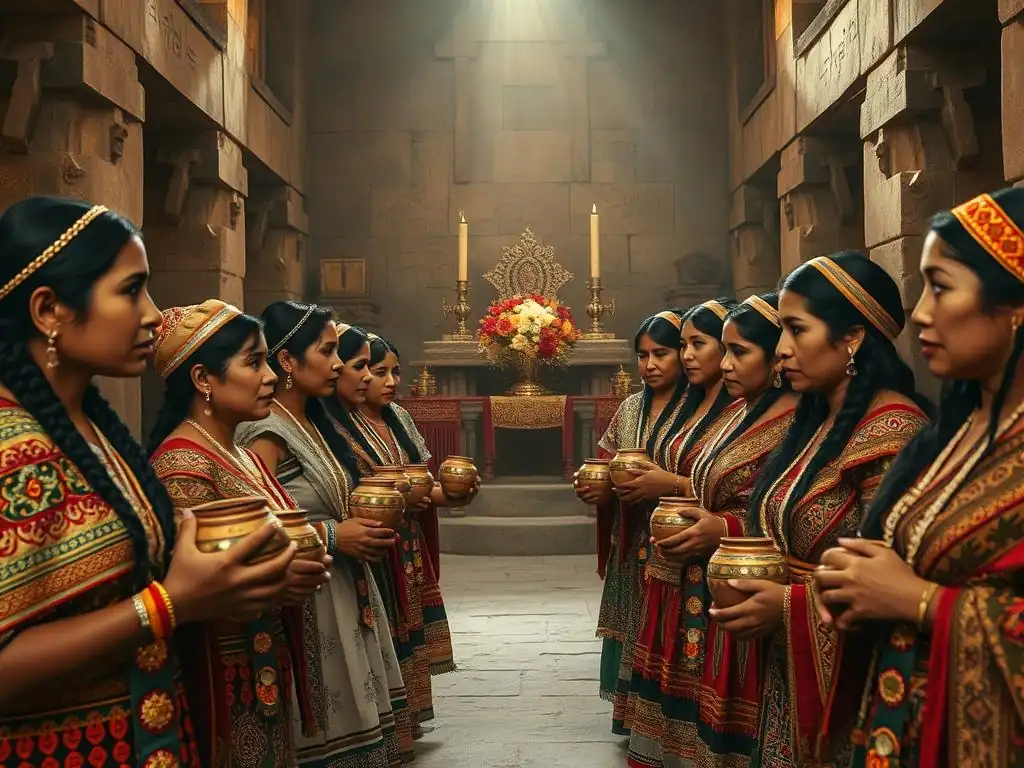
The role of Mesoamerican women in religion has often been overshadowed by historical narratives that predominantly highlight male figures and their contributions. This suppression can be traced back to the arrival of European colonizers, who imposed their own religious beliefs and systems, often disregarding and devaluing the existing indigenous practices. The colonial period marked a significant turning point where the traditional spiritual authority of women began to wane, leading to a reconfiguration of their roles within the religious sphere.
In many Mesoamerican societies, women were not only participants in religious rituals but also held positions as priestesses, healers, and custodians of sacred knowledge. For instance, in the Aztec society, women could serve as priestesses in temples dedicated to goddesses like Tlazolteotl, the goddess of purification and fertility. However, the Spanish conquest brought about a systematic erasure of these roles. The introduction of Catholicism led to the demonization of indigenous beliefs and a subsequent marginalization of women who practiced traditional spiritualities.
The impact of this historical suppression has had long-lasting effects on the perception of Mesoamerican women in religion. As religious practices transformed under colonial rule, women's spiritual authority was often relegated to the private sphere, limiting their influence in public religious life. The cultural narratives that emerged from this period frequently depicted women as subservient to male authority, overshadowing their contributions and knowledge.
Contemporary Issues and the Revival of Female Spirituality
In recent years, there has been a significant revival of interest in Mesoamerican women and their spiritual practices. This resurgence is part of a broader movement to reclaim indigenous identities and traditions that were suppressed during colonial times. Contemporary Mesoamerican women are increasingly asserting their roles in spirituality, drawing upon ancestral practices and integrating them with modern feminist perspectives.
One of the key issues facing these women today is the challenge of navigating the intersection of traditional beliefs and contemporary societal norms. Many women are revitalizing ancient rituals and ceremonies, reinterpreting them to reflect their current realities. This includes the use of traditional healing practices, which often incorporate herbal medicine and spiritual guidance, as a means to empower themselves and their communities.
Moreover, the revival of female spirituality among Mesoamerican women is also a response to the ongoing struggles against gender-based violence and discrimination. By embracing their spiritual heritage, these women seek to reclaim their voices and agency. They are forming networks and communities that support spiritual practices, fostering solidarity among women who share similar experiences and challenges.
The challenges faced by Mesoamerican women in religion, from historical suppression to contemporary issues, highlight the resilience and adaptability of their spiritual practices. As they continue to navigate the complexities of their identities, Mesoamerican women are redefining their roles within their cultural and religious landscapes, ultimately contributing to the revitalization of their communities and the preservation of their rich heritage.
Conclusion: The Lasting Influence of Mesoamerican Women in Religion
Mesoamerican women played a crucial role in the religious landscapes of their societies, serving as priestesses, healers, and spiritual leaders. Their influence transcended the boundaries of time and continues to resonate in contemporary spiritual practices. The intricate tapestry of beliefs and rituals that characterized Mesoamerican religions was significantly shaped by the contributions of women, who were often seen as mediators between the divine and the earthly realms. Their unique perspectives and experiences enriched the spiritual narratives, leaving a legacy that endures to this day.
Reflection on the Importance of Mesoamerican Women in Contemporary Spiritual Practices
The reverberations of Mesoamerican women's spiritual roles can be observed in various contemporary practices. Many modern spiritual movements in Mesoamerica draw upon ancient beliefs, integrating the wisdom of female figures from the past. For instance, the veneration of goddesses such as Coatlicue and Xochiquetzal remains prevalent, symbolizing fertility, life, and death, as well as the cyclical nature of existence.
- Modern Rituals and Ceremonies:
- Revival of Ancestral Practices: Many communities are revitalizing ancient rituals that honor the feminine divine, often incorporating elements that celebrate women's roles in creation and nourishment.
- Participation in Ceremonies: Women today often take on leadership roles in rituals, embodying the traditional spiritual authority that was prevalent in ancient Mesoamerican societies.
- Impact on Feminism and Indigenous Rights:
- The acknowledgment of women's roles in ancient religions has fueled feminist movements within indigenous communities, empowering women to reclaim their cultural heritage and assert their rights within contemporary society.
- Indigenous women are increasingly recognized as custodians of traditional knowledge, with their contributions being essential for the preservation of cultural identity.
The Legacy of the Divine Feminine in Modern Mesoamerican Cultures
The legacy of the divine feminine is deeply intertwined with the identity of modern Mesoamerican cultures. The reverence for female deities not only reflects the spiritual frameworks of the past but also informs societal norms and values today.
| Aspect | Description |
|---|---|
| Goddess Worship | Modern practices often include offerings and prayers to ancient goddesses as symbols of empowerment and fertility. |
| Art and Symbolism | Artistic expressions, including textiles and pottery, frequently feature motifs related to female deities, showcasing their enduring significance. |
| Community Leadership | Women in contemporary Mesoamerican cultures often emerge as leaders in both spiritual and communal contexts, drawing from the historical precedent set by their ancestors. |
The influence of Mesoamerican women in religion is profound and multifaceted. Their historical roles as spiritual leaders and the enduring legacy of the divine feminine continue to shape contemporary spiritual practices and cultural expressions. Recognizing and honoring this influence not only enriches our understanding of Mesoamerican religions but also highlights the vital contributions of women in the ongoing narrative of indigenous cultures in the Americas.
Frequently Asked Questions
What role did women play in Mesoamerican religions?
Women held significant positions in Mesoamerican religions, often serving as priests and ritual leaders. They were crucial in maintaining spiritual practices and rituals that honored the gods.
How were goddesses represented in Mesoamerican cultures?
Goddesses in Mesoamerican cultures were often depicted as powerful figures associated with fertility, agriculture, and war. Their representation reflected the importance of the divine feminine in society.
What was the significance of the Divine Feminine?
The Divine Feminine in Mesoamerican religions symbolized creation, nurturing, and the interconnectedness of life. This concept emphasized the balance between male and female energies in spiritual practices.
How did colonialism impact women's roles in Mesoamerican religions?
Colonialism led to the suppression of indigenous practices, including those involving women in religious roles. European influences often marginalized women's contributions and altered the traditional spiritual landscape.
Are there modern movements that celebrate Mesoamerican women's spiritual roles?
Yes, there are contemporary movements that seek to revive and honor the spiritual roles of Mesoamerican women. These movements aim to reclaim indigenous practices and promote cultural heritage among indigenous communities today.
Final Reflection: Embracing the Divine Feminine in Mesoamerican Religions
**The exploration of Mesoamerican women in religion reveals a profound connection between spirituality and gender, demonstrating that the divine feminine has always played a crucial role in shaping cultural narratives and religious practices. Today, as we navigate a world still grappling with gender inequality, understanding the historical significance of these women can empower us to reclaim and celebrate their contributions, reminding us that their influence is not confined to the past but resonates in our present.
Mesoamerican women in religion have not only shaped spiritual beliefs but have also influenced societal structures, fostering a legacy of strength and resilience. Their stories serve as a testament to the power of female agency in a patriarchal world. As we reflect on this ongoing influence, we can draw inspiration from the words of the renowned scholar, Dr. Elizabeth Brumfiel: The past is not a dead letter; it is a living force that shapes our present and future.
This insight encourages us to recognize the importance of these narratives in our cultural consciousness and the ways they continue to inspire movements for equality and justice today.
As we conclude this exploration, I invite you to reflect on the lessons gleaned from the lives of Mesoamerican women in religion. Consider how their stories of strength, resilience, and spirituality can inspire you in your own life. Whether through advocacy, education, or personal growth, let us honor the divine feminine by amplifying women's voices and contributions in all realms of society. Together, we can create a future that celebrates diversity, recognizes the power of the feminine, and fosters a more equitable world for all.
Unveil the Power of the Divine Feminine Today!
Thank you for exploring the profound role of women in Mesoamerican religions and the influence of the divine feminine. Your interest in this crucial aspect of Indigenous cultures is invaluable! Now, let's take the next step to deepen your connection and understanding.
- Dive deeper into Mesoamerican traditions by reading more articles on our website. Expand your knowledge about the remarkable women who shaped these belief systems and their lasting impact.
- Join the conversation! Share your thoughts on social media or in the comments below. In what ways do you see the divine feminine influencing modern perspectives?
- Explore your creative side! Consider creating an art piece, poem, or story inspired by the narratives of these incredible women. Share your work with our community for a chance to be featured.
What aspects of the divine feminine resonate most with you, and how can we celebrate that in our lives today?