
From Quetzalcoatl to Tezcatlipoca: The Myths of Mesoamerican Creation

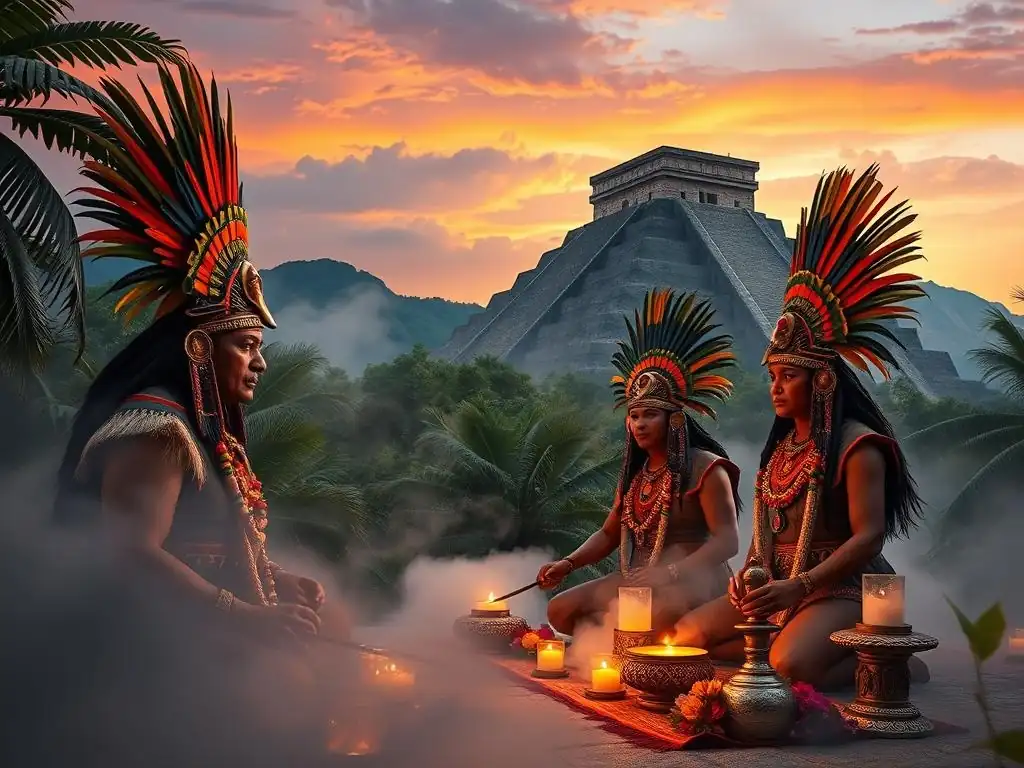
Welcome to Indigenous Civilizations of the Americas, where we invite you to embark on a fascinating journey through the rich tapestry of indigenous cultures that flourished long before European contact. Our exploration begins with the captivating world of Mesoamerican creation myths, where gods like Quetzalcoatl and Tezcatlipoca reveal profound insights into the beliefs and values that shaped vibrant societies. What secrets lie within these ancient narratives? Join us as we delve deeper into these myths and uncover the remarkable achievements and enduring legacy of the peoples who walked the Americas. Your adventure into the heart of history starts here!
- Introduction to Mesoamerican Creation Myths
- Quetzalcoatl: The Feathered Serpent
- Tezcatlipoca: The Smoking Mirror
- The Interaction of Quetzalcoatl and Tezcatlipoca
- Comparing Quetzalcoatl and Tezcatlipoca
- Broader Context of Mesoamerican Creation Myths
- Conclusion
- Frequently Asked Questions
- Final Reflection: The Enduring Legacy of Mesoamerican Creation Myths
- Unveil the Rich Tapestry of Mesoamerican Myths!
Introduction to Mesoamerican Creation Myths
Mesoamerican creation myths form a fascinating tapestry of beliefs and narratives that reveal the profound relationship between indigenous cultures and their understanding of the universe. These myths, rich in symbolism and tradition, not only explain the origins of the world and humanity but also reflect the values, social structures, and spirituality of the civilizations that flourished in this region long before European colonization.
From the divine figures of Quetzalcoatl and Tezcatlipoca to the intricate cosmologies that governed daily life, these stories encapsulate the essence of Mesoamerican thought and identity. In this article, we will delve into the intricate details of these myths, exploring their significance and the lasting impact they have had on indigenous cultures throughout history.
Overview of Mesoamerican Creation Myths Explained
Mesoamerican creation myths are diverse, with each culture offering its unique interpretation of the cosmos and human existence. Central to these narratives are the creation stories of the Aztecs, Maya, and Olmecs, each rich with symbolism and meaning.
- Aztec Creation Myth: The Aztecs believed in a series of worlds created and destroyed by gods. The most notable creation myth involves the god Tezcatlipoca, who, along with Quetzalcoatl, shaped the world from the remnants of the previous creations. Their tales illustrate themes of duality and sacrifice, emphasizing the balance between light and darkness.
- Maya Creation Myth: The Popol Vuh, a foundational text of the Maya civilization, narrates the creation of the world and humanity by gods who first attempted to mold humans from mud and then from maize, symbolizing nourishment and life. This myth highlights the intimate connection between the Maya people and their agricultural practices.
- Olmec Influence: The Olmec civilization, often considered the "mother culture" of Mesoamerica, contributed to the mythological landscape with their enigmatic art and religious practices. Their influence on subsequent cultures is evident in the symbolism found in later myths.
These creation myths serve as a lens through which we can understand the complex interplay of mythology, religion, and cultural identity in Mesoamerica.
Importance of Creation Myths in Indigenous Cultures
Creation myths hold a critical place within indigenous cultures, serving not just as stories of origin but as frameworks for understanding the world and their place within it. These myths are instrumental in:
- Cultural Identity: They reinforce a sense of belonging and continuity among communities, linking past generations with the present and future.
- Moral and Ethical Guidelines: Creation myths often convey moral lessons and societal norms, guiding behavior and community interactions.
- Spiritual Practices: Rituals and ceremonies often stem from these myths, providing a means for individuals and communities to connect with their deities and the natural world.
- Historical Context: These narratives encapsulate historical events, societal changes, and environmental challenges, offering insights into the lived experiences of the indigenous peoples.
Mesoamerican creation myths are not merely stories; they are foundational elements that shape the spiritual, cultural, and social landscapes of the civilizations that created them. Understanding these myths allows us to appreciate the rich heritage of indigenous cultures and their lasting impact on the Americas.
Quetzalcoatl: The Feathered Serpent
Origins and Symbolism of Quetzalcoatl
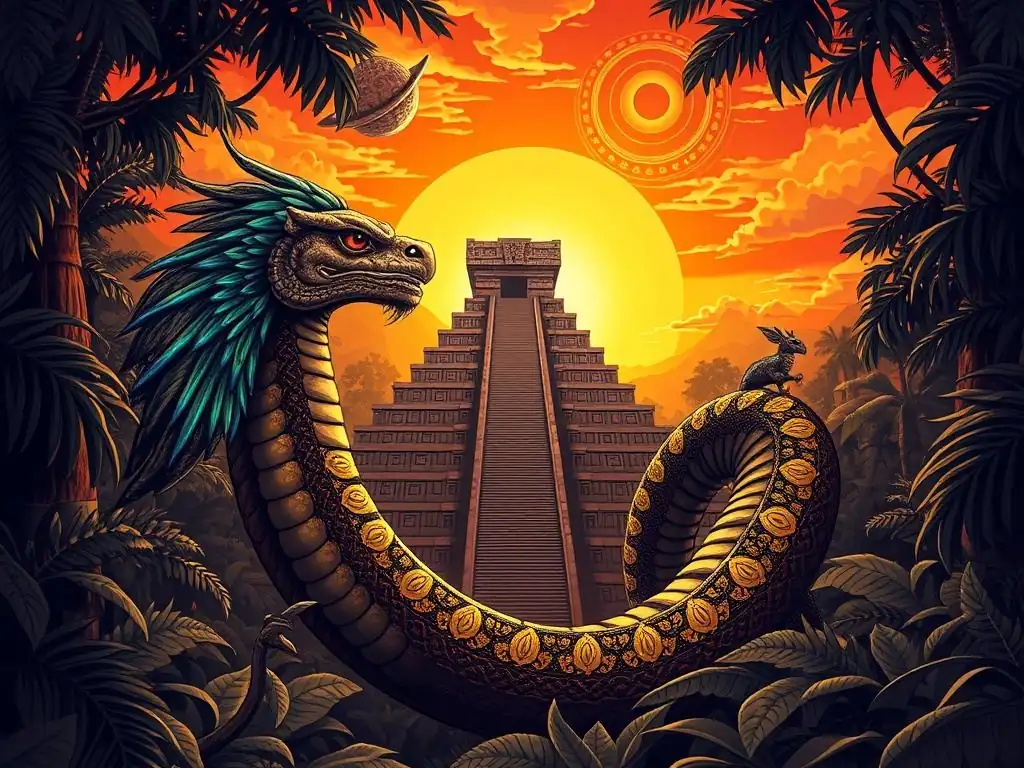
Quetzalcoatl, often referred to as the Feathered Serpent, is one of the most significant deities in Mesoamerican cultures, particularly among the Aztecs and the Toltecs. His origins can be traced back to the early Mesoamerican civilizations, where he was revered as a god of wind, air, and learning. The name "Quetzalcoatl" derives from the Nahuatl words quetzal, meaning "feather," and coatl, meaning "serpent." This duality in his name reflects his complex nature, combining both the earthly and the celestial.
Quetzalcoatl is often depicted as a serpent adorned with vibrant plumes, symbolizing the interconnection between the earth and sky. The feathers represent the divine, while the serpent embodies the earthly aspects of nature. This imagery signifies his role as a mediator between the human realm and the gods, emphasizing the importance of balance and harmony in the universe.
In addition to his physical representation, Quetzalcoatl is associated with various elements and concepts, including:
- Wisdom and Knowledge: As a god of learning and culture, Quetzalcoatl was believed to have brought knowledge to humanity, including the arts, agriculture, and the calendar.
- Creation and Fertility: He played a vital role in the creation myths, often linked to the fertility of the earth and the growth of crops.
- Life and Death: Quetzalcoatl's influence extended to the cycles of life, embodying both creation and destruction, reflecting the natural cycles of the world.
Quetzalcoatl's Role in Mesoamerican Creation Myths
In Mesoamerican creation myths, Quetzalcoatl holds a pivotal role, particularly in the narratives surrounding the origins of the world and humanity. One of the most prominent myths involving Quetzalcoatl is the story of the creation of the Fifth Sun, which emphasizes his influence in shaping the cosmos.
According to the myth, the gods convened to discuss the creation of a new world after the previous suns had been destroyed. It was Quetzalcoatl who volunteered to journey to the underworld to retrieve the bones of the ancestors, thus enabling the creation of humanity. This act symbolizes the importance of sacrifice and rebirth in Mesoamerican beliefs.
The following points outline Quetzalcoatl's specific contributions to these creation narratives:
- The Creation of Humanity: Quetzalcoatl fashioned humans from maize, a sacred crop in Mesoamerican culture, highlighting the connection between deities and the agricultural practices of the people.
- The Establishment of Order: After creating humanity, Quetzalcoatl also introduced laws and norms to guide their behavior, emphasizing the significance of societal structure and moral codes in Mesoamerican civilizations.
- The Role of Duality: Quetzalcoatl's nature as both a benevolent and a vengeful deity illustrates the duality prevalent in Mesoamerican mythology, where gods often possessed both nurturing and destructive qualities.
Myths Associated with Quetzalcoatl
Numerous myths revolve around Quetzalcoatl, each reflecting different aspects of his character and significance within Mesoamerican culture. Here are some prominent myths associated with this deity:
- The Legend of the Birth of Quetzalcoatl: In this myth, Quetzalcoatl is born from the virgin goddess Coatlicue, symbolizing purity and divinity. His birth is often linked with the morning star, signifying new beginnings and enlightenment.
- The Myth of the Wind: This narrative depicts Quetzalcoatl as the god of wind, whose breath brings life to the earth. His winds are seen as a nurturing force, essential for the growth of crops and the flourishing of civilization.
- The Conflict with Tezcatlipoca: Another central myth involves Quetzalcoatl's rivalry with Tezcatlipoca, the god of the night and sorcery. Their struggles represent the ongoing conflict between light and darkness, order and chaos. In some versions of the myth, Quetzalcoatl's defeat leads to his exile, symbolizing themes of loss, redemption, and the cyclical nature of existence.
- The Return of Quetzalcoatl: This myth speaks to the belief that Quetzalcoatl would one day return to reclaim his kingdom. This prophecy was deeply ingrained in the Aztec psyche and played a significant role during the arrival of Spanish conquistadors, as some believed Hernán Cortés to be the returning deity.
These myths illustrate the rich tapestry of beliefs surrounding Quetzalcoatl and highlight his integral role in understanding Mesoamerican creation myths. By exploring these narratives, we gain insight into the values, fears, and aspirations of the societies that revered this enigmatic figure.
Tezcatlipoca: The Smoking Mirror
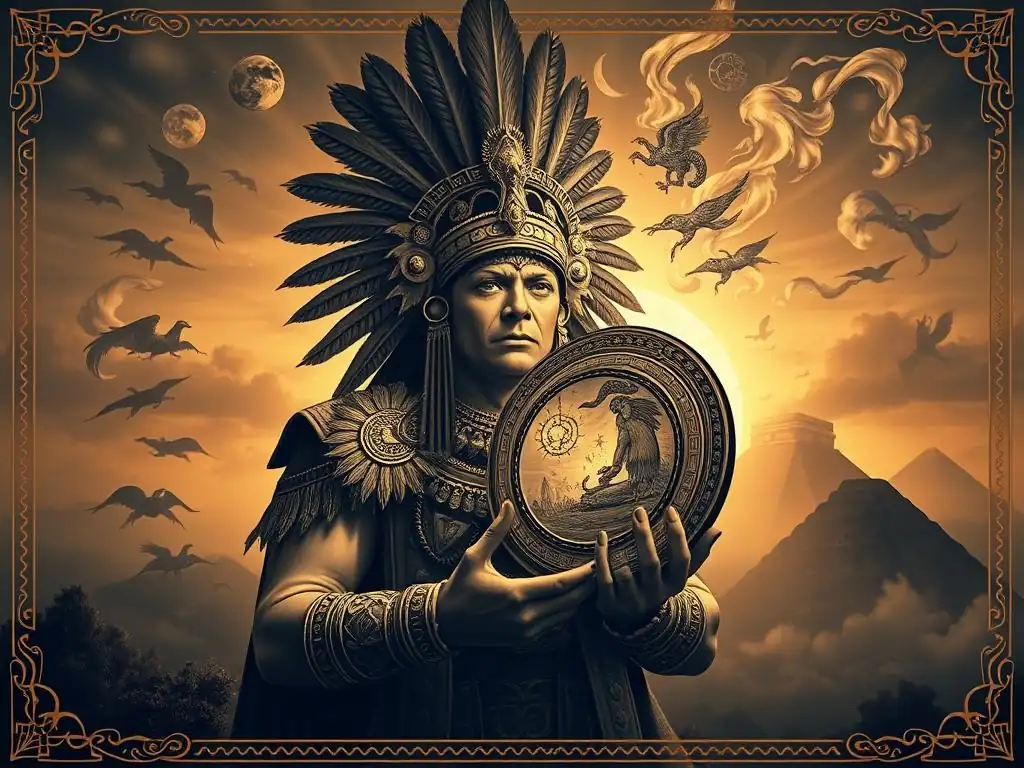
Tezcatlipoca, one of the most prominent deities in Mesoamerican creation myths, is often referred to as "The Smoking Mirror." His name translates to "Smoking Mirror" in Nahuatl, reflecting his association with obsidian, darkness, and the night sky. Known as a complex figure, Tezcatlipoca embodies various dualities, such as creation and destruction, light and darkness, and chaos and order. He plays a pivotal role in Mesoamerican cosmology and religious practices, symbolizing the ever-shifting nature of existence.
Overview of Tezcatlipoca's Characteristics
Tezcatlipoca is characterized by several key attributes:
- God of Night and Sorcery: He is often associated with the night, representing the unknown and the mystical. His ability to manipulate dreams and reality positions him as a figure of both fear and reverence.
- Symbol of Power: Tezcatlipoca is depicted as a warrior, often portrayed with a jaguar or wearing a necklace of human hearts, emphasizing his association with power and warfare.
- Obsidian Mirror: His iconic obsidian mirror is said to have the capability to reflect the truth and reveal hidden realities. This mirror is a powerful tool for divination and understanding the universe.
- Trickster and Shape-shifter: Tezcatlipoca is known for his cunning nature, often employing trickery to achieve his goals. He can change shapes, embodying various forms, which symbolizes the fluidity of identity and the unpredictable nature of life.
These characteristics contribute to Tezcatlipoca’s role in Mesoamerican creation myths, where he often finds himself in conflict with other deities, such as Quetzalcoatl.
The Duality of Tezcatlipoca in Creation Stories
The duality of Tezcatlipoca is a fundamental aspect of Mesoamerican creation myths. He embodies opposing forces that are crucial for the balance of the cosmos. Here are some key points regarding his duality:
- Creation vs. Destruction: Tezcatlipoca is deeply involved in the creation of the world, often portrayed as the one who creates humanity. However, he is also a harbinger of destruction, capable of unleashing chaos upon the world. This duality reflects the belief that creation and destruction are interdependent processes.
- Conflict with Quetzalcoatl: In many myths, Tezcatlipoca is depicted in a rivalry with Quetzalcoatl, the feathered serpent god. Their conflicts represent the tension between light and darkness, order and chaos. This struggle often leads to transformative events in the creation stories, such as the shifting of the sun and the creation of different eras.
- Moral Ambiguity: Unlike other deities who may represent clear moral stances, Tezcatlipoca’s actions often operate in a gray area, prompting followers to consider the complexities of morality. His choices can lead to both positive and negative outcomes, encouraging individuals to reflect on their own decisions and consequences.
Myths Associated with Tezcatlipoca
Numerous myths highlight the significance of Tezcatlipoca in Mesoamerican creation narratives. Some notable stories include:
- The Creation of the Fifth Sun: In this myth, Tezcatlipoca and Quetzalcoatl create the fifth sun to replace the previous suns that were destroyed. Tezcatlipoca, embodying the darkness, sacrifices himself to provide the necessary energy for the new sun, demonstrating his role in both creation and self-sacrifice.
- The Birth of Humanity: Tezcatlipoca plays a critical role in the creation of humanity from the bones of the previous races. He infuses life into these bones, emphasizing his connection to both life and death.
- The Legend of the Jaguar: In this myth, Tezcatlipoca transforms into a jaguar, a representation of his power and ferocity. This transformation highlights his ability to navigate both the human and divine realms, reinforcing the concept of duality.
- The Battle with the Wind God: Tezcatlipoca’s conflict with the wind god, Ehecatl, showcases his cunning and strategic abilities. Their battles often symbolize the struggle for dominance over the elements, reflecting the interplay of natural forces in Mesoamerican thought.
These myths illustrate the complexity of Tezcatlipoca's character and his importance in the understanding of Mesoamerican creation myths. He is not merely a figure of darkness but a deity whose actions shape the very fabric of existence, embodying the intricate balance of life and death, creation and destruction.
The Interaction of Quetzalcoatl and Tezcatlipoca
The Relationship Between Quetzalcoatl and Tezcatlipoca
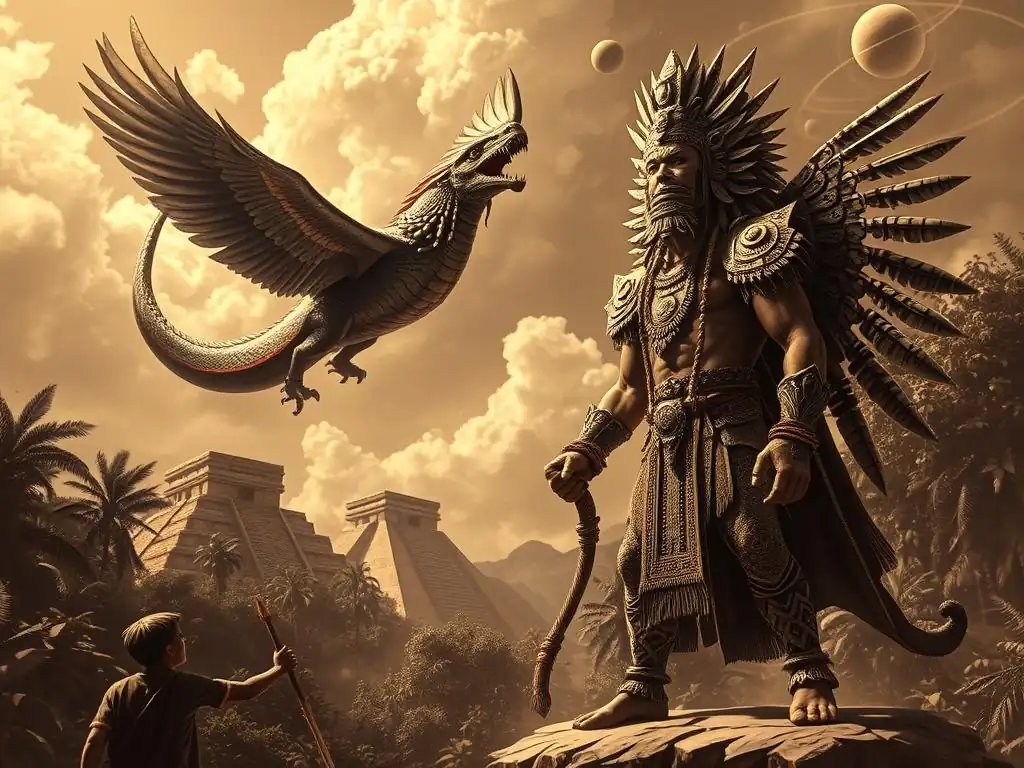
Quetzalcoatl and Tezcatlipoca are two of the most significant deities in Mesoamerican creation myths, representing contrasting aspects of existence and the duality of nature. Quetzalcoatl, known as the Feathered Serpent, embodies wisdom, creation, and renewal. He is often associated with the wind, the morning star, and is seen as a benevolent figure who brought knowledge and culture to humanity. In stark contrast, Tezcatlipoca, the Smoking Mirror, symbolizes chaos, conflict, and the darker elements of existence. He is linked to night, the earth, and is often portrayed as a trickster who disrupts the order established by Quetzalcoatl.
Their relationship is characterized by a series of complex interactions that include rivalry, collaboration, and transformation. According to various myths, they are often depicted as brothers or adversaries, engaged in a continuous struggle for dominance over the cosmos. This duality underscores the Mesoamerican worldview that sees creation and destruction as intertwined processes, reflecting the balance necessary for life.
In many narratives, Quetzalcoatl's attempts to create a harmonious world are often thwarted by Tezcatlipoca’s cunning and manipulative nature. For instance, one popular myth recounts how Quetzalcoatl sought to create humanity out of maize, while Tezcatlipoca, jealous of his brother's intentions, deceived him and led to the downfall of this creation. This interplay reveals the intricate layers of Mesoamerican cosmology where creation is not a linear process but a cyclical one filled with trials and tribulations.
The Cosmic Battles and Their Significance
The cosmic battles between Quetzalcoatl and Tezcatlipoca are central to understanding Mesoamerican creation myths. These conflicts are often depicted as grand celestial events that shape the world and its inhabitants. For instance, one of the most notable battles occurs during the creation of the Fifth Sun, where Quetzalcoatl and Tezcatlipoca must decide the fate of humanity and the universe.
In these narratives, the battles serve multiple purposes:
- Symbolism of the Duality of Nature: The conflicts illustrate the essential balance between opposing forces—light and darkness, order and chaos. This duality reflects the natural cycles observed in the environment, such as the transition from day to night or the changing seasons.
- Creation and Destruction: Each battle often results in the destruction of a previous world, paving the way for a new creation. This cyclical view of existence emphasizes the idea that life is a continuous process of renewal, where endings lead to new beginnings.
- Cultural Identity: The stories of these battles resonate deeply within Mesoamerican societies, serving as foundational myths that inform their understanding of the world. They reinforce cultural values and the importance of balance in one's life, both personally and communally.
- Moral Lessons: The outcomes of these cosmic struggles often impart crucial moral lessons about humility, the consequences of pride, and the need for cooperation. For instance, Quetzalcoatl's eventual defeat by Tezcatlipoca serves as a reminder of the limits of power and the importance of wisdom over brute strength.
Lessons and Morals Derived from Their Myths
The myths surrounding Quetzalcoatl and Tezcatlipoca offer profound lessons and morals that resonate even today. These narratives are more than mere stories; they encapsulate key values and philosophical insights that guide the behavior and beliefs of Mesoamerican peoples.
- Balance and Harmony: One of the primary lessons derived from their interactions is the importance of maintaining balance in all aspects of life. The constant struggle between the two deities emphasizes that neither good nor evil can exist without the other, mirroring the dualities present in the natural world.
- The Value of Wisdom: Quetzalcoatl’s character represents the ideal of seeking knowledge and wisdom over power and conflict. His teachings encourage individuals to pursue understanding and enlightenment, highlighting the transformative power of education and culture.
- Consequences of Actions: The tales also illustrate that actions have consequences, often leading to unforeseen outcomes. Tezcatlipoca's trickster nature serves as a cautionary tale about the dangers of deceit and manipulation.
- Community and Cooperation: Many stories reflect the idea that cooperation is essential for societal progress. The conflicts between the two gods often result in chaos when individuality overpowers communal well-being, stressing the necessity of working together for the greater good.
Understanding these myths provides insight into the rich tapestry of Mesoamerican culture, illustrating how spiritual beliefs shaped societal values and individual behaviors throughout history. The narratives of Quetzalcoatl and Tezcatlipoca remain a vital part of this cultural legacy, continuing to inspire reflection and discussion among those who study Mesoamerican civilizations.
Comparing Quetzalcoatl and Tezcatlipoca
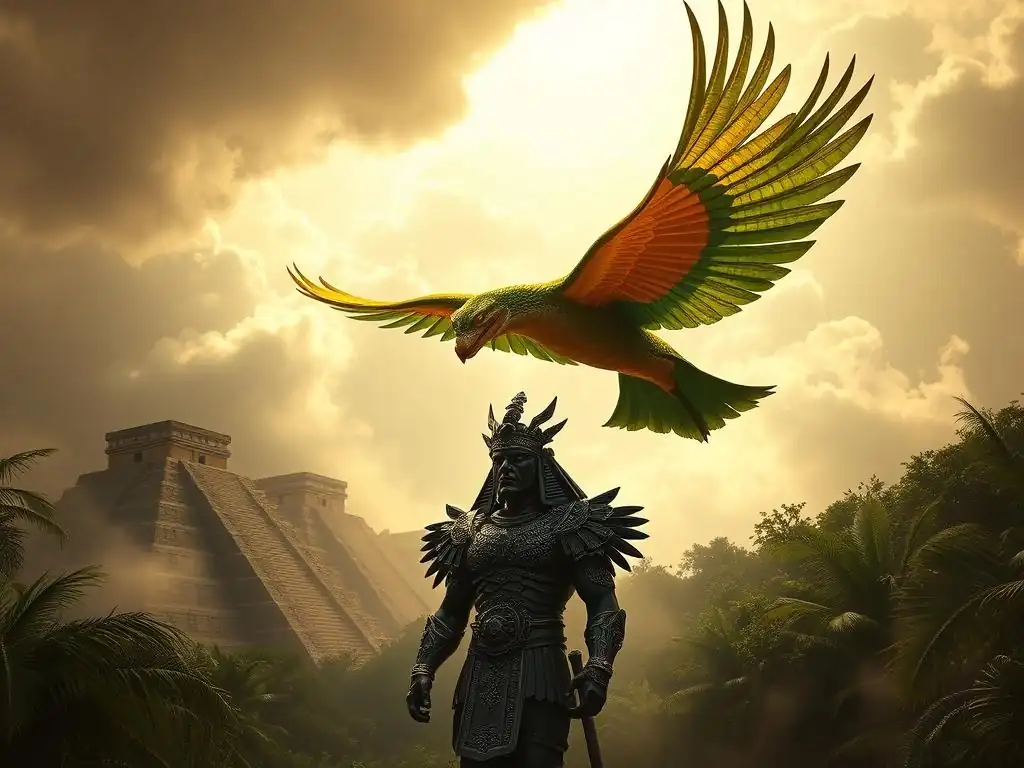
Differences in Their Roles in Creation
Quetzalcoatl and Tezcatlipoca, two of the most significant deities in Mesoamerican mythology, played distinct but interconnected roles in the narratives surrounding creation.
- Quetzalcoatl: Often referred to as the "Feathered Serpent," Quetzalcoatl embodies the duality of creation and destruction. He is associated with life, knowledge, and civilization. As the god of wind and learning, Quetzalcoatl is credited with creating humanity from the bones of previous civilizations and providing them with the essential tools for culture, including agriculture and the calendar. His nurturing nature is evident in the myths where he teaches people the arts and crafts necessary for societal development.
- Tezcatlipoca: In contrast, Tezcatlipoca, known as the "Smoking Mirror," represents chaos, conflict, and the darker aspects of existence. Often depicted as a rival to Quetzalcoatl, he embodies the principles of fate and the unpredictability of life. In creation myths, Tezcatlipoca is responsible for the destruction of the previous creations, such as the sun and humanity, leading to cycles of rebirth. His influence is seen in the dynamic balance between order and disorder, which is central to Mesoamerican cosmology.
These differences highlight how both gods contribute to the overarching narrative of creation, with Quetzalcoatl fostering life and Tezcatlipoca representing the necessary chaos that leads to transformation and renewal.
Similarities in Their Mythological Themes
Despite their contrasting roles, Quetzalcoatl and Tezcatlipoca share several thematic elements that illustrate the complexity of Mesoamerican creation myths:
- Duality of Life: Both deities embody the concept of duality, representing opposing forces that coexist in the universe. This concept is crucial in Mesoamerican thought, where balance between creation and destruction is essential for harmony in the world.
- Cycles of Creation: The myths involving both gods emphasize the cyclical nature of existence. Each creation is followed by destruction, leading to a new beginning. This theme is prominent in the story of the Five Suns, where each sun represents a different epoch created by the gods, showcasing the inevitability of change.
- Cultural Significance: Quetzalcoatl and Tezcatlipoca are not just mythological figures; they embody the values and beliefs of Mesoamerican societies. Their stories reflect the struggles and aspirations of the people, serving as moral lessons and cultural touchstones that inform communal identity.
These similarities enrich the understanding of Mesoamerican cosmology, revealing how the interplay between these two deities shapes the cultural landscapes of the civilizations that revered them.
The Impact of Their Myths on Mesoamerican Society
The myths of Quetzalcoatl and Tezcatlipoca had profound effects on Mesoamerican society, influencing everything from religious practices to social organization:
- Religious Practices: The duality represented by these gods led to complex religious rituals that sought to appease both deities. Sacrifices, ceremonies, and festivals were often dedicated to them, reflecting the society's understanding of their roles in maintaining cosmic balance. The famous Tenochtitlan rituals, for example, involved offerings to both gods, emphasizing the importance of their relationship in the lives of the Aztecs.
- Social Hierarchy: The narratives surrounding Quetzalcoatl’s benevolence and Tezcatlipoca’s cunning shaped social hierarchies. Leaders often aligned themselves with Quetzalcoatl’s ideals of wisdom and virtue, while others drew on Tezcatlipoca’s themes of power and authority to justify their rule. This dynamic influenced the governance structures and ideologies of various Mesoamerican cultures.
- Cultural Identity: The myths contributed to a shared cultural identity among Mesoamerican peoples, fostering a sense of unity and purpose. The stories of creation and the roles of the gods were taught through generations, embedding these narratives into the cultural fabric of societies from the Olmecs to the Aztecs.
The myths surrounding Quetzalcoatl and Tezcatlipoca significantly shaped Mesoamerican civilization, leaving a lasting legacy that continues to influence cultural practices and beliefs today.
Broader Context of Mesoamerican Creation Myths
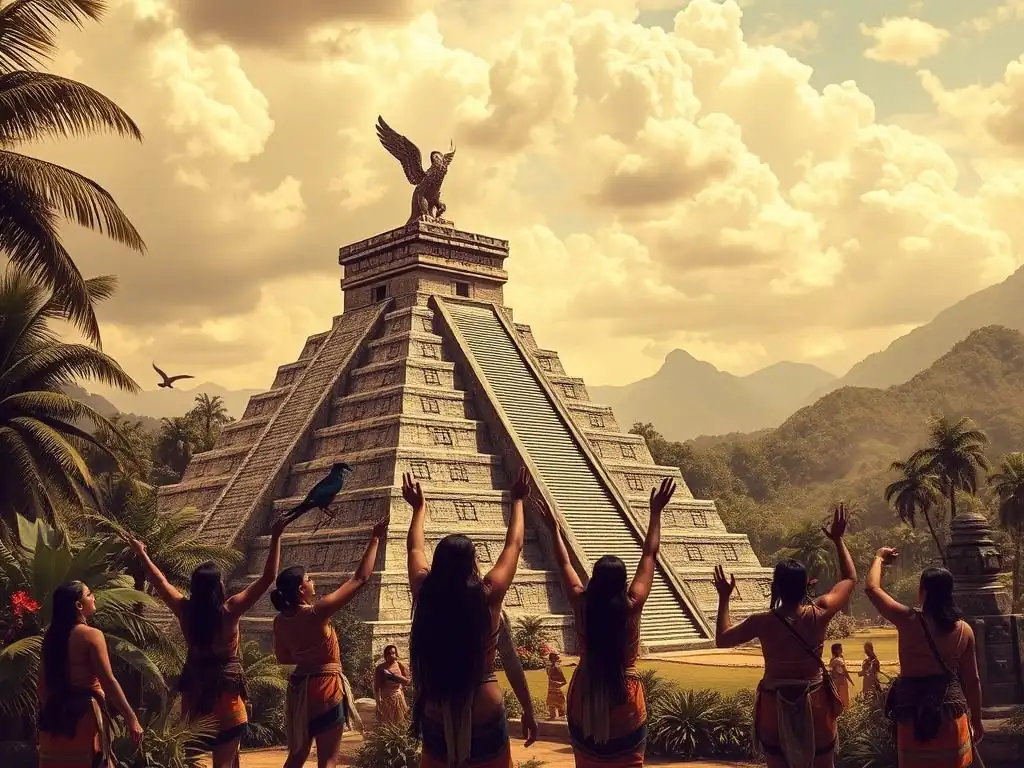
Mesoamerican creation myths are integral to understanding the rich tapestry of spiritual beliefs and societal structures that characterized the civilizations of this region, including the Aztec, Maya, and Olmec. These myths served not only as explanations for the origins of the world and humanity but also as foundational narratives that shaped the cultural identity and religious practices of these societies.
The creation stories often emerged from a complex interplay of various indigenous traditions, each contributing unique elements to the collective mythos. For instance, the duality of light and darkness, life and death, is a recurring theme that reflects the Mesoamericans' understanding of the universe as a balance of opposing forces. These narratives were typically conveyed through oral traditions, art, and ritualistic practices, embedding them deeply into the societal fabric.
The significance of these myths can be seen in the way they influenced governance, agriculture, and social organization. Rulers often claimed divine legitimacy rooted in these creation stories, justifying their power through a perceived connection to the gods. Additionally, agricultural cycles were closely tied to mythological events, with rituals performed to honor deities associated with fertility and harvest, thus intertwining cosmology with daily life.
Other Deities and Their Creation Stories
Mesoamerican creation myths feature a pantheon of deities, each with distinct roles and narratives contributing to the overarching themes of creation. Among these, Quetzalcoatl and Tezcatlipoca stand out as pivotal figures with contrasting attributes and creation stories.
- Quetzalcoatl, often depicted as a feathered serpent, embodies wisdom, life, and the wind. One of the most well-known myths involves his attempts to create humanity from the bones of previous creations, which had failed. His journey to the underworld to retrieve these bones illustrates themes of sacrifice and resurrection.
- Tezcatlipoca, the god of the night sky and sorcery, represents chaos and conflict. In some versions of the creation myth, he battles Quetzalcoatl, showcasing the balance between order and disorder. This duality is essential in understanding how Mesoamericans perceived their world, where creation and destruction were two sides of the same coin.
Other deities like Huitzilopochtli, the god of war, and Tlaloc, the rain god, also play crucial roles in various creation stories. Each deity's narrative contributes layers of meaning to the overall cosmological framework, revealing how Mesoamerican cultures understood their existence in relation to the divine.
Common Themes in Mesoamerican Creation Myths
Several recurring themes are evident across Mesoamerican creation myths, reflecting the shared cultural heritage of the region. These themes include:
- Dualism: The balance between opposing forces, such as light and darkness or creation and destruction, is a fundamental concept. Myths often illustrate the tension between deities like Quetzalcoatl and Tezcatlipoca, emphasizing the necessity of both order and chaos in the cosmos.
- Sacrifice: The notion of sacrifice, both divine and human, permeates creation narratives. Many myths depict the gods sacrificing themselves or each other to create the world and humanity, highlighting the idea that life emerges from death.
- Cycles of Creation and Destruction: Mesoamerican myths frequently describe a series of creations and destructions, known as the "Five Suns" in Aztec cosmology. Each sun represents a different era, with humanity being created anew after the destruction of the previous world.
- Interconnectedness of Nature and Humanity: The relationship between humans and their environment is a central aspect of these myths. Creation stories often emphasize the responsibility of humanity to maintain harmony with nature, reflecting agricultural practices and ecological awareness.
These themes not only serve as explanations for the origins of the world but also guide ethical behavior and social norms within Mesoamerican societies.
Influence of Mesoamerican Creation Myths on Later Cultures
The influence of Mesoamerican creation myths extends beyond their original contexts, permeating into later cultures and societies. After European colonization, many aspects of these myths were syncretized with Christian beliefs, creating new interpretations of creation that blended indigenous and European elements.
In contemporary times, these myths continue to resonate within indigenous communities, serving as a source of cultural identity and pride. They inspire literature, visual arts, and performances that draw upon ancient narratives, ensuring their relevance in modern storytelling.
Moreover, Mesoamerican creation myths have captured the interest of scholars and enthusiasts worldwide, leading to a resurgence of interest in indigenous cultures and their philosophies. The study of these myths not only enriches our understanding of Mesoamerican civilizations but also invites a broader appreciation for the diversity of human thought regarding creation and existence.
Mesoamerican creation myths are not merely ancient stories; they are living narratives that reflect the complexities of human experience and the enduring legacy of indigenous cultures in the Americas.
Conclusion
Summary of Mesoamerican Creation Myths Explained
Mesoamerican creation myths offer a fascinating glimpse into the rich tapestry of beliefs held by ancient civilizations such as the Aztecs and the Maya. These narratives often revolve around the duality of deities and the interconnectedness of life and death. Central to these myths are figures like Quetzalcoatl and Tezcatlipoca, whose stories encapsulate the values, conflicts, and philosophies of Mesoamerican societies.
- Quetzalcoatl - Often depicted as the feathered serpent, Quetzalcoatl represents wisdom, life, and the wind. He is credited with creating humanity and providing essential knowledge, such as agriculture and writing. His narrative is filled with themes of sacrifice and redemption, reflecting the desire for balance and harmony in the universe.
- Tezcatlipoca - In contrast, Tezcatlipoca, the god of the night sky and conflict, embodies the chaotic aspects of existence. He is often seen as a trickster, challenging Quetzalcoatl and instigating the struggles that drive creation and transformation. His role underscores the importance of duality in Mesoamerican thought, where opposing forces are necessary for the cycle of life.
These creation myths are not merely historical artifacts; they continue to influence contemporary indigenous cultures, showcasing the resilience and adaptability of these traditions over time.
Lasting Impact of Quetzalcoatl and Tezcatlipoca on Indigenous Civilizations
The legacies of Quetzalcoatl and Tezcatlipoca extend far beyond their mythological narratives. Their influence permeates various aspects of Mesoamerican cultures, including religion, art, and social structure.
- Religious Practices: The worship of these deities shaped rituals and ceremonies aimed at appeasing the gods. For example, festivals dedicated to Quetzalcoatl often involved offerings of food and music, celebrating the life-giving aspects attributed to him. In contrast, rituals honoring Tezcatlipoca may have included more aggressive displays, such as human sacrifices, reflecting his nature as a god of conflict.
- Art and Iconography: Mesoamerican art is rich with representations of these gods. Temples and sculptures often depict their forms, indicating their significance in the spiritual and cultural life of the people. The duality of creation myths is visually captured in murals and carvings, showcasing the interplay between light and dark, creation and destruction.
- Societal Structure: The myths also influenced social hierarchies and governance. Rulers often claimed descent from these deities, legitimizing their power through a divine connection. This belief in divine right helped maintain order and control in complex societies, where the balance between the forces of Quetzalcoatl and Tezcatlipoca mirrored the balance required in governance.
The Mesoamerican creation myths, particularly those surrounding Quetzalcoatl and Tezcatlipoca, reveal profound insights into the worldview of indigenous civilizations. These deities not only shaped the spiritual landscape but also left an indelible mark on the cultural, artistic, and political frameworks of Mesoamerican societies, demonstrating the enduring power of mythology in shaping human experience.
Frequently Asked Questions
What are Mesoamerican creation myths?
Mesoamerican creation myths are ancient narratives that explain the origins of the world, humanity, and the gods in cultures like the Aztec and Maya. They often involve a complex interplay of deities and cosmic events.
Who are Quetzalcoatl and Tezcatlipoca?
Quetzalcoatl, often referred to as the Feathered Serpent, represents creation, knowledge, and life, while Tezcatlipoca, the Smoking Mirror, embodies conflict and change. Both are central figures in Mesoamerican mythology.
How do these myths reflect Mesoamerican societies?
The creation myths illustrate cultural values and beliefs, showcasing the importance of balance between opposing forces, such as creation and destruction, which were vital in the lives of Mesoamerican peoples.
What role did creation myths play in indigenous communities?
Creation myths served as a way to understand the natural world, establish social order, and reinforce religious practices. They were integral to rituals and daily life in Mesoamerican civilizations.
How do these myths influence modern culture?
The themes and symbols from Mesoamerican creation myths continue to influence art, literature, and even contemporary spirituality, highlighting their lasting impact on cultural identity in the region.
Final Reflection: The Enduring Legacy of Mesoamerican Creation Myths
The exploration of Mesoamerican creation myths reveals not only the rich tapestry of ancient beliefs but also their profound relevance in today's world. As we navigate through the complexities of modern life, these myths remind us of the universal quest for understanding our origins and place in the universe. The stories of Quetzalcoatl and Tezcatlipoca, filled with conflict, duality, and the interplay of creation and destruction, resonate with the challenges we face in our contemporary society, urging us to reflect on the balance between progress and preservation.
Mesoamerican creation myths have significantly shaped cultural identities and social narratives, influencing everything from art to philosophy. These ancient tales continue to inspire modern interpretations and adaptations, fostering a deeper appreciation for indigenous wisdom. As noted by scholar Miguel León-Portilla, The myths are not merely stories; they are the essence of a culture's identity and its understanding of the cosmos.
This ongoing influence highlights the importance of preserving these narratives, as they offer insights into the values and beliefs that have endured through centuries.
As we conclude this exploration, I invite you to reflect on the lessons embedded within these myths. Consider how the themes of creation, duality, and the human experience can inform your own life and choices. Let the stories of Quetzalcoatl and Tezcatlipoca inspire you to seek balance in your journey, embracing both the light and the shadow within yourself. By engaging with these ancient narratives, we can cultivate a deeper connection to our shared humanity and the rich cultural heritage that shapes our world today.
Unveil the Rich Tapestry of Mesoamerican Myths!
Thank you for exploring the captivating world of Mesoamerican creation myths with us. Your journey through the tales of **Quetzalcoatl** and **Tezcatlipoca** sheds light on the profound wisdom and creativity of Indigenous cultures. Now, it's time to put that knowledge into action!
Here’s how you can further engage with this fascinating topic:
- Dive deeper into mythology by reading related articles on our website—each myth holds unique lessons and insights waiting to be discovered!
- Join the conversation! Share your thoughts and interpretations in the comments below—your perspective could spark an enlightening dialogue.
- Consider exploring local museums or events that focus on Indigenous cultures; supporting these institutions enhances your understanding and appreciation!
What aspects of Mesoamerican myths resonate with you the most, and how do you think they can inform our understanding of modern society?