
The Sacred Calendar: How Time Shaped Mesoamerican Religious Beliefs

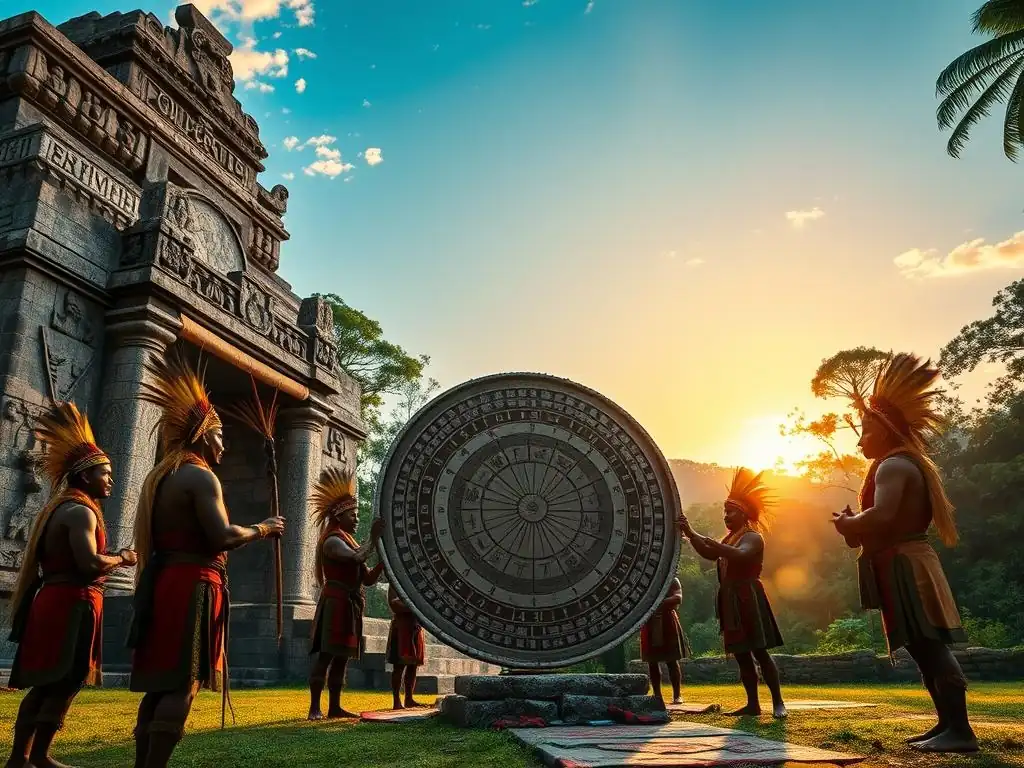
Welcome to Indigenous Civilizations of the Americas, where we invite you to embark on a fascinating journey through the rich tapestry of indigenous cultures that flourished across the continent long before European contact. Our featured article, "The Sacred Calendar: How Time Shaped Mesoamerican Religious Beliefs," delves into the Mesoamerican sacred calendar significance, revealing how these ancient peoples viewed time not just as a measure, but as a vital force intertwined with their spirituality and daily life.
Prepare to uncover the profound achievements and societal structures of these civilizations, and discover how their legacies continue to resonate today. Explore with us and let your curiosity guide you through the captivating world of indigenous heritage!
The Mesoamerican sacred calendar represents a profound aspect of the indigenous civilizations that flourished in Central America, particularly among the Maya, Aztec, and other cultures. These calendars were not merely tools for tracking time; they were intricate systems that intertwined cosmology, spirituality, and daily life.
The significance of the Mesoamerican sacred calendar goes beyond its practical use, as it served as a framework for understanding the universe, guiding agricultural practices, and influencing religious ceremonies. By delving into these temporal structures, we can gain insight into how time shaped the beliefs and practices of Mesoamerican societies, reflecting their deep connections to nature and the divine.
The Structure of Mesoamerican Calendars
Mesoamerican calendars typically consisted of two primary systems: the Tzolk'in and the Haab'.
- Tzolk'in: A 260-day ritual calendar composed of 20 periods of 13 days. Each day had its own significance and was associated with specific deities and rituals.
- Haab': A 365-day solar calendar divided into 18 months of 20 days, plus a short month of 5 days, known as Wayeb. This calendar was essential in agricultural planning and seasonal festivities.
These two calendars interlocked in a 52-year cycle known as the Calendar Round. This cyclical nature emphasized the importance of repetition and renewal in Mesoamerican thought, highlighting a worldview that perceived time as sacred and cyclical rather than linear.
The Role of Time in Mesoamerican Religion
Time was not just a measurement for Mesoamerican societies; it was a vital aspect of their religious beliefs and practices.
- Cosmological Significance: The sacred calendar was a reflection of the cosmos, with each day and month linked to specific gods and cosmic events. This connection fostered a sense of harmony between the human realm and the divine.
- Ritual Importance: Many religious ceremonies were timed according to the sacred calendar. For example, agricultural rituals were scheduled based on the Tzolk'in to ensure favorable conditions for planting and harvest.
- Divination and Prophecy: The calendar was also used for divination, with priests interpreting the meanings of specific days to provide guidance and predict future events. This practice underscored the belief that time held divine messages.
Lasting Impact of the Sacred Calendar
The influence of the Mesoamerican sacred calendar extends beyond the cultures that originally created it. Even today, elements of these calendars can be seen in some indigenous practices and beliefs, demonstrating their enduring legacy.
- Cultural Resilience: The sacred calendar's significance persists in various forms among contemporary indigenous communities, illustrating the resilience of these ancient traditions.
- Academic and Archaeological Interest: Scholars continue to study these calendars, seeking to understand their complexity and the cultural contexts from which they emerged. This research not only enriches our understanding of Mesoamerican civilizations but also highlights the broader implications of time and culture across human history.
By exploring the Mesoamerican sacred calendar and its significance, we gain valuable insights into how these ancient societies viewed their world, their spiritual beliefs, and the intricate relationship between time and human existence.
- The Structure of Mesoamerican Calendars
- The Role of Time in Mesoamerican Religion
- Lasting Impact of the Sacred Calendar
Introduction to Mesoamerican Sacred Calendar Significance
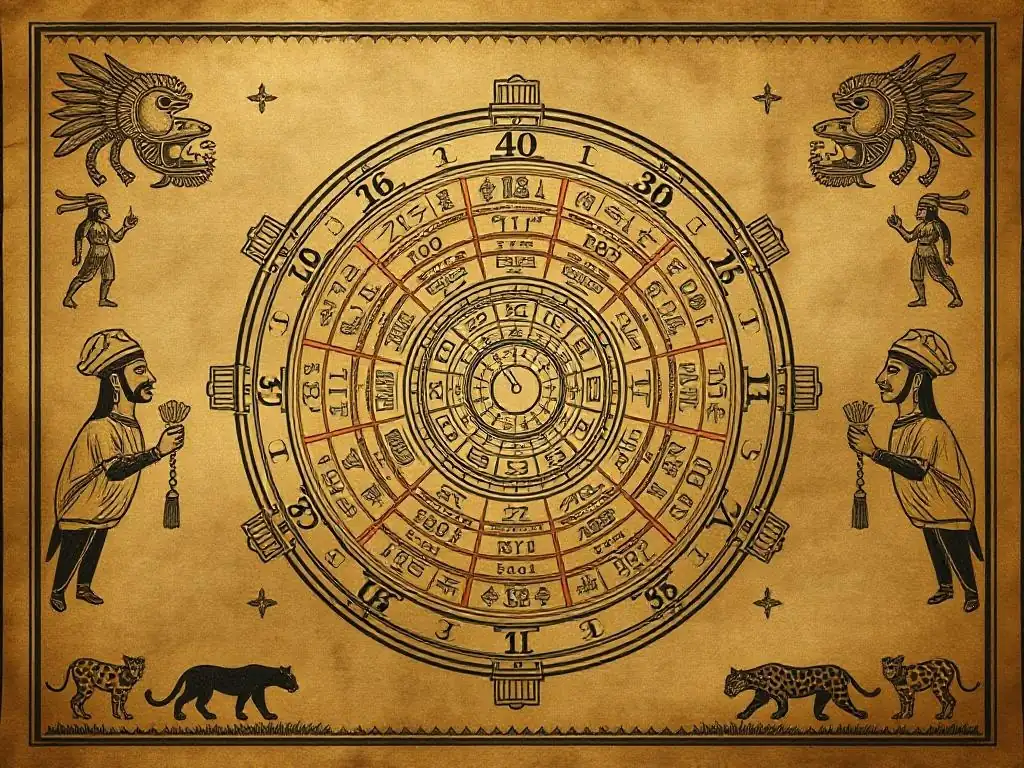
The Mesoamerican sacred calendar is a crucial component in understanding the religious and cultural practices of various indigenous civilizations, such as the Maya and Aztec. These calendars were not merely tools for marking time; they were intertwined with cosmology, mythology, and societal structure. By examining the significance of these calendars, we can appreciate how time influenced the spiritual and practical lives of Mesoamerican peoples and shaped their worldview.
Overview of the Mesoamerican Calendar Systems
Mesoamerican civilizations developed complex calendar systems, primarily the Tzolk'in and the Haab' calendars, which were often used in tandem.
- Tzolk'in Calendar:
- A 260-day calendar consisting of 20 periods of 13 days.
- Each day was associated with specific deities and had particular spiritual significance.
- Used extensively for religious ceremonies and divination.
- Haab' Calendar:
- A 365-day solar calendar comprising 18 months of 20 days each, plus an additional short month of 5 days known as Wayeb.
- Linked to agricultural cycles, marking the right times for planting and harvesting.
- Served as a civil calendar for scheduling events and festivals.
These two systems combined created a Calendar Round of 52 years, which was significant in Mesoamerican culture, as it marked the completion of a full cycle and was often associated with renewal and reflection.
Importance of Time in Mesoamerican Cultures
Time held profound importance in Mesoamerican societies, influencing everything from daily life to monumental religious ceremonies. Here are several key aspects:
- Religious Rituals:
- Many ceremonies were meticulously timed according to the sacred calendars, aligning with celestial events and agricultural seasons.
- Certain days were considered auspicious for specific activities, such as warfare, marriage, or rites of passage.
- Agricultural Practices:
- The Haab' calendar was essential for farmers, dictating planting and harvest schedules based on seasonal changes.
- Festivals often celebrated agricultural milestones, reinforcing the connection between time, fertility, and sustenance.
- Cyclical Worldview:
- Mesoamerican cultures viewed time as cyclical rather than linear, with each cycle representing an opportunity for renewal.
- This perspective shaped their understanding of life, death, and rebirth, as seen in myths and religious practices.
- Social Structure:
- Calendars played a role in governance and societal organization, with rulers often using them to legitimize their power and authority through divine association.
- The priestly class held significant influence, as they were responsible for interpreting the calendars and conducting rituals.
The Mesoamerican sacred calendar is not just a means of tracking time; it encapsulates the spiritual, agricultural, and social dimensions of pre-Columbian life. Understanding its significance allows us to appreciate the depth and complexity of Mesoamerican cultures and their enduring legacy.
The Structure of the Mesoamerican Sacred Calendar
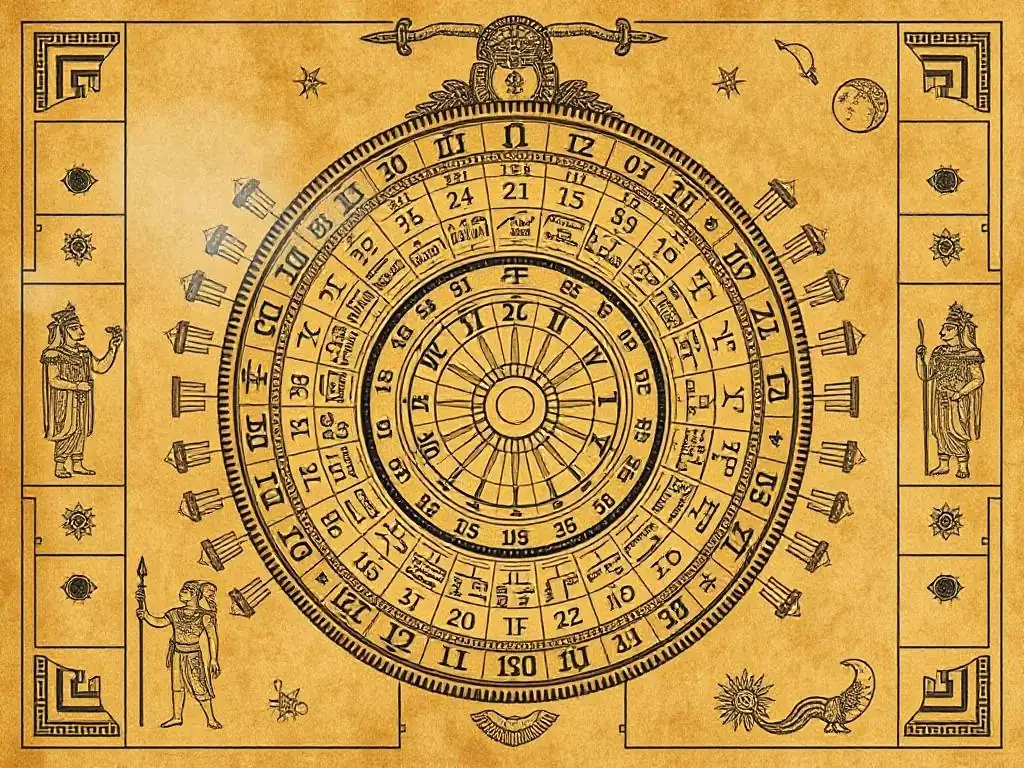
Overview of the Calendar Systems
The Mesoamerican sacred calendar is a complex system that reflects the sophisticated understanding of time and cycles held by various indigenous cultures, particularly the Aztecs and the Maya. This system is primarily composed of two interlocking calendars: the Tonalpohualli and the Xiuhpohualli. Both calendars serve distinct purposes but are intricately linked and play a crucial role in shaping religious beliefs, agricultural practices, and social organization.
The Tonalpohualli, often referred to as the ritual calendar, is a 260-day cycle that is deeply embedded in Mesoamerican spirituality. It is believed to be a time for divination, rituals, and ceremonies, with each day possessing unique characteristics and significance. Conversely, the Xiuhpohualli, or the solar calendar, consists of 365 days and is aligned with the solar year, covering agricultural cycles and seasonal events. Together, these calendars form a comprehensive framework that influences various aspects of daily life and societal norms.
The Tonalpohualli: The 260-Day Ritual Calendar
The Tonalpohualli is one of the most significant components of the Mesoamerican sacred calendar, comprising 20 periods of 13 days each. Each day is represented by a unique day sign, such as Cipactli (Crocodile) or Cozauhqui (Golden), which contributes to its spiritual and cultural importance.
- Structure and Significance:
- Day Signs: The 20 day signs, combined with the numbers 1 through 13, create a cycle where each day is imbued with specific meanings and energies. For instance, a day marked by Cipactli may symbolize creation and new beginnings.
- Ritual Use: The Tonalpohualli is primarily utilized for divination, where priests and shamans interpret the energies of specific days to determine auspicious times for ceremonies, agricultural planting, and personal life decisions.
- Cultural Impact:
- Personal Identity: Individuals often identify with the day they were born under the Tonalpohualli, which influences their personality, fate, and social roles within their communities.
- Festivals and Ceremonies: Many Mesoamerican rituals are aligned with the Tonalpohualli, enhancing its role in religious observances and community gatherings.
The Xiuhpohualli: The 365-Day Solar Calendar
The Xiuhpohualli serves as the agricultural calendar, marking the solar year and closely linked to the agricultural cycle. It consists of 18 months of 20 days each, followed by a short period known as Macehualiztli.
- Structure and Components:
- Month Names: Each month in the Xiuhpohualli has its own name and is associated with specific agricultural activities, such as the planting and harvesting of crops.
- Ritual Days: The last five days of the year are considered inauspicious, often referred to as the "empty days" or Nemontemi, which are set aside for reflection and preparation for the new year.
- Seasonal Alignment:
- Agricultural Practices: The Xiuhpohualli is essential for determining the optimal times for planting and harvesting crops, which were central to Mesoamerican societies' survival and prosperity.
- Connection to Deities: Each month is often dedicated to specific gods or goddesses, reinforcing the interdependence of agriculture and spirituality in Mesoamerican cultures.
Interrelation Between Tonalpohualli and Xiuhpohualli
The interrelation between the Tonalpohualli and the Xiuhpohualli is foundational to understanding the Mesoamerican sacred calendar's significance. These two calendars operate simultaneously, creating a sophisticated system that reflects the cyclical nature of life.
- Combined Cycle: The 52-year cycle, known as the Calendar Round, occurs when the Tonalpohualli and Xiuhpohualli align, marking a significant time for renewal and major rituals. This cycle emphasizes the harmony between earthly existence and celestial movements.
- Cultural Integration: The interaction between the two calendars influences various aspects of life, from agricultural practices to religious ceremonies. For example, certain rituals are performed at the intersection of both calendars, showcasing their significance in Mesoamerican cosmology.
- Spiritual Synergy: The dual calendar system exemplifies the Mesoamerican belief in the interconnectedness of time, spirituality, and the natural world, with each calendar enriching the understanding of the other.
The Mesoamerican sacred calendar is not merely a method of tracking time but is a profound expression of cultural identity, religious beliefs, and agricultural practices. Its significance lies in the intricate relationship between the Tonalpohualli and Xiuhpohualli, illuminating the rich tapestry of Mesoamerican civilizations.
The Role of the Sacred Calendar in Mesoamerican Religions
The Mesoamerican sacred calendar, often referred to as the Tzolk'in, is a pivotal element in understanding the intricate relationship between time and spirituality in ancient Mesoamerican cultures. This calendar system, which is composed of 260 days, plays a crucial role in dictating religious practices, agricultural cycles, and the societal framework of various civilizations, including the Maya, Aztec, and Olmec. The significance of the sacred calendar extends beyond mere timekeeping; it is a dynamic tool that shapes cultural identity and spiritual beliefs.
Timing of Religious Ceremonies and Festivals
Mesoamerican societies meticulously organized their religious ceremonies and festivals around the sacred calendar. The 260-day cycle was divided into 20 periods of 13 days, each associated with specific deities and themes. This structure facilitated a rich tapestry of rituals that were essential for maintaining harmony with the cosmos and appeasing the gods.
- Key Festivals: Major festivals were often aligned with the calendar, marking important agricultural milestones and aligning with celestial events. For instance, the Tozcatl festival celebrated the new year and the return of the sun, occurring at the end of the Tzolk'in cycle.
- Ritual Practices: Rituals were conducted on specific days believed to hold special significance. For example, days associated with the god Tlaloc were dedicated to rain rituals, crucial for agricultural success.
The timing of these ceremonies was not arbitrary but intricately tied to the calendar's significance, ensuring that Mesoamerican peoples maintained a spiritual balance with their environment.
Influence on Agricultural Practices and Seasonal Cycles
The Mesoamerican sacred calendar was also instrumental in guiding agricultural practices, which were the backbone of these societies. The 260-day calendar was often used in conjunction with the 365-day solar calendar, allowing civilizations to effectively plan their agricultural activities.
- Planting and Harvesting: The sacred calendar dictated the optimal times for planting and harvesting crops. For instance, the Chicomecoatl, the goddess of agriculture, was invoked during specific days to ensure a bountiful harvest.
- Seasonal Festivals: Agricultural cycles were celebrated through festivals that marked the changing seasons. The planting season was often greeted with ceremonial offerings to the earth, while harvest festivals involved communal feasting and gratitude towards deities.
The synchronization of agricultural activities with the sacred calendar reinforced the connection between the gods, the land, and the people, highlighting the calendar's essential role in sustaining life.
Connection to Deities and Cosmology
The sacred calendar was deeply intertwined with the Mesoamerican understanding of the universe and its pantheon of deities. Each day was imbued with specific attributes and spiritual significance, often representing various gods and cosmic forces.
- Deity Association: Each day of the Tzolk'in was linked to a particular deity, which influenced the cultural practices of the time. For example, Kukulkan, the feathered serpent deity, was revered during specific days, inspiring rituals that reinforced the community's connection to this powerful figure.
- Cosmological Beliefs: The calendar served as a cosmic framework through which Mesoamericans understood their place in the universe. The cyclical nature of the calendar mirrored the cycles of life, death, and rebirth, reflecting the belief in an interconnected cosmos.
Through this connection to deities and cosmology, the sacred calendar provided a structure for understanding existence, guiding moral behavior, and fostering a sense of community among Mesoamerican peoples.
The Mesoamerican sacred calendar significance lies not only in its function as a timekeeping system but also in its profound impact on religious practices, agricultural sustainability, and cosmological beliefs. It served as a vital link between the sacred and the mundane, shaping the spiritual landscape of ancient Mesoamerican civilizations.
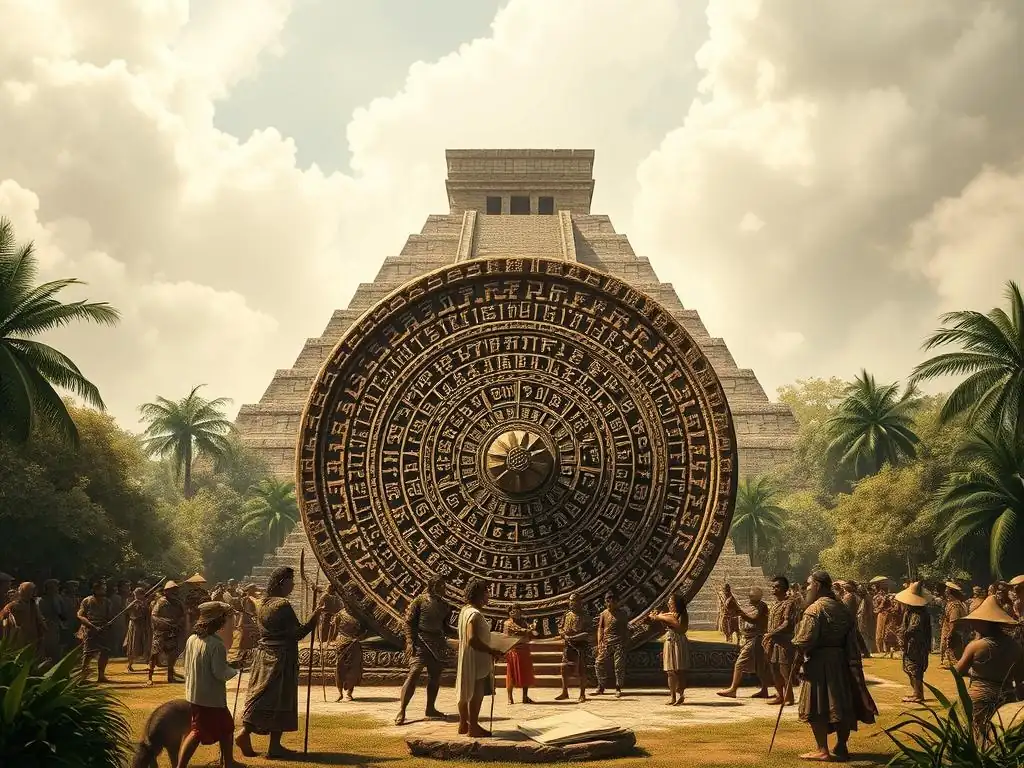
The Mesoamerican sacred calendar, often referred to as the Tzolk'in among the Maya or the Xiuhpohualli in the Aztec tradition, played a crucial role in shaping the social organization of ancient civilizations in this region. It was not merely a tool for tracking time; it was integral to governance, religious observance, and social structure.
Calendar as a Tool for Governance and Order
The sacred calendar functioned as a framework for governance in Mesoamerican societies. Rulers and priestly classes utilized the calendar to legitimize their power and organize state affairs. It provided a structure for scheduling important events, such as agricultural cycles, religious ceremonies, and political gatherings.
- Political Authority: Leaders would often align their ascension to power with significant calendar dates, reinforcing their divine right to rule. For example, the Maya believed that certain dates were auspicious for the foundation of cities or the beginning of wars. These choices were often influenced by the calendar's cyclical nature, which was believed to affect the outcomes of their endeavors.
- Agricultural Planning: The calendar was also vital for agricultural societies that relied on seasonal changes for crop planting and harvesting. The Mesoamerican sacred calendar provided a systematic approach to anticipating these cycles, ensuring that communities could sustain themselves and maintain order through food security.
- Religious Festivals: Important religious festivals were meticulously planned according to the calendar, further intertwining governance and spirituality. For instance, the Aztec calendar included festivals that honored deities, ensuring that rulers maintained the favor of the gods, which was essential for societal stability.
In essence, the sacred calendar served as a tool of governance and order, linking the divine, the political, and the agricultural spheres of life.
Within Mesoamerican societies, the sacred calendar also played a significant role in delineating social classes and their respective responsibilities in calendar observance.
- Priestly Class:
- The priests wielded significant influence due to their expertise in interpreting the calendar. They performed rituals and ceremonies on specific dates, believed to appease deities and ensure communal prosperity. Their role was crucial during both the Tzolk'in and the Xiuhpohualli, as they maintained the sacred knowledge that governed society's spiritual life.
- Nobility:
- Nobles participated actively in calendar-based ceremonies, often holding positions of authority during festivals. They were responsible for organizing and financing these events, showcasing their wealth and power while reinforcing their status within the community.
- Commoners:
- For commoners, the calendar dictated daily life, from agricultural practices to participation in communal rituals. Their adherence to the calendar's cycles reflected their devotion and societal roles, as they contributed to the community's agricultural output, which was vital for sustenance.
- Warriors:
- Calendar dates were also significant in military actions. Warriors were often mobilized based on the auspiciousness of certain days, aligning their campaigns with the sacred calendar to enhance their chances of success.
Through these roles, the Mesoamerican sacred calendar not only influenced religious practices but also reinforced social hierarchies and community cohesion. Each class had its own functions and responsibilities, creating a structured society that thrived on a shared understanding of time and its significance in daily life.
Ultimately, the significance of the Mesoamerican sacred calendar transcended mere timekeeping; it was a fundamental aspect of social order and governance, shaping the very fabric of ancient Mesoamerican civilizations.
The Impact of the Sacred Calendar on Daily Life
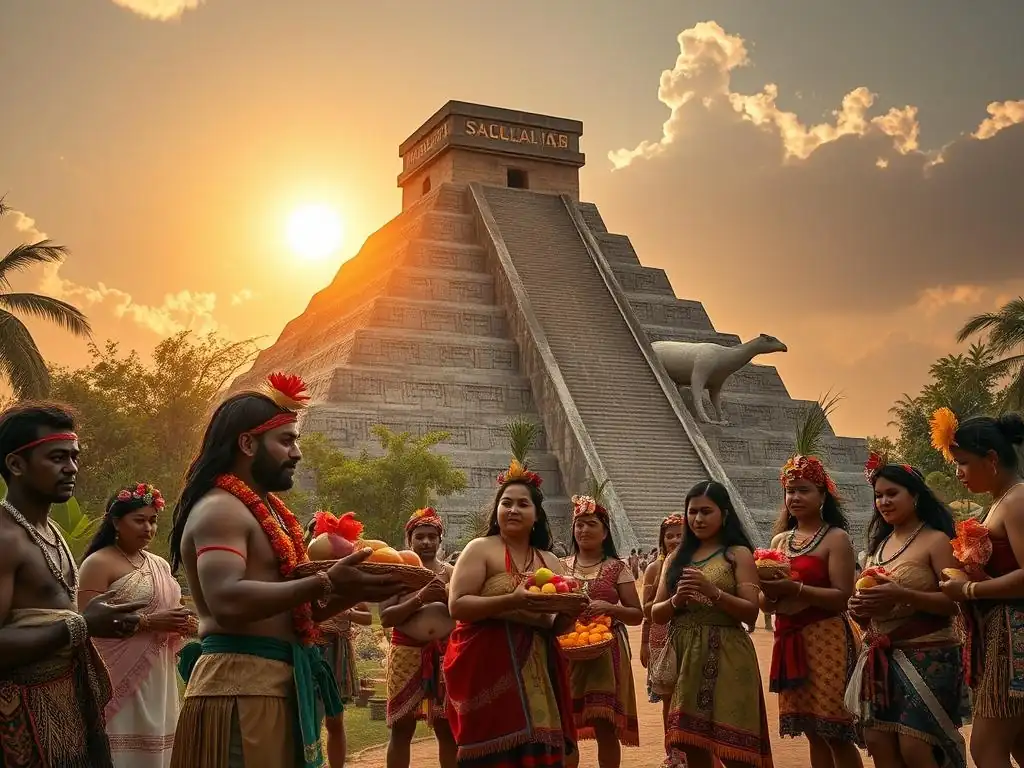
Rituals and Daily Practices Guided by the Calendar
The Mesoamerican sacred calendar, known as the Tzolk'in among the Maya and the Xiuhpohualli among the Aztecs, played a pivotal role in shaping the daily lives of these civilizations. This intricate calendrical system comprised 260 days divided into 20 periods of 13 days, each associated with specific deities, natural phenomena, and agricultural cycles.
- Agricultural Cycles:
- The sacred calendar was essential for determining the agricultural cycle. Planting and harvesting were carefully aligned with specific days deemed auspicious for such activities. For instance, certain days were considered ideal for sowing maize, which was a staple crop.
- Farmers would often consult the calendar to decide when to plant or harvest, ensuring that their activities were in harmony with the cosmological rhythms.
- Ritual Practices:
- Each day in the sacred calendar had its own significance and was associated with particular rituals. Ceremonies were performed to honor gods, seek blessings, and ensure fertility of the land and its people.
- For example, rituals involving bloodletting or offerings were conducted on specific days to appease deities and avoid calamities, emphasizing the calendar's influence on spiritual practices.
- Personal Life Events:
- Important life events such as births, marriages, and deaths were also timed according to the sacred calendar. Individuals sought to align these significant moments with favorable days to ensure luck and prosperity.
- Names were often derived from the day one was born, further intertwining personal identity with the sacred calendar.
The Mesoamerican sacred calendar significantly guided daily life, affecting everything from agricultural practices to personal milestones, embedding a profound sense of spirituality and purpose in everyday activities.
The Calendar’s Role in Community Cohesion
The sacred calendar also played a crucial role in fostering community cohesion among Mesoamerican societies. Shared rituals and collective observances based on the calendar not only reinforced social bonds but also unified diverse groups under common beliefs and practices.
- Shared Rituals and Festivals:
- The calendar dictated a series of communal festivals throughout the year, where entire communities would gather to celebrate agricultural cycles, religious ceremonies, and other significant events.
- These gatherings served as a platform for social interaction, facilitating the exchange of ideas, goods, and cultural practices, thus strengthening community ties.
- Collective Identity:
- The cyclical nature of the sacred calendar created a collective identity among community members. By participating in shared rituals, individuals felt a sense of belonging to a larger whole, rooted in their cultural heritage.
- This collective identity was crucial, especially during periods of external threats or internal strife, as it fostered unity and resilience among community members.
- Leadership and Social Structure:
- The calendar also played a role in the political structure of Mesoamerican societies. Leaders often relied on the sacred calendar to legitimize their authority, claiming divine sanction for their reign based on auspicious dates.
- The interplay between religious leaders and the calendar reinforced social hierarchies, as those who interpreted the calendar held significant power in guiding community actions and beliefs.
The Mesoamerican sacred calendar was not merely a tool for measuring time; it was a vital framework that shaped communal identity, facilitated social cohesion, and reinforced the cultural fabric of Mesoamerican societies. By intertwining daily life with sacred cycles, these civilizations created a harmonious relationship between the natural world and their spiritual beliefs.
The Evolution of Mesoamerican Sacred Calendar Significance
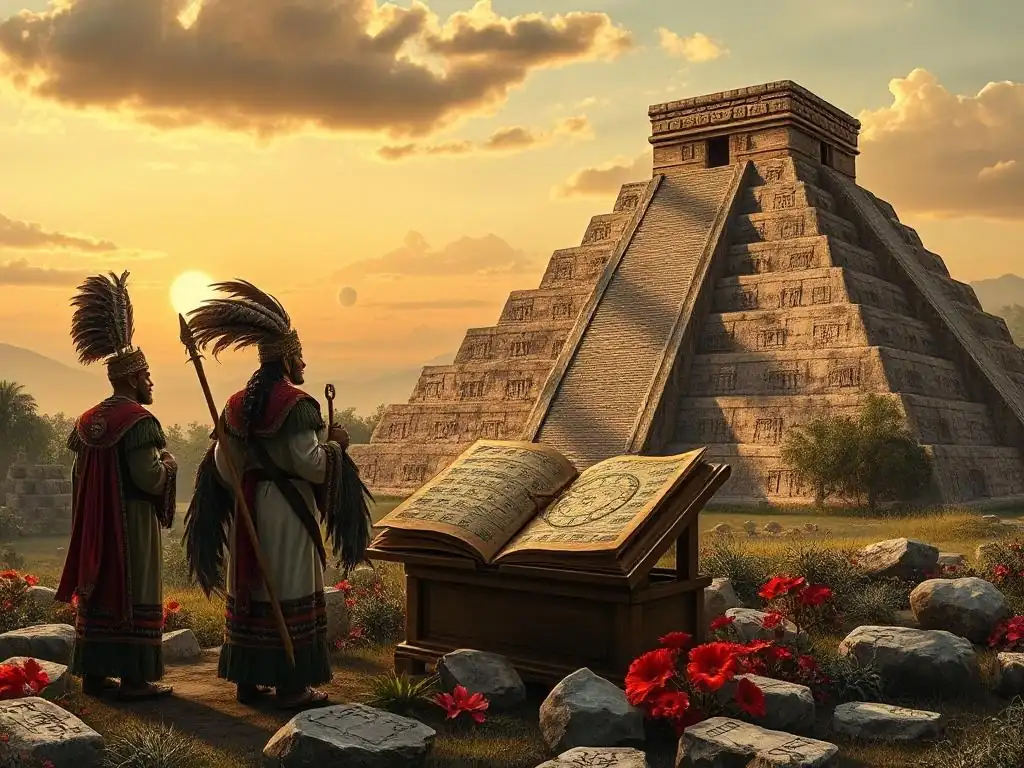
Historical Changes in Calendar Systems
The Mesoamerican sacred calendar, particularly the Tzolk'in and Haab', represents a complex system that evolved over centuries, reflecting the societies' profound understanding of time and its connection to spirituality. The Tzolk'in, a 260-day ritual calendar, was composed of 20 periods, each lasting 13 days. This cyclical nature emphasized the importance of agricultural cycles, religious ceremonies, and divination practices.
In contrast, the Haab' was a 365-day solar calendar that divided the year into 18 months of 20 days each, with an additional short month of 5 days, known as Wayeb'. This dual-calendar system enabled Mesoamerican civilizations, such as the Mayans and Aztecs, to synchronize their agricultural, social, and religious activities.
Historical evidence suggests that the significance of these calendars evolved with political and cultural changes. For instance, the introduction of the Long Count calendar around 2000 BCE represented an innovation to track longer periods, which further deepened the connection between timekeeping and religious practices. Notably, the Long Count allowed for the prediction of significant events and the timing of rituals, enhancing the societal role of priests and calendar keepers.
Modern Interpretations and Practices
Today, the significance of the Mesoamerican sacred calendar is not merely a relic of the past; it continues to influence contemporary indigenous cultures across the Americas. Many indigenous groups have revived traditional calendar practices, integrating them into modern rituals and community events.
For example, the Tzolk'in is still used by some Maya communities for agricultural planning, ensuring that traditional farming practices align with cosmic and spiritual cycles. This revival is part of a broader movement to reclaim indigenous identities and practices that were suppressed during colonial times.
Moreover, the sacred calendar has found resonance in cultural expressions, such as art and literature, where themes of time, cycles, and spirituality echo Mesoamerican beliefs. Festivals celebrating the cycles of the calendar, such as the Day of the Dead, incorporate elements of the sacred calendars, blending ancient traditions with contemporary life.
The Mesoamerican sacred calendar's significance has evolved dramatically, from a vital tool for agricultural and religious organization in ancient societies to a source of cultural identity and spiritual practice in modern indigenous communities. This enduring relevance underscores the profound connections between time, spirituality, and the cultural heritage of Mesoamerican civilizations.
Conclusion: The Enduring Legacy of the Mesoamerican Sacred Calendar
The Mesoamerican sacred calendar represents a profound aspect of the cultural and spiritual life of indigenous civilizations. Its intricate system, composed of the Tzolk'in (260-day ritual calendar) and the Haab' (365-day solar calendar), was more than a mere tool for tracking days; it was integral to community life, agricultural practices, and religious ceremonies. The legacy of the Mesoamerican sacred calendar continues to resonate, shaping not only historical understanding but also contemporary practices among descendants of these cultures.
Reflections on Time and Religion in Indigenous Cultures
Indigenous cultures in Mesoamerica viewed time as cyclical rather than linear, intertwining it deeply with their cosmological beliefs. This perspective held that time was sacred, governed by divine forces that influenced human activities.
- Spiritual Significance: Each day in the sacred calendar was associated with specific deities and natural forces, dictating appropriate rituals and ceremonies. For instance, the day signs in the Tzolk'in were believed to embody distinct energies that could guide personal and communal decisions.
- Agricultural Practices: The alignment of agricultural cycles with the sacred calendar underscored the relationship between the people and their environment. Planting and harvesting were timed with ritual observances, emphasizing a holistic understanding of time as a cycle of renewal and life.
- Cultural Continuity: Many Mesoamerican communities today maintain elements of these ancient practices, demonstrating the calendar's enduring significance. Festivals and rituals often align with the sacred calendar, celebrating agricultural cycles and honoring deities.
The Sacred Calendar's Influence on Contemporary Mesoamerican Communities
The influence of the Mesoamerican sacred calendar persists in various ways within contemporary indigenous communities:
- Revival of Traditions: There is a resurgence of interest in traditional beliefs and practices, with many communities actively rekindling the use of the sacred calendar to preserve their cultural heritage.
- Cultural Identity: The calendar serves as a crucial element of cultural identity, allowing communities to connect with their ancestors and affirm their historical narratives.
- Educational Initiatives: Educational programs focusing on the Mesoamerican sacred calendar are essential in teaching younger generations about their heritage, ensuring that these traditions are passed down.
- Interfaith Dialogue: The sacred calendar has also entered discussions in interfaith contexts, highlighting the spiritual richness of indigenous beliefs and fostering respect for diverse cosmologies.
The Mesoamerican sacred calendar significance extends far beyond its historical origins. It plays a vital role in shaping cultural identities, preserving traditions, and fostering a sense of community among indigenous peoples. The resonance of these ancient practices in modern life underscores their importance in understanding the intricate tapestry of Mesoamerican history and spirituality.
Frequently Asked Questions
What is the Mesoamerican sacred calendar?
The Mesoamerican sacred calendar, also known as the Tzolk'in, is a 260-day ritual calendar that played a significant role in the religious and agricultural practices of ancient Mesoamerican cultures.
How did the sacred calendar influence religious beliefs?
The sacred calendar was essential for determining ceremonial dates, festivals, and rituals, deeply influencing the spiritual life and agricultural cycles of Mesoamerican societies.
What are some key features of the sacred calendar?
Key features include its 260-day cycle, which combines 20 day names with 13 numbers, creating a unique system for tracking time that reflects the interconnectedness of life and spirituality.
How did the sacred calendar impact daily life?
The sacred calendar not only guided religious observances but also dictated farming schedules, community events, and personal milestones, thus shaping the rhythm of daily life in Mesoamerican civilizations.
Why is the sacred calendar significant today?
Today, the Mesoamerican sacred calendar is significant for understanding the cultural heritage of indigenous peoples, showcasing their advanced knowledge of astronomy and timekeeping that still influences contemporary indigenous practices.
Final Reflection: The Enduring Significance of the Mesoamerican Sacred Calendar
The Mesoamerican sacred calendar remains a profound testament to how time can shape religious beliefs and cultural practices. In today's fast-paced world, where time often feels like a commodity to be managed, the intricate relationship that ancient Mesoamerican civilizations had with their sacred calendar serves as a powerful reminder of the spiritual dimensions of time. The way these cultures intertwined their daily lives with celestial events and cycles highlights the importance of understanding our own relationship with time and its potential to enrich our lives.
The influence of the Mesoamerican sacred calendar extends far beyond its historical context; it continues to resonate within contemporary discussions about spirituality and cultural identity. As we navigate a world increasingly disconnected from nature, the reverence for time embodied in this calendar invites us to reflect on our own practices and beliefs. Time is what we want most, but what we use worst.
— William Penn. This quote encapsulates the challenge of modernity, urging us to reconsider how we allocate our time and the significance we ascribe to it in our lives.
As you ponder the lessons of the Mesoamerican sacred calendar, I invite you to reflect on your own relationship with time. How can you incorporate a deeper understanding of time into your daily life? Consider embracing moments of stillness, connecting with nature, or recognizing the cycles that govern your own existence. By doing so, you can cultivate a more meaningful and intentional approach to time, echoing the wisdom of those who came before us and ensuring that the significance of the sacred calendar continues to inspire future generations.
Unveil the Mysteries of Mesoamerican Time!
Thank you for investing your time in exploring how the sacred calendar influenced Mesoamerican religious beliefs. Your curiosity is the first step toward a deeper understanding and appreciation of these ancient cultures. Now, it's time to take action and immerse yourself further into this fascinating world!
Here are a few ways you can dive deeper:
- Explore more: Visit our section on Mesoamerican calendars and delve into additional resources that detail their significance and complexities.
- Share your insights: Discuss this enlightening topic with friends or on social media. Spark conversations and spread the knowledge!
- Join our community: Sign up for our newsletter to stay updated with articles, discussions, and events related to Indigenous civilizations.
What aspects of Mesoamerican time resonate with you the most, and how might they reshape your understanding of these cultures?