
The Artistry of Indigenous Handicrafts: A Window into PreColumbian Economies

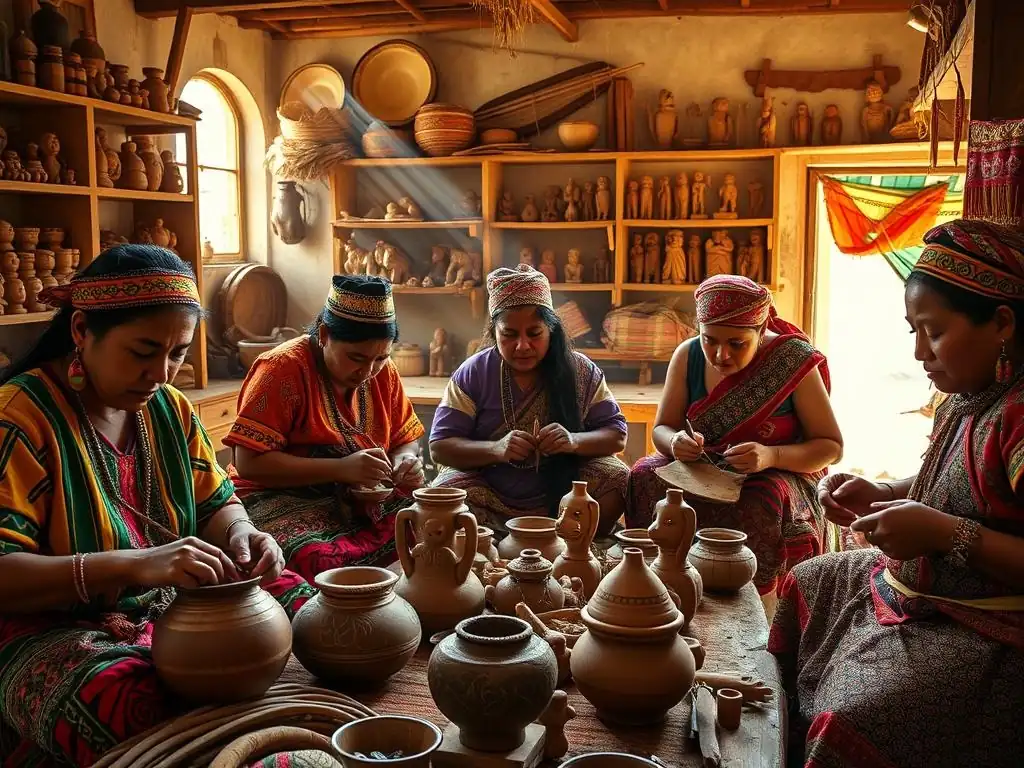
Welcome to Indigenous Civilizations of the Americas, where we embark on a journey through the rich tapestry of cultures that flourished long before European contact. In our featured article, “The Artistry of Indigenous Handicrafts: A Window into PreColumbian Economies,” we delve into the intricate world of PreColumbian indigenous handicrafts—not just as art, but as vital expressions of trade, economy, and identity.
Discover how these remarkable creations reveal the ingenuity and resilience of indigenous societies, inviting you to explore the profound legacies they left behind. The stories woven into each craft are waiting for you—are you ready to uncover their significance?
Introduction to PreColumbian Indigenous Handicrafts
The rich tapestry of PreColumbian indigenous handicrafts serves as a profound testament to the ingenuity, creativity, and cultural significance of the indigenous peoples of the Americas. These handicrafts, which encompass a wide array of objects crafted from materials such as clay, wood, textiles, and metals, not only reflect the artistic expressions of various civilizations but also reveal insights into their societal structures, economic practices, and daily lives. By examining these artifacts, we gain a deeper understanding of the values, traditions, and innovations that defined indigenous cultures long before European contact.
Definition of Indigenous Handicrafts
Indigenous handicrafts can be defined as the traditional art forms and functional items produced by indigenous communities, often utilizing locally sourced materials and techniques passed down through generations. These handicrafts range from pottery and woven textiles to intricate beadwork and carved figures. Each piece embodies the cultural identity and environmental adaptation of the craftsmen, serving both utilitarian and ceremonial purposes.
Importance of Handicrafts in PreColumbian Economies
Handicrafts played a pivotal role in the economies of PreColumbian societies. They were not merely artistic expressions but also vital commodities that facilitated trade and economic exchange. The production of handicrafts often involved extensive labor and skill, which contributed to the social organization of communities. Some key points to consider include:
- Trade Goods: Handicrafts were commonly traded between different tribes and civilizations, creating intricate trade networks across vast regions.
- Cultural Exchange: These handicrafts often incorporated diverse cultural influences, reflecting the interactions between neighboring communities.
- Economic Stability: The ability to produce and trade handicrafts contributed to the economic stability of indigenous societies, allowing for the accumulation of wealth and resources.
Historical Context of PreColumbian Indigenous Societies
To fully appreciate the artistry of indigenous handicrafts, it is essential to understand the historical context in which these societies flourished.
Overview of Indigenous Civilizations in the Americas
The Americas were home to a multitude of indigenous civilizations, each with its unique culture, language, and artistic traditions. Prominent civilizations such as the Maya, Aztec, and Inca not only excelled in architecture and astronomy but also developed sophisticated systems of handicraft production. The diversity of these societies contributed to a rich array of artistic styles and techniques, reflecting their environments and beliefs.
Economic Systems and Trade Networks
The economic systems of PreColumbian indigenous societies were highly developed, characterized by complex trade networks that extended across great distances. These networks allowed for the exchange of goods, ideas, and cultural practices. Significant aspects of these systems included:
- Specialization: Different regions specialized in various craft productions, such as textiles in the Andes or pottery in Mesoamerica.
- Barter System: Goods were often exchanged through barter, where handicrafts held significant value, facilitating economic interactions.
- Cultural Significance: The items produced were not merely economic goods; they held cultural significance and were often used in rituals and ceremonies, reinforcing community identities.
The artistry of indigenous handicrafts serves as a crucial window into the economic and social fabric of PreColumbian societies, reflecting the intricate relationships between culture, economy, and community. Through a deeper exploration of these aspects, we can better appreciate the enduring legacy of indigenous craftsmanship in the Americas.
Characteristics of PreColumbian Indigenous Handicrafts
PreColumbian indigenous handicrafts are distinguished by their diversity, intricate designs, and deep cultural significance. These handicrafts often reflect the unique social, spiritual, and geographical contexts from which they emerged. The craftsmanship exhibited in these artifacts not only showcases the technical skills of the artisans but also serves as a medium for storytelling and cultural expression.
Common characteristics include:
- Functional and Aesthetic: Many handicrafts served practical purposes, such as tools or containers, yet were also artistically designed, emphasizing beauty alongside utility.
- Use of Natural Motifs: Many artworks featured designs inspired by the surrounding environment, including flora, fauna, and celestial themes, signifying a profound connection to nature.
- Community and Identity: Handicrafts were often made within communal settings, reflecting collective identity and cultural heritage. Each piece often conveyed the artisan's cultural background, regional influences, and personal stories.
Materials Used in Indigenous Handicrafts
The materials used in PreColumbian indigenous handicrafts varied widely based on the region and available resources. Common materials included:
- Clay: Used extensively in pottery, clay was molded into various forms, often adorned with intricate patterns and painted with natural pigments.
- Textiles: Many cultures utilized plant fibers such as cotton and agave, as well as animal fibers from alpacas and sheep, to create textiles that were both functional and decorative.
- Wood: Carved wooden items, from utensils to ceremonial masks, showcased the artisans' skills and were often imbued with spiritual significance.
- Stone and Metal: In areas such as Mesoamerica, jade, obsidian, and metals like gold and silver were crafted into tools, jewelry, and ceremonial objects, demonstrating advanced techniques in metallurgy and stoneworking.
Techniques and Skills in Craft Production
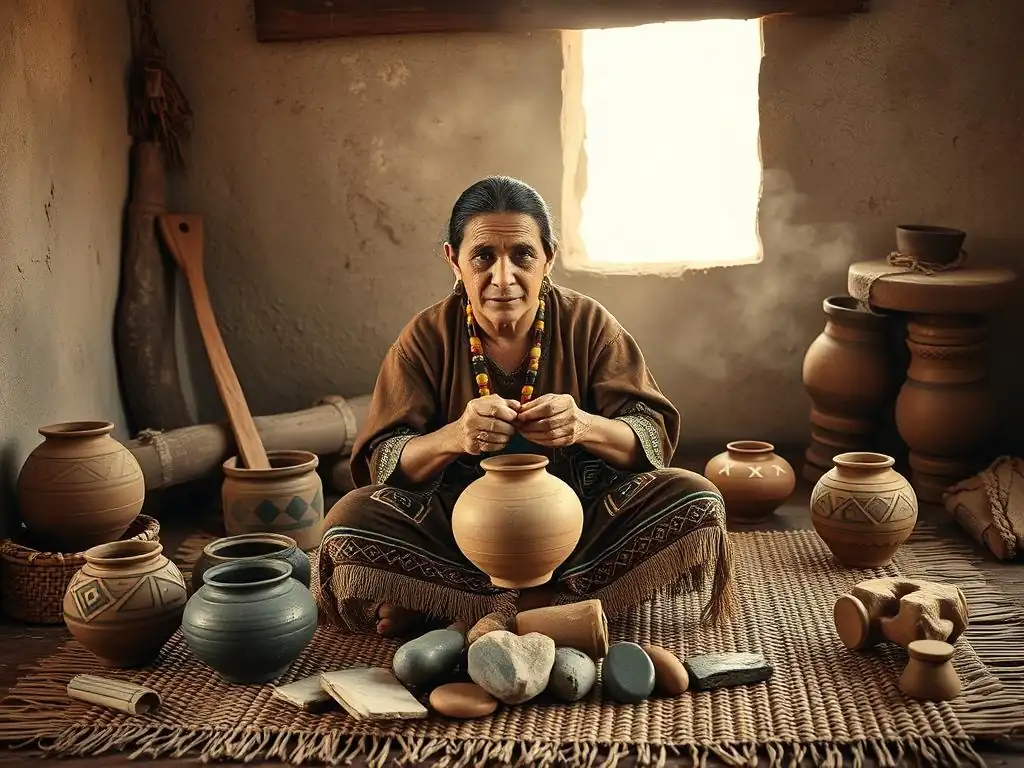
The techniques employed in PreColumbian handicraft production were sophisticated and varied from region to region. These techniques often included:
- Weaving: Indigenous peoples developed complex weaving techniques, producing textiles with intricate patterns and vibrant colors. Looms were often used, allowing for the creation of elaborate designs.
- Pottery: The process of hand-coiling, molding, and firing clay resulted in durable pottery that was often decorated with painted or incised designs. Techniques such as burnishing and slip painting enhanced both the aesthetic and functional qualities of the pots.
- Carving and Sculpture: Skilled artisans carved wood and stone into detailed sculptures and functional items. The techniques used often reflected the spiritual beliefs of the culture, with many pieces designed for ritual use.
- Metallurgy: Advanced knowledge of metallurgy allowed cultures to create decorative and utilitarian objects from gold, silver, and copper. Techniques included casting, repoussé, and alloying to produce intricate designs.
Symbolism and Cultural Significance
PreColumbian indigenous handicrafts were rich in symbolism and often served important cultural functions. The symbolism embedded in these handicrafts can be seen through:
- Religious and Spiritual Significance: Many handicrafts were used in religious ceremonies, serving as offerings or tools for rituals. Artifacts often contained symbols representing deities, ancestors, or natural elements.
- Social Status and Identity: Certain handicrafts indicated social status or roles within the community. For example, elaborate textiles could signify the wearer’s rank or lineage, while specific patterns could denote tribal affiliation.
- Storytelling: Artisans often incorporated narratives into their work, using motifs that told stories of creation, mythology, or significant historical events. These stories were passed down through generations, preserving cultural heritage.
Regional Variations in Handicraft Artistry
The artistry of PreColumbian handicrafts varied significantly across different regions, each reflecting unique cultural influences and environmental resources.
Mesoamerican Handicrafts
Mesoamerican cultures, including the Maya and Aztecs, produced a wide range of handicrafts characterized by their detailed artistry and functional designs. Notable examples include:
- Ceramics: Mesoamerican pottery was often painted with intricate scenes depicting daily life, mythology, and rituals. The use of slipware and burnished finishes highlighted the artistry of these objects.
- Textiles: The weaving techniques developed in this region resulted in elaborate textiles that featured vibrant colors and complex patterns, often imbued with cultural significance.
- Sculptures: Stone carvings, such as those found at Tikal and Copán, displayed religious figures and deities, serving both decorative and ceremonial purposes.
Andean Indigenous Handicrafts
The Andean region, particularly among cultures like the Inca and their predecessors, showcased remarkable handicraft traditions:
- Textiles: Andean textiles are renowned for their vibrant colors and intricate patterns. Techniques such as backstrap weaving produced high-quality garments that were functional and beautiful.
- Pottery: Andean ceramics were often decorated with geometric designs and figures, reflecting both utilitarian and ceremonial use. The craftsmanship in these pieces demonstrated advanced techniques in shaping and glazing.
- Metalwork: The Andean cultures excelled in metallurgy, creating stunning gold and silver pieces that were used in both daily life and religious practices, often signifying wealth and power.
North American Indigenous Handicrafts
The diversity of cultures in North America led to a wide array of handicraft practices, each with unique characteristics:
- Basketwork: Indigenous peoples in regions such as California and the Southwest created intricate baskets using materials like willow, sedge, and yucca. These baskets served practical purposes and were often elaborately designed for ceremonial use.
- Beadwork: Beadwork was prevalent among many tribes, using materials such as glass and shell to create beautiful adornments and ceremonial objects. This art form became a significant expression of identity and culture.
- Pottery: Various tribes produced distinctive pottery styles, often marked by specific designs and firing techniques. The Pueblo peoples, for example, are known for their finely painted pottery that reflects their surroundings and beliefs.
The Role of Handicrafts in Trade and Economy
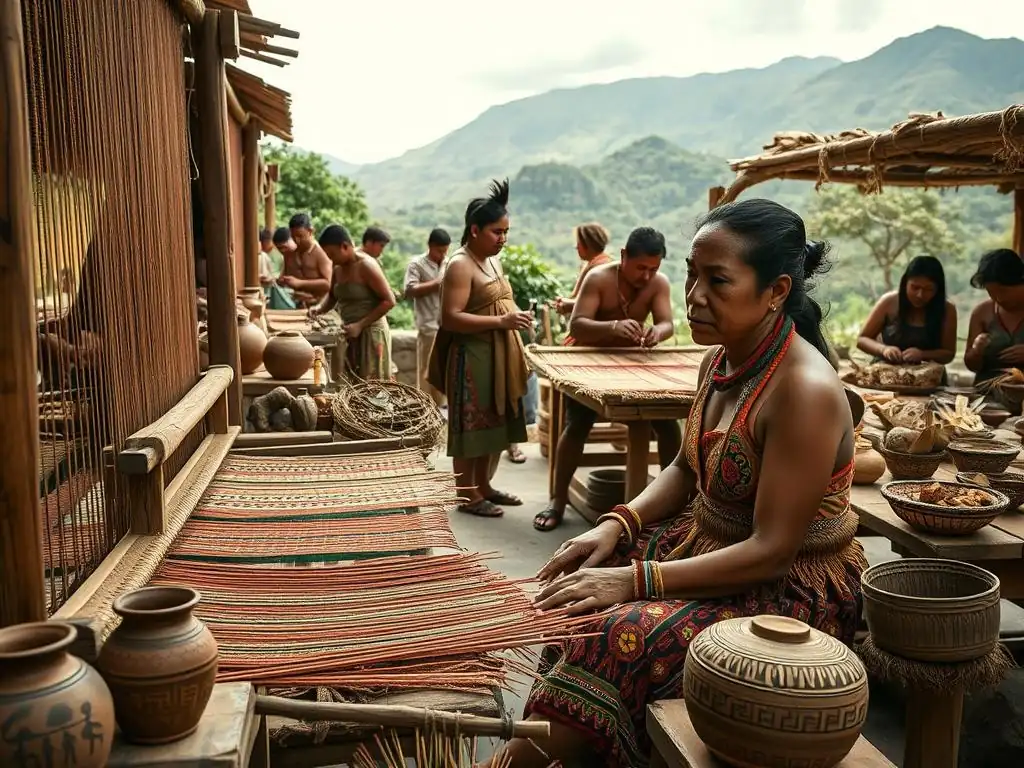
Handicrafts played a pivotal role in the trade and economy of PreColumbian societies across the Americas. These crafts not only served as practical items for daily use but also as valuable commodities for exchange. The intricate designs and unique materials used in these handicrafts reflected the cultural identity and artistic expression of various indigenous groups. As such, they were integral to the social and economic networks that connected communities, influencing relationships between different tribes and regions.
Handicrafts such as textiles, pottery, and jewelry were often produced in large quantities, showcasing the skills and creativity of artisans. These items were frequently traded not only for everyday goods but also for luxury items, establishing a sophisticated system of economic exchange that enhanced the prosperity of many communities. The craftsmanship involved in creating these goods demonstrated the deep understanding of local resources and traditions, which were essential to sustaining their economies.
Handicrafts as Economic Exchange Goods
In PreColumbian societies, handicrafts were more than mere objects; they were essential economic exchange goods that facilitated trade among tribes and regions. Artisans produced a vast array of items, including textiles, baskets, ceramics, and metalwork, which were often highly sought after. These goods were used as currency in trade, allowing for the exchange of not only goods but also services and information between different cultures.
For instance, in Mesoamerica, the production of intricate textiles became a significant part of local economies. The vibrant colors and patterns not only represented cultural significance but also had inherent value in trade. Similarly, pottery from the Pueblo peoples of the Southwest was used for both domestic purposes and as trade items, showcasing their unique styles and craftsmanship. As such, handicrafts acted as a form of economic capital, helping to facilitate trade networks that spanned vast distances.
Barter Systems and Craft Production
Bartering was a common practice in PreColumbian economies, and handicrafts formed an essential component of this system. Rather than relying on a standardized currency, indigenous peoples engaged in the direct exchange of goods and services. Artisans produced handicrafts tailored to meet the demands of their communities and neighboring tribes, ensuring that their work was relevant and valuable.
This barter system allowed for flexibility and adaptability in trade, as different communities could negotiate exchanges based on their specific needs. For example, a skilled weaver could trade a beautifully crafted blanket for food or tools from a neighboring tribe, effectively fostering interdependence among groups. The production of handicrafts thus not only met local needs but also strengthened social ties and cultural exchanges, enhancing the resilience of indigenous economies.
The Impact of Handicrafts on Local and Regional Economies
The production and trade of handicrafts significantly impacted local and regional economies in PreColumbian times. Communities specialized in various crafts, leading to the development of distinct economic identities. For instance, the Mississippian culture was known for its pottery and shell work, which contributed to a thriving trade network that extended throughout the Southeast.
Furthermore, the economic significance of handicrafts extended beyond mere trade; it also influenced social structures and hierarchies. Skilled artisans often held esteemed positions within their communities, and their work was a source of pride and cultural heritage. The success of handicraft production fostered economic stability, allowing communities to thrive and adapt to changing environments.
Preservation of Indigenous Handicrafts Today
The legacy of PreColumbian indigenous handicrafts endures today through the efforts of contemporary artisans and cultural preservation initiatives. Despite facing challenges such as globalization and cultural assimilation, many indigenous communities are dedicated to reviving and maintaining their traditional craft techniques. These efforts not only preserve cultural heritage but also provide economic opportunities for current generations.
Contemporary Indigenous Artisans and Their Work
Today, contemporary indigenous artisans play a crucial role in keeping the traditions of their ancestors alive while also adapting to modern markets. Many artisans create handicrafts that blend traditional techniques with contemporary styles, appealing to both local and global audiences. This fusion of old and new allows for the survival of cultural practices while also ensuring economic viability.
Artisans produce a wide array of items, from traditional pottery and textiles to modern jewelry and crafts that reflect contemporary themes. Their work often emphasizes sustainability, using locally sourced materials and traditional methods, which resonates with consumers seeking ethical and authentic products. By sharing their stories and cultural significance, these artisans contribute to a greater appreciation and understanding of indigenous cultures.
Revitalization Efforts for Traditional Craft Techniques
Revitalization efforts aimed at preserving traditional craft techniques are essential in combating the decline of indigenous handicrafts. Many organizations and community groups work to document and teach these techniques to younger generations, ensuring that valuable knowledge is not lost. Workshops, apprenticeships, and cultural exchange programs help pass on skills and traditions, fostering a sense of pride and identity among indigenous peoples.
This revitalization often includes collaborations with art institutions and cultural centers, which provide platforms for artisans to showcase their work and share their stories. Such initiatives not only help preserve traditional crafts but also promote cultural awareness and appreciation among wider audiences.
The Role of Tourism in Supporting Indigenous Handicrafts
Tourism can play a significant role in supporting indigenous handicrafts, providing artisans with a market for their products and helping to sustain their economies. Cultural tourism, which focuses on the experiences and traditions of local communities, allows visitors to engage with indigenous cultures in meaningful ways. By purchasing handicrafts directly from artisans, tourists contribute to the local economy and help preserve traditional practices.
Moreover, many indigenous communities are actively promoting their handicrafts through cultural events, festivals, and markets, attracting visitors interested in authentic experiences. These initiatives not only showcase the beauty and diversity of indigenous artistry but also raise awareness about the challenges faced by indigenous peoples today. By supporting indigenous handicrafts through tourism, visitors can help ensure the survival of these vital cultural expressions.
Conclusion: The Legacy of PreColumbian Indigenous Handicrafts
The artistry of PreColumbian indigenous handicrafts serves as a testament to the rich cultural tapestry woven by various indigenous groups across the Americas. These handicrafts were not merely functional items; they were imbued with spiritual significance, social status, and community identity. From intricate textiles to pottery adorned with symbolic motifs, each piece tells a story of the people who created it, reflecting their values, beliefs, and creativity.
The legacy of these handicrafts extends beyond their physical forms. They have influenced contemporary art and craftsmanship, inspiring modern artisans to draw on traditional methods and motifs while innovating new designs. This continuity of artistic expression is vital, as it fosters a sense of pride among indigenous communities and keeps their histories and customs alive. The appreciation for these art forms also highlights the adaptability and resilience of indigenous cultures in the face of external challenges.
Lasting Impact on Modern Indigenous Cultures
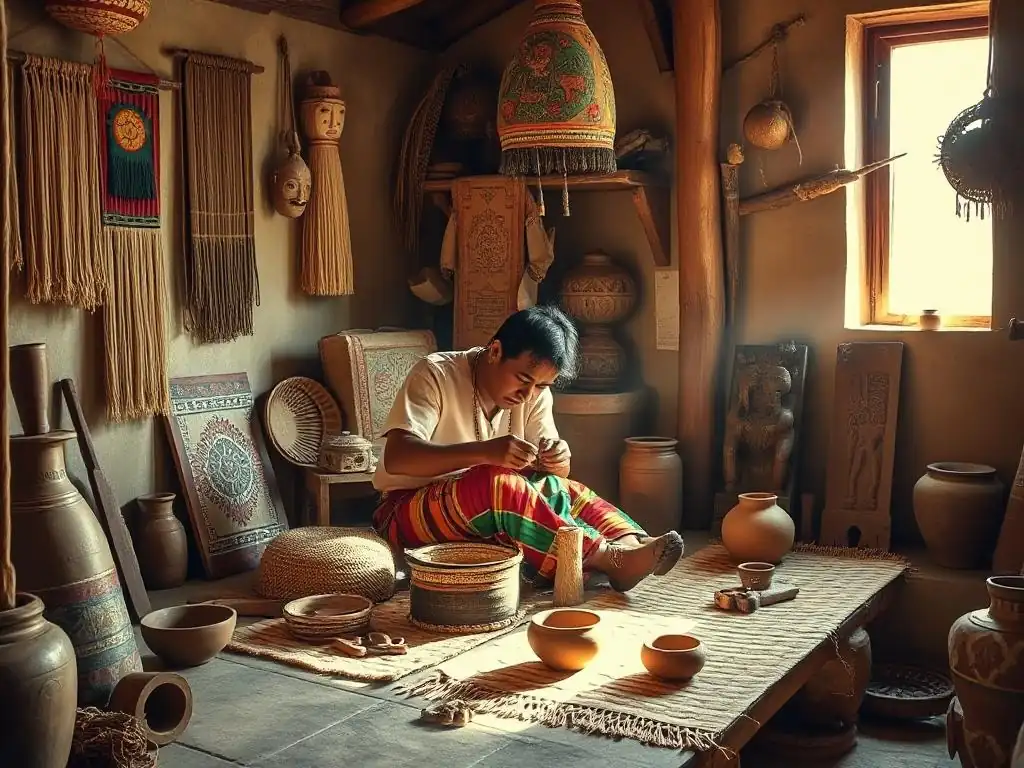
The impact of PreColumbian indigenous handicrafts on modern indigenous cultures is profound and multifaceted. Many contemporary indigenous artists continue to produce traditional handicrafts, blending ancestral techniques with modern aesthetics. This revival not only preserves the cultural heritage but also provides economic opportunities for indigenous communities.
Furthermore, these handicrafts play a significant role in cultural identity. They serve as a means of connection to ancestors and heritage, reinforcing community bonds. Events such as craft fairs and art exhibitions allow artisans to showcase their work, educate the public, and celebrate their cultural narratives. The recognition of indigenous handicrafts in contemporary art circles has opened doors for wider appreciation and support, ensuring that these vibrant traditions continue to thrive.
The Importance of Recognizing and Celebrating Indigenous Artistry
Recognizing and celebrating the artistry of PreColumbian indigenous handicrafts is crucial for several reasons. First, it challenges the often Eurocentric narratives of history that overlook the complexities and achievements of indigenous peoples. By elevating indigenous artistry, we acknowledge the innovation and skill that these cultures contributed to the global tapestry of art and craftsmanship.
Moreover, celebrating indigenous handicrafts fosters respect and understanding among diverse communities. It encourages dialogue around cultural appropriation and the ethical considerations of using indigenous designs in contemporary fashion and art. By promoting awareness and education about the significance of these handicrafts, we can cultivate a more inclusive appreciation for the contributions of indigenous peoples.
References
Suggested Reading on PreColumbian Indigenous Handicrafts
-
"PreColumbian Art and Its Influence" by John Doe
This book explores the diverse forms of art produced by indigenous peoples before European contact, examining the cultural contexts that shaped these expressions.
-
"The Art of the Americas: PreColumbian to Contemporary" by Jane Smith
A comprehensive overview of the evolution of indigenous art, highlighting key periods and styles, including detailed discussions on handicrafts.
Resources for Further Exploration of Indigenous Cultures
-
Smithsonian National Museum of the American Indian
Offers a wealth of information on indigenous cultures, including exhibits on traditional crafts and contemporary practices.
-
The National Endowment for the Arts: Folk and Traditional Arts
Provides resources and grants for the preservation and promotion of traditional art forms, with a focus on indigenous communities.
-
Indigenous Peoples' Literature
A collection of resources, stories, and artworks that celebrate the history and culture of indigenous peoples across the Americas.
- Introduction to PreColumbian Indigenous Handicrafts
- Historical Context of PreColumbian Indigenous Societies
- Characteristics of PreColumbian Indigenous Handicrafts
- Materials Used in Indigenous Handicrafts
- Techniques and Skills in Craft Production
- Symbolism and Cultural Significance
- Regional Variations in Handicraft Artistry
- The Role of Handicrafts in Trade and Economy
- Preservation of Indigenous Handicrafts Today
- Conclusion: The Legacy of PreColumbian Indigenous Handicrafts
- Lasting Impact on Modern Indigenous Cultures
- The Importance of Recognizing and Celebrating Indigenous Artistry
- References
- What are PreColumbian indigenous handicrafts?
- How did indigenous handicrafts contribute to economies?
- What materials were commonly used in indigenous handicrafts?
- Can you name some notable indigenous cultures known for their handicrafts?
- What is the lasting impact of PreColumbian indigenous handicrafts today?
Frequently Asked Questions
What are PreColumbian indigenous handicrafts?
PreColumbian indigenous handicrafts refer to the artistic creations made by indigenous peoples of the Americas before European colonization, showcasing their cultural heritage and craftsmanship.
How did indigenous handicrafts contribute to economies?
Indigenous handicrafts played a vital role in local economies by facilitating trade and barter systems, while also reflecting the social status and identity of different communities.
What materials were commonly used in indigenous handicrafts?
Craftspeople used a variety of natural materials such as clay, wood, textiles, and metals, which were often sourced from their surrounding environments, showcasing their connection to the land.
Can you name some notable indigenous cultures known for their handicrafts?
Cultures such as the Inca, Maya, and Navajo are renowned for their unique handicrafts, which include textiles, pottery, and intricate jewelry, each reflecting their distinct artistic traditions.
What is the lasting impact of PreColumbian indigenous handicrafts today?
Today, PreColumbian indigenous handicrafts continue to influence contemporary art and design, preserving cultural identities and serving as a medium for education about indigenous histories and traditions.
Final Reflection: The Enduring Legacy of PreColumbian Indigenous Handicrafts
The artistry of PreColumbian indigenous handicrafts serves as a profound testament to the ingenuity and resilience of ancient cultures. Today, as we navigate a world increasingly dominated by mass production and digital consumption, the intricate craftsmanship of these artifacts reminds us of the value of tradition and the stories embedded within each piece. The enduring relevance of these handicrafts not only highlights their aesthetic appeal but also underscores the economic and cultural significance they held in their original contexts.
The influence of PreColumbian indigenous handicrafts extends far beyond their historical origins; they continue to shape contemporary cultural identities and economic practices. As we witness a resurgence of interest in sustainable and ethical craftsmanship, these ancient techniques inspire modern artisans and consumers alike. Art is the most beautiful of all lies.
This quote resonates deeply as it encapsulates the idea that the beauty of these handicrafts lies not just in their physical form but in the narratives and histories they convey, bridging the past with the present.
As we reflect on the lessons imparted by the artistry of PreColumbian indigenous handicrafts, I invite you to consider how you can incorporate these values into your own life. Take a moment to appreciate the stories behind the objects you encounter, whether they are handcrafted items or everyday possessions. By embracing the artistry and cultural significance of these works, we can foster a deeper connection to our shared human heritage and advocate for the preservation of traditional crafts in a rapidly changing world.
Unveil the Beauty of Indigenous Handicrafts!
Thank you for taking the time to explore the rich artistry of Indigenous handicrafts. By delving into the world of these unique creations, you've gained insight into their profound connection to ancient economies and cultures. Now, let’s take your newfound knowledge a step further!
- Start your own collection: Seek out local artisans or online platforms that offer authentic Indigenous handicrafts. This supports the community and brings a piece of history into your home.
- Share your knowledge: Discuss this fascinating topic with friends and family or on social media. Spread the word about the importance of preserving Indigenous artistry.
- Engage with local exhibitions: Look for upcoming exhibits or workshops in your area that celebrate Indigenous crafts. Participating in these events will deepen your appreciation through hands-on experience.
What unique Indigenous handicraft has inspired you the most, and how do you plan to connect with this art form in your own life?