
Economic Innovation: How Indigenous Peoples Adapted Craft Techniques for Trade

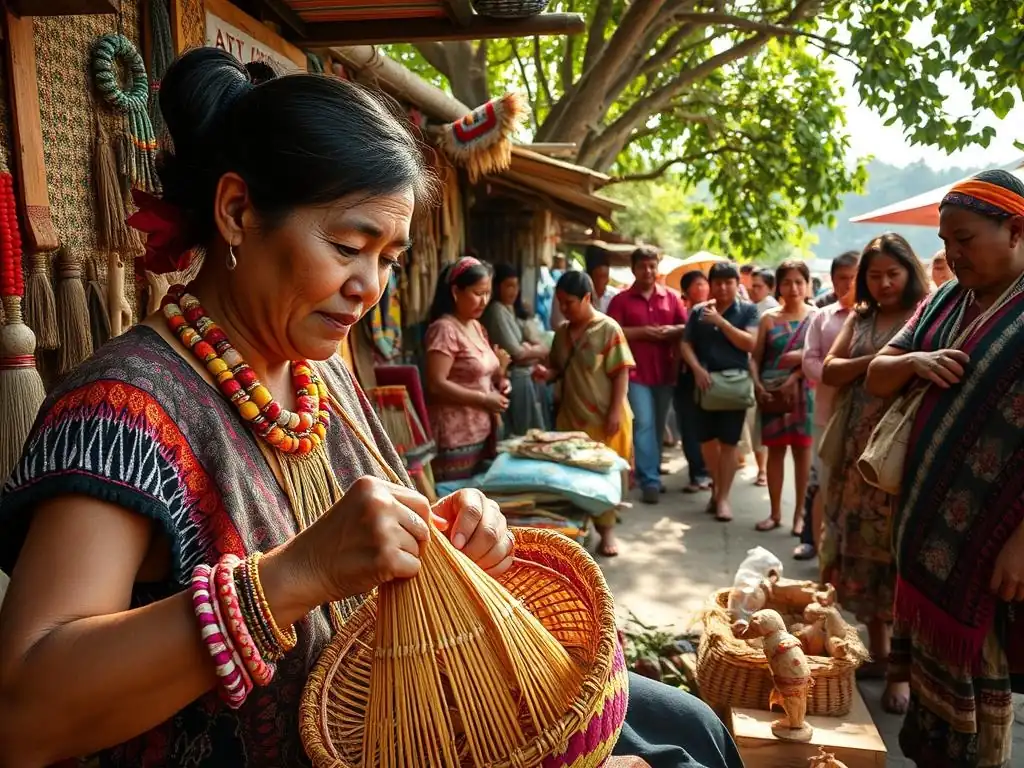
Welcome to Indigenous Civilizations of the Americas, where we invite you to embark on a journey through the rich tapestry of pre-colonial cultures that flourished across this vast land. In our featured article, "Economic Innovation: How Indigenous Peoples Adapted Craft Techniques for Trade," we delve into the fascinating world of indigenous craft techniques trade—a testament to the ingenuity and resilience of these remarkable societies. Discover how their innovative practices not only empowered their communities but also shaped the economic landscapes of their time.
Prepare to be captivated as you explore the profound legacy these civilizations left behind and the enduring influence they continue to have today. Dive deeper with us!
Introduction to Indigenous Craft Techniques
The rich tapestry of indigenous cultures across the Americas is interwoven with remarkable craft techniques that not only showcase artistic expression but also play a crucial role in trade and economic systems. This article delves into the innovative ways indigenous peoples adapted their craft techniques for trade, highlighting the significance of these practices in fostering economic relationships both within their communities and with neighboring cultures. By examining the historical context of these techniques, we can gain a deeper appreciation for their enduring legacy and impact on modern economies.
Overview of Indigenous Craft Techniques and Their Importance
Indigenous craft techniques encompass a wide variety of practices, including weaving, pottery, carving, and metalwork, each uniquely adapted to the local resources and cultural contexts. These techniques were not merely artistic pursuits; they were vital for survival and played a significant role in the socioeconomic structures of indigenous societies. The importance of these crafts can be summarized as follows:
- Cultural Identity: Crafts are often tied to the identity of a community, reflecting its beliefs, traditions, and values.
- Economic Resource: Many indigenous groups utilized their craft skills to create goods for trade, which facilitated the exchange of resources and ideas.
- Sustainability: Traditional techniques often emphasize the use of local materials and sustainable practices, showcasing a deep understanding of the natural environment.
The Role of Trade in Indigenous Economies
Trade was a cornerstone of indigenous economies, facilitating not only the exchange of goods but also cultural interactions between diverse groups. Indigenous peoples engaged in extensive trade networks, which allowed them to acquire resources not readily available in their own regions. Key aspects of trade include:
- Barter Systems: Many indigenous communities operated on barter systems, where goods were exchanged directly without the use of currency.
- Regional Specialization: Certain areas became known for specific crafts, leading to regional specialization that enhanced trade opportunities.
- Cultural Exchange: Trade routes served as channels for cultural exchange, where ideas, traditions, and technologies were shared among different groups.
Historical Context of Indigenous Craft Techniques
Traditional Craft Techniques in Indigenous Cultures
Traditional craft techniques varied widely among indigenous cultures, reflecting the diverse environments in which they evolved. For instance:
- Mesoamerican Cultures: Communities like the Maya were renowned for their intricate pottery and textile weaving, often incorporating symbolic designs that conveyed cultural narratives.
- Northwestern Coast Cultures: Indigenous groups such as the Haida developed exceptional wood carving skills, producing totem poles and canoes that showcased their artistry and connection to the natural world.
- Plains Cultures: The Plains tribes, like the Lakota, utilized animal hides and sinew to create durable clothing and tools, adapting their techniques to their nomadic lifestyles.
Evolution of Craft Techniques Over Time
Over time, indigenous craft techniques evolved in response to various factors, including environmental changes, contact with Europeans, and shifts in trade dynamics. Notable developments include:
- Integration of New Materials: The introduction of metal tools and European textiles influenced traditional crafting methods, allowing for greater efficiency and new design possibilities.
- Adaption to Market Demands: As indigenous peoples engaged more with European traders, they began to adapt their crafts to meet changing market demands, often producing items specifically for trade.
- Revitalization Efforts: In contemporary times, many indigenous communities are revitalizing traditional craft techniques as a means of cultural preservation and economic empowerment, emphasizing the importance of these practices in asserting their identity and heritage.
Through this exploration of indigenous craft techniques and their adaptations for trade, we can better understand the profound economic innovations of indigenous peoples and their lasting impact on the cultural landscape of the Americas.
Economic Innovation in Indigenous Craft Techniques
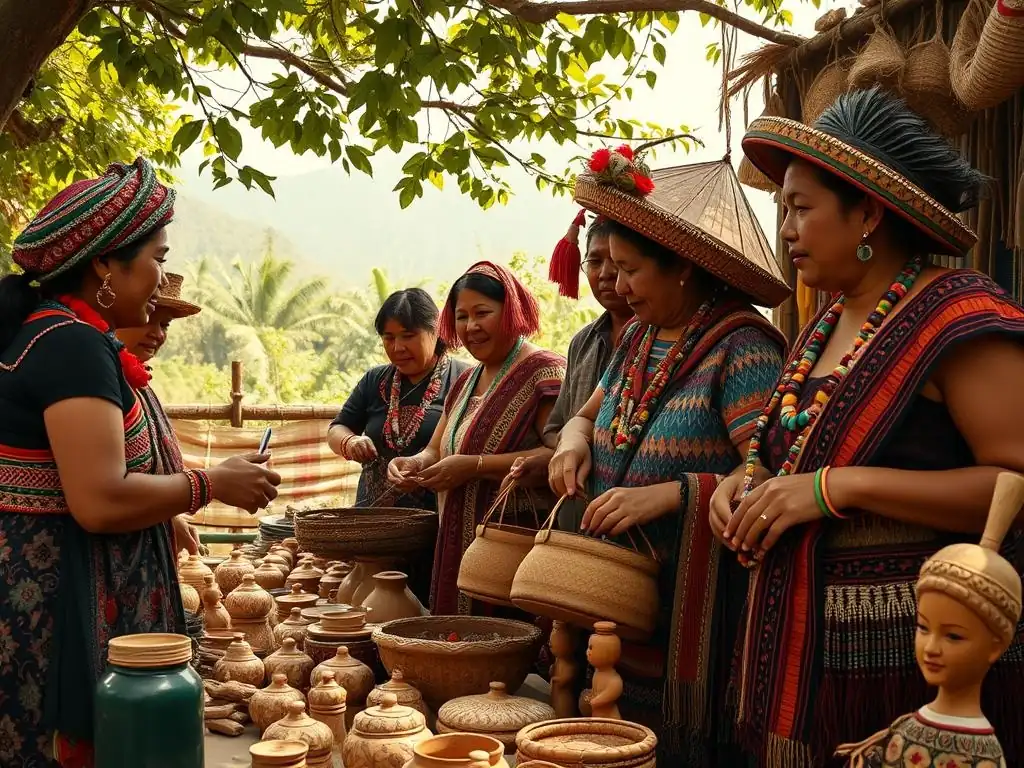
Indigenous peoples across the Americas demonstrated remarkable economic innovation, particularly through the adaptation and refinement of craft techniques for trade. These innovations were not only instrumental in establishing trade networks but also played a crucial role in cultural exchanges among diverse tribes and communities. The ability to create high-quality handicrafts allowed indigenous artisans to participate actively in local and regional economies, facilitating trade with neighboring tribes and, eventually, European settlers.
Craft techniques varied widely among indigenous cultures, influenced by available resources and environmental conditions. For instance, the intricate basket weaving of the Pacific Northwest showcased the use of local materials like cedar bark, while the pottery of the Southwest utilized clay found in the region. These innovations were often a response to both economic needs and cultural expressions, resulting in unique items that were not only functional but also held significant aesthetic and spiritual value.
Furthermore, the economic innovations in craft techniques were often driven by necessity. As indigenous peoples faced changes in their environments or social structures, they adapted their craft production methods to ensure survival and prosperity. This adaptability allowed them to thrive in diverse ecosystems and maintain their cultural identities through their crafts.
Key Innovations in Craft Techniques for Trade
Several key innovations emerged in the craft techniques of indigenous peoples, enhancing their ability to trade effectively.
- Material Utilization: Indigenous artisans developed an acute understanding of local resources. They created items from materials like wood, clay, fibers, and metals, which were often abundant in their regions. For example, the Ancestral Puebloans in the Southwest mastered pottery techniques, producing vessels that were both decorative and practical for trade.
- Design and Functionality: Crafts were designed not only to meet practical needs but also to appeal to trade partners. This led to the creation of distinct designs that reflected cultural stories and symbols. The use of vibrant colors and intricate patterns in textiles, such as those produced by the Navajo and the Huichol, made their crafts highly sought after in trade.
- Standardization and Specialization: Over time, some indigenous groups specialized in specific crafts, leading to a form of standardization that made trading easier. For instance, the Pueblo peoples became renowned for their pottery, leading to a reputation that transcended local markets and drew traders from afar.
- Trade Networks: The establishment of extensive trade networks facilitated the spread of innovations. Indigenous peoples engaged in long-distance trade, exchanging craft goods and ideas along routes that connected different regions. This dynamic exchange not only enhanced the variety of crafts available but also spurred further innovation within craft techniques.
Case Studies of Successful Adaptations in Craft Production
Several case studies illustrate the successful adaptations of indigenous craft production techniques for trade:
- The Pottery of the Pueblo Peoples: The Pueblo peoples of the Southwestern United States are renowned for their pottery, characterized by intricate designs and functional forms. Their adaptation of techniques to create lightweight, durable pottery allowed them to trade effectively with neighboring tribes and later with European settlers. The introduction of new colors and paints from trade led to even more innovative designs.
- Iroquois Wampum Beads: The Iroquois Confederacy utilized wampum beads, crafted from shells, as a form of currency and trade. The production of wampum involved intricate techniques for drilling and polishing shells, allowing for the creation of beautiful, standardized beads that held significant cultural and economic value. This craft not only served as a trade item but also as a means of recording treaties and important events.
- Northwest Coast Artifacts: Indigenous peoples of the Northwest Coast, such as the Haida and Tlingit, developed complex wood carving techniques, producing totem poles and ceremonial masks. These items became highly valued in trade, symbolizing cultural identity and spiritual beliefs. The craftsmanship involved in creating these artifacts not only showcased their artistic skills but also attracted traders from distant regions.
Cultural Influences on Craft Techniques
Cultural beliefs and practices significantly influenced the craft techniques of indigenous peoples, shaping both the process of creation and the final products. Each item crafted held deeper meanings tied to the community's identity, spirituality, and traditions. Rituals and cultural narratives often inspired the designs and methods used, ensuring that each piece was not just a commodity but a representation of the community's values and history.
The Impact of Indigenous Beliefs on Craft Practices
Indigenous beliefs played a pivotal role in shaping craft techniques and practices. Many cultures viewed crafting as a sacred act, deeply intertwined with their spiritual lives. For example:
- Connection to Nature: Many indigenous cultures believed in a deep connection to the earth and its resources. This belief informed their sustainable practices in crafting, where they used materials in a way that honored the environment. The use of natural dyes and locally sourced materials reflected their reverence for nature.
- Symbolism and Stories: Crafts often embodied cultural stories, spiritual symbols, and mythologies. For instance, the intricate beadwork of the Plains tribes often depicted animals, spiritual beings, or historical events, serving as a narrative vehicle that preserved their culture and teachings for future generations.
- Ceremonial Uses: Many crafted items held specific ceremonial significance, such as masks used in dances or pottery employed in rituals. These practices reinforced the cultural importance of crafts, ensuring that artisans maintained traditional methods and passed them down through generations.
Regional Variations in Craft Techniques and Trade
The diversity of indigenous craft techniques across different regions of the Americas reflects the unique environmental, cultural, and economic landscapes in which these communities thrived.
- Northeast Woodlands: In this region, tribes like the Iroquois excelled in making wampum and intricate wooden artifacts, which became essential trade items. Their crafts often reflected their agricultural lifestyles, with designs incorporating elements of nature.
- Southwest: The Pueblo peoples are known for their pottery and textiles, which were not only functional but also artistic expressions. Their innovations in pottery firing techniques allowed for more durable and decorative pieces, which became highly valued in trade networks.
- Pacific Northwest: Here, the indigenous peoples are celebrated for their totem poles and woven items, such as baskets and blankets. The abundance of cedar trees allowed for advanced woodcrafting techniques, leading to complex designs that played key roles in trade.
- Plains: The Plains tribes adapted their crafts for mobile lifestyles, often creating portable items like beaded clothing and tools that facilitated trade with neighboring tribes. The use of buffalo hides and other natural resources exemplified their adaptability and resourcefulness.
Regional variations in craft techniques not only highlight the ingenuity of indigenous artisans but also underscore the importance of trade in fostering cultural exchange and economic innovation across the Americas.
Trade Networks and Indigenous Craft Techniques
Indigenous peoples of the Americas developed intricate trade networks that spanned vast distances, facilitating the exchange of goods, ideas, and cultural practices. These networks were foundational to their economies, allowing the flow of not only material goods but also innovations in craft techniques that adapted to local needs and market demands. The exchange of crafts—ranging from textiles and pottery to jewelry and tools—was essential in establishing economic ties between different tribes and regions, showcasing the resourcefulness and creativity of indigenous artisans.
How Indigenous Peoples Established Trade Networks
The establishment of trade networks by indigenous peoples often began with the identification of valuable resources unique to specific regions. For instance, the Mississippian culture, known for its mound-building, thrived on agriculture and crafted goods which were traded extensively with neighboring tribes. They utilized rivers as transportation routes, enabling them to connect with other cultures, such as the Great Lakes tribes and the Gulf Coast peoples.
Trade fairs and seasonal markets played a crucial role in these networks, where artisans showcased their craft techniques. The Pueblo peoples of the Southwest, for instance, traded pottery and woven goods at these gatherings, which were vital for social and economic interaction. Moreover, oral traditions and shared languages facilitated communication and trust among traders, strengthening their networks.
The Role of Craft Techniques in Economic Exchanges
Craft techniques were not just artistic expressions; they were economic tools that fostered resilience and adaptability. Indigenous artisans adapted their methods to create goods that appealed to various trade partners. For example, the Inuit people crafted intricate carvings from bone and stone, which became valued trade items, showcasing their resourcefulness in utilizing available materials.
Different cultures also recognized the value of specialized crafts. The Navajo weavers became renowned for their textiles, which featured unique patterns and vibrant colors that attracted trade from neighboring tribes and beyond. The ability to innovate and adapt craft techniques in response to market demands directly impacted the economic viability of indigenous societies, allowing them to thrive even in the face of environmental challenges.
Modern Adaptations of Indigenous Craft Techniques
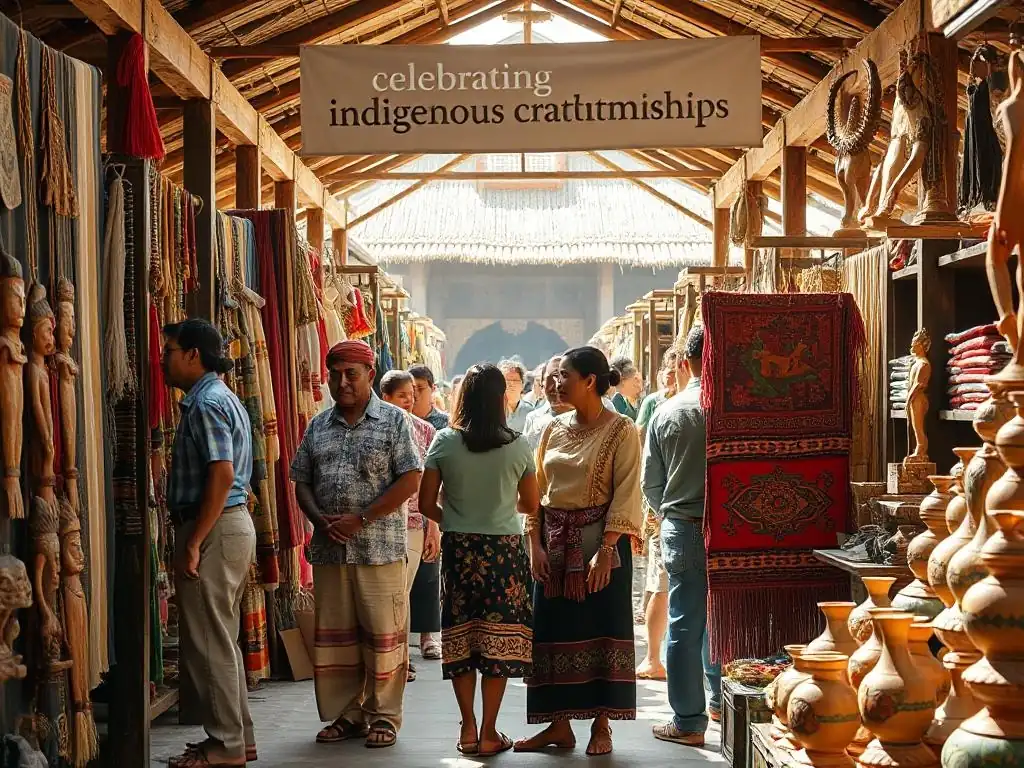
The influence of traditional indigenous craft techniques continues in contemporary society, with artisans finding new ways to blend age-old practices with modern trends. This evolution not only preserves cultural heritage but also opens avenues for economic empowerment in today's markets.
Contemporary Indigenous Artisans and Their Innovations
Modern indigenous artisans are redefining their craft techniques, embracing contemporary materials and technologies while maintaining traditional methods. For instance, many Native American artists have begun incorporating eco-friendly materials and innovative designs into their work, catering to a growing market that values sustainability.
Artisans like Martha Redbone, a contemporary musician and visual artist of Cherokee descent, exemplify this blend of traditional and modern techniques. She utilizes themes from her heritage to create multi-dimensional art that appeals to a diverse audience. This approach not only honors ancestral practices but also enhances the visibility and economic opportunities for indigenous crafts in the global marketplace.
The Influence of Modern Markets on Traditional Craft Techniques
Modern markets have profoundly influenced traditional craft techniques among indigenous peoples. The demand for authenticity and storytelling in crafts has encouraged many artisans to return to their roots, often reviving techniques that may have been on the verge of extinction.
Furthermore, the rise of online platforms has expanded the reach of indigenous artisans, allowing them to connect directly with consumers who appreciate the cultural significance of their work. This shift has led to a resurgence in traditional crafts, as artisans adapt techniques to meet the aesthetic preferences of modern buyers while maintaining the integrity and stories behind their crafts. The challenge remains to balance authenticity with commercial viability, ensuring that the rich heritage of indigenous craft techniques continues to thrive in the face of globalization.
Challenges Faced by Indigenous Crafts in Trade
Indigenous crafts have long been a vital part of the economic and cultural fabric of various communities across the Americas. However, these crafts face numerous challenges in the trade landscape. One of the primary issues is the increasing commercialization and mass production, which often undermines the authenticity and value of traditional crafts. As global markets expand, indigenous artisans find it difficult to compete with cheaper, machine-made alternatives that dominate the marketplace.
Moreover, economic pressures, such as poverty and lack of access to resources, hinder many artisans from producing high-quality crafts that reflect their cultural heritage. The globalization of trade has led to a dilution of traditional techniques, as artisans may feel compelled to adapt their products to cater to mainstream consumer preferences rather than maintaining their cultural integrity.
Additionally, issues of intellectual property rights arise, as many indigenous designs and techniques are appropriated without permission or compensation. This not only affects the economic viability of indigenous crafts but also threatens the cultural identity and heritage associated with these techniques.
Economic Pressures and Cultural Preservation
Economic pressures can create a difficult balancing act for indigenous artisans. As they strive to sustain their livelihoods through craft production, there is a constant fear of losing the cultural narratives embedded in their work. The quest for economic viability often leads to the alteration or simplification of traditional techniques, which can dilute the cultural significance of the crafts.
Furthermore, the influx of foreign goods and crafts can overshadow local products, making it challenging for indigenous artisans to find a market for their culturally significant works. This situation can contribute to a loss of traditional knowledge as younger generations may opt for more economically viable career paths instead of pursuing craft-making, thereby risking the extinction of their cultural practices.
Strategies for Overcoming Challenges in the Craft Trade
To navigate these challenges, indigenous communities have implemented various strategies to enhance their craft trade. One effective approach has been the establishment of cooperatives, which promote collaboration among artisans. These cooperatives often provide access to shared resources, training, and networking opportunities, empowering artisans to improve their production quality and marketing skills.
Additionally, leveraging digital platforms has become increasingly popular. Many indigenous artisans now sell their crafts online, reaching broader audiences and creating new revenue streams. Social media plays a significant role in showcasing their work, telling their stories, and connecting with consumers who value authentic, culturally-rich products.
Educational initiatives are also crucial. Workshops and training programs aimed at preserving traditional techniques while integrating modern business practices can help artisans thrive in the competitive craft market. By fostering a sense of cultural pride and community, these strategies not only support economic growth but also contribute to the preservation of indigenous craft techniques.
Conclusion: The Future of Indigenous Craft Techniques in Trade
The future of indigenous craft techniques in trade hinges on the ability to adapt while preserving cultural integrity. As economic landscapes evolve, indigenous artisans must find innovative ways to sustain their practices without compromising their cultural heritage. The global market offers opportunities, but it also presents challenges that require thoughtful navigation.
The Importance of Sustainability in Indigenous Craft Production
Sustainability plays a pivotal role in ensuring the longevity of indigenous craft production. By utilizing sustainable materials and practices, artisans can create products that not only appeal to environmentally conscious consumers but also respect the natural resources of their communities. Sustainable practices promote the idea of stewardship, allowing artisans to maintain a connection with their environment while producing crafts that are culturally significant.
Furthermore, sustainable production methods often result in higher quality crafts, which can command better prices in the market. This economic advantage incentivizes artisans to prioritize sustainability, ultimately benefiting both their communities and the environment.
Preserving Indigenous Craft Techniques for Future Generations
Preserving indigenous craft techniques for future generations is crucial for maintaining cultural identity and heritage. Educational programs that involve mentorship between experienced artisans and younger community members can facilitate the transmission of knowledge and skills. By fostering a sense of pride in traditional crafts, these initiatives encourage younger generations to engage with their cultural heritage actively.
Moreover, documentation and archiving of traditional techniques are essential. Recording the processes, stories, and cultural significance of various crafts can serve as a valuable resource for future artisans. Collaboration with cultural institutions can enhance these efforts, ensuring that indigenous craft techniques remain vibrant and relevant in the face of modern challenges.
The adaptation of indigenous craft techniques for trade is a complex interplay of economic innovation, cultural preservation, and sustainability. By addressing the challenges faced and implementing effective strategies, indigenous communities can continue to thrive in the craft trade while honoring their rich cultural legacies.
- Introduction to Indigenous Craft Techniques
- Overview of Indigenous Craft Techniques and Their Importance
- The Role of Trade in Indigenous Economies
- Historical Context of Indigenous Craft Techniques
- Economic Innovation in Indigenous Craft Techniques
- Cultural Influences on Craft Techniques
- Trade Networks and Indigenous Craft Techniques
- Modern Adaptations of Indigenous Craft Techniques
- Challenges Faced by Indigenous Crafts in Trade
- Conclusion: The Future of Indigenous Craft Techniques in Trade
Frequently Asked Questions
What are indigenous craft techniques?
Indigenous craft techniques refer to the traditional skills and methods used by native cultures in the Americas to create functional and artistic items, such as textiles, pottery, and tools.
How did indigenous peoples adapt their craft techniques for trade?
Indigenous peoples modified their craft techniques to meet market demands, enhance aesthetic appeal, and incorporate new materials, which allowed them to effectively engage in trade with other tribes and later European settlers.
What role did trade play in indigenous societies?
Trade was crucial for indigenous societies as it facilitated the exchange of goods, ideas, and culture, strengthening social ties and contributing to their economic sustainability.
What types of items were commonly traded among indigenous peoples?
Commonly traded items included textiles, pottery, jewelry, and tools, each reflecting the unique craft techniques of different cultures and serving both practical and ceremonial purposes.
How have indigenous craft techniques influenced modern art and culture?
Many modern artists draw inspiration from indigenous craft techniques, integrating traditional aesthetics and methods into contemporary works, which helps to preserve and promote the significance of these cultural practices.
Final Reflection: Embracing Indigenous Craft Techniques in Trade
The resilience and ingenuity of Indigenous peoples in adapting their craft techniques for trade is more relevant today than ever. In a world increasingly driven by mass production and globalization, these traditional practices not only preserve cultural heritage but also offer sustainable alternatives to contemporary economic models. The significance of Indigenous craft techniques in trade serves as a powerful reminder of the value of authenticity and creativity in an ever-evolving marketplace.
The ongoing influence of Indigenous craft techniques in trade highlights a profound connection between culture and commerce. As we witness a growing appreciation for handmade and ethically sourced products, it becomes clear that these crafts are not merely commodities; they are expressions of identity and community. Craft is a way of knowing, a way of being, and a way of connecting with the world.
This quote encapsulates the essence of how these techniques foster relationships and understanding, bridging gaps between cultures and promoting a more inclusive economy.
As we reflect on the lessons learned from Indigenous craft techniques, I invite you to consider how you can incorporate these values into your own life. Think about the stories behind the products you choose to support and the artisans who create them. By prioritizing authenticity, sustainability, and cultural appreciation in your purchasing decisions, you can contribute to a more equitable and respectful trade landscape. Let us honor the wisdom of Indigenous peoples and their craft techniques, ensuring that their legacies continue to thrive in the future.
Unveil the Richness of Indigenous Craft Today!
Thank you for diving into the fascinating world of Indigenous innovation and craftsmanship! You’ve discovered how traditional techniques have evolved not just for survival but for thriving trade. Now, it’s time to take that inspiration and make a difference.
Here’s how you can engage with and celebrate this incredible heritage:
- Visit local artisans who specialize in Indigenous crafts to learn about their techniques firsthand.
- Share your newfound knowledge by discussing this article with friends or on social media to amplify the stories and skills of Indigenous peoples.
- Explore workshops or online classes that teach traditional crafting methods, allowing you to embrace the artistry while supporting contemporary Indigenous creators.
What unique aspect of Indigenous craftsmanship has inspired you the most, and how will you incorporate it into your own life?