
The Global Influence of Indigenous Handicrafts: A Historical Perspective

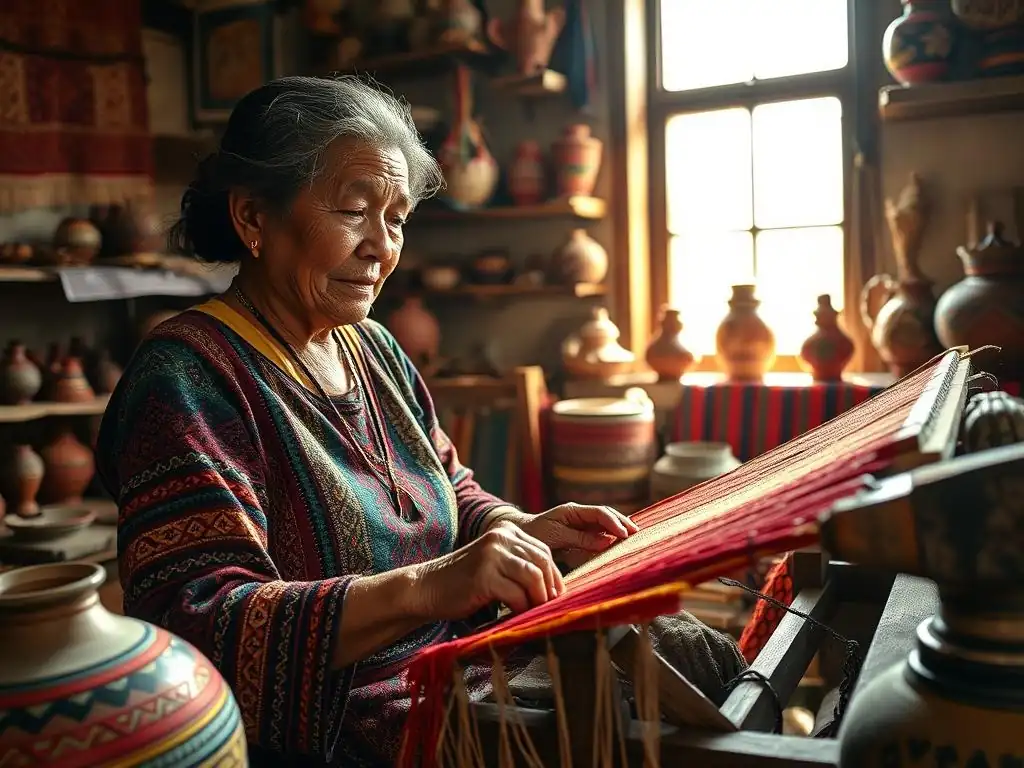
Welcome to Indigenous Civilizations of the Americas, where we invite you to embark on a fascinating journey through the rich tapestry of indigenous cultures that once flourished across the continent. Our featured article, “The Global Influence of Indigenous Handicrafts: A Historical Perspective,” delves into the historical significance of these remarkable creations, revealing how they shaped trade and economy long before European contact.
As you explore the intricate details of these handicrafts, you'll uncover the profound impact they had on societies both past and present. Prepare to be captivated by the stories behind these artifacts and their enduring legacy, as we invite you to deepen your understanding of the intricate world of indigenous craftsmanship.
Introduction to Indigenous Handicrafts
Indigenous handicrafts represent a vibrant tapestry of cultural expression and craftsmanship that has thrived across the Americas for centuries. These art forms are not merely aesthetic objects; they embody the rich histories, traditions, and identities of indigenous peoples. Through intricate designs and skilled techniques, indigenous handicrafts encapsulate stories of resilience, adaptation, and innovation. As we delve into the historical significance of indigenous handicrafts, we uncover their profound impact on both local communities and the global market, highlighting their role in preserving cultural heritage while contributing to economic sustainability.
Definition and Importance of Indigenous Handicrafts
Indigenous handicrafts can be defined as handmade objects created by indigenous artisans, reflecting their unique cultural narratives and environmental contexts. These crafts encompass a wide array of items, including textiles, pottery, jewelry, and carvings. The importance of indigenous handicrafts lies in their ability to:
- Preserve Cultural Heritage: Each piece tells a story, passing down traditions and knowledge through generations.
- Support Economic Development: Artisans often rely on their crafts as a source of income, promoting sustainable livelihoods.
- Foster Community Identity: Handicrafts strengthen community ties and promote pride in cultural identity.
Overview of Historical Significance in Global Context
The historical significance of indigenous handicrafts extends beyond regional boundaries, influencing global art and trade. These crafts have historically been exchanged in local and international markets, facilitating cross-cultural interactions. For instance, indigenous textiles and pottery have found their way into prominent art collections worldwide, showcasing the skills and creativity of indigenous artisans. This exchange not only highlights the craftsmanship but also raises awareness of the cultural narratives behind each piece, fostering appreciation and respect for indigenous cultures.
Historical Development of Indigenous Handicrafts
Early Origins of Indigenous Handicrafts
The origins of indigenous handicrafts can be traced back to the earliest civilizations in the Americas. These communities utilized available natural resources, such as clay, fibers, and wood, to create functional and ceremonial objects. Archaeological evidence suggests that techniques like weaving and pottery-making were practiced thousands of years ago, laying the foundation for what would become a rich tradition of craftsmanship.
Evolution Through Different Eras
As societies evolved, so too did their handicrafts. The arrival of different cultures and trade routes introduced new materials and techniques, prompting innovation. For example, the introduction of metalworking by European settlers in the 16th century significantly impacted indigenous craftsmanship, leading to the incorporation of metals into traditional designs. Despite external influences, many indigenous artisans have maintained their unique styles and techniques, ensuring the survival of their cultural identity amidst change.
Key Materials and Techniques Used
The materials and techniques employed in indigenous handicrafts vary widely, reflecting the diverse environments and cultures across the Americas. Some key materials include:
- Natural Fibers: Such as cotton, wool, and plant fibers used in textiles and baskets.
- Clay and Stone: Utilized for pottery, sculptures, and tools.
- Wood and Bone: Commonly crafted into utensils, carvings, and ceremonial items.
Techniques like weaving, pottery-making, and carving have been passed down through generations, often featuring intricate designs that hold cultural significance. The combination of materials and techniques not only showcases the artisans' skills but also embodies the stories and traditions of their communities.
In exploring the historical significance of indigenous handicrafts, we gain insight into the enduring legacy of these art forms, revealing their role as vital cultural expressions that continue to resonate in today's global context.
Cultural Significance of Indigenous Handicrafts
Indigenous handicrafts carry profound cultural significance, reflecting the unique identities, traditions, and histories of various indigenous communities across the Americas. These crafts are not merely artistic expressions but are deeply embedded in the social fabric of indigenous societies. They serve as mediums for storytelling, preservation of language, and the transmission of cultural values from one generation to the next.
Role in Indigenous Societies and Identity
Handicrafts play a pivotal role in shaping the identity of indigenous groups. They often signify communal ties and individual roles within the community. For instance, women in many tribes are traditionally responsible for weaving textiles, which not only serve practical purposes but also represent the intricacies of their culture and personal histories. As a result, the skills and techniques associated with these handicrafts are passed down through generations, fostering a sense of belonging and continuity among indigenous peoples.
Symbolism and Meaning Behind Handicrafts
Many indigenous handicrafts are imbued with symbolic meanings, often representing elements of nature, spirituality, and cultural narratives. For example, pottery from the Pueblo peoples of the Southwest often features designs inspired by the natural world, reflecting their connection to the land and its resources. Similarly, the intricate beadwork of the Lakota people often tells stories of their ancestors and spiritual beliefs, making every piece a representation of their heritage and worldview.
Handicrafts as a Reflection of Cultural Traditions
Handicrafts serve as a living archive of cultural traditions and practices. Techniques and materials used in creating these items are often derived from the environment and the historical context of the community. For instance, the use of natural dyes in textiles or the carving of totems from local woods illustrates the relationship between indigenous peoples and their surroundings. These crafts not only showcase artistic talent but also highlight sustainable practices and a profound respect for nature, which have been integral to indigenous lifestyles for centuries.
Economic Impact of Indigenous Handicrafts
The economic impact of indigenous handicrafts extends beyond their cultural value; they also play a crucial role in the local and global economy. These crafts contribute to the livelihoods of many indigenous artisans and communities, providing income and opportunities for economic development. As interest in authentic and sustainable products grows, indigenous handicrafts have gained recognition in both local markets and international trade.
Trade Practices in Historical Context
Historically, indigenous peoples engaged in extensive trade networks, exchanging handicrafts for goods and resources with neighboring tribes and beyond. This practice not only facilitated economic exchanges but also fostered cultural interactions and the sharing of ideas. Items such as woven baskets, pottery, and jewelry were often traded, becoming valuable commodities that connected diverse communities. The trade routes established by indigenous peoples laid the groundwork for complex economic systems long before European contact.
Influence on Local and Global Economies
Today, indigenous handicrafts significantly influence local economies by providing employment opportunities and promoting tourism. Craft fairs and cultural festivals often highlight these artisans, attracting visitors and generating revenue for communities. Globally, the demand for ethically sourced and culturally authentic products has led to a resurgence in the popularity of indigenous handicrafts, allowing artisans to enter new markets and gain recognition for their work. This not only supports economic sustainability but also empowers indigenous communities to maintain their cultural practices while adapting to modern market demands.
Case Studies of Successful Indigenous Handicraft Markets
Several indigenous communities have successfully developed their handicraft markets, showcasing the potential of these crafts in the global economy. For example, the Otavalo market in Ecuador is renowned for its vibrant textiles and handicrafts, drawing tourists and buyers from around the world. Similarly, the Navajo Nation in the United States has gained recognition for its exquisite rugs and jewelry, which not only provide income for artisans but also help in preserving traditional techniques.
These case studies illustrate that indigenous handicrafts are not only a means of cultural expression but also a viable economic strategy that fosters community resilience and sustainability. By embracing their cultural heritage and engaging with global markets, indigenous artisans continue to thrive and contribute to their communities' economic well-being.
Indigenous Handicrafts and Global Exchange
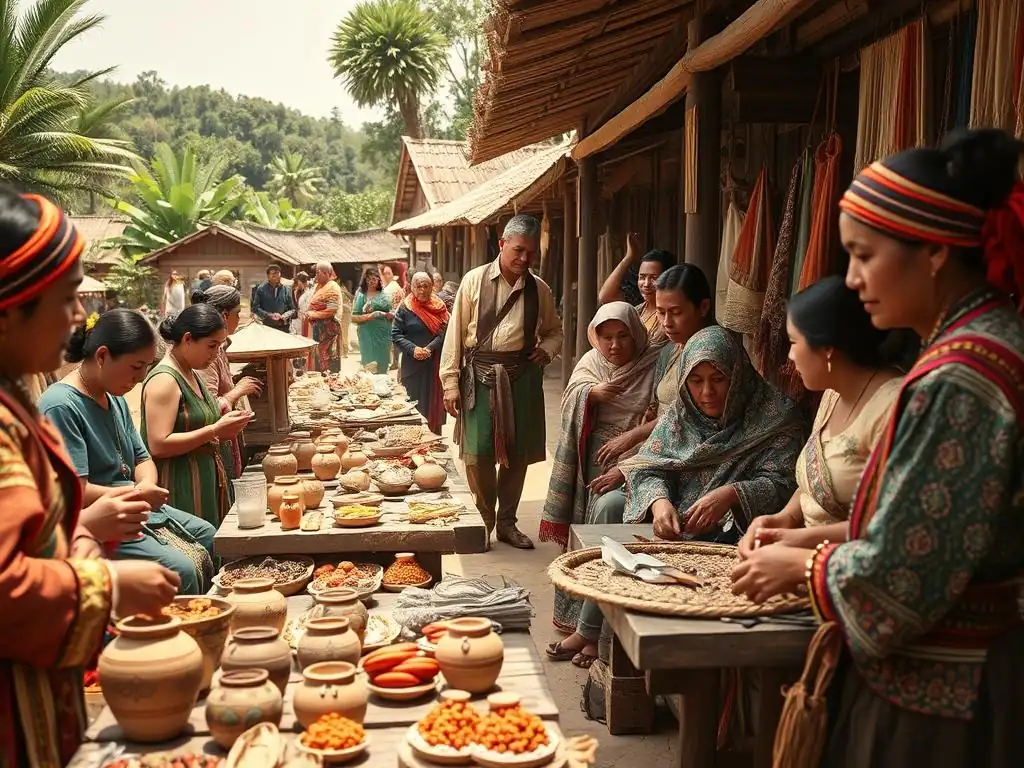
Indigenous handicrafts have played a significant role in the global exchange of cultural practices and artistic expressions. Historically, these crafts were not merely functional but also served as symbols of identity, spirituality, and community cohesion. The intricate designs and techniques used by Indigenous artisans often tell stories of their ancestors, their relationship with nature, and their social structures. As Indigenous peoples engaged in trade—both within their own communities and with neighboring societies—these handicrafts became vehicles for cultural exchange, introducing diverse artistic styles and methods across regions.
The trade routes established before European contact allowed for the flow of materials, ideas, and techniques. For example, the trade of textiles from the Andean cultures introduced unique weaving methods and dyeing processes that influenced neighboring areas. Similarly, the exchange of pottery styles among Indigenous groups in North America showcased a variety of functional and decorative approaches that enriched the artistic landscape. Through these interactions, Indigenous handicrafts not only reflected local traditions but also contributed to a broader narrative of cultural interconnectedness.
Cross-Cultural Interactions and Their Effects
Cross-cultural interactions have significantly shaped the evolution of Indigenous handicrafts. The movement of people, goods, and ideas across regions led to the blending of styles and techniques, creating hybrid forms of art that reflect a shared history. For instance, the introduction of European materials such as glass beads and metal tools had profound effects on traditional crafting methods, leading to innovations in beadwork, jewelry, and pottery.
As Indigenous artisans adapted to these new materials, they maintained their cultural identity while also embracing elements from outside cultures. This adaptability is evident in the fusion of traditional motifs with contemporary designs, allowing for the survival and evolution of handicraft traditions. Such interactions highlight the resilience of Indigenous cultures and their ability to navigate changing circumstances while preserving their unique artistic expressions.
The Role of Colonization in Shaping Handicraft Traditions
Colonization had a transformative effect on Indigenous handicrafts, often leading to both disruption and adaptation. As European powers expanded their territories, Indigenous communities were subjected to new economic systems, land dispossession, and cultural assimilation. This upheaval forced many artisans to alter their traditional practices to meet the demands of a colonized economy.
For example, the introduction of European markets led to a shift in the production of handicrafts, as artisans began to create items specifically for trade rather than for personal or communal use. While this change provided new economic opportunities, it also risked diluting traditional knowledge and practices. However, some Indigenous groups strategically embraced these changes, using them as a means to sustain their cultural heritage amidst colonial pressures.
Contemporary Globalization and Indigenous Handicrafts
In today's globalized world, Indigenous handicrafts continue to face both challenges and opportunities. The rise of e-commerce and social media platforms has enabled artisans to reach a wider audience, allowing for the global dissemination of their crafts. This exposure can lead to increased appreciation for Indigenous artistry and greater economic benefits for artisans.
However, globalization also poses risks, such as the commodification of Indigenous cultures and the potential loss of authenticity in handicraft production. As demand for these crafts grows, there is a danger that traditional methods may be overlooked in favor of mass-produced items that cater to consumer trends. It is crucial for Indigenous communities to navigate this landscape carefully, ensuring that their handicrafts remain true to their cultural significance while also adapting to contemporary market needs.
Preservation of Indigenous Handicrafts
The preservation of Indigenous handicrafts is essential for maintaining cultural identity and heritage. These crafts embody the histories, values, and traditions of Indigenous peoples, serving as a connection to their ancestors and a means of storytelling. Efforts to preserve these handicrafts are vital for ensuring that future generations inherit this rich cultural legacy.
Programs aimed at documenting traditional crafting techniques and promoting intergenerational knowledge transfer have emerged as key strategies for preservation. Workshops, cultural festivals, and educational initiatives play a crucial role in fostering appreciation for Indigenous handicrafts and encouraging participation among younger generations.
Challenges Faced by Indigenous Artisans Today
Indigenous artisans today encounter a myriad of challenges that threaten the sustainability of their crafts. Economic factors, such as limited access to markets, fluctuating demand, and competition with mass-produced items, hinder the viability of traditional craftsmanship. Additionally, many artisans struggle with the loss of traditional knowledge as older generations pass away without adequately teaching their skills to younger members of the community.
Cultural appropriation is another pressing issue, where non-Indigenous individuals or companies exploit Indigenous designs and techniques without permission or compensation. This not only undermines the integrity of Indigenous crafts but also erodes the economic foundation of artisanal communities, as their work is diluted by unauthorized reproductions.
Efforts for Revitalization and Sustainability
In response to these challenges, various initiatives aimed at revitalizing and sustaining Indigenous handicrafts have emerged. Organizations focused on heritage preservation work closely with Indigenous communities to support artisans through training programs, grants, and access to markets. These efforts emphasize the importance of culturally informed practices that respect traditional methods while providing economic opportunities.
Collaborative projects between Indigenous artisans and non-Indigenous designers have also gained traction, fostering a mutual appreciation for craftsmanship while ensuring that ethical practices are upheld. By engaging in fair trade practices and promoting transparency, these partnerships can help bolster the sustainability of Indigenous handicrafts.
Importance of Supporting Indigenous Handicraft Communities
Supporting Indigenous handicraft communities is vital for the preservation of their cultural heritage and economic empowerment. By purchasing authentic handicrafts directly from artisans, consumers can contribute to the well-being of these communities and help sustain their traditional practices. Additionally, raising awareness about the significance of Indigenous handicrafts fosters respect for their cultural narratives and artistic expressions.
Public and private sectors can play a crucial role in this support by investing in initiatives that promote Indigenous arts and crafts, ensuring that artisans receive fair compensation for their work. By prioritizing ethical consumption and recognizing the historical significance of Indigenous handicrafts, we can collectively contribute to the revitalization and longevity of these invaluable cultural expressions.
Conclusion: The Lasting Legacy of Indigenous Handicrafts
Indigenous handicrafts represent more than mere objects; they embody the rich cultural heritage, traditions, and narratives of the communities that create them. These crafts have played a pivotal role in the historical and economic contexts of various indigenous peoples across the Americas. By emphasizing sustainable practices and the use of local materials, indigenous artisans have not only preserved their cultural identities but also contributed significantly to their local economies and ecological stewardship.
The resilience of indigenous handicrafts has allowed these communities to adapt and thrive despite historical adversities, including colonization and globalization. Today, we see a renewed interest in these crafts, both as avenues for cultural expression and as legitimate economic ventures. The historical significance of indigenous handicrafts lies in their ability to connect past and present, serving as a living testament to the skills, stories, and values of indigenous cultures.
Summation of Historical Significance
Throughout history, indigenous handicrafts have been essential to the social fabric of various communities. They have served practical purposes—ranging from tools and clothing to ceremonial items—while also acting as expressions of identity and artistry. The techniques and styles passed down through generations reflect the ecological knowledge and spiritual beliefs of these cultures.
Moreover, the trade of indigenous handicrafts has facilitated cultural exchanges, allowing for the sharing of ideas and practices among different communities and even with non-indigenous societies. This exchange has contributed to the rich tapestry of global culture, demonstrating the universal appreciation for handcrafted artistry. The historical significance of these handicrafts extends beyond their aesthetic value; they are vital to understanding the resilience and ingenuity of indigenous peoples in the face of changing circumstances.
Call to Action: Supporting Indigenous Handicraft Preservation and Appreciation
To ensure the continued vitality of indigenous handicrafts, it is essential for individuals and communities to actively support these artisans and their work. Here are several actionable steps you can take:
- Purchase Authentic Handicrafts: Seek out and buy directly from indigenous artisans or cooperatives. This not only supports their livelihoods but also ensures that the profits go back into the communities.
- Advocate for Ethical Practices: Encourage the use of sustainable materials and ethical practices in the production of handicrafts. This promotes environmental stewardship and respects indigenous knowledge systems.
- Educate Yourself and Others: Learn about the diverse indigenous cultures and their handicrafts. Sharing this knowledge fosters appreciation and respect for their significance and helps combat stereotypes.
- Support Preservation Initiatives: Contribute to organizations and initiatives focused on preserving indigenous arts and crafts. Donations or volunteer work can make a significant impact in sustaining these traditions.
By taking these steps, you can play a vital role in the preservation and appreciation of indigenous handicrafts, ensuring that their historical significance endures for future generations.
- Introduction to Indigenous Handicrafts
- Historical Development of Indigenous Handicrafts
- Cultural Significance of Indigenous Handicrafts
- Economic Impact of Indigenous Handicrafts
- Indigenous Handicrafts and Global Exchange
- Preservation of Indigenous Handicrafts
- Conclusion: The Lasting Legacy of Indigenous Handicrafts
Frequently Asked Questions
What are indigenous handicrafts?
Indigenous handicrafts refer to traditional artisanal products created by indigenous peoples, often using local materials and techniques that reflect their cultural heritage.
Why are indigenous handicrafts historically significant?
Indigenous handicrafts carry historical significance as they embody the cultural identity, traditions, and values of indigenous communities, serving as a link to their past and a means of cultural preservation.
How did European colonization affect indigenous handicrafts?
European colonization led to significant changes in indigenous handicrafts, often resulting in disruption of traditional practices and the introduction of new materials and techniques, which influenced their evolution.
What role do indigenous handicrafts play in modern society?
In modern society, indigenous handicrafts serve as a source of economic empowerment for communities and promote cultural awareness, allowing people to appreciate the diversity and richness of indigenous cultures.
How can one support indigenous handicrafts today?
Supporting indigenous handicrafts can be achieved by purchasing products directly from indigenous artisans, participating in cultural events, or advocating for policies that promote sustainable practices and fair trade.
Final Reflection: The Enduring Legacy of Indigenous Handicrafts
The exploration of indigenous handicrafts reveals their profound historical significance and contemporary relevance. Today, as we navigate a world increasingly driven by mass production and globalization, the artistry and cultural narratives embedded in indigenous handicrafts serve as a vital reminder of our shared humanity and the diverse tapestries of culture that enrich our lives. The craftsmanship of these artisans is not merely a relic of the past; it is a living testament to resilience, identity, and the ongoing dialogue between tradition and modernity.
The influence of indigenous handicrafts extends far beyond their aesthetic appeal; they are powerful symbols of cultural heritage and social justice. As we witness a resurgence of interest in sustainable practices and ethical consumption, these handicrafts stand at the intersection of art and activism, advocating for the rights and recognition of indigenous communities. Art is not a thing; it is a way.
– Elbert Hubbard. This quote encapsulates the essence of indigenous handicrafts, reminding us that they are not just products but pathways to understanding and appreciating the rich histories and struggles of the artisans behind them.
As we reflect on the lessons from the historical significance of indigenous handicrafts, let us embrace the opportunity to support and uplift these communities. Consider how you can incorporate indigenous art into your life, whether through purchasing handmade items, sharing their stories, or advocating for their rights. By doing so, we honor the past while fostering a future where diverse cultures thrive and are celebrated. Take a moment to reflect on the power of your choices and the impact they can have on preserving these invaluable traditions for generations to come.
Thank you for taking the time to explore the rich history of indigenous handicrafts and their global influence. You’ve just uncovered the beauty and significance behind these masterpieces, and now it’s time to take action!
Here are a few ways you can deepen your appreciation and support indigenous artisans:
- Dive Deeper: Visit local galleries or online marketplaces that showcase indigenous handicrafts. Your purchase can make a difference!
- Share the Knowledge: Spread the word on social media about the stories and significance of these crafts. Use relevant hashtags to connect with a larger community!
- Get Creative: Participate in a crafting workshop or a virtual class that focuses on indigenous techniques. Not only will you learn, but you’ll also help keep these traditions alive!
Which indigenous craft are you most excited to learn more about or share with others? Let us know in the comments!