
Reviving Tradition: Contemporary Indigenous Handicrafts and Their Economic Relevance

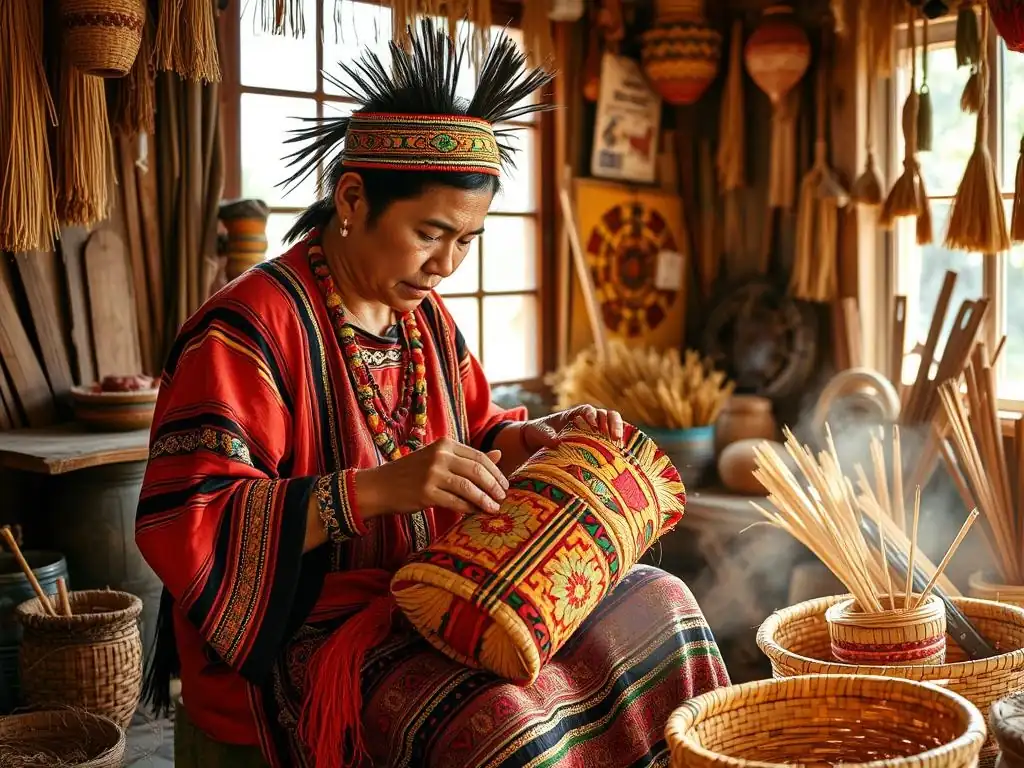
Welcome to Indigenous Civilizations of the Americas, where we invite you to embark on a journey through the rich tapestry of indigenous cultures that flourished long before European contact. In our featured article, "Reviving Tradition: Contemporary Indigenous Handicrafts and Their Economic Relevance," we delve into the profound impact that these vibrant crafts have on modern economies and cultural identity. Discover how these traditional practices not only preserve history but also empower communities today. Join us as we explore the intricate connections between past and present, and unveil the stories that continue to shape the landscape of indigenous artistry.
- Introduction to Contemporary Indigenous Handicrafts
- Historical Context of Indigenous Handicrafts
- Contemporary Indigenous Handicrafts: A Fusion of Tradition and Modernity
- Economic Relevance of Contemporary Indigenous Handicrafts
- The Role of Tourism in Supporting Indigenous Handicrafts
- Challenges Facing Contemporary Indigenous Handicrafts
- Strategies for Supporting Contemporary Indigenous Handicrafts
- Conclusion: The Future of Contemporary Indigenous Handicrafts
-
Frequently Asked Questions
- What is the significance of contemporary indigenous handicrafts?
- How do contemporary indigenous handicrafts impact the economy?
- In what ways do handicrafts reflect indigenous identities?
- What are some examples of contemporary indigenous handicrafts?
- How can one support the revival of indigenous handicrafts?
- Final Reflection: The Enduring Impact of Contemporary Indigenous Handicrafts
- Unveil the Beauty of Indigenous Handicrafts Today!
Introduction to Contemporary Indigenous Handicrafts
The rich tapestry of indigenous cultures across the Americas is woven with countless stories of resilience, creativity, and profound connection to the land. Among the most vital expressions of these cultures are their handicrafts, which not only showcase artistic skill but also embody the history and beliefs of indigenous peoples. Today, contemporary indigenous handicrafts are experiencing a resurgence, melding traditional techniques with modern influences while retaining their cultural significance. This article delves into the impact of contemporary indigenous handicrafts on both cultural preservation and economic development, highlighting the importance of reviving these time-honored traditions in a rapidly changing world.
Overview of Indigenous Handicrafts in the Americas
Indigenous handicrafts in the Americas encompass a wide variety of artistic expressions, including:
- Textiles: Weaving techniques produce vibrant fabrics, such as those from the Navajo and Guatemalan cultures.
- Pottery: Artistic pottery from cultures like the Pueblo peoples showcases unique styles and functions.
- Woodwork: Carvings and furniture reflect the natural resources and cultural symbols of various tribes.
- Beadwork: Intricate designs tell stories and convey meanings, often passed down through generations.
These crafts are not merely decorative; they serve practical purposes in daily life and rituals, acting as vessels for cultural heritage. With the rise of globalization, many artisans are blending traditional methods with contemporary aesthetics, creating a niche market that celebrates their roots while appealing to modern consumers.
Importance of Reviving Traditional Crafting Techniques
Reviving traditional crafting techniques is crucial for several reasons:
- Cultural Identity: Handicrafts are a vital expression of cultural identity, allowing indigenous peoples to maintain links to their heritage.
- Skill Preservation: By teaching younger generations these techniques, communities can ensure that their art forms are not lost to time.
- Sustainable Practices: Many traditional techniques prioritize sustainable practices, promoting environmental stewardship that is increasingly relevant today.
The revival of these techniques not only nurtures cultural pride but also encourages a deeper appreciation and understanding of indigenous cultures among wider audiences.
Purpose of the Article: Exploring Economic Relevance
This article aims to explore the economic relevance of contemporary indigenous handicrafts, focusing on how they contribute to the livelihoods of indigenous artisans and their communities. Key areas of discussion will include:
- Market Dynamics: Understanding the demand for authentic indigenous crafts in both local and global markets.
- Artisan Cooperatives: The role of cooperatives in supporting artisans through collective marketing and resource sharing.
- Cultural Tourism: How handicrafts attract tourists and provide opportunities for cultural exchange and economic growth.
By examining these facets, we seek to illuminate the critical role that contemporary indigenous handicrafts play not only in preserving cultural heritage but also in fostering economic resilience within indigenous communities.
Historical Context of Indigenous Handicrafts
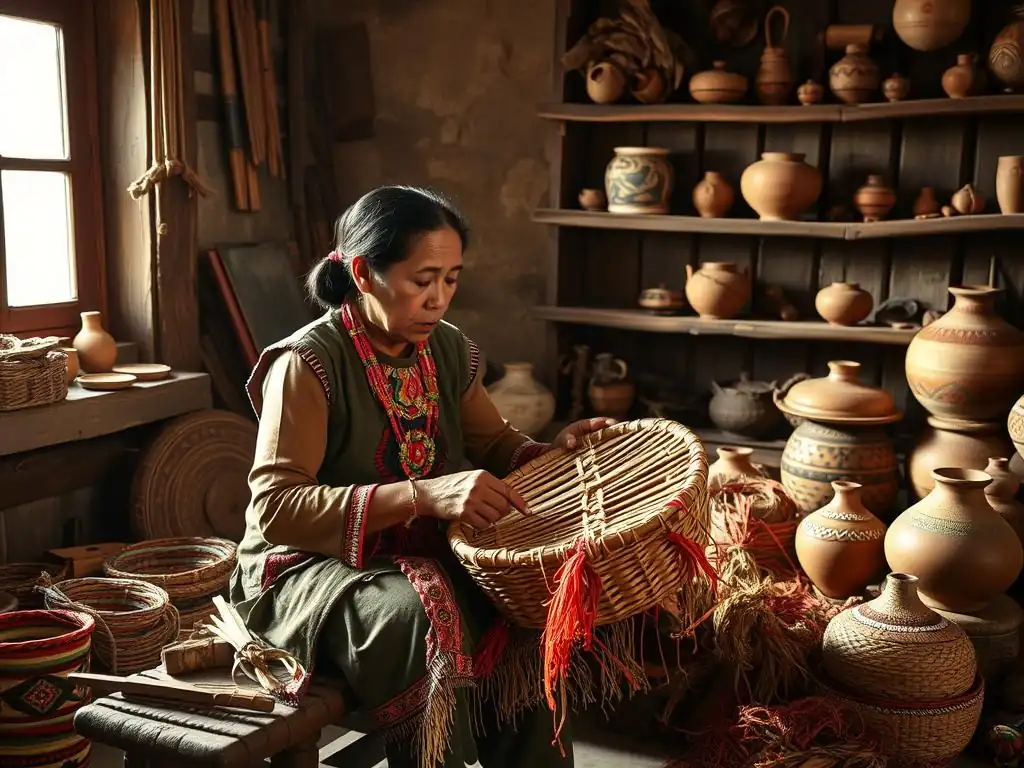
The rich tapestry of indigenous handicrafts in the Americas is deeply rooted in the history and traditions of diverse cultures that thrived long before European colonization. These handicrafts not only served utilitarian purposes but also embodied the spirituality, aesthetics, and social values of the communities that created them. Understanding the historical context of these practices provides insight into their contemporary relevance and economic impact.
Traditional Practices Before Colonization
Before European contact, indigenous peoples across the Americas developed intricate handicraft techniques that were adapted to their environments and resources. Each region displayed unique styles and methods, reflecting the cultural identity of its inhabitants.
- Materials and Techniques:
- Natural Resources: Indigenous artisans utilized locally sourced materials such as clay, wood, fibers, and stones. For instance, the Pueblo peoples of the Southwest crafted pottery using clay, which was often decorated with symbolic designs.
- Weaving and Textiles: Communities in the Andes, like the Quechua and Aymara, excelled in weaving textiles using alpaca wool. Their vibrant patterns conveyed stories and social status.
- Beadwork and Jewelry: Tribes like the Ojibwe created intricate beadwork that served both decorative and spiritual purposes, often using materials like glass beads and quills.
- Cultural Significance:
- Handicrafts played a crucial role in social ceremonies and cultural expressions. For example, masks created by the Haudenosaunee were not only artistic but also held spiritual significance during rituals.
- The transmission of knowledge about handicraft techniques from generation to generation fostered a strong sense of community and identity.
Evolution of Handicrafts Through the Ages
As colonial forces imposed new dynamics on indigenous cultures, the evolution of handicrafts continued, influenced by both resistance and adaptation.
- Colonial Influence:
- The introduction of European materials and tools altered traditional practices. For instance, metal tools replaced stone implements, allowing for more intricate designs and faster production.
- Despite external pressures, many communities preserved their traditional techniques while integrating new materials. This fusion can be seen in the adaptation of European glass beads into Native American beadwork.
- 20th Century Revitalization:
- The early 20th century saw a revival of interest in indigenous handicrafts, spurred by movements that sought to reclaim cultural heritage. Organizations began promoting traditional arts, leading to increased visibility and appreciation of indigenous crafts.
- The establishment of markets for indigenous handicrafts allowed artisans to earn a livelihood while maintaining their cultural practices. This period marked the beginning of contemporary indigenous handicrafts as both art and economic commodity.
Resilience of Indigenous Cultures in Craft Production
Today, contemporary indigenous handicrafts represent a powerful testament to the resilience and creativity of indigenous cultures, demonstrating their ability to navigate change while honoring tradition.
- Cultural Preservation:
- Craft production serves as a means of cultural preservation. Many artisans incorporate traditional designs and techniques into their work, ensuring that their heritage remains alive and relevant.
- Workshops and educational programs aimed at younger generations encourage the transmission of skills and knowledge, fostering a renewed interest in handicrafts.
- Economic Impact:
- The contemporary indigenous handicrafts market has grown significantly, providing economic opportunities for many communities. Artisans are finding new avenues for selling their work through online platforms and craft fairs, allowing for broader market access.
- These handicrafts contribute to local economies and tourism, as visitors seek authentic cultural experiences. The economic relevance of contemporary indigenous handicrafts is not just about profitability; it’s also about the empowerment of communities and the assertion of cultural identity.
The historical context of indigenous handicrafts highlights a narrative of adaptation, resilience, and cultural significance. The ongoing evolution of these practices underscores their economic impact in today's world, reaffirming the importance of supporting contemporary indigenous artisans and their invaluable contributions to cultural heritage.
Contemporary Indigenous Handicrafts: A Fusion of Tradition and Modernity
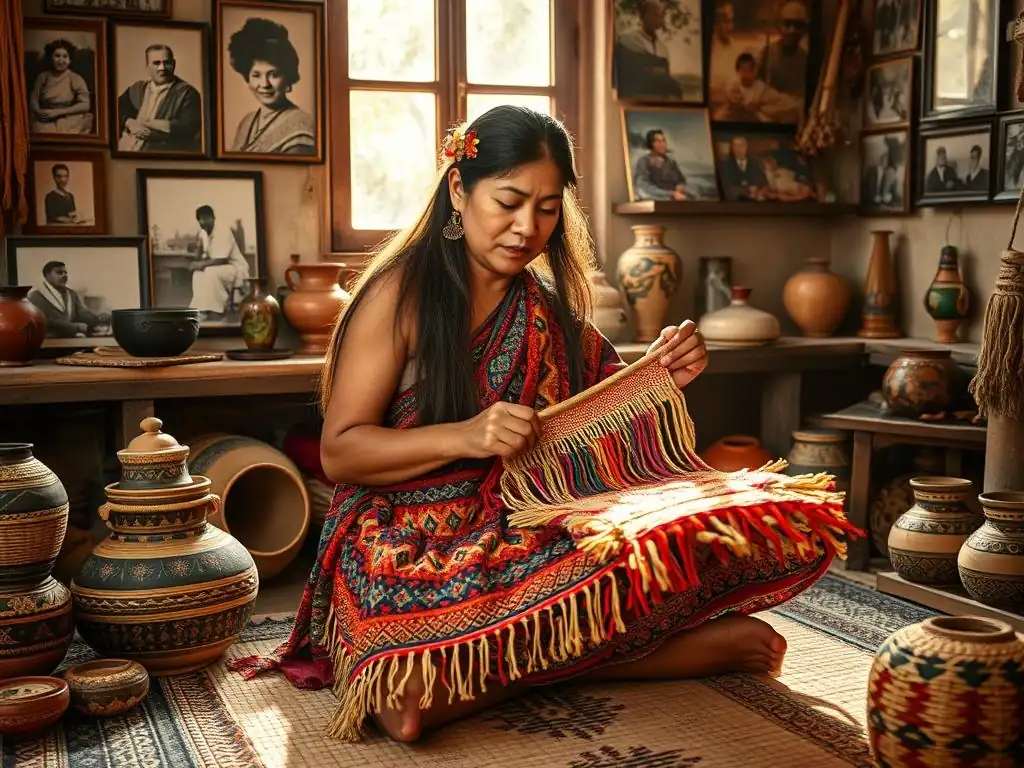
Contemporary indigenous handicrafts represent a vibrant fusion of traditional practices and modern influences, creating unique products that resonate with both cultural heritage and current market demands. These handicrafts are not merely artistic expressions; they embody the identity, history, and resilience of indigenous communities.
By integrating historical techniques with innovative design elements, contemporary indigenous handicrafts have gained significant traction in global markets. This evolution has allowed artisans to not only preserve their cultural narratives but also adapt to changing consumer preferences. As a result, these handicrafts serve as a bridge between past and present, showcasing the enduring relevance of indigenous craftsmanship in today's economy.
The impact of contemporary indigenous handicrafts is profound, as they contribute to the economic empowerment of indigenous communities, promote sustainable practices, and foster cultural exchange. By participating in the global economy, artisans can elevate their social status and ensure the survival of their cultural identities.
Characteristics of Modern Indigenous Handicrafts
Modern indigenous handicrafts exhibit several key characteristics that distinguish them from traditional crafts. These include:
- Innovative Design: Contemporary artisans often incorporate modern aesthetics and techniques, resulting in products that appeal to a broader audience. For instance, traditional weaving patterns may be reimagined in vibrant colors or blended with contemporary materials such as recycled plastics.
- Cultural Significance: Each piece carries a story, reflecting the community's heritage, beliefs, and values. This connection to culture is essential, as it not only preserves history but also educates consumers about indigenous practices.
- Sustainability: Many contemporary craftsmen prioritize environmentally friendly practices. This includes using natural dyes, sustainable materials, and traditional methods that minimize ecological impact, thus aligning with the global shift towards sustainability.
- Collaborative Nature: Modern handicrafts often involve collaboration between artisans from different backgrounds, leading to the creation of hybrid styles that celebrate diversity while maintaining cultural integrity.
These characteristics enhance the appeal of contemporary indigenous handicrafts, making them not just products, but also narratives that resonate with consumers seeking authenticity and connection.
Influences of Globalization on Crafting Techniques
Globalization has significantly influenced contemporary indigenous handicrafts, shaping crafting techniques and market dynamics. While this can pose challenges, it has also opened doors for innovation.
- Access to New Materials: Global supply chains provide artisans with access to a broader range of materials and tools. For example, the introduction of synthetic fibers has allowed weavers to experiment with textures and colors previously unavailable, resulting in innovative designs.
- Market Expansion: Artisans can now reach international markets through online platforms, enabling them to showcase their work to a global audience. This exposure has increased demand for authentic indigenous products, providing economic opportunities for artisans.
- Cultural Exchange: Globalization fosters cultural exchange, encouraging artisans to learn new techniques and ideas from different cultures. However, this can also lead to concerns about cultural appropriation and the loss of authenticity in traditional crafts.
- Balancing Tradition and Modernity: While some artisans embrace modern techniques, others strive to maintain traditional methods. This tension highlights the ongoing dialogue within indigenous communities about preserving cultural heritage while adapting to contemporary realities.
As globalization continues to shape the landscape of contemporary indigenous handicrafts, artisans navigate these changes carefully, aiming to preserve their cultural identity while seizing new opportunities.
Case Studies of Successful Contemporary Craftspeople
Several contemporary indigenous craftspeople exemplify the successful integration of traditional techniques with modern innovation, showcasing the economic relevance of their work. Here are a few notable case studies:
-
Paula Santos (Peru)
Paula is a Quechua weaver who blends traditional weaving methods with contemporary designs. By incorporating vibrant colors and geometric patterns, she has attracted a global clientele, significantly increasing her income. Paula also runs workshops to teach young women in her community, ensuring the transmission of weaving skills to future generations.
-
Ruben Ochoa (Mexico)
Ruben is known for his intricate pottery that merges ancient techniques with modern aesthetics. His work often features contemporary themes, which resonate with younger audiences. By utilizing social media platforms, he has successfully promoted his crafts internationally, resulting in collaborations with designers and art galleries.
-
Tania Mendez (Canada)
Tania specializes in beadwork, creating contemporary jewelry that tells stories of her Indigenous heritage. Her pieces have gained recognition in fashion circles, leading to partnerships with fashion brands. Tania is committed to sustainability, using recycled materials in her designs and actively advocating for indigenous rights through her work.
These case studies illustrate the diverse approaches taken by contemporary indigenous craftspeople, highlighting their economic impact and the ways in which they creatively navigate the complexities of modern markets while honoring their cultural traditions.
Economic Relevance of Contemporary Indigenous Handicrafts
Contemporary indigenous handicrafts play a crucial role in the economic landscape of many indigenous communities across the Americas. These handcrafted goods not only preserve cultural heritage but also serve as a vital source of income, enhancing the livelihoods of artisans and their families. The intricate designs and traditional techniques employed in creating these handicrafts reflect the identity of indigenous peoples, making them appealing to both local and global markets.
Contribution to Local Economies
Indigenous handicrafts contribute significantly to local economies by generating income and stimulating economic activity.
- Market Integration: Many artisans participate in local and regional markets, where their products are sold directly to consumers. This direct market access reduces reliance on intermediaries and allows artisans to retain a larger share of the profits.
- Cultural Tourism: Handicrafts often attract tourists seeking authentic cultural experiences. This tourism can lead to increased sales for artisans, as visitors are eager to purchase unique, locally made items that reflect the culture and traditions they are experiencing.
- Community Events and Fairs: Events such as craft fairs and exhibitions provide platforms for artisans to showcase their work, fostering community engagement and boosting local economies. These gatherings not only promote sales but also enhance community pride and cultural exchange.
The economic impact of contemporary indigenous handicrafts is evident in the way they support local artisans and their families, creating a ripple effect that benefits the wider community.
Impact on Job Creation and Skills Development
The revival of contemporary indigenous handicrafts has a profound effect on job creation and skills development within indigenous communities.
- Artisan Networks: Many artisans form cooperatives or networks, which not only facilitate collective marketing but also provide opportunities for skill sharing and collaborative workshops. This collective approach enhances the skill sets of individual artisans, allowing them to innovate and diversify their product offerings.
- Training Programs: Various organizations and initiatives focus on providing training in traditional crafting techniques as well as modern business practices. These programs empower artisans to improve their craft, manage their businesses effectively, and navigate the complexities of the market.
- Youth Engagement: Encouraging younger generations to learn traditional crafting techniques is vital for the sustainability of these practices. By involving youth in handicraft production, communities ensure the transmission of cultural knowledge and skills, while also creating potential job opportunities for the future.
The focus on job creation and skills development not only supports individual artisans but also strengthens the overall community fabric, fostering resilience and self-sufficiency.
Role in Sustainable Economic Practices
Contemporary indigenous handicrafts are increasingly recognized for their role in promoting sustainable economic practices.
- Eco-Friendly Materials: Many artisans prioritize the use of natural, locally sourced materials in their handicrafts. This practice minimizes environmental impact and supports local ecosystems. For instance, using organic fibers or sustainably harvested wood showcases a commitment to environmental stewardship.
- Cultural Preservation: By maintaining traditional crafting techniques, artisans contribute to the preservation of their cultural heritage, which often includes sustainable practices that have been passed down for generations. This cultural dimension emphasizes the importance of ecological balance and respect for nature in indigenous philosophies.
- Ethical Consumption: There is a growing trend among consumers to seek ethically produced goods. Contemporary indigenous handicrafts align with this demand, as they often reflect fair trade principles and the empowerment of marginalized communities. By supporting indigenous artisans, consumers contribute to sustainable development efforts that benefit both people and the planet.
Contemporary indigenous handicrafts impact not only the economic vitality of indigenous communities but also foster sustainable practices that respect cultural heritage and the environment. As these artisans continue to innovate and adapt to changing markets, their contributions will remain vital to the economic and cultural landscape of the Americas.
The Role of Tourism in Supporting Indigenous Handicrafts
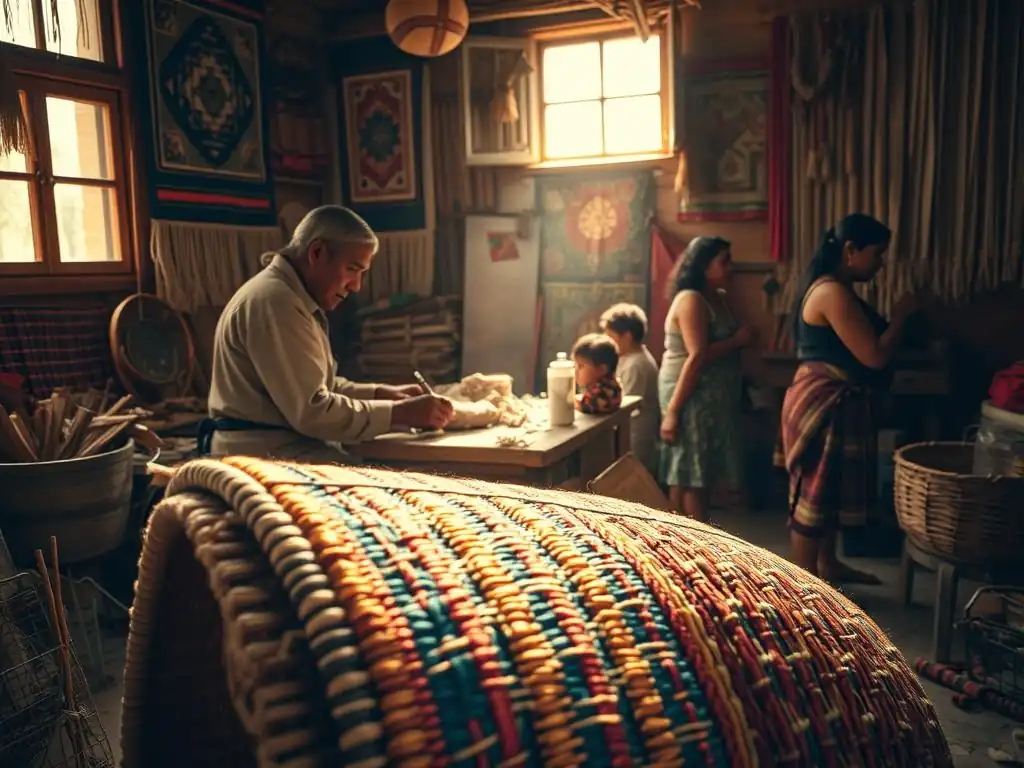
How Tourism Encourages the Revival of Traditional Crafts
Tourism acts as a significant catalyst in the revival of traditional indigenous crafts. As travelers seek authentic experiences, they increasingly turn to indigenous communities, prompting a resurgence in traditional handicrafts. This renewed interest not only helps preserve cultural practices but also fosters intergenerational knowledge transfer.
- Cultural Heritage: Tourists are drawn to the rich narratives behind indigenous crafts, such as weaving, pottery, and beadwork. For example, the resurgence of Navajo weaving, deeply rooted in their cultural identity, has attracted many visitors eager to learn about the techniques and stories behind each piece.
- Workshops and Demonstrations: Many indigenous artisans have started offering workshops for tourists, allowing them to engage with the craft firsthand. This not only provides a source of income but also serves to educate visitors about the significance of these traditions, enhancing appreciation and respect for indigenous cultures.
- Collaborative Initiatives: Several tourism organizations collaborate with indigenous communities to create sustainable tourism experiences. These initiatives often include cultural tours that highlight the craftsmanship of local artisans, which in turn boosts demand for their products.
Economic Benefits for Indigenous Communities
The economic impact of contemporary indigenous handicrafts facilitated by tourism is substantial. It provides a vital source of income for many indigenous communities, allowing them to sustain their traditional lifestyles and invest in community development.
- Job Creation: The rise in demand for indigenous handicrafts has led to job creation within these communities. Artisans can sell their crafts directly to tourists, bypassing intermediaries and retaining a larger portion of the profits.
- Diversification of Income: Many indigenous families are now able to diversify their income streams through handicrafts. This is particularly important in areas where traditional livelihoods, such as agriculture, may be insufficient.
- Economic Resilience: By promoting indigenous handicrafts, communities build economic resilience, which is crucial in times of crisis. The income generated can be reinvested into local infrastructure, education, and health services, thus improving overall community well-being.
Balancing Authenticity and Commercialization
While tourism plays a crucial role in supporting indigenous handicrafts, it also presents challenges related to authenticity and commercialization. Striking a balance is essential to ensure that cultural heritage is preserved while also meeting market demands.
- Cultural Integrity: Indigenous artisans must navigate the delicate balance between creating authentic products and adapting to tourist expectations. This often leads to debates within communities about what constitutes "authentic" craftsmanship. For instance, some artisans may decide to incorporate modern designs to appeal to a broader audience, which can dilute traditional techniques.
- Sustainability Concerns: The commercialization of handicrafts can sometimes lead to overproduction and environmental degradation. It is vital for communities to implement sustainable practices to ensure that their craft traditions do not harm the very resources on which they depend.
- Community Involvement: Engaging the entire community in decision-making processes regarding their crafts can help maintain cultural authenticity. By fostering a collective understanding of the value of their heritage, communities can develop guidelines that balance economic needs with the preservation of their cultural identity.
While contemporary indigenous handicrafts have seen a revitalization through tourism, it is essential to approach this development thoughtfully, ensuring that the cultural significance and integrity of these traditions are maintained for future generations.
Challenges Facing Contemporary Indigenous Handicrafts
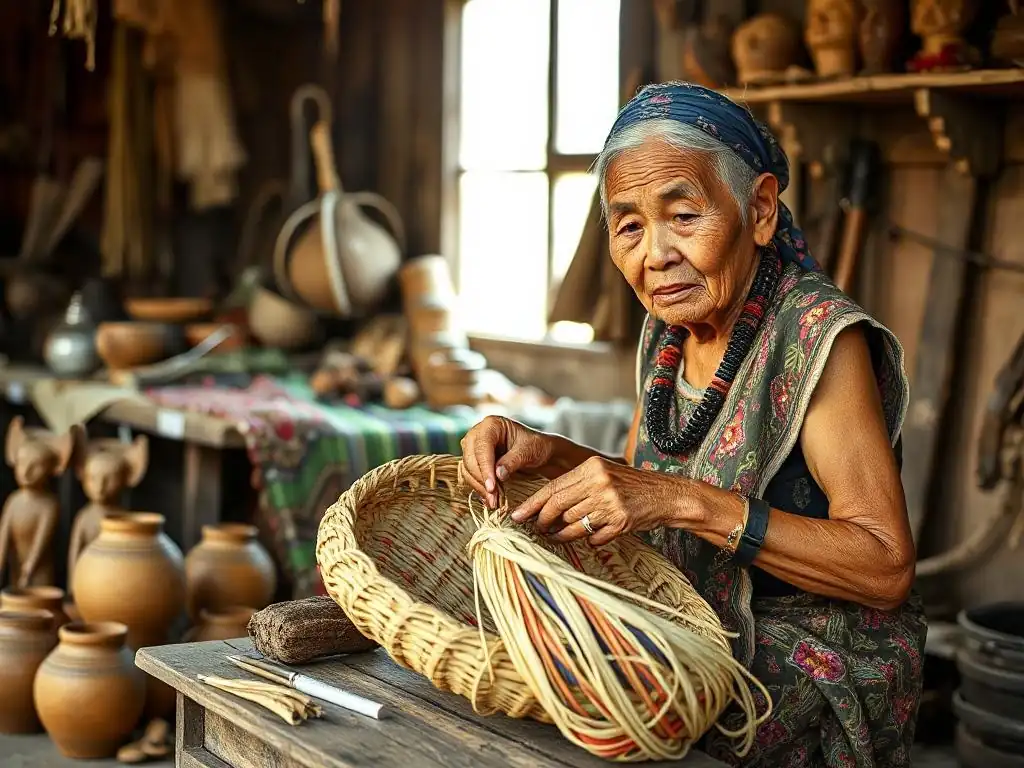
Issues of Cultural Appropriation and Misrepresentation
Cultural appropriation poses a significant challenge to contemporary indigenous handicrafts, as it often leads to the misrepresentation of Indigenous cultures. This occurs when non-Indigenous individuals or businesses commercialize indigenous designs and techniques without understanding their cultural significance. Such appropriation can dilute the authenticity of traditional crafts and exploit the cultural heritage of Indigenous peoples for profit.
For instance, many Indigenous artisans find their designs reproduced in mass-market products sold in mainstream stores, which undermines the original creators' economic opportunities and cultural narratives. These practices not only misrepresent the craftsmanship but also erase the stories and meanings behind the handicrafts, which are often deeply rooted in the community's history and identity. To combat these issues, there is a growing movement advocating for the recognition of intellectual property rights for Indigenous artisans, helping to protect their cultural expressions and ensure that they benefit from the use of their traditional designs.
Market Access and Competition with Mass Production
Contemporary Indigenous handicrafts face significant market access challenges and fierce competition from mass-produced goods. The influx of affordable, factory-made items has created a saturated market where Indigenous crafts struggle to stand out. Many consumers may prioritize low prices over the authenticity and cultural significance of handicrafts, leading to decreased demand for traditional products.
Moreover, Indigenous artisans often lack the resources and networks necessary to effectively market their products. Limited access to online platforms and retail opportunities can hinder sales, making it difficult for these artisans to reach broader audiences. Organizations and initiatives that support Indigenous entrepreneurs are essential in providing training, resources, and platforms to help them navigate the competitive landscape. This support can empower artisans to create sustainable businesses while promoting their unique cultural heritage.
Preservation of Traditional Techniques Amid Modern Trends
As contemporary indigenous handicrafts evolve, the preservation of traditional techniques becomes increasingly critical. Many artisans are faced with the challenge of maintaining their cultural practices while adapting to modern trends and consumer preferences. Some traditional methods may be at risk of being lost if younger generations are not engaged in learning these skills.
To address this, various initiatives are emerging that focus on intergenerational knowledge transfer. Workshops, mentorship programs, and community gatherings can facilitate the sharing of traditional techniques, ensuring that the rich history of Indigenous craftsmanship is preserved. Additionally, blending traditional techniques with contemporary designs can attract new markets while maintaining the essence of cultural heritage.
Indigenous artisans are finding innovative ways to incorporate modern elements into their handicrafts, creating products that resonate with both traditional values and contemporary aesthetics. This approach not only helps keep traditions alive but also enhances the economic relevance of indigenous handicrafts in today's global market.
Strategies for Supporting Contemporary Indigenous Handicrafts
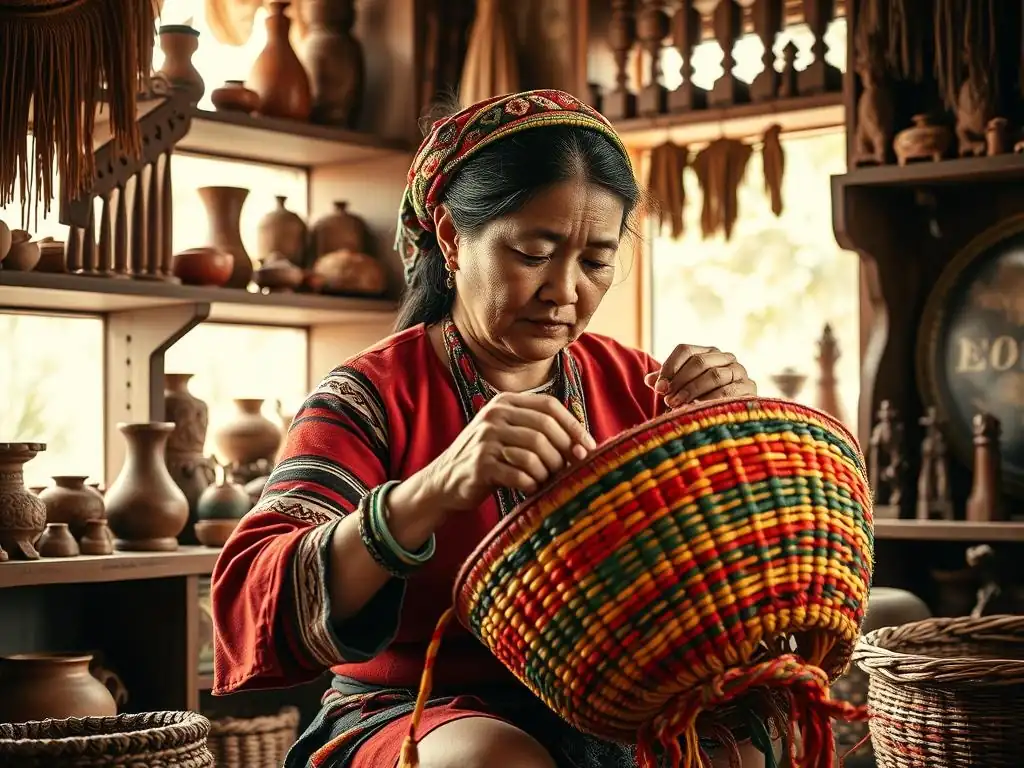
Promoting Fair Trade Practices
Fair trade practices are essential for ensuring that indigenous artisans receive equitable compensation for their work, thus supporting the sustainability of contemporary indigenous handicrafts. By creating a transparent supply chain, artisans can retain a more significant portion of the profits generated from their handicrafts.
- Certification Programs: Implementing fair trade certification can help consumers identify and choose products that are ethically sourced. This can include:
- Guaranteeing fair wages for artisans.
- Ensuring safe working conditions.
- Promoting environmentally sustainable practices.
- Local Market Integration: Encouraging local markets to adopt fair trade principles can further support artisans. This involves:
- Collaborating with local businesses to ensure that they prioritize purchasing from indigenous artisans.
- Hosting community events that spotlight indigenous crafts and educate the public on fair trade.
- Consumer Education: Raising awareness about the benefits of purchasing fair trade handicrafts can drive demand. Strategies can include:
- Workshops about the significance of supporting indigenous cultures through responsible purchasing.
- Social media campaigns that highlight artisans’ stories and the impact of fair trade on their communities.
Leveraging Online Platforms for Wider Reach
The digital age offers unprecedented opportunities for indigenous artisans to showcase their handicrafts to a global audience. By leveraging online platforms, artisans can increase their visibility and sales, thereby enhancing the economic relevance of their crafts.
- E-commerce Websites: Establishing an online presence through dedicated e-commerce platforms allows artisans to sell directly to consumers. Key aspects include:
- User-friendly interfaces that make shopping accessible for diverse demographics.
- Secure payment options to encourage consumer trust.
- Social Media Marketing: Harnessing platforms like Instagram, Facebook, and Pinterest can significantly boost outreach. Strategies entail:
- Visual storytelling to showcase the craftsmanship and cultural significance of the handicrafts.
- Engagement through live demonstrations or Q&A sessions to connect with potential customers.
- Collaborative Online Marketplaces: Joining platforms that focus on indigenous crafts can amplify reach. These marketplaces:
- Facilitate community building among artisans.
- Provide access to marketing resources and shared promotional opportunities.
Collaborative Efforts Between Communities and Organizations
Collaboration between indigenous communities and various organizations is vital for sustaining contemporary indigenous handicrafts. Such partnerships can enhance resources, skills, and market access, fostering economic development.
- Capacity Building Workshops: Organizations can offer training and resources to artisans, focusing on:
- Skill enhancement in traditional and modern crafting techniques.
- Business management skills to help artisans manage their enterprises effectively.
- Cultural Exchanges: Promoting cultural exchanges between communities can lead to innovation in design and techniques, which can revitalize traditional crafts. This can involve:
- Cross-community workshops where artisans share techniques and ideas.
- Collaboration on joint projects that blend different cultural elements.
- Grant and Funding Opportunities: Establishing partnerships with nonprofits and governmental organizations can secure funding for artisan projects. This includes:
- Applying for grants aimed at preserving indigenous cultures and supporting economic development.
- Creating micro-loan programs to help artisans invest in their businesses.
By implementing these strategies, contemporary indigenous handicrafts can thrive economically while preserving the rich cultural heritage of indigenous peoples in the Americas.
Conclusion: The Future of Contemporary Indigenous Handicrafts
Summary of Economic and Cultural Impact
Contemporary indigenous handicrafts play a vital role in both economic and cultural dimensions within indigenous communities. These handicrafts are not merely artistic expressions; they serve as a source of income for many artisans and their families. For instance, markets for indigenous crafts have expanded globally, creating opportunities for artisans to sell their creations to a diverse audience. This economic relevance is illustrated by the following points:
- Job Creation: Handicraft production generates employment within communities, fostering economic independence.
- Cultural Preservation: Each piece of craftsmanship embodies cultural narratives, traditions, and techniques passed down through generations, thereby preserving indigenous heritage.
- Tourism and Local Economy: Many indigenous handicrafts attract tourists, contributing to local economies through increased sales and the promotion of cultural tourism.
The impact of these handicrafts extends beyond mere financial gains; they also reinforce cultural identity and pride among indigenous peoples. Through the creation and sale of traditional crafts, artisans can educate consumers about their unique heritages and contemporary realities.
Call to Action: Supporting Indigenous Craftsmanship
It is essential for consumers, businesses, and policymakers to actively support indigenous craftsmanship. Here are some actionable steps to take:
- Purchase Authentic Handicrafts: Opt for products made directly by indigenous artisans instead of mass-produced alternatives. This not only supports the local economy but also ensures fair compensation for artisans.
- Promote Awareness: Share knowledge about the significance of indigenous handicrafts through social media platforms and community events. Raising awareness can help shift consumer preferences toward ethically sourced products.
- Collaborate with Indigenous Artisans: Businesses can create partnerships with indigenous craftsmen, providing them with platforms to showcase their work while ensuring they receive a fair share of profits.
By taking these steps, we can help foster a sustainable market for contemporary indigenous handicrafts, encouraging artisans to continue their craft and share their culture with the world.
Vision for Sustainable Development of Handicrafts in Indigenous Communities
The future of contemporary indigenous handicrafts lies in sustainable development that respects both cultural heritage and economic viability. A holistic approach can be established through the following strategies:
- Education and Training: Offering workshops that combine traditional techniques with modern business skills can empower artisans. This will enhance their ability to navigate the market while preserving their unique craftsmanship.
- Access to Markets: Establishing online platforms and local markets specifically for indigenous crafts can broaden reach and reduce dependency on intermediaries.
- Sustainable Materials: Promoting the use of eco-friendly materials ensures that production remains sustainable and aligns with the values of many indigenous cultures that respect nature.
The impact of contemporary indigenous handicrafts is profound, influencing both economies and cultural narratives. By supporting these crafts, we not only preserve valuable traditions but also contribute to the empowerment of indigenous communities, ensuring their legacies endure for future generations.
Frequently Asked Questions
What is the significance of contemporary indigenous handicrafts?
Contemporary indigenous handicrafts play a crucial role in preserving cultural heritage and promoting economic sustainability for indigenous communities.
How do contemporary indigenous handicrafts impact the economy?
These handicrafts contribute to the local economy by providing income opportunities for artisans and fostering tourism through cultural engagement.
In what ways do handicrafts reflect indigenous identities?
Handicrafts are a medium for expressing cultural narratives and traditional practices, showcasing the unique identities of various indigenous groups.
What are some examples of contemporary indigenous handicrafts?
Examples include woven textiles, pottery, beadwork, and wood carvings, each representing the artistic traditions and skills passed down through generations.
How can one support the revival of indigenous handicrafts?
Supporting local artisans through purchasing their products and promoting awareness of their cultural significance can greatly enhance the sustainability of their crafts.
Final Reflection: The Enduring Impact of Contemporary Indigenous Handicrafts
The revival of traditional indigenous handicrafts is not just a nostalgic return to the past; it is a powerful statement about identity, culture, and economic resilience in today's world. As we navigate an era marked by globalization and rapid technological advancement, the significance of these handicrafts transcends mere aesthetics. They serve as a vital link to cultural heritage, empowering communities and fostering economic opportunities that resonate deeply in contemporary society.
Contemporary indigenous handicrafts have become a beacon of cultural pride and economic empowerment, influencing the social landscape in profound ways. The resurgence of these crafts not only preserves age-old traditions but also creates sustainable livelihoods for artisans. As we witness this transformation, it is essential to remember the words of renowned indigenous artist and activist, Jaune Quick-to-See Smith: Art is a way of life, and it can be a way of making a living.
This sentiment encapsulates the dual role of handicrafts in preserving cultural identity while also providing economic relevance in a modern context.
As we reflect on the lessons from this article, I invite you to consider how you can support and engage with contemporary indigenous handicrafts in your own life. Explore local markets, share the stories behind these crafts, and advocate for the artisans who pour their heart and soul into their work.
By doing so, you not only contribute to the economic sustainability of these communities but also become a part of a larger movement that honors and revitalizes indigenous traditions for future generations. Let us embrace this opportunity to connect with culture, support artisans, and celebrate the impact of contemporary indigenous handicrafts in our world today.
Unveil the Beauty of Indigenous Handicrafts Today!
Thank you for taking the time to explore the fascinating world of contemporary Indigenous handicrafts. By delving into this vibrant tradition, you've not only gained insights into their economic relevance but have also connected with the stories and cultures that bring these crafts to life. Now, it’s time to take action!
- Support Indigenous artisans by purchasing their handmade products. Every piece tells a unique story and empowers communities.
- Share this article with friends and family to raise awareness about Indigenous culture and craftsmanship.
- Consider volunteering or collaborating with local organizations dedicated to the preservation and promotion of Indigenous handicrafts—your involvement can truly make a difference!
What Indigenous craft has captured your interest, and how do you envision it impacting today’s society?