
Crafting Identity: How Handicrafts Reflect Indigenous Societies

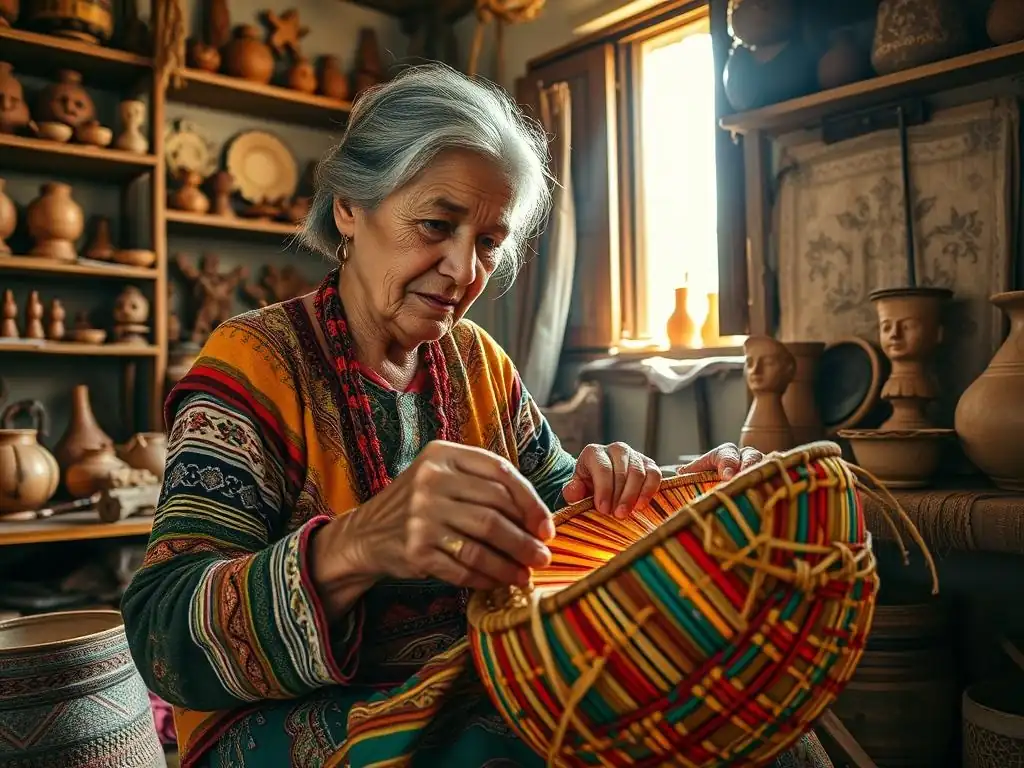
Welcome to Indigenous Civilizations of the Americas, where we embark on a fascinating journey through the rich tapestry of indigenous cultures that flourished long before European contact. Here, you’ll discover the profound significance of indigenous handicrafts—not just as beautiful artifacts, but as vibrant expressions of cultural identity that tell the stories of diverse societies.
In our featured article, "Crafting Identity: How Handicrafts Reflect Indigenous Societies," we delve into the intricate relationship between craftsmanship, trade, and the enduring legacies of these remarkable civilizations. Join us as we uncover the artistry and meaning woven into the very fabric of indigenous life, encouraging you to explore deeper into their world.
Crafting identity through handicrafts is a profound expression of cultural heritage, especially within Indigenous societies of the Americas. This article delves into the intricate relationship between Indigenous handicrafts and cultural identity, exploring how these artistic expressions not only serve practical purposes but also embody the beliefs, traditions, and histories of the communities that create them.
Handicrafts, ranging from textiles to pottery and beadwork, are not mere artifacts; they are living narratives that convey the essence of Indigenous cultures, their resilience, and their ongoing evolution in a contemporary context. By understanding the significance of these crafts, we gain insight into the rich tapestry of Indigenous identities and their enduring impact on the world.
Understanding Indigenous Handicrafts and Cultural Identity
Definition of Indigenous Handicrafts
Indigenous handicrafts refer to the traditional art forms produced by Indigenous peoples of the Americas, utilizing techniques and materials that have been passed down through generations. These crafts often reflect the unique cultural narratives and spiritual beliefs of distinct Indigenous groups. Common forms of handicrafts include:
- Textiles: Such as woven fabrics, rugs, and clothing, often featuring symbolic patterns.
- Pottery: Handcrafted vessels that may serve functional purposes or embody artistic expression.
- Beadwork: Intricate designs created using beads, often representing cultural stories or tribal affiliations.
- Carving: Wood, stone, or bone carvings that depict animals, deities, or significant cultural motifs.
These handicrafts are deeply intertwined with the identity of Indigenous peoples, showcasing their artistic skills and cultural values.
Significance of Cultural Identity in Indigenous Societies
Cultural identity is a cornerstone of Indigenous societies, shaping their worldview, traditions, and social structures. Handicrafts play a crucial role in expressing this identity by:
- Preserving Traditions: Crafts often incorporate traditional techniques and motifs, ensuring the transmission of cultural knowledge.
- Fostering Community Bonds: Crafting is often a communal activity, strengthening social ties and shared cultural values.
- Reclaiming Identity: In the face of colonial histories, the revival and promotion of handicrafts serve as acts of resistance and empowerment for Indigenous peoples.
Through these practices, Indigenous handicrafts become a medium for cultural expression, allowing communities to articulate their identity and heritage.
Historical Context of Indigenous Handicrafts
Evolution of Handicraft Techniques
The evolution of Indigenous handicraft techniques is a testament to the resilience and adaptability of these communities. Over centuries, Indigenous artisans have refined their craft through:
- Innovation: Integrating new materials and techniques while staying true to traditional forms.
- Cultural Exchange: Engaging with neighboring tribes and societies, leading to the development of hybrid styles and techniques.
- Response to Change: Adapting to historical events, such as colonization, which influenced both the materials available and the purposes of handicrafts.
These evolving techniques not only reflect the artistic prowess of Indigenous peoples but also their ability to navigate and respond to changing social and environmental landscapes.
Influences of Geography on Handicraft Production
Geography plays a pivotal role in shaping the types of handicrafts produced by Indigenous societies. Factors such as climate, available resources, and regional traditions influence:
- Material Selection: Different regions offer varying natural resources, leading to diverse materials used in handicrafts, such as clay, fibers, and metals.
- Design Variations: Geographic isolation can result in unique styles and motifs that are emblematic of specific cultures or regions.
- Trade Practices: The geographic positioning of communities affects trade routes, facilitating the exchange of handicrafts and ideas among Indigenous peoples.
Understanding these geographical influences enriches our appreciation of Indigenous handicrafts as dynamic expressions of cultural identity.
The Role of Handicrafts in Indigenous Cultural Expression
Indigenous handicrafts serve as a vital means of cultural expression, encapsulating the beliefs, values, and traditions of various communities. These crafts are not merely decorative items; they embody the identity and heritage of the people who create them. Through intricate designs and techniques passed down through generations, artisans convey narratives that reflect their unique worldviews and social structures. As a result, handicrafts become a visual language that speaks volumes about the creators’ connection to their land, ancestry, and spirituality.
In many indigenous societies, the creation of handicrafts is a communal activity that fosters a sense of belonging and collective identity. This process often involves collaboration among family members and community members, reinforcing social bonds while simultaneously preserving cultural practices. Additionally, the materials used—often sourced from the local environment—highlight the relationship between the people and their natural surroundings, further enriching the cultural narrative embedded in each piece.
Symbolism in Indigenous Handicrafts
Symbolism plays a pivotal role in indigenous handicrafts, where each element may carry profound meanings. For instance, colors, patterns, and motifs are often steeped in cultural significance. In many Native American cultures, certain colors are linked to specific natural elements or spiritual concepts. For example, red might symbolize the earth, while blue could represent the sky.
Similarly, specific patterns often tell stories or represent tribal history. The use of geometric designs in textiles or pottery, for instance, can signify family lineage or convey messages of protection and prosperity. This symbolic language not only enhances the aesthetic value of the handicrafts but also serves as a vital link to the community's heritage, allowing both artisans and consumers to engage with their cultural identity on a deeper level.
Handicrafts as a Medium of Storytelling and Tradition
Handicrafts are also a powerful medium for storytelling, allowing artisans to weave narratives into their creations. Each piece can represent a story, a myth, or an event significant to the community. For example, woven baskets may depict historical events or represent the seasonal changes of the land, while carved figurines might illustrate folklore or ancestral tales.
This storytelling aspect serves to educate younger generations about their culture and history, ensuring that traditions are preserved and passed down. Through the act of crafting, artisans not only express their creativity but also act as custodians of their community's stories, reinforcing cultural continuity and identity. This deep connection between handicrafts and storytelling highlights their importance in maintaining the fabric of indigenous cultures.
Economic Impact of Indigenous Handicrafts
The economic impact of indigenous handicrafts extends well beyond individual artisans; it encompasses entire communities and contributes to local economies. By engaging in the production of handicrafts, indigenous peoples can create sustainable livelihoods that honor their traditions while also adapting to modern market demands. The sale of these crafts often provides crucial income, especially in areas where traditional economic opportunities may be limited.
Moreover, indigenous handicrafts are increasingly gaining recognition in the global market, leading to a growing demand for authentic, culturally significant products. This trend not only enhances economic opportunities for artisans but also raises awareness about indigenous cultures and their contributions to the broader society.
Trade Practices Among Indigenous Communities
Trade practices among indigenous communities have historically been a cornerstone of economic activity, facilitating the exchange of goods, ideas, and cultural practices. In many cases, handicrafts are traded not only for money but also for other goods and services, promoting a barter system that sustains local economies.
This intricate trade network often extends beyond local communities, connecting various tribes and regions. For example, the exchange of pottery, textiles, and jewelry can be seen at markets and festivals, where artisans showcase their crafts while engaging with other community members. Such exchanges not only bolster economic resilience but also strengthen social ties and cultural understanding among different indigenous groups.
Handicrafts in the Modern Economy
In today's economy, indigenous handicrafts are carving out a significant niche, blending traditional craftsmanship with contemporary market trends. Many artisans are leveraging online platforms and social media to reach broader audiences, showcasing their work to consumers who value authenticity and ethical production. This shift towards e-commerce has opened new avenues for income generation, allowing artisans to sell directly to customers without intermediaries.
Additionally, the increasing consumer interest in sustainable and ethically sourced products has positioned indigenous handicrafts as desirable items in the global marketplace. By emphasizing the cultural significance and artisanal quality of their products, indigenous artisans can not only achieve financial independence but also assert their cultural identity in a rapidly changing world. This modern economic landscape presents both challenges and opportunities, encouraging indigenous communities to find innovative ways to preserve their traditions while adapting to contemporary demands.
Regional Variations in Indigenous Handicrafts
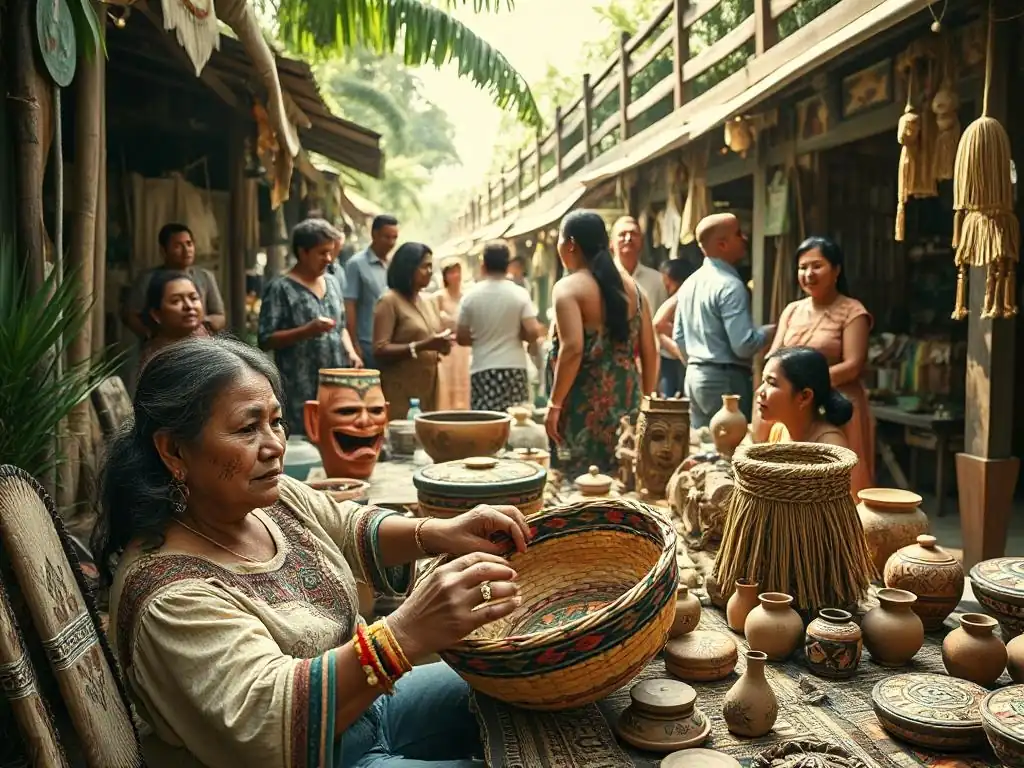
Indigenous handicrafts across the Americas showcase an incredible diversity that reflects the unique cultural identities, environments, and resources of different regions. These variations not only highlight the distinctiveness of each community but also the shared heritage that binds many Indigenous peoples together. The materials used, techniques employed, and designs created can tell stories of the land, history, and traditions that shape each society.
North American Indigenous Handicrafts
In North America, Indigenous handicrafts are deeply rooted in the traditions and lifestyles of various tribes and nations. For instance, the Navajo Nation is renowned for its weaving, particularly the creation of intricate rugs and tapestries that use vibrant colors and geometric patterns. These textiles often reflect stories, beliefs, and the natural world.
Additionally, Native American pottery, such as that produced by the Pueblo peoples of the Southwest, showcases unique firing techniques and artistic expressions. Each piece is often adorned with symbolic designs that communicate the cultural narratives of the community.
Moreover, beadwork and quillwork are prominent in many tribes, including the Lakota and Ojibwe, where artisans create stunning pieces for ceremonial purposes and personal adornment. These crafts not only serve aesthetic functions but also reinforce cultural identity and community ties.
Central and South American Indigenous Handicrafts
In Central and South America, indigenous handicrafts are equally varied and vibrant. The Maya civilization is famous for its intricate textiles, particularly woven garments that incorporate traditional symbols and patterns specific to each region. The use of natural dyes derived from plants enhances the colors and significance of these textiles.
The Andean cultures, such as the Quechua and Aymara, excel in weaving and knitting, creating high-quality textiles that have practical uses as well as ceremonial significance. For example, the production of ponchos and chullos (traditional hats) combines functionality with cultural expression, often featuring designs that denote social status or community affiliation.
In addition to textiles, pottery and metalwork are significant in many Central and South American cultures, with artisans crafting beautiful pieces that often incorporate elements of mythology and daily life. The use of ceramics by the Nazca is notable for its distinct designs and techniques, reflecting the culture's connection to the environment and spirituality.
Contemporary Trends in Indigenous Handicrafts
Today, Indigenous handicrafts are experiencing a revival and transformation as artisans embrace contemporary trends while remaining rooted in traditional practices. Many artisans are integrating modern aesthetics with traditional techniques, resulting in innovative products that resonate with both Indigenous and non-Indigenous audiences.
There is a growing movement towards sustainable practices, with artisans increasingly using locally sourced and environmentally friendly materials. This shift not only honors traditional methods but also addresses contemporary concerns about environmental conservation.
Furthermore, the rise of online marketplaces has allowed Indigenous artisans to reach a broader audience, promoting their work and cultural narratives globally. These platforms enable artisans to maintain their cultural identity while also adapting to market demands, fostering a renewed interest in Indigenous handicrafts.
Challenges Facing Indigenous Handicrafts Today
Despite the vibrant expressions of cultural identity through handicrafts, Indigenous artisans face significant challenges in today's world.
Impact of Globalization on Traditional Craftsmanship
Globalization has had a profound impact on Indigenous handicrafts, often leading to the commodification of traditional art forms. As mass-produced goods flood the market, the demand for authentic, handcrafted products can diminish, threatening the financial viability of Indigenous artisans.
Additionally, globalization can lead to cultural appropriation, where non-Indigenous individuals or businesses exploit Indigenous designs and techniques without proper acknowledgment or compensation. This undermines the cultural significance of these crafts and can strip artisans of their rightful ownership and connection to their heritage.
Preservation of Techniques and Cultural Knowledge
The preservation of traditional techniques and cultural knowledge is paramount for the survival of Indigenous handicrafts. Many artisans are concerned that younger generations may not learn these skills, as modernization and urbanization draw them away from their communities.
Efforts to revitalize traditional handicrafts often include educational programs and workshops aimed at passing down techniques and stories associated with various crafts. Collaborations between elders and youth can foster a sense of pride and continuity within the community, ensuring that the cultural identity expressed through handicrafts endures for future generations.
While Indigenous handicrafts reflect rich cultural identities and histories, they also face significant challenges that require collective efforts for preservation and promotion. Addressing these challenges is essential for the continued appreciation and vitality of Indigenous craftsmanship in the Americas.
Empowering Indigenous Communities Through Handicrafts
Indigenous handicrafts serve as a vital means of expression and empowerment for many communities across the Americas. These crafts not only showcase unique artistic styles and techniques but also reflect the cultural narratives and traditions of the artisans. By engaging in handicraft production, indigenous artisans can reclaim their cultural identity, generate income, and foster community cohesion. The act of creating these handcrafted items—ranging from textiles to pottery—allows artisans to pass down traditional knowledge and skills to future generations, ensuring the survival of their cultural heritage.
Moreover, the global interest in indigenous handicrafts has opened up new markets for artisans, allowing them to present their work to a wider audience. This economic empowerment is crucial, as many indigenous communities face socio-economic challenges. Through the sale of handicrafts, artisans can support not only their families but also their communities, funding initiatives such as education and healthcare.
Initiatives Supporting Indigenous Artisans
Various organizations and initiatives are dedicated to supporting indigenous artisans and promoting their handicrafts. These initiatives often focus on providing training, resources, and market access to artisans, helping them to hone their skills and expand their reach.
- Workshops and Training Programs: Many organizations offer workshops that teach traditional techniques alongside modern business skills, ensuring that artisans can produce high-quality goods while effectively marketing them.
- Cooperatives and Collectives: By forming cooperatives, artisans can pool their resources, share knowledge, and collaborate on larger projects. This collective approach enhances their bargaining power in the marketplace and increases their visibility.
- Cultural Preservation Projects: These projects not only aim to sustain traditional crafting techniques but also emphasize the importance of cultural identity. Through these initiatives, younger generations are encouraged to engage with their heritage, ensuring that traditional arts continue to thrive.
Role of Fair Trade in Indigenous Handicrafts
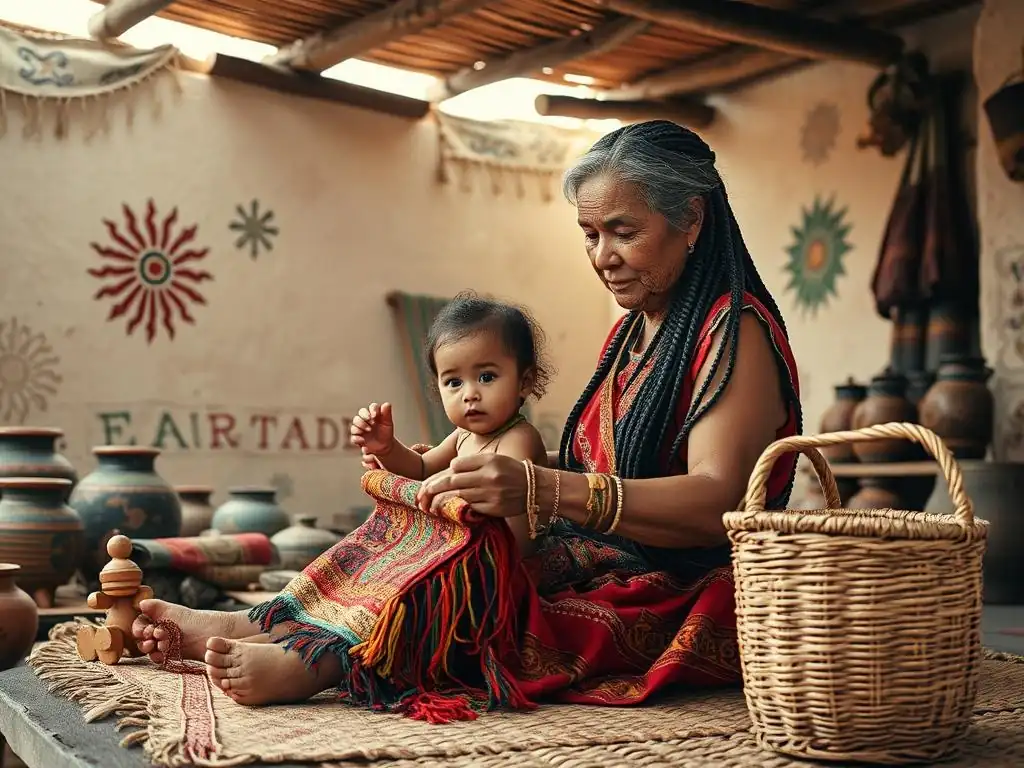
Fair Trade plays a significant role in the promotion and sustainability of indigenous handicrafts. By prioritizing ethical practices, Fair Trade initiatives help ensure that artisans receive fair compensation for their work. This approach fosters economic equity, empowering artisans to invest in their communities and maintain their cultural practices.
- Transparency and Accountability: Fair Trade emphasizes transparency in production processes, allowing consumers to understand the origins of their purchases. This encourages a deeper appreciation for the cultural significance of the handicrafts.
- Market Access: Fair Trade networks often provide artisans with access to international markets that they might not reach otherwise. This access helps to elevate their work and provides a platform for their cultural narratives to be shared globally.
- Community Development: The profits from Fair Trade sales are often reinvested into the communities, supporting education, healthcare, and infrastructure projects. This holistic approach not only benefits the artisans but also strengthens the fabric of their societies.
Conclusion: The Lasting Legacy of Indigenous Handicrafts
Indigenous handicrafts are far more than mere decorative items; they are powerful embodiments of cultural identity, history, and resilience. The craftsmanship involved in creating these pieces reflects the deep connections indigenous peoples have with their land, traditions, and ancestors. As consumers become more conscious of the stories behind the products they purchase, the appreciation for indigenous handicrafts continues to grow, highlighting their importance in the narrative of cultural identity.
Reflection on Cultural Identity and Heritage
The creation and sale of handicrafts allow indigenous artisans to reflect their unique cultural identities and heritage. Each handcrafted item tells a story, often incorporating symbols, patterns, and materials that have significant cultural meaning. This storytelling aspect fosters a sense of pride among artisans and encourages consumers to engage with the cultural narratives behind the products.
Additionally, the revival of traditional techniques can serve as a form of resistance against cultural assimilation, helping to preserve the distinctiveness of indigenous cultures in the face of globalization. By embracing their heritage, artisans can assert their identity and inspire others within their communities to do the same.
Future Directions for Indigenous Handicraft Production
The future of indigenous handicraft production holds great potential as more artisans and communities embrace innovative approaches to both traditional and contemporary practices. Key directions include:
- Sustainable Practices: Emphasizing sustainability in materials and methods will play a crucial role in preserving the environment while maintaining cultural practices. This shift can attract eco-conscious consumers and enhance the marketability of indigenous crafts.
- Technological Integration: Utilizing technology for marketing and sales can expand the reach of artisans. Online platforms and social media can help artisans showcase their work and connect with global buyers.
- Cultural Collaboration: Collaborations between indigenous artisans and contemporary artists can lead to the creation of new hybrid forms of handicrafts that reflect both traditional and modern influences. This fusion can invigorate the craft sector and attract a diverse audience.
Indigenous handicrafts not only serve as a means of economic empowerment but also as a profound expression of cultural identity, ensuring that the rich legacies of indigenous societies continue to thrive in the modern world.
- Understanding Indigenous Handicrafts and Cultural Identity
- Historical Context of Indigenous Handicrafts
- The Role of Handicrafts in Indigenous Cultural Expression
- Economic Impact of Indigenous Handicrafts
- Regional Variations in Indigenous Handicrafts
- Challenges Facing Indigenous Handicrafts Today
- Empowering Indigenous Communities Through Handicrafts
- Initiatives Supporting Indigenous Artisans
- Role of Fair Trade in Indigenous Handicrafts
- Conclusion: The Lasting Legacy of Indigenous Handicrafts
- Reflection on Cultural Identity and Heritage
- Future Directions for Indigenous Handicraft Production
- What role do handicrafts play in indigenous cultures?
- How do indigenous handicrafts contribute to economic sustainability?
- In what ways do handicrafts preserve cultural heritage?
- Can indigenous handicrafts influence modern art and design?
- How can one support indigenous handicrafts and their cultural significance?
Frequently Asked Questions
What role do handicrafts play in indigenous cultures?
Handicrafts serve as a reflection of cultural identity, showcasing the traditions, values, and artistic expressions of indigenous societies.
How do indigenous handicrafts contribute to economic sustainability?
Indigenous handicrafts often provide a source of income and employment, helping communities maintain their cultural practices while supporting economic independence.
In what ways do handicrafts preserve cultural heritage?
Handicrafts help preserve traditional techniques and stories, ensuring that important aspects of cultural identity are passed down through generations.
Can indigenous handicrafts influence modern art and design?
Yes, many contemporary artists draw inspiration from indigenous handicrafts, blending traditional methods with modern aesthetics to create unique works that honor cultural roots.
How can one support indigenous handicrafts and their cultural significance?
Supporting indigenous artisans through purchases, promoting awareness, and participating in cultural events can help sustain these vital expressions of cultural identity.
Final Reflection: The Enduring Legacy of Indigenous Handicrafts and Cultural Identity
In an age where globalization often overshadows local traditions, the significance of Indigenous handicrafts as a reflection of cultural identity remains profoundly relevant. As we navigate a world increasingly driven by mass production and uniformity, the unique narratives woven into each handicraft serve as a powerful reminder of the rich histories and identities that continue to thrive within Indigenous communities. The artistry of these crafts not only preserves traditions but also fosters a deeper understanding of the diverse cultures that shape our global society.
The influence of Indigenous handicrafts extends far beyond mere aesthetics; it is a vital thread in the fabric of cultural preservation and social cohesion. These crafts encapsulate stories, beliefs, and values that have been passed down through generations, creating a sense of belonging and identity. As noted by cultural anthropologist Dr. Susan H. Allen, Handicrafts are not just objects; they are the living history of a people, embodying their struggles, triumphs, and aspirations.
This ongoing dialogue between the past and present through handicrafts invites us to appreciate the resilience and creativity of Indigenous societies and their contributions to our collective cultural landscape.
As we reflect on the importance of Indigenous handicrafts in shaping cultural identity, I invite you to consider how you can engage with and support these vibrant traditions in your own life. Take a moment to explore the stories behind the crafts you encounter, seek out Indigenous artisans, and advocate for the preservation of these invaluable cultural expressions.
By doing so, you not only honor the rich heritage of Indigenous peoples but also enrich your own understanding of identity and community in our interconnected world. Let us celebrate and uplift these voices, ensuring that the legacy of Indigenous handicrafts continues to inspire future generations.
Embrace Your Heritage: Explore Handicrafts Today!
Thank you for diving into the rich tapestry of Indigenous handicrafts! Your interest unlocks a deeper understanding of how these art forms reflect the identity and values of their communities. Now, it’s time to take that knowledge and put it into action!
Here are a few inspiring steps you can take to further connect with Indigenous traditions and craftsmanship:
- Visit a local artisan market or craft fair to experience the beauty of Indigenous handicrafts firsthand while supporting talented local artists.
- Join a workshop focused on traditional crafting techniques to immerse yourself in the art and engage with the community on a deeper level.
- Share your newfound insights by discussing this article with friends or posting on social media, sparking conversations about the importance of preserving these cultural expressions.
How will you incorporate Indigenous handicrafts into your life or share these teachings with others? Your journey awaits, and your reflections could inspire meaningful change!