
The Legacy of Indigenous Governance: How Ancient Systems Inform Contemporary Politics

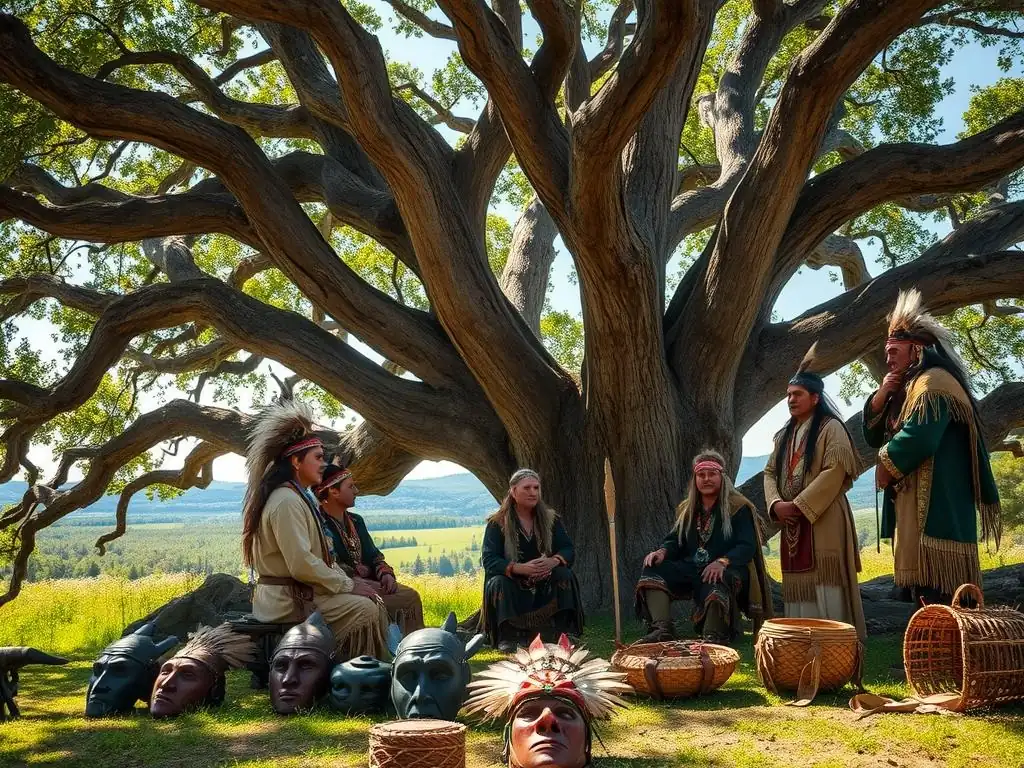
Welcome to Indigenous Civilizations of the Americas, where we embark on a captivating journey through the rich tapestry of indigenous cultures that flourished long before European contact. Here, we delve into the remarkable achievements and sophisticated societies that shaped the continent, with a special focus on the indigenous governance systems legacy.
Discover how these ancient frameworks continue to influence modern political landscapes, igniting curiosity about the profound connections between our past and present. Join us as we uncover the wisdom and innovations that still resonate today, inviting you to explore the deeper implications of these legacies in our featured article, "The Legacy of Indigenous Governance: How Ancient Systems Inform Contemporary Politics."
- Introduction to Indigenous Governance Systems Legacy
- Historical Context of Indigenous Governance Systems
- Core Principles of Indigenous Governance Systems
- Case Studies of Indigenous Governance Systems
- The Legacy of Indigenous Governance in Contemporary Politics
- Challenges and Opportunities in Reviving Indigenous Governance
- Conclusion: The Enduring Impact of Indigenous Governance Systems Legacy
-
Frequently Asked Questions
- What are indigenous governance systems?
- How did ancient systems of governance influence contemporary politics?
- What are some notable achievements of indigenous civilizations?
- How does the legacy of indigenous governance systems continue to impact society today?
- Why is it important to study indigenous cultures before colonization?
- Final Reflection: Embracing the Legacy of Indigenous Governance Systems
- Unleash the Wisdom of Indigenous Governance Today!
Introduction to Indigenous Governance Systems Legacy
The legacy of indigenous governance systems is a crucial aspect of understanding the rich tapestry of cultures that flourished in the Americas long before European colonization. Indigenous peoples developed diverse political structures that were deeply rooted in their specific environmental, social, and cultural contexts. These systems not only catered to the needs of their communities but also fostered principles of democracy, consensus-building, and communal responsibility.
By examining these ancient governance frameworks, we can gain valuable insights into how they continue to influence contemporary politics and inspire modern governance models. This exploration reveals not only the achievements of these civilizations but also their lasting impact on today's political landscape, emphasizing the relevance of indigenous governance systems legacy as a vital area of study.
Overview of Indigenous Governance
Indigenous governance systems across the Americas were varied and complex, reflecting the distinct identities and needs of each community. From the sophisticated political structures of the Iroquois Confederacy to the egalitarian practices of the Mapuche, these governance models prioritized collective decision-making and community engagement. Here are some key features that characterized indigenous governance:
- Consensus-Based Decision Making: Many indigenous groups utilized consensus as the primary method for making decisions, ensuring that all voices were heard and respected.
- Elders and Leadership: Leadership roles often included elders who were respected for their wisdom and experience, guiding the community's actions and decisions.
- Territorial Stewardship: Governance was closely tied to the land, with systems that emphasized sustainable practices and respect for natural resources.
- Cultural Traditions: Rituals and customs played a significant role in governance, reinforcing social bonds and communal responsibilities.
These foundational elements illustrate how indigenous governance was not merely administrative but a holistic approach to community well-being, rooted in the values and traditions of the people.
Importance of Ancient Systems in Contemporary Politics
The relevance of ancient indigenous governance systems extends far beyond historical interest; they hold significant lessons for contemporary political practices. As modern societies grapple with challenges such as environmental degradation, social inequality, and political disillusionment, the principles embedded in indigenous governance offer alternative frameworks for addressing these issues. Key aspects include:
- Emphasis on Sustainability: Indigenous governance systems often prioritize environmental stewardship, advocating for practices that ensure the health of ecosystems for future generations.
- Participatory Democracy: The consensus-driven approach of many indigenous communities can serve as a model for enhancing democratic participation and engagement in governance today.
- Cultural Resilience: By honoring traditions and cultural heritage, indigenous governance fosters social cohesion and resilience, essential qualities for navigating contemporary challenges.
- Decentralized Power Structures: The distribution of power within indigenous governance promotes accountability and reduces the risks associated with centralized authority.
Incorporating these ancient wisdoms into modern governance can lead to more inclusive, equitable, and sustainable political systems, thereby enriching the discourse around indigenous governance systems legacy. By recognizing and valuing these contributions, we can pave the way for a more just and harmonious society that honors the past while looking toward the future.
Historical Context of Indigenous Governance Systems
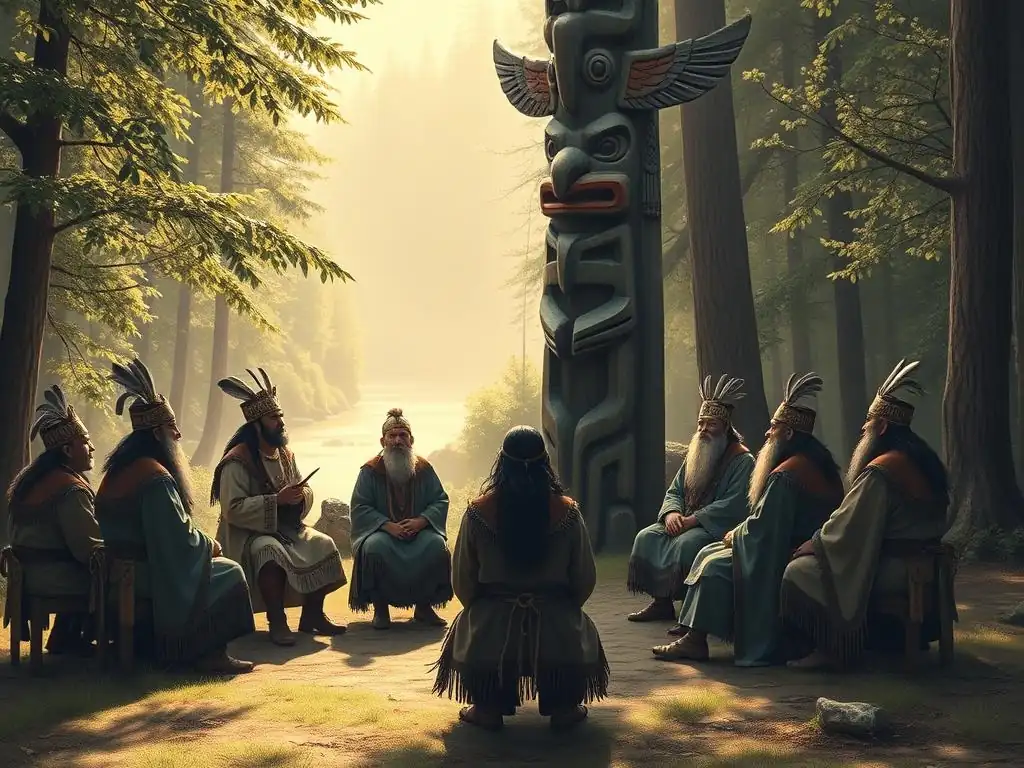
Indigenous governance systems in the Americas have a rich historical context that reflects the diverse cultures, traditions, and environments from which they emerged. These systems were not monolithic; rather, they varied significantly across regions and cultures, shaped by their unique social structures, economic practices, and interactions with the environment.
Key Indigenous Cultures and Their Governance Models
- The Iroquois Confederacy
- The Iroquois, or Haudenosaunee, formed a sophisticated political alliance that included six nations: Mohawk, Oneida, Onondaga, Cayuga, Seneca, and Tuscarora. Their governance model emphasized consensus decision-making and collective responsibility, exemplified by the Great Law of Peace, which established principles of unity and mutual respect.
- The Aztec Empire
- In contrast, the Aztec governance model was centralized, with a monarch at the helm. The emperor wielded significant power, supported by a complex bureaucratic system. The Aztecs employed tribute systems to manage their vast territories, reflecting a hierarchical structure that balanced local autonomy with imperial oversight.
- The Inca Empire
- The Incas practiced a unique form of governance characterized by extensive administrative control over their vast territory. The Sapa Inca, considered a divine ruler, presided over a highly organized state that employed a detailed system of roads, messengers, and local governors. Their governance was marked by the concept of ayllu, a community-based system that emphasized collective labor and resource sharing.
- The Pueblo Peoples
- The Pueblo cultures in the Southwestern United States adopted a decentralized governance model that often revolved around kinship and community consensus. Governance varied from village to village, with leaders chosen for their wisdom and experience, reflecting a deep connection to their land and spiritual practices.
These varied governance models highlight the adaptability and diversity of indigenous governance systems, showcasing their resilience and relevance even in contemporary discussions about governance and political systems.
Comparative Analysis of Pre-Colonial Governance Structures
When comparing the indigenous governance systems of the Americas, several key themes emerge:
- Decentralization vs. Centralization:
- Many indigenous cultures, like the Iroquois and Pueblo, emphasized decentralized governance, encouraging local autonomy and collective decision-making. In contrast, empires like the Aztecs and Incas exhibited centralized structures, with strong hierarchical leadership.
- Consensus vs. Authority:
- In systems such as the Iroquois Confederacy, consensus was paramount. Decisions required broad agreement among leaders, promoting a culture of dialogue and respect. Conversely, the central authorities in the Aztec and Inca empires implemented decisions from the top down, emphasizing obedience and control.
- Connection to Land and Community:
- Indigenous governance structures often reflected a deep spiritual and practical connection to the land. For example, Pueblo governance was intertwined with agricultural practices and spiritual beliefs, reinforcing community bonds and sustainability.
| Governance Structure | Key Characteristics | Notable Cultures |
|---|---|---|
| Decentralized | Local autonomy, consensus decision-making | Iroquois, Pueblo |
| Centralized | Hierarchical, strong central authority | Aztec, Inca |
This comparative analysis reveals that indigenous governance systems were not only practical but also infused with cultural significance, demonstrating a profound understanding of the relationship between governance, community, and the environment.
Influence of Geography on Governance Practices
Geography played a critical role in shaping indigenous governance systems across the Americas. The diverse landscapes—from dense forests and arid deserts to expansive plains and towering mountains—directly influenced societal organization, resource management, and political structures.
- Resource Availability:
- Access to natural resources determined the governance practices of many indigenous cultures. For instance, coastal tribes like the Tlingit developed complex trade networks and political alliances due to abundant marine resources, while the Plains tribes adapted to a nomadic lifestyle centered around buffalo hunting, leading to different governance needs.
- Cultural Adaptation:
- Geographic factors necessitated cultural adaptations in governance. The agricultural societies of the Maya and Inca developed intricate irrigation systems and communal land management practices to thrive in their environments, which also influenced their governance structures to favor cooperation and collective decision-making.
- Territoriality and Conflict:
- Geography also affected territorial boundaries and intertribal relations. In regions where resources were scarce, such as the Great Basin, competition often led to more defined governance structures to manage conflicts and maintain peace among tribes.
The interplay between geography and governance practices underscores the importance of understanding indigenous governance systems as dynamic and responsive to their environments. This legacy continues to inform contemporary discussions on governance, resource management, and community resilience in the face of environmental challenges.
Core Principles of Indigenous Governance Systems
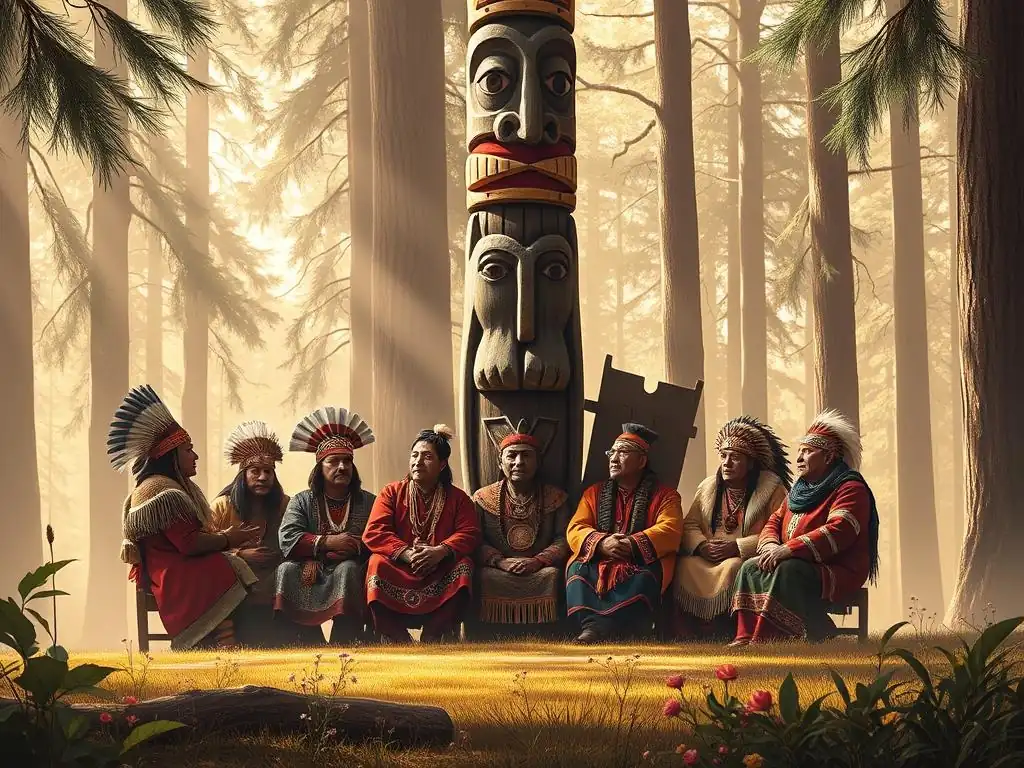
Indigenous governance systems are characterized by unique principles that have evolved over centuries, shaped by the cultural, spiritual, and social contexts of various communities. These principles are fundamental to understanding how indigenous governance systems legacy continues to influence contemporary political structures. Key aspects include community engagement, consensus-building, respect for elders, and a deep connection to spirituality and culture.
Community and Consensus-Based Decision Making
One of the cornerstones of indigenous governance is community and consensus-based decision making. This approach emphasizes collective participation, ensuring that every voice is heard and valued in the decision-making process. Unlike hierarchical governance systems, where decisions are often made by a select few, indigenous governance fosters an environment of inclusivity.
- Collective Responsibility: All members of the community share responsibility for decisions, which cultivates a sense of ownership and accountability.
- Consensus Over Majority Rule: Decisions are typically reached through consensus, reflecting the community's collective will rather than a majority vote. This process can be time-consuming but is vital for maintaining harmony and unity within the group.
- Cultural Practices: Various indigenous cultures incorporate traditional practices and ceremonies into their decision-making processes, reinforcing the importance of cultural identity in governance.
This model has significant implications for contemporary governance, encouraging participatory democracy and the inclusion of marginalized voices in political discourse.
Role of Elders and Traditional Leaders
The role of elders and traditional leaders is another pivotal aspect of indigenous governance systems. Elders are often viewed as the custodians of knowledge, culture, and history, providing wisdom and guidance to their communities.
- Advisory Role: Elders serve as advisors in governance, drawing on their experiences and understanding of cultural traditions to influence decisions.
- Mediation and Conflict Resolution: They often play a crucial role in mediating conflicts, utilizing traditional practices to restore harmony and balance within the community.
- Cultural Transmission: Elders are responsible for passing down cultural teachings and values to younger generations, ensuring that governance practices remain rooted in the community's heritage.
In contemporary settings, the inclusion of elder knowledge can enhance political processes by integrating traditional wisdom into modern governance frameworks.
Spiritual and Cultural Foundations of Governance
Indigenous governance systems are deeply intertwined with spiritual and cultural foundations. Spiritual beliefs shape the values and practices that inform governance, reflecting a holistic understanding of the world.
- Connection to Land: Many indigenous cultures view governance as inseparable from their relationship with the land. This connection influences decision-making, emphasizing sustainability and respect for natural resources.
- Cultural Identity: Governance practices are often expressions of cultural identity, incorporating rituals, symbols, and community customs that reinforce social cohesion.
- Spirituality in Leadership: Leadership is frequently seen as a spiritual calling, with leaders expected to embody the values and principles of their culture. This spiritual dimension adds depth to the governance process, fostering a sense of purpose and commitment among leaders.
Understanding these spiritual and cultural foundations is essential for appreciating the legacy of indigenous governance systems and their continuing relevance in contemporary political contexts. By recognizing the importance of these elements, societies can work towards more inclusive and culturally sensitive governance practices that honor indigenous contributions.
Case Studies of Indigenous Governance Systems
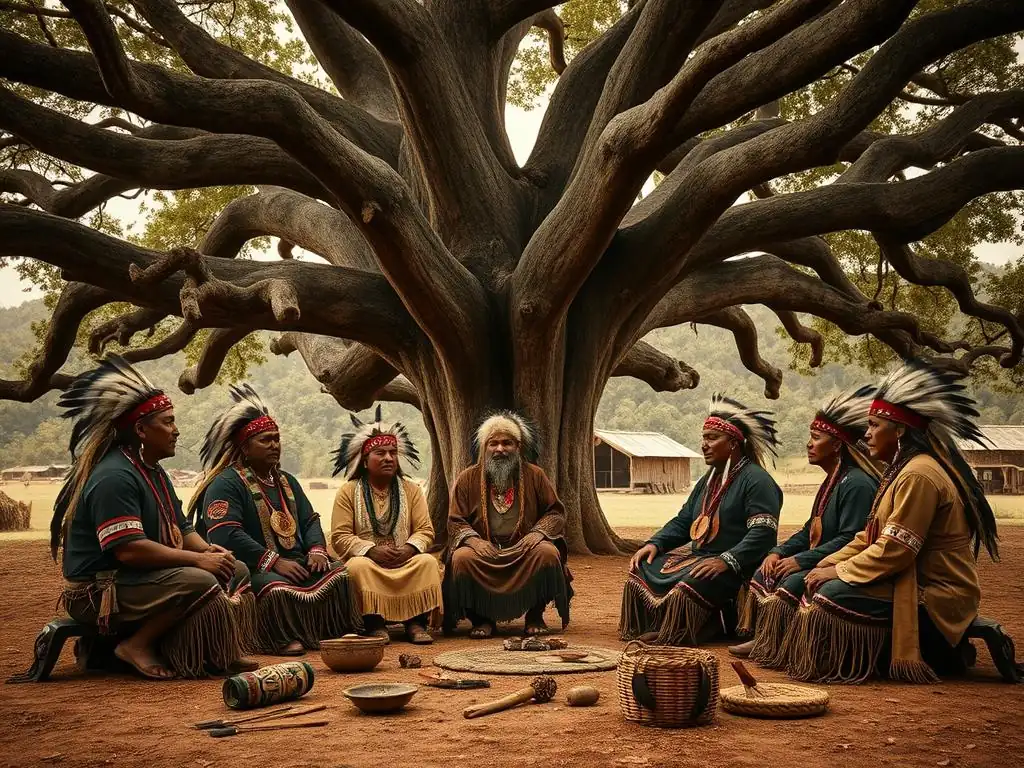
Examining specific cases of indigenous governance systems provides valuable insights into the legacy of indigenous governance systems legacy and how these historical frameworks continue to influence contemporary political structures. Below, we explore three prominent examples: the Iroquois Confederacy, the Inca Empire, and the Navajo Nation.
The Iroquois Confederacy: A Model of Democracy
The Iroquois Confederacy, also known as the Haudenosaunee, is often cited as one of the earliest forms of participatory democracy in North America. Established in the 12th century, this sophisticated political alliance comprised five (later six) nations: the Mohawk, Oneida, Onondaga, Cayuga, and Seneca, with the Tuscarora joining in the early 18th century.
- Governance Structure: The Confederacy operated under a council of representatives, known as the Grand Council, which consisted of leaders from each nation. Decisions were made through consensus rather than majority rule, emphasizing cooperation and mutual respect.
- Influence on U.S. Democracy: The democratic principles of the Iroquois Confederacy significantly influenced the founding fathers of the United States. Benjamin Franklin and Thomas Jefferson were particularly inspired by the Iroquois model, which emphasized liberty, equality, and the importance of a collective decision-making process.
“The Iroquois Great Law of Peace is a remarkable example of indigenous governance that stressed the importance of community and the collective good.”
- Legacy: The legacy of the Iroquois governance system can still be seen in modern democratic practices, particularly in the emphasis on consensus and representative governance. Their principles continue to inspire indigenous nations today as they advocate for self-determination and political representation.
The Inca Empire: Centralized Governance and Local Autonomy
The Inca Empire, which flourished from the early 15th century until the Spanish conquest in the 16th century, presents a contrasting model of governance characterized by centralized authority combined with local autonomy.
- Administrative Structure: The Inca Empire was divided into four regions, each governed by a local leader known as an ayllu. These leaders maintained a degree of autonomy, overseeing local affairs while adhering to the overall policies set by the Inca ruler, or Sapa Inca.
- Infrastructure and Communication: One of the hallmarks of Inca governance was its impressive infrastructure, including an extensive road system that facilitated communication and trade across vast distances. This centralized network allowed for efficient administration and resource distribution.
| Feature | Inca Governance |
|---|---|
| Central Authority | Sapa Inca |
| Local Leaders | Ayllu |
| Key Infrastructure | Roads, storage facilities (qollqas) |
| Economic System | Mit'a labor system |
- Cultural Integration: The Incas implemented a policy of cultural integration, promoting the use of the Quechua language and encouraging the worship of the sun god, Inti, as a unifying factor across diverse cultures within the Empire.
“The Inca governance model illustrates how centralized power can coexist with local autonomy, a concept that remains relevant in discussions of federalism today.”
- Legacy: The Inca governance system’s legacy lies in its innovative integration strategies and administrative efficiency, which are studied as models for contemporary governance, particularly in contexts where diverse cultures coexist.
The Navajo Nation, located in the southwestern United States, exemplifies how indigenous governance systems can adapt to modern challenges while maintaining cultural traditions.
- Governance Structure: Established in 1989, the Navajo Nation operates under a constitution that blends traditional practices with contemporary governance structures. The Nation has a president, a council, and a judicial system that reflect both democratic principles and Navajo customs.
- Cultural Preservation: The Navajo Nation emphasizes the importance of cultural preservation within its governance framework. Initiatives that promote language revitalization, traditional practices, and community well-being are integral to its policies.
- Modern Challenges: The Navajo Nation faces contemporary issues such as resource management, economic development, and health care access. The governance system strives to address these challenges while respecting traditional values and community input.
“The Navajo Nation serves as a prime example of how indigenous governance can evolve, demonstrating resilience and adaptability in the face of modernity.”
- Legacy: The legacy of the Navajo governance system is evident in its ability to balance tradition with modern governance demands, serving as a model for other indigenous groups seeking to navigate contemporary political landscapes.
These case studies of indigenous governance systems highlight the diverse and rich legacy of indigenous governance systems legacy. They provide important lessons on democracy, centralized authority with local autonomy, and the adaptation of traditional practices to modern governance challenges.
The Legacy of Indigenous Governance in Contemporary Politics
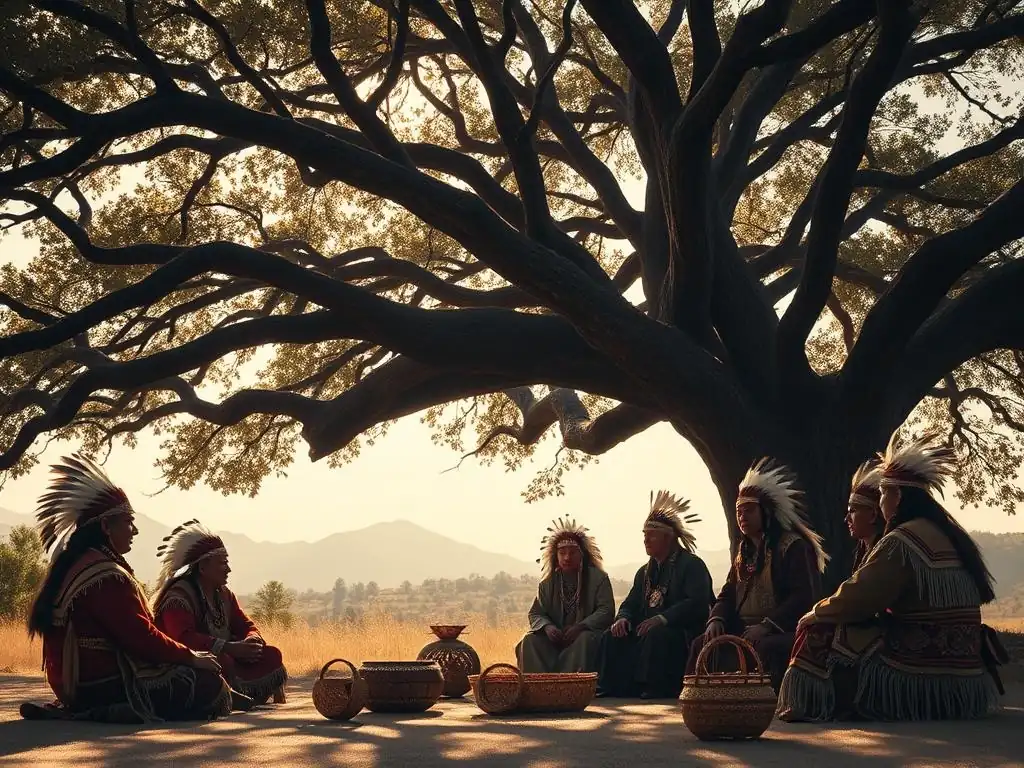
Adoption of Indigenous Principles in Modern Governance
The legacy of indigenous governance systems legacy is increasingly recognized in contemporary political frameworks around the globe. Many modern governments are beginning to incorporate principles derived from ancient systems, emphasizing collective decision-making, consensus-building, and community involvement. These principles resonate deeply with contemporary movements advocating for more inclusive and participatory governance.
- Consensus Decision-Making: Many indigenous cultures, such as the Haudenosaunee Confederacy, practiced consensus decision-making, where decisions were made only when all members agreed. This approach fosters a sense of community and shared responsibility, contrasting sharply with majority-rule systems often employed in modern democracies.
- Holistic Governance Models: Indigenous governance often encompasses a holistic view of community well-being, integrating social, environmental, and economic dimensions. Modern governance models, such as those seen in New Zealand with the principles of Te Tiriti o Waitangi (Treaty of Waitangi), seek to harmonize these aspects, which has led to more sustainable and equitable policies.
- Cultural Revitalization: Many contemporary indigenous movements advocate for the inclusion of traditional governance practices within the legal frameworks of nation-states. This revitalization not only preserves cultural identity but also encourages more responsive and adaptive governance structures.
Case Examples of Indigenous Governance Influencing Policy
The influence of indigenous governance systems can be seen in various case studies across the Americas, where ancient practices have informed contemporary policies. Here are notable examples:
- The Iroquois Confederacy: Their Great Law of Peace has been cited as a significant influence on the United States Constitution. Principles like checks and balances, as well as the importance of dialogue and negotiation, can be traced back to this confederacy's governance practices.
- The Zapatista Movement in Mexico: This grassroots movement has emphasized indigenous governance, advocating for autonomy and self-determination. Their model of governance incorporates traditional practices that prioritize communal land management and local decision-making, demonstrating the effectiveness and relevance of indigenous systems in addressing modern issues.
- The Sami Parliament in Norway: The Sami people have established their own governing body to address their rights and interests. This parliament operates based on indigenous governance principles, reflecting a blend of traditional knowledge and contemporary political engagement that serves as a model for indigenous representation.
Indigenous governance systems legacy plays a crucial role in social justice movements, particularly as marginalized communities seek to reclaim agency over their rights and resources. The following elements highlight this relationship:
- Advocacy for Land Rights: Indigenous peoples have long fought for recognition of their land rights, often citing traditional governance practices that emphasize stewardship and sustainable management. These movements have gained traction globally, influencing international legal frameworks concerning indigenous land rights.
- Intersectionality in Social Justice: Indigenous governance frameworks often embrace an intersectional approach, recognizing that social justice issues are interconnected. This perspective encourages collective action that addresses not only indigenous rights but also broader social issues such as climate change, economic inequality, and racial justice.
- Cultural Sovereignty: Many social justice movements draw upon indigenous governance to advocate for cultural sovereignty, emphasizing the importance of preserving languages, traditions, and governance systems. This revival of cultural practices fosters resilience within communities and empowers them to assert their rights within contemporary political landscapes.
The legacy of indigenous governance systems continues to shape contemporary political discourse, demonstrating that ancient practices can provide valuable insights for modern governance challenges. By embracing these principles, societies can work towards a more equitable and just future.
Challenges and Opportunities in Reviving Indigenous Governance
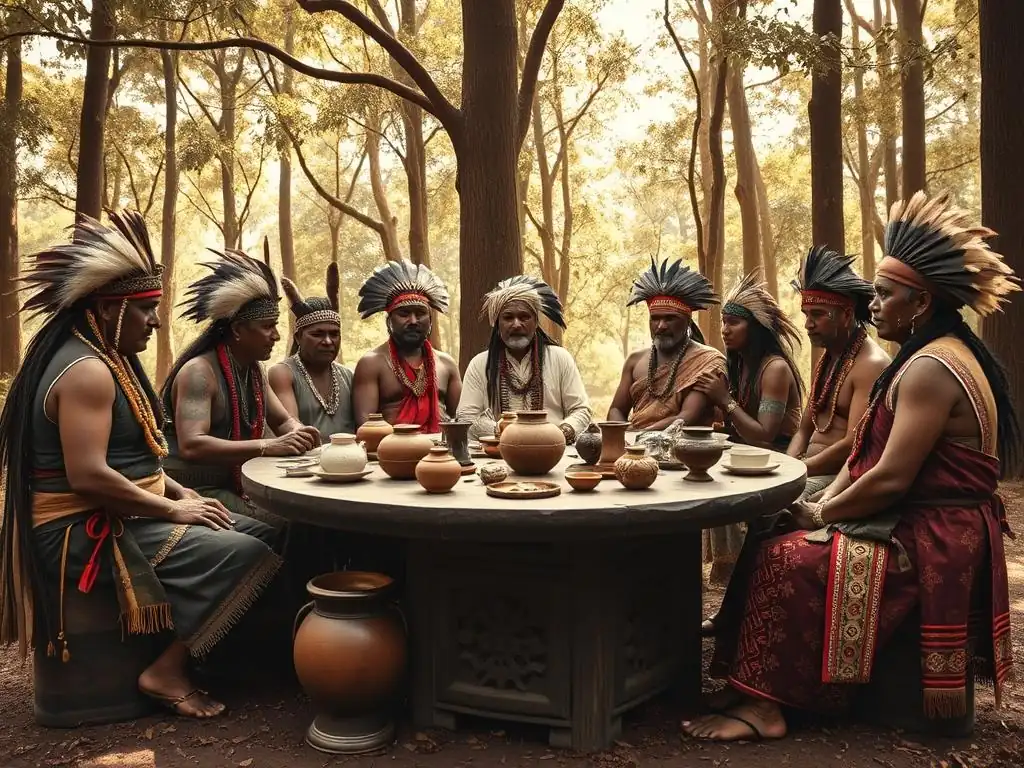
The revival of indigenous governance systems presents both significant challenges and unique opportunities. These systems, which have deep historical roots and are often tailored to the specific needs and contexts of indigenous communities, can offer valuable insights into contemporary governance. However, several hurdles must be overcome to facilitate their resurgence in today’s political landscape.
Current Political Climate and Indigenous Representation
The current political climate in many countries is marked by a growing awareness of indigenous rights and the need for representation. Despite this progress, substantial challenges remain. Many indigenous communities continue to face systemic discrimination, marginalization, and a lack of political power.
Key Points:
- Underrepresentation: Indigenous peoples are often underrepresented in legislative bodies, leading to policies that do not reflect their needs or perspectives.
- Cultural Misunderstanding: There is frequently a lack of understanding or respect for indigenous governance systems among non-indigenous political leaders. This can lead to tokenism and ineffective integration of indigenous voices into the political process.
- Legal Barriers: Many existing legal frameworks do not accommodate indigenous governance, making it difficult for indigenous leaders to assert their rights and authority within their communities.
Despite these challenges, there are also opportunities for growth. The rising global focus on diversity, equity, and inclusion in governance can serve as a platform for advocating for indigenous representation. Additionally, international agreements, such as the UN Declaration on the Rights of Indigenous Peoples, provide a framework for recognizing and supporting indigenous governance.
Efforts to Integrate Indigenous Governance Systems into Modern Frameworks
Integrating indigenous governance systems into contemporary political frameworks is a complex but essential task. Various initiatives have emerged worldwide, aiming to bridge traditional governance with modern political structures.
Examples of Integration:
- Collaborative Governance Models: Some countries have begun to develop collaborative governance models that recognize the authority of indigenous systems while incorporating them into national governance. This can take the form of joint decision-making processes on land use or resource management.
- Legal Recognition: Efforts to amend constitutions or legal frameworks to formally recognize indigenous governance systems are underway in several nations. This recognition can empower indigenous communities to govern their affairs according to their traditions and customs.
- Educational Programs: Increasing awareness about indigenous governance through education is vital. Programs that teach both indigenous and non-indigenous students about these systems can foster mutual respect and understanding.
The integration of these systems not only benefits indigenous communities but also enriches the broader political landscape by introducing alternative governance models that emphasize sustainability, community well-being, and holistic decision-making.
The Future of Indigenous Governance in Global Politics
The future of indigenous governance in global politics is promising yet uncertain. As indigenous movements gain momentum and recognition, the potential for these systems to inform and shape contemporary governance is becoming more pronounced.
Potential Developments:
- Increased Autonomy: Many indigenous groups are advocating for greater autonomy and self-determination. As nations recognize these rights, we may see a shift towards decentralized governance that respects indigenous systems.
- Global Alliances: Indigenous communities are increasingly forming global alliances to share knowledge, strategies, and resources. This collective action can amplify their voices on the international stage and influence global governance discussions.
- Sustainable Practices: Indigenous governance systems often emphasize sustainability and stewardship of the land. As the world grapples with climate change and environmental degradation, these practices could serve as vital models for future governance.
While the path to reviving and integrating indigenous governance systems into contemporary politics is fraught with challenges, the opportunities for collaboration and innovation are significant. As society continues to evolve, the legacy of indigenous governance systems may play a crucial role in shaping a more inclusive and equitable political future.
Conclusion: The Enduring Impact of Indigenous Governance Systems Legacy
The legacy of indigenous governance systems is a vital aspect of understanding both the historical and contemporary political landscapes of the Americas. These ancient frameworks established principles of leadership, community engagement, and resource management that continue to resonate today. The integration of indigenous governance systems into modern political discourse not only acknowledges the richness of these cultures but also enhances the effectiveness and inclusiveness of contemporary governance.
Summary of Key Insights
Throughout history, indigenous governance systems exhibited remarkable diversity, yet they shared common values that prioritized communal well-being, environmental stewardship, and participatory decision-making. Here are some key insights into their enduring impact:
- Decentralized Leadership: Many indigenous societies operated on decentralized leadership structures, which fostered collective decision-making and minimized the concentration of power. This principle can inform modern political systems seeking to enhance democratic practices.
- Holistic Resource Management: Indigenous governance emphasized sustainable practices and a deep respect for nature. This holistic approach offers valuable lessons for contemporary environmental policies and resource management strategies.
- Cultural Resilience: The resilience of indigenous governance systems illustrates the importance of cultural identity and community cohesion. Recognizing and integrating these systems can empower marginalized communities and promote social justice.
- Legal Frameworks: Many indigenous groups developed their own legal frameworks that prioritized restorative justice and community healing. These principles can serve as inspiration for reforming contemporary legal systems to be more equitable and just.
Call to Action for Recognizing Indigenous Governance Contributions
As we move forward, it is crucial to recognize and honor the contributions of indigenous governance systems in shaping our current political landscape. Here are some actionable steps to facilitate this recognition:
- Educate and Advocate: Promote awareness of indigenous governance systems through educational programs, workshops, and community discussions. Encourage the inclusion of indigenous perspectives in academic curricula and public discourse.
- Support Indigenous Rights: Advocate for policies that protect and promote indigenous rights, including land rights and governance self-determination. Support initiatives that aim to integrate indigenous governance principles in local and national policies.
- Engage in Dialogue: Foster open dialogues between indigenous leaders and government officials. These conversations can lead to collaborative efforts that respect and incorporate indigenous governance practices into contemporary frameworks.
- Celebrate Indigenous Cultures: Recognize and celebrate the rich heritage of indigenous cultures through cultural events, exhibitions, and storytelling. This acknowledgment plays a vital role in preserving their legacy and fostering mutual respect among different communities.
By taking these steps, we can ensure that the legacy of indigenous governance systems is not only remembered but actively integrated into the fabric of contemporary political life, paving the way for a more equitable and just society.
Frequently Asked Questions
What are indigenous governance systems?
Indigenous governance systems refer to the traditional methods and practices by which indigenous communities managed their affairs, including decision-making processes, leadership roles, and community organization.
How did ancient systems of governance influence contemporary politics?
Ancient indigenous governance systems have significantly influenced modern political structures by providing frameworks for community participation, environmental stewardship, and cultural preservation that are increasingly valued today.
What are some notable achievements of indigenous civilizations?
Indigenous civilizations made remarkable contributions such as sophisticated agricultural techniques, complex political organizations, and rich cultural traditions, all of which laid a foundation for their resilience and adaptability.
How does the legacy of indigenous governance systems continue to impact society today?
The legacy of indigenous governance is evident in contemporary movements advocating for self-determination, policy reforms, and the recognition of indigenous rights, emphasizing the importance of traditional knowledge in today's world.
Why is it important to study indigenous cultures before colonization?
Studying indigenous cultures before colonization helps to understand their achievements, resilience, and the socio-political structures they established, which continue to shape their identities and influence current societal frameworks.
Final Reflection: Embracing the Legacy of Indigenous Governance Systems
The legacy of indigenous governance systems is not just a historical artifact; it is a living framework that resonates deeply in today's political landscape. As we navigate the complexities of contemporary governance, the principles rooted in indigenous practices offer invaluable insights into community engagement, sustainability, and collective decision-making. The relevance of these ancient systems is more pronounced than ever, reminding us that wisdom can transcend time and inform our modern challenges.
The influence of indigenous governance systems is a testament to the resilience and adaptability of these cultures. They have shaped not only local communities but also global conversations around justice, environmental stewardship, and social equity. As we witness a growing recognition of indigenous rights and practices, we are reminded of the words of Vine Deloria Jr.: The most important thing is that we have to learn to live together as human beings.
This sentiment underscores the necessity of integrating diverse governance models to foster inclusivity and respect for all voices in our societal structures.
As we reflect on the lessons imparted by indigenous governance systems, let us take this opportunity to engage with these principles in our own lives. Consider how you can incorporate the values of collaboration, respect for nature, and community well-being into your daily actions. By doing so, we not only honor the legacy of these ancient systems but also pave the way for a more equitable and sustainable future. The journey towards understanding and implementing these practices begins with each of us—let's embrace this legacy and transform it into action.
Unleash the Wisdom of Indigenous Governance Today!
Thank you for taking the time to explore the rich tapestry of Indigenous governance and its profound influence on contemporary political systems. You've uncovered insights that can shape not just your understanding but also your approach to modern governance.
Now, it's time to put this knowledge into action! Here are a few empowering steps you can take to embrace and advocate for the legacy of Indigenous systems:
- Dive Deeper: Research specific Indigenous governance models within your community or from various regions around the world. Discover how you can integrate these valuable principles into your local initiatives.
- Engage with Your Community: Host a local discussion group to share insights from this exploration and discuss how Indigenous governance can inspire innovative solutions for today's challenges.
- Share Your Voice: Create a blog post or video highlighting what you've learned and its relevance to modern society. Utilize social media platforms to broaden the discussion!
How will you use the wisdom of Indigenous governance to inspire change in your life or community? Let's start a dialogue!