
The Influence of Natural Landscapes on Mesoamerican Building Techniques

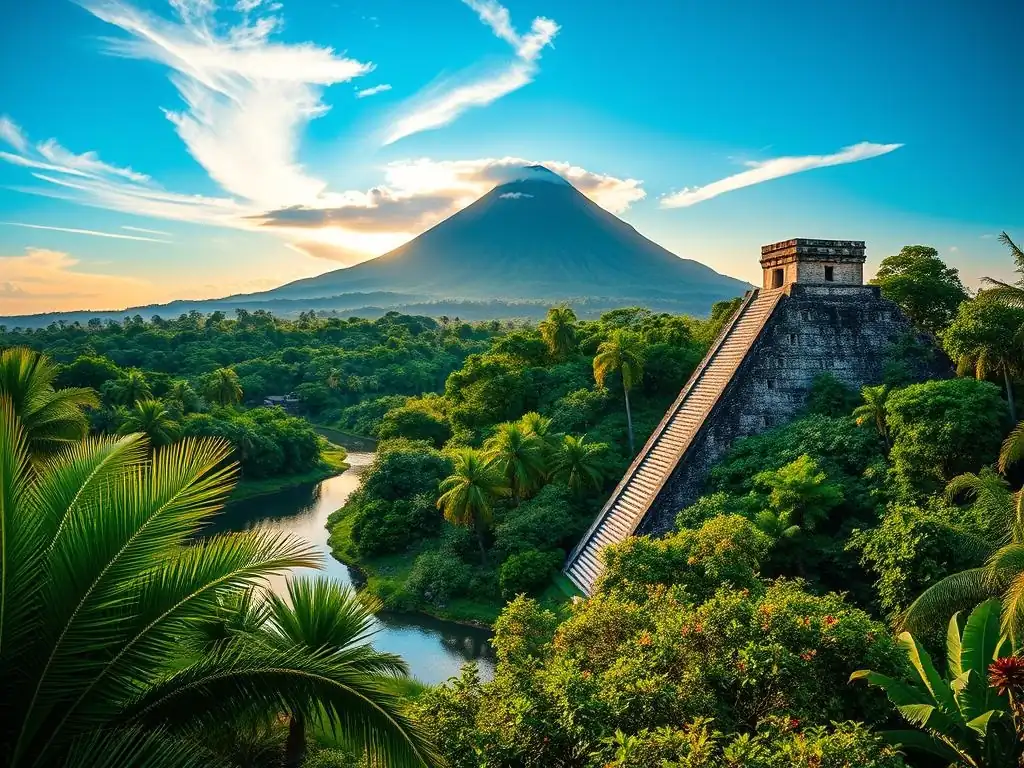
Welcome to Indigenous Civilizations of the Americas, where we invite you to embark on a journey through the rich tapestry of indigenous cultures that flourished long before European contact. Here, you'll uncover the fascinating achievements and societal structures that shaped these vibrant communities. Our featured article, "The Influence of Natural Landscapes on Mesoamerican Building Techniques," delves into the ingenious methods employed by ancient civilizations, revealing how their environments sculpted their architectural marvels.
Prepare to be captivated as you explore how these innovative techniques not only reflect a deep connection to the land but also laid the groundwork for future generations. Dive in and discover the remarkable stories that await!
- Introduction to Mesoamerican Building Techniques Influence
- The Role of Geography in Mesoamerican Architecture
- Natural Resources and Mesoamerican Building Techniques
- Cultural and Spiritual Connections to Natural Landscapes
- Case Studies of Mesoamerican Structures Influenced by Natural Landscapes
- Adaptations to Natural Challenges in Mesoamerican Building Techniques
- Conclusion: Lasting Influence of Natural Landscapes on Mesoamerican Architecture
- References for Further Reading on Mesoamerican Building Techniques Influence
-
Frequently Asked Questions
- What are Mesoamerican building techniques?
- How did natural landscapes influence building techniques in Mesoamerica?
- What are some examples of Mesoamerican architectural achievements?
- How did indigenous cultures prioritize sustainability in their construction?
- What is the lasting impact of Mesoamerican building techniques today?
- Final Reflection: The Enduring Legacy of Mesoamerican Building Techniques
- Embrace the Wisdom of Nature in Architecture!
Introduction to Mesoamerican Building Techniques Influence
The architectural achievements of Mesoamerican civilizations are a testament to the ingenuity and adaptability of their cultures in response to the diverse natural landscapes they inhabited. This article delves into the intricate ways in which the unique geographical features of the Mesoamerican region—ranging from lush jungles to arid highlands—influenced their building techniques.
By examining the interplay between environment and architecture, we can better understand how these civilizations not only constructed monumental structures but also harmonized their creations with the surrounding ecosystems. This exploration highlights the significance of natural landscapes in shaping Mesoamerican building techniques, revealing the profound relationship between humanity and the environment that persists to this day.
Overview of Mesoamerican Architecture
Mesoamerican architecture reflects a rich tapestry of cultural expression, showcasing the artistic and technological advancements of civilizations such as the Maya, Aztec, and Olmec. The architectural styles varied significantly, but several key features are prevalent across these cultures:
- Pyramids and Temples: Often built as ceremonial centers, these structures exemplified advanced engineering and were aligned with celestial events.
- Urban Planning: Cities like Teotihuacan and Tikal were meticulously planned, incorporating plazas, residential areas, and ceremonial complexes.
- Material Use: Builders utilized locally sourced materials, including limestone, adobe, and volcanic stone, which were essential in adapting to different environments.
The enduring legacy of Mesoamerican architecture is not just in its physical remnants but also in the cultural narratives embedded within these structures.
Importance of Natural Landscapes in Building Techniques
The natural landscapes of Mesoamerica played a crucial role in determining the building techniques employed by its civilizations. Various factors influenced these decisions, including:
- Topography: The mountainous regions led to the construction of terraced buildings, while flat areas allowed for expansive urban layouts.
- Climate: Regions with abundant rainfall prompted the use of perishable materials like wood and thatch, whereas arid areas favored stone and adobe to withstand the elements.
- Resource Availability: Access to specific materials dictated architectural styles; for example, the Mayans utilized limestone extensively due to its abundance in their region.
By understanding the influence of these natural landscapes, we gain insights into how Mesoamerican societies not only adapted to their environments but also innovated in their architectural practices, creating structures that were both functional and symbolically rich.
The Role of Geography in Mesoamerican Architecture
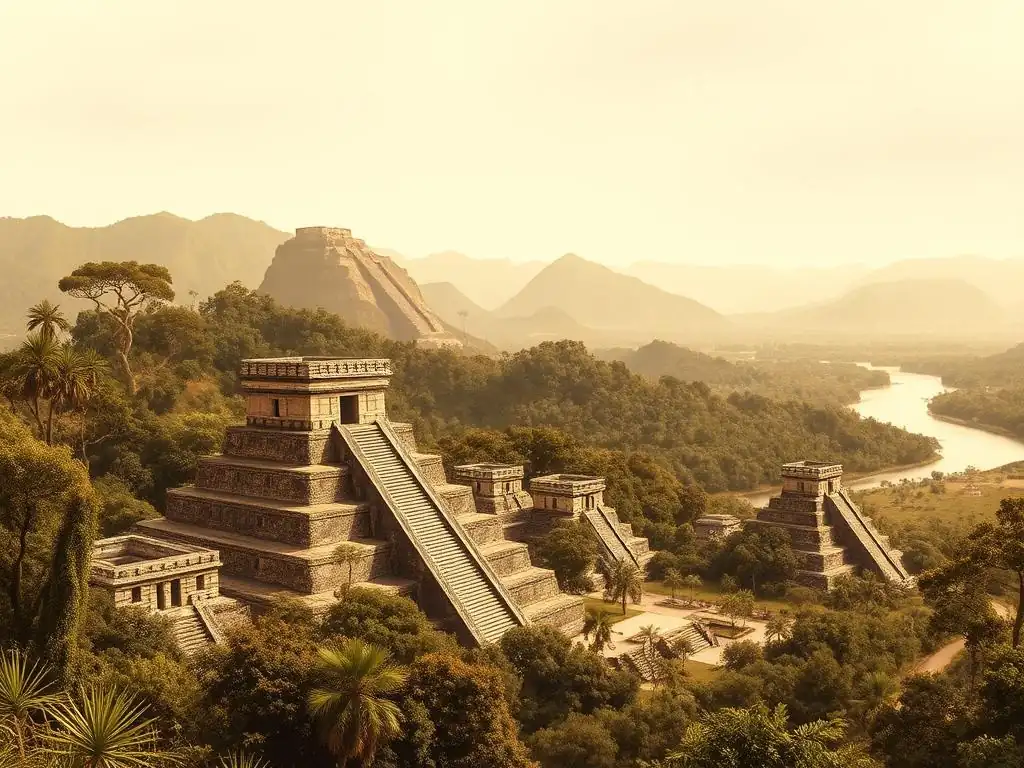
Mesoamerican architecture is a remarkable testament to the ingenuity and adaptability of indigenous cultures in response to their natural landscapes. The intricate relationship between geography and building techniques is evident in the ways that topography and climate shaped the materials, forms, and functions of structures throughout the region. Understanding these influences is essential for appreciating the sophisticated architectural achievements that emerged in ancient Mesoamerica.
Topographical Features and Their Impacts on Construction
The diverse topography of Mesoamerica, characterized by mountains, valleys, and plateaus, greatly influenced architectural practices.
- Mountainous Regions: In areas such as the Sierra Madre, the abundance of stone facilitated the use of durable materials in construction. The Maya, for example, utilized limestone extensively, which was readily available in their environment. The construction of grand temples and pyramids, such as the Pyramid of Kukulcán at Chichén Itzá, showcased not only religious significance but also an adaptation to the rugged terrain.
- Valleys and Plains: Conversely, in low-lying valleys, such as the Valley of Mexico, builders often constructed with adobe and clay, materials that were abundant in these areas. This adaptability allowed for the development of extensive urban centers, like Tenochtitlán, where large-scale structures were built with a focus on both functionality and aesthetics.
- Water Sources: Proximity to rivers and lakes also played a crucial role, as these water bodies provided essential resources for construction materials and transportation. The Aztecs ingeniously created floating gardens, or chinampas, which relied on the surrounding aquatic landscapes for both food production and structural stability.
These topographical features not only dictated the types of materials used but also influenced the overall design and layout of Mesoamerican urban environments. Builders had to consider the contours of the land, resulting in structures that harmonized with their surroundings rather than imposing upon them.
Climate Influence on Mesoamerican Building Materials
Climate is another critical factor that shaped Mesoamerican building techniques. The region experiences a variety of climatic conditions, from tropical rainforests to arid highlands, which directly impacted the choice of materials and construction methods.
- Tropical Climates: In areas with high humidity and rainfall, such as the lowland Maya region, builders relied on materials that could withstand moisture. The use of coconuts, palm fronds, and thatched roofs was common, allowing for structures that were both functional and resistant to the elements. The design of buildings often included overhanging eaves to protect walls from heavy rains.
- Dry Climates: In contrast, the arid regions of northern Mesoamerica saw the use of adobe bricks made from sun-dried clay. This technique was not only effective for insulation but also utilized local resources efficiently. Structures in these areas were often built with thick walls to regulate interior temperatures against the harsh sun.
- Seasonal Variations: Additionally, the seasonal variations in precipitation and temperature influenced the timing of construction activities. For instance, during the dry season, builders could focus on extensive brick-making and foundation laying, while the rainy season was reserved for the completion of roofing and finer details.
The interplay of climate and geography resulted in a rich tapestry of architectural styles and techniques across Mesoamerica. By utilizing locally available materials and adapting to environmental conditions, indigenous cultures demonstrated remarkable resilience and creativity in their building practices.
The influence of natural landscapes on Mesoamerican building techniques is profound and multifaceted. By examining topographical features and climate conditions, we can gain a deeper understanding of how these elements shaped the extraordinary architectural achievements of indigenous civilizations in the Americas.
Natural Resources and Mesoamerican Building Techniques
Availability of Local Materials
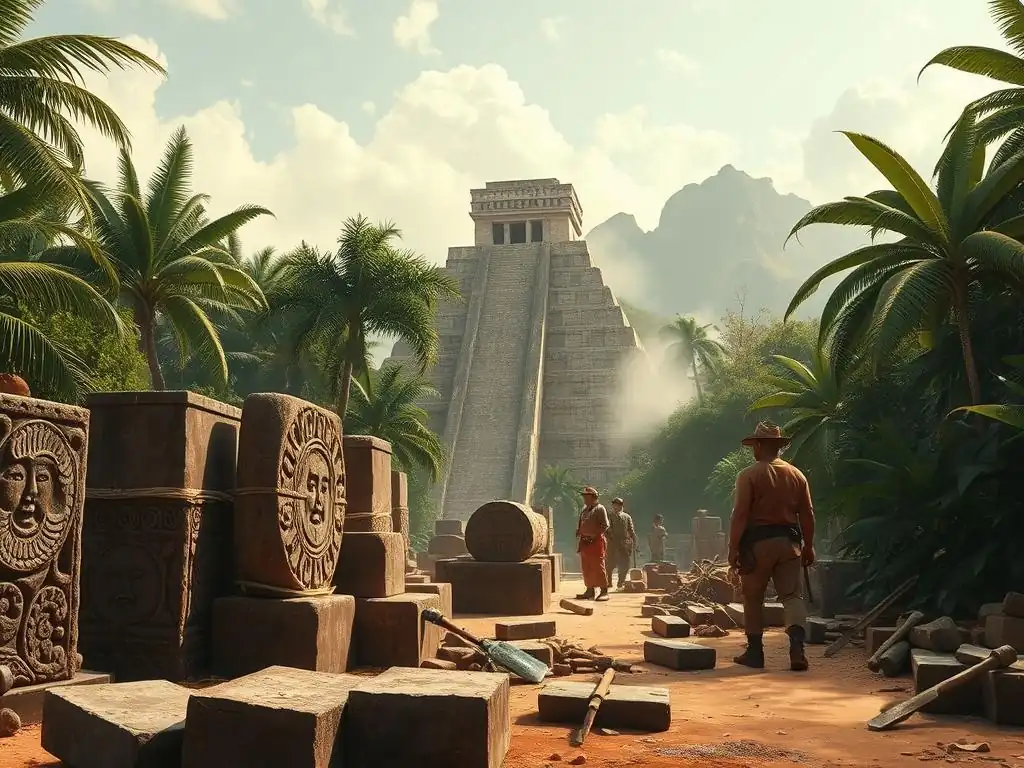
The availability of local materials played a crucial role in shaping Mesoamerican building techniques. The diverse natural landscapes of the region provided various resources that influenced architectural styles and construction methods. Each civilization, from the Olmecs to the Maya, adapted their techniques based on the materials at hand, which not only facilitated construction but also integrated their structures into the surrounding environment.
Stone and Its Significance in Mesoamerican Structures
Stone was one of the most prominent materials used in Mesoamerican architecture, valued for its durability and aesthetic appeal. The ancient Mesoamericans utilized local stone types, such as limestone, basalt, and volcanic rock, to create monumental structures, temples, and pyramids. For instance, the Maya often employed limestone, which was abundant in the Yucatán Peninsula.
- Durability: Stone structures have withstood the test of time, exemplified by the remains of the Pyramid of Kukulcán at Chichen Itza, showcasing the longevity of Mesoamerican architectural prowess.
- Symbolism: Stones were often imbued with cultural significance, with carvings and inscriptions that reflected the beliefs, history, and achievements of the societies that built them.
The mastery of stone masonry techniques, including the use of corbel arches, allowed Mesoamerican architects to create impressive and complex structures that not only served religious and ceremonial functions but also demonstrated engineering ingenuity.
Use of Clay and Adobe in Construction
In addition to stone, clay and adobe were extensively utilized in Mesoamerican building techniques. These materials were particularly important in regions where stone was less accessible.
- Clay: This versatile material was used for creating bricks, pottery, and decorative elements. The Mesoamericans often shaped clay into bricks, which were then sun-dried or fired to increase their strength.
- Adobe: A mixture of clay, straw, and water formed adobe, which was commonly used for walls and roofs. This building technique provided thermal efficiency, helping to keep interiors cool in the hot climate.
The use of these materials not only reflected the environmental conditions of the region but also highlighted the resourcefulness of Mesoamerican civilizations in utilizing what was locally available to create functional and aesthetically pleasing structures.
Sustainable Practices in Ancient Mesoamerican Building
Sustainability was an intrinsic aspect of Mesoamerican building practices. The civilizations of this region often employed techniques that minimized environmental impact while maximizing resource efficiency.
- Recycling Materials: Ancient builders frequently reused materials from earlier structures, reinforcing a cycle of sustainability. This practice not only conserved resources but also created a continuity of cultural heritage.
- Integration with the Landscape: Mesoamerican architecture was designed to harmonize with the natural environment. For example, many structures were built on elevated platforms to mitigate flooding and to capture cooling breezes, demonstrating an understanding of local climatic conditions.
- Plant-Based Materials: In addition to stone and clay, plant materials such as bamboo and palm fibers were also used in construction. These renewable resources provided flexibility and adaptability in building techniques.
The holistic approach to construction in ancient Mesoamerican societies illustrates their profound connection to the natural world, showcasing a legacy of building practices that prioritized both functionality and sustainability. By understanding and utilizing the resources around them, these civilizations not only created enduring structures but also laid the groundwork for future architectural innovations.
Cultural and Spiritual Connections to Natural Landscapes
Mesoamerican civilizations, including the Maya, Aztec, and Olmec, exhibited profound cultural and spiritual connections to their natural landscapes, which significantly influenced their building techniques. This connection is evident in the way these societies integrated their architectural practices with the surrounding environment, often reflecting their cosmological beliefs and societal values.
The influence of natural landscapes on Mesoamerican building techniques is rooted in a deep respect for the earth and its resources. This relationship was not merely practical; it was also imbued with spiritual significance. Many structures were designed in alignment with natural features, such as mountains, rivers, and celestial bodies, demonstrating how these civilizations viewed the world as an interconnected web of life.
The Relationship Between Nature and Mesoamerican Cosmology
Mesoamerican cosmology was heavily influenced by the natural world, with various elements of the landscape representing deities or significant mythological narratives. The ancient Maya, for instance, believed that mountains were the abode of gods and ancestors. As a result, many ceremonial centers were constructed near sacred mountains, integrating their architectural designs with these vital natural features.
- Symbolic Representation: Natural elements such as caves and cenotes were considered portals to the underworld, often incorporated into ceremonial architecture. For example, the cenotes at Chichen Itza were critical in the religious practices of the Maya, influencing the layout of surrounding structures.
- Orientation and Alignment: Many Mesoamerican buildings were oriented towards astronomical events, such as solstices and equinoxes. This alignment was not only a reflection of their understanding of celestial bodies but also a manifestation of their beliefs, as seen in the Pyramid of the Sun at Teotihuacan, which is oriented toward the setting sun.
The integration of these cosmological beliefs into architecture is a testament to how Mesoamerican cultures perceived their environment as a living entity, deserving of respect and reverence.
Sacred Sites and Their Architectural Significance
Sacred sites in Mesoamerica often served as the focal points for religious and ceremonial activities, directly reflecting the influence of natural landscapes on their architectural designs. These sites were strategically chosen for their geographical features, enhancing their spiritual and cultural significance.
- Temple Complexes: Prominent examples include the Temple of Kukulkan at Chichen Itza, which is designed to create the illusion of a serpent descending the pyramid during the equinox. This architectural feat showcases the interplay between the built environment and natural celestial events.
- Ritual Spaces: The layout of cities like Tikal was planned to incorporate natural features, such as water bodies and hills, which were essential for both practical purposes and religious significance. The temples, plazas, and palaces were often constructed with an awareness of their surroundings, utilizing local materials that resonated with the landscape.
- Cultural Preservation: These sites continue to be places of cultural significance today, where descendants of these civilizations gather to honor their ancestors and maintain traditions that have persisted through centuries. The architecture serves as a physical manifestation of their identity and connection to the land.
The influence of natural landscapes on Mesoamerican building techniques is profound, reflecting a deep-seated reverence for nature and its spiritual dimensions. The architectural achievements of these civilizations are not only testaments to their ingenuity but also to their enduring connection with the environment that shaped their cultural and spiritual identities.
Case Studies of Mesoamerican Structures Influenced by Natural Landscapes
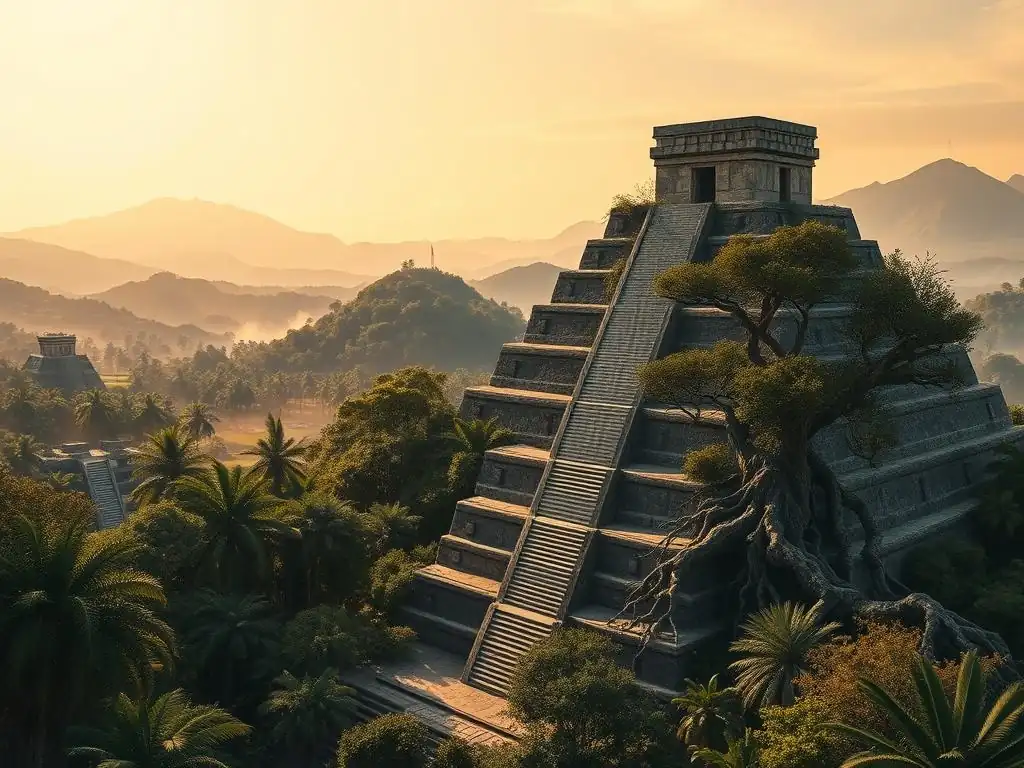
The Pyramids of Teotihuacan: A Reflection of the Surrounding Environment
The Pyramids of Teotihuacan, particularly the Pyramid of the Sun and the Pyramid of the Moon, are prime examples of how Mesoamerican building techniques were deeply influenced by the natural landscapes surrounding them. Located in a valley flanked by mountains, these monumental structures not only reflect the architectural ingenuity of the Teotihuacan civilization but also their deep connection with the environment.
- Alignment with Natural Features: The pyramids are strategically aligned with the surrounding mountains, particularly the Cerro Gordo and Cerro de la Estrella. This alignment suggests a cosmological significance, where the mountains were seen as sacred entities.
- Material Sourcing: The builders utilized locally available materials, such as volcanic rock and adobe, which not only contributed to the structural integrity of the pyramids but also harmonized the structures with their natural surroundings. The use of these materials facilitated the integration of the pyramids into the landscape, allowing them to blend seamlessly with the environment.
- Cultural Significance: The placement of the pyramids within the valley was not merely functional but also symbolic. The Pyramid of the Sun, for instance, was built on a site that may have been seen as a sacred space, believed to be the birthplace of the cosmos in Mesoamerican mythology. This connection between architecture and the natural world underscores the influence of the landscape on Mesoamerican building techniques.
The Mayan Temples: Integration of Nature and Architecture
The Mayan civilization is renowned for its remarkable temples, which exemplify the integration of nature and architecture through innovative building techniques. The construction of these temples reflects an acute awareness of the surrounding environment, particularly in relation to the region's diverse ecosystems.
- Site Selection: Mayan builders carefully selected locations for their temples, often situating them near natural features such as rivers, caves, and hills. This strategic placement not only enhanced the aesthetic appeal of the structures but also played a crucial role in their spiritual significance. For example, temples built near cenotes (natural sinkholes) were often associated with water deities and rituals.
- Sustainable Practices: The use of sustainable building practices is evident in the construction of Mayan temples. The incorporation of natural elements, such as limestone and vegetation, into the design helped to minimize environmental impact while maximizing structural resilience. The temples were often adorned with intricate carvings that depicted local flora and fauna, further emphasizing the connection between the architecture and the surrounding landscape.
- Symbolic Representations: Many Mayan temples featured architectural elements that symbolized natural phenomena. For instance, the Temple of the Inscriptions in Palenque incorporates elements that reflect the cycles of the sun and moon, demonstrating how Mesoamerican building techniques were influenced by celestial observations.
The influence of natural landscapes on Mesoamerican building techniques is vividly illustrated through these case studies. The Pyramids of Teotihuacan and the temples of the Mayans showcase not only the architectural prowess of these civilizations but also their profound respect for and integration with the environment.
Adaptations to Natural Challenges in Mesoamerican Building Techniques
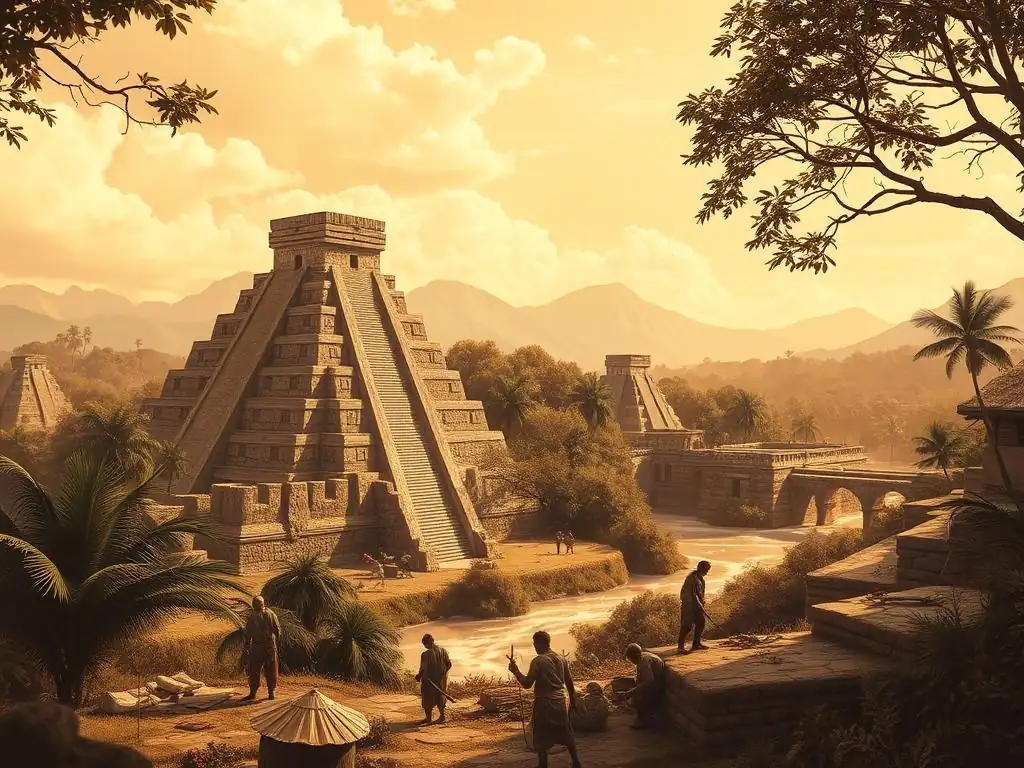
Mesoamerican civilizations, including the Maya and Aztecs, developed unique building techniques that were intrinsically linked to their natural landscapes. These adaptations were crucial for addressing environmental challenges such as earthquakes and floods, ensuring the durability and functionality of their structures. The ingenuity of these societies is evident in their architectural solutions, which were designed not only to withstand natural calamities but also to harmonize with their surroundings.
Earthquake Resistance in Mesoamerican Structures
Mesoamerica is located in a seismically active region, making earthquake resistance a vital consideration in building design. The architectural innovations developed by Mesoamerican peoples reflect their understanding of geological vulnerabilities and their ability to create resilient structures.
- Material Selection:
- Mesoamerican builders often utilized locally sourced materials such as limestone, adobe, and volcanic rock. These materials provided strength and flexibility, critical for absorbing seismic shocks.
- The use of mortar, made from lime and sand, allowed for better adhesion between bricks, enhancing the overall stability of walls during tremors.
- Structural Design:
- The construction of platforms raised above ground level helped to mitigate the effects of ground movement. By elevating buildings, the structures were less likely to be affected by soil liquefaction during earthquakes.
- Many Mesoamerican structures featured thick walls and rounded corners, which distributed stress more evenly and reduced the likelihood of wall collapse during seismic activity.
- Innovative Techniques:
- The incorporation of cross-bracing techniques, where additional supports were placed diagonally across walls, provided extra strength and flexibility.
- Buildings were often constructed with a slight incline, allowing for better weight distribution and helping to prevent structural failure during an earthquake.
These methods demonstrate how Mesoamerican builders effectively addressed the challenge of earthquakes, ensuring the longevity and resilience of their architectural achievements.
Flood Management and Architectural Solutions
In addition to seismic activity, Mesoamerican civilizations faced the challenge of flooding, particularly in low-lying areas and river valleys. Their architectural responses to flooding reveal a deep understanding of hydrology and landscape management.
- Elevated Platforms:
- Structures were often built on elevated platforms or pyramids, which not only provided a commanding view of the surrounding landscape but also protected buildings from seasonal flooding.
- This practice was especially prevalent in areas like Tikal, where temples and public buildings were constructed on raised terraces.
- Drainage Systems:
- Mesoamerican cities incorporated sophisticated drainage systems, including canals and ditches, designed to channel excess water away from urban areas.
- In cities such as Tenochtitlan, the Aztecs developed an intricate system of canals that facilitated both transportation and water management, helping to prevent flooding.
- Water Management Techniques:
- The implementation of check dams and retention basins allowed for the controlled release of water during heavy rains, reducing the risk of flooding in populated areas.
- These techniques exemplified a keen awareness of the seasonal variations in rainfall and the need for sustainable water management.
Mesoamerican building techniques were profoundly influenced by the natural landscapes and environmental challenges faced by these civilizations. Their innovative approaches to earthquake resistance and flood management not only showcase their architectural prowess but also their adaptability and ingenuity in the face of nature's challenges.
Conclusion: Lasting Influence of Natural Landscapes on Mesoamerican Architecture
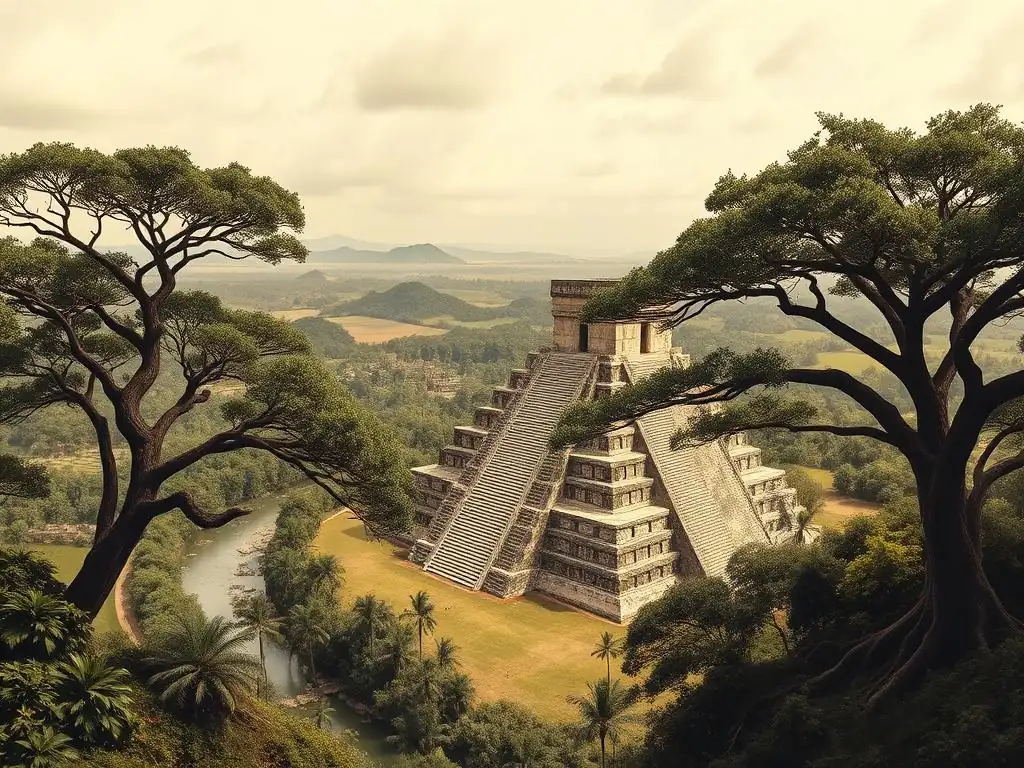
The interplay between natural landscapes and Mesoamerican building techniques is a testament to the innovative spirit of indigenous civilizations. These cultures not only adapted to their environments but also drew inspiration from them, resulting in architectural forms that harmonized with the surrounding terrain. The mountains, rivers, and forests shaped the materials used, the design of structures, and even the placement of cities. This relationship underscores a profound understanding of ecology and sustainability, which remains relevant in contemporary architectural practices.
The techniques developed by Mesoamerican societies, such as the use of locally sourced materials like limestone, adobe, and volcanic stone, are examples of how environmental factors influenced construction methods. The iconic step pyramids, like those seen in Teotihuacan and Chichen Itza, reflect both the geographical features of the region and the cultural significance attributed to them. As such, the landscapes served not just as a backdrop but as active participants in the architectural narrative.
The Legacy of Mesoamerican Building Techniques in Contemporary Architecture
Today, the influence of Mesoamerican building techniques can be observed in various aspects of contemporary architecture. Many modern architects draw from these ancient practices, integrating principles of sustainability and environmental responsiveness that echo the wisdom of past civilizations.
Key Legacy Elements:
- Sustainable Materials: The preference for locally sourced and sustainable materials is a practice that has gained momentum in modern architecture, mirroring Mesoamerican techniques.
- Integration with Nature: The design philosophy of blending structures with their natural surroundings is increasingly prevalent, emphasizing harmony between human-made and natural environments.
- Cultural Symbolism: Elements of Mesoamerican architecture, such as terracing and stepped designs, are often reinterpreted in contemporary projects, reflecting cultural heritage while meeting modern needs.
For instance, the use of green roofs and living walls in modern buildings can be seen as a nod to the agricultural terracing techniques employed by the Maya. These innovations not only enhance aesthetics but also contribute to environmental sustainability, honoring the legacy of ancient builders.
Future Research Directions on Mesoamerican Architectural Influence
The exploration of Mesoamerican building techniques influence is far from complete. Future research directions could focus on several key areas to deepen our understanding of this profound relationship between architecture and landscape:
- Technological Advancements: Investigating how ancient construction techniques could inform modern sustainable practices, particularly in regions facing similar ecological challenges.
- Cultural Exchange: Examining the influence of Mesoamerican architecture on other indigenous cultures across the Americas and vice versa, to understand broader architectural trends.
- Archaeological Studies: Continued archaeological exploration of lesser-known Mesoamerican sites may reveal new insights into building techniques and their adaptations to local landscapes.
- Interdisciplinary Approaches: Collaborating with ecologists, historians, and architects to analyze the implications of Mesoamerican building practices on contemporary urban planning and landscape design.
By pursuing these research directions, we can gain a more comprehensive understanding of how Mesoamerican architectural innovations continue to shape our built environments and inform our relationship with nature today.
References for Further Reading on Mesoamerican Building Techniques Influence
Recommended Books and Articles
-
"Mesoamerican Architecture as a Cultural Symbol" by Michael D. Coe
This book delves into the architectural styles of various Mesoamerican cultures, highlighting how natural landscapes influenced the materials and construction techniques used in their monumental buildings. Coe provides an in-depth analysis of how geographical features like mountains and rivers shaped the settlement patterns and architectural choices of these civilizations.
-
"The Architecture of Ancient Maya Cities: A Study of Power and Place" by David Freidel, Holly A. Morris, and Jennifer Pugh
This comprehensive resource explores the interplay between the natural environment and the architectural practices of the Maya civilization. The authors examine how the Maya adapted their building techniques to local landscapes, using available resources effectively.
-
"The Olmec World: Ritual and Rulership" by Ann Cyphers
Cyphers discusses the Olmec civilization's connection to their natural surroundings, elaborating on how the landscape influenced not only their construction methods but also their cultural beliefs and societal structures.
-
"Landscapes of the Maya: A Geographical History" by William R. Adams
Adams offers a geographical perspective on Mesoamerican building techniques, detailing how topography and climate guided the architectural developments of various civilizations, including the Aztecs and Maya.
-
"Mesoamerican Architecture and Cultural Identity" by Patricia A. McAnany
This article investigates the relationship between environmental factors and architectural choices, focusing on how cultural identity is expressed through construction techniques in different Mesoamerican societies.
Relevant Documentaries and Resources
-
"The Lost Cities of the Maya" (PBS)
This documentary presents the architectural marvels of the Maya civilization, showcasing how their building techniques reflected the surrounding landscape. It provides insights into the engineering prowess of the Maya and the environmental challenges they faced.
-
"Secrets of the Maya" (National Geographic)
This resource explores the connection between Maya architecture and their natural environment, highlighting significant archaeological discoveries that reveal how these ancient people adapted their building methods to local resources.
-
"Ancient Civilizations: The Maya" (History Channel)
This documentary series discusses the various aspects of Maya civilization, including their architectural achievements and the influence of the landscape on their construction practices.
-
Online Resource: Mesoamerican Architecture Database
A comprehensive database that catalogs various architectural sites across Mesoamerica. It includes detailed descriptions of building techniques and the materials used, as well as insights into how these were influenced by the natural surroundings.
-
"Maya Architecture: A Digital Archive"
An online project that offers a wealth of visual and textual information about Maya buildings, focusing on the relationship between architecture and the environment. This resource is ideal for researchers and enthusiasts looking for detailed architectural studies.
Frequently Asked Questions
What are Mesoamerican building techniques?
Mesoamerican building techniques refer to the architectural styles and methods developed by indigenous cultures in the region, characterized by the use of local materials and innovative designs suited to their environment.
How did natural landscapes influence building techniques in Mesoamerica?
Natural landscapes played a crucial role in shaping construction methods, as indigenous builders utilized available resources like stone, clay, and wood, adapting their techniques to fit the local topography and climate.
What are some examples of Mesoamerican architectural achievements?
Notable architectural achievements include the construction of pyramids, temples, and palaces, many of which showcase advanced engineering skills and a deep understanding of astronomy and geometry.
How did indigenous cultures prioritize sustainability in their construction?
Indigenous cultures often emphasized sustainability by using renewable resources and designing structures that harmonized with their natural surroundings, ensuring minimal disruption to the environment.
What is the lasting impact of Mesoamerican building techniques today?
The influence of Mesoamerican building techniques can still be seen in modern architecture, especially in the use of natural materials and designs that reflect a connection to the environment, showcasing their enduring legacy.
Final Reflection: The Enduring Legacy of Mesoamerican Building Techniques
The intricate relationship between natural landscapes and Mesoamerican building techniques is more relevant today than ever, as we seek sustainable solutions in architecture and urban planning. The lessons learned from ancient civilizations remind us that our built environments must harmonize with the natural world, fostering a deeper connection to the land we inhabit. The wisdom of Mesoamerican cultures teaches us that the influence of nature on construction is not merely historical; it is a guiding principle for our future.
Mesoamerican building techniques have profoundly shaped our understanding of architecture, emphasizing the importance of local materials and environmental adaptation. The legacy of these ancient practices continues to resonate in contemporary discussions about sustainability and ecological design. The best way to predict the future is to create it.
– Peter Drucker. This quote encapsulates the essence of how we can draw inspiration from the past to forge a more sustainable future, reminding us that the principles of Mesoamerican architecture can guide modern innovations.
As you reflect on the insights shared in this article, consider how the principles of Mesoamerican building techniques can inspire your own approach to design and construction. Embrace the challenge of integrating natural landscapes into your projects, fostering a sense of place that honors both history and environment. Let the lessons of the past empower you to create spaces that not only serve their purpose but also celebrate the beauty and resilience of the natural world.
Embrace the Wisdom of Nature in Architecture!
Thank you for exploring the fascinating connection between natural landscapes and traditional building techniques with us! You’ve uncovered valuable insights into how the environment shapes architectural styles, and now it's time to put this inspiration into action.
Here are a few steps you can take to deepen your understanding and appreciation of this subject:
- Dive Deeper: Research specific civilizations and their unique adaptations to local landscapes. Consider how these techniques could inspire modern sustainable building practices.
- Share Your Insights: Discuss this topic with friends or on social media. Engage with those interested in architecture and indigenous cultures to spread awareness about the remarkable interplay between nature and design.
- Explore Local Nature: Visit a nearby park or natural area and reflect on how the landscape influences buildings in your community. Take photos and jot down ideas on how this can inform future construction or renovations.
What unique architectural elements do you think today’s builders could learn from ancient civilizations to create more sustainable structures?