
Traditional Techniques Reimagined: Innovative Gifts from Indigenous Cultures

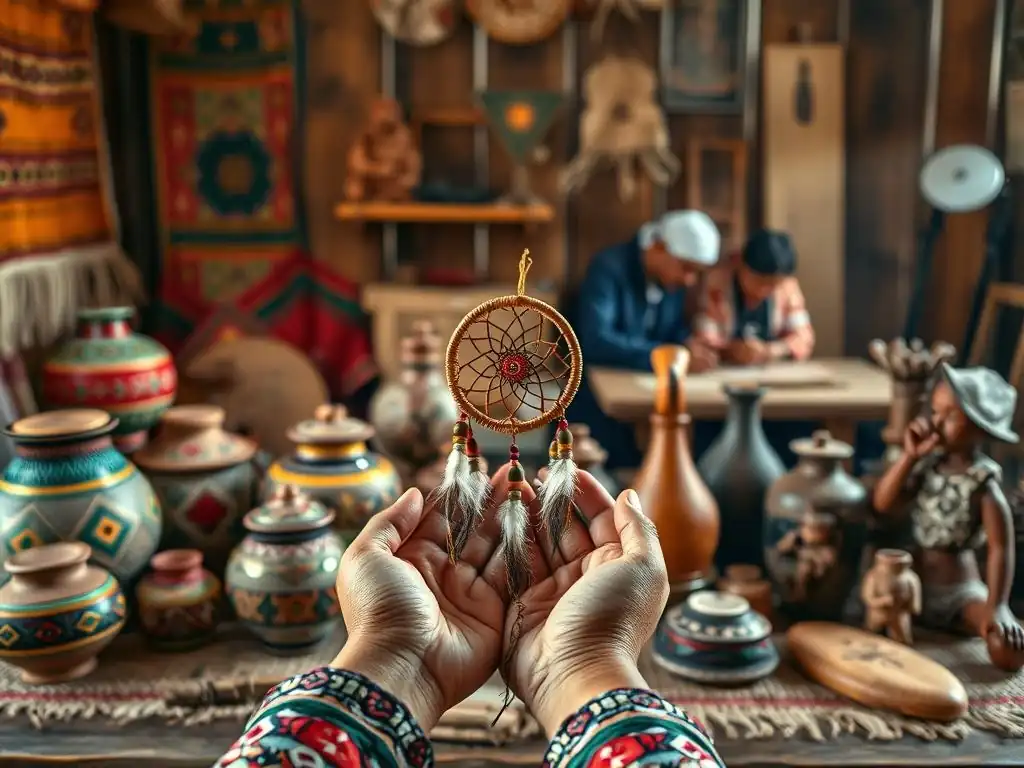
Welcome to Indigenous Civilizations of the Americas, where we embark on a fascinating journey through the rich tapestry of indigenous cultures that flourished long before European contact. Here, we invite you to explore the innovative indigenous cultural gifts that not only showcase the remarkable artistry and craftsmanship of these societies but also reveal their enduring influence on contemporary life.
In our featured article, "Traditional Techniques Reimagined: Innovative Gifts from Indigenous Cultures," you'll uncover the unique practices and timeless traditions that continue to inspire. So, dive in and discover the stories behind these exquisite creations that celebrate the legacy of the Americas' first peoples!
- Innovative Indigenous Cultural Gifts: A Celebration of Traditional Techniques
- Innovative Techniques in Traditional Art
- Unique Cultural Gifts Inspired by Indigenous Traditions
- The Cultural Significance Behind Innovative Indigenous Gifts
- Supporting Indigenous Artisans Through Your Purchases
- Conclusion: Embracing Innovative Indigenous Cultural Gifts
-
Frequently Asked Questions
- What are some examples of innovative indigenous cultural gifts?
- How did indigenous cultures contribute to sustainable practices?
- Why is it important to recognize the achievements of indigenous societies?
- How can one support indigenous artisans today?
- What role do traditional techniques play in modern indigenous communities?
- Final Reflection: Embracing Innovation through Indigenous Wisdom
- Unveil the Beauty of Indigenous Gifts Today!
Innovative Indigenous Cultural Gifts: A Celebration of Traditional Techniques
The indigenous cultures of the Americas boast a rich tapestry of traditions, art forms, and craftsmanship that have evolved over thousands of years. As we explore innovative indigenous cultural gifts, we not only celebrate the creativity and resilience of these societies but also recognize their profound contributions to art, sustainability, and cultural identity.
These gifts, inspired by traditional techniques, reflect the deep connection indigenous peoples have with their environment, their ancestors, and their communities. By embracing these unique cultural gifts, we can foster appreciation for the wisdom embedded in indigenous practices and promote a more inclusive understanding of art and craftsmanship.
The Rich Heritage of Indigenous Cultures
Indigenous cultures across the Americas are characterized by a vast array of languages, customs, and artistic expressions. From the intricate pottery of the Pueblo peoples in the Southwest to the vibrant textiles of the Andean civilizations, each region showcases distinct techniques that have been passed down through generations.
-
Artistic Diversity:
Indigenous art is not merely decorative; it serves as a vital means of storytelling and cultural preservation. Many indigenous artists draw inspiration from their ancestors' practices, infusing contemporary innovations with age-old techniques.
-
Cultural Significance:
Items such as woven baskets, carved masks, and beadwork are often imbued with spiritual meaning, reflecting the values and beliefs of the communities they originate from.
This rich heritage is not only a source of pride for indigenous peoples but also offers unique gifts that can be appreciated by all. By choosing gifts inspired by these traditions, we celebrate and support the continued practice of these ancient arts.
Understanding Indigenous Civilizations of the Americas
The indigenous civilizations of the Americas were incredibly diverse, with each community developing its own unique ways of life, governance, and artistic expression.
-
Cultural Complexity:
From the advanced agricultural techniques of the Maya to the intricate social structures of the Iroquois Confederacy, these societies exhibited remarkable complexity and adaptability.
-
Historical Contributions:
Indigenous peoples made significant contributions to agriculture, medicine, and environmental stewardship, many of which continue to influence contemporary practices.
Recognizing the achievements of these civilizations is essential to understanding the context in which traditional techniques have developed. This understanding enhances the appreciation of innovative indigenous cultural gifts, which often reflect historical knowledge and practices.
The Importance of Craftsmanship in Indigenous Societies
Craftsmanship is a cornerstone of indigenous cultures, embodying both skill and cultural identity.
-
Techniques and Materials:
Indigenous artisans utilize local materials, such as clay, wood, and natural fibers, employing traditional techniques that have been refined over centuries. These methods are not only sustainable but also deeply connected to their cultural heritage.
-
Cultural Transmission:
Craftsmanship serves as a means of cultural transmission, where knowledge is passed down through hands-on experience. This intergenerational exchange is crucial for the survival of indigenous traditions and identities.
Innovative gifts that arise from these traditional techniques are more than just objects; they are a celebration of history, identity, and resilience. By choosing to support artisans who practice these crafts, we help ensure that these valuable traditions continue to thrive in a modern context.
Innovative Techniques in Traditional Art
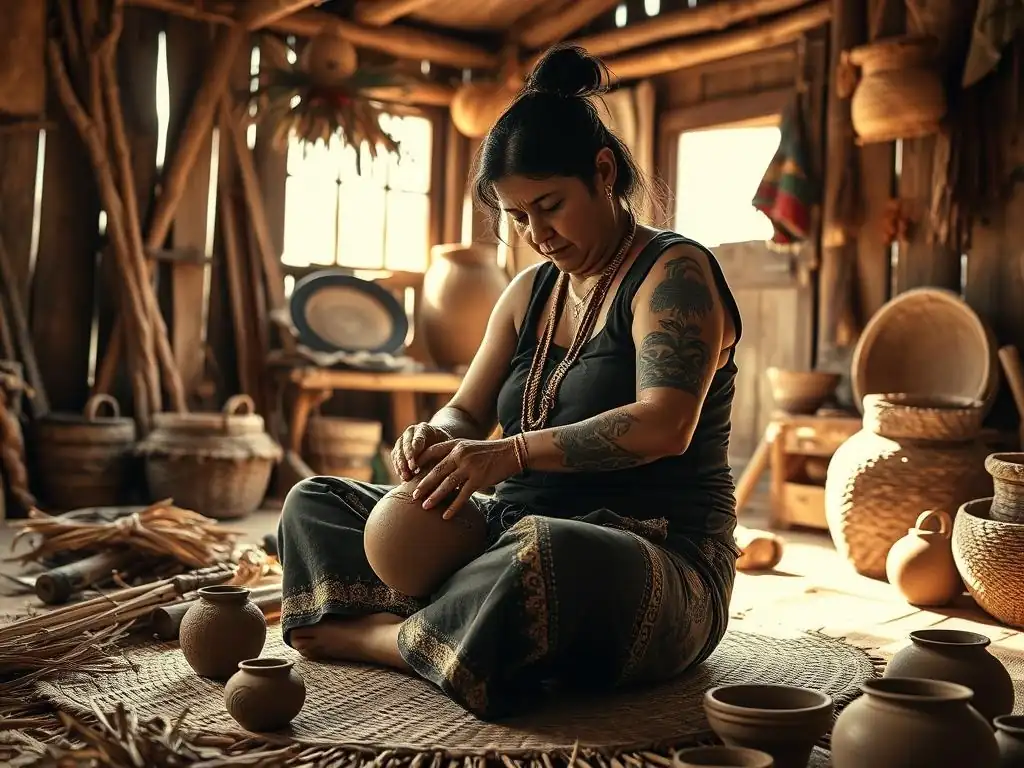
Reimagining Ancient Methods for Modern Gifts
Indigenous cultures across the Americas have long been known for their innovative approaches to art and craftsmanship. These traditional techniques are not just relics of the past; they are vibrant practices that have evolved over centuries and can be reimagined to create contemporary gifts. By drawing on ancient methods, artisans today can infuse modern gifts with cultural significance and a unique aesthetic appeal. This fusion of old and new creates innovative indigenous cultural gifts that celebrate heritage while resonating with contemporary sensibilities.
Techniques such as Pottery, Weaving, and Woodworking
Traditional techniques like pottery, weaving, and woodworking serve as the foundation for many contemporary indigenous art forms. Each method carries its own history and cultural significance:
- Pottery: Indigenous potters utilize traditional coiling and hand-building techniques, often incorporating natural pigments and local clay. These methods allow for the creation of unique vessels that are both functional and artistic. Modern interpretations may feature contemporary shapes or integrate modern glazes, bridging the gap between ancestral practices and current trends.
- Weaving: The intricate art of weaving is prevalent among many indigenous cultures, with techniques varying from region to region. For instance, Navajo weavers employ an array of patterns that hold spiritual significance. Contemporary weavers are reinterpreting these designs into textiles that can be used for everything from fashion to home decor, promoting sustainable practices through the use of organic materials.
- Woodworking: Traditional woodworking often involves carving techniques passed down through generations. Indigenous woodworkers are reimagining these skills to create not only traditional masks and totems but also innovative furniture and decor items that reflect their cultural narratives while appealing to modern aesthetics.
By maintaining these techniques, artisans not only honor their cultural heritage but also adapt them for a new audience, resulting in gifts that are rich in meaning and craftsmanship.
The Fusion of Traditional Patterns with Contemporary Aesthetics
The blending of traditional patterns with contemporary aesthetics is a hallmark of innovative indigenous cultural gifts. This fusion creates pieces that tell a story while appealing to modern tastes. Here are some key aspects of this integration:
- Color and Design: Artisans are experimenting with bold colors and modern design elements while retaining traditional motifs. This can be seen in textiles that feature vibrant colors paired with ancestral patterns, making them attractive to younger generations.
- Functionality: Many modern gifts derived from traditional techniques are designed with functionality in mind. For example, traditional baskets may now be created with designs that cater to contemporary needs, such as stylish storage solutions that fit seamlessly into modern homes.
- Collaborations: Some artisans are collaborating with contemporary designers to create hybrid pieces that respect traditional techniques while embracing modern trends. This partnership can lead to innovative products that capture the essence of indigenous cultures while appealing to a broader market.
- Sustainability: The commitment to sustainability seen in many indigenous cultures aligns perfectly with contemporary values. Artisans are increasingly using eco-friendly materials and practices, allowing consumers to embrace innovative indigenous cultural gifts that are not only beautiful but also environmentally conscious.
By reimagining traditional techniques and patterns, artisans create gifts that are not only visually striking but also laden with cultural significance, ensuring that the legacies of indigenous civilizations continue to thrive in the modern world.
Unique Cultural Gifts Inspired by Indigenous Traditions
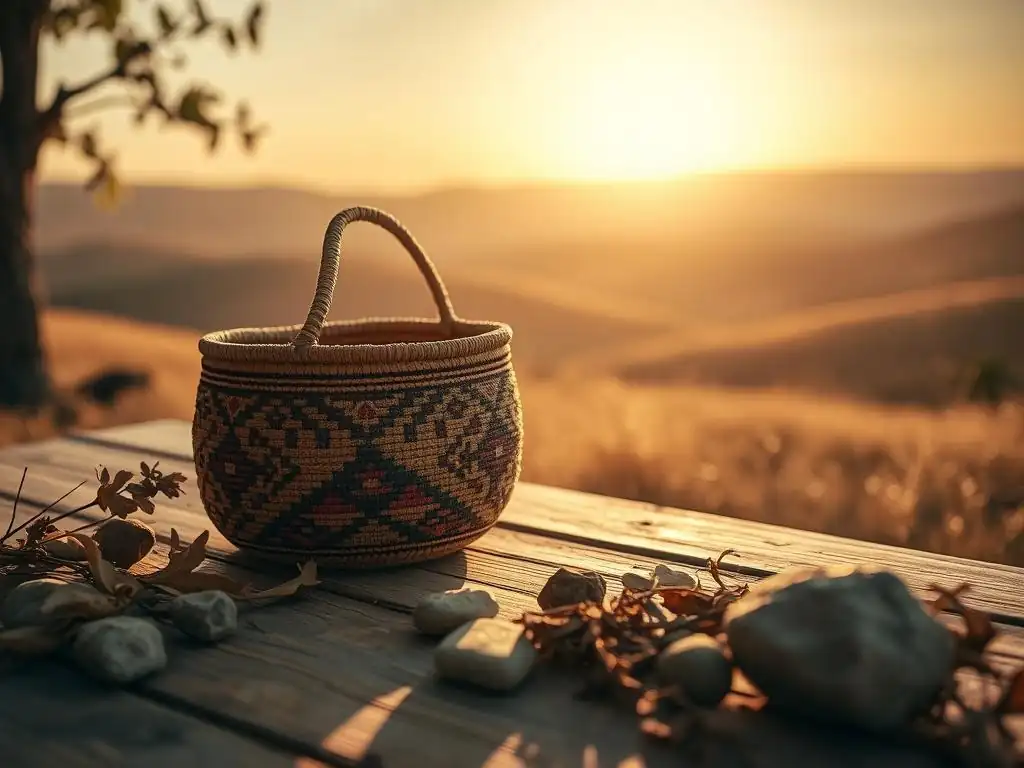
Indigenous cultures in the Americas possess a rich legacy of craftsmanship and artistry that has been passed down through generations. These cultures have not only created beautiful art forms but also meaningful and innovative gifts that embody their history and values. From intricate jewelry to vibrant textiles, each piece tells a unique story and carries the spirit of its creators. In this section, we delve into some of the most innovative indigenous cultural gifts, focusing on handmade jewelry and traditional textiles.
Handmade Indigenous Jewelry as Innovative Gifts
Handmade indigenous jewelry stands out not just for its beauty but also for its cultural significance. It allows artisans to express their identity, heritage, and connection to the land through their craft. This jewelry often incorporates traditional techniques and materials, resulting in pieces that are both contemporary and deeply rooted in indigenous culture.
Features of Authentic Indigenous Jewelry
Authentic indigenous jewelry is characterized by several distinct features:
- Materials: Artisans often use locally sourced materials such as silver, turquoise, coral, and natural beads. These materials not only showcase the region's resources but also reflect the connection to nature.
- Techniques: Traditional techniques such as silversmithing, beadwork, and stone carving are employed, showcasing the skills honed over centuries.
- Symbolism: Many designs carry specific meanings, representing cultural stories, spiritual beliefs, or ties to ancestral traditions. For example, the use of certain patterns may symbolize protection, harmony, or the interconnectedness of life.
- Craftsmanship: Each piece is meticulously crafted by hand, ensuring that no two items are exactly alike. This individuality adds to the charm and value of the jewelry.
Recommended Native Brands: M. A. L. Designs and Native American Jewelry
When seeking authentic handmade indigenous jewelry, consider supporting these notable brands:
- M. A. L. Designs: Specializing in unique, handcrafted silver and gemstone jewelry, M. A. L. Designs draws inspiration from the rich cultural heritage of the Southwest. Their pieces often feature intricate designs that reflect the stories of the land and its people.
- Native American Jewelry: This collective promotes the work of various indigenous artisans, offering a diverse selection of jewelry that highlights traditional techniques and materials. Each piece comes with a story, making them the perfect innovative cultural gift.
Traditional Textiles: Weaving Cultural Stories
Textiles are another profound expression of indigenous culture, with each woven piece narrating stories of the community's history, beliefs, and environment. Traditional textile techniques have evolved, yet they maintain a connection to the past, making them innovative gifts that celebrate indigenous artistry.
Innovative Indigenous Textile Techniques
Indigenous artisans employ various innovative techniques in their textile creations:
- Natural Dyes: Many artisans use natural dyes derived from plants, minerals, and insects, creating vibrant colors that are both sustainable and culturally significant.
- Weaving Methods: Techniques such as loom weaving, backstrap weaving, and embroidery are prevalent, each with its own history and significance. These methods require immense skill and patience, resulting in textiles that are not only functional but also works of art.
- Cultural Patterns: The patterns and motifs used in indigenous textiles often tell stories of the community’s identity, mythology, and connection to the earth, making each piece a narrative artifact.
Where to Buy Unique Indigenous Textiles: Etsy and Indigenous-owned market platforms
For those interested in acquiring unique indigenous textiles, consider shopping at:
- Etsy: This platform hosts a plethora of independent artisans specializing in indigenous textiles. You can find a diverse array of products, from handwoven blankets to embroidered bags, each crafted with care and storytelling.
- Indigenous-owned market platforms: Websites dedicated to promoting indigenous artisans, such as the Indian Pueblo Cultural Center and similar marketplaces, offer a curated selection of textiles. Purchasing from these platforms ensures that your gift supports the artisans directly, preserving their craft and culture.
Exploring innovative indigenous cultural gifts not only enriches your collection but also honors the traditions and legacies of the artisans. By choosing handmade jewelry and traditional textiles, you are embracing the beauty and depth of indigenous cultures, making each gift a meaningful and impactful choice.
Pottery and Ceramics: Crafting History into Gifts
Pottery and ceramics hold a significant place in indigenous cultures, serving not only as functional items but also as expressions of artistic identity and historical narratives. Many indigenous communities have preserved traditional techniques that reflect their unique cultural heritage, often using locally sourced materials and methods passed down through generations. These handmade items tell stories of the past and embody the spirit of the community, making them innovative indigenous cultural gifts that resonate with both aesthetic beauty and cultural significance.
The Art of Indigenous Pottery Making
Indigenous pottery making is an intricate art form that involves various techniques, each with its unique flair. Artists typically start by gathering clay from specific locations, which is often mixed with natural tempering agents like sand or crushed stones to enhance durability.
The process involves several key stages:
- Shaping: This can be done by hand, using coiling methods or wheel-throwing techniques. Each method results in distinct forms and textures.
- Decoration: Indigenous potters often adorn their pieces with traditional motifs and symbols that carry deep meanings, often inspired by nature, mythology, or community narratives.
- Firing: After being shaped and decorated, the pottery is fired in a kiln or, traditionally, in an outdoor pit. The firing process not only hardens the clay but also transforms the colors and finishes, resulting in unique surface effects.
The craftsmanship involved in indigenous pottery making is a testament to the cultural legacy of these communities, making the resulting pieces not just utilitarian objects but also cultural artifacts that make for thoughtful and innovative gifts.
Highlighted Products: Black-on-Black Pottery from Maria Martinez
One of the most celebrated figures in indigenous pottery is Maria Martinez, a San Ildefonso Pueblo artist known for her stunning black-on-black pottery. Maria's innovative techniques involved polishing the pottery with a smooth stone before firing it, allowing the natural clay to shine through against the blackened surface, creating striking contrast and depth.
Her work is characterized by:
- Geometric Patterns: Reflecting traditional designs that have been part of her culture for centuries.
- Historical Significance: Maria's pottery not only gained national acclaim but also played a crucial role in reviving interest in Pueblo pottery techniques during the early 20th century.
Today, pieces of black-on-black pottery from Maria Martinez are highly sought after, making them unique cultural gifts that celebrate indigenous artistry and heritage.
Indigenous Woodwork: Crafting Nature into Art
Indigenous woodwork showcases the deep connection between indigenous cultures and the natural world. Wood is not only a material but also a source of inspiration, reflecting the stories, beliefs, and traditions of the artisans. The craftsmanship involved in creating wooden artifacts is often infused with spiritual significance, making these items not just beautiful but also meaningful gifts.
Innovative Woodworking Techniques from Indigenous Cultures
Indigenous woodworkers employ innovative techniques that enhance the beauty and functionality of their creations. Some notable methods include:
- Carving: Detailed carvings that depict animals, symbols, and stories are common. These carvings often carry cultural significance, representing clan identities or historical events.
- Inlay Work: Some artisans use contrasting materials, such as bone or shells, to create intricate inlays that add depth and visual interest to wooden pieces.
- Natural Finishing: Rather than using chemical finishes, many indigenous woodworkers prefer natural oils and waxes that highlight the wood's grain and texture while preserving its organic essence.
These techniques not only showcase the skill of the artisans but also promote sustainability by using locally sourced materials, making the final products innovative indigenous cultural gifts that celebrate both art and nature.
Best Indigenous Wood Gifts: Hand-carved Bowls and Spirit Animals
Among the most cherished wood gifts from indigenous cultures are hand-carved bowls and spirit animals. These items are not only practical but also serve as artistic expressions of cultural beliefs.
- Hand-carved Bowls: Often crafted from a single piece of wood, these bowls can be used for serving food or as decorative pieces. Each bowl tells a story, showcasing the grain and patterns of the wood, and reflects the artisan's personal style.
- Spirit Animals: Carvings of animals that hold significance within indigenous cultures, such as bears, eagles, or turtles, serve as powerful symbols of strength, wisdom, or protection. These spirit animal carvings are often gifted for ceremonial purposes or as tokens of goodwill.
Together, these hand-carved items embody the essence of indigenous craftsmanship, making them thoughtful and innovative gifts that honor the rich cultural legacies of the Americas.
The Cultural Significance Behind Innovative Indigenous Gifts
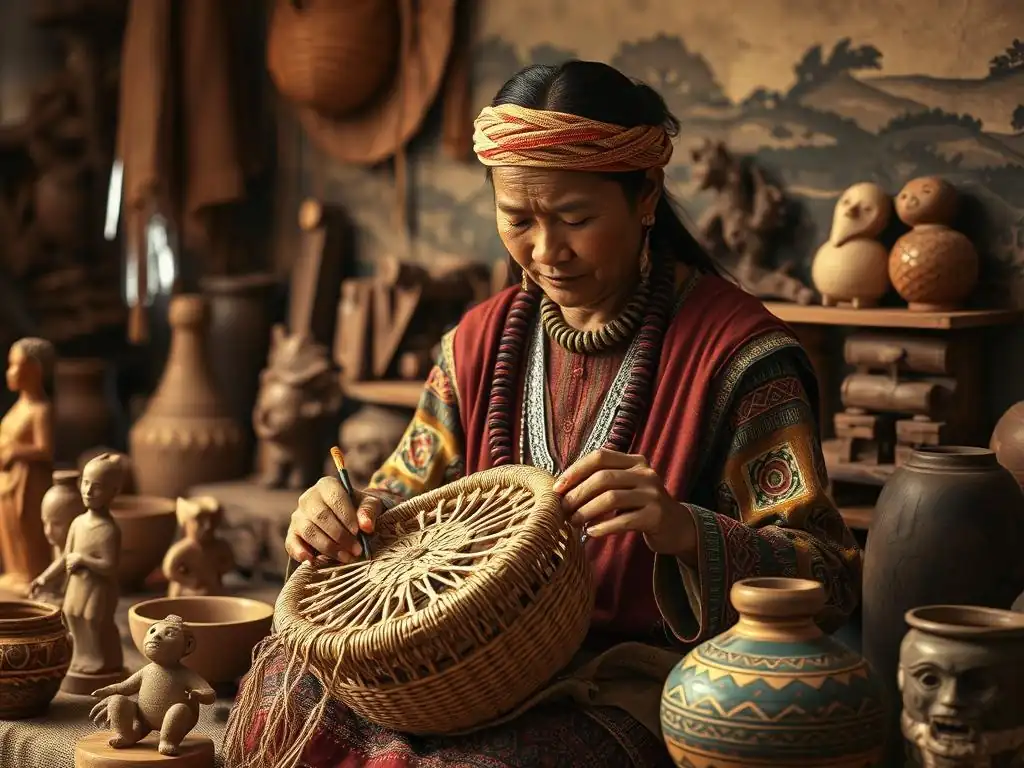
Exploring the cultural significance of innovative indigenous gifts reveals deep connections to the values, beliefs, and traditions of various indigenous communities. These gifts are not merely items; they represent a rich heritage and a way to convey stories, identity, and spiritual meaning. By understanding the context behind these gifts, one can appreciate their role in fostering relationships and strengthening community ties.
Understanding the Symbolism in Indigenous Art
Indigenous art is imbued with symbolism that reflects the worldviews of the respective cultures. Each piece, whether it be pottery, textiles, or jewelry, often carries a story or a message that encapsulates the essence of the community.
- Color and Design: Colors and patterns in indigenous art are frequently derived from natural elements, representing the connection to the land. For example, the use of earth tones might symbolize harmony with nature, while vibrant colors can represent life and vitality.
- Materials: The choice of materials also holds significance. For instance, the use of feathers in Native American crafts often signifies honor and respect, while the incorporation of beads might tell a story of cultural heritage and identity.
- Cultural Narratives: Many indigenous artists embed historical narratives within their work, allowing the gifts to serve as vessels of cultural memory. For example, a woven basket may not only be functional but also illustrate traditional stories or ancestral teachings.
By understanding these symbols, one can better appreciate the depth of meaning behind innovative indigenous cultural gifts, recognizing them as more than just artistic expressions, but as profound cultural artifacts.
How Cultural Context Influences Gift Selection
The cultural context in which a gift is selected plays a critical role in its significance and appropriateness. Different indigenous groups have unique traditions and customs that shape gift-giving practices:
- Ceremonial Importance: In many indigenous cultures, gifts are integral to ceremonies, such as weddings, births, or seasonal celebrations. The selection of gifts for these occasions is often guided by cultural protocols, ensuring that the gifts resonate with the event's significance.
- Personal Connections: The relationship between the giver and the recipient significantly influences gift choice. For instance, a gift intended for a close relative may feature more intricate designs or personalized elements, reflecting the deep bond shared.
- Cultural Resurgence: In recent times, there has been a resurgence in the appreciation for indigenous culture, leading to a renewed interest in traditional gifts. This movement encourages individuals to choose gifts that not only celebrate indigenous craftsmanship but also support local artisans and promote cultural sustainability.
Understanding these factors allows for a more thoughtful approach to selecting gifts that honor the traditions and history of indigenous cultures. By choosing innovative indigenous cultural gifts, one can contribute to the preservation of these rich heritages while fostering respect and appreciation for their unique artistry.
Supporting Indigenous Artisans Through Your Purchases
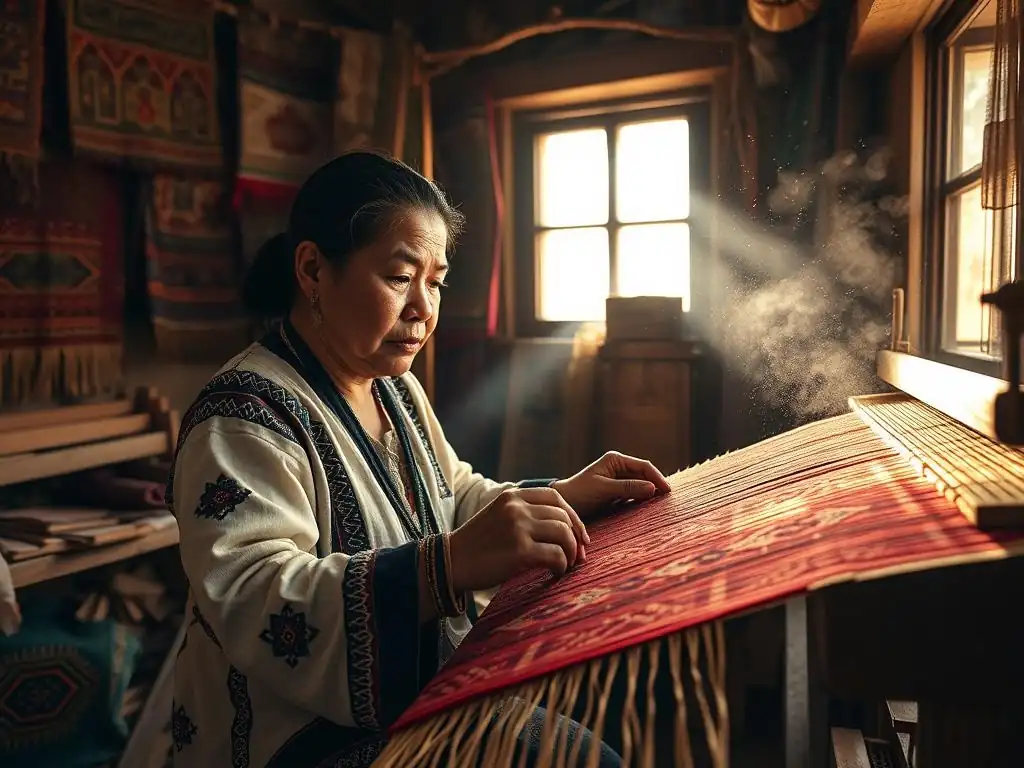
Supporting indigenous artisans is not only a means of preserving unique cultural heritage but also a way to empower communities economically. By choosing to purchase innovative indigenous cultural gifts, consumers can have a direct impact on the livelihoods of artisans and help keep traditional crafts alive. This section delves into the significance of these purchases and how they contribute to the broader mission of supporting indigenous cultures.
The Impact of Buying Innovative Indigenous Cultural Gifts
When you buy innovative indigenous cultural gifts, you are engaging in a practice that goes beyond mere consumerism. Here are some key impacts of such purchases:
- Economic Empowerment:
- By purchasing directly from indigenous artisans, you help provide them with fair wages and sustainable income. This economic support is vital for communities that may otherwise struggle to maintain their traditional crafts amidst modern pressures.
- Cultural Preservation:
- Many indigenous crafts and art forms are at risk of being forgotten. Supporting artisans ensures that these traditions are passed down through generations, safeguarding the unique narratives and techniques that define indigenous cultures.
- Environmental Sustainability:
- Many indigenous artisans utilize sustainable practices and materials in their crafts, often drawing from their deep connection to the land. By choosing these gifts, consumers promote environmental stewardship and highlight the importance of sustainable living.
- Education and Awareness:
- Purchasing innovative indigenous cultural gifts opens a conversation about the rich histories and traditions of indigenous peoples. When consumers learn about the stories behind their purchases, they become advocates for cultural awareness and appreciation.
Ethical Considerations When Purchasing
When considering the purchase of innovative indigenous cultural gifts, it is essential to approach the process with respect and awareness. Here are some ethical considerations to keep in mind:
- Authenticity: Ensure that the products are made by indigenous artisans and reflect their cultural heritage. Look for certifications or labels that indicate the authenticity of the product.
- Fair Trade Practices: Support platforms and artisans that adhere to fair trade principles. This guarantees that artisans receive a fair price for their work, promoting economic justice.
- Cultural Sensitivity: Be mindful of the cultural significance of the items. Understanding the stories and meanings behind the crafts can enhance your appreciation and respect for the culture.
- Support Local Economies: Whenever possible, choose to buy from local artisans, as this directly impacts their community and contributes to local economic growth.
Recommended Platforms for Authentic Indigenous Products: Shop Indigenous and Native Art Network
To ensure that your purchases of innovative indigenous cultural gifts are ethically sourced and authentic, consider exploring the following platforms:
| Platform Name | Description |
|---|---|
| Shop Indigenous | This platform features a diverse range of products made by indigenous artisans across North America. They emphasize ethical sourcing and fair trade practices. |
| Native Art Network | A marketplace dedicated to promoting Native American artists and their work, supporting both traditional and contemporary art forms. |
Both of these platforms prioritize authentic indigenous craftsmanship and provide consumers with an opportunity to invest in meaningful gifts that celebrate and sustain indigenous cultures. By choosing to shop through these avenues, you are contributing to the preservation of invaluable traditions and supporting the artisans who keep them alive.
Conclusion: Embracing Innovative Indigenous Cultural Gifts
The exploration of traditional techniques and innovative indigenous cultural gifts reveals the profound impact that indigenous cultures have had on contemporary society. By embracing these gifts, we not only honor the rich history and heritage of indigenous peoples but also foster a deeper connection to their artistry and values. The unique craftsmanship encapsulated in these gifts serves as a reminder of the resilience and creativity inherent in indigenous communities.
The Lasting Impact of Indigenous Cultures on Modern Society
Indigenous cultures have contributed significantly to the global tapestry of art, craftsmanship, and sustainable practices. Their innovative approaches to material use and design reflect a deep understanding of the environment, which can be seen in various forms of art, textiles, and pottery.
For instance, the Navajo weavings are not just textiles; they embody spiritual beliefs and stories passed down through generations. Each design holds meaning, showcasing the intricate relationship between the weaver and their cultural heritage. Similarly, Native American beadwork transforms simple materials into vibrant expressions of identity and community, illustrating how art can be both personal and communal.
Moreover, modern artisans continue to draw inspiration from indigenous techniques, integrating them into contemporary designs. This fusion of old and new not only revitalizes traditional crafts but also ensures that indigenous narratives are carried forward in the global marketplace. The impact is evident in sectors like fashion and home décor, where ethically sourced materials and traditional methods are increasingly valued.
| Indigenous Culture | Innovative Gift Examples | Cultural Significance |
|---|---|---|
| Navajo | Handwoven rugs | Represents spiritual beliefs and storytelling |
| Inuit | Soapstone carvings | Reflects the connection to nature and tradition |
| Pueblo | Pottery with traditional designs | Symbolizes community and ancestral techniques |
| Lakota | Beaded jewelry | Expresses personal identity and cultural heritage |
Encouraging Sustainable Practices in Gift Giving
Incorporating innovative indigenous cultural gifts into our lives promotes sustainability and respect for the environment. Many indigenous artisans practice eco-friendly methods, using natural materials and traditional techniques that have minimal impact on the ecosystem. By choosing these gifts, consumers support sustainable practices and help preserve cultural heritage.
To encourage sustainable practices in gift giving, consider the following approaches:
- Choose Local: Support local indigenous artists and craftspeople to reduce carbon footprints associated with shipping.
- Opt for Handmade: Prioritize handmade items, which often utilize natural materials and traditional methods, over mass-produced goods.
- Educate Yourself: Understand the cultural significance behind the gifts, fostering a deeper appreciation for the craftsmanship and stories they represent.
- Give Back: Some artisans contribute a portion of their sales to community projects, so purchasing their work supports both the individual and the broader community.
By embracing these practices, we not only enrich our own lives with unique gifts but also contribute to the sustainability and recognition of indigenous cultures. In doing so, we honor the legacy of innovative indigenous cultural gifts and ensure their relevance for future generations.
Frequently Asked Questions
What are some examples of innovative indigenous cultural gifts?
Innovative indigenous cultural gifts include traditional crafts, artwork, and techniques reimagined for modern use, such as pottery, textiles, and jewelry that reflect cultural heritage.
How did indigenous cultures contribute to sustainable practices?
Indigenous cultures developed sustainable practices that integrated environmental stewardship with daily life, creating techniques that promoted biodiversity and resource conservation long before modern sustainability concepts emerged.
Why is it important to recognize the achievements of indigenous societies?
Recognizing the achievements of indigenous societies helps to appreciate their rich cultural legacies and contributions to art, science, and governance, which have influenced contemporary society in profound ways.
How can one support indigenous artisans today?
Supporting indigenous artisans can be done by purchasing their crafts directly from them or through platforms that prioritize fair trade, ensuring economic empowerment and the preservation of traditional techniques.
What role do traditional techniques play in modern indigenous communities?
Traditional techniques serve as a vital link to cultural identity for modern indigenous communities, fostering a sense of pride and continuity while also providing opportunities for economic development through innovative adaptations.
Final Reflection: Embracing Innovation through Indigenous Wisdom
The fusion of traditional techniques with contemporary innovation is not just a trend; it is a vital pathway to honoring and preserving Indigenous cultures. In a world that often prioritizes the new over the traditional, recognizing the value of innovative Indigenous cultural gifts serves as a reminder of the rich heritage and knowledge that these communities offer. The resurgence of interest in these gifts highlights a collective shift towards sustainability and authenticity, urging us to rethink our consumption patterns and the stories behind the items we cherish.
The impact of Indigenous cultural gifts extends far beyond their aesthetic appeal; they represent a profound connection to history, identity, and resilience. As we navigate a global landscape increasingly focused on ethical practices and cultural appreciation, these gifts inspire us to engage with the narratives of the artisans who create them. The stories we tell about our heritage shape our future.
This quote encapsulates the essence of how embracing these innovative gifts can foster a deeper understanding of cultural diversity and promote respect for the wisdom embedded in traditional practices.
As you reflect on the significance of Indigenous cultural gifts in your own life, consider how you can incorporate these teachings into your daily choices. Embrace the opportunity to support Indigenous artisans, share their stories, and celebrate their innovations. By doing so, you not only enrich your own life with unique and meaningful items but also contribute to the preservation of invaluable cultural legacies. Let us move forward with a commitment to honor and uplift Indigenous voices, ensuring that their traditions continue to inspire future generations.
Unveil the Beauty of Indigenous Gifts Today!
Thank you for taking the time to explore the rich tapestry of traditional techniques reimagined through the lens of Indigenous cultures. You've gained valuable insights into unique gifts that honor heritage, creativity, and craftsmanship. Now, it’s time to take what you've learned and act on it!
Here’s how you can deepen your appreciation and support Indigenous artisans:
- Discover and purchase a piece from an Indigenous artist that resonates with you. Supporting their work not only honors their craft but also contributes to their communities.
- Share your newfound knowledge! Tell friends and family about the beauty of Indigenous gifts and encourage them to explore these remarkable artworks.
- Consider attending local markets or cultural festivals where Indigenous creators showcase their work. Engaging with the community enhances your understanding and appreciation.
What unique story or emotion will you connect to when choosing your Indigenous-inspired gift? We invite you to share your thoughts with us!