
The Demographic Shift: How European Conquest Reshaped Indigenous Populations

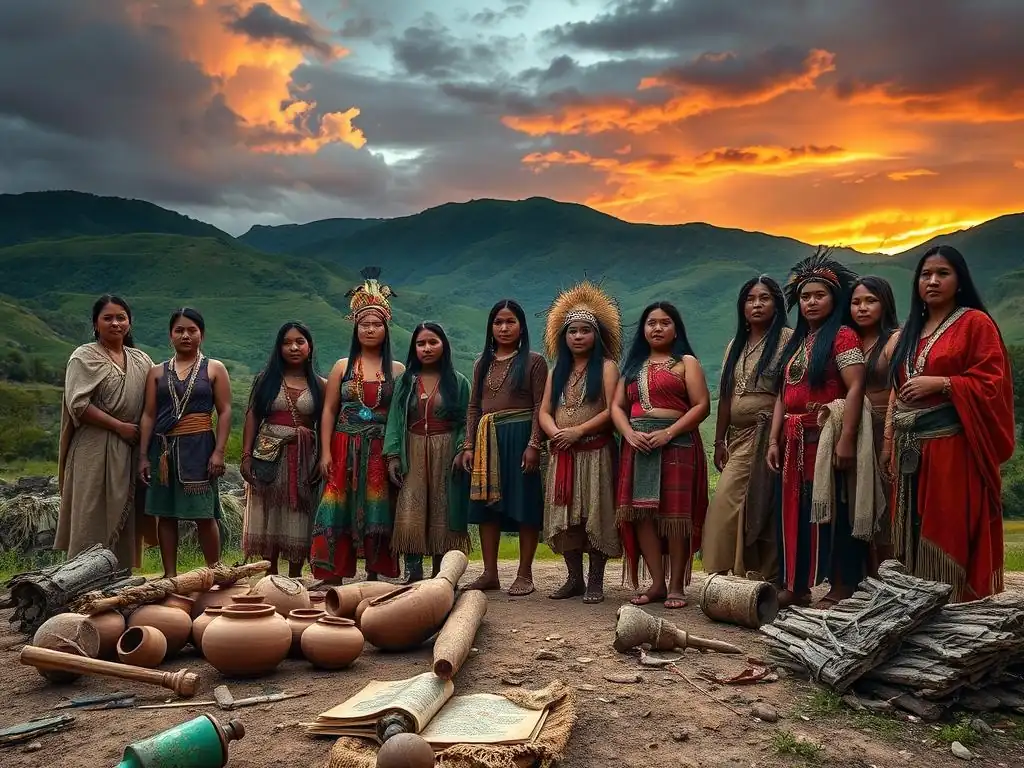
Welcome to Indigenous Civilizations of the Americas! Here, we invite you to embark on a fascinating journey through the rich tapestry of indigenous cultures that flourished long before European colonization. Explore with us as we delve into the profound impact of European conquest on indigenous populations, examining how these monumental events reshaped societies and left lasting legacies. Are you ready to uncover the stories of resilience and transformation that define the history of the Americas? Let's dive deeper into this compelling narrative together!
Introduction to the Impact of European Conquest on Indigenous Peoples
The impact of European conquest on indigenous populations in the Americas is a profound and multifaceted topic that encompasses not only significant demographic changes but also cultural, social, and economic transformations. As European explorers and colonizers made contact with the diverse indigenous civilizations that flourished for millennia, the ensuing interactions would lead to dramatic shifts in population dynamics, often with devastating consequences.
Understanding these changes requires a deep exploration of the indigenous cultures prior to contact, the nature of European colonization, and the subsequent transformations that altered the fabric of indigenous societies. This article aims to dissect these elements, providing insights into how the European conquest reshaped the lives and cultures of the indigenous peoples of the Americas.
Overview of Indigenous Cultures Before European Contact
Before the arrival of Europeans, the Americas were home to a rich tapestry of indigenous cultures, each with its own unique traditions, languages, and social structures. From the Inca Empire in the Andes to the Mississippian culture in present-day United States, these civilizations were characterized by:
- Advanced agricultural practices that supported large populations.
- Complex political systems and social hierarchies.
- Rich artistic expressions in pottery, textiles, and architecture.
- Spiritual and religious beliefs deeply intertwined with nature.
For instance, the Maya civilization, known for its sophisticated writing system and astronomical knowledge, thrived in Mesoamerica, while the Navajo and Apache peoples developed intricate systems of governance and trade in the Southwest United States. These cultures showcased the ingenuity and resilience of indigenous peoples, laying the groundwork for their identities long before European contact.
Definition of Demographic Shifts in Historical Context
Demographic shifts refer to significant changes in the population structure of a society, often influenced by various factors such as migration, disease, and conflict. In the context of the European conquest, these shifts were particularly stark and often tragic. The introduction of new diseases, such as smallpox and influenza, to which indigenous populations had no immunity, led to catastrophic mortality rates. In some regions, estimates suggest that up to 90% of the indigenous population perished within a few generations after contact.
These shifts did not merely reflect a decline in numbers; they also transformed social structures, family units, and community cohesion. The loss of elders, who held knowledge and traditions, severely impacted cultural continuity. Understanding these demographic shifts is crucial to grasping the long-term effects of European conquest on indigenous peoples and their cultures.
The Arrival of Europeans and Initial Interactions
The arrival of Europeans in the late 15th century marked the beginning of a new era for the indigenous populations of the Americas. Initial interactions between indigenous peoples and European explorers were complex and varied, often characterized by both cooperation and conflict.
Key Events of European Contact
Several key events punctuated the early encounters between Europeans and indigenous peoples, including:
- Christopher Columbus's voyages (1492): Initiated a wave of exploration and colonization.
- Hernán Cortés's conquest of the Aztecs (1519-1521): Exemplified the violent takeover of indigenous empires.
- The establishment of colonies: French, Spanish, and English colonizers created settlements that disrupted indigenous lifestyles.
These encounters often began with trade and exchange but quickly escalated into conflict, as European powers sought to dominate land and resources.
Early Effects on Indigenous Populations
The early effects of European contact were profound and immediate. Indigenous populations faced:
- Violence and warfare: Armed conflicts arose as European settlers encroached on indigenous lands.
- Disease outbreaks: European diseases decimated populations, leading to a dramatic decrease in demographic numbers.
- Disruption of trade networks: Traditional trade routes were altered or destroyed, impacting indigenous economies.
The combination of these factors contributed to a significant and lasting transformation in indigenous societies, setting the stage for further changes in the centuries to come. The demographic shifts initiated by European conquest would have repercussions that reverberate through history, shaping the identities and futures of indigenous peoples across the Americas.
Population Decline and Its Causes
The demographic landscape of indigenous populations in the Americas underwent a catastrophic transformation following European conquest. Estimates suggest that pre-contact populations numbered in the tens of millions, yet within a century of European arrival, these figures plummeted by as much as 90% in some regions. This decline was not a singular event but rather the result of a multitude of intersecting factors that reshaped the very fabric of indigenous societies.
Diseases Brought by Europeans
One of the most devastating factors contributing to population decline was the introduction of diseases by Europeans, such as smallpox, measles, and influenza. These pathogens were foreign to indigenous peoples, who had no prior exposure or immunity. For instance, the smallpox epidemic in the 16th century decimated entire communities, with some estimates indicating that up to 90% of the population in certain areas was lost within a few years of the outbreak. The rapid spread of these diseases created a cascading effect, weakening social structures and diminishing the ability of communities to respond to further challenges.
Warfare and Violence Against Indigenous Groups
In addition to disease, direct violence and warfare played a significant role in the demographic decline of indigenous populations. European colonizers often engaged in military campaigns against native groups, driven by the desire to seize land and resources. Events such as the Pueblo Revolt of 1680 in present-day New Mexico illustrate the violent confrontations between indigenous peoples and European settlers. These conflicts not only resulted in loss of life but also instilled deep-seated fear and trauma within communities, further destabilizing their social structures.
Displacement and Land Loss
The European conquest was also characterized by widespread displacement of indigenous populations. As settlers claimed land for agriculture, mining, and urban development, many indigenous groups were forcibly removed from their ancestral territories. This land loss not only contributed to physical displacement but also eroded the cultural and spiritual connections that indigenous peoples had with their land. The resulting marginalization led to further vulnerability, as displaced populations struggled to adapt to new environments and socio-economic conditions.
Changes in Indigenous Societies Post-Conquest
The consequences of European conquest extended beyond mere population decline, fundamentally altering the social structures and cultural practices of indigenous societies. The integration of European influences and the disruption of traditional ways of life led to significant changes that would shape the trajectory of indigenous communities for generations.
Social Structure Transformations
The demographic collapse and external pressures resulted in profound shifts in social structures within indigenous communities. Many societies became more centralized as surviving groups sought to consolidate power and resources to cope with the challenges of survival. Traditional leadership roles were often disrupted, and new forms of governance emerged, sometimes influenced by European models. This transformation was not uniform; different communities adapted in various ways, leading to a patchwork of new social configurations across the continent.
Cultural Changes and Adaptations
The cultural landscape of indigenous societies also underwent significant transformations post-conquest. As communities faced the threats of assimilation and cultural erasure, many began to adapt their practices to retain their identities while navigating the realities of European dominance. This included the incorporation of European goods, technologies, and even aspects of their belief systems into indigenous cultures. Moreover, traditional ceremonies and languages were often reinterpreted or blended with new influences, demonstrating resilience in the face of adversity. The ongoing struggle to maintain cultural heritage amidst these changes continues to be a vital aspect of indigenous identity today.
Long-term Effects of European Conquest on Demographics
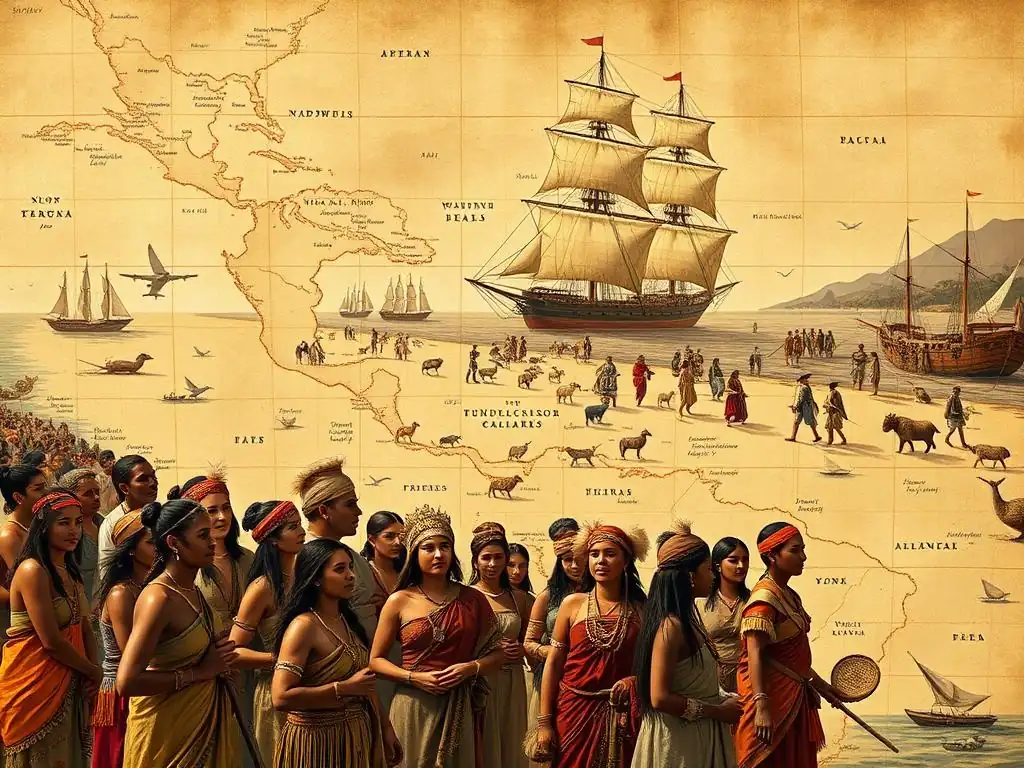
The arrival of Europeans in the Americas initiated profound demographic changes that reverberated through indigenous populations long after the initial encounters. These changes were not only quantitative, marked by dramatic population declines due to disease, warfare, and displacement, but also qualitative, resulting in altered social structures, cultural identities, and community dynamics. The impact of European conquest on indigenous populations can be observed through shifts in societal organization, loss of traditional practices, and the emergence of new hybrid cultures.
As centuries passed, the demographic landscape was irrevocably transformed, creating a complex mosaic of indigenous identities that reflected the legacies of colonization. This transformation involved the displacement of entire communities, the fragmentation of existing societies, and the integration of European customs into indigenous ways of life. The demographic shifts have laid the groundwork for contemporary indigenous societies in the Americas, where historical resilience intersects with ongoing challenges stemming from colonial legacies.
Changes in Population Distribution
The European conquest led to significant changes in the population distribution of indigenous peoples across the Americas. Initially, many indigenous groups experienced catastrophic declines due to introduced diseases, such as smallpox and influenza, for which they had no immunity. It is estimated that anywhere from 50% to 90% of some populations perished within the first few decades of contact. This resulted in dramatic population shifts, as survivors were often forced to migrate to new territories in search of safety and resources.
Moreover, as European settlers expanded their territories, they encroached on indigenous lands, leading to forced removals and relocations. The establishment of settlements often resulted in indigenous groups being pushed into less desirable areas, further disrupting traditional patterns of habitation. The combination of disease, warfare, and land seizure led to a reconfiguration of demographic patterns, where some groups were entirely decimated while others found themselves in new social and cultural contexts.
Intermarriage and Mixed Populations
The European conquest also fostered intermarriage between indigenous peoples and European colonizers, leading to the emergence of mixed populations. This phenomenon was particularly evident in regions such as the Caribbean and parts of South America, where Spanish and Portuguese colonizers often married indigenous women, creating mestizo communities. These communities became essential to the colonial economy and society, serving as cultural bridges between European and indigenous traditions.
Intermarriage significantly impacted the cultural identities of indigenous groups, as many mixed populations adopted elements from both their indigenous heritage and European customs. This blending of cultures resulted in unique traditions, languages, and social practices that continue to influence contemporary indigenous identities. However, it also carried the risk of eroding distinct indigenous cultures, as assimilation pressures increased over time.
Case Studies of Specific Indigenous Groups
Detailed Analysis of the Taino
The Taino were one of the first indigenous groups encountered by Christopher Columbus in 1492. Before European contact, they inhabited the Greater Antilles, with a population estimated to be in the hundreds of thousands. The impact of European conquest on the Taino was catastrophic. Within a few decades, disease, enslavement, and violence led to a drastic decline in their numbers, with estimates suggesting that by the late 16th century, the Taino population had diminished to a fraction of its original size.
The Taino's fate illustrates the broader demographic shifts experienced by indigenous populations in the Caribbean. The introduction of sugar plantations by European colonizers necessitated a labor force, leading to the importation of enslaved Africans and further marginalizing the Taino. The remaining Taino people often assimilated into mixed communities, blending their cultural practices with those of enslaved Africans and European settlers. Today, the impact of European conquest on the Taino remains evident in cultural expressions, language, and the ongoing quest for recognition among their descendants.
Detailed Analysis of the Cherokee
The Cherokee Nation, one of the prominent indigenous groups in North America, faced significant demographic shifts following European conquest. Initially, they thrived in the southeastern United States, with a population of approximately 22,000 before contact. As European settlers encroached on their lands, the Cherokee experienced displacement and conflict, culminating in the forced removal known as the Trail of Tears in the 1830s. This tragic event resulted in the loss of thousands of lives and further diminished their population.
Despite these challenges, the Cherokee adapted and transformed their society. They established a written constitution, developed a syllabary for their language, and engaged in trade with European settlers. The impact of European conquest on the Cherokee is thus a story of resilience and adaptation, as they navigated the complexities of colonial pressures while striving to maintain their cultural identity. Today, the Cherokee Nation continues to thrive, demonstrating the enduring legacy of their historical struggles and the ongoing impact of European colonization on indigenous populations.
The Legacy of the European Conquest on Indigenous Populations
The European conquest of the Americas, starting in the late 15th century, had profound and lasting effects on indigenous populations. This legacy is characterized by dramatic demographic changes, cultural disruptions, and the reconfiguration of social structures across the continent. The arrival of European colonizers brought diseases, warfare, and displacement, leading to a steep decline in indigenous populations.
Estimates suggest that between 50% to 90% of indigenous peoples in some areas perished within a century of contact due to introduced illnesses such as smallpox, influenza, and measles, to which they had no immunity. This catastrophic decline not only affected population numbers but also altered the social fabric of indigenous societies.
The conquest also introduced new governance systems, land-use practices, and economic structures that often undermined traditional indigenous ways of life. The imposition of European legal frameworks and property concepts led to the dispossession of vast territories, fundamentally changing the relationship between indigenous peoples and their land. As a result, many indigenous communities faced fragmentation, loss of cultural practices, and a struggle for survival in a rapidly changing world.
Lasting Impact on Indigenous Identity
The impact of European conquest on indigenous identity is significant and multifaceted. The forced assimilation policies, such as those implemented through residential schools in North America, sought to erase indigenous languages, traditions, and beliefs. This cultural genocide left deep scars in indigenous communities, affecting intergenerational transmission of identity and cultural practices. Despite these challenges, many indigenous groups have demonstrated resilience, actively working to reclaim their heritage and revive traditional practices.
The blending of European and indigenous cultures has also led to the emergence of new identities, often referred to as "mestizo" or mixed-race identities in certain regions. This complex interplay of cultural influences continues to shape the identities of indigenous peoples today, as many navigate the dual realities of their ancestral heritage and contemporary societal norms. The revival of indigenous languages, art forms, and spiritual practices are testament to the enduring spirit of these communities, reflecting a dynamic identity that evolves while honoring historical roots.
Contemporary Demographic Trends
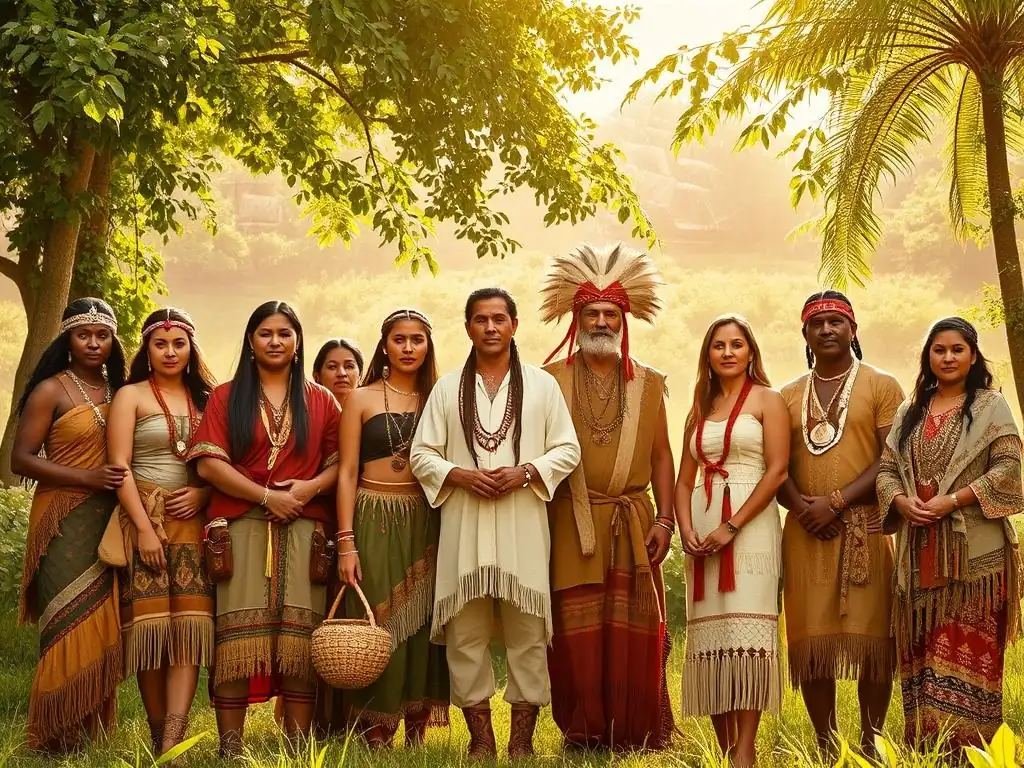
In contemporary times, the demographic trends of indigenous populations reveal both challenges and opportunities. While many indigenous communities continue to face socio-economic hardships, there has been a notable increase in self-identification among individuals of indigenous descent. Census data from various countries indicate a rising number of people identifying as indigenous, reflecting a renewed pride in heritage.
Urbanization has also played a significant role in reshaping indigenous demographics. Many indigenous people have moved to urban centers in search of better economic opportunities, leading to the formation of urban indigenous communities. This migration often results in a blend of traditional practices with modern urban lifestyles, creating vibrant cultural expressions unique to these settings.
Moreover, increased political representation and advocacy have led to greater visibility for indigenous issues. Contemporary movements emphasize the importance of land rights, cultural preservation, and social justice, contributing to a stronger collective identity among indigenous populations. These trends indicate a complex, evolving narrative that continues to unfold in the aftermath of the European conquest.
Conclusion: Understanding the Impact of European Conquest on Indigenous Populations
The European conquest drastically reshaped indigenous populations through demographic decline, cultural disruption, and social reorganization. Understanding this impact is crucial for recognizing the historical injustices faced by these communities and their ongoing struggles for rights and recognition. The legacy of the conquest is not just a relic of the past but continues to influence contemporary indigenous realities.
Reflection on Historical Consequences
Reflecting on the historical consequences of European conquest reveals the profound loss and ongoing challenges faced by indigenous populations. The forced removal from ancestral lands, cultural erasure, and systemic inequalities established during colonization have persistent effects today. Recognizing these consequences is essential for fostering a deeper understanding of indigenous resilience and the complex dynamics that define their communities.
Importance of Acknowledging Indigenous Narratives in History
Acknowledging indigenous narratives is vital for a comprehensive understanding of history. These perspectives provide insights into the rich cultural heritage and achievements of indigenous civilizations prior to European contact. By centering indigenous voices, we can challenge dominant historical narratives that often marginalize or overlook their experiences. This recognition not only honors the past but also empowers indigenous communities in their ongoing fight for justice, self-determination, and cultural revitalization.
- Introduction to the Impact of European Conquest on Indigenous Peoples
- The Arrival of Europeans and Initial Interactions
- Population Decline and Its Causes
- Changes in Indigenous Societies Post-Conquest
- Long-term Effects of European Conquest on Demographics
- Case Studies of Specific Indigenous Groups
- The Legacy of the European Conquest on Indigenous Populations
- Lasting Impact on Indigenous Identity
- Contemporary Demographic Trends
- Conclusion: Understanding the Impact of European Conquest on Indigenous Populations
- Reflection on Historical Consequences
- Importance of Acknowledging Indigenous Narratives in History
- What were the primary demographic changes caused by European conquest?
- How did European colonization affect indigenous cultures?
- What role did disease play in the decline of indigenous populations?
- How did the European conquest influence indigenous societies' political structures?
- In what ways do indigenous cultures continue to endure despite the impacts of conquest?
Frequently Asked Questions
What were the primary demographic changes caused by European conquest?
The demographic shifts included a massive decline in indigenous populations due to disease, warfare, and displacement, fundamentally altering their societal structures.
How did European colonization affect indigenous cultures?
European conquest led to the disruption of traditional practices and the loss of languages and customs, creating a lasting impact on the cultural identity of many tribes.
What role did disease play in the decline of indigenous populations?
The arrival of Europeans brought new diseases like smallpox, which decimated indigenous communities that had no immunity, contributing significantly to the population decline.
How did the European conquest influence indigenous societies' political structures?
European colonization often resulted in the imposition of new governance systems, undermining traditional leadership roles and altering existing social hierarchies.
In what ways do indigenous cultures continue to endure despite the impacts of conquest?
Despite the devastating effects of European conquest, many indigenous cultures have shown remarkable resilience, preserving and revitalizing their heritage and traditions in contemporary society.
Final Reflection: The Lasting Impact of European Conquest on Indigenous Populations
The impact of European conquest on indigenous populations is not just a historical footnote; it is a profound reality that continues to shape our world today. The demographic shifts initiated by colonization have led to enduring consequences that echo through generations, affecting cultural identities, social structures, and even political landscapes. As we reflect on this complex legacy, it becomes clear that understanding these shifts is essential for fostering reconciliation and healing in contemporary society.
The ongoing influence of European conquest on indigenous communities is evident in the struggles they face today. From land rights to cultural preservation, the ramifications of colonization are woven into the very fabric of modern life. As we witness indigenous movements gaining momentum globally, it is crucial to recognize their roots in historical injustices. History is not just what happened; it is what continues to happen.
This quote reminds us that the past is not a distant memory but a living force that shapes our present and future.
As we conclude, I invite you to reflect on the lessons learned from the impact of European conquest on indigenous populations. Consider how these historical narratives inform your understanding of current social issues and inspire you to advocate for justice and equity. Each of us has a role to play in acknowledging the past and supporting the resilience of indigenous communities. Let us carry this awareness forward, fostering a more inclusive and compassionate world for all.
Unveil the Legacy: Take Action for Indigenous Wisdom!
Thank you for exploring the profound impact of European conquest on Indigenous populations. Your engagement with this topic not only enhances your understanding but also honors the resilient cultures that have shaped our world. Now, let’s transform that knowledge into meaningful action!
Here are some ways you can connect more deeply with Indigenous wisdom and support their communities:
- Participate in an Indigenous-led workshop or webinar to learn directly from Indigenous voices and perspectives.
- Share your insights from this article with friends through social media or in discussion groups to spark conversations about Indigenous history and culture.
- Attend local Indigenous events or initiatives in your area and consider volunteering your time or resources to support their efforts.
What steps will you take today to amplify Indigenous voices and contribute to their future?