
Jewelry as Storytelling: How Indigenous Artisans Convey History Through Adornment

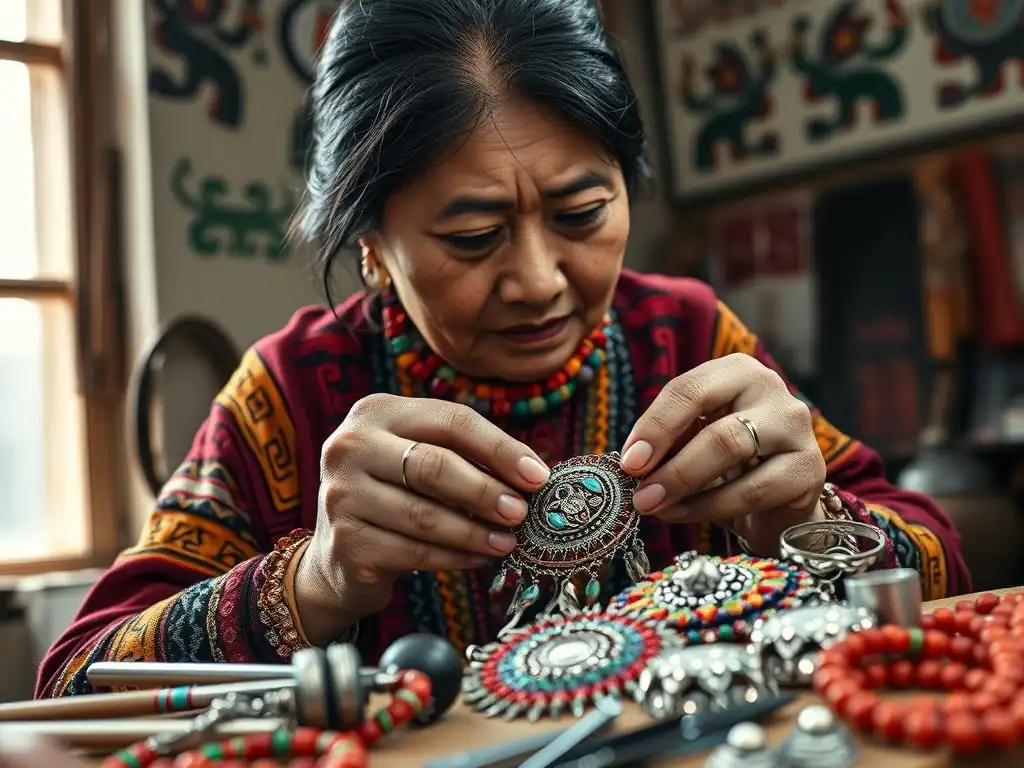
Welcome to Indigenous Civilizations of the Americas, where we invite you to embark on a captivating journey through the rich tapestry of indigenous cultures that flourished long before European contact. In our featured article, "Jewelry as Storytelling: How Indigenous Artisans Convey History Through Adornment," we delve into the intricate world of indigenous jewelry storytelling history. Discover how each piece of adornment serves not only as a beautiful artifact but also as a powerful narrative, conveying the values, traditions, and histories of the people who crafted them.
As you explore, prepare to uncover the profound connections between art and identity that continue to resonate today. Your adventure into this vibrant heritage starts here—let curiosity guide you!
Introduction to Indigenous Jewelry Storytelling History
The art of jewelry-making among Indigenous peoples of the Americas is much more than a mere aesthetic pursuit; it serves as a profound medium for storytelling and cultural expression. Each piece of jewelry—be it a necklace, bracelet, or earrings—carries with it a rich tapestry of meanings, traditions, and histories that reflect the unique identities of Indigenous communities.
Through intricate designs, vibrant materials, and symbolic motifs, artisans communicate their ancestral narratives, spiritual beliefs, and social values. This article delves into the intricate relationship between Indigenous jewelry and storytelling, exploring how these handcrafted artifacts encapsulate the essence of cultural heritage and convey the rich histories of their creators.
The Role of Indigenous Jewelry in Cultural Narratives
Indigenous jewelry plays a vital role in preserving and transmitting cultural narratives across generations. It serves as a visual representation of community identity, often embodying stories of creation, mythology, and significant events. Here, we will explore the multifaceted role of jewelry in Indigenous cultures.
Understanding Cultural Significance in Jewelry
Jewelry often incorporates symbols and motifs that hold deep cultural significance. For instance, many Indigenous artisans utilize design elements that are emblematic of their tribal origins, nature, and spirituality. The materials used—such as turquoise, silver, and shells—are not only selected for their beauty but also for their historical and cultural relevance. Each piece of jewelry can symbolize:
- Spiritual Beliefs: Artisans may incorporate symbols of their spiritual beliefs, using jewelry as a medium to connect the physical and spiritual worlds.
- Cultural Identity: Specific designs can signify tribal affiliations, creating a sense of belonging and pride among community members.
- Historical Events: Certain pieces may commemorate significant historical events or figures within the community, serving as wearable history.
Historical Context of Indigenous Jewelry
The history of Indigenous jewelry is rich and varied, with each culture contributing its unique styles and techniques. Before European contact, Indigenous peoples crafted jewelry using resources available in their environments, such as stones, bones, and metals. The evolution of these practices can be traced through archaeological findings and oral histories, highlighting the ingenuity and adaptability of Indigenous artisans.
- Pre-Colonial Practices: Many Indigenous groups had established sophisticated methods for creating jewelry, which were often passed down through generations, preserving traditional techniques and designs.
- Post-Colonial Influences: The arrival of Europeans introduced new materials and tools that influenced Indigenous jewelry styles, leading to a fusion of traditional and contemporary practices.
- Modern Revitalization: Today, there is a growing movement among Indigenous artisans to reclaim traditional practices and narratives, ensuring that their stories are told through their art in a way that honors their heritage.
Indigenous jewelry is a powerful form of storytelling that not only showcases the artistry of its makers but also serves as a vital link to their histories, beliefs, and cultural identities. Through the lens of jewelry, we gain insight into the rich tapestry of Indigenous civilizations that thrived across the Americas.
Key Elements of Indigenous Jewelry Storytelling
Indigenous jewelry is not merely decorative; it serves as a profound narrative medium that conveys the rich histories, beliefs, and values of various cultures throughout the Americas. Each piece of jewelry encapsulates stories that resonate with the identity and heritage of Indigenous peoples. The key elements of this storytelling include symbolism, cultural significance, and personal narratives, which together create a tapestry of meaning.
Symbolism plays a crucial role in how stories are told through jewelry. Many designs incorporate motifs that reflect the natural world, spiritual beliefs, and ancestral connections. For example, a necklace featuring a hawk might symbolize vision and freedom, while a bracelet adorned with intricate geometric patterns could represent the interconnectedness of life.
Cultural significance is another essential element, as specific designs and materials often hold historical importance within a community. Jewelry can signify social status, marital status, or tribal affiliation, serving as a visual representation of an individual's role within their society. This aspect makes each piece a testament to the wearer's heritage, connecting them to their ancestors and their stories.
Finally, personal narratives are woven into jewelry through the unique expressions of individual artisans. Each piece reflects the artisan's personal experiences, creativity, and interpretation of their culture, allowing for a rich diversity in storytelling. When worn, these adornments continue to tell stories, inviting the wearer and observers to engage with the cultural narratives embedded within.
Symbolism in Indigenous Jewelry Designs
Symbolism in Indigenous jewelry is deeply rooted in the cultures and traditions of various tribes and communities. Each symbol carries specific meanings that reflect the community's worldview. Common motifs include animals, plants, and celestial bodies, each representing different aspects of life and spirituality.
- Animal Symbols: Animals often serve as totems or spiritual guides. For instance:
- Eagles symbolize strength and freedom.
- Bears represent courage and healing.
- Turtles embody longevity and wisdom.
- Natural Elements: Many Indigenous designs incorporate elements from nature, signifying the connection between people and the earth. For example, the sun and moon motifs can represent balance and the cyclical nature of life.
- Geometric Patterns: These designs often convey deeper meanings, such as the interconnectedness of all beings. They can represent journeys, stories of creation, or tribal lineage, making them a vital part of the storytelling aspect of Indigenous jewelry.
Techniques and Materials Used in Indigenous Jewelry
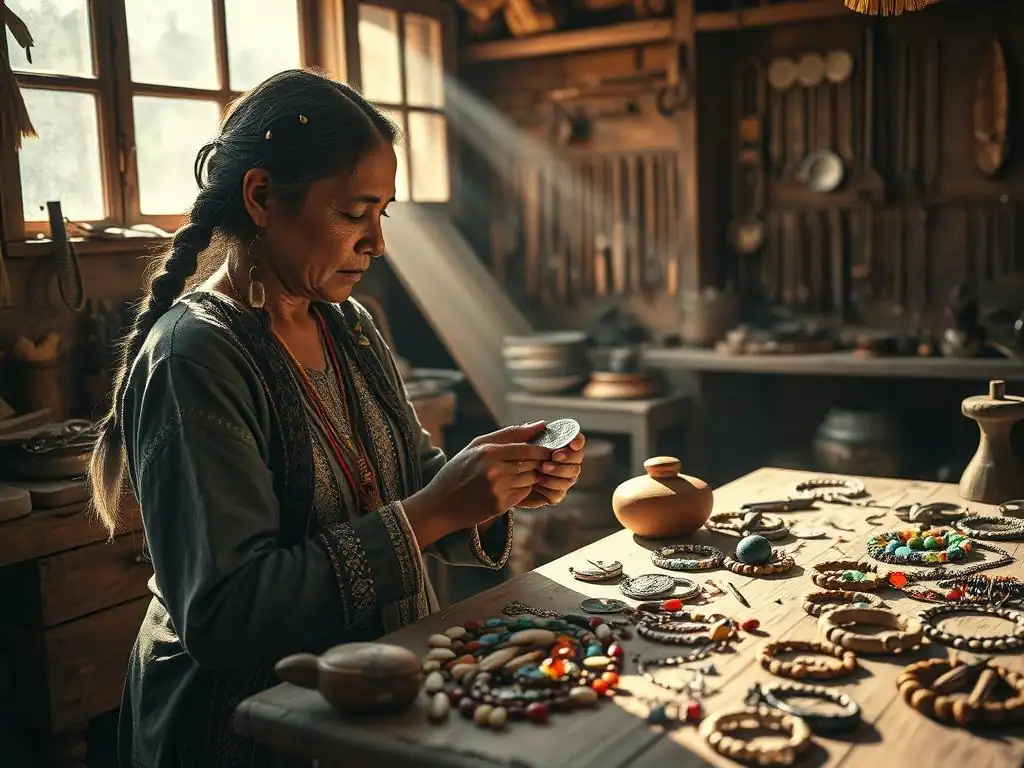
Indigenous artisans employ a variety of techniques and materials that reflect their cultural heritage and resource availability. The craftsmanship involved in creating jewelry is often passed down through generations, with each artisan bringing their unique touch to the tradition.
- Materials: Common materials used include:
- Silver: Particularly in Southwestern tribes, silverwork is a hallmark of craftsmanship, often combined with turquoise.
- Beads: Seed beads, bone, and shells are frequently used to create intricate designs that tell stories through color and form.
- Natural Elements: Many artisans incorporate materials like leather, feathers, and wood, drawing from their surroundings to create meaningful pieces.
- Techniques: Various techniques are employed, such as:
- Lost Wax Casting: A traditional method used to create detailed metal designs.
- Beadwork: This intricate technique involves stitching beads onto a textile base, often resulting in vibrant and complex patterns.
- Lapidary: The art of cutting and polishing stones, which is crucial for creating stunning inlays and embellishments.
The combination of these materials and techniques allows Indigenous jewelry to be both beautiful and meaningful, serving as a historical record of the artisan's culture and personal expression.
Case Studies: Indigenous Artisans and Their Work
Examining specific artisans and their creations provides insight into how Indigenous jewelry functions as storytelling. Various artisans have gained recognition for their ability to blend traditional techniques with contemporary aesthetics, showcasing the evolution of Indigenous jewelry.
Spotlight on Renowned Indigenous Jewelers
Several renowned Indigenous jewelers have made significant contributions to the art form, embodying the essence of storytelling through their work:
- Charles Loloma (Hopi): Known for his innovative approach to using materials and colors, Loloma's pieces often feature natural stones and unique designs that reflect the beauty of the Hopi landscape. His work tells stories of cultural pride and connection to the earth.
- Margaret Roach Wheeler (Navajo): A master silversmith, Wheeler's jewelry incorporates intricate designs that are deeply rooted in Navajo traditions. Her pieces often feature traditional symbols that carry personal and cultural significance.
These artisans not only preserve their cultural heritage but also inspire a new generation of Indigenous jewelers to explore and express their stories through their craft.
Contemporary Indigenous Jewelry Artisans
Today, many contemporary Indigenous artisans are redefining jewelry-making, blending traditional practices with modern influences. These artisans often explore themes of identity, resilience, and cultural revitalization in their work.
- Jessica Metcalfe (Turtle Mountain Chippewa): Founder of Beyond Buckskin Boutique, Metcalfe showcases the work of Indigenous designers who infuse contemporary aesthetics with traditional narratives. Her platform emphasizes the importance of storytelling in each piece.
- Katrina K. D. T. (Inuit): An emerging artist, Katrina's work highlights the stories of her Inuit heritage, using materials like walrus ivory and caribou antler. Her designs are a reflection of her community's history and environmental connection.
These contemporary artisans continue the legacy of storytelling in Indigenous jewelry, ensuring that the narratives of their cultures are shared and celebrated in the modern world.
The Intersection of Art and Activism in Indigenous Jewelry
Indigenous jewelry serves as more than mere adornment; it stands at the crossroads of art and activism. Through their creations, artisans express cultural identity, resistance, and resilience, often weaving narratives that challenge prevailing stereotypes and injustices faced by Indigenous communities. Each piece of jewelry becomes a vessel for storytelling, encapsulating the heritage and values of the maker's culture while simultaneously addressing contemporary social issues.
For many Indigenous artists, the act of creating jewelry is not just about craftsmanship but also about reclaiming agency over their cultural narratives. By infusing their work with historical and political significance, they challenge the dominant narratives imposed by colonial histories. For instance, using traditional materials and techniques can symbolize a return to cultural roots and an assertion of identity.
Moreover, the visibility of Indigenous jewelry in public spaces and marketplaces contributes to broader conversations about cultural appropriation and representation. As artisans showcase their work, they invite audiences to engage thoughtfully with Indigenous histories, fostering greater awareness and appreciation of their cultures.
Jewelry as a Medium for Social Change
Jewelry has emerged as a powerful medium for social change within Indigenous communities. Artisans often incorporate symbols and themes that resonate with pressing issues such as environmental justice, land rights, and gender equality. For example, jewelry pieces that feature motifs of endangered species can raise awareness about ecological conservation, while those that reflect traditional practices highlight the importance of sustaining Indigenous ways of life.
Crafting jewelry with a message also allows artisans to advocate for their communities. Many pieces are made to support specific causes, with proceeds directed towards initiatives that empower Indigenous peoples and promote cultural revitalization. This approach not only generates economic support but also creates a platform for dialogue about the socio-political challenges faced by these communities.
Additionally, Indigenous jewelry has found its way into global movements, acting as a symbol of solidarity and resistance. Wearing these pieces can serve as a statement of support for Indigenous rights, encouraging conversations about the historical injustices faced by these communities and their ongoing struggles for recognition and respect.
Collaborations and Partnerships in Indigenous Jewelry
Collaborations between Indigenous artisans and non-Indigenous designers or organizations can yield impactful results, fostering cross-cultural understanding and appreciation. These partnerships often allow Indigenous artists to reach broader audiences while retaining their cultural integrity and storytelling traditions.
An example of successful collaboration includes projects where Indigenous artisans work alongside fashion brands to create collections that celebrate Indigenous culture. This not only provides artisans with platforms to showcase their work but also educates consumers about the significance of the designs and the stories behind them.
Furthermore, partnerships with non-profit organizations can help in preserving traditional techniques and passing them on to younger generations. Through workshops and educational programs, these collaborations ensure that the rich history and artistry of Indigenous jewelry continue to thrive, adapting to contemporary contexts while remaining rooted in tradition.
Conclusion: The Lasting Impact of Indigenous Jewelry Storytelling
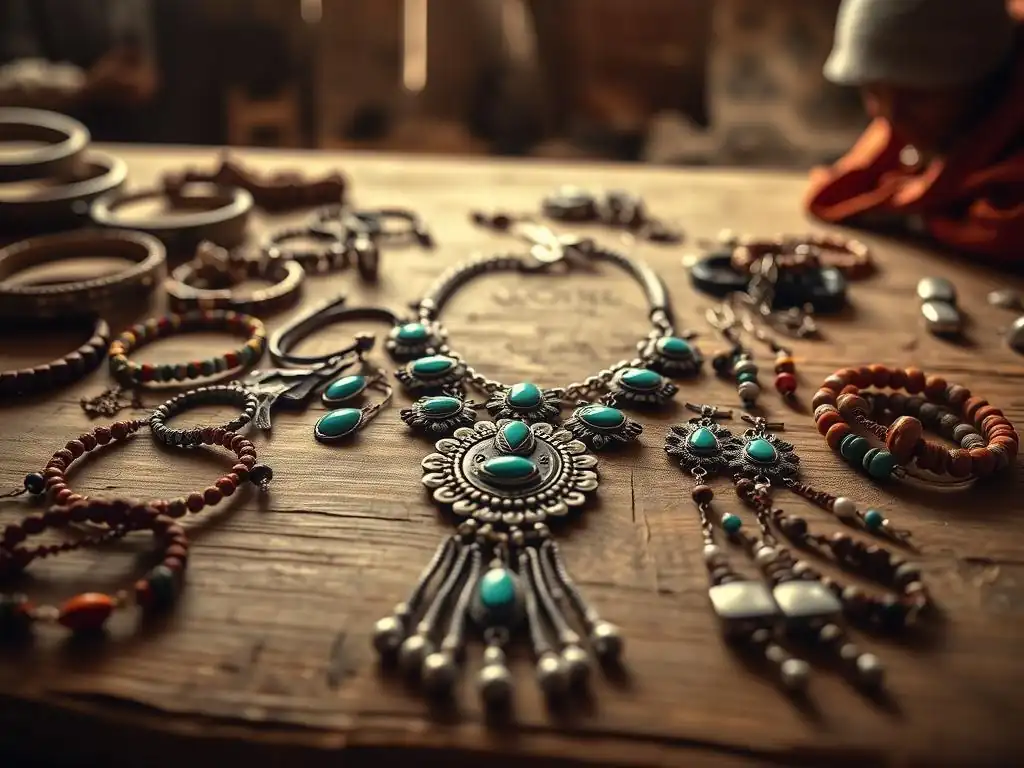
The storytelling aspect of Indigenous jewelry is profound and enduring, significantly shaping the cultural landscape of Indigenous communities. Each piece tells a story, whether through its materials, design, or the hands that crafted it. This storytelling tradition not only preserves history but also fosters a sense of belonging and identity among Indigenous peoples.
As Indigenous artisans continue to innovate and assert their narratives through jewelry, they contribute to a richer understanding of their cultures and histories. The impact of their work extends beyond aesthetics; it challenges perceptions, invites dialogue, and inspires activism. Ultimately, Indigenous jewelry serves as a powerful reminder of the resilience and creativity of Indigenous peoples, ensuring that their stories are told and celebrated for generations to come.
Call to Action: Supporting Indigenous Artisans
Supporting Indigenous artisans is a vital step in preserving and promoting the rich cultural heritage encapsulated in their jewelry. By choosing to purchase authentic Indigenous jewelry, you are not merely acquiring a piece of art; you are investing in the stories, traditions, and livelihoods of these communities. Here are several ways you can make a difference:
- Buy Directly from Artisans: Seek out local markets, fairs, or online platforms that allow direct purchases from Indigenous artisans. This ensures that the majority of profits go directly to the creators.
- Promote Awareness: Share your knowledge about Indigenous jewelry and its significance on social media or within your community. Use hashtags such as #IndigenousArtisans and #SupportIndigenousArtists to amplify their voices.
- Attend Workshops and Events: Participate in workshops or cultural events hosted by Indigenous creators. This not only supports them financially but also provides invaluable insights into their craft and the stories behind their work.
- Educate Others: Use the information you gain to educate friends and family about the importance of Indigenous jewelry as a storytelling medium. Highlight the historical contexts and meanings behind various designs.
By actively supporting Indigenous artisans, you contribute to the sustainability of their crafts and help keep their stories alive for future generations.
Resources for Further Exploration
For those interested in delving deeper into the world of Indigenous jewelry and its storytelling significance, numerous resources are available. Here are some recommended avenues for exploration:
- Books:
- "American Indian Art: The Story of the Art and Culture of the North American Tribes" by Ellen K. W. Johnson explores the intricate relationship between art and Indigenous identity.
- "Beaded Hope: A Journey into the World of Contemporary Native American Artists" by J. K. Harris offers insights into modern Indigenous art practices, including jewelry.
- Documentaries:
- "More Than a Word" examines the impact of Native American culture on contemporary society, featuring segments on traditional art forms including jewelry.
- "The Art of the Steal" highlights the experiences of Indigenous artists reclaiming their heritage through various art forms, including jewelry-making.
- Online Resources:
- The Smithsonian National Museum of the American Indian features extensive online exhibits that showcase Indigenous jewelry and its cultural significance.
- Various Indigenous organizations maintain websites with information about their artisans, cultural practices, and upcoming events.
- Social Media:
- Follow Indigenous artists and organizations on platforms like Instagram and Facebook to keep up with their latest creations and stories. Engaging with their content helps raise awareness and appreciation for their work.
These resources can help enrich your understanding of Indigenous jewelry as an essential element of storytelling, providing context and appreciation for the artistry and heritage behind each piece.
- Introduction to Indigenous Jewelry Storytelling History
- The Role of Indigenous Jewelry in Cultural Narratives
- Key Elements of Indigenous Jewelry Storytelling
- Symbolism in Indigenous Jewelry Designs
- Techniques and Materials Used in Indigenous Jewelry
- Case Studies: Indigenous Artisans and Their Work
- The Intersection of Art and Activism in Indigenous Jewelry
- Conclusion: The Lasting Impact of Indigenous Jewelry Storytelling
- Call to Action: Supporting Indigenous Artisans
- Resources for Further Exploration
- What is the main focus of the article "Jewelry as Storytelling: How Indigenous Artisans Convey History Through Adornment"?
- How does indigenous jewelry reflect cultural identity?
- What kinds of materials are commonly used in Indigenous jewelry?
- How do storytelling and history intertwine in Indigenous jewelry?
- Why is it important to study Indigenous jewelry in the context of history?
Frequently Asked Questions
What is the main focus of the article "Jewelry as Storytelling: How Indigenous Artisans Convey History Through Adornment"?
The article focuses on how Indigenous artisans use jewelry as a medium to convey cultural narratives and historical significance. It highlights the artistic techniques and symbolic meanings embedded in their creations.
How does indigenous jewelry reflect cultural identity?
Indigenous jewelry often incorporates traditional symbols and materials that represent the heritage and values of a community. This helps in preserving and communicating their cultural identity through generations.
What kinds of materials are commonly used in Indigenous jewelry?
Common materials include natural elements such as stones, shells, and metals. These materials are often sourced from the local environment and carry significant cultural meanings.
How do storytelling and history intertwine in Indigenous jewelry?
Jewelry serves as a visual narrative, where each piece tells a story about the artisan's ancestry, traditions, and personal experiences. This practice keeps history alive and fosters a sense of community connection.
Why is it important to study Indigenous jewelry in the context of history?
Studying Indigenous jewelry provides insights into the social structures, belief systems, and artistic expressions of past civilizations. It helps to appreciate the rich cultural heritage and the impact of colonization on these traditions.
Final Reflection: The Timeless Narrative of Indigenous Jewelry
Jewelry is not merely an accessory; it is a vessel of culture and history that resonates deeply within the fabric of Indigenous communities. The intricate designs and materials used in Indigenous jewelry serve as a powerful medium for storytelling, preserving the rich narratives of ancestral traditions and contemporary experiences. Today, as we navigate a world increasingly disconnected from its roots, the significance of these adornments becomes even more pronounced, reminding us of the stories that shape our identities and the histories that deserve to be honored.
Cultural expressions through jewelry have a profound impact on our understanding of identity and heritage. Indigenous artisans continue to weave their narratives into every piece they create, fostering a sense of belonging and continuity. As we witness a resurgence of interest in Indigenous art, it is essential to recognize the voices behind these creations. Art is the most beautiful of all lies.
This quote encapsulates the essence of Indigenous jewelry, where beauty intertwines with truth, revealing the layers of history and culture embedded within each piece.
As you reflect on the stories conveyed through Indigenous jewelry, consider how you can honor and engage with these narratives in your own life. Embrace the opportunity to learn from these artisans and their heritage, allowing their stories to inspire your journey. Whether through supporting Indigenous artists, sharing their stories, or simply wearing their creations with respect, you have the power to contribute to a greater understanding of history and culture. Let each piece of jewelry remind you that every adornment carries a story waiting to be told.
Thank you for taking the time to explore the rich stories woven into Indigenous jewelry. Through your engagement, you’ve gained insight into how these artisans convey history, culture, and identity through their beautiful creations. Now it’s time to take action and deepen your connection to this captivating art form!
Here are a few ways you can contribute and spread awareness:
- Discover local artisans: Seek out Indigenous jewelers in your area or online and purchase their pieces to support their craft and storytelling.
- Share your knowledge: Discuss what you’ve learned with friends and family, or share this article on social media to amplify the voices and artistry of Indigenous communities.
- Engage with your community: Attend workshops, exhibitions, or cultural events to experience and learn more about the stories behind the jewelry firsthand.
What story does your favorite piece of jewelry convey, and how can you help elevate the narratives of Indigenous artisans?