
The Ingenious Terracing Techniques of the Andean Civilizations: A Deep Dive into Agricultural Innovation

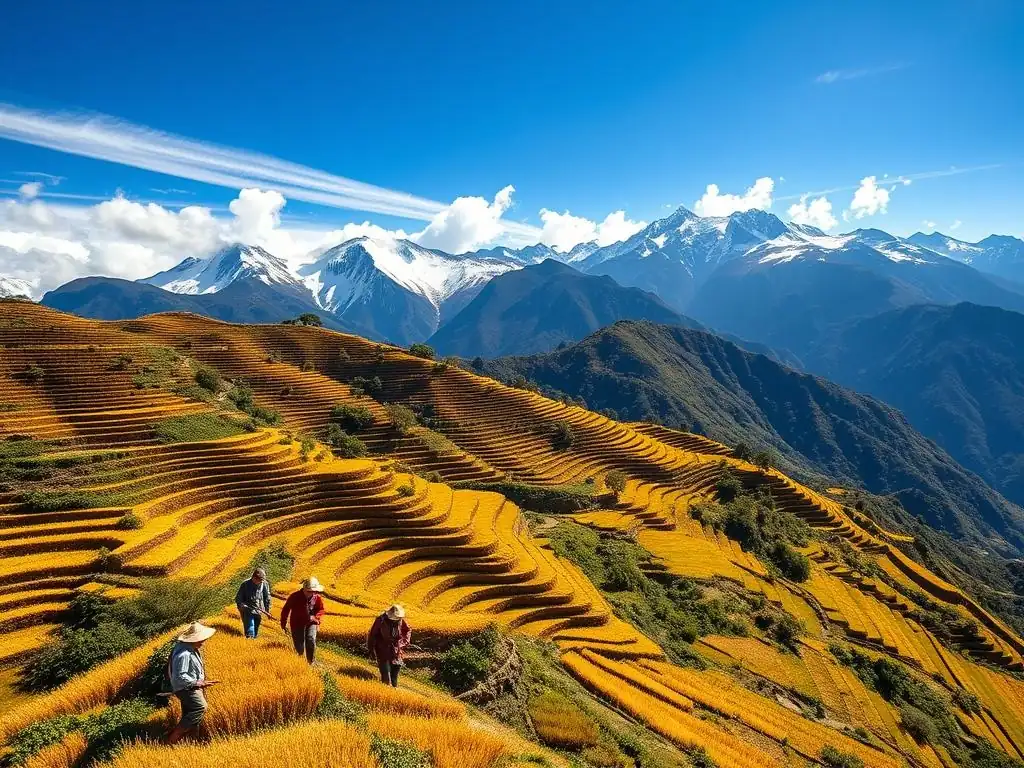
Welcome to Indigenous Civilizations of the Americas, where we invite you to journey through the rich tapestry of cultures that flourished long before European contact. In our latest article, we delve into the ingenious terracing techniques of the Andean civilizations, exploring how these remarkable agricultural innovations transformed their landscapes and sustained their societies. Discover how the ingenuity of these ancient peoples continues to inspire modern practices and influences today’s world. Prepare to be captivated by their stories, achievements, and the profound legacy they left behind. Dive in and uncover the secrets of their agricultural mastery!
Introduction to Andean Civilizations Agricultural Techniques
The Andean civilizations, which flourished in the highlands of South America, are renowned for their remarkable agricultural innovations that allowed them to thrive in the challenging mountainous terrain. Among these innovations, terracing stands out as a transformative technique that not only optimized land use but also significantly enhanced food production.
This article will explore the intricate terracing techniques employed by these ancient societies, delving into their historical context, functionality, and impact on Andean culture and sustainability. By understanding these agricultural practices, we gain insight into the resilience and ingenuity of indigenous peoples who adapted to their environment long before European contact.
Overview of Andean Civilizations and Their Agricultural Practices
The Andean civilizations encompass a range of cultures, including the Inca, Moche, and Tiwanaku, each with distinct agricultural practices adapted to the diverse ecosystems of the Andes. These societies cultivated a variety of crops such as potatoes, quinoa, and maize, utilizing techniques that maximized productivity in mountainous regions.
- Crop Diversity: The Andean people cultivated over 3,000 varieties of potatoes and numerous grains, emphasizing biodiversity in their agricultural systems.
- Irrigation Systems: Ingenious irrigation channels and aqueducts were constructed to manage water distribution, critical in the arid highlands.
- Seasonal Farming: Andean civilizations employed seasonal cycles to optimize crop growth, ensuring a stable food supply throughout the year.
Importance of Agricultural Innovation in the Andes
Agricultural innovation was pivotal for the survival and prosperity of Andean civilizations. The harsh environment posed significant challenges, yet these cultures developed sophisticated techniques to enhance soil fertility, conserve water, and combat erosion.
- Sustaining Populations: Innovations in agriculture supported growing populations, enabling the development of complex societies and urban centers.
- Cultural Identity: Agriculture was not just about sustenance; it formed the backbone of Andean culture, influencing social structure, religious practices, and community organization.
- Environmental Adaptation: These techniques reflect a profound understanding of ecological balance, showcasing the adaptability of Andean peoples to their environment.
The Concept of Terracing in Andean Agriculture
Terracing is a hallmark of Andean agricultural practices, representing a key adaptation to the steep slopes of the Andes. By creating flat, stepped surfaces on mountainous terrain, these civilizations were able to cultivate crops efficiently while minimizing soil erosion.
Definition and Historical Background of Terracing
Terracing involves the construction of level platforms on sloped land, allowing for more manageable farming practices. This technique dates back thousands of years, with evidence of terraced fields found in ancient sites across the Andes.
- Construction Techniques: The construction of terraces often involved stone walls and sophisticated drainage systems to manage water flow and prevent soil degradation.
- Cultural Significance: Terraces were often designed not only for agricultural efficiency but also to reflect the spiritual and social values of the communities, integrating their relationship with the land.
The Role of Terracing in Andean Agricultural Techniques
Terracing played a crucial role in the agricultural success of Andean civilizations by addressing key challenges posed by the mountainous landscape.
- Soil Conservation: By reducing erosion, terraces helped preserve the nutrient-rich topsoil, essential for sustaining crop yields.
- Water Management: Terraces facilitated better water retention and distribution, crucial for farming in areas with limited rainfall.
- Microclimate Creation: The stepped design of terraces created varied microclimates, allowing for the cultivation of diverse crops at different elevations.
The terracing techniques of the Andean civilizations exemplify the ingenuity and adaptability of indigenous agricultural practices. These methods not only provided sustenance but also fostered complex societies that thrived in the face of environmental challenges. Understanding these techniques offers valuable lessons in sustainable agriculture that resonate even today.
Key Terracing Techniques Used by Andean Civilizations
The Andean civilizations developed several innovative terracing techniques that adapted to the challenging mountainous terrain of the Andes. These techniques were essential for transforming steep slopes into productive agricultural land, allowing for the cultivation of diverse crops. Among the most notable methods were:
- Inca Terraces: The Incas are perhaps the most famous of the Andean civilizations known for their extensive terrace systems. They constructed large, flat terraces supported by stone walls, which helped retain moisture and prevent soil erosion. The meticulous engineering of these terraces, often built along the contours of the hillsides, maximized sunlight exposure and minimized water runoff.
- Check Dam Terracing: This technique involved creating small check dams made of stone or earth along the hillside. These dams slowed water runoff, allowing sediment to settle and enriching the soil. They also helped create small ponds that could be utilized for irrigation, providing a consistent water supply for crops.
- Raised Bed Farming: In some regions, raised beds were constructed on terraces to improve drainage and soil quality. These beds were often enriched with organic matter, which enhanced fertility and supported diverse crops. This method was particularly effective in areas with heavy rainfall, as it reduced the risk of waterlogging.
Types of Terracing Techniques
The Andean civilizations employed various terracing techniques, each suited to specific environmental conditions and agricultural needs:
- Contour Terracing: This involves building terraces along the contour lines of the slope to reduce water runoff and soil erosion. This method is effective in managing the natural flow of water and maintaining soil moisture.
- Stepped Terracing: Stepped terraces are characterized by multiple flat surfaces that step down the slope, creating a series of flat fields. This method allows for efficient planting and harvesting, as well as easier access to crops.
- Basin Terracing: In this technique, terraces are designed with basins that collect rainwater. The basins allow for better water retention and are ideal for crops that require consistent moisture.
- Stone-Walled Terraces: These terraces are reinforced with stone walls that provide structural support and prevent soil erosion. The use of stones also aids in heat retention, creating a microclimate conducive to crop growth.
Materials and Tools Utilized in Terracing
The construction of these terraces required a variety of materials and tools, reflecting the ingenuity of the Andean civilizations. Key materials included:
- Stone: Used extensively for building retaining walls and check dams, stones were either gathered from nearby riverbeds or quarried from local sources. The durability of stone helped ensure the longevity of the terraces.
- Soil and Organic Matter: Rich topsoil and organic materials, such as compost and farmyard manure, were added to improve fertility. The mixing of soil types also contributed to enhanced crop yields.
- Wooden Tools: Simple wooden tools, such as digging sticks and hoes, were used to prepare the land and plant seeds. These tools were crafted from local wood, showcasing the resourcefulness of the civilizations.
- Irrigation Canals: Ingeniously constructed irrigation canals diverted water from nearby rivers or streams to the terraces. This ensured a steady water supply, essential for successful crop cultivation.
Benefits of Terracing in Andean Agricultural Systems
Terracing offered numerous benefits that contributed to the sustainability and productivity of Andean agricultural systems. The advantages included:
Soil Conservation and Erosion Control
One of the primary benefits of terracing was its effectiveness in soil conservation. By reducing the speed of water runoff, terraces minimized soil erosion, which is especially critical in mountainous regions. The stone walls and earthworks helped to retain soil nutrients, ensuring that the land remained fertile for generations. This practice not only preserved the land but also promoted the sustainable use of natural resources, fostering agricultural resilience.
Maximizing Arable Land in Mountainous Regions
Terracing transformed otherwise unusable steep slopes into arable land, significantly increasing the available agricultural area. This innovation allowed Andean civilizations to cultivate a variety of crops, from potatoes and maize to quinoa and beans, thereby enhancing food security. By adapting to the topography, these societies could effectively utilize their environment, demonstrating remarkable agricultural ingenuity.
Microclimate Creation and Crop Diversity
Terraces also played a crucial role in creating microclimates that supported diverse agricultural practices. The different elevations and orientations of the terraces allowed for the cultivation of crops suited to varying climatic conditions. This diversity not only supported dietary needs but also reduced the risk of crop failure. The ability to grow multiple crops simultaneously contributed to the nutritional and economic stability of Andean communities, showcasing the sophistication of their agricultural systems.
Case Studies: Successful Terracing Examples in the Andes
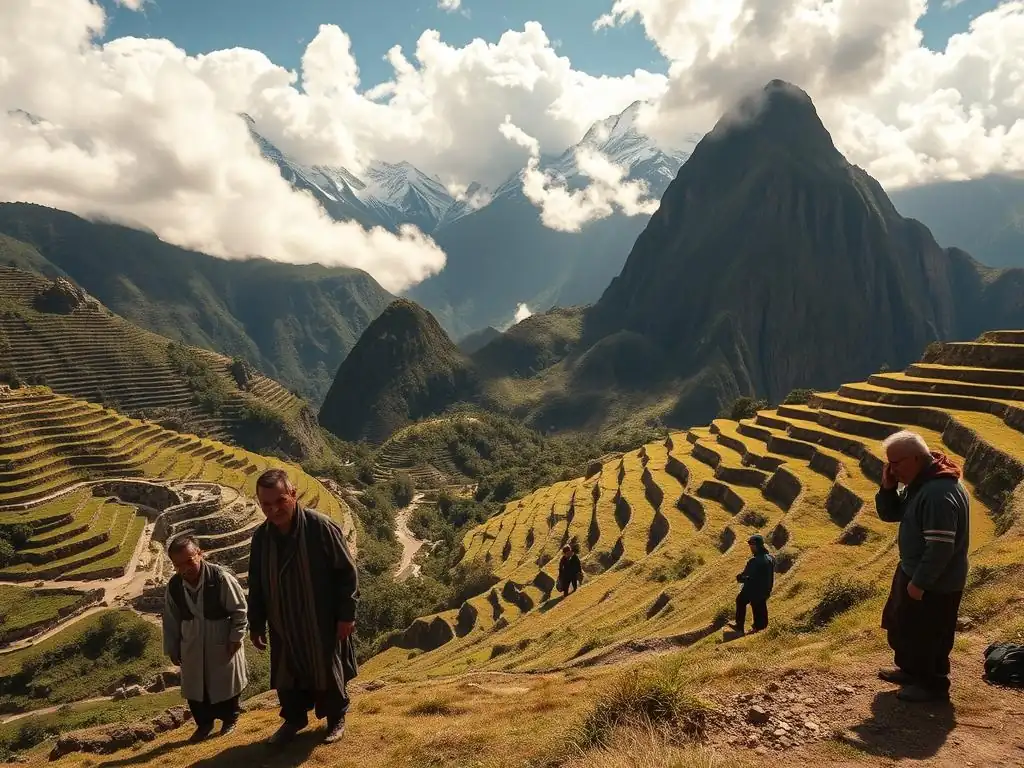
The Andean civilizations are renowned for their sophisticated agricultural techniques, particularly their innovative use of terracing to enhance crop production in mountainous terrains. These ancient practices not only maximized arable land but also improved irrigation and reduced soil erosion. Here, we explore notable case studies that highlight the successful implementation of terracing in the Andes.
The Inca Civilization and Their Terracing Innovations
The Inca civilization, which flourished between the 15th and 16th centuries, serves as a prime example of advanced terracing practices. The Incas constructed elaborate terrace systems that extended across the steep slopes of the Andes, allowing them to cultivate a variety of crops, including potatoes, maize, and quinoa.
- Construction Techniques: The terraces were built using stone walls to create flat surfaces, which helped to retain moisture and provide stability. The Incas employed a system of canals and aqueducts to ensure adequate water supply to the fields.
- Microclimates: By building terraces at various altitudes, the Incas were able to create microclimates suited for different crops. This diversity not only improved food security but also allowed for a more resilient agricultural system.
- Sustainability: The use of terracing contributed to sustainable farming practices, as the Incas were able to control soil erosion and maintain soil fertility over generations. This method has left a lasting legacy, as many of these terraces are still in use today.
Other Indigenous Cultures and Their Unique Approaches
Beyond the Incas, various indigenous cultures in the Andes developed their own distinct terracing methods that catered to their specific environmental and social contexts.
- The Tiwanaku Civilization: Located near Lake Titicaca, the Tiwanaku civilization (circa 500-1000 AD) utilized raised-field agriculture, which involved constructing terraces that were slightly elevated above the water table. This approach not only improved drainage but also facilitated the cultivation of crops like quinoa and tubers.
- The Aymara People: Known for their advanced agricultural practices, the Aymara utilized terracing to adapt to high-altitude farming. Their techniques included the use of stone walls and organic matter to enrich the soil, demonstrating a deep understanding of local ecology.
- The Chavín Culture: This early Andean civilization (circa 900-200 BC) is noted for its extensive irrigation systems that complemented terracing. The Chavín developed intricate canal networks that distributed water efficiently, showcasing their engineering prowess.
Challenges Faced by Andean Civilizations in Implementing Terracing Techniques
While the terracing techniques employed by Andean civilizations were highly effective, they were not without challenges. These challenges stemmed from both environmental factors and socioeconomic influences that affected agricultural practices.
Environmental Challenges and Adaptation
The Andean region is characterized by a diverse and often harsh environment, which posed significant challenges to agricultural practices.
- Soil Erosion: The steepness of Andean slopes made them susceptible to soil erosion, particularly during heavy rains. To combat this, civilizations developed various techniques, including the construction of stone walls and the incorporation of vegetation to stabilize the soil.
- Climate Variability: The Andean climate can vary significantly, with temperature fluctuations and unpredictable rainfall patterns. Farmers adapted by diversifying crops and implementing irrigation systems that could efficiently channel water from melting glaciers and rivers.
- Altitude Stress: At high altitudes, crops face challenges such as reduced oxygen levels and cooler temperatures. Andean civilizations selected crop varieties that were resilient to these conditions, such as certain types of potatoes and maize that thrived in high-altitude environments.
Socioeconomic Factors Influencing Agricultural Practices
The implementation of terracing techniques was also influenced by various socioeconomic factors that shaped agricultural practices throughout the Andes.
- Labor Availability: The construction and maintenance of terraces required significant labor. Societies with a well-organized labor force, such as the Incas, were better positioned to implement these agricultural innovations effectively.
- Cultural Practices: Agricultural practices were deeply intertwined with cultural beliefs and traditions. The communal nature of farming in many Andean societies led to collaborative efforts in building and maintaining terraces, fostering a sense of community and shared responsibility.
- Resource Allocation: Access to resources such as water and fertile land was critical in determining where and how terracing was implemented. Conflicts over land and water rights could hinder agricultural development and necessitated careful management and negotiation among communities.
The ingenious terracing techniques of the Andean civilizations not only reflect their adaptive strategies to a challenging environment but also their innovative spirit in agriculture, which has left a lasting impact on agricultural practices today.
The Legacy of Andean Agricultural Techniques Today
The agricultural techniques developed by the Andean civilizations, particularly their innovative terracing systems, have left an indelible mark on modern agricultural practices. These ancient methods were not merely functional; they were a testament to the ingenuity and adaptability of the Andean peoples in response to their challenging environments. The legacy of these techniques continues to influence agricultural strategies in the Andes and beyond, showcasing a remarkable blend of tradition and modernity.
The integration of terracing, which allowed for the effective use of steep and mountainous terrain, has been recognized globally for its benefits in soil conservation and water management. Today, many farmers in the Andes still implement these time-honored techniques, adapting them to contemporary challenges such as climate change and population growth. The principles behind these systems exemplify sustainable agriculture, promoting biodiversity and resource conservation, which are increasingly important in today’s agricultural discourse.
Influence on Modern Sustainable Agriculture
The Andean civilizations have significantly influenced the discourse on sustainable agriculture through their innovative practices. Their terracing techniques, which include the use of contour farming and water management systems, serve as valuable models for modern sustainable agriculture. These practices not only enhance productivity but also mitigate the impacts of erosion and runoff, ensuring long-term soil health and crop viability.
Furthermore, the principles of agroecology, which emphasize the integration of ecological principles into agricultural practices, can trace their roots back to the Andean methods. By promoting crop diversity and polyculture, Andean farmers cultivated a variety of crops that supported soil fertility and resilience against pests and diseases. This holistic approach to agriculture is increasingly being adopted by modern farmers seeking to replicate the success of Andean agricultural systems.
Preservation of Traditional Practices in Contemporary Farming
In recent years, there has been a growing movement to preserve traditional Andean agricultural practices amid the pressures of modernization and industrial agriculture. Many indigenous communities are working to revitalize these techniques, not only to maintain their cultural heritage but also to enhance food security and sustainability in their regions. Organizations and NGOs are supporting these initiatives by providing training, resources, and platforms for knowledge exchange.
The preservation of these practices is crucial as they represent a wealth of knowledge developed over centuries. Efforts to document and share this knowledge are helping to ensure that younger generations can continue to practice and adapt these techniques. Additionally, the recognition of the value of traditional knowledge in agriculture is gaining traction among policymakers and agriculturalists, leading to more inclusive and sustainable agricultural policies.
Conclusion: The Enduring Impact of Andean Agricultural Techniques
The Andean civilizations' agricultural techniques, particularly their terracing systems, have had a lasting impact on both local and global agricultural practices. Their innovative approaches to farming in challenging terrains not only ensured their survival but also laid the groundwork for sustainable practices that are relevant today.
Summary of Key Points
- The terracing techniques of the Andean civilizations remain influential in modern agriculture, particularly in the context of sustainable farming practices.
- These methods promote soil conservation, water management, and biodiversity, highlighting the importance of ecological principles in agriculture.
- There is a growing movement to preserve and revitalize traditional Andean agricultural practices, which supports food security and cultural heritage.
The Importance of Recognizing Indigenous Innovations in Agriculture
Recognizing and valuing the agricultural innovations of indigenous cultures like the Andean civilizations is essential for promoting sustainable practices in today's world. These innovations not only reflect a deep understanding of local ecosystems but also offer solutions to contemporary challenges such as climate change and resource depletion. By embracing and integrating these time-tested methods, modern agriculture can move towards a more sustainable future that honors the contributions of indigenous peoples and their rich agricultural heritage.
- Introduction to Andean Civilizations Agricultural Techniques
- The Concept of Terracing in Andean Agriculture
- Key Terracing Techniques Used by Andean Civilizations
- Benefits of Terracing in Andean Agricultural Systems
- Case Studies: Successful Terracing Examples in the Andes
- Challenges Faced by Andean Civilizations in Implementing Terracing Techniques
- The Legacy of Andean Agricultural Techniques Today
- Conclusion: The Enduring Impact of Andean Agricultural Techniques
- What are the main agricultural techniques used by Andean civilizations?
- How did terracing benefit Andean agriculture?
- What crops were commonly grown by Andean civilizations?
- How did these agricultural techniques influence Andean society?
- What is the lasting impact of Andean agricultural innovations today?
Frequently Asked Questions
What are the main agricultural techniques used by Andean civilizations?
Andean civilizations employed ingenious terracing techniques to maximize arable land, manage water resources, and combat soil erosion, showcasing their advanced agricultural innovations.
How did terracing benefit Andean agriculture?
Terracing allowed for efficient water management and enhanced soil fertility, enabling sustainable farming practices in the challenging mountainous terrain of the Andes.
What crops were commonly grown by Andean civilizations?
The Andean civilizations cultivated potatoes, quinoa, and maize, among other crops, which were vital for their diet and played a significant role in their cultural practices.
How did these agricultural techniques influence Andean society?
The successful agricultural practices supported population growth, facilitated trade, and contributed to the development of complex societies and political structures in the Andes.
What is the lasting impact of Andean agricultural innovations today?
The agricultural techniques developed by Andean civilizations continue to inform modern farming practices, particularly in sustainable agriculture and land management in mountainous regions.
Final Reflection: Embracing the Legacy of Andean Agricultural Innovation
The ingenious terracing techniques of the Andean civilizations not only showcase the remarkable ingenuity of ancient agricultural practices but also highlight their enduring relevance in today's world. As we face the challenges of climate change and food security, the sustainable methods developed by these civilizations serve as a beacon of hope and inspiration for modern agricultural innovation. The lessons learned from their intricate systems remind us that the past can inform our future, urging us to rethink our approach to farming and resource management.
The influence of Andean agricultural techniques extends far beyond their geographical origins; they resonate deeply within contemporary discussions about sustainability and resilience. The terraced landscapes of the Andes are a testament to the harmonious relationship between humans and nature, demonstrating that innovation can thrive when we respect our environment. In every walk with nature, one receives far more than he seeks.
– John Muir. This quote encapsulates the essence of the Andean civilizations' approach to agriculture, emphasizing the importance of learning from nature to cultivate not just crops, but a sustainable future.
As you reflect on the ingenuity of the Andean civilizations, consider how their agricultural techniques can inspire your own practices and choices. Take a moment to think about how you can incorporate sustainable principles into your daily life, whether through supporting local farmers, reducing waste, or advocating for environmentally friendly policies. The legacy of these ancient innovators invites us to engage with our environment thoughtfully and creatively, ensuring that their wisdom continues to flourish for generations to come.
Unleash Your Inner Agrarian Innovator!
Thank you for diving into the fascinating world of Andean terracing techniques! Your journey into the ingenuity of these ancient agricultural practices has unveiled invaluable insights into sustainability and resourcefulness. Now, it’s time to channel this inspiration into action!
Here are a few empowering steps you can take to further engage with this remarkable topic:
- Start your own garden project using terracing: Transform a small space in your yard or on your balcony by implementing the terracing techniques you have learned—create sustainable layers that support a diverse range of plant growth!
- Explore local farming initiatives: Connect with community gardens or agricultural cooperatives in your area to learn more about sustainable practices and share your knowledge with others.
- Share your knowledge: Discuss what you’ve learned with friends or on social media platforms—spread the word about Andean innovations and inspire others to consider sustainable farming methods!
How could applying these ancient techniques enhance your community's approach to modern agriculture?