
Cortés and the Aztecs: Analyzing the Complex Relationship Between Conqueror and Conquered

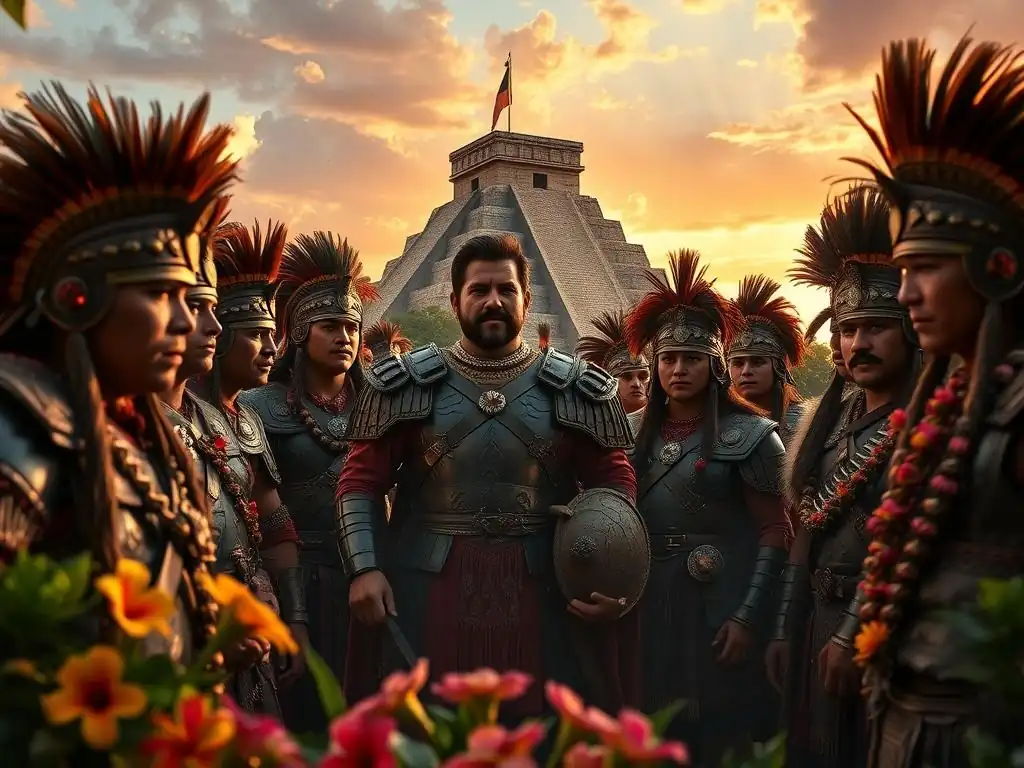
Welcome to Indigenous Civilizations of the Americas, where we invite you to embark on a fascinating journey through the rich tapestry of cultures that flourished across the continent long before European arrival. Our featured article, “Cortés and the Aztecs: Analyzing the Complex Relationship Between Conqueror and Conquered,” delves deep into the intricate dynamics between Hernán Cortés and the Aztec Empire, revealing the profound influences and consequences of their encounters.
As you explore the legacies of these remarkable civilizations, prepare to uncover stories of resilience, innovation, and the enduring impact that shapes our understanding of history today. Dive in and discover what lies beneath the surface of this pivotal moment!
- Introduction to Cortés and the Aztecs: Analyzing Their Relationship History
- Historical Context of the Aztec Empire
- Hernán Cortés: The Conqueror's Background
- The Initial Encounter: Cortés Meets the Aztecs
- The Dynamics of Power: Cortés and Moctezuma II
- The Siege of Tenochtitlán: Turning Point in the Relationship
- Aftermath of the Conquest: Consequences for the Aztecs
- The Complex Legacy of the Cortés-Aztecs Relationship
- Conclusion: Reflections on Cortés and the Aztecs
-
Frequently Asked Questions
- What was the nature of the Cortés Aztecs relationship history?
- How did Hernán Cortés manage to conquer the Aztec Empire?
- What were the key events that defined the relationship between Cortés and the Aztecs?
- How did the Aztec society respond to Cortés and his men?
- What is the lasting impact of the Cortés and Aztecs relationship on modern history?
- Final Reflection: Understanding the Cortés and Aztecs Relationship in History
- Unveil the Lessons from History!
Introduction to Cortés and the Aztecs: Analyzing Their Relationship History
The relationship between Hernán Cortés and the Aztecs represents one of the most pivotal moments in the history of the Americas. This complex interaction not only led to the downfall of one of the most sophisticated civilizations of the pre-Columbian era but also set the stage for profound cultural, social, and political transformations across the continent.
By examining the motivations, actions, and consequences of Cortés’ conquest, we can gain deeper insights into the dynamics of power, resistance, and adaptation that characterized this historical encounter. Understanding the Cortés-Aztecs relationship is essential for appreciating the broader narrative of European colonization and its lasting impact on indigenous cultures.
Overview of the Spanish Conquest of the Aztecs
The Spanish conquest of the Aztec Empire in the early 16th century was a monumental event that reshaped the landscape of Mesoamerica. Hernán Cortés, an ambitious Spanish conquistador, embarked on his journey to the New World in 1519 with a small contingent of men, driven by the promise of wealth and glory. Here are some key points to consider:
- Initial Contact: Cortés first landed on the coast of Mexico and made contact with various indigenous groups, some of whom were already discontent with Aztec rule due to heavy taxation and tribute demands.
- Alliances and Strategy: Recognizing the strength of the Aztecs, Cortés strategically formed alliances with rival tribes, such as the Tlaxcalans, which significantly bolstered his forces.
- The March to Tenochtitlán: With these alliances, Cortés marched towards the Aztec capital, Tenochtitlán, where he was initially received as a welcomed guest by Emperor Moctezuma II. This initial hospitality would soon turn into conflict.
The conquest culminated in the fall of Tenochtitlán in 1521, marking the end of the Aztec Empire and the beginning of Spanish dominance in the region.
Significance of the Cortés-Aztecs Relationship in History
The relationship between Cortés and the Aztecs is not only significant for its immediate outcomes but also for its long-term implications:
- Cultural Exchange: This interaction led to a profound cultural exchange, resulting in the blending of European and indigenous traditions, languages, and religions.
- Colonial Legacy: The conquest established a pattern of colonial rule characterized by exploitation, cultural imposition, and resistance, which would define the relationship between European powers and indigenous populations for centuries.
- Historical Narratives: The events surrounding Cortés and the Aztecs have been the subject of extensive historical inquiry and debate, influencing how we understand colonialism and its effects on indigenous societies.
The Cortés-Aztecs relationship serves as a crucial case study in the broader context of European conquests in the Americas, highlighting the complexities of power, identity, and resistance in a transformative period of history.
Historical Context of the Aztec Empire
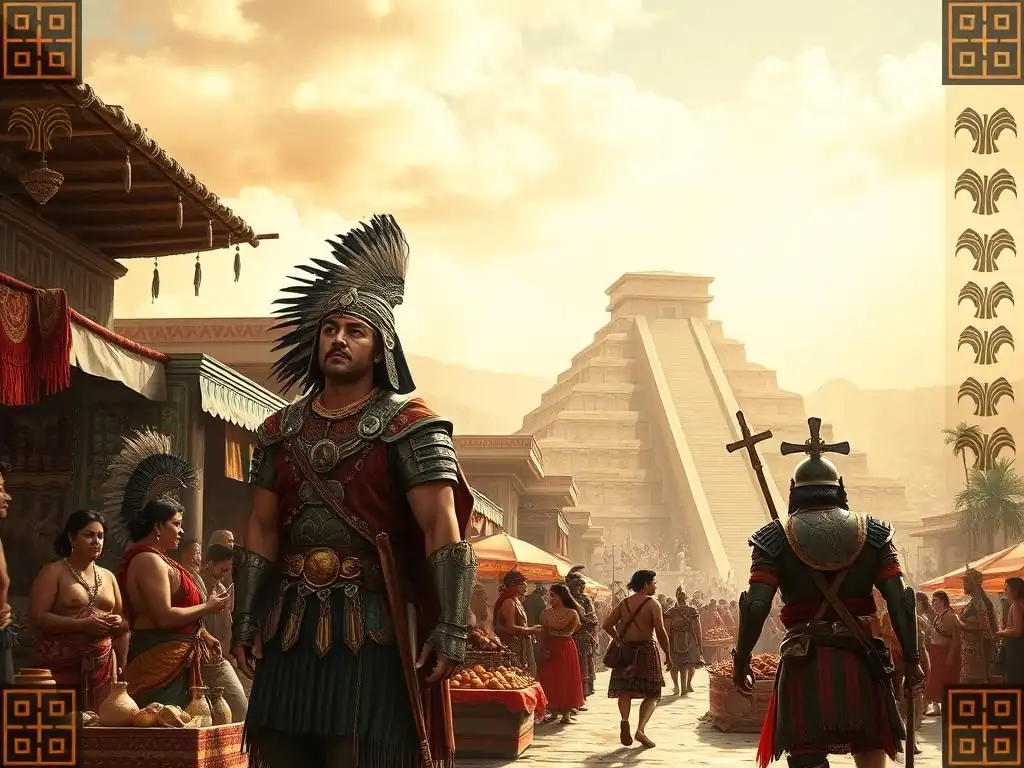
The Aztec Empire, known as Mexica, emerged in the 14th century, becoming one of the most powerful indigenous civilizations in the Americas. This period, marked by significant social, political, and economic development, laid the groundwork for the complex interactions that would later occur with European conquerors like Hernán Cortés.
The Rise of the Aztec Civilization
The Aztecs began as a nomadic tribe in the arid regions of northern Mexico before migrating to the Valley of Mexico. In 1325, they founded Tenochtitlán on an island in Lake Texcoco, which became the capital of their empire. The strategic location allowed for agricultural advancements through the use of chinampas—floating gardens that maximized arable land and supported a burgeoning population.
- Key Factors in their Rise:
- Military Prowess: The Aztecs developed a formidable military, which helped them conquer neighboring city-states and expand their territory.
- Tributary System: They established a complex tributary system, where conquered peoples were required to pay tribute, contributing to the empire's wealth and resources.
- Cultural Syncretism: The Aztecs adopted and adapted elements from various cultures, enhancing their societal structures and religious practices.
This dynamic allowed the Aztecs to grow rapidly, transforming into a dominant force in Mesoamerica by the early 1500s. Their influence spread through trade and military conquests, creating a vast empire that encompassed modern-day Mexico and parts of Central America.
Key Achievements and Society of the Aztecs
The Aztec civilization was characterized by remarkable achievements in various fields, including agriculture, architecture, and the arts. Their society was structured hierarchically, with a clear division of roles and responsibilities.
- Agricultural Innovations:
- The use of chinampas allowed for year-round farming, leading to surplus crops of maize, beans, and squash.
- The introduction of advanced irrigation techniques facilitated the cultivation of difficult terrains.
- Architectural Marvels:
- Tenochtitlán featured impressive temples, such as the Templo Mayor, which was central to their religious practices.
- The construction of grand plazas and causeways demonstrated their engineering skills and urban planning acumen.
- Cultural Contributions:
- The Aztecs developed a rich tapestry of mythology and religious beliefs, which were reflected in their art, literature, and rituals.
- They utilized a complex calendar system that intertwined agricultural cycles with religious ceremonies, highlighting their deep connection to nature.
The society was divided into classes, with the nobility, priests, and warriors at the top, followed by merchants, artisans, and farmers. This stratification played a crucial role in their social organization and governance.
The Political Structure of the Aztec Empire
The political structure of the Aztec Empire was both sophisticated and centralized, allowing for effective governance over vast territories. At its core was the Tlatoani (emperor), who wielded supreme authority, supported by a council of nobles and military leaders.
- Key Components of Governance:
- Emperor (Tlatoani): The political and spiritual leader, believed to be a deity on earth, responsible for maintaining cosmic order.
- Nobility and Council: Comprised of high-ranking warriors and priests, they advised the emperor and had significant influence over political and military decisions.
- Administrative Divisions:
- The empire was divided into calpullis (neighborhoods or clans), each governed by a leader who reported to the emperor.
- This system ensured local governance while maintaining loyalty to the central authority.
- Legal and Military Systems:
- The Aztecs implemented a codified legal system that addressed various aspects of daily life, including trade and conflict resolution.
- Their military was organized into elite units, with a focus on strategic warfare, which enabled them to expand their empire rapidly.
The combination of military strength, economic resourcefulness, and a well-organized political structure allowed the Aztecs to thrive in the years leading up to the arrival of Hernán Cortés, setting the stage for the dramatic and complex interactions that would follow.
Hernán Cortés: The Conqueror's Background
Early Life and Career of Hernán Cortés
Hernán Cortés was born in 1485 in Medellín, Spain, into a family of lesser nobility. His early life was marked by a strong desire for adventure and exploration. At the age of 19, he left for the New World, initially settling in Hispaniola, where he gained experience in the Spanish colonial system.
During his time in Hispaniola, Cortés worked as a landowner and participated in various expeditions, notably against the indigenous Taíno people. His ambition drove him to seek greater fortunes and glory, which led him to Cuba in 1511. Here, he served under Diego Velázquez, the governor of Cuba, and quickly established himself as a capable leader and military strategist.
In 1518, tensions arose between Cortés and Velázquez, leading the governor to revoke Cortés's commission for an expedition to Mexico. Undeterred, Cortés launched his expedition in 1519, motivated by his desire for wealth, fame, and the spread of Christianity. His early experiences in the Caribbean not only honed his skills in negotiation and warfare but also shaped his views on indigenous peoples, which would play a significant role in his interactions with the Aztecs.
Motivations Behind Cortés' Expedition to the Aztecs
Cortés's motivations for his expedition to the Aztecs were multifaceted, encompassing economic, political, and religious factors.
- Economic Gain: The promise of gold and riches was a primary driver for Cortés. The Aztec Empire, known for its wealth and advanced society, presented an enticing opportunity. Cortés believed that by conquering the Aztecs, he could acquire vast amounts of gold and silver, ultimately enriching himself and gaining favor with the Spanish crown.
- Political Ambition: Cortés sought to elevate his status within the Spanish nobility. By successfully conquering a powerful empire like the Aztecs, he could secure his position as a prominent figure in the Spanish colonial hierarchy. His ambitions were further fueled by the competitive nature of Spanish explorers during this period, who were eager to make their mark in the New World.
- Religious Zeal: As a devout Catholic, Cortés viewed his expedition as a mission to convert indigenous peoples to Christianity. He believed it was his duty to spread the Christian faith and saw the conquest of the Aztecs as a means to achieve this goal. The Spanish crown also supported such missions, often intertwining religious motives with colonial expansion.
- Strategic Alliances: Understanding the political landscape of Mesoamerica was crucial for Cortés. He sought alliances with various indigenous groups discontented with Aztec rule, such as the Tlaxcalans. These alliances not only provided him with additional military support but also valuable local knowledge that would prove essential during his campaign.
The Cortés Aztecs relationship history is rooted in a complex web of motivations—economic aspirations, political ambitions, and religious fervor—that drove the conqueror to embark on his fateful expedition, ultimately leading to the dramatic encounter with the Aztec Empire.
The Initial Encounter: Cortés Meets the Aztecs

The initial encounter between Hernán Cortés and the Aztec civilization in 1519 marked a pivotal moment in history, setting the stage for the Spanish conquest of the Aztec Empire. This encounter was characterized by a complex interplay of diplomacy, misunderstanding, and cultural exchange, which ultimately led to profound consequences for both parties involved.
The First Contact: Key Events and Figures
The first contact initiated by Cortés involved several key events and figures that shaped the course of interactions between the Spanish and the Aztecs. In April 1519, after landing on the shores of present-day Mexico, Cortés made his way inland, driven by ambition and the pursuit of wealth. His expedition was initially met with curiosity by indigenous communities, but it was the encounter with Moctezuma II, the Aztec emperor, that would define the relationship between the conqueror and the conquered.
- Arrival in Tenochtitlán:
- Cortés and his men entered the Aztec capital, Tenochtitlán, in November 1519. The city, with its stunning architecture and complex societal structure, overwhelmed the Spaniards.
- Moctezuma welcomed Cortés, believing him to be the god Quetzalcoatl, returning as prophesied. This misinterpretation highlighted the cultural divides and misunderstandings that characterized the initial relationship.
- Diplomatic Gifts:
- During their meeting, Moctezuma presented gifts of gold and silver, which astonished the Spaniards and ignited their desire for more wealth. This exchange set the tone for future interactions, where material wealth became a focal point of the relationship.
- Tensions Rise:
- Initially, Cortés sought to maintain a peaceful relationship, but tensions grew as the Spaniards began to impose their authority. The Aztecs, recognizing the threat posed by the foreign invaders, began to view Cortés and his men with increasing suspicion.
- Capture of Moctezuma:
- In a critical miscalculation, Cortés took Moctezuma hostage, believing that controlling the emperor would help him manage the Aztec population. This act dismantled any semblance of trust and escalated hostilities.
The Role of Indigenous Allies in Cortés' Campaign
Cortés' campaign against the Aztecs was significantly bolstered by alliances with various indigenous groups who were enemies of the Aztecs. These alliances played a crucial role in shaping the dynamics of the conquest and the Cortés-Aztecs relationship.
- Tlaxcalans:
- The Tlaxcalan people were one of the most important allies for Cortés. After initial skirmishes, they recognized a mutual interest in opposing Aztec dominance. Their military support was vital in providing troops, resources, and strategic advantages during battles against the Aztec forces.
- Other Indigenous Groups:
- Various other indigenous groups, including the Huejotzincos and Cholultecs, also joined Cortés, driven by resentment towards the Aztecs for their oppressive tribute system. This influx of allies significantly increased the number of troops available to Cortés, allowing him to confront the Aztecs more effectively.
- Cultural Exchange and Knowledge:
- The indigenous allies helped Cortés navigate the complexities of Mesoamerican culture, providing him with essential knowledge about local customs, geography, and military tactics. This cultural exchange was pivotal in Cortés' ability to manipulate the political landscape to his advantage.
- Impact on the Aztec Perception:
- The support of indigenous allies altered the perception of the Spaniards among the Aztecs. Initially seen as guests, the Spaniards, alongside their indigenous allies, were now viewed as a combined force threatening the very foundation of the Aztec Empire.
The initial encounter between Cortés and the Aztecs was marked by both cooperation and conflict. Key events, figures, and the involvement of indigenous allies played a significant role in shaping the complex relationship between the conqueror and the conquered, ultimately leading to the downfall of the Aztec Empire and the establishment of Spanish colonial rule in the region.
The Dynamics of Power: Cortés and Moctezuma II
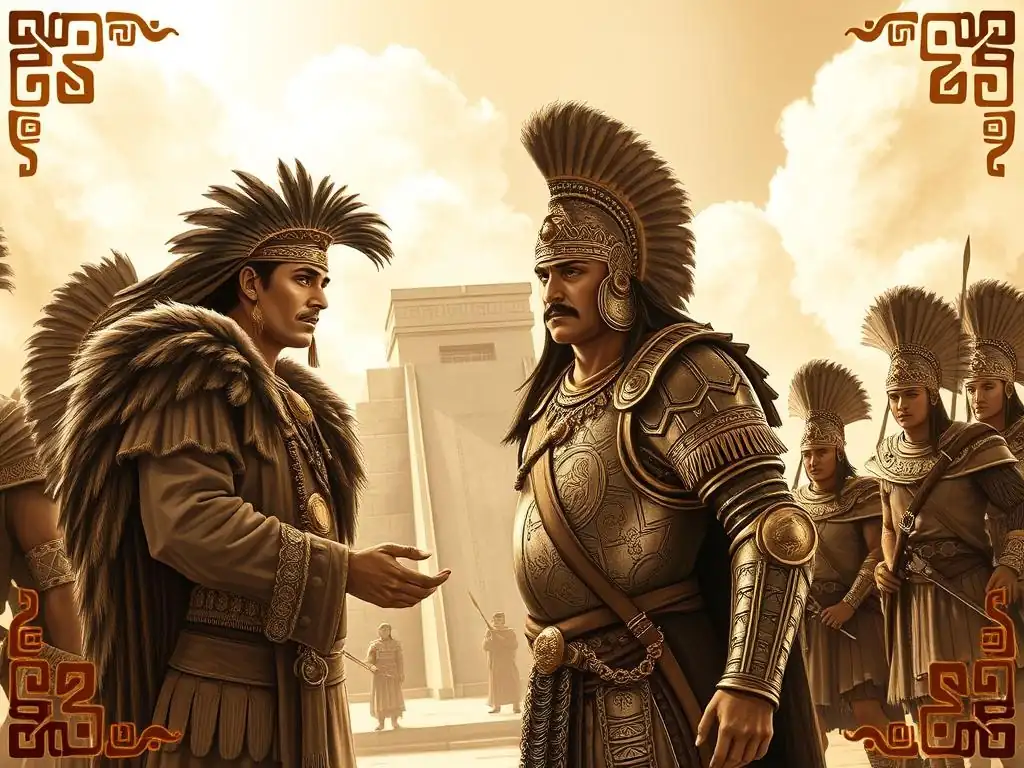
The Relationship Between Cortés and Moctezuma
The relationship between Hernán Cortés and Moctezuma II was marked by a complex interplay of diplomacy, manipulation, and power dynamics. When Cortés arrived in Tenochtitlan in 1519, he was initially received with great honor and reverence by Moctezuma, who believed Cortés might be a deity, specifically the god Quetzalcoatl, returning as prophesied. This belief stemmed from a rich tapestry of Aztec mythology that shaped Moctezuma's perception of the Spanish conquerors.
Cortés, recognizing the strategic advantage of this misconception, exploited it to establish a foothold in the Aztec Empire. He engaged in a combination of flattery and intimidation, allowing him to gain Moctezuma's trust while simultaneously positioning himself as a formidable force. This relationship, however, was fraught with tension as Cortés sought to assert dominance over the empire.
As the relationship evolved, Cortés took Moctezuma hostage, which marked a significant turning point. This act of aggression exposed the underlying fragility of their alliance and revealed the stark contrast between the two leaders' intentions. While Moctezuma aimed to maintain peace and protect his people, Cortés pursued conquest and wealth, leading to a catastrophic breakdown in relations.
The dynamics of power in this relationship can be summarized as follows:
- Initial Respect: Moctezuma’s welcoming of Cortés, believing him to be a god.
- Exploitation of Beliefs: Cortés’s manipulation of Aztec mythology for strategic gain.
- Hostage Situation: Moctezuma’s capture leading to a shift in power.
- Conflict of Intentions: Diverging goals resulting in mistrust and hostility.
Cultural Misunderstandings and Their Consequences
Cultural misunderstandings played a pivotal role in the Cortés-Aztecs relationship, leading to dire consequences for both parties. These misunderstandings can be categorized into several key areas:
- Religious Interpretations:
- The Aztecs viewed the arrival of the Spaniards through the lens of their religious beliefs, interpreting Cortés’s arrival as the fulfillment of prophesies.
- Conversely, Cortés and his men viewed the Aztec religious practices as barbaric, leading to a lack of respect for their beliefs and customs.
- Concept of Honor and Power:
- Moctezuma’s approach to diplomacy was heavily influenced by a culture that valued honor and respect through peaceful negotiation.
- Cortés, however, operated within a European framework that often emphasized military strength and the subjugation of enemies, leading to violent confrontations.
- Language Barriers:
- The lack of a common language created significant barriers to effective communication. Misinterpretations of intentions and messages often escalated tensions.
- The presence of interpreters, such as La Malinche, was essential but also complicated interactions, as their translations could reflect personal biases.
- Social Structures:
- The hierarchical nature of Aztec society contrasted with the Spanish colonial views, which led to miscalculations regarding loyalty and resistance among the Aztec populace.
- Cortés underestimated the unity and the strength of the Aztec cities, believing that Moctezuma’s authority would easily extend to all.
Consequences of Misunderstandings
The consequences of these cultural misunderstandings were profound:
- Violence and Conflict: The breakdown of trust led to violent confrontations, including the infamous La Noche Triste in 1520, where many Spaniards were killed.
- Collapse of the Aztec Empire: Ultimately, the misinterpretation of intentions and the resulting conflicts contributed to the rapid fall of the Aztec Empire and the loss of their cultural heritage.
- Lasting Legacy: The relationship dynamics set a precedent for future interactions between European powers and indigenous civilizations, often characterized by conflict and misunderstanding.
The Cortés-Aztecs relationship history is a testament to how cultural misunderstandings can shape historical events, leading to consequences that resonate throughout history.
The Siege of Tenochtitlán: Turning Point in the Relationship
Events Leading to the Siege of the Aztec Capital
The Siege of Tenochtitlán, which occurred from May 1521 to August 1521, marked a critical juncture in the Cortés Aztecs relationship history. Prior to the siege, several key events set the stage for this monumental conflict.
- Initial Contact: Hernán Cortés arrived on the Mexican coast in 1519, initially seeking wealth and land. His first interactions with the indigenous peoples included alliances with the Tlaxcalans, who were rivals of the Aztecs. This alliance would prove crucial in the ensuing siege.
- Diplomatic Maneuvering: Cortés employed strategic diplomacy, gaining the trust of various city-states and tribes who were subjugated by the Aztecs. He presented himself as a liberator rather than a conqueror, which garnered support from those discontent with Aztec rule.
- The Moctezuma Incident: Upon reaching Tenochtitlán, Cortés was received by Emperor Moctezuma II. Initially, Moctezuma believed Cortés to be a god due to the prophecy of Quetzalcoatl. This misunderstanding led to a brief period of coexistence, during which Cortés took Moctezuma hostage, using him to control the Aztec leadership.
- Growing Tensions: As the Spaniards grew bolder, tensions escalated. The Aztecs, feeling threatened by the Spanish presence and the kidnapping of their emperor, began to resist. The situation deteriorated further following the Noche Triste (Sad Night) in June 1520, when a surprise attack by the Aztecs forced Cortés and his men to flee the city, suffering heavy casualties.
- Reinforcements and Strategy: After regrouping and receiving reinforcements from allies, Cortés returned to Tenochtitlán in 1521 with a renewed strategy to lay siege to the capital. This shift from a diplomatic approach to military confrontation was pivotal in the Cortés Aztecs relationship history.
The culmination of these events resulted in the siege, which would ultimately lead to the fall of Tenochtitlán and the end of the Aztec Empire.
Strategies Employed by Cortés During the Siege
Cortés employed a variety of military strategies and tactics during the Siege of Tenochtitlán that showcased his adaptability and resourcefulness. Here are some of the key strategies he utilized:
- Blockade and Starvation:
- Cortés established a blockade around Tenochtitlán, cutting off supplies and reinforcements. This strategy aimed to starve the city into submission.
- The Aztecs relied heavily on trade for food, and with the blockade in place, hunger became a formidable weapon against the defenders.
- Alliances with Indigenous Groups:
- By leveraging his earlier alliances with groups such as the Tlaxcalans and other indigenous factions discontent with Aztec rule, Cortés was able to amass a considerable force.
- These alliances not only provided manpower but also local knowledge of the terrain and tactics against the Aztecs.
- Use of Technology:
- Cortés utilized the technology available to him, including firearms, cannons, and horses, which were unfamiliar to the Aztecs.
- The psychological impact of these weapons often demoralized Aztec warriors, who were not accustomed to such forms of warfare.
- Siege Warfare Techniques:
- Cortés employed traditional siege tactics, including the construction of makeshift bridges (causeways) to facilitate movement of troops and supplies.
- He also targeted key structures within Tenochtitlán, aiming to disrupt the command and control of Aztec defenses.
- Psychological Warfare:
- Cortés understood the importance of morale in warfare. He often disseminated propaganda to instill fear and doubt among the Aztecs about their chances of winning.
- The capture and public execution of Aztec nobles further demoralized the defenders and showcased the consequences of resistance.
Through these strategies, Cortés was able to turn the tide of the conflict in his favor, leading to the eventual fall of Tenochtitlán. This marked not only a significant military victory but also a profound transformation in the Cortés Aztecs relationship history, paving the way for Spanish colonization in the Americas.
Aftermath of the Conquest: Consequences for the Aztecs
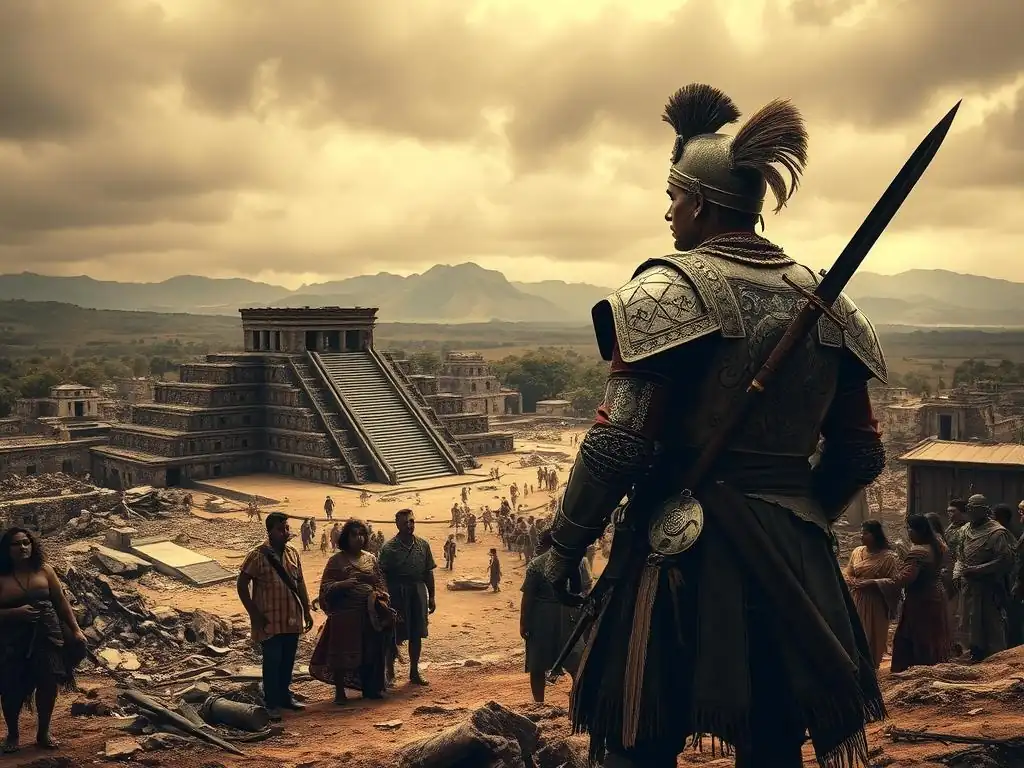
The Collapse of the Aztec Empire
The conquest of the Aztec Empire by Hernán Cortés in 1521 marked a significant turning point in the history of Mesoamerica. The fall of Tenochtitlán, the capital of the Aztec Empire, was not merely a military victory; it represented the disintegration of a complex social, political, and economic system that had flourished for centuries. Several factors contributed to the rapid collapse of the Aztec Empire.
- Military Defeat: The Aztecs were caught off guard by the Spanish tactics and technology. The use of steel weapons, horses, and firearms gave the Spanish a significant advantage. The Aztecs, though formidable warriors, were not equipped to deal with these unfamiliar technologies. The siege of Tenochtitlán lasted several months, leading to immense suffering and casualties among the Aztec population.
- Alliances with Indigenous Groups: Cortés skillfully formed alliances with various indigenous groups who were subjugated by the Aztecs, such as the Tlaxcalans. These alliances provided Cortés with additional warriors and resources. This strategic collaboration not only weakened the Aztec forces but also fostered a sense of betrayal among the Aztecs, as former subjects turned against their rulers.
- Disease: European diseases such as smallpox, to which the indigenous populations had no immunity, devastated the Aztec population before and during the conquest. It is estimated that smallpox alone killed a significant percentage of the population in the years following Cortés's arrival, leading to a demographic collapse that further weakened the already beleaguered Aztec society.
- Psychological Impact: The sudden and overwhelming nature of the Spanish invasion had profound psychological effects on the Aztecs. The loss of their capital, religious sites, and the subsequent execution of their leader, Moctezuma II, created a sense of despair. The disintegration of the Aztec political structure led to confusion and disorder among the populace.
Overall, the collapse of the Aztec Empire was a multifaceted process influenced by military, social, and environmental factors. The consequences of this collapse extended far beyond the immediate loss of power, leading to profound changes in the cultural landscape of the Americas.
Impact of European Colonization on Indigenous Populations
The impact of European colonization on indigenous populations in the Americas, particularly following the conquest of the Aztecs, was devastating and transformative. The arrival of Europeans initiated a series of changes that fundamentally altered the lives and cultures of indigenous peoples.
- Population Decline: The introduction of European diseases, alongside the violence of conquest, precipitated a dramatic decline in the indigenous population. Estimates suggest that within a century of contact, the population of indigenous peoples in Mesoamerica decreased by as much as 90%. This demographic catastrophe had lasting effects on social structures and cultural practices.
- Cultural Disruption: The Spanish colonizers imposed their language, religion, and culture on the indigenous populations. The forced conversion to Christianity often led to the destruction of traditional beliefs and practices. Many sacred sites were repurposed for colonial use, and indigenous languages began to diminish as Spanish became the dominant language.
- Economic Exploitation: The colonization process also resulted in the exploitation of indigenous labor. The encomienda system allowed Spanish settlers to extract labor from indigenous peoples, often under brutal conditions. This exploitation disrupted traditional economies and led to the impoverishment of many communities.
- Resistance and Adaptation: Despite the overwhelming challenges, indigenous populations did not passively accept their fate. Many groups engaged in resistance against Spanish rule, employing both armed conflict and subtle forms of cultural resistance. Some communities adapted to the new realities, blending elements of European and indigenous cultures to form syncretic practices.
- Legal and Social Changes: The imposition of colonial governance led to significant shifts in social hierarchy and legal structures. Indigenous peoples were often relegated to subordinate status within the new colonial system, facing discrimination and marginalization. However, some legal frameworks, such as the New Laws of 1542, sought to protect indigenous rights, albeit with limited effectiveness.
The impact of European colonization on indigenous populations was profound and far-reaching. The consequences of the conquest of the Aztecs extended beyond military defeat, reshaping the cultural, social, and economic landscapes of the Americas. The legacy of this period continues to influence indigenous communities today, as they navigate the complexities of their historical experiences and contemporary realities.
The Complex Legacy of the Cortés-Aztecs Relationship
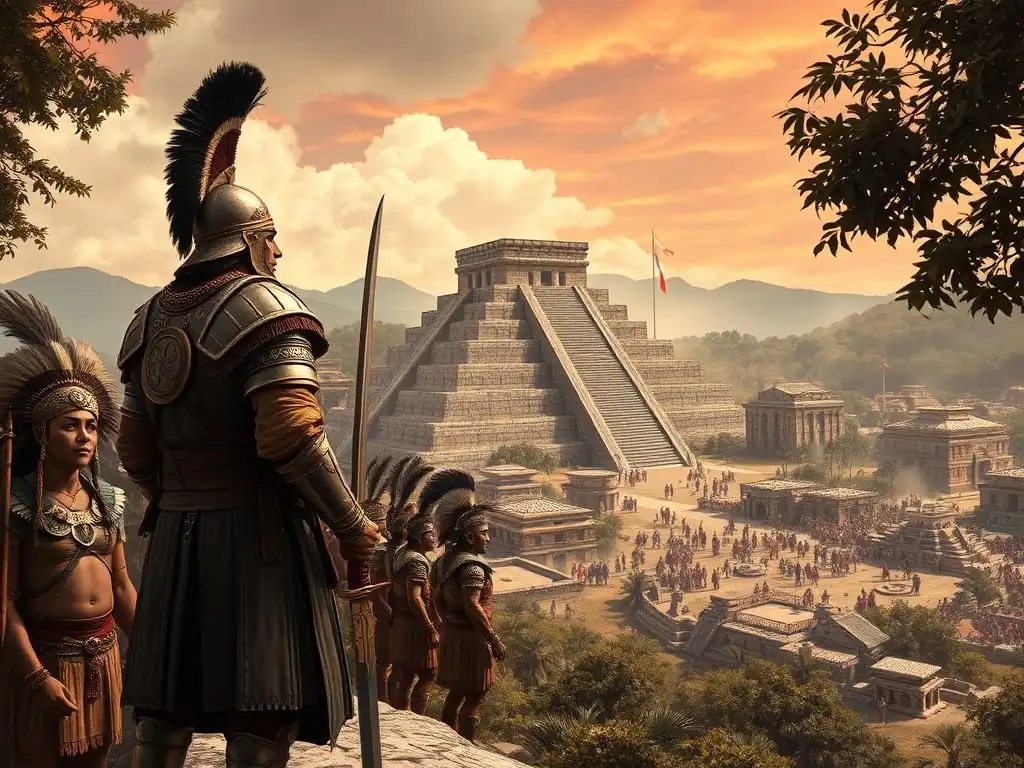
Historical Interpretations of Cortés' Actions
The relationship between Hernán Cortés and the Aztecs is often framed within a narrative of conquest and subjugation, but deeper analysis reveals a more nuanced interaction characterized by diplomacy, manipulation, and opportunism. Historians have debated the motivations behind Cortés' actions, suggesting that they were not solely driven by greed for gold and land, but also by a complex understanding of the local political landscape.
Cortés' initial approach was one of diplomacy. Upon his arrival in the Aztec Empire in 1519, he sought to establish alliances with various indigenous groups who were discontented under Aztec rule, such as the Tlaxcalans. This strategy not only provided him with additional military support but also allowed him to exploit existing rivalries. The Aztecs, under Moctezuma II, initially perceived Cortés as a potential ally, perhaps even a divine figure, which further complicated the dynamics of their relationship.
However, as Cortés gained influence, his tactics shifted towards outright conquest. The infamous encounter at Tenochtitlán, where Cortés took Moctezuma hostage, marked a pivotal moment in their relationship. This act of betrayal, coupled with subsequent violent confrontations, has led to contrasting interpretations. Some historians argue that Cortés acted as a cunning strategist, while others view him as a ruthless conqueror whose actions precipitated the downfall of the Aztec civilization.
In examining the Cortés-Aztecs relationship, it is crucial to consider the broader historical context of the Spanish Conquest. The events of this period were not isolated; they were part of a larger European trend of imperial expansion driven by economic interests, religious zeal, and a desire for glory. Understanding these motivations helps to unpack the complexity of Cortés' legacy and its profound implications for the indigenous peoples of the Americas.
The Long-term Effects on Indigenous Cultures in the Americas
The consequences of the Cortés-Aztecs relationship were far-reaching, significantly impacting the indigenous cultures of the Americas and transforming the social, political, and economic landscapes of the region. The Spanish conquest led to the dismantling of the Aztec Empire, but its effects extended beyond immediate territorial changes.
Cultural Transformation
One of the most notable long-term effects was the cultural transformation resulting from Spanish colonization. The imposition of European customs, religion, and language altered indigenous societies irrevocably. The introduction of Catholicism led to the syncretization of beliefs, as indigenous practices were integrated into Christian rituals. This blending of cultures created new forms of expression, but it also resulted in the erosion of traditional practices and languages.
Population Decline
The arrival of the Spanish brought devastating epidemics, including smallpox, which decimated the indigenous population. The Aztecs, who had a vibrant and populous civilization, experienced a catastrophic decline in numbers. This demographic shift weakened social structures and disrupted traditional ways of life, leading to further vulnerabilities in the face of colonial administration.
Economic Changes
Economically, the conquest initiated a shift from indigenous agricultural systems to European-style plantations and mines. The forced labor systems, such as the encomienda, exploited indigenous peoples for their labor, fundamentally changing the economic fabric of the region. This exploitation not only enriched the Spanish crown but also created long-lasting disparities and tensions that can still be seen in contemporary society.
Political Repercussions
Politically, the fall of the Aztec Empire set a precedent for Spanish colonial governance throughout the Americas. The methods employed by Cortés—such as the use of military force, manipulation of alliances, and strategic marriages—became templates for subsequent conquests. Indigenous leadership structures were dismantled, and new forms of governance imposed, leading to a legacy of resistance and adaptation among indigenous communities.
The Cortés-Aztecs relationship is a complex tapestry of interaction that not only defined a pivotal moment in history but also laid the groundwork for the lasting impact of European colonization on indigenous cultures across the Americas. Understanding this legacy is crucial for recognizing the resilience and ongoing evolution of these cultures in the face of centuries of change.
Conclusion: Reflections on Cortés and the Aztecs
Summary of Key Points in the Cortés-Aztecs Relationship History
The relationship between Hernán Cortés and the Aztecs is a pivotal chapter in the history of the Spanish Conquest, marked by a complex interplay of diplomacy, warfare, and cultural exchange. Here are some key points that encapsulate this intricate relationship:
- Initial Encounters: Cortés arrived in Mexico in 1519 and initially sought to establish relations with the Aztec Empire. His approach was diplomatic, as he aimed to gain the trust of the Aztec ruler, Moctezuma II. The initial meetings were characterized by mutual intrigue, where Cortés presented himself as a deity.
- Strategic Alliances: Understanding the fractured political landscape of the region, Cortés forged alliances with various indigenous groups who were subjugated by the Aztecs. Notably, the Tlaxcalans became crucial allies, providing both military support and local knowledge that proved invaluable during the conquest.
- Siege of Tenochtitlán: The relationship rapidly deteriorated as Cortés’s ambition grew. The siege of Tenochtitlán in 1521 marked the culmination of hostilities, showcasing the technological and tactical advantages the Spaniards held, despite the fierce resistance from the Aztecs. The fall of this capital led to the collapse of the Aztec Empire.
- Cultural Exchange and Legacy: The aftermath of the conquest resulted in significant cultural exchanges. While Spanish colonization brought European customs and religions, the resilience of Aztec culture persisted, influencing Mexican identity today. The blend of cultures remains a subject of study in understanding the lasting impact of this historical relationship.
The Importance of Understanding This Historical Relationship in Modern Context
Understanding the Cortés and Aztecs relationship history is crucial for several reasons:
- Cultural Awareness: Recognizing the complexities of this relationship helps in appreciating the rich tapestry of indigenous cultures that existed prior to European contact. It fosters respect for the contributions of these civilizations and the resilience of their descendants.
- Historical Lessons: The dynamics of power, resistance, and adaptation observed in this relationship offer valuable lessons in conflict resolution, diplomacy, and the consequences of colonization. Such insights are relevant in contemporary discussions around sovereignty, rights, and cultural preservation.
- Revisiting Narratives: The traditional narratives surrounding the Spanish Conquest often marginalized indigenous perspectives. A deeper understanding encourages a more nuanced view that includes the voices and experiences of the Aztecs, highlighting their agency in shaping history.
- Contemporary Implications: The legacy of the Cortés-Aztecs relationship continues to resonate today, influencing issues related to identity, land rights, and cultural heritage among indigenous populations in the Americas. Engaging with this history is essential for fostering dialogue and supporting indigenous rights movements.
The relationship between Cortés and the Aztecs is not merely a historical account but a lens through which to examine broader themes of cultural interaction, power dynamics, and the enduring legacy of indigenous civilizations in the modern world. Understanding this relationship enriches our knowledge of the past and informs our perspectives on current societal issues.
Frequently Asked Questions
What was the nature of the Cortés Aztecs relationship history?
The Cortés Aztecs relationship history is characterized by initial diplomacy followed by conflict. Hernán Cortés initially sought alliances but ultimately led a violent conquest against the Aztec Empire.
How did Hernán Cortés manage to conquer the Aztec Empire?
Cortés utilized strategic alliances with rival tribes, superior weaponry, and the impact of disease on the Aztec population, which significantly weakened their defenses.
What were the key events that defined the relationship between Cortés and the Aztecs?
Key events include Cortés’ arrival in 1519, his meeting with Moctezuma II, the capture of Tenochtitlán in 1521, and the subsequent fall of the Aztec Empire.
How did the Aztec society respond to Cortés and his men?
The Aztec society had a mix of initial hospitality towards Cortés, believing him to be a god, followed by hostility as they realized his intentions were to conquer rather than ally.
What is the lasting impact of the Cortés and Aztecs relationship on modern history?
The relationship led to the collapse of indigenous civilizations, significant cultural changes, and a legacy of colonialism that shaped modern Mexico and influenced global history.
Final Reflection: Understanding the Cortés and Aztecs Relationship in History
The intricate relationship between Cortés and the Aztecs serves as a powerful reminder of the complexities inherent in the narratives of conquest and colonization. Today, as we grapple with the legacies of imperialism and the ongoing effects of historical injustices, it becomes increasingly clear that understanding this relationship is not merely an academic exercise but a vital part of our collective consciousness. The dynamics of power, culture, and resistance that characterized their interactions resonate profoundly in contemporary discussions about identity and heritage.
The influence of the Cortés and Aztecs relationship extends far beyond the pages of history books; it continues to shape our cultural and social landscapes. As we reflect on the past, we must acknowledge the voices that have been marginalized and the stories that have been overshadowed. The lessons learned from this tumultuous encounter remind us of the importance of empathy and understanding in our interactions today. History is not a burden on the memory but an illumination of the spirit.
This quote encapsulates the essence of how we should approach historical narratives, allowing them to guide us toward a more inclusive future.
As we conclude this exploration, I invite you to reflect on the lessons of the Cortés and Aztecs relationship in your own life. Consider how the themes of power, resilience, and cultural exchange manifest in your community and personal experiences. Let this reflection inspire you to engage with history not just as a record of the past, but as a living dialogue that informs our present and shapes our future. Embrace the opportunity to learn from history, fostering understanding and connection in a world that often feels divided.
Unveil the Lessons from History!
Thank you for taking the time to explore the complex relationship between Cortés and the Aztecs. By examining this pivotal moment in history, you've gained insights into the intricate dynamics of power, culture, and resilience. Now, it's your turn to engage with these lessons and reflect on their relevance today!
Here are some actionable steps you can take:
- Join the Conversation: Share your thoughts and reflections on this historical relationship in the comments below. Which aspects resonated with you the most?
- Explore Further: Delve deeper into the perspectives of the Aztecs by reading additional resources or books on Indigenous civilizations. This can enhance your understanding and appreciation of their rich history.
- Spread Awareness: Share this article with your friends and family to spark discussions about the implications of conquest and colonization in today's society.
What do you believe are the most significant lessons we can learn from the interactions between conquerors and Indigenous peoples? Let's discuss!