
The Role of Agriculture in Mesoamerican Societal Structures: A Deep Dive

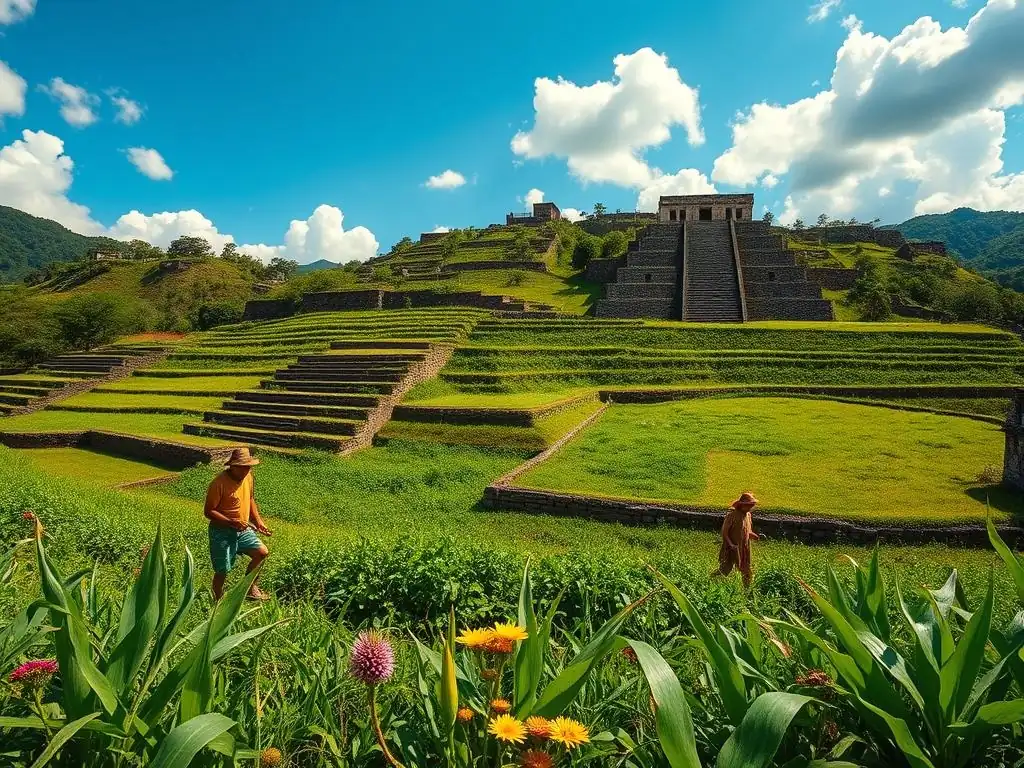
Welcome to Indigenous Civilizations of the Americas, where the rich tapestry of pre-colonial cultures comes to life! Here, we invite you to embark on a fascinating journey through the Mesoamerican agriculture and society that shaped vibrant civilizations long before European contact. Discover how agricultural innovations not only sustained vast populations but also laid the groundwork for complex societal structures, influencing everything from trade to religion.
Are you ready to uncover the secrets and achievements that define these remarkable cultures? Dive into our feature article, The Role of Agriculture in Mesoamerican Societal Structures: A Deep Dive, and let your curiosity lead the way!
Introduction to Mesoamerican Agriculture and Society
Mesoamerican agriculture played a pivotal role in shaping the societal structures of various civilizations that flourished in the region, such as the Maya, Aztec, and Olmec. This article seeks to explore the intricate relationship between agriculture and society in Mesoamerica, highlighting how agricultural practices influenced social organization, economic systems, and cultural development. By understanding the agricultural foundations of these civilizations, we can appreciate the complexity of their achievements and the lasting impact they have had on the Americas.
Overview of Mesoamerican Civilizations
Mesoamerica, a term that encompasses present-day Mexico and Central America, was home to some of the most advanced indigenous civilizations in history. Among these, the Maya and Aztec civilizations stand out due to their remarkable achievements in mathematics, astronomy, and architecture. These societies were characterized by:
- Complex Social Hierarchies: Governance was often centralized, with rulers at the top, supported by a class of priests, warriors, and merchants.
- Rich Cultural Traditions: Art, music, and religious practices were deeply intertwined with agricultural cycles, reflecting the significance of farming in their daily lives.
- Innovative Agricultural Practices: Techniques such as terracing, irrigation, and the use of chinampas (floating gardens) allowed for sustainable farming in diverse environments.
These civilizations thrived for centuries, with agriculture serving as a cornerstone for their economic and social stability.
Importance of Agriculture in Mesoamerican Cultures
Agriculture in Mesoamerica was not merely a means of subsistence; it was a foundational aspect of cultural identity and societal structure. The significance of agriculture can be summarized as follows:
- Economic Backbone: The surplus of crops enabled trade, supporting the rise of powerful city-states and contributing to the wealth of elites.
- Cultural Practices: Many agricultural rituals were tied to religious beliefs, such as ceremonies honoring the maize god, which reflected the deep connection between farming and spirituality.
- Population Growth: Reliable food sources allowed for population expansion, leading to the development of urban centers and complex societies.
In essence, Mesoamerican agriculture was integral to the development of societal structures, influencing everything from social organization to cultural values.
Historical Context of Mesoamerican Agriculture
Understanding the historical context of Mesoamerican agriculture provides insight into how these civilizations adapted to their environments and developed sophisticated farming techniques over time.
Development of Agricultural Techniques in Mesoamerica
The agricultural methods developed in Mesoamerica were innovative and diverse, catering to the unique needs of the region's varied climates and terrains. Key advancements included:
- Milpa System: A rotational farming method that involved planting different crops in the same field over time, enhancing soil fertility and biodiversity.
- Terracing: Used in hilly areas, this technique prevented soil erosion and maximized arable land.
- Chinampas: Ingenious floating gardens created on lake surfaces, which allowed for year-round agriculture and increased crop yield.
These techniques not only ensured food security but also showcased the ingenuity of Mesoamerican societies in managing their natural resources.
Key Crops and Their Societal Significance
Mesoamerican agriculture was characterized by the cultivation of several key crops that were vital to the diet and culture of these civilizations. Among the most significant were:
- Maize (Corn): The staple food, maize was central to Mesoamerican diets and held deep cultural significance, often featured in religious rituals.
- Beans: A crucial source of protein, beans complemented maize, creating a balanced diet.
- Squash: Often grown alongside maize and beans, squash contributed to the triad known as the "Mesoamerican triad," a staple in the region's agriculture.
These crops not only provided sustenance but also played a vital role in the economic and social dynamics of Mesoamerican societies, shaping their development and legacy.
Agricultural Innovations and Their Impact on Society
Mesoamerican agriculture was characterized by a series of innovative practices that not only enhanced food production but also fundamentally shaped the societal structures of the region. The advancements made in agricultural techniques allowed civilizations such as the Maya, Aztec, and Olmec to sustain large populations, establish complex societies, and engage in extensive trade networks. These innovations included methods that maximized land use and improved crop yields, leading to increased food security and a flourishing of culture, trade, and governance.
Among the most significant innovations were terracing, irrigation, and the development of specialized farming methods like chinampas. Each of these techniques contributed to the ability of Mesoamerican societies to thrive in diverse environments, from mountainous terrains to swampy lowlands. As a result, agriculture became the cornerstone of economic and social life, influencing everything from settlement patterns to political organization.
Terracing and Irrigation Techniques
Terracing was a critical agricultural technique employed by Mesoamerican civilizations, particularly in mountainous regions like the highlands of Guatemala and the Andes. By constructing terraces on steep slopes, farmers were able to create flat areas for cultivation, which minimized soil erosion and maximized arable land. This method allowed for the efficient management of water resources, capturing rainwater and directing it to crops through carefully engineered channels.
Irrigation techniques further augmented agricultural productivity. The construction of canals and dikes enabled farmers to divert water from rivers to irrigate their fields, especially during dry seasons. This innovation was essential for the cultivation of water-intensive crops such as maize, beans, and squash, which formed the backbone of Mesoamerican diets. The ability to control water resources not only improved crop yields but also played a significant role in the establishment of permanent settlements, as communities could rely on stable food supplies.
The Role of Chinampas in Mesoamerican Agriculture
Chinampas, often referred to as "floating gardens," were a revolutionary agricultural innovation primarily associated with the Aztec civilization, particularly in the Valley of Mexico. These man-made islands were constructed in shallow lake waters, utilizing a system of interwoven reeds and mud to create fertile plots for farming. Chinampas allowed for year-round cultivation of crops, significantly increasing agricultural output.
The benefits of chinampas extended beyond mere crop production. They facilitated biodiversity by enabling the growth of various plants in close proximity, which improved pest control and soil health. The dense production capacity of chinampas supported large urban populations, contributing to the rise of cities such as Tenochtitlán. This unique agricultural system demonstrated the intricate relationship between environmental adaptation and societal development in Mesoamerica.
Crop Rotation and Sustainable Practices
Sustainable agricultural practices, such as crop rotation, played a vital role in Mesoamerican agriculture. Farmers would alternate the planting of different crops in a specific sequence to maintain soil fertility and reduce pest infestations. This method not only enhanced crop yields but also promoted ecological balance within farming systems.
The Mesoamerican triad of maize, beans, and squash exemplifies this practice. Each of these crops benefited the others when grown together; maize provided a structure for beans to climb, beans enriched the soil with nitrogen, and squash spread across the ground, reducing weed growth and conserving moisture. This synergistic planting approach minimized the need for chemical fertilizers and exemplified the deep understanding Mesoamericans had of their environment.
Mesoamerican Societal Structures Influenced by Agriculture
Agriculture was a foundational element in shaping the societal structures of Mesoamerican civilizations. The ability to produce surplus food directly influenced social hierarchies, economic systems, and cultural practices. As agricultural productivity increased, so did the complexity of social organization, leading to the formation of distinct classes and the development of political systems.
Social Hierarchies and Agricultural Production
In Mesoamerican societies, agricultural production was often tied to the establishment of social hierarchies. Elite classes, including priests and nobles, controlled agricultural lands and the surplus produced, which reinforced their power and status. The wealth generated from agriculture allowed these elites to support large armies, engage in extensive trade, and fund monumental architectural projects, such as temples and pyramids.
Meanwhile, the lower classes, including farmers and laborers, were integral to the agricultural economy but often had limited rights and resources. They worked the land owned by the elites and were subject to tribute systems that required them to give a portion of their harvest to the ruling class. This dynamic created a stratified society where access to agricultural resources dictated social mobility and influence.
The Relationship Between Agriculture and Religion
Agriculture and religion were deeply intertwined in Mesoamerican cultures. Many agricultural practices were rooted in spiritual beliefs, with rituals and ceremonies dedicated to the deities associated with fertility and harvest. The cyclical nature of planting and harvesting was often mirrored in religious festivals that celebrated the changing seasons and sought divine favor for successful crops.
For example, the Maya held ceremonies to honor gods such as Kukulkan, the feathered serpent, who was believed to influence rain and agricultural fertility. Similarly, the Aztecs offered sacrifices to Tlaloc, the rain god, to ensure bountiful harvests. These religious practices not only reinforced the importance of agriculture in daily life but also helped to unify communities around shared beliefs and cultural identities.
The role of agriculture in Mesoamerican society was multifaceted, influencing economic structures, social hierarchies, and cultural practices. The innovations in agricultural techniques and the profound relationship between agriculture and religion were pivotal in shaping the civilizations that thrived in the Americas long before European colonization.
Economic Aspects of Mesoamerican Agriculture
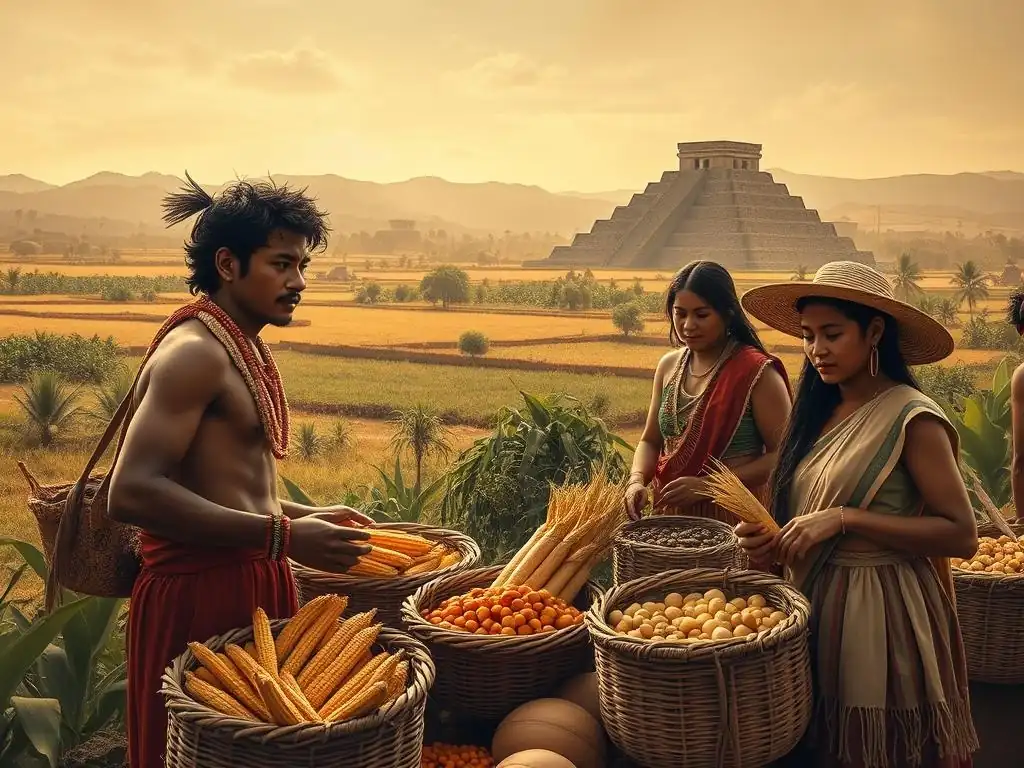
Mesoamerican agriculture was not only fundamental to subsistence but also served as a cornerstone for economic development among various civilizations, including the Maya, Aztec, and Olmec. The agricultural practices adopted by these societies enabled the production of surplus food, which facilitated trade, social stratification, and the rise of complex societies.
The cultivation of staple crops such as maize, beans, and squash, often referred to as the "Mesoamerican triad," played a crucial role in supporting large populations and diverse economic activities. The ability to produce food efficiently allowed for the specialization of labor, leading to advancements in crafts, trade, and eventually, urbanization.
Trade and Agricultural Surplus
The agricultural surplus generated by Mesoamerican farmers was a key driver of trade networks that spanned vast distances. Surplus crops were exchanged not only within local communities but also with neighboring regions, enhancing economic interactions. For instance, the Maya civilization developed extensive trade routes that facilitated the exchange of food products, textiles, pottery, and luxury items such as jade and cacao.
Trading centers emerged around agricultural hubs, where farmers could sell their excess produce. Markets became vibrant spaces for commerce, stimulating economic growth and fostering social connections among different groups. The establishment of a trade system based on agricultural outputs laid the foundation for wealth accumulation and the development of powerful city-states.
The Role of Agriculture in Mesoamerican Economies
Agriculture was intimately tied to the social and political structures of Mesoamerican civilizations. Land ownership and agricultural productivity often determined social status and power dynamics within communities. Elite classes typically controlled the most fertile lands, while commoners engaged in farming to sustain their families and pay tribute to rulers.
Additionally, the agricultural calendar dictated the rhythm of life in Mesoamerican societies. Festivals and religious ceremonies were often synchronized with planting and harvesting seasons, illustrating the deep connection between agriculture, culture, and economy. This integration of agricultural practices into societal roles reinforced the importance of farming as an economic backbone.
Challenges Facing Mesoamerican Agriculture
Despite its significance, Mesoamerican agriculture faced numerous challenges that impacted its sustainability and productivity. Environmental factors, social changes, and external pressures contributed to the difficulties experienced by agricultural systems.
Environmental Factors and Their Impact on Agriculture
Mesoamerican agriculture was heavily influenced by geographical conditions, including soil quality, topography, and climate. Regions with rich volcanic soil, such as those in the highlands, were particularly conducive to farming. However, areas prone to drought or flooding posed significant risks to crop production.
The reliance on specific crops made Mesoamerican societies vulnerable to environmental changes. For example, the over-exploitation of land due to intensive farming practices could lead to soil degradation and reduced yields. Additionally, deforestation for agricultural expansion often disrupted local ecosystems, further exacerbating environmental challenges.
Effects of Climate Change on Mesoamerican Farming Practices
In recent years, climate change has increasingly threatened the agricultural practices that have sustained Mesoamerican societies for centuries. Shifts in weather patterns, increased frequency of extreme weather events, and rising temperatures have disrupted traditional farming methods.
For instance, prolonged droughts have led to crop failures, impacting food security and economic stability. Farmers are now faced with the challenge of adapting to these changing conditions while trying to preserve their cultural agricultural practices. Innovations such as drought-resistant crops and sustainable farming techniques are being explored, but the legacy of traditional Mesoamerican agricultural knowledge remains vital in the face of these modern challenges.
Overall, the interplay between agriculture and society in Mesoamerica reveals a complex relationship that has shaped not only the economy but also the cultural identity of its peoples. Understanding these dynamics offers insight into the resilience and adaptability of indigenous cultures in the Americas.
Conclusion: The Lasting Legacy of Mesoamerican Agriculture on Society
The intricate relationship between agriculture and society in Mesoamerica has left an indelible mark on the cultural, economic, and social frameworks of the region. The agricultural innovations developed by civilizations such as the Maya, Aztec, and Olmec facilitated not only the sustenance of their populations but also the flourishing of complex societies characterized by unique art, religion, and governance. The introduction of staple crops like maize, beans, and squash—often referred to as the "Mesoamerican triad"—not only shaped dietary practices but also influenced social hierarchies and community organization.
Mesoamerican agriculture was deeply intertwined with spirituality and cultural identity, as many agricultural practices were rooted in religious beliefs and rituals. The cycle of planting and harvesting was often celebrated with ceremonies that reinforced community bonds and cultural continuity. Therefore, the legacy of Mesoamerican agriculture extends beyond the mere cultivation of crops; it encompasses the values, traditions, and innovations that continue to influence contemporary agricultural practices and societal structures in the region.
Reflections on Mesoamerican Agricultural Practices and Modern Implications
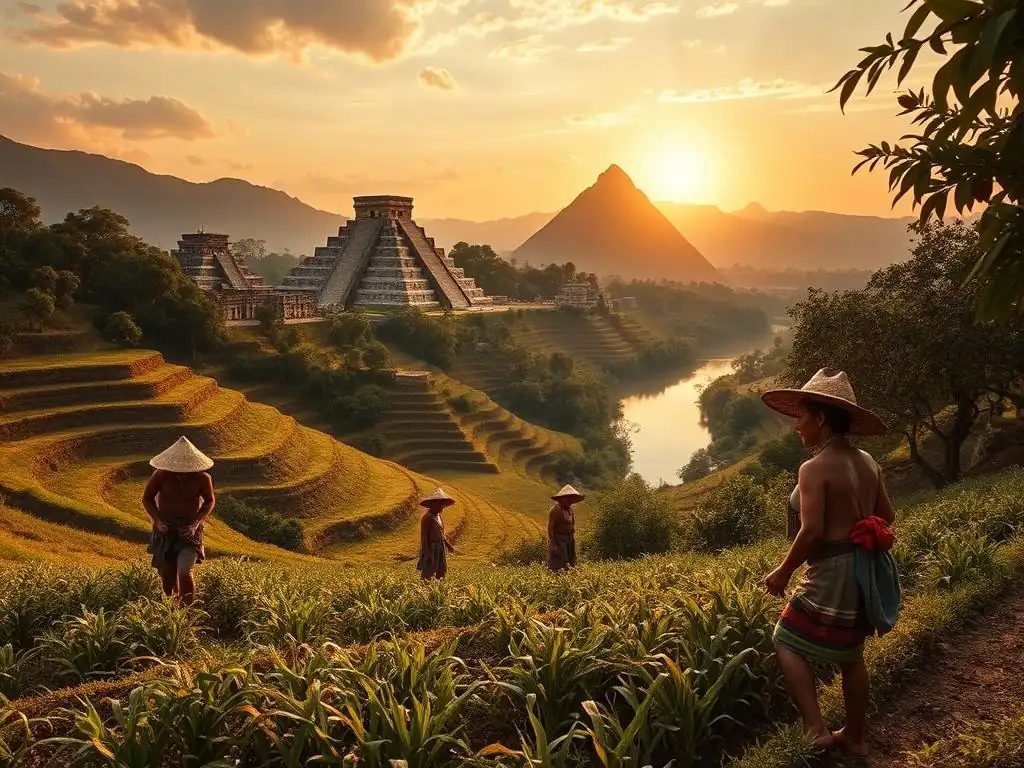
Mesoamerican agricultural practices offer invaluable insights into the sustainability and resilience of food systems. Contemporary agricultural methods are increasingly seeking to emulate traditional practices, recognizing the importance of biodiversity, native crops, and sustainable land use. For instance, the milpa system, which involves rotating crops and integrating agriculture with forest management, serves as a model for sustainable farming that enhances soil health and reduces the need for chemical fertilizers.
Moreover, the cultivation of heirloom varieties of maize and other indigenous crops reflects a growing appreciation for traditional knowledge and practices. These crops not only provide nutritional diversity but also contribute to the preservation of cultural heritage. The revival of these practices fosters a sense of identity and belonging among indigenous communities, emphasizing the importance of valuing and integrating indigenous agricultural wisdom into modern practices.
The Importance of Preserving Indigenous Agricultural Knowledge
Preserving indigenous agricultural knowledge is crucial for several reasons. Firstly, it safeguards cultural heritage and identity, as these practices are often passed down through generations and are integral to the communities' way of life. Secondly, this knowledge harbors valuable insights into sustainable farming techniques that can address contemporary challenges such as climate change, resource depletion, and food security.
Indigenous agricultural practices often emphasize harmony with nature, promoting biodiversity and ecological balance. By valuing and incorporating this knowledge into broader agricultural strategies, societies can work towards more sustainable and resilient food systems. Furthermore, supporting indigenous farmers and their practices can lead to economic empowerment and the revitalization of local economies, allowing communities to thrive while preserving their cultural legacies.
Further Reading and Resources on Mesoamerican Agriculture and Society
For those interested in delving deeper into the intricate connections between Mesoamerican agriculture and society, a variety of resources are available that explore this rich tapestry of cultural heritage, agricultural innovation, and societal development.
Recommended Books and Articles
-
"The Mesoamerican World: A Cultural History" by James E. Snead
This book provides an in-depth exploration of the cultural practices, including agriculture, that shaped Mesoamerican societies.
-
"Corn and Culture in the Prehistoric New World" by Susan A. Crate and Mark N. Cohen
This work examines the role of maize and its cultural significance across Mesoamerica and beyond.
-
"The Maya and Their Agricultural Practices" by Arthur A. Demarest
This article offers insights into the agricultural techniques employed by the Maya and their implications for society.
Online Resources for Mesoamerican Agricultural Studies
-
The Mesoamerican Research Center
A comprehensive online platform featuring research articles, studies, and resources focused on Mesoamerican civilizations and their agricultural practices.
-
The Smithsonian Institution's National Museum of the American Indian
This site includes a section dedicated to indigenous agricultural practices and their historical contexts, offering a wealth of information and educational materials.
-
The Food and Agriculture Organization (FAO)
The FAO provides resources and reports on indigenous agriculture, highlighting the importance of traditional farming methods in global food security and biodiversity conservation.
These resources serve to enrich understanding and appreciation of Mesoamerican agricultural practices and their profound impacts on society.
- Introduction to Mesoamerican Agriculture and Society
- Historical Context of Mesoamerican Agriculture
- Agricultural Innovations and Their Impact on Society
- Mesoamerican Societal Structures Influenced by Agriculture
- Economic Aspects of Mesoamerican Agriculture
- Challenges Facing Mesoamerican Agriculture
- Conclusion: The Lasting Legacy of Mesoamerican Agriculture on Society
- Reflections on Mesoamerican Agricultural Practices and Modern Implications
- The Importance of Preserving Indigenous Agricultural Knowledge
- Further Reading and Resources on Mesoamerican Agriculture and Society
- What is the significance of Mesoamerican agriculture in societal development?
- How did agriculture influence the social hierarchy in Mesoamerican cultures?
- What were the main agricultural techniques used by Mesoamerican societies?
- How did religious beliefs shape agricultural practices in Mesoamerica?
- What impact did Mesoamerican agriculture have on modern societies?
Frequently Asked Questions
What is the significance of Mesoamerican agriculture in societal development?
Mesoamerican agriculture was crucial for the establishment of complex societies, enabling food production that supported population growth and urbanization.
Agriculture allowed for surplus production, leading to the development of a social hierarchy, where landowners held power and influence over laborers and farmers.
What were the main agricultural techniques used by Mesoamerican societies?
Mesoamerican societies employed techniques like slash-and-burn farming, terracing, and chinampas (floating gardens) to maximize their agricultural output and adapt to their environments.
How did religious beliefs shape agricultural practices in Mesoamerica?
Religious beliefs were deeply intertwined with agricultural practices, as rituals and ceremonies often accompanied planting and harvesting, reflecting the spiritual significance of crops.
What impact did Mesoamerican agriculture have on modern societies?
The innovations of Mesoamerican agriculture, such as crop rotation and the cultivation of staple foods like maize, continue to influence modern agricultural practices and food systems worldwide.
Final Reflection: The Enduring Legacy of Mesoamerican Agriculture in Society
Mesoamerican agriculture and society are intricately linked, shaping not only the livelihoods of ancient civilizations but also influencing contemporary cultural identities. Today, as we face global challenges such as climate change and food security, understanding the agricultural practices of Mesoamerican societies offers invaluable insights into sustainable living and community resilience. The lessons learned from their innovative techniques and societal structures are more relevant than ever, reminding us of the profound impact that agriculture has on social cohesion and cultural heritage.
The legacy of Mesoamerican agriculture continues to resonate in modern society, influencing everything from culinary traditions to agricultural practices worldwide. The intricate relationship between the land and its people has fostered a deep respect for nature and community that is often overlooked in today’s fast-paced world. As the renowned anthropologist Alfred W. Crosby once said, "> The history of mankind is the history of the relationship between humans and their environment." This observation underscores the importance of recognizing how agricultural practices shape not only economies but also social structures and cultural identities.
As we reflect on the lessons of Mesoamerican agriculture, I invite you to consider how these insights can be applied in your own life. Think about the role that agriculture plays in your community and how you can contribute to a more sustainable and equitable food system.
Whether through supporting local farmers, advocating for sustainable practices, or simply being mindful of your consumption habits, each action can create a ripple effect. Embrace the wisdom of the past as we forge a path toward a more harmonious relationship with the land and each other, ensuring that the legacy of Mesoamerican agriculture continues to inspire future generations.
Cultivate Your Understanding of Mesoamerican Agriculture!
Thank you for diving deep into the intricate relationship between agriculture and Mesoamerican societies! Your exploration of this fascinating topic enriches our understanding of indigenous cultures and historical practices. Now, let's take the next step in your journey of discovery!
Here’s how you can further your engagement:
- Join a local community garden to experience traditional farming techniques firsthand and connect with like-minded enthusiasts who share your passion for sustainable practices.
- Share your insights about Mesoamerican agriculture on social media or write a blog post to inspire others to learn about and appreciate these rich histories.
- Explore further by visiting archaeological sites or museums dedicated to Mesoamerican civilizations, which will enhance your understanding of how agriculture influenced their societies.
What aspect of Mesoamerican agricultural practices intrigues you the most, and how do you think they could influence modern sustainable farming methods?