
Lessons from the Past: What Modern Architects Can Learn from Indigenous Structures


Welcome to Indigenous Civilizations of the Americas, where we embark on a journey through time to uncover the rich tapestry of cultures that flourished long before European colonization. In our feature article, "Lessons from the Past: What Modern Architects Can Learn from Indigenous Structures," we delve into the fascinating world of indigenous architectural design principles.
Discover how these remarkable societies crafted their environments with deep respect for nature and community, and learn how their innovative approaches can inspire contemporary architectural practices. Prepare to be captivated by the wisdom of the past as we unlock the secrets of these ancient designs and their enduring legacy.
- Introduction to Indigenous Architectural Design Principles
- Historical Context of Indigenous Architectural Design
- Lessons from Indigenous Structures
- Case Studies of Indigenous Architectural Design
- Comparison of Indigenous and Modern Architectural Practices
- Conclusion: Embracing Indigenous Architectural Design Principles
-
Frequently Asked Questions
- What are indigenous architectural design principles?
- How can modern architects benefit from studying indigenous structures?
- What are some examples of indigenous architectural achievements?
- How did indigenous cultures influence modern architecture?
- Why is it important to recognize the impact of indigenous civilizations on architecture?
- Final Reflection: Embracing Indigenous Architectural Wisdom for a Sustainable Future
- Embrace the Wisdom of Indigenous Architecture!
Introduction to Indigenous Architectural Design Principles
Indigenous architectural design principles embody a rich tapestry of cultural values, environmental considerations, and innovative building techniques that have evolved over centuries. These principles are not merely a reflection of the practical needs of indigenous communities but also encapsulate their spiritual beliefs, social structures, and profound connection to the land.
As modern architects seek sustainable and culturally relevant solutions in their designs, exploring these indigenous architectural principles offers invaluable lessons that can inform contemporary practices. This article delves into the essence of indigenous architecture in North America, highlighting its significance and the profound insights it provides for today's architectural landscape.
Overview of Indigenous Architecture in North America
Indigenous architecture in North America is characterized by a diversity of styles and materials, reflecting the varied climates, topographies, and cultural practices of the numerous tribes and nations. From the earth lodges of the Plains tribes to the longhouses of the Northeastern woodlands, each structure is designed not only for functionality but also for harmony with the surrounding environment. Here are some key features and examples:
- Materials: Indigenous builders utilized locally sourced materials like wood, stone, earth, and animal hides. For instance:
- Adobe in the Southwest, used by Pueblo peoples.
- Bark and wood in the construction of wigwams and longhouses.
- Design Principles:
- Sustainability: Structures were designed with longevity in mind, using natural resources wisely to minimize waste.
- Integration with Nature: Buildings often mirrored the surrounding landscape, respecting the natural environment.
- Cultural Significance: Each architectural style was deeply tied to the community's identity, beliefs, and social organization. For example:
- Tipis were not only shelters for the Plains tribes but also represented spiritual and communal values.
Importance of Learning from Indigenous Structures
The lessons gleaned from indigenous architectural practices are increasingly relevant in today's context, particularly as modern society grapples with issues of sustainability and cultural sensitivity. By studying these indigenous design principles, architects can:
- Enhance Sustainability: Indigenous structures exemplify environmentally friendly practices. Their designs often involve passive heating and cooling techniques, use of renewable materials, and minimal energy consumption.
- Promote Cultural Awareness: Understanding indigenous architecture fosters respect and appreciation for the cultural heritage of Native American communities. It encourages architects to create spaces that honor the historical significance of the land and its original inhabitants.
- Innovate Solutions: By integrating traditional knowledge with modern technology, architects can develop innovative designs that are not only functional but also resonate with cultural narratives and ecological wisdom.
The architectural wisdom of North America's indigenous peoples offers profound insights that modern architects can harness to create sustainable, respectful, and culturally enriched designs. Learning from these principles is not just a path toward innovation but also an essential step in honoring the legacy of indigenous civilizations.
Historical Context of Indigenous Architectural Design
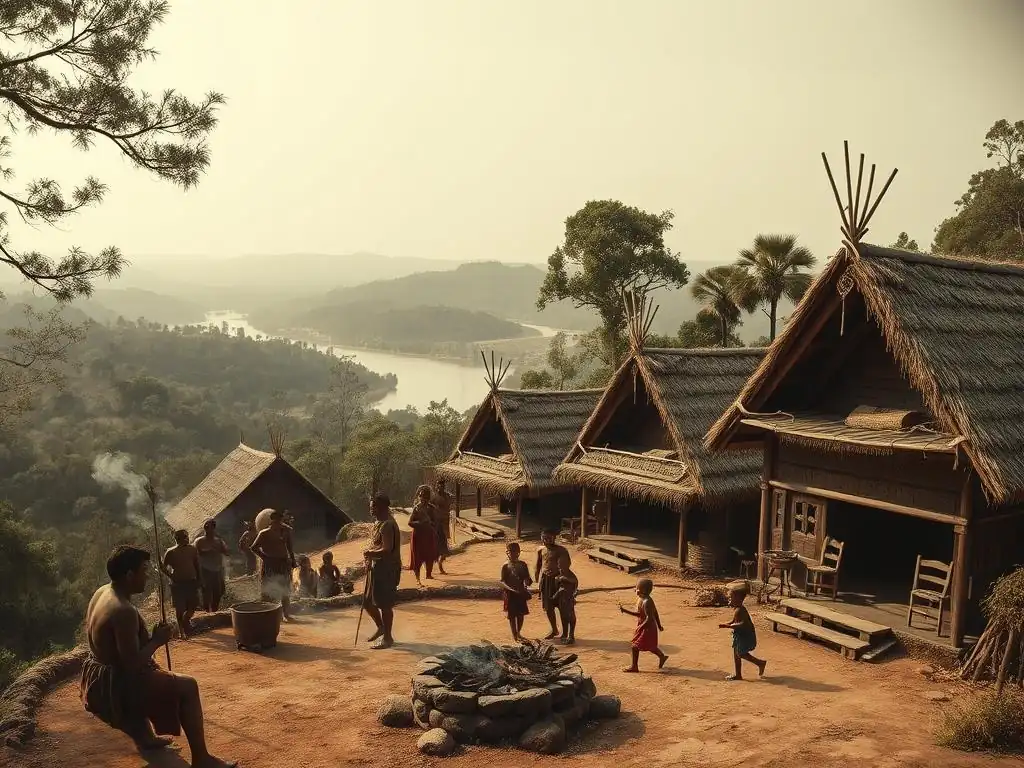
The architectural practices of Indigenous peoples in North America are rooted in a rich tapestry of cultural, environmental, and social influences that have evolved over thousands of years. These structures not only served practical functions but also embodied the spiritual and communal values of the societies that created them. Understanding the historical context of Indigenous architectural design is crucial in appreciating its complexity and significance.
Many Indigenous cultures developed unique architectural styles in response to their specific environments. For instance, the Pueblo peoples of the Southwest constructed multi-storied adobe dwellings that provided insulation from extreme temperatures, while the Iroquois built longhouses from wood that reflected their communal living practices. This adaptability highlights the deep connection between the environment and Indigenous architectural design.
Furthermore, Indigenous architecture was often influenced by a profound spiritual relationship with the land. Structures like the ceremonial mounds of the Mississippian culture were not just physical spaces but also sacred sites that played a crucial role in social and religious practices. This intertwining of spirituality and architecture is a hallmark of Indigenous design principles, emphasizing a holistic approach that modern architects can learn from.
Evolution of Indigenous Structures Over Time
The evolution of Indigenous structures can be traced through various periods and cultural developments. Early Indigenous peoples employed rudimentary materials such as earth, wood, and stone, which were readily available in their environments. For example:
- Earthen Structures: Many Plains tribes, such as the Lakota, utilized earth lodges, which were dome-shaped and insulated against the harsh winters.
- Wooden Frameworks: The Pacific Northwest Coast tribes, like the Haida, constructed large plank houses made from cedar, reflecting their advanced woodworking skills and social organization.
As societies became more complex, so did their architectural designs. The introduction of agriculture led to permanent settlements, which in turn fostered the development of larger and more intricate structures. The Mississippian culture, for example, built large earthen mounds for ceremonial purposes, showcasing their advanced understanding of engineering and community planning.
The arrival of European colonizers brought significant changes to Indigenous architectural practices. Many traditional structures were adapted or modified, leading to a blending of styles. Despite these changes, the core principles of Indigenous architectural design—sustainability, respect for the environment, and community orientation—continued to influence construction practices.
Key Characteristics of Indigenous Architectural Design Principles
Indigenous architectural design principles are characterized by several key features that emphasize sustainability, community, and cultural significance. These principles can provide valuable lessons for modern architects seeking to create more thoughtful and environmentally responsive designs.
- Sustainability: Indigenous structures often utilized local materials and building techniques that minimized environmental impact. For instance, the Inuit used ice and snow to construct igloos, demonstrating a profound understanding of their surroundings.
- Integration with Nature: Many Indigenous designs reflect an intrinsic relationship with the landscape. Buildings were often positioned to harmonize with natural elements, such as sunlight, wind, and water flow. This approach not only enhances the aesthetic quality of structures but also contributes to energy efficiency.
- Cultural Reflection: Indigenous architecture serves as a canvas for cultural expression, with designs often incorporating symbolism and storytelling. For example, the intricate carvings found on totem poles of the Pacific Northwest serve not only as artistic expressions but also as historical records and clan identifiers.
- Community Orientation: Indigenous architectural practices prioritize communal living and social interaction. Structures like the longhouse fostered a sense of community and collective identity, emphasizing the importance of social bonds in design.
- Adaptability: The ability to adapt to changing environments and social needs is a hallmark of Indigenous architecture. Flexible designs that accommodate various uses over time can serve as a model for contemporary architecture.
By examining these key characteristics, modern architects can gain insights into creating spaces that are not only functional but also resonate with the cultural and environmental contexts in which they exist. Embracing these indigenous architectural design principles can lead to more sustainable and meaningful built environments.
Lessons from Indigenous Structures
Sustainable Building Materials in Indigenous Architecture
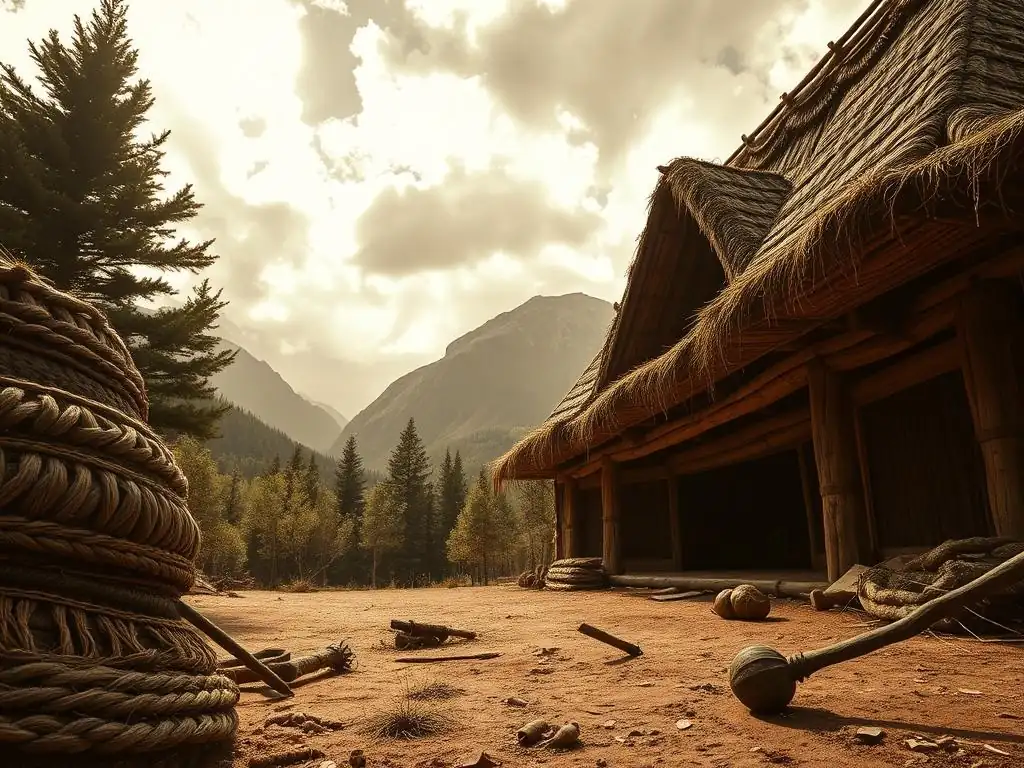
Indigenous architectural design principles often emphasize the use of sustainable building materials that are locally sourced and environmentally friendly. This practice not only reflects a deep understanding of the natural ecosystem but also promotes sustainability in construction. Here are some key materials traditionally used by various North American Indigenous cultures:
- Adobe: A mixture of clay, sand, and straw, adobe has been used by Indigenous peoples in the Southwest for centuries. Its thermal properties help regulate indoor temperatures, reducing the need for additional heating or cooling.
- Wood: Many Indigenous tribes, particularly those in forested regions, utilized timber from local trees. Techniques such as jointing and interlocking systems allowed for strong and durable structures without the need for nails or metal fasteners, which were often not available.
- Stone: Indigenous peoples in mountainous or rocky regions often built with stone, creating structures that could withstand harsh weather conditions. For example, the Inupiat of Alaska used stone to construct semi-subterranean homes known as igloos, demonstrating the material's insulating properties.
- Thatch: Grasses and reeds were used to create thatched roofs, particularly in coastal regions. This method is not only sustainable but also provides excellent insulation and ventilation.
By prioritizing these sustainable materials, Indigenous architects minimized their ecological footprint while crafting buildings that harmonized with their surroundings.
Integrating Nature and Environment into Design
Indigenous architectural design principles are deeply intertwined with the environment, reflecting a profound respect for nature. This integration can be seen in several ways:
- Orientation and Site Selection: Many Indigenous structures are strategically placed to take advantage of natural light, prevailing winds, and landscape features. For instance, the Pueblo peoples of the Southwest often oriented their adobe homes to maximize sunlight during winter months, enhancing energy efficiency.
- Natural Ventilation: Traditional designs often include features that promote airflow and cooling, relying on the natural environment rather than mechanical systems. For example, the traditional longhouse of the Haudenosaunee was designed with large openings and cross-ventilation to keep the interior comfortable throughout the seasons.
- Biophilic Design: Indigenous architecture frequently incorporates elements of biophilic design, which emphasizes the connection between people and nature. Features such as open courtyards, gardens, and the use of natural materials create spaces that foster a sense of well-being and tranquility.
- Cultural Symbolism: The integration of nature is also reflected in the cultural symbolism of architectural elements. For example, the Navajo Hogan is not only a functional dwelling but also a representation of the universe, showcasing the cultural significance of the natural world in Indigenous belief systems.
By drawing inspiration from these principles, modern architects can create designs that resonate with the environment, fostering a deeper connection between people and the places they inhabit.
Community-Centric Approaches in Indigenous Construction
One of the most notable indigenous architectural design principles is the emphasis on community-centric approaches to construction. This focus on communal involvement and social cohesion is evident across various Indigenous cultures:
- Collaborative Building Practices: Many Indigenous communities engage in collective building efforts, where community members come together to construct homes and public spaces. This not only strengthens social bonds but also ensures that the structures reflect the collective identity and values of the community.
- Adaptive Use of Space: Indigenous designs often prioritize multi-functional spaces that cater to various communal activities. For example, the circular design of the Plains Indian tipis allowed for communal gatherings, ceremonies, and family living, fostering a sense of unity and shared purpose.
- Cultural Preservation: By involving community members in the design and construction process, Indigenous architecture serves as a means of cultural preservation. This practice ensures that traditional knowledge, skills, and customs are passed down through generations, maintaining the cultural heritage of the community.
- Response to Local Needs: Indigenous architectural principles are deeply responsive to the specific needs of the community. For instance, the design of the Iroquois longhouse accommodates extended families, highlighting the importance of kinship and communal living.
Incorporating these community-centric approaches into modern architectural practices can lead to more inclusive and resilient designs that honor the social fabric of diverse populations. By understanding and respecting the values embedded in Indigenous construction, architects can create spaces that promote community well-being and sustainability.
Adaptability and Resilience in Indigenous Architectural Practices
Indigenous architectural practices across North America exemplify a profound understanding of adaptability and resilience, reflecting the diverse environments in which these cultures thrived. From the arid deserts of the Southwest to the lush forests of the Northeast, indigenous peoples designed structures that not only met their immediate needs but also harmonized with their surroundings. This responsiveness to local conditions is a fundamental principle that modern architects can learn from.
One of the key aspects of adaptability in indigenous architecture is the use of locally sourced materials. For instance, the Pueblo peoples of the Southwest utilized adobe, a natural clay-based material, which provided excellent thermal mass, keeping interiors cool in the heat of summer and warm in the winter. This sustainable approach minimized the ecological footprint while maximizing resource efficiency. Such practices are increasingly relevant today, as architects seek environmentally friendly solutions that reduce reliance on non-renewable resources.
Moreover, indigenous structures often showcase a deep understanding of climatic factors. For example, the longhouses of the Iroquois were designed to accommodate the harsh winters of the Northeast, featuring a central hearth for heating and ventilation systems that allowed for airflow, thereby enhancing comfort and safety.
Similarly, the semi-nomadic Plains peoples constructed tipis that could easily be dismantled and reassembled, allowing for mobility in response to the changing availability of resources. This flexibility not only ensured survival but also fostered a strong connection to the land, a principle that contemporary architects can incorporate into their designs by emphasizing sustainability and ecological harmony.
Resilience in indigenous architectural practices is also evident in the ability to withstand natural disasters. Many indigenous structures were built with features that enhanced their durability. For example, the stilt houses of the coastal tribes were elevated to protect against flooding, while the rounded shapes of adobe homes helped resist wind forces. Today, as climate change increases the frequency of extreme weather events, modern architects can draw inspiration from these time-tested designs to create buildings that are not only aesthetic but also robust against the elements.
Finally, the cultural significance embedded in indigenous architectural designs speaks to a broader narrative of community and identity. Structures were not merely functional; they served as gathering places, ceremonial sites, and embodiments of cultural values. This integration of social and spiritual dimensions into architectural planning can inspire contemporary architects to consider the cultural implications of their designs, fostering spaces that resonate with the communities they serve.
The adaptability and resilience demonstrated in indigenous architectural practices offer invaluable lessons for modern architects. By embracing local materials, understanding climatic influences, ensuring structural durability, and integrating cultural significance, architects can create designs that are not only functional but also respectful of their environmental and social contexts. As we face an era of rapidly changing climates and urban challenges, revisiting these indigenous principles can pave the way for more sustainable and meaningful architectural solutions.
Case Studies of Indigenous Architectural Design
Example 1: The Longhouse of the Haudenosaunee
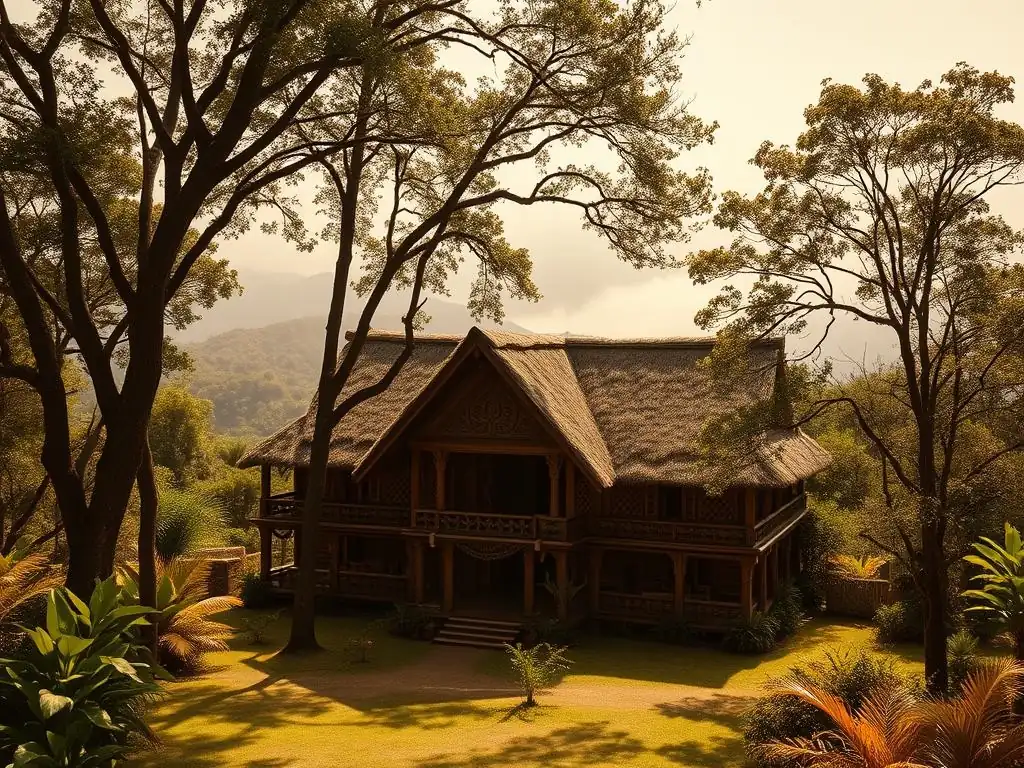
The longhouse is a hallmark of Haudenosaunee architecture, showcasing the intricate relationship between the environment and indigenous architectural practices. These structures were not merely homes; they served as community centers, embodying the social and political organization of the Haudenosaunee Confederacy.
Design Principles and Techniques Used
- Materials: Longhouses were primarily constructed using locally sourced materials such as wood and bark. The frame was made from saplings, which were bent to form the structure's curved shape, a technique that demonstrates sustainable resource use.
- Sustainability: The design principles reflect a deep understanding of sustainability. The longhouses utilized natural ventilation and insulation, allowing for temperature regulation that suited both summer and winter climates.
- Spatial Organization: The interior of a longhouse was typically organized into separate family compartments, each with its own fire pit. This reflects a communal living arrangement that prioritizes family ties and collective well-being.
- Cultural Symbolism: The elongated shape of the longhouse symbolizes the unity of the Haudenosaunee people, representing the importance of community and collaboration.
Impact on Modern Architecture
Modern architects can draw significant inspiration from the longhouse design. The principles of sustainable materials and community-oriented spaces have become increasingly relevant in contemporary architecture. For example, the use of local materials not only minimizes environmental impact but also fosters a sense of place and identity within communities.
Moreover, the concept of shared spaces can influence modern urban planning, encouraging designs that promote social interaction and community engagement. The longhouse’s architectural resilience in adapting to environmental conditions serves as a model for contemporary green building practices, emphasizing energy efficiency and sustainability.
Example 2: The Adobe Homes of the Pueblo Peoples
The adobe homes of the Pueblo peoples are an exemplary representation of indigenous architectural ingenuity. These structures, made from sun-dried earth and straw, have adapted to the arid landscapes of the American Southwest, showcasing a profound understanding of local environmental conditions.
Unique Features and Cultural Significance
- Construction Techniques: Adobe homes are built with thick walls that provide excellent insulation, keeping interiors cool during the day and warm at night. The use of natural, readily available materials underscores the principles of sustainability and minimal environmental impact.
- Architectural Form: The multi-storied design of adobe homes allows for efficient use of space, often incorporating communal areas and private living quarters, which reflect the social dynamics of Pueblo societies.
- Cultural Heritage: Adobe architecture is not just functional but also holds cultural significance. The intricate designs and layouts reflect spiritual beliefs and social structures, often connected to the land and the cosmos.
Lessons for Contemporary Architects
Contemporary architects can learn valuable lessons from the adobe homes of the Pueblo peoples. The emphasis on climate-responsive design is particularly relevant in today’s efforts to address climate change. By employing thick walls and natural materials, modern buildings can achieve greater energy efficiency.
Additionally, the communal aspects of Pueblo architecture can inspire designs that foster social interaction, such as shared living spaces in urban developments. The integration of cultural heritage into architectural design creates buildings that resonate with the surrounding community, promoting a sense of belonging and identity.
Incorporating indigenous architectural design principles into contemporary practices not only honors the rich history of these civilizations but also paves the way for sustainable and socially responsible architecture in the future.
Comparison of Indigenous and Modern Architectural Practices
Similarities Between Indigenous and Modern Design
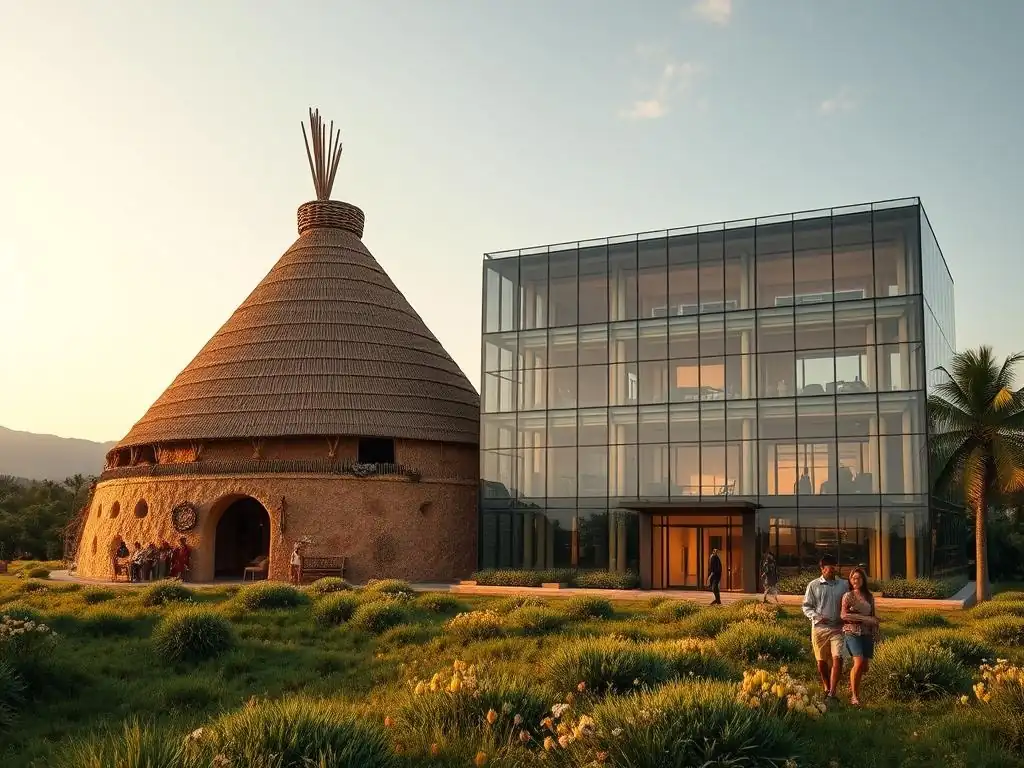
Indigenous architectural design principles often reflect a deep understanding of the local environment, emphasizing sustainability and harmony with nature. Similarly, modern architecture increasingly recognizes the importance of ecological considerations and seeks to minimize environmental impact. Here are some key similarities:
- Sustainability: Both indigenous structures and contemporary designs prioritize sustainable materials and practices. For example, many indigenous communities utilized local resources, such as wood, stone, and clay, which are not only environmentally friendly but also culturally significant.
- Community-Focused Design: Indigenous architecture frequently centers around communal spaces, fostering social interactions. Modern architectural trends also emphasize open-plan designs and communal areas that encourage community engagement.
- Cultural Significance: Both indigenous and modern designs can reflect cultural narratives. Indigenous structures often embody spiritual and historical significance, while modern architecture sometimes incorporates local art and cultural motifs to resonate with the community.
- Adaptation to Climate: Indigenous designs are adept at responding to local climates, utilizing natural ventilation, thermal mass, and passive solar techniques. Modern architects are increasingly adopting similar strategies to enhance energy efficiency.
Differences in Philosophy and Execution
Despite these similarities, the philosophies underlying indigenous and modern architectural practices differ significantly:
- Holistic vs. Technical Approach: Indigenous architecture often embraces a holistic worldview, integrating cultural, spiritual, and environmental aspects into the design. In contrast, modern architecture may prioritize technical specifications and efficiency, sometimes at the expense of cultural narratives.
- Use of Space: Indigenous spaces are often designed with a deep respect for the land and its resources, reflecting a symbiotic relationship with nature. Modern architecture, however, can sometimes lead to overdevelopment and resource depletion, focusing on maximizing space and profit.
- Temporal Perspectives: Indigenous designs often reflect a long-term vision, considering the impact on future generations. Modern architecture may prioritize short-term goals, such as rapid construction and immediate functionality.
- Community Engagement: While many modern architects are beginning to engage communities in the design process, indigenous practices have historically involved community participation as a fundamental aspect of construction, ensuring that the structures meet the needs and values of the people they serve.
Potential Collaborations Between Indigenous Wisdom and Modern Techniques
The intersection of indigenous architectural design principles and modern techniques presents a unique opportunity for innovation and sustainability. Here are some potential collaboration avenues:
- Cultural Revitalization: Engaging indigenous architects and builders in modern projects can lead to the incorporation of traditional knowledge and cultural elements, enriching the design and creating a sense of place.
- Sustainable Practices: By collaborating with indigenous communities, modern architects can learn sustainable building techniques that have been tested over centuries, such as using earth-based materials or designing for natural light and ventilation.
- Educational Programs: Implementing joint educational initiatives can foster understanding and respect for both indigenous wisdom and modern practices. Workshops and training programs can highlight the importance of integrating indigenous perspectives into contemporary architecture.
- Policy Advocacy: Collaborating on policies that promote the preservation of indigenous architectural heritage while encouraging sustainable development can create a framework that values both indigenous and modern practices.
This synergy between indigenous architectural design principles and modern techniques not only offers practical benefits but also fosters a deeper respect for cultural diversity and environmental stewardship.
Conclusion: Embracing Indigenous Architectural Design Principles
The architectural wisdom of indigenous cultures provides a rich tapestry of knowledge that modern architects can draw upon to create more sustainable, culturally sensitive, and contextually relevant designs. By understanding and integrating indigenous architectural design principles, contemporary architecture can not only honor the past but also innovate for the future. These principles emphasize the importance of harmony with nature, community-centric designs, and the use of local materials, all of which can lead to more resilient and adaptive structures in today's ever-changing environment.
The Relevance of Indigenous Wisdom in Today’s Architecture
Indigenous architectural design principles are deeply rooted in the relationship between people and their environment. These principles offer valuable insights for modern architects seeking to address contemporary challenges such as climate change, urbanization, and social equity.
- Sustainability: Indigenous architectures often employ sustainable practices that prioritize the use of local materials and energy-efficient designs. For example, the Pueblo peoples of the Southwest United States have traditionally used adobe, a natural building material that provides excellent thermal mass, thereby reducing energy consumption for heating and cooling.
- Cultural Identity: Designs that reflect indigenous cultural narratives foster a sense of place and belonging. Incorporating local stories, symbols, and traditions into architectural designs can create spaces that resonate with the community's identity. For instance, the longhouses of the Haudenosaunee people are not only functional but also serve as a cultural symbol of unity and strength.
- Community Focus: Many indigenous designs emphasize communal spaces that promote social interaction and collaboration. This principle can be seen in the design of modern community centers that prioritize open layouts and shared amenities, inspired by the communal structures of various indigenous groups.
- Adaptation to Environment: Indigenous architectural practices demonstrate a profound understanding of the local climate and geography. Structures are often designed to withstand environmental challenges, such as heavy snowfall or extreme heat. Modern architects can learn to incorporate passive design strategies that respond to local climates, thereby enhancing the resilience of their buildings.
Future Directions for Architects Inspired by Indigenous Practices
As architects look to the future, integrating indigenous architectural design principles can pave the way for innovative projects that respect cultural heritage and promote sustainability.
- Collaborative Design Processes: Engaging with indigenous communities during the design phase can lead to more inclusive and respectful architectural practices. Collaborative efforts can ensure that the voices of indigenous peoples are heard, resulting in designs that reflect their needs and values.
- Research and Education: Architectural schools and professionals should prioritize education on indigenous practices and philosophies. This could include workshops, lectures, and field studies that delve into the histories and methodologies of indigenous architects.
- Interdisciplinary Approaches: Combining insights from various disciplines, including anthropology, ecology, and art, can enrich architectural practice. This interdisciplinary approach can lead to holistic designs that embody indigenous wisdom while addressing contemporary issues.
- Innovative Material Use: Modern architects can explore the use of sustainable materials inspired by indigenous practices. This includes not only traditional materials like adobe and timber but also innovative, eco-friendly alternatives that align with indigenous values.
By embracing these future directions, architects can contribute to a built environment that honors the past while innovatively addressing the needs of the present and future. The lessons learned from indigenous architectural design principles are not merely historical; they are integral to shaping a sustainable and equitable architectural landscape moving forward.
Frequently Asked Questions
What are indigenous architectural design principles?
Indigenous architectural design principles refer to the unique methods and philosophies used by indigenous cultures to create structures that harmonize with their environment, reflect their values, and meet their community needs.
How can modern architects benefit from studying indigenous structures?
Modern architects can learn about sustainable practices, community-centered designs, and cultural relevance by examining indigenous structures, which often prioritize environmental stewardship and social cohesion.
What are some examples of indigenous architectural achievements?
Examples include the earth lodges of the Plains tribes, the adobe structures of the Southwest, and the longhouses of the Haudenosaunee, each showcasing adaptation to local climates and materials.
How did indigenous cultures influence modern architecture?
Indigenous cultures have influenced modern architecture through the incorporation of natural materials, the use of biophilic design, and an emphasis on sustainability, urging architects to rethink how they engage with the environment.
Why is it important to recognize the impact of indigenous civilizations on architecture?
Recognizing the impact of indigenous civilizations is essential to appreciate their innovations, respect their cultural heritage, and acknowledge their contributions to sustainable building practices that inform contemporary architectural design.
Final Reflection: Embracing Indigenous Architectural Wisdom for a Sustainable Future
The lessons drawn from indigenous architectural design principles are not just relics of the past; they are essential blueprints for addressing the pressing challenges of our contemporary world. As we grapple with issues like climate change, urbanization, and the loss of cultural identity, the wisdom embedded in indigenous structures offers invaluable insights that can guide modern architects towards more sustainable and culturally resonant designs. The time has come to recognize that these principles are not merely historical artifacts but vital tools for shaping a resilient future.
The influence of indigenous architectural design principles extends far beyond the structures themselves; they resonate deeply within our cultural and social landscapes. By embracing these principles, we can foster a greater sense of community, respect for nature, and a deeper understanding of our shared humanity. As architect David Adjaye once said, Architecture is a way of thinking about the world, and it can be a catalyst for change.
This perspective highlights the transformative power of architecture when it is rooted in the values and traditions of indigenous cultures, reminding us that our built environments can reflect not only our needs but also our values and aspirations.
As we move forward, I invite you to reflect on how you can incorporate the lessons of indigenous architectural design principles into your own life and work. Whether you are an architect, a designer, or simply someone who appreciates the built environment, consider how these principles can inform your approach to sustainability, community engagement, and cultural respect. Let us commit to honoring the wisdom of the past as we create spaces that are not only functional but also meaningful, ensuring that our future is built on a foundation of respect, understanding, and harmony with the world around us.
Embrace the Wisdom of Indigenous Architecture!
Thank you for diving into the powerful lessons shared in this article! By exploring the rich traditions and resilient designs of Indigenous structures, you’ve gained valuable insights into sustainability, community, and innovation. Now it’s time to put these ideas into action!
- ** Take the first step by researching local Indigenous architecture to discover how these principles can be integrated into your projects. You may find incredible resources and inspiration right in your community!
- Join or start a discussion group focused on modern adaptations of Indigenous design, uniting architects, designers, and community members to explore collaborative opportunities.
- Share your enthusiasm on social media with the hashtag #IndigenousArchitecturalWisdom to connect with others who are inspired by these timeless lessons.
As you reflect on these actions, consider this: How might incorporating Indigenous architectural principles transform the way we build and live in harmony with our environments today?