
Confederacies and Alliances: Political Strategies of North American Indigenous Nations

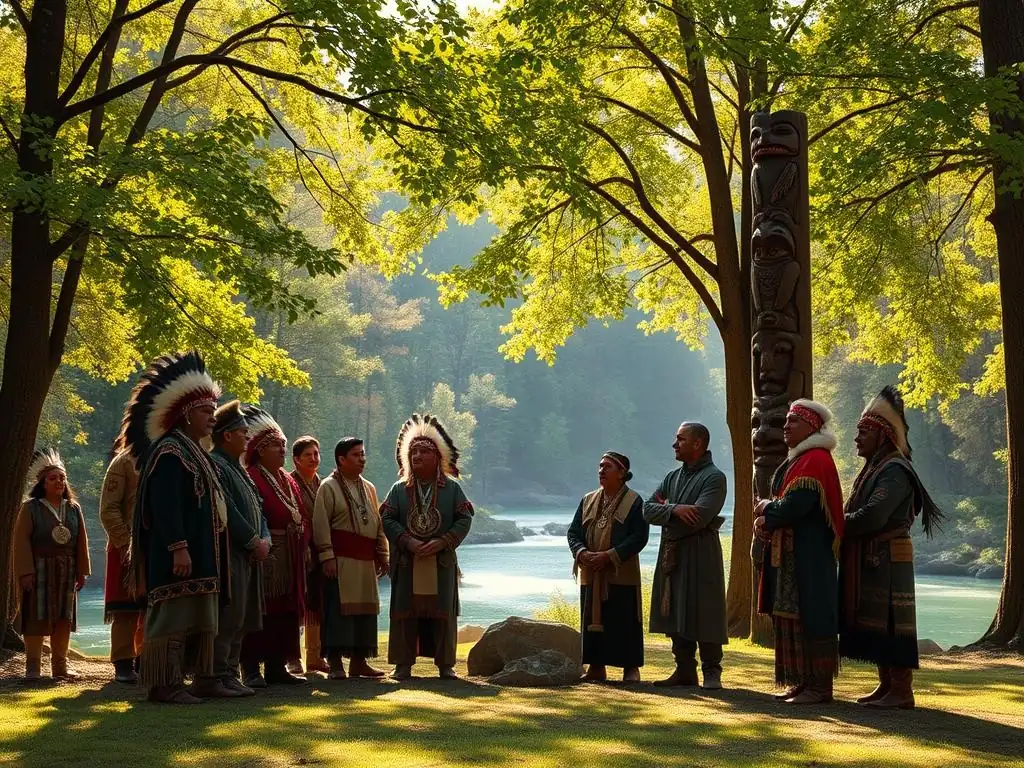
Welcome to Indigenous Civilizations of the Americas, where we embark on a fascinating journey through the rich tapestry of cultures that flourished across the continent long before European colonization. Here, you will uncover the intricate political alliances that shaped the landscape of North American indigenous nations, as explored in our featured article, "Confederacies and Alliances: Political Strategies of North American Indigenous Nations."
As you delve into the remarkable achievements and societal structures of these civilizations, prepare to be captivated by their innovative strategies and enduring legacies. Join us as we illuminate the profound impact these alliances had on their communities and the broader history of the Americas!
- Introduction to North American Indigenous Political Alliances
- Historical Context of Political Alliances Among North American Indigenous Nations
- Types of Political Alliances in North American Indigenous Cultures
- The Role of Confederacies in Indigenous Political Strategies
- Impact of European Colonization on Indigenous Alliances
- Case Studies of North American Indigenous Political Alliances
- Conclusion: The Significance of North American Indigenous Political Alliances
- References and Further Reading on Indigenous Political Alliances
- Frequently Asked Questions
- Final Reflection: The Enduring Legacy of North American Indigenous Political Alliances
- Embrace Indigenous Wisdom and Connect with Community!
Introduction to North American Indigenous Political Alliances
The political landscape of North America before European colonization was marked by a complex web of alliances and confederacies among indigenous nations. These political strategies were not merely reactions to external pressures; they were sophisticated systems of governance that fostered cooperation, mutual aid, and resilience.
The North American indigenous political alliances played a crucial role in shaping the social, economic, and cultural frameworks of various tribes, enabling them to navigate challenges and assert their sovereignty. This article delves into the significance of these alliances, explores the diverse indigenous nations involved, and highlights their governance structures, ultimately showcasing the ingenuity and adaptability of these societies.
Importance of Confederacies and Alliances in Indigenous Governance
Confederacies and alliances among indigenous nations served multiple strategic purposes that were vital for their survival and prosperity.
- Mutual Defense: One of the primary reasons for forming alliances was the need for protection against external threats, including rival tribes and later European settlers. By banding together, tribes could pool their resources and manpower, creating a united front that strengthened their defensive capabilities.
- Resource Sharing: Many indigenous nations occupied territories with varying resources. Alliances facilitated the exchange of goods, knowledge, and technologies, promoting trade relationships that enriched participating tribes. This not only enhanced their economic stability but also fostered interdependence.
- Cultural Exchange and Cohesion: Through these alliances, tribes could share cultural practices, languages, and traditions, helping to strengthen their collective identity. This cultural cohesion was essential in maintaining social order and governance.
- Political Influence: Confederacies often allowed smaller tribes to have a voice in larger political matters. This collective bargaining power enabled them to negotiate treaties and agreements more effectively with external powers, ensuring better terms for their nations.
Overview of Indigenous Nations and Their Political Structures
North America was home to a diverse array of indigenous nations, each with its own unique political structures and governance systems.
- The Iroquois Confederacy (Haudenosaunee): Comprising six nations—Mohawk, Oneida, Onondaga, Cayuga, Seneca, and Tuscarora—this confederacy exemplified democratic principles with a council system that allowed for deliberation and consensus-based decision-making.
- The Algonquin Confederacy: Stretching across present-day Canada and the northeastern United States, this alliance included various tribes united by language and culture, focusing on collaborative governance and mutual support.
- The Confederacy of the Plains Nations: Tribes such as the Lakota, Cheyenne, and Arapaho formed alliances to navigate the challenges posed by both environmental factors and European encroachment, sharing resources and coordinating their responses.
- The Pacific Northwest Tribes: Nations like the Haida and Tlingit formed intricate political structures based on clan systems, where leadership was often hereditary, and governance involved communal decision-making processes.
Through these examples, it is clear that the indigenous nations of North America developed intricate political strategies that were deeply rooted in their cultural values and societal needs. These alliances not only facilitated governance but also allowed for resilience and adaptability in the face of historical challenges. The legacy of these political structures continues to influence contemporary discussions surrounding indigenous sovereignty and rights today.
Historical Context of Political Alliances Among North American Indigenous Nations
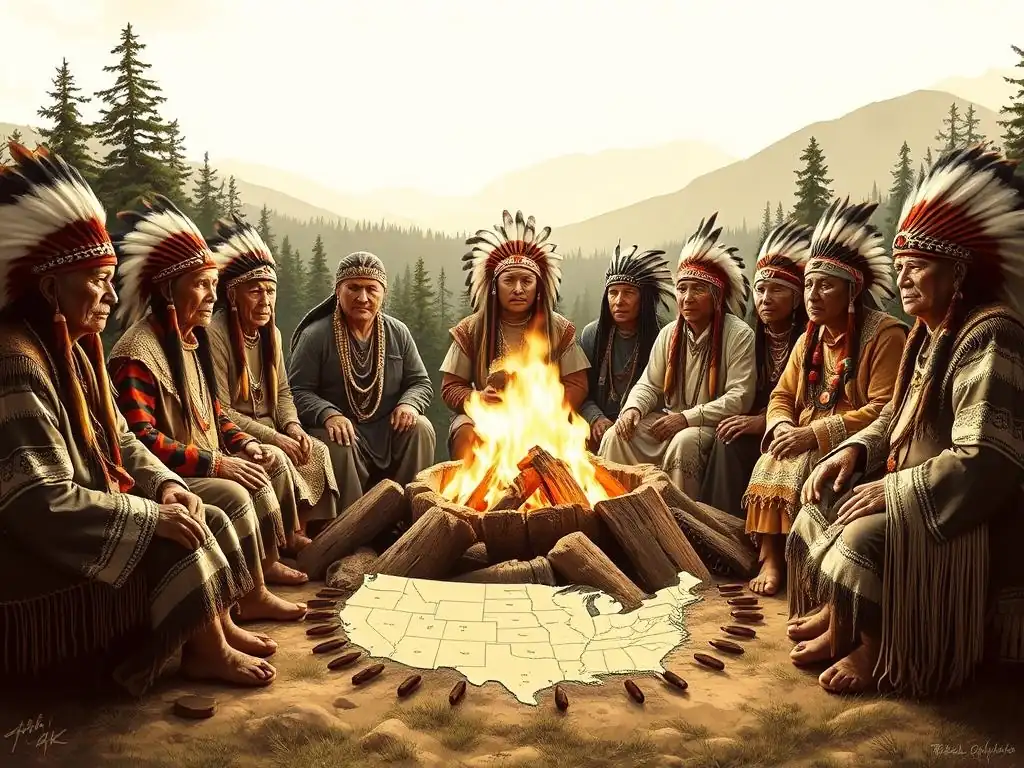
The political landscape of North America prior to European contact was marked by a rich tapestry of alliances and confederacies among Indigenous nations. These political strategies were essential for maintaining harmony, trade, and defense among diverse tribes. The formation of alliances allowed groups to unify their strengths against common threats, negotiate treaties, and share resources.
Pre-Columbian Governance and Inter-National Relations
Pre-Columbian governance among North American Indigenous nations was characterized by a variety of systems, from centralized leadership to decentralized tribal structures. Many tribes operated under a council system, where decisions were made collectively, reflecting the values of cooperation and consensus that were vital for survival and prosperity.
- Council Systems: Many tribes employed councils composed of elders or leaders from various clans within the tribe. This method ensured that multiple voices were heard, promoting inclusivity.
- Diplomatic Relations: Tribes engaged in diplomacy through rituals, trade agreements, and intermarriages, fostering relationships that transcended tribal boundaries. These interactions were often formalized in ceremonies and agreements, showcasing the importance of respect and honor in their dealings.
- Geopolitical Considerations: The location of tribes influenced their alliances. Proximity to other tribes and the availability of resources often dictated alliances, as groups sought to protect their interests and expand their territories.
Thus, the intricate web of political alliances among North American Indigenous nations was not only a means of governance but also a reflection of their social structures, values, and the environmental context in which they lived.
Key Historical Alliances and Confederacies
Throughout history, various Indigenous nations formed alliances and confederacies that played a significant role in their political strategies. These historical alliances were often born out of necessity, shaped by external pressures or internal challenges.
The Iroquois Confederacy: A Model of Unity
The Iroquois Confederacy, also known as the Haudenosaunee, is perhaps the most renowned example of a political alliance among North American Indigenous nations. Formed in the 15th century, this confederacy comprised the Mohawk, Oneida, Onondaga, Cayuga, Seneca, and later the Tuscarora tribes.
- Governance Structure: The Iroquois Confederacy operated under a sophisticated governance structure that emphasized collective decision-making. Delegates from each nation met in councils, where decisions required unanimous consent, ensuring that all voices were heard.
- The Great Law of Peace: This constitution-like document established rules for governance, conflict resolution, and inter-nation relations. The principles outlined in the Great Law fostered a sense of unity and purpose, significantly influencing modern democratic practices.
- Military and Economic Alliances: The Confederacy enabled member nations to coordinate military responses against external threats, such as European colonization. Additionally, it facilitated trade among member nations, enhancing economic stability.
The Iroquois Confederacy's influence extended beyond its members, impacting neighboring tribes and European colonizers who recognized the effectiveness of their political organization.
The Confederacy of the Five Nations: Structure and Function
The Confederacy of the Five Nations, synonymous with the Iroquois Confederacy, served as a pivotal political structure that shaped the governance of its member nations.
- Political Authority: Each nation within the Confederacy retained a degree of autonomy while participating in a collective governance system. This dual authority allowed tribes to maintain their cultural identities while benefiting from shared resources and mutual defense.
- Role of Clan Mothers: In Iroquois society, clan mothers held significant influence over political decisions, including the selection of chiefs. This matrilineal aspect showcased the unique governance roles women played in Indigenous societies.
- Conflict Resolution Mechanisms: The Confederacy established forums for conflict resolution, encouraging peaceful negotiations rather than warfare among member nations. This approach not only preserved alliances but also fostered long-lasting relationships.
Overall, the Confederacy of the Five Nations exemplified how Indigenous nations could come together to form a robust governance framework, addressing both internal and external challenges.
The Algonquin and Their Alliances
The Algonquin tribes, spread across the northeastern part of North America, also engaged in strategic alliances to enhance their political power and ensure survival.
- Diverse Alliances: Unlike the more centralized Iroquois Confederacy, the Algonquin tribes formed diverse alliances based on geographical and social factors. This flexibility allowed them to adapt to changing circumstances, such as European encroachment.
- Trade Networks: The Algonquin were known for their extensive trade networks, which facilitated alliances based on economic interdependence. These networks not only provided access to vital resources but also strengthened social ties among tribes.
- Military Alliances: The Algonquin formed military alliances with various tribes to resist European colonization, notably during conflicts like the French and Indian War. Their ability to unite against common adversaries illustrated the strategic importance of these alliances.
The alliances formed by the Algonquin tribes were crucial for their survival and adaptation in a rapidly changing world. The political strategies employed by these Indigenous nations reveal the complexity of their governance systems and their ability to navigate external pressures.
Types of Political Alliances in North American Indigenous Cultures
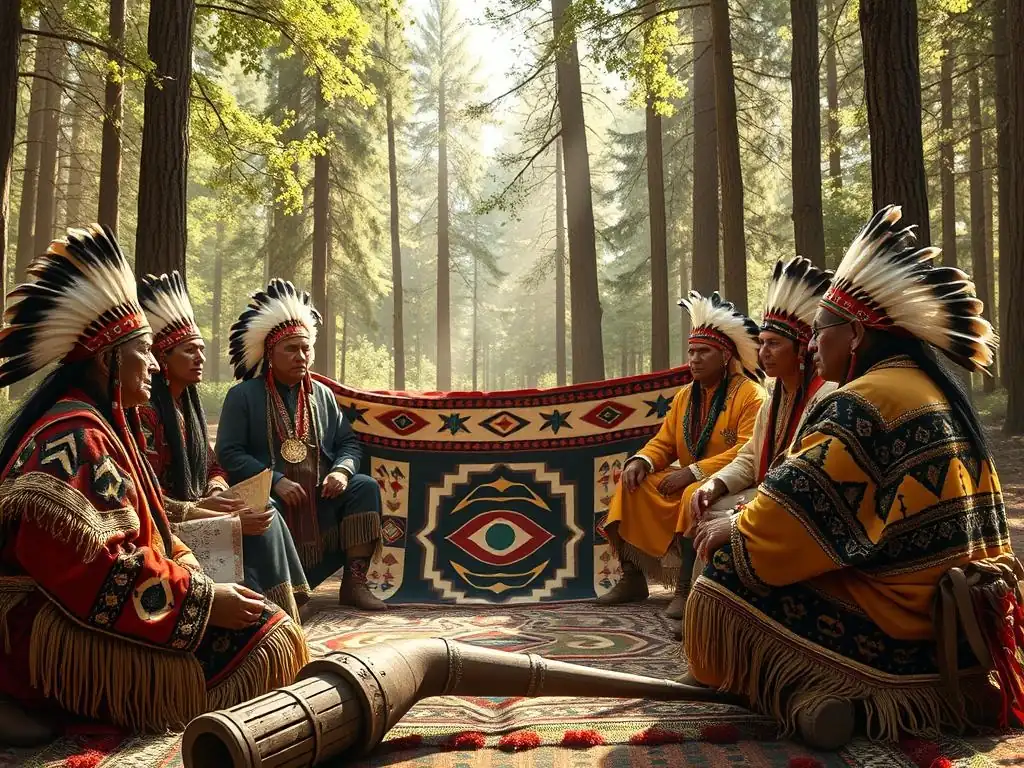
Formal Alliances: Treaties and Agreements
Formal alliances among North American indigenous nations were often established through treaties and agreements. These formal arrangements served as mechanisms for diplomacy, allowing tribes to negotiate terms related to trade, land use, and mutual protection.
One notable example is the Iroquois Confederacy, also known as the Haudenosaunee, which was composed of six nations: the Mohawk, Oneida, Onondaga, Cayuga, Seneca, and later the Tuscarora. The Confederacy was founded on a series of agreements that emphasized collective governance and decision-making. Each nation retained its autonomy while participating in a unified council that addressed issues affecting all members. This system not only facilitated peace among the nations but also allowed them to present a united front during negotiations with European powers.
| Key Features | Description |
|---|---|
| Negotiation | Treaties were negotiated to establish boundaries and rights, often involving complex diplomacy. |
| Recognition | Formal alliances were often recognized by colonial governments, granting tribes a level of legitimacy. |
| Cultural Exchange | Alliances facilitated cultural exchange and understanding between different tribes and European settlers. |
| Conflict Resolution | Agreements included mechanisms for conflict resolution, helping to mitigate disputes between tribes. |
The significance of formal alliances cannot be overstated; they played a crucial role in the political landscape of indigenous nations and demonstrated sophisticated governance structures in pre-Columbian societies.
Informal alliances were equally vital to the political landscape of North American indigenous cultures. These alliances often arose from kinship ties and social bonds, creating networks of support that transcended formal political structures. Family connections, marriage, and social interactions contributed to the formation of these informal alliances.
For instance, among the Plains tribes, alliances were frequently formed through marriages between families from different tribes, fostering relationships that could lead to mutual aid in times of need. This kinship-based alliance system allowed for flexible partnerships, which could be strengthened or redefined based on changing circumstances.
- Characteristics of Informal Alliances:
- Fluidity: Unlike formal treaties, informal alliances could evolve over time, adapting to the needs and circumstances of the involved parties.
- Community Engagement: Kinship ties often involved broader community participation, reinforcing cultural practices and social cohesion.
- Economic Collaboration: Informal alliances facilitated trade and resource sharing, enhancing economic resilience among tribes.
These informal alliances illustrate the deep-seated cultural values placed on kinship and community, which were integral to the political strategies of North American indigenous nations.
Military Alliances: Defense and Warfare Strategies
Military alliances were a critical aspect of political strategy for many North American indigenous nations. These alliances enabled tribes to band together for mutual defense against common threats, such as rival tribes or European colonial forces.
An example of a military alliance is found in the Algonquin tribes, who often united against the encroachment of the Iroquois Confederacy and later European settlers. Such alliances were often based on shared interests in defense and warfare, leading to coordinated military strategies.
- Key Elements of Military Alliances:
- Shared Resources: Military alliances allowed tribes to pool resources, including warriors, weapons, and supplies, enhancing their defensive capabilities.
- Strategic Planning: Collaborative planning was essential for executing coordinated attacks or defenses, often involving detailed knowledge of local geography and enemy tactics.
- Cultural Solidarity: Military alliances fostered a sense of shared identity and purpose, as tribes united to protect their lands and ways of life.
Military alliances underscore the importance of collective action in the face of external threats. These alliances were not merely about warfare; they represented a united front in preserving cultural integrity and autonomy amidst challenges.
The Role of Confederacies in Indigenous Political Strategies
Confederacies among North American indigenous nations served as vital political strategies that allowed various tribes to collaborate, share resources, and maintain peace. These alliances were not merely political constructs; they were deeply rooted in cultural practices and shared values, which facilitated cooperation and collective decision-making. The formation of confederacies enabled indigenous nations to address common challenges, from resource management to external threats, while fostering a sense of unity and identity among diverse groups.
Resource Sharing and Economic Cooperation
Resource sharing was a cornerstone of many indigenous confederacies. By pooling resources, tribes could enhance their economic stability and resilience against external pressures. For instance, the Iroquois Confederacy, also known as the Haudenosaunee, exemplified this practice. The member nations—Mohawk, Oneida, Onondaga, Cayuga, and Seneca—engaged in a sophisticated system of trade that allowed them to exchange goods, such as:
- Agricultural Products: Corn, beans, and squash were cultivated and shared among tribes, ensuring food security.
- Furs and Skins: Indigenous hunters supplied valuable pelts, which were traded for tools and other necessities.
- Ceremonial Items: The exchange of culturally significant artifacts helped to reinforce social ties and shared traditions.
This economic cooperation fostered interdependence, allowing tribes to thrive in a challenging environment. Moreover, the confederacies facilitated the establishment of trade networks that extended beyond individual tribes, promoting regional economic integration.
Conflict Resolution and Mediation Mechanisms
Indigenous confederacies also played a critical role in conflict resolution. Instead of resorting to violence, many tribes relied on established mediation mechanisms to address disputes. The Great Law of Peace among the Iroquois serves as a prime example, outlining procedures for conflict resolution that emphasized dialogue and consensus.
Key elements of these mediation processes included:
- Council Meetings: Representatives from member tribes gathered to discuss grievances and negotiate solutions.
- Elders and Leaders: Respected figures within the community often acted as mediators, leveraging their authority and wisdom to guide discussions.
- Consensus Decision-Making: The emphasis was placed on reaching consensus rather than majority rule, ensuring that all voices were heard and respected.
These methods promoted social harmony and stability within and between tribes, enabling them to maintain their autonomy while collaboratively addressing conflicts.
Cultural Exchange and Preservation of Traditions
Confederacies also served as vital platforms for cultural exchange among North American indigenous nations. By fostering alliances, tribes were able to share and preserve their traditions, languages, and customs, which enriched their collective cultural heritage.
Some notable aspects of cultural exchange within these confederacies include:
- Ceremonial Practices: Alliances often involved the sharing of spiritual practices and ceremonies, reinforcing communal bonds and shared beliefs.
- Storytelling and Oral Traditions: The exchange of stories and myths helped to preserve history and cultural identity, ensuring that knowledge was passed down through generations.
- Art and Craftsmanship: Collaborative efforts in art and craft allowed for the blending of styles and techniques, resulting in unique cultural expressions.
Through these mechanisms, indigenous nations not only maintained their distinct cultures but also fostered a sense of unity that transcended individual tribes, allowing for a rich tapestry of shared heritage.
The role of confederacies in North American indigenous political alliances was multifaceted, encompassing economic cooperation, conflict resolution, and cultural exchange. These strategies were essential for the survival and flourishing of indigenous nations long before European colonization and continue to influence their modern identities.
Impact of European Colonization on Indigenous Alliances
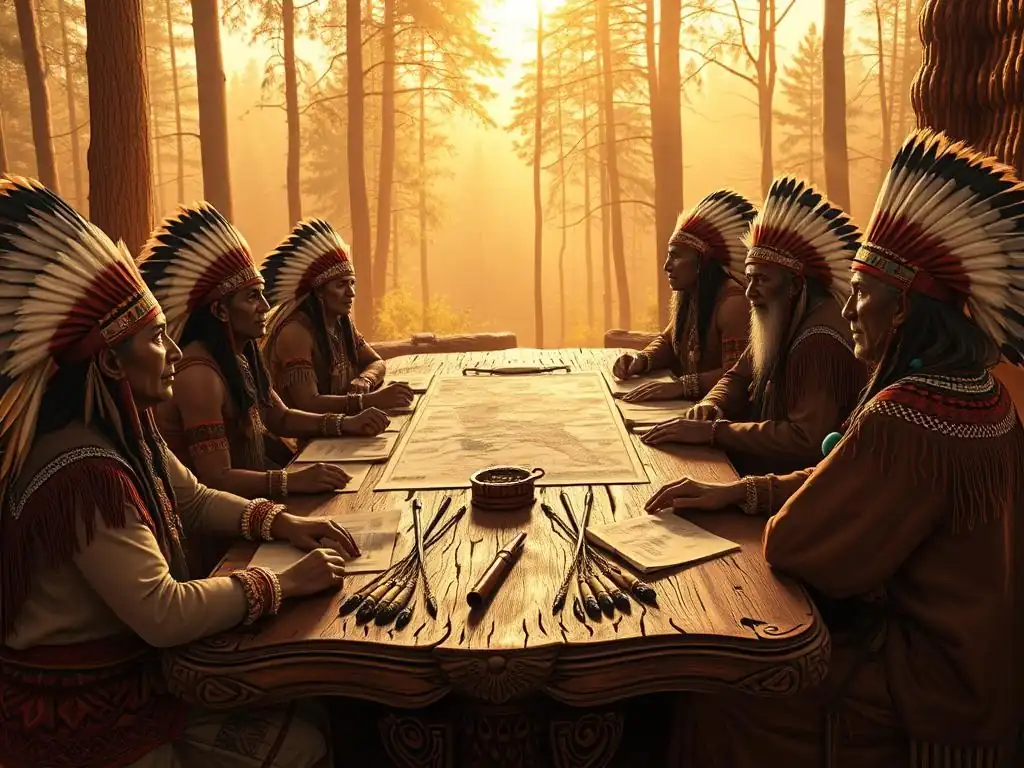
Disruption of Political Structures
The arrival of European colonizers in North America significantly disrupted the intricate political structures that Indigenous nations had established over centuries. Confederacies and alliances, such as the Iroquois Confederacy, which united several tribes for mutual defense and political cohesion, faced unprecedented challenges. European powers often exploited existing rivalries among Indigenous nations, leading to fragmentation and conflict.
- Loss of Sovereignty: Many Indigenous nations were coerced into treaties that undermined their autonomy. These agreements frequently favored European settlers, resulting in territorial loss and diminished political power.
- Introduction of New Alliances: The colonizers encouraged some tribes to ally with them against their traditional enemies, altering longstanding relationships. For instance, certain tribes allied with the British or French during the various colonial conflicts, which further destabilized Indigenous political landscapes.
- Violence and Warfare: The military might of European powers often overwhelmed Indigenous nations. Battles like the Pequot War (1636-1638) exemplified how colonial expansion led to devastating losses for Indigenous peoples, dismantling their political structures and communities.
Adaptation and Resilience of Indigenous Nations
Despite the severe disruptions caused by European colonization, many Indigenous nations demonstrated remarkable adaptation and resilience. They employed various strategies to navigate the new political landscape imposed by colonizers.
- Reformation of Alliances: Indigenous nations often reformed their alliances to counteract colonial pressures. This included creating new coalitions with neighboring tribes or even former adversaries to present a unified front against colonizers.
- Cultural Preservation: Many Indigenous political leaders and communities worked diligently to preserve their cultural practices and governance systems, ensuring that their traditional values influenced their responses to colonial encroachments. This cultural resilience became a cornerstone of their political strategies.
- Diplomatic Engagement: Some Indigenous nations engaged in diplomatic negotiations with colonial powers, using treaties as a means to assert their sovereignty. While many treaties were broken or ignored, they represented an effort to maintain political legitimacy and protect their interests.
The Legacy of Indigenous Political Alliances Today
The legacy of North American indigenous political alliances continues to resonate in contemporary Indigenous governance structures. The historical alliances and confederacies established by Indigenous nations laid a foundation for modern tribal sovereignty and self-determination movements.
- Tribal Sovereignty: Many tribes today assert their sovereignty based on historical treaties and alliances, striving to reclaim their rights and self-governance. The resurgence of traditional governance practices reflects a commitment to the principles that guided their ancestors.
- Coalitions and Advocacy: Modern Indigenous nations frequently form coalitions to advocate for their rights, environmental protection, and social justice. These contemporary alliances echo the collaborative spirit of historic confederacies, showcasing the enduring significance of collective action.
- Cultural Revitalization: The revival of traditional governance practices and cultural ceremonies serves as a means of reinforcing community bonds and identity. This cultural revitalization is crucial for the survival and prosperity of Indigenous nations in the face of ongoing challenges.
The impact of European colonization on Indigenous political alliances was profound and multifaceted. However, the adaptability and resilience of Indigenous nations have ensured that the legacy of their political strategies continues to shape their present and future.
Case Studies of North American Indigenous Political Alliances
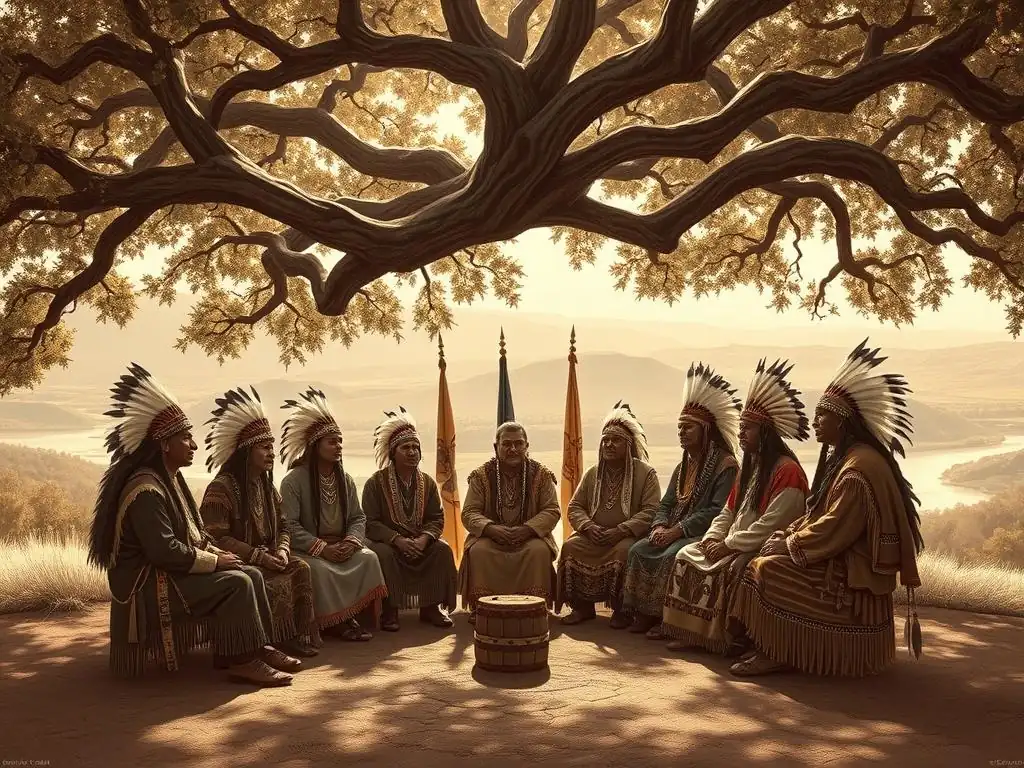
The Haudenosaunee Confederacy: Lessons in Governance
The Haudenosaunee Confederacy, also known as the Iroquois Confederacy, is one of the most renowned examples of North American indigenous political alliances. Formed in the late 16th century, this powerful confederation consisted of six nations: the Mohawk, Oneida, Onondaga, Cayuga, Seneca, and later the Tuscarora. The Confederacy was established to promote peace and mutual defense among the member nations, showcasing a sophisticated governance structure that influenced political thought beyond indigenous contexts.
Governance Structure
The Haudenosaunee governance was characterized by a council of representatives from each nation. Each nation had a voice in decision-making, fostering a democratic approach that emphasized consensus rather than majority rule. This system allowed for a balanced representation of interests, ensuring that smaller nations had equal standing with larger ones. Key elements of their governance included:
- Great Law of Peace: This foundational document outlined the principles of unity and collective decision-making.
- Clan Mothers: Influential women responsible for selecting leaders and maintaining the welfare of the community.
- Wampum Belts: Used as mnemonic devices to convey messages and agreements, reinforcing the Confederacy's values and treaties.
The impact of the Haudenosaunee Confederacy resonates even today, as it inspired various democratic principles in the formation of the United States government.
The Plains Nations and Their Intertribal Relations
The Plains Nations, including the Lakota, Cheyenne, and Crow, exhibited a unique approach to political alliances and intertribal relations. In the vast expanse of the Great Plains, these nations formed alliances primarily for mutual protection and resource sharing, particularly in hunting and trade.
Intertribal Alliances
The relationships among the Plains Nations were often fluid, adapting to the socio-political landscape of the time. Some notable aspects of their intertribal relations include:
- Seasonal Alliances: Tribes would temporarily unite for bison hunts, demonstrating a collaborative spirit essential for survival in a harsh environment.
- Ceremonial Exchanges: Rituals and ceremonies played a critical role in solidifying alliances, with events such as the Sun Dance fostering unity and mutual respect.
- Conflict Resolution: Tribes employed negotiation and diplomacy, often seeking to resolve disputes through dialogue rather than warfare.
These intertribal relations illustrate the adaptability and resilience of the Plains Nations, emphasizing cooperation over conflict in their political strategies.
The Pacific Northwest Tribes: Alliances and Trade Networks
The indigenous tribes of the Pacific Northwest, including the Tlingit, Haida, and Coast Salish, developed intricate alliances that were crucial for their economic and political stability. These alliances were primarily driven by trade, resource management, and cultural exchange.
Economic Alliances
The Pacific Northwest tribes utilized their geographic advantages to create extensive trade networks that linked various communities. Key elements of their alliances included:
- Trade Agreements: Tribes established formal trade agreements, often involving valuable resources such as salmon, cedar, and shells.
- Potlatch Ceremonies: These ceremonial gatherings allowed tribes to showcase their wealth and reinforce social ties, serving as a platform for negotiating alliances and resolving conflicts.
- Shared Resources: Cooperation in fishing and hunting ensured sustainability, as tribes would share access to rich fishing grounds and hunting territories.
The political strategies of the Pacific Northwest tribes highlight the importance of economic collaboration and cultural exchange in fostering enduring alliances, influencing their governance structures and community resilience.
Conclusion: The Significance of North American Indigenous Political Alliances
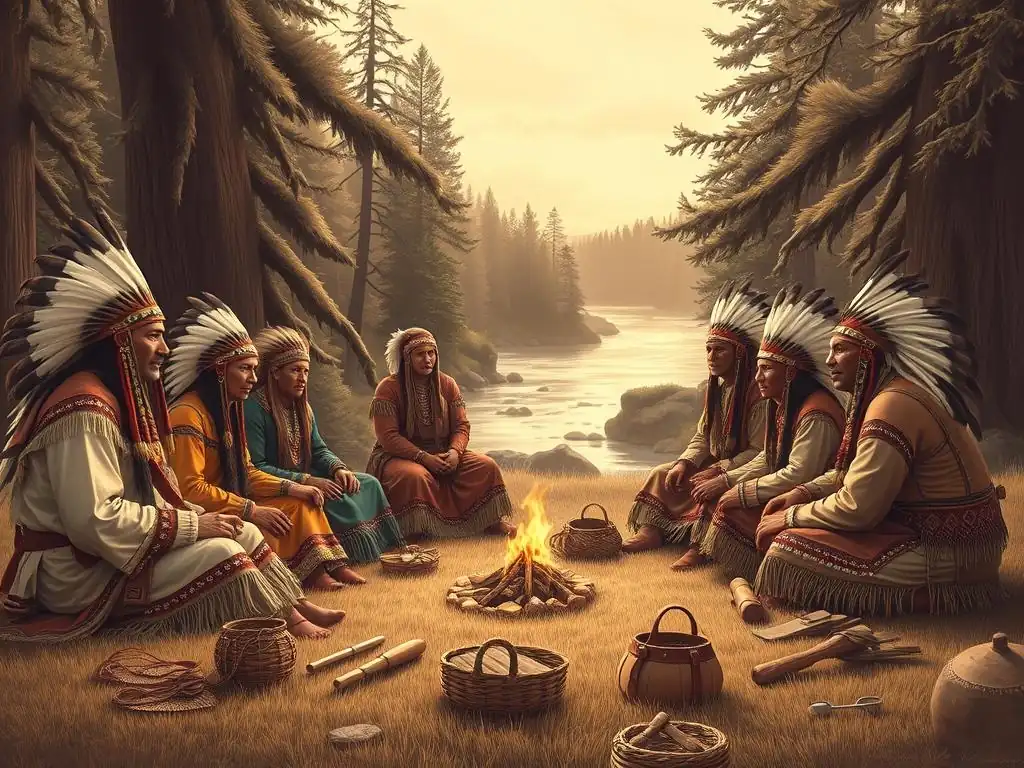
The political alliances and confederacies established by North American Indigenous nations prior to European contact were pivotal in shaping their governance structures and social dynamics. These alliances were not merely a means of defense against external threats but also facilitated trade, cultural exchange, and diplomatic negotiations. The intricate web of relationships formed through these political strategies exemplified the sophisticated understanding of governance that existed among Indigenous societies.
Lasting Influence on Modern Governance and Diplomacy
The influence of North American indigenous political alliances extends beyond their historical context, leaving a profound legacy that can be observed in contemporary governance and diplomatic practices. Many modern democratic principles echo the collaborative governance models practiced within Indigenous confederacies. For instance, the Iroquois Confederacy, known as the Haudenosaunee, practiced a form of participatory democracy that emphasized consensus decision-making, a principle that resonates with current democratic systems.
Moreover, the political frameworks and treaties established among Indigenous nations have provided valuable lessons in conflict resolution and negotiation. The Iroquois Great Law of Peace, for example, laid foundational principles for diplomacy that are still relevant today, promoting harmony and collective decision-making. These enduring practices highlight the significance of Indigenous governance systems in contributing to the development of modern political thought and frameworks.
Recognition of Indigenous Political Structures in Contemporary Society
In recent years, there has been a growing acknowledgment of the importance of Indigenous political structures within contemporary society. Many governments and organizations are increasingly recognizing the need to engage with Indigenous nations on equal footing, respecting their sovereignty and traditional governance systems. This shift has led to the incorporation of Indigenous perspectives into policy-making and governance, fostering a more inclusive approach that values the historical contributions of Indigenous peoples.
Furthermore, the revival and revitalization of Indigenous governance practices are gaining momentum, as communities seek to reclaim their political autonomy and cultural identity. Initiatives aimed at educating the public about Indigenous political systems are becoming integral to broader discussions about reconciliation and historical justice. This recognition not only honors the resilience and achievements of North American Indigenous nations but also enriches the contemporary political landscape by integrating diverse perspectives and practices.
The exploration of North American indigenous political alliances reveals a rich tapestry of governance that has profoundly influenced both historical and modern political frameworks. The lessons learned from these systems continue to resonate, advocating for a future where diverse voices and practices are acknowledged and respected in the ongoing journey of governance and diplomacy.
References and Further Reading on Indigenous Political Alliances
Suggested Books and Articles on Indigenous Governance
-
"The Indigenous Peoples of North America: A Historical Encyclopedia"
This comprehensive encyclopedia covers various aspects of indigenous governance, including political alliances, treaties, and the unique systems of governance established by different tribes across North America.
-
"1491: New Revelations of the Americas Before Columbus" by Charles C. Mann
Mann’s work provides insight into the complex societies that existed before European contact, highlighting various political strategies, including confederacies and alliances, that enabled indigenous nations to thrive.
-
"Indigenous Nationhood: Empowering Grassroots Citizens" by Pam Palmater
This book discusses the modern implications of traditional governance systems and examines how historical alliances inform contemporary indigenous political strategies.
-
"The Iroquois Confederacy: A Model for the United States" by Donald A. Grinde Jr. and Bruce E. Johansen
This article explores the political structure of the Iroquois Confederacy, its influence on American democracy, and its role as a significant example of indigenous political alliances.
-
"Native American Politics: A Global Perspective" by David E. Wilkins
Wilkins provides a detailed analysis of the political strategies of Native American nations, including their alliances and confederacies, in the context of both historical and contemporary governance.
Online Resources for Learning About Indigenous Nations
-
Native American Rights Fund (NARF)
A comprehensive resource offering information on legal rights, treaties, and the political landscape of indigenous nations in the United States.
-
The National Museum of the American Indian
This museum provides educational resources and digital exhibitions that delve into the governance structures of various Native American tribes, focusing on their political alliances and confederacies.
-
American Indian Resource Center
A platform that offers a wealth of information about indigenous political structures and alliances, including articles, research papers, and multimedia content.
-
Indigenous Peoples' Literature
A website that compiles a variety of texts, stories, and articles from indigenous perspectives, including discussions on governance and political alliances.
-
Cultural Survival
An organization dedicated to the rights and cultures of indigenous peoples, offering resources and reports that explore the political strategies and alliances of indigenous nations throughout the Americas.
Frequently Asked Questions
What were the main political alliances among North American indigenous nations?
Many North American indigenous nations formed confederacies and alliances to strengthen their political power, share resources, and enhance their defense against external threats.
How did these alliances affect their societies?
These political alliances fostered cooperation among tribes, leading to shared governance, cultural exchanges, and increased economic stability, which enhanced their resilience against colonization.
What role did women play in these political structures?
Women often held significant influence in decision-making processes within these alliances, especially regarding land use and resource management, reflecting their important status in indigenous societies.
How did European colonization impact these alliances?
European colonization disrupted many of these political alliances, leading to conflicts and fragmentation, as tribes were often forced to choose sides or adapt to new power dynamics introduced by colonizers.
Are there any modern descendants of these alliances today?
Yes, many contemporary indigenous nations trace their lineage back to these historical alliances, striving to maintain their cultural heritage while advocating for sovereignty and rights in today’s political landscape.
Final Reflection: The Enduring Legacy of North American Indigenous Political Alliances
The intricate web of alliances and confederacies among North American Indigenous Nations remains profoundly relevant today. As we navigate a world increasingly defined by division and discord, the historical strategies of cooperation and solidarity among these nations offer a powerful blueprint for contemporary political engagement. The lessons learned from their governance systems challenge us to rethink our approaches to unity and collaboration in the face of adversity.
Cultural and social landscapes are continually shaped by the legacies of these alliances. The ways in which Indigenous Nations have historically navigated their relationships with one another and with external powers underscore the importance of mutual respect, shared governance, and collective action. As we witness ongoing movements for Indigenous rights and sovereignty, it becomes clear that these political strategies are not merely relics of the past but living practices that inform current struggles. In unity, there is strength,
a principle that resonates deeply within Indigenous communities, highlights the enduring power of collaboration.
As you reflect on the themes presented in this article, consider how the principles of cooperation and alliance-building can be applied in your own life. Embrace the spirit of collaboration, seek to understand diverse perspectives, and recognize the strength that comes from unity. By fostering connections and alliances in your community, you can contribute to a more inclusive and harmonious society, honoring the rich legacy of North American Indigenous political alliances while paving the way for a brighter future.
Embrace Indigenous Wisdom and Connect with Community!
Thank you for taking the time to explore the political strategies of North American Indigenous nations! Your curiosity opens doors to a richer understanding of history and cultural resilience. Now that you've gained insights into confederacies and alliances, here are some ways you can continue your journey of engagement and appreciation:
- Join a local Indigenous cultural event—experience traditional governance practices firsthand and deepen your understanding of their significance.
- Share your insights by discussing them with friends or on social media, using hashtags to foster awareness and appreciation for Indigenous cultures.
- Expand your knowledge—delve into the histories and political structures of specific Indigenous nations to uncover their unique contributions to society.
What insights resonated with you the most, and how do you envision applying that wisdom in today's world?