
Inca Engineering Marvels: Discoveries That Challenge Our Understanding of Their Skills

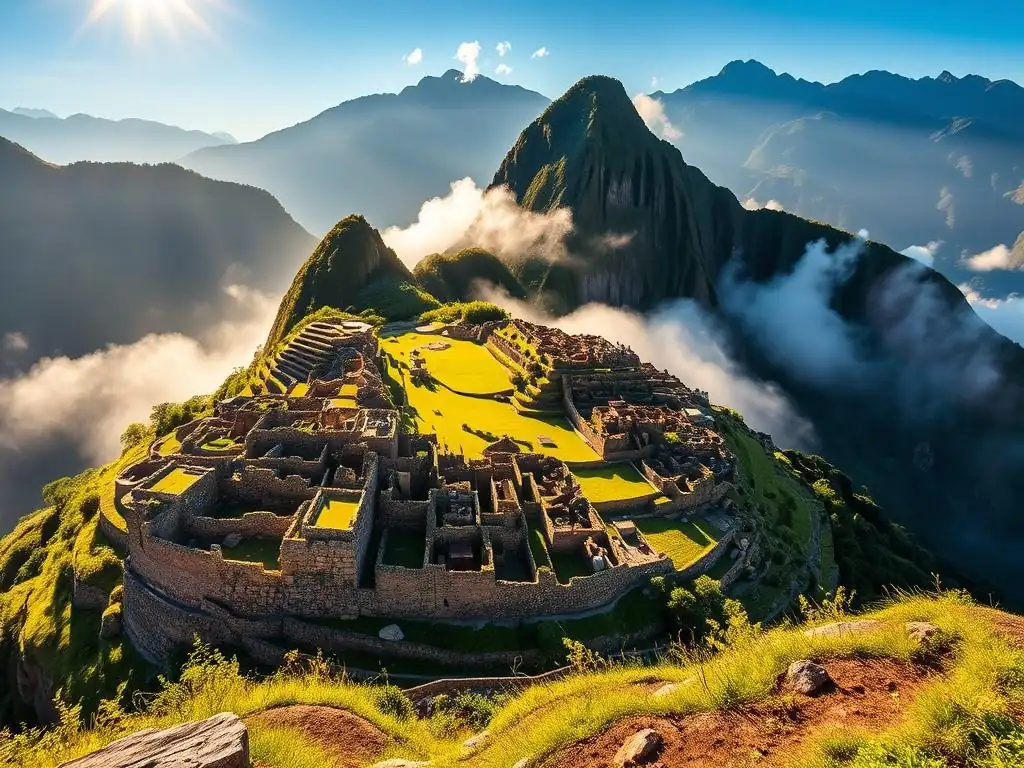
Welcome to Indigenous Civilizations of the Americas, where we invite you to embark on a journey through the rich tapestry of cultures that flourished long before European contact. In our featured article, “Inca Engineering Marvels: Discoveries That Challenge Our Understanding of Their Skills,” we delve into the remarkable Inca engineering achievements that not only showcase their ingenuity but also reshape our understanding of ancient technologies.
Prepare to be fascinated by the innovative structures and techniques of the Incas, and discover how these achievements continue to influence our world today. Join us as we uncover the legacies of these extraordinary civilizations and their enduring impact on history.
Introduction to Inca Engineering Achievements History
The Inca civilization, flourishing from the early 15th century until the Spanish conquest in the 16th century, is celebrated for its remarkable engineering feats that continue to astonish modern scholars and enthusiasts alike. This article delves into the Inca engineering achievements history, highlighting the innovative solutions and techniques that the Incas implemented in their architectural designs, agricultural practices, and transportation networks.
Recent discoveries at Inca sites have unveiled a sophisticated understanding of engineering that challenges previous assumptions about their capabilities and the resources available to them. Through this exploration, we will gain insight into how these accomplishments not only served the immediate needs of Inca society but also laid the groundwork for future generations.
Overview of Inca Civilization and Its Innovations
The Inca Empire, known as Tawantinsuyu, was the largest empire in pre-Columbian America, stretching across present-day Peru, Ecuador, Bolivia, and parts of Chile and Argentina. The Incas were not just formidable conquerors; they were also exceptional innovators. Their achievements in engineering are evidenced by their:
- Architectural prowess: Construction of monumental structures like Machu Picchu and the Sacsayhuamán fortress, which exemplify advanced stone masonry techniques.
- Terracing systems: Ingenious agricultural terraces that maximized arable land in the steep Andean mountains, allowing for increased crop production.
- Road networks: A vast system of roads, known as the Inca Trail, that facilitated trade and communication across diverse terrains.
These innovations reflect a deep understanding of their environment and an ability to manipulate it to meet the needs of their society.
Importance of Engineering in Inca Society
Engineering played a crucial role in the survival and expansion of the Inca Empire. The Incas recognized that effective infrastructure was essential for:
- Resource management: Efficient irrigation systems and storage facilities allowed them to support large populations and agricultural output.
- Military logistics: Well-constructed roads enabled rapid troop movements and the transportation of goods across vast distances.
- Cultural cohesion: The construction of temples and ceremonial centers fostered a sense of unity among diverse groups within the empire.
Through these engineering achievements, the Incas not only improved their quality of life but also established a legacy that would endure long after their empire's fall.
Recent Excavations of Inca Sites
Recent archaeological excavations at various Inca sites have shed new light on their engineering capabilities, revealing sophisticated techniques and materials that were previously underestimated. These discoveries are prompting researchers to reassess the historical narrative of Inca ingenuity.
Key Locations of Inca Engineering Discoveries
Several significant sites have emerged as focal points for understanding Inca engineering:
- Machu Picchu:
- Often referred to as the "Lost City of the Incas," it showcases advanced agricultural terraces and precise stone construction.
- Sacsayhuamán:
- A ceremonial complex featuring massive stone walls with interlocking stones that are a testament to the Incas' mastery of masonry.
- Ollantaytambo:
- Known for its impressive agricultural terraces and the strategic design of its fortress, which offered both defense and agricultural benefits.
- Q'enco:
- An archaeological site that includes a complex of tunnels and chambers, demonstrating elaborate engineering for ceremonial purposes.
These sites, along with ongoing excavations, continue to reveal the depths of Inca engineering achievements and their profound impact on the history of civilization in the Americas.
Inca Construction Techniques and Materials
The Inca civilization is renowned for its remarkable engineering achievements, particularly in construction techniques and materials that have withstood the test of time. Their innovative approaches allowed them to build structures that not only served practical functions but also integrated harmoniously with their natural surroundings. Understanding these techniques provides insight into the advanced skills and knowledge possessed by the Incas, which challenge previous assumptions about pre-Columbian engineering capabilities.
Advanced Stone Masonry: Techniques Behind Durability
One of the most notable aspects of Inca engineering is their advanced stone masonry. The Incas employed a technique known as ashlar masonry, where stones were precisely cut and fitted together without the use of mortar. This method involved shaping the stones to fit snugly against each other, creating an interlocking system that enhanced stability and durability. The precision of their cuts was so remarkable that many structures have endured earthquakes and other natural disasters for centuries.
The cutting techniques employed included the use of hard tools made from other stones, as well as techniques like pounding and abrasion to achieve the desired shape. The use of local granite and sandstone further facilitated this process, as these materials were abundant and provided the necessary strength. Structures such as the Sacsayhuamán fortress exemplify this mastery of masonry, showcasing walls where individual stones fit so tightly that even a blade of grass cannot be inserted between them.
Use of Local Materials: Adaptation to the Environment
The Incas’ ability to utilize local materials was pivotal in their architectural endeavors. Their construction methods were closely tied to the environment, allowing them to source materials that were not only readily available but also suitable for the region’s climatic conditions. For instance, in the high-altitude areas of the Andes, the Incas often used mud bricks and adobe for walls, which provided effective insulation against the cold nights.
In coastal regions, they favored the use of cobblestones and sea stones for road construction, demonstrating their adaptability to different geographical contexts. This resourcefulness not only minimized transportation costs but also ensured the longevity of their structures, as they were built using materials that were inherently suited to withstand local weather patterns and geological conditions.
Earthquake Resistance: Engineering for Survival
Earthquake resistance is a defining feature of Inca architecture, particularly given the seismic activity in the Andean region. The Incas incorporated several engineering principles that enhanced the resilience of their structures against earthquakes. One key technique was the use of step-like designs in their walls, which helped distribute seismic forces and allowed the structures to sway without collapsing.
Moreover, the flexibility of the mortarless stone blocks contributed to their earthquake resilience. The stones could shift slightly during an earthquake without losing their integrity, which is why many Inca structures, including the famous Machu Picchu, remain standing today despite numerous seismic events. This foresight in engineering not only safeguarded their buildings but also reflects the Incas’ deep understanding of their environment and the natural forces that could impact their civilization.
Water Management Systems in Inca Engineering
Water management was a crucial aspect of Inca engineering, as it directly influenced agriculture, urban planning, and overall sustainability. The Incas developed sophisticated systems that allowed them to harness and control water resources efficiently, ensuring that their cities thrived even in challenging environments.
Aqueducts and Irrigation: Innovations in Agriculture
The Inca Empire is celebrated for its extensive aqueducts and irrigation systems that revolutionized agriculture in the highlands. These systems included a network of canals that transported water from rivers and streams to fields, enabling the cultivation of crops in otherwise arid regions. The Inca irrigation systems were meticulously designed, incorporating terracing techniques to maximize arable land on steep slopes and prevent soil erosion.
Notably, some aqueducts were built underground, allowing water to flow without evaporation losses while protecting it from contamination. The Pachacamac aqueduct system in modern-day Peru is a prime example of this innovation, showcasing the Incas’ ability to manipulate their environment to enhance agricultural productivity. This ingenuity not only supported population growth but also allowed the Incas to cultivate a diverse range of crops, contributing to their economic stability.
The Role of Water in Inca Urban Planning
Water management was integral to Inca urban planning, influencing the layout and organization of cities. Inca cities were often designed with consideration for water access, with public fountains and reservoirs strategically placed to ensure a steady supply for residents. For instance, the city of Cusco featured a complex network of channels that provided water to various districts, symbolizing the importance of water in daily life and governance.
Moreover, the careful planning of drainage systems prevented flooding and ensured sanitary conditions, reflecting the Incas' understanding of public health and urban infrastructure. The iconic Inca terraces not only optimized agricultural practices but also facilitated efficient water runoff, demonstrating a holistic approach to urban design. Overall, the Inca's mastery of water management underscores their innovative spirit and the advanced engineering skills that continue to inspire modern studies in sustainability and resource management.
Road Systems and Transportation: Inca Engineering Achievements

The Inca civilization is renowned for its remarkable engineering feats, particularly in the development of extensive road systems that facilitated transportation across their vast empire. These roadways were not merely functional; they were a testament to the Incas’ sophisticated understanding of geography, logistics, and community organization. The primary objective of these roads was to connect the diverse regions of the Inca Empire, spanning from modern-day Colombia to Chile, and enabling the swift movement of people, goods, and information.
The Incas utilized a variety of construction techniques to build their roads, often incorporating local materials such as stone, gravel, and earth. The roads were designed to withstand the challenging Andean terrain, featuring steep gradients, river crossings, and harsh weather conditions. This engineering prowess not only allowed for efficient travel but also ensured the sustainability of the infrastructure over time.
The Qhapaq Ñan: An Extensive Road Network
At the heart of Inca transportation was the Qhapaq Ñan, or the "Great Inca Road." This vast network stretched approximately 25,000 miles and connected over 3,000 settlements across the empire. The road system included a variety of pathways—some paved with stones, while others were simple dirt trails. The Qhapaq Ñan was strategically designed to link key locations, including administrative centers, military outposts, and religious sites, enhancing the centralization of power within the empire.
The road network featured multiple routes tailored to different terrains, allowing for adaptability and resilience. Notably, the Incas constructed suspension bridges made of natural fibers to cross rivers, showcasing their innovative use of materials. The Qhapaq Ñan not only facilitated travel but also played a crucial role in the integration of various cultural groups within the empire, promoting a sense of unity among the diverse populations.
Impact of Roads on Trade and Communication
The Inca road system significantly impacted trade and communication, fostering economic growth and cultural exchange throughout the empire. With the Qhapaq Ñan in place, merchants could transport goods such as textiles, ceramics, and agricultural products more efficiently, leading to increased trade activities between distant regions. This network enabled the Incas to establish a centralized economy, where resources could be redistributed according to demand.
Additionally, the roads served as vital communication channels for the Inca government. Runners known as chasquis were stationed along the routes, able to relay messages quickly across vast distances. This system of relay runners allowed the Inca leaders to maintain effective control over their empire, respond to crises, and coordinate military actions promptly. The efficient transportation and communication systems were integral to the success and longevity of the Inca civilization.
Architectural Marvels: Incan Structures That Defy Time
In addition to their advanced road systems, the Incas are celebrated for their architectural achievements, which reflect their engineering skills, aesthetic sensibilities, and understanding of the environment. The structures built by the Incas have withstood the test of time, remaining resilient against earthquakes and other natural disasters. This durability is a direct result of their innovative construction techniques, which incorporated large stones that fit together without the use of mortar.
The architectural styles of the Incas were not only functional but also imbued with cultural significance. Each structure was meticulously designed to serve specific purposes, whether for religious ceremonies, agriculture, or habitation. The Incas’ deep connection to their land and spirituality is evident in their architectural decisions, which harmonized with the natural landscape.
Temples and Religious Structures: Symbolism and Function
Incan temples and religious structures are among the most iconic symbols of their civilization. The Temple of the Sun, located in Cusco, exemplifies the Incas' architectural mastery and their reverence for the sun god Inti. Constructed with monumental stone walls, the temple was designed to align with astronomical events and served as a ceremonial center for religious rites. Its intricate carvings and the use of gold plating reflected the Incas’ wealth and their devotion to their deities.
Moreover, religious structures were often situated in locations of natural significance, reinforcing the Incas’ belief in the spiritual connection between their gods and the landscape. These temples were not only places of worship but also served as administrative hubs, where the Inca elite conducted important functions related to governance and resource distribution.
Residential and Agricultural Structures: Design and Efficiency
The design of residential and agricultural structures in the Inca Empire showcases their innovative approaches to efficiency and sustainability. Incan homes were typically constructed from stone or adobe, designed to withstand the harsh climatic conditions of the Andes. They featured thatched roofs and were often arranged in clusters to foster community living.
Agricultural structures were equally impressive, with the Incas employing terracing techniques to maximize arable land in mountainous regions. These terraces prevented soil erosion and allowed for the cultivation of diverse crops, contributing to food security within the empire. Additionally, the Incas developed sophisticated irrigation systems to channel water from highland sources to their fields, demonstrating their ability to manipulate the environment for agricultural success.
Through their remarkable engineering achievements in both transportation and architecture, the Incas laid the foundation for a civilization that thrived in harmony with its challenging surroundings, leaving a legacy that continues to inspire awe and admiration today.
Challenges to Our Understanding of Inca Engineering Skills
The engineering achievements of the Inca civilization present a fascinating yet complex narrative that has often been underappreciated in the broader context of ancient engineering. Research and excavations have revealed that Inca engineers were not only adept at construction but also innovative in overcoming geographical challenges. However, misconceptions and a lack of understanding of their methodologies often lead to an underestimation of their skills. This section aims to dissect these challenges and clarify the realities of Inca engineering.
Misconceptions About Inca Technology
One prevalent misconception is that the Incas relied solely on rudimentary tools and methods. In reality, their engineering prowess was characterized by advanced knowledge of materials and techniques. For example:
- Stone Masonry: Inca stones were often precisely cut and fitted together without mortar, demonstrating an understanding of structural stability and seismic activity. This technique showcased their skills in creating durable structures that have withstood the test of time.
- Road Networks: Contrary to the belief that Inca roads were simple paths, they were extensive, well-planned networks complete with bridges and rest stops. The Inca roads spanned over 25,000 miles, connecting various regions and facilitating trade and communication across the empire.
Despite evidence of these advanced techniques, many still perceive Inca engineering as primitive, failing to recognize the sophistication behind their constructions.
The Role of Indigenous Knowledge in Engineering
Indigenous knowledge played a crucial role in the engineering feats of the Inca civilization. The Incas had a deep understanding of their environment, which they utilized to enhance their engineering capabilities. This knowledge encompassed:
- Agricultural Practices: The Incas developed terrace farming techniques, which maximized arable land on mountainous terrain. This innovation not only improved agricultural productivity but also informed their construction practices in similar landscapes.
- Water Management: The Incas mastered the art of hydraulic engineering, creating aqueducts and irrigation systems that channeled water efficiently through their cities and fields. Their understanding of water flow and terrain significantly influenced their urban planning.
This indigenous wisdom was instrumental in shaping Inca engineering methodologies, combining practical experience with sophisticated design principles that continue to inspire modern engineers.
Conclusion: The Legacy of Inca Engineering Achievements
The legacy of Inca engineering achievements is evident in both historical and contemporary contexts. Their contributions have set a benchmark for resilience and sustainability in construction, showcasing an understanding of environmental factors that is still relevant in today’s engineering practices.
Lasting Impact on Modern Engineering and Architecture
Inca engineering has left a lasting mark on modern engineering and architecture. The principles of stability and durability seen in Inca structures influence contemporary design practices. For instance:
- Seismic Engineering: The techniques used by the Incas to construct earthquake-resistant buildings have informed modern seismic design, especially in earthquake-prone regions.
- Sustainable Practices: The Inca's use of local materials and their strategies for managing natural resources resonate with today's emphasis on sustainability and eco-friendly construction.
These elements underscore the relevance of Inca engineering principles in contemporary construction and urban planning.
Future Research Directions in Inca Engineering Studies
As archaeological methodologies advance, future research directions in Inca engineering studies hold great promise. Areas of potential exploration include:
- Advanced Technologies: Investigating the tools and technologies used by the Incas through modern imaging techniques could provide deeper insights into their engineering practices.
- Interdisciplinary Studies: Collaborations between archaeologists, engineers, and environmental scientists may yield new understandings of Inca engineering methods and their environmental adaptability.
With continued research, the complexities of Inca engineering can be better understood, allowing for a more comprehensive appreciation of their skills and contributions to human civilization.
- Introduction to Inca Engineering Achievements History
- Recent Excavations of Inca Sites
- Inca Construction Techniques and Materials
- Water Management Systems in Inca Engineering
- Road Systems and Transportation: Inca Engineering Achievements
- Architectural Marvels: Incan Structures That Defy Time
- Challenges to Our Understanding of Inca Engineering Skills
- Conclusion: The Legacy of Inca Engineering Achievements
- What are the key engineering achievements of the Inca civilization?
- How did Inca engineering influence modern construction methods?
- What materials did the Incas use in their engineering projects?
- How did the geography of the Andes impact Inca engineering?
- What lasting impacts did Inca engineering have on later cultures?
Frequently Asked Questions
What are the key engineering achievements of the Inca civilization?
The Inca civilization is renowned for its remarkable engineering achievements, including extensive road networks, sophisticated agricultural terraces, and the impressive construction of Machu Picchu, which showcases their advanced architectural techniques.
How did Inca engineering influence modern construction methods?
Inca engineering has influenced modern construction methods by introducing techniques such as dry-stone masonry, which allows structures to withstand earthquakes, a principle still applied in contemporary architecture, particularly in seismic zones.
What materials did the Incas use in their engineering projects?
The Incas primarily used local materials such as stone, adobe, and wood. Their ability to source and manipulate these materials effectively contributed to the durability and longevity of their structures.
How did the geography of the Andes impact Inca engineering?
The rugged geography of the Andes required the Incas to develop innovative solutions for landscaping and construction, including the creation of terraced farming and bridges that allowed them to navigate steep terrains effectively.
What lasting impacts did Inca engineering have on later cultures?
The engineering innovations of the Incas laid the groundwork for future civilizations in the region, influencing agricultural practices, urban planning, and construction techniques that are still in use today, showcasing their enduring legacy in South American history.
Final Reflection: The Enduring Legacy of Inca Engineering Achievements
The remarkable Inca engineering achievements not only showcase the ingenuity of a civilization long past but also resonate profoundly in our contemporary world. As we uncover the intricate designs and advanced techniques employed by the Incas, we are reminded of their ability to harmonize functionality with the natural landscape. This understanding challenges our preconceived notions of ancient societies, revealing that their innovations were not merely rudimentary but rather sophisticated and ahead of their time.
The influence of Inca engineering is still palpable today, as it inspires modern architects and engineers to rethink sustainable practices and the integration of structures within their environments. The lessons learned from the Inca's mastery of stonework, agricultural terraces, and road systems continue to shape our cultural and social landscapes. The true measure of a civilization is not how much wealth it accumulates, but how it uses its resources to create a sustainable future.
This quote encapsulates the essence of the Inca legacy, urging us to consider how we can apply their principles of sustainability and innovation in our own lives.
As we reflect on the Inca engineering achievements history, let us take a moment to appreciate the ingenuity of those who came before us and recognize the importance of learning from their successes. I invite you to explore how these ancient marvels can inspire your own journey—whether it be in your personal projects, your approach to problem-solving, or your commitment to sustainability. Embrace the spirit of innovation and resilience that the Incas embodied, and let it guide you toward creating a future that honors both our past and our planet.
Unveil the Wonders of Inca Engineering!
Thank you for diving into the fascinating world of Inca engineering marvels with us! Your curiosity about these extraordinary discoveries highlights a deeper understanding of the skills that challenge our preconceived notions. Now that you’re inspired by the ingenuity of the Inca civilization, it’s time to take action and explore further.
Here are some practical steps you can take today:
- Dive Deeper: Explore the latest research and documentaries about Inca architecture and technology. Check out resources from renowned institutions like National Geographic and Smithsonian to broaden your knowledge.
- Share Your Insights: Engage with friends or family about what you’ve learned. Spark discussions on social media by sharing this article and expressing your thoughts on Inca innovations!
- Visit a Site: If possible, consider planning a trip to experience iconic Inca sites such as Machu Picchu or Sacsayhuamán. Witnessing these marvels in person can profoundly enhance your appreciation of their engineering prowess.
What aspect of Inca engineering fascinates you the most, and how do you think it influences our understanding of their civilization today?