
The Role of Machu Picchu in Inca Society: A Sacred Retreat Among the Clouds

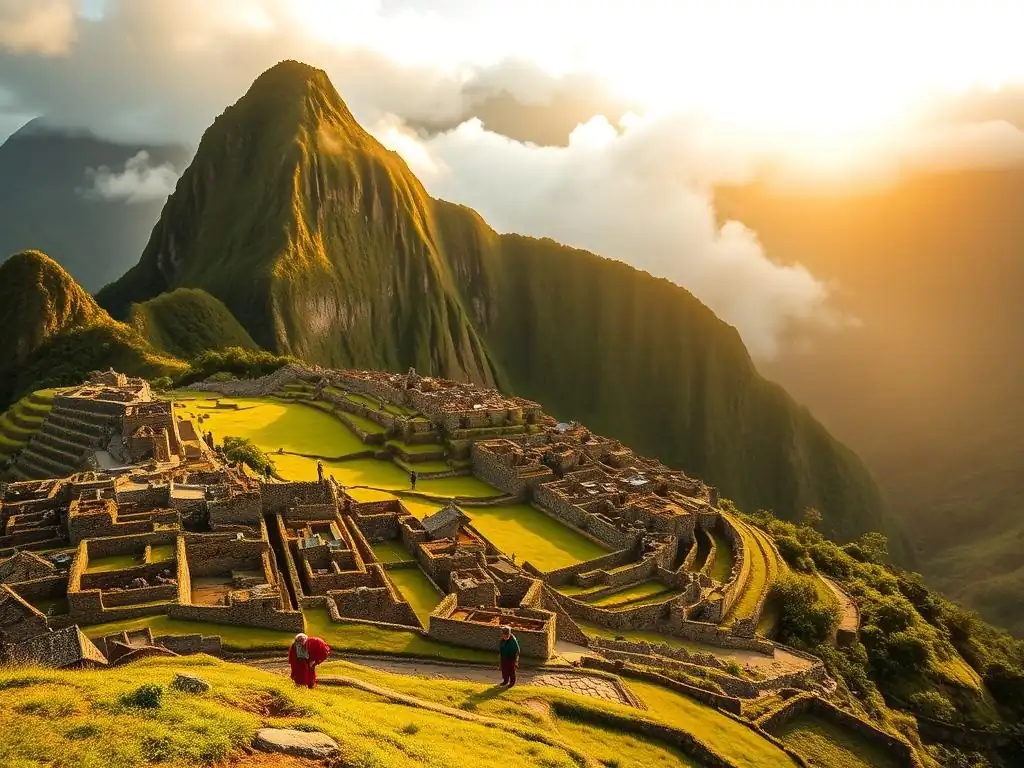
Welcome to Indigenous Civilizations of the Americas, where we invite you on a journey through time to uncover the rich tapestry of indigenous cultures that flourished across the Americas long before European colonization. Today, we delve into the significance of Machu Picchu in Inca society, a breathtaking archaeological marvel that not only represents the ingenuity of its builders but also serves as a sacred retreat among the clouds.
What secrets does this ancient citadel hold, and how did it shape the lives of the Inca people? Join us as we explore these questions and uncover the profound legacy of indigenous civilizations that continue to resonate today.
Introduction to Machu Picchu and Inca Society
Machu Picchu stands as one of the most iconic symbols of the Inca Empire, capturing the imagination of historians, archaeologists, and travelers alike. Nestled high in the Andes Mountains of Peru, this remarkable site serves not only as a breathtaking archaeological marvel but also as a vital piece of the intricate tapestry of Inca society.
As we delve into its significance, we will explore how Machu Picchu was more than just an architectural feat; it was a sacred retreat that played a central role in the spiritual and cultural identity of the Incas. Understanding the multifaceted significance of Machu Picchu allows us to appreciate the depth of Inca civilization and its enduring legacy.
Overview of Machu Picchu's Historical Significance
Machu Picchu was constructed in the 15th century during the reign of the Inca emperor Pachacuti, serving as a royal estate and a religious site. Its location, perched above the Urubamba River valley, was strategically chosen for both its defensive advantages and its proximity to sacred agricultural terraces. The site's intricate stonework, advanced engineering, and harmonious integration with the surrounding landscape underscore the ingenuity of Inca builders.
The discovery of Machu Picchu by Hiram Bingham in 1911 brought global attention to the site, revealing previously unknown aspects of Inca civilization. Today, it is recognized as a UNESCO World Heritage Site and one of the New Seven Wonders of the World, attracting millions of visitors each year. The continued research and excavation at Machu Picchu contribute to our understanding of the Inca Empire's history and cultural practices.
Importance of Machu Picchu in Inca Culture
Machu Picchu was not merely a residence; it held profound spiritual significance for the Incas. The site is believed to have been a ceremonial center, dedicated to the worship of Inti, the sun god, who was central to Inca cosmology. The layout of the structures, including temples, altars, and agricultural terraces, reflects a deep connection to their beliefs and rituals.
Inca society placed great emphasis on the relationship between the natural world and the divine. Machu Picchu’s design, with its alignment to astronomical events, demonstrates the Incas' sophisticated understanding of astronomy and their desire to harmonize their environment with their religious practices. This sacredness imbued the site with a sense of reverence that permeated various aspects of Inca life.
The Historical Context of Inca Society
The Rise of the Inca Empire
The emergence of the Inca Empire in the early 15th century marked a significant transformation in the Andean region. Through a combination of military conquest, strategic alliances, and cultural assimilation, the Incas expanded their territory, ultimately controlling a vast expanse of land across modern-day Peru, Ecuador, Bolivia, and parts of Chile and Argentina. The rise of the empire was characterized by a centralized government, advanced agricultural practices, and impressive architectural achievements, including the construction of extensive road networks and monumental cities like Machu Picchu.
The Incas were adept at integrating diverse cultures and managing resources across their empire, which contributed to their stability and prosperity. Their ability to create a cohesive society, despite vast geographical and cultural differences, laid the groundwork for Machu Picchu to flourish as a center of power and spirituality.
Social Structure and Organization of Inca Society
Inca society was structured around a hierarchy that emphasized collective identity and community responsibilities. At the top was the Sapa Inca, the emperor, who was believed to be descended from the sun god Inti. Below him were the nobles, priests, and military leaders, who played crucial roles in governance and religious ceremonies. The majority of the population consisted of farmers, artisans, and laborers who contributed to the empire's agricultural and economic stability.
The Incas practiced a form of reciprocal labor known as mit'a, where community members worked on state projects, including the construction of Machu Picchu. This system reinforced social cohesion and ensured that labor was distributed fairly among the population. The organization of society around shared responsibilities and communal values cultivated a strong sense of identity, which was reflected in the reverence for sacred sites like Machu Picchu.
By understanding the significance of Machu Picchu within the broader context of Inca society, we gain insights into the cultural, spiritual, and organizational complexities of one of the most remarkable civilizations in history.
Machu Picchu's Architectural Marvel
Machu Picchu stands as a testament to the ingenuity and advanced engineering skills of the Inca civilization. Nestled high in the Andes Mountains, this iconic site is not only a breathtaking visual spectacle but also a sophisticated architectural accomplishment. Its construction showcases the Inca's deep understanding of their environment, including the use of local materials and knowledge of seismic activity. The careful planning and execution of Machu Picchu's layout reveal a complex relationship between nature and human habitation, emphasizing the Incas' respect for their surroundings and their ability to harmonize their structures with the landscape.
Design and Construction Techniques of Machu Picchu
The design of Machu Picchu is characterized by its precise stonework and clever use of terracing. The Incas employed a technique known as "ashlar," where stones were cut to fit together without mortar, allowing the structures to withstand earthquakes. This method not only demonstrated their advanced masonry skills but also contributed to the longevity of the site.
Terracing played a crucial role in agriculture and erosion control, enabling the Incas to cultivate crops on the steep slopes. The site features more than 700 terraces, which were meticulously constructed to prevent soil erosion and maximize agricultural productivity. The drainage system, comprising channels and wells, highlights the Incas’ advanced understanding of hydrology, ensuring that the structure remained stable and functional even during heavy rainfall.
Symbolism Behind Machu Picchu's Architecture
Machu Picchu's architecture reflects the Inca worldview, where every element is imbued with meaning. The site’s orientation and layout are intricately tied to astronomical events, such as the solstices, signifying its role as a ceremonial space. Key structures, like the Temple of the Sun, were designed to align with celestial bodies, further enhancing the site's sacredness.
The use of specific shapes, such as in the construction of the Intihuatana stone, which means "hitching post of the sun," signifies the Inca's connection to the sun god, Inti. This stone was believed to be a ritualistic altar used for astronomical observations and agricultural calendars, emphasizing the Incas' reliance on solar cycles for farming. The careful placement of buildings and pathways within Machu Picchu showcases a deep spiritual connection to the landscape, embodying the Inca philosophy of living in harmony with nature.
The Sacred Significance of Machu Picchu
Machu Picchu was not merely a royal retreat; it was a spiritual nexus for the Inca civilization. The site served as a pilgrimage destination, where people would come to connect with the divine and seek guidance. Its remote and elevated location added to its mystique, making it a place of reflection and worship.
Spiritual Practices at Machu Picchu
The spiritual practices at Machu Picchu revolved around the worship of deities, particularly the sun god, Inti. Rituals conducted at the site often included offerings of llama fat, maize, and other goods to honor the gods. The Intihuatana stone, located at the highest point of the site, played a central role in these ceremonies, believed to serve as a spiritual anchor that connected the earth and the heavens.
Additionally, the Inca used the natural features surrounding Machu Picchu to enhance their spiritual experiences. Caves and water sources were often viewed as sacred, and the landscape was imbued with stories and legends that further enriched their spiritual practices. The synthesis of nature and architecture at Machu Picchu created a unique environment for meditation and connection with the divine.
Machu Picchu as a Religious Center in Inca Society
As a religious center, Machu Picchu was integral to the Inca social structure. It served as a place where the ruling elite could engage in religious practices and where rituals could be performed to ensure the favor of the gods. The site was also a hub for priests and other religious leaders who played a crucial role in mediating between the divine and the people.
The combination of its architectural beauty and its sacred purpose made Machu Picchu a significant site for the Incas, reinforcing their cultural identity and religious beliefs. The site continues to draw interest today, symbolizing the rich spiritual heritage of the Inca civilization and their enduring legacy in the Americas.
Machu Picchu's Role in Inca Governance
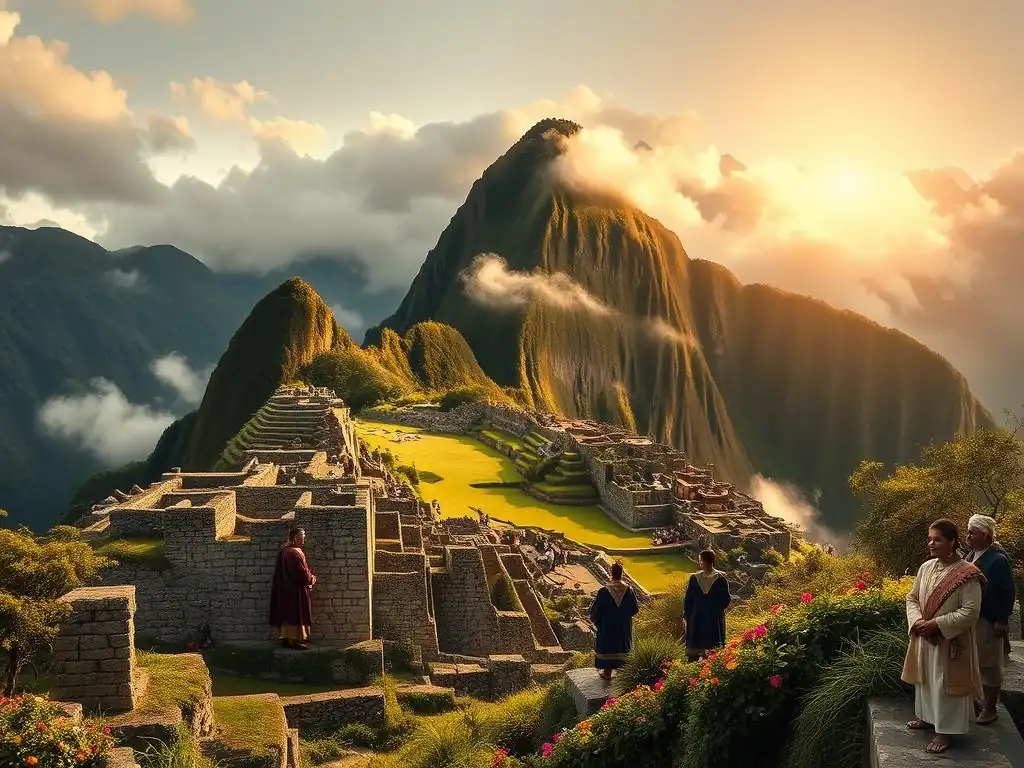
Machu Picchu served as a crucial administrative center within the Inca Empire, exemplifying the sophisticated governance structure that characterized Inca society. Positioned strategically in the Andes mountains, this iconic site facilitated the exercise of political power and the management of resources across vast territories. Its elevated location not only provided defensive advantages but also allowed for effective communication with other key regions of the empire. The governance functions of Machu Picchu were multifaceted, encompassing various administrative tasks essential for maintaining the cohesion and efficiency of Inca rule.
Administrative Functions of Machu Picchu
The administrative functions of Machu Picchu included overseeing agricultural production, resource distribution, and labor management. This site likely housed bureaucratic officials who collected tribute from surrounding communities, ensuring that the demands of the state were met. The abundance of agricultural terraces suggests that Machu Picchu was integral to food production, allowing the Incas to sustain their population and military forces.
Additionally, records indicate that the Incas utilized a system of quipus—colorful knotted strings—to keep track of resources and labor contributions. These records facilitated the efficient administration of the empire and reflected the organized nature of Inca governance. The presence of storage facilities and workshops at Machu Picchu further illustrates its role as a logistical hub where resources could be stored and distributed as needed.
Connection to the Inca Ruler and Elite
Machu Picchu was not only an administrative center but also a retreat for the Inca elite, particularly for the Sapa Inca, the emperor of the Inca Empire. This connection to the ruler underscored the site's significance as a symbol of power and divine authority. The architecture and layout of Machu Picchu reflect the Inca's reverence for their leaders, with structures designed to honor the elite's cultural and spiritual practices.
Moreover, the site's design allows for ceremonial activities, further reinforcing its importance in Inca governance. It is believed that the Sapa Inca utilized Machu Picchu as a place for spiritual reflection and decision-making, where he could connect with the gods and seek guidance. This dual role—both administrative and spiritual—highlights the intertwined nature of governance and religion in Inca society, making Machu Picchu a pivotal site for the ruling elite.
The Economic Impact of Machu Picchu
Machu Picchu's significance extends beyond governance; it played a vital role in the economic framework of the Inca Empire. The strategic location of the site enabled it to act as a center for agricultural production and trade, contributing to the empire's overall prosperity. The economic activities centered around Machu Picchu facilitated resource management and trade exchanges that were crucial for sustaining the Inca population and military.
Agriculture and Resource Management in Inca Society
The terraces of Machu Picchu are a testament to the advanced agricultural practices employed by the Incas. These terraces not only increased arable land but also demonstrated sophisticated irrigation techniques that optimized water usage in the mountainous terrain. Crops such as maize, potatoes, and quinoa were cultivated, ensuring food security for both the local population and the elite residing in Machu Picchu.
The management of these agricultural resources was essential for the Inca Empire's economy. The surplus produced at Machu Picchu could be redistributed to support the military and other regions of the empire. This agricultural efficiency was crucial for maintaining social order and fulfilling the tribute demands imposed on conquered territories, showcasing the interconnectedness of agriculture and governance in Inca society.
Trade Routes and Economic Exchange Linked to Machu Picchu
Machu Picchu's location also positioned it along vital trade routes that facilitated economic exchange. The site served as a junction connecting different regions of the empire, enabling the movement of goods, including textiles, ceramics, and agricultural products. This trade network was essential for the distribution of resources and the integration of diverse cultural influences throughout the Inca Empire.
The significance of Machu Picchu in trade is further reflected in its role as a waypoint for travelers and traders. The well-developed road systems that led to Machu Picchu allowed for the efficient transport of goods, ensuring that the economic activities of the region thrived. As such, Machu Picchu not only represented a spiritual and political center but also acted as a crucial economic hub that contributed to the overall success and stability of Inca society.
Preservation and Legacy of Machu Picchu
Machu Picchu stands as a monumental testament to the architectural genius and cultural richness of the Inca civilization. Its preservation is crucial not only for understanding Inca society but also for appreciating the intricate relationship between the indigenous peoples and their environment. The site's unique location in the Andes Mountains has contributed to its preservation, as its remote nature helped shield it from the ravages of colonial exploitation for centuries.
The legacy of Machu Picchu extends beyond its physical structures; it embodies the spiritual and societal values of the Incas. The site is believed to have served multiple purposes, including religious worship, agricultural experimentation, and as a royal retreat. Subsequent studies have revealed that Machu Picchu was intricately designed with a sophisticated understanding of astronomy and geography, suggesting that the Incas utilized the site for both ceremonial and practical purposes. This multidimensionality enhances its significance, making it an essential subject of study for historians and archaeologists alike.
Modern Understanding of Machu Picchu's Inca Society Significance
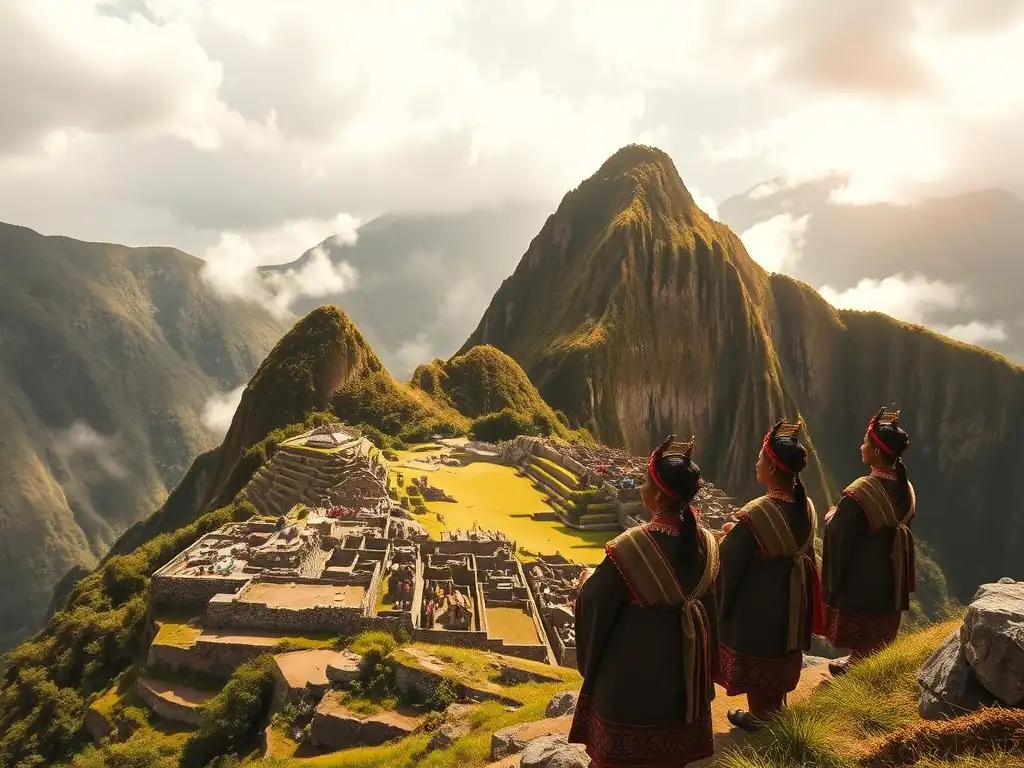
Today, Machu Picchu is recognized as a UNESCO World Heritage Site, which underscores its importance in the global context of cultural heritage. Modern scholarship has shifted towards a deeper understanding of the social structures, religious practices, and economic systems that defined the Inca civilization. Researchers have explored how Machu Picchu functioned within the larger framework of Inca society, emphasizing its role as a political and spiritual center.
The significance of Machu Picchu in Inca society can also be seen through its connection to the broader Inca road system, which facilitated trade, communication, and military movement across the empire. Studies have shown that the site likely played a crucial role in the Inca's ability to maintain control over vast territories. Furthermore, the discovery of agricultural terraces demonstrates the Incas' advanced agricultural techniques and their deep respect for the land, highlighting how Machu Picchu was a vital part of their ecological and social fabric.
Conservation Efforts and Cultural Heritage
Conservation efforts at Machu Picchu have become increasingly vital in the face of environmental challenges and the impact of tourism. The Peruvian government, along with various international organizations, has implemented measures to mitigate the effects of erosion, climate change, and human activity on the site. These efforts include limiting visitor access to certain areas, restoring original structures, and promoting sustainable tourism practices.
Moreover, the cultural heritage of Machu Picchu is preserved through educational programs that engage both locals and visitors. Initiatives aimed at raising awareness about the Inca civilization's achievements foster a sense of pride among indigenous communities and promote stewardship of the site. Collaborative efforts between the government and local organizations have also sought to empower indigenous peoples, ensuring that they benefit from tourism while preserving their cultural identity.
Conclusion: The Enduring Influence of Machu Picchu in Inca Society
Machu Picchu remains a powerful symbol of the Inca civilization, representing their architectural ingenuity, spiritual beliefs, and deep connection to the land. Its enduring influence continues to inspire admiration and respect for indigenous cultures, as well as a recognition of their contributions to human history. Understanding Machu Picchu's significance within Inca society allows us to appreciate the complexities of their civilization and the wisdom inherent in their practices.
Summary of Machu Picchu's Role in Inca Civilization
Machu Picchu served as a multifaceted site within Inca civilization, encompassing religious, political, and agricultural functions. The careful planning and construction reflect the Incas' advanced understanding of their environment and their commitment to harmony with nature. As a royal retreat and ceremonial center, Machu Picchu was integral to the fabric of Inca society, symbolizing their achievements and aspirations.
Reflecting on the Importance of Machu Picchu Today
Reflecting on the importance of Machu Picchu today, we recognize it not only as an archaeological marvel but also as a beacon of cultural resilience. The site invites us to engage with the stories of the indigenous peoples of the Americas, reminding us of the enduring legacies of their civilizations. As we continue to study and preserve this iconic site, Machu Picchu will undoubtedly remain a focal point for understanding the rich tapestry of human history and the incredible achievements of the Inca civilization.
- Introduction to Machu Picchu and Inca Society
- The Historical Context of Inca Society
- Machu Picchu's Architectural Marvel
- The Sacred Significance of Machu Picchu
- Machu Picchu's Role in Inca Governance
- The Economic Impact of Machu Picchu
- Preservation and Legacy of Machu Picchu
- Modern Understanding of Machu Picchu's Inca Society Significance
- Conservation Efforts and Cultural Heritage
- Conclusion: The Enduring Influence of Machu Picchu in Inca Society
- What was the significance of Machu Picchu in Inca society?
- How did Machu Picchu reflect Inca architectural achievements?
- What role did religion play in the function of Machu Picchu?
- How has Machu Picchu influenced modern perceptions of Inca culture?
- What is the impact of tourism on Machu Picchu today?
Frequently Asked Questions
What was the significance of Machu Picchu in Inca society?
Machu Picchu served as a sacred retreat and a royal estate for Inca leaders, symbolizing their connection to the gods and the land.
How did Machu Picchu reflect Inca architectural achievements?
The site showcases advanced engineering techniques, including terracing, stone masonry, and an intricate water management system that highlight Inca ingenuity.
What role did religion play in the function of Machu Picchu?
Machu Picchu was a spiritual center, housing temples and altars dedicated to Inca deities, which were integral to the society's religious practices and rituals.
How has Machu Picchu influenced modern perceptions of Inca culture?
Today, Machu Picchu is a symbol of Inca heritage and a testament to their cultural achievements, attracting scholars and tourists alike who seek to understand their legacy.
What is the impact of tourism on Machu Picchu today?
Tourism brings economic benefits but also poses challenges, such as environmental degradation and the need for sustainable practices to preserve this historical site.
Final Reflection: The Enduring Significance of Machu Picchu in Inca Society
Machu Picchu stands as a testament to the ingenuity and spirituality of the Inca civilization, embodying the profound connection between nature and culture that resonates even today. As we navigate a world increasingly disconnected from its roots, the significance of Machu Picchu serves as a powerful reminder of the importance of preserving our heritage and understanding the values that shaped our ancestors. The echoes of Inca society, with its reverence for the sacred and the natural world, continue to inspire us to seek balance in our modern lives.
The cultural and social landscape of today is deeply influenced by the lessons we can learn from Machu Picchu and the Inca way of life. The site not only represents architectural brilliance but also a spiritual sanctuary that fostered community and connection with the divine. As we reflect on the importance of such places, we recognize their role in shaping our identity and values. The past is not dead; it is not even past.
– William Faulkner. This quote encapsulates the idea that our history, like Machu Picchu, is alive and continues to inform our present and future.
As we contemplate the significance of Machu Picchu in Inca society, I invite you to reflect on your own connection to heritage and the natural world. Consider how you can incorporate the values of respect, community, and spirituality into your life. Whether through preserving local traditions, engaging with nature, or fostering connections with others, let the spirit of Machu Picchu guide you toward a deeper understanding of your place in the world. Embrace the lessons of the past as you forge a path into the future, ensuring that the legacy of such sacred spaces endures for generations to come.
Unveil the Mysteries of Machu Picchu Today!
Thank you for joining us on this journey through the fascinating role of Machu Picchu in Inca society. We hope you’ve gained valuable insights into its sacred significance and cultural impact. Now, it’s time to take your newfound knowledge a step further!
Here are some actionable steps you can take to enhance your connection with Machu Picchu and share its wonders with others:
- Plan a trip to Machu Picchu and immerse yourself in its history and breathtaking landscapes. Experience the magic firsthand!
- Engage with local communities by learning about their traditions and stories related to Machu Picchu. This will deepen your understanding and appreciation of the site.
- Share this article with friends and family to spread awareness about the importance of Machu Picchu and its legacy in Inca society.
What aspects of Machu Picchu intrigue you the most, and how do you envision experiencing its wonders for yourself?