
Harvesting History: The Agricultural Innovations of the Pueblo Peoples

Welcome to Indigenous Civilizations of the Americas, where we invite you to embark on a captivating journey through the rich tapestry of indigenous cultures that once flourished across the continent. In our featured article, “Harvesting History: The Agricultural Innovations of the Pueblo Peoples,” uncover the remarkable techniques and advancements that transformed their relationship with the land. These innovations not only reflect the ingenuity of the Pueblo Peoples but also lay the groundwork for sustainable practices that resonate even today.
Prepare to be inspired as you explore how these civilizations shaped their environments and left an indelible mark on history. Dive deeper and discover the legacy that continues to influence us all!
- Introduction to Pueblo Peoples Agricultural Innovations
- Historical Context of Pueblo Agricultural Practices
- Key Innovations in Pueblo Agriculture
- Cultural Significance of Agricultural Innovations
- Impact of Pueblo Agricultural Innovations on Future Generations
- Challenges Faced by Pueblo Peoples in Agriculture
- Conclusion: The Enduring Legacy of Pueblo Peoples Agricultural Innovations
-
Frequently Asked Questions
- What are the Pueblo Peoples known for in terms of agriculture?
- How did agricultural innovations impact Pueblo society?
- What role did climate play in Pueblo agriculture?
- How did Pueblo agricultural practices compare to other indigenous cultures?
- What lasting impact did Pueblo agricultural innovations have?
- Final Reflection: Embracing the Legacy of Pueblo Peoples' Agricultural Innovations
- Embrace the Wisdom: Take Action to Honor Indigenous Innovations!
Introduction to Pueblo Peoples Agricultural Innovations
The Pueblo Peoples of the American Southwest are renowned for their remarkable agricultural innovations that not only sustained their communities but also shaped their cultural identity and heritage. Before European colonization, these indigenous groups developed sophisticated farming techniques and practices that enabled them to thrive in the arid landscapes of the region.
Through a combination of environmental adaptation and ingenuity, the Pueblo Peoples created a rich tapestry of agricultural systems that included the cultivation of staple crops such as maize, beans, and squash, often referred to as the “Three Sisters.” This article delves into the various agricultural innovations of the Pueblo Peoples, exploring how their practices not only ensured food security but also fostered social cohesion and cultural continuity.
Overview of Pueblo Peoples and Their Heritage
The Pueblo Peoples, primarily located in present-day New Mexico, Arizona, and parts of Colorado, are composed of various tribes, including the Hopi, Zuni, Taos, and Acoma. Each tribe possesses a unique cultural heritage, yet they share a common ancestry that traces back to the ancient Ancestral Puebloans, also known as the Anasazi.
Pueblo societies are distinguished by their distinctive adobe dwellings, intricate pottery, and vibrant spiritual practices. These communities are deeply connected to the land, with a profound understanding of their environment that informs their agricultural practices. Their heritage reflects a harmonious relationship with nature, emphasizing sustainability and respect for the earth. Through ceremonies, storytelling, and art, the Pueblo Peoples preserve their rich history and agricultural knowledge, passing it down through generations.
Importance of Agriculture in Pueblo Societies
Agriculture holds a central place in Pueblo life, serving as the backbone of their economy and social structure. The Pueblo Peoples developed advanced farming techniques that allowed them to cultivate crops in some of the most challenging environments. Techniques such as dry farming, irrigation systems, and the use of terraces enabled them to efficiently manage water resources and maximize crop yields.
The significance of agriculture extends beyond mere sustenance; it is woven into the fabric of Pueblo culture. Agricultural cycles dictate the rhythm of life, with planting and harvest seasons marked by communal celebrations and rituals. These traditions not only reinforce community bonds but also connect the Pueblo Peoples to their ancestors and the spiritual realm.
The agricultural innovations of the Pueblo Peoples are a testament to their resilience and adaptability, illustrating how these indigenous communities have thrived in harmony with their environment for centuries. As we explore the various advancements made by the Pueblo Peoples in agriculture, we gain deeper insight into their enduring legacy and the vital role agriculture plays in indigenous societies.
Historical Context of Pueblo Agricultural Practices
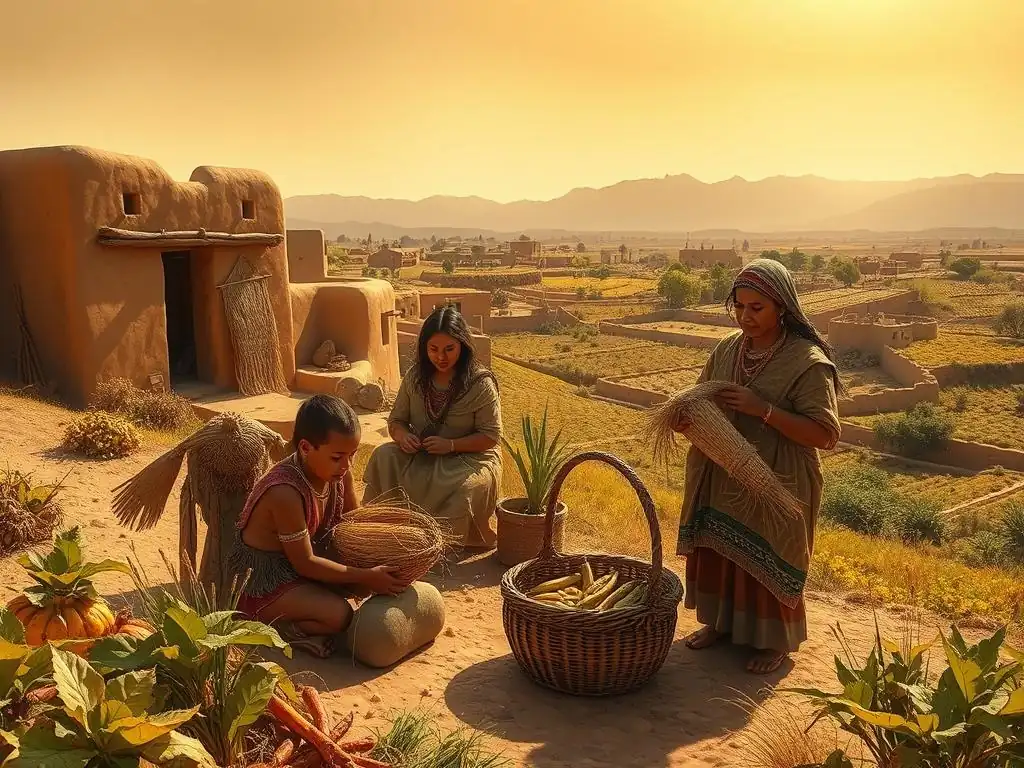
The Pueblo Peoples, primarily located in the Southwestern United States, developed a rich agricultural tradition that laid the foundation for their societies long before European contact. Their agricultural practices were deeply intertwined with their cultural, spiritual, and social lives, reflecting a sophisticated understanding of their environment.
Pre-Colonization Agricultural Techniques
The agricultural innovations of the Pueblo Peoples were characterized by their ability to adapt to the arid climate and diverse terrains of the Southwest. Key techniques include:
- Dryland Farming: The Pueblos utilized dryland farming methods, which involved planting crops in the cooler months to take advantage of seasonal rains. This technique was essential for growing staple crops like maize (corn), beans, and squash, often referred to as the "Three Sisters." These crops were not only nutritionally complementary but also supported each other's growth.
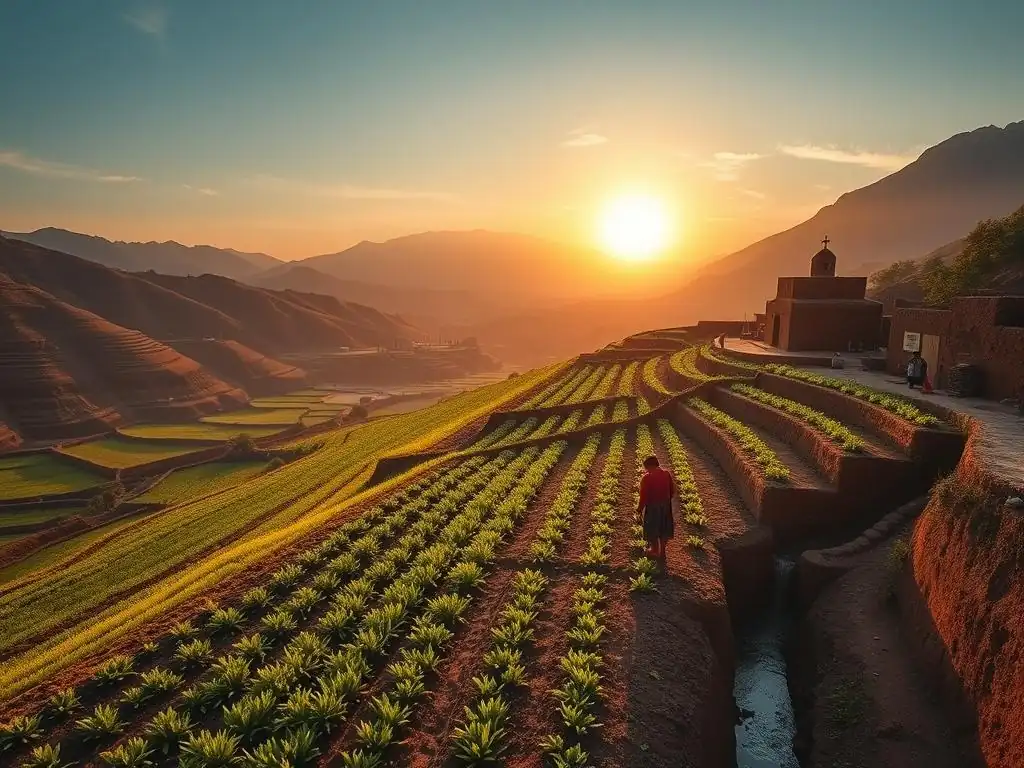
- Terracing: In the more mountainous regions, the Pueblos constructed terraces to create flat areas for cultivation. This method helped prevent soil erosion and maximized arable land, allowing them to farm in an otherwise challenging environment.
- Irrigation Systems: The Pueblo Peoples developed intricate irrigation systems to manage water from rivers and streams. They built canals and ditches, which diverted water to their fields, enabling them to sustain agriculture even during dry periods. The use of check dams and small reservoirs further enhanced their ability to harness water resources.
- Crop Rotation and Soil Management: To maintain soil fertility, Pueblo farmers practiced crop rotation and used organic fertilizers, such as animal manure. This sustainable approach ensured that the land remained productive over time, reflecting their deep knowledge of ecological balance.
The Role of Climate and Geography in Farming
The geography and climate of the Southwest played a crucial role in shaping the agricultural practices of the Pueblo Peoples. Key factors include:
- Arid Climate: The region's low rainfall necessitated innovative farming techniques. The Pueblos had to be resourceful, developing methods that conserved water and adapted to the limited moisture available.
- Diverse Ecosystems: The varied ecosystems found in the Southwest, from desert to mountainous regions, allowed the Pueblo Peoples to cultivate a wide range of crops. They were adept at selecting seeds that thrived in their specific environments, enhancing their food security.
- Seasonal Cycles: Understanding the seasonal cycles of rain and temperature was vital for successful farming. The Pueblo Peoples timed their planting and harvesting according to these natural rhythms, ensuring optimal crop yields.
- Cultural Significance of Agriculture: Agriculture held profound cultural and spiritual significance for the Pueblo Peoples. Farming was often accompanied by rituals and ceremonies that celebrated the earth's bounty and reflected their respect for nature.
The agricultural innovations of the Pueblo Peoples were not only practical adaptations to their environment but also integral to their identity and way of life. Their legacy of sustainable farming practices continues to influence agricultural methods in the region today, showcasing the enduring impact of their ingenuity and deep connection to the land.
Key Innovations in Pueblo Agriculture
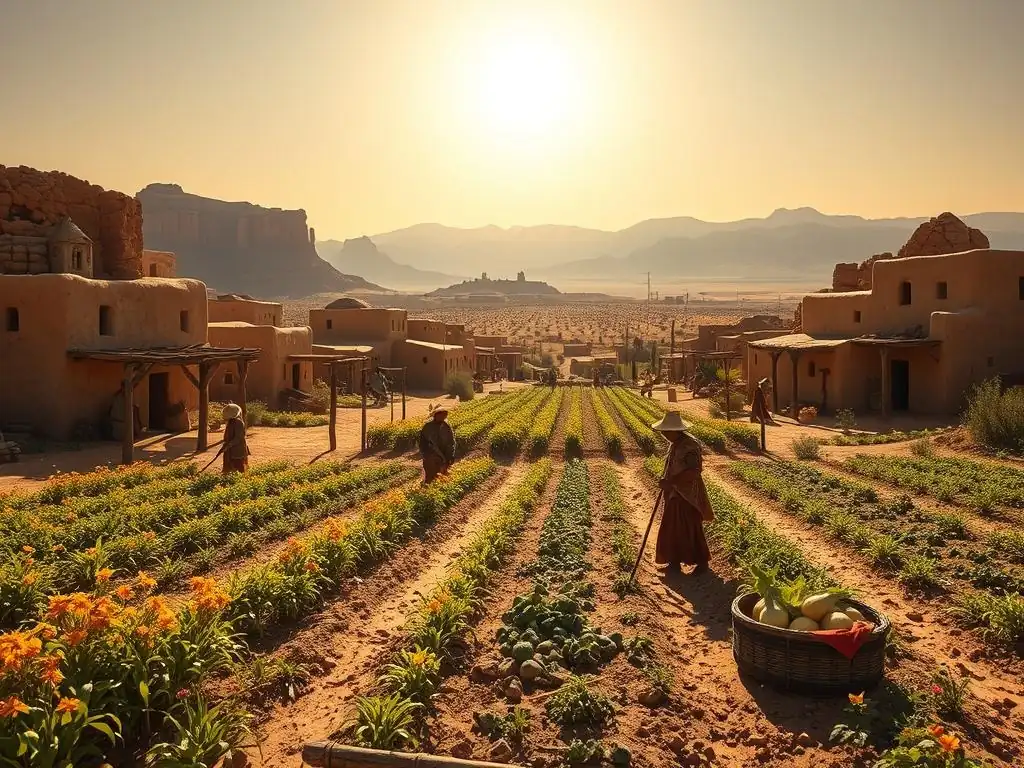
Irrigation Systems Developed by Pueblo Peoples
The Pueblo Peoples, residing in the arid regions of the Southwestern United States, were pioneers in agricultural innovation, particularly in the realm of irrigation. Their understanding of water management was critical to their ability to cultivate crops in a challenging environment.
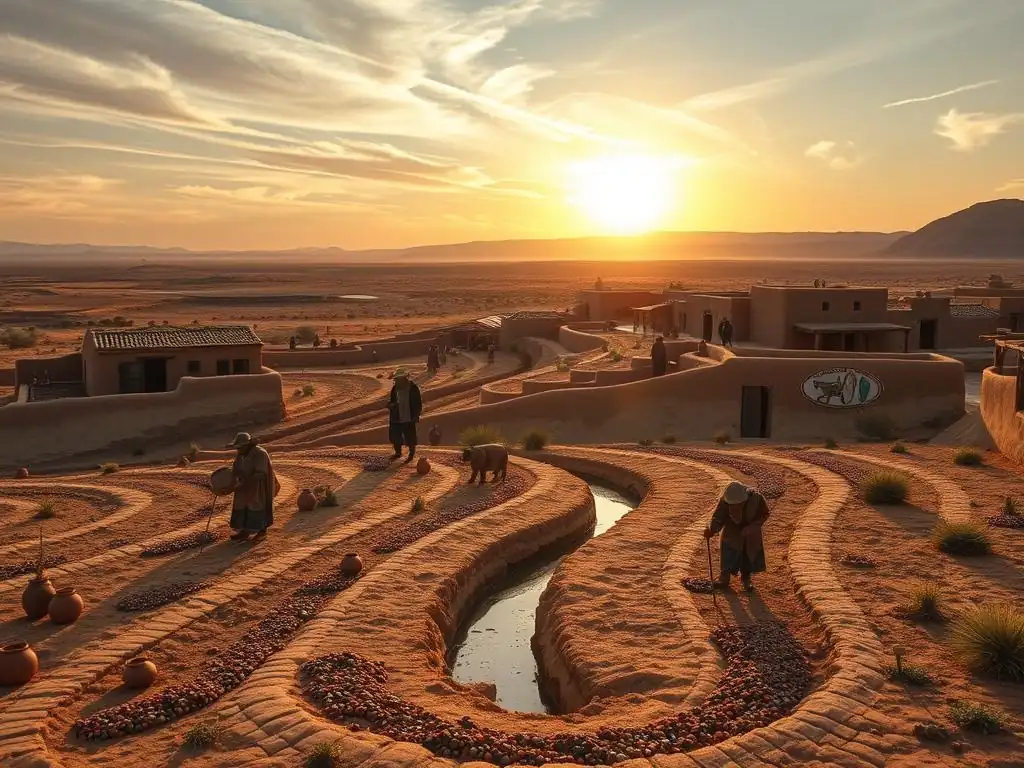
- Constructed Canals and Ditches: The Puebloans developed intricate systems of canals and ditches to divert water from nearby rivers and streams. These channels were carefully engineered to optimize water flow to fields, ensuring that crops received the necessary hydration.
- Terracing Techniques: To combat soil erosion and maximize arable land, the Pueblo Peoples constructed terraces on hillsides. This method not only reduced runoff but also allowed for greater water retention and sun exposure for the crops.
- Check Dams: Small earthen dams were built in natural washes to slow down water flow, allowing it to percolate into the ground and recharge aquifers. This sustainable practice exemplified their deep understanding of local ecosystems.
The success of these irrigation systems was vital for the cultivation of staple crops such as maize, beans, and squash, which formed the backbone of their diet and culture.
Crop Rotation and Companion Planting Techniques
The Pueblo Peoples employed advanced agricultural practices such as crop rotation and companion planting, which played a significant role in maintaining soil fertility and promoting biodiversity.
- Crop Rotation: By alternating crops in a sequence, the Puebloans could prevent soil depletion and control pests. For example, planting maize one season and beans the next allowed the beans to fix nitrogen in the soil, enriching it for future crops.
- Companion Planting: This technique involved planting different crops in proximity for mutual benefit. A well-known combination is the "Three Sisters" method, where maize, beans, and squash were planted together. The maize provided a structure for the beans to climb, while the squash spread out and shaded the ground, reducing weeds and retaining moisture.
These practices not only increased agricultural yield but also promoted a balanced ecosystem, showcasing the Pueblo Peoples’ sophisticated understanding of sustainable agriculture.
Use of Native Seed Varieties for Resilience
The Pueblo Peoples were adept at selecting and cultivating native seed varieties that were well-suited to their environmental conditions, ensuring resilience against drought and pests.
- Local Adaptation: Seeds such as blue corn and tepary beans were specifically chosen for their ability to thrive in arid climates. These native varieties had evolved over generations, making them more resilient to local pests and diseases.
- Seed Saving Practices: The Puebloans practiced seed saving, meticulously selecting the best seeds from their harvest for replanting. This not only ensured the continuation of robust crop varieties but also fostered biodiversity within their agricultural systems.
- Cultural Significance: The cultivation of native crops was deeply intertwined with Pueblo culture, spirituality, and identity. Many crops held ceremonial importance, reflecting the community's relationship with the land and their agricultural practices.
By focusing on native seed varieties, the Pueblo Peoples not only enhanced their food security but also preserved their agricultural heritage, which continues to influence contemporary farming practices.
Cultural Significance of Agricultural Innovations
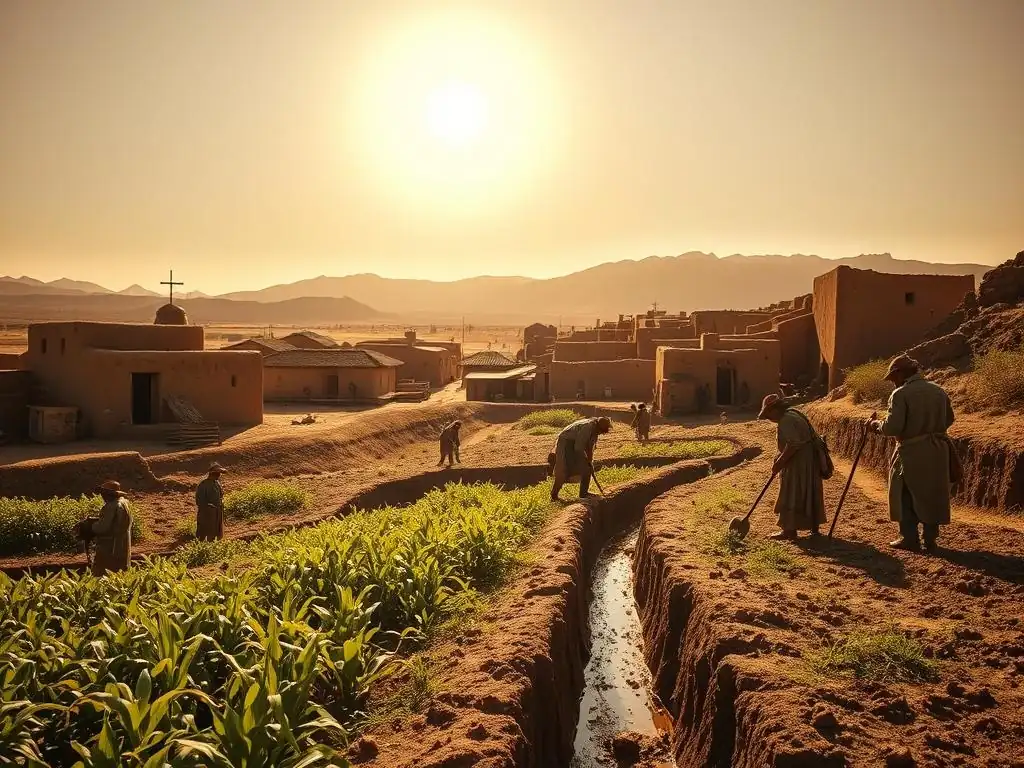
The agricultural innovations of the Pueblo Peoples are not merely practices aimed at sustenance; they are deeply intertwined with their cultural identity and spiritual beliefs. The significance of these innovations extends beyond practical applications, reflecting a profound respect for the land and its resources. This section delves into the spiritual and communal dimensions of Pueblo agricultural practices, highlighting how these elements shape their worldview and cultural expressions.
Spiritual Connection to the Land and Crops
The Pueblo Peoples maintain a spiritual connection to their agricultural practices, viewing farming as a sacred act. This relationship is founded on the belief that the earth is a living entity deserving of respect and care. Crops, particularly corn, beans, and squash—often referred to as the "Three Sisters"—are not just food sources but are also integral to their cosmology and rituals.
- Corn holds a special place in Pueblo culture, symbolizing life and sustenance. According to traditional beliefs, the first Puebloans emerged from the earth, and corn was gifted to them by the Earth Mother. This connection is celebrated during various ceremonies, such as the Corn Dance, where community members express gratitude for the harvest and seek blessings for future crops.
- Water is another crucial element in Pueblo agriculture, often personified as a deity. The Pueblo peoples employ intricate irrigation systems, reflecting their understanding of water management and their reverence for its life-giving properties. The seasonal rituals surrounding water, including prayers and offerings, underscore the importance of maintaining harmony with natural elements.
Incorporating agricultural practices into spiritual life illustrates the Pueblo Peoples' understanding of the interconnectedness of all living things. This philosophy fosters a sense of responsibility toward the land, ensuring that agricultural innovations are sustainable and respectful of the environment.
Community Practices and Agricultural Festivals
The agricultural innovations of the Pueblo Peoples are celebrated through communal practices and festivals that strengthen social bonds and cultural identity. These events serve as opportunities for communities to come together, share knowledge, and honor their agricultural heritage.
- Agricultural festivals, such as the Harvest Festival, are pivotal in marking the changing seasons and the successful gathering of crops. These festivals often involve communal feasts, dances, and storytelling, where the history and significance of agricultural practices are shared across generations. Participants engage in traditional dances that symbolize planting and harvesting, reinforcing the community's connection to the cycles of nature.
- Cooperative farming practices are also a hallmark of Pueblo agricultural innovations. Families and clans often work together to cultivate the land, share resources, and exchange knowledge about crop management. This communal approach not only enhances productivity but also fosters a sense of unity and collaboration within the community.
- Education and mentorship play crucial roles in preserving agricultural knowledge. Elders pass down traditional farming techniques and the cultural significance of crops to younger generations, ensuring that these practices remain alive. Workshops and communal gatherings facilitate this exchange of wisdom, emphasizing the vital role of agriculture in Pueblo culture.
Through these communal practices and festivals, the Pueblo Peoples not only celebrate their agricultural innovations but also reinforce their collective identity and values. The integration of spirituality, community, and agriculture highlights the profound significance of these practices in shaping the Pueblo way of life, ultimately contributing to their resilience and continuity as a culture.
Impact of Pueblo Agricultural Innovations on Future Generations
Influence on Other Indigenous Cultures
The agricultural innovations of the Pueblo Peoples have had a profound influence on neighboring indigenous cultures and societies throughout the Americas. By developing sophisticated farming techniques suited to the arid Southwest, the Pueblo Peoples set a precedent for effective land use and resource management that resonated with other tribes.
- Irrigation Techniques: The Pueblo Peoples mastered the art of irrigation, utilizing canal systems that allowed them to divert water from rivers and streams to their fields. This technique not only enhanced their crop yields but also inspired neighboring tribes, such as the Hopi and Zuni, to adopt similar irrigation practices, fostering a culture of agricultural efficiency in the region.
- Crop Diversity: The Pueblo Peoples cultivated a diverse array of crops, including maize, beans, and squash—collectively known as the "Three Sisters." This method of companion planting maximized soil fertility and resilience against pests. Other indigenous cultures adopted these crops and techniques, enhancing their agricultural systems and food security.
- Cultural Exchange: As Pueblo agricultural methods spread, they facilitated a rich cultural exchange among tribes. Festivals celebrating harvests became integral to the social fabric of various indigenous communities, promoting unity and shared cultural practices centered around agriculture.
Lasting Legacy in Sustainable Agriculture Practices
The agricultural innovations of the Pueblo Peoples not only served their immediate needs but also established a lasting legacy in sustainable agricultural practices that resonate today. Their methods exemplify a harmonious relationship with the land that is increasingly relevant in contemporary discussions about environmental sustainability.
- Water Conservation: The Pueblo's intricate irrigation systems were designed with water conservation in mind. By utilizing natural topography and gravity to channel water, they minimized waste and ensured that every drop was used effectively. Modern sustainable agriculture continues to draw inspiration from these practices, focusing on water-efficient methods that are crucial in the face of climate change.
- Soil Management: Pueblo farmers practiced crop rotation and soil enrichment techniques that preserved soil health over generations. Their understanding of the importance of maintaining soil fertility through natural amendments has influenced modern organic farming practices and regenerative agriculture, emphasizing the need to nurture the land rather than deplete it.
- Community-Based Agriculture: The Pueblo Peoples emphasized communal farming efforts, fostering a sense of collective responsibility and shared benefit. This model of agriculture is mirrored in contemporary community-supported agriculture (CSA) initiatives, where local farms engage with their communities to provide fresh produce while promoting local economies and reducing carbon footprints.
The agricultural innovations of the Pueblo Peoples have not only shaped their own societies but have also left an indelible mark on subsequent generations and agricultural practices. Their legacy serves as a guide for sustainable agriculture, illustrating the importance of innovation, adaptability, and community in nurturing the land and its resources.
Challenges Faced by Pueblo Peoples in Agriculture
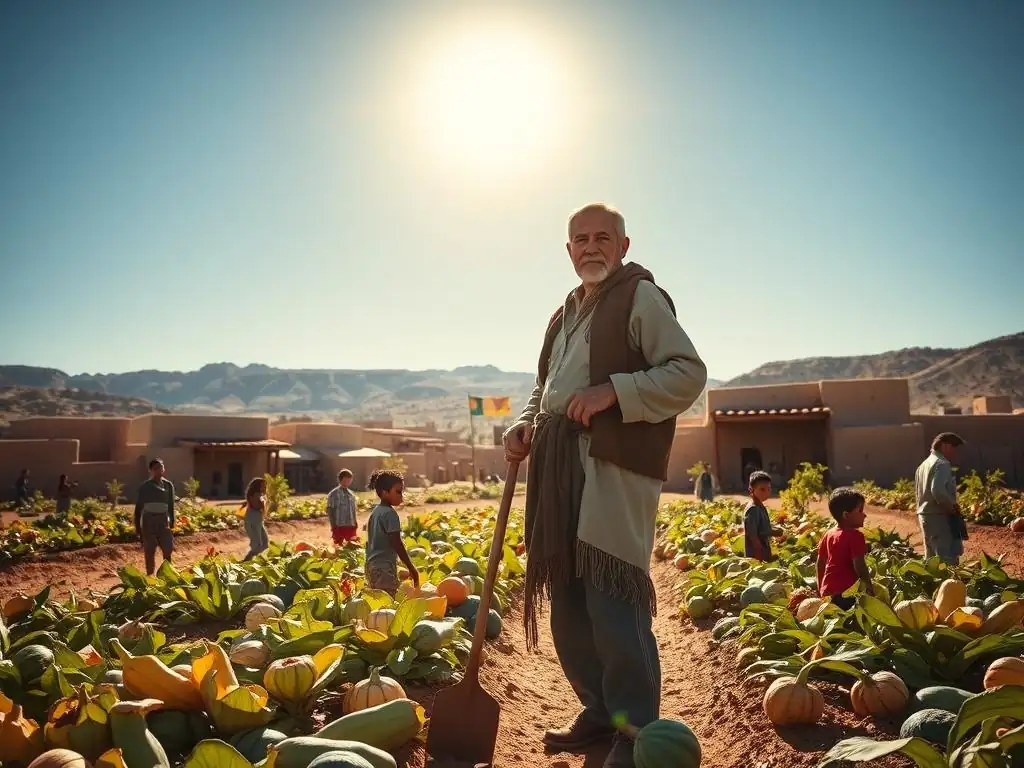
The Pueblo Peoples, known for their sophisticated agricultural practices, faced numerous challenges that impacted their farming methods and food production. These challenges were rooted in both environmental factors and socio-political changes, particularly during and after European colonization.
Effects of European Colonization on Agricultural Methods
The arrival of European settlers in the Americas had profound effects on the agricultural methods of the Pueblo Peoples. One of the most significant changes was the introduction of new crops and farming techniques, which initially appeared to enhance agricultural diversity. However, this also led to a number of adverse effects on traditional practices:
- Displacement and Land Loss: European colonization resulted in the dispossession of land that Pueblo Peoples had cultivated for centuries. The encroachment on their territories disrupted established irrigation systems and traditional farming practices.
- Introduction of New Crops: Although some European crops like wheat and barley were integrated into Pueblo agricultural systems, they often required different cultivation techniques that were not suited to the arid environment of the Southwest. This forced a shift away from traditional crops such as corn, beans, and squash, which had been cultivated using methods finely tuned to local conditions.
- Cultural Disruption: The colonization process not only altered agricultural practices but also disrupted the cultural significance of farming. For the Pueblo Peoples, agriculture was deeply intertwined with their spiritual beliefs and community life. The imposition of European agricultural norms undermined these traditional practices and values.
- Water Resource Management: The introduction of European farming techniques often led to the over-exploitation of local water resources. Traditional Pueblo irrigation systems, which had been developed over generations to suit their specific environmental conditions, faced challenges from European practices that did not consider the sustainable use of water.
Modern-Day Issues in Preserving Traditional Practices
Today, Pueblo Peoples continue to face significant challenges in preserving their agricultural heritage. Modern issues include:
- Climate Change: Altered weather patterns and extreme weather events have affected traditional farming schedules and crop yields. Drought, in particular, is a pressing concern that threatens the viability of crops that require consistent water supply.
- Loss of Knowledge: As younger generations move away from traditional farming, there is a risk of losing valuable knowledge regarding indigenous agricultural practices. This generational gap can lead to a decline in the cultivation of traditional crops and techniques.
- Economic Pressures: Many Pueblo communities face economic challenges that make it difficult to prioritize traditional agriculture. Increased reliance on commercial agriculture can detract from the time and resources available for maintaining heritage practices.
- Environmental Degradation: Modern agricultural practices, including industrial farming, have led to soil depletion and pollution, which can compromise the health of the land that Pueblo Peoples rely on for traditional farming.
Efforts are being made to revitalize and preserve Pueblo agricultural practices, including educational programs that emphasize the importance of traditional farming. By addressing these modern-day issues, the Pueblo Peoples can work towards sustaining their agricultural innovations and ensuring their cultural heritage continues to thrive.
Conclusion: The Enduring Legacy of Pueblo Peoples Agricultural Innovations
The agricultural innovations of the Pueblo Peoples have left an indelible mark on North American agriculture, showcasing their deep understanding of the land and its resources. Their practices were not only crucial for their survival but also laid the groundwork for sustainable farming techniques that resonate even today. By harnessing the unique features of their arid environment, Pueblo communities developed advanced irrigation systems and crop diversification strategies that ensured food security in challenging conditions.
One of the most notable achievements was the construction of intricate irrigation canals that enabled the cultivation of crops in the desert landscape. These systems exemplified the Pueblo Peoples' ingenuity and adaptability, allowing them to thrive in a region where agriculture could have easily faltered. Additionally, their focus on companion planting, notably the Three Sisters—corn, beans, and squash—demonstrated a sophisticated understanding of plant relationships and soil health.
Summary of Contributions to North American Agriculture
The Pueblo Peoples' contributions to agriculture extend beyond their own communities, influencing broader agricultural practices across the continent. Here are some key highlights of their agricultural innovations:
- Irrigation Techniques:
- The Pueblo Peoples developed a network of canals and ditches to divert water from rivers and streams, enabling them to irrigate their crops effectively.
- These techniques not only improved crop yields but also promoted the conservation of water resources, which is increasingly relevant in contemporary discussions about sustainable agriculture.
- Crop Diversity:
- They cultivated a variety of crops suited to their environment, including corn, beans, squash, and melons, which contributed to a balanced diet and agricultural resilience.
- The understanding of biodiversity in crops helped mitigate the risks associated with crop failures due to pests or adverse weather conditions.
- Soil Management:
- The Pueblo Peoples employed methods such as crop rotation and the use of organic fertilizers, which enhanced soil fertility and sustained agricultural productivity over generations.
- Their practices emphasized the importance of nurturing the land, a philosophy that aligns with modern sustainable farming principles.
- Cultural Significance:
- Agriculture was deeply woven into the social and spiritual fabric of Pueblo life, influencing rituals, community gatherings, and their worldview.
- The reverence for nature and the cyclical understanding of life that these practices fostered continue to inform contemporary Indigenous agricultural movements.
Call to Recognize and Preserve Indigenous Agricultural Knowledge
As we reflect on the agricultural innovations of the Pueblo Peoples, it is vital to recognize and preserve their knowledge for future generations. The historical and cultural significance of these practices offers invaluable insights into sustainable agriculture in today's context.
- Educational Initiatives:
- Integrating Indigenous agricultural knowledge into curriculums can foster a greater appreciation for diverse farming practices and their ecological wisdom.
- Workshops and programs that involve Indigenous communities in sharing their traditional techniques can empower new generations of farmers.
- Support for Indigenous Farmers:
- Supporting Indigenous-led agricultural initiatives can help revitalize traditional farming practices and promote food sovereignty within Indigenous communities.
- Collaboration between Indigenous and non-Indigenous farmers can lead to innovative practices that honor both traditional knowledge and modern techniques.
- Policy Advocacy:
- Advocating for policies that recognize and protect Indigenous agricultural rights is crucial in ensuring that these practices are not only preserved but also flourished.
- Encouraging land management practices that respect Indigenous methods can contribute to a more sustainable and equitable agricultural landscape.
The Pueblo Peoples' agricultural innovations are a testament to their resilience, adaptability, and profound connection to the land. By acknowledging and preserving these practices, we can ensure that their legacy continues to impact future generations and contribute to a sustainable agricultural future.
Frequently Asked Questions
What are the Pueblo Peoples known for in terms of agriculture?
The Pueblo Peoples are renowned for their advanced agricultural techniques, including the use of irrigation systems and the cultivation of crops like maize, beans, and squash.
How did agricultural innovations impact Pueblo society?
These innovations allowed the Pueblo Peoples to establish permanent settlements, leading to the development of complex social structures and vibrant cultural practices.
What role did climate play in Pueblo agriculture?
The arid climate of the Southwest necessitated the creation of sophisticated irrigation techniques, which were crucial for sustaining their agricultural practices.
How did Pueblo agricultural practices compare to other indigenous cultures?
Pueblo agricultural practices were unique in their adaptation to the environment, particularly with dry farming techniques, setting them apart from other indigenous groups that relied more on hunter-gatherer lifestyles.
What lasting impact did Pueblo agricultural innovations have?
The agricultural innovations of the Pueblo Peoples influenced farming methods in the region and continue to be relevant today, showcasing their enduring legacy in sustainable agriculture.
Final Reflection: Embracing the Legacy of Pueblo Peoples' Agricultural Innovations
The agricultural innovations of the Pueblo Peoples are not just relics of the past; they are a testament to resilience and ingenuity that resonate profoundly in today's world. As we face pressing challenges such as climate change and food security, the sustainable practices and techniques developed by these communities offer invaluable lessons. Their ability to adapt and thrive in a harsh environment serves as a striking reminder of the power of innovation rooted in tradition.
The impact of Pueblo agricultural innovations extends far beyond their historical context; they continue to shape our cultural and social landscapes today. The principles of sustainability and community-focused farming that the Pueblo Peoples exemplified are increasingly relevant as modern society seeks to reconnect with the land and prioritize ecological balance. As noted by a prominent scholar, Indigenous agricultural practices provide a blueprint for sustainable living that modern society desperately needs.
This ongoing influence encourages us to reflect on our relationship with nature and the importance of preserving indigenous knowledge.
As we conclude this exploration of Pueblo Peoples' agricultural innovations, I invite you to reflect on how these lessons can be integrated into your own life. Consider the ways in which you can adopt sustainable practices, support local agriculture, or engage with indigenous communities to honor their contributions. By embracing these teachings, we not only pay homage to the Pueblo Peoples but also pave the way for a more sustainable and equitable future for all.
Embrace the Wisdom: Take Action to Honor Indigenous Innovations!
Thank you for taking the time to explore the remarkable agricultural innovations of the Pueblo Peoples. By delving into their history, you've uncovered invaluable lessons about sustainability and community resilience that can inspire our modern practices. Now, let's build on this wisdom and take meaningful steps together!
Here are some ways you can further connect with this rich heritage:
- Dive Deeper: Explore the local Indigenous cultures in your area or online. Attend workshops, discussions, or events that highlight their agricultural practices and philosophies.
- Share Your Knowledge: Discuss your insights with friends or share what you’ve learned on social media to raise awareness about the ingenuity of the Pueblo Peoples.
- Support Indigenous Farmers: Seek out and purchase products from Indigenous-owned farms or cooperatives to help uplift their practices and communities.
As we reflect on these incredible stories and contributions, we encourage you to consider: How can you apply the principles of sustainable agriculture you’ve learned to your own gardening or food choices? Let’s continue this conversation and inspire action!