
The Interplay of Nature and Architecture in Indigenous Civilizations: A Comparative Study

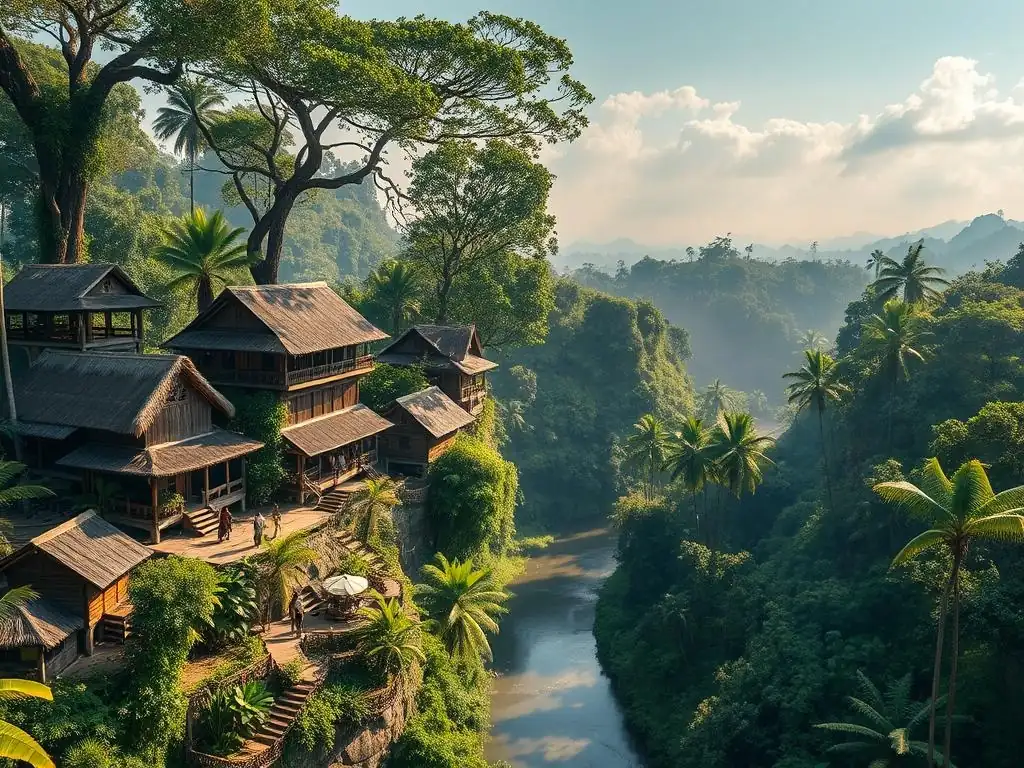
Welcome to Indigenous Civilizations of the Americas, where we invite you to embark on a fascinating journey through the rich tapestry of pre-colonial cultures. In our main article, “The Interplay of Nature and Architecture in Indigenous Civilizations: A Comparative Study,” we delve into the remarkable ways in which these societies harmonized their architectural achievements with the natural world around them. Discover how indigenous architects drew inspiration from their environments to create structures that are not only functional but deeply symbolic.
Prepare to be captivated by their ingenuity, resilience, and the profound legacy they left behind. Join us as we explore these remarkable advancements and uncover the stories that continue to shape our understanding of history.
Introduction to Indigenous Architecture and Nature
Indigenous architecture is a profound expression of the symbiotic relationship between the built environment and the natural world, showcasing the ingenuity and adaptability of various indigenous cultures across the Americas. This article delves into the intricate interplay of indigenous architecture and nature, exploring how the natural environment influenced architectural styles and practices among diverse civilizations before European colonization. By examining these connections, we can better appreciate the innovations and cultural significance embedded in indigenous structures, as well as their lasting impact on contemporary architectural discourse.
Definition of Indigenous Architecture
Indigenous architecture refers to the diverse range of building styles, materials, and techniques developed by indigenous peoples throughout the Americas. These architectural expressions are not merely functional; they embody cultural beliefs, social structures, and communal values. Indigenous architecture often incorporates local materials—such as wood, stone, and earth—demonstrating a deep understanding of the surrounding environment. This architecture is designed to harmonize with nature, reflecting the philosophical and spiritual connections that various indigenous cultures maintain with their landscapes.
The Role of Nature in Shaping Architectural Styles
Nature plays a crucial role in shaping architectural styles among indigenous civilizations. The availability of resources, climate conditions, and geographical features significantly influence design choices and construction techniques. For instance:
- Material Selection: Indigenous peoples often used materials that were abundant in their local environments, such as adobe in arid regions or cedar in coastal areas.
- Orientation and Layout: Many indigenous structures are oriented in relation to natural elements, such as the sun and wind, to maximize energy efficiency and comfort.
- Cultural Symbolism: The incorporation of natural elements into architectural designs often carries deep symbolic meanings, reflecting the spiritual beliefs and cosmologies of the cultures.
By studying these aspects, we can gain insight into how indigenous societies integrated their architectural practices with the natural world, resulting in unique and functional designs.
Historical Context of Indigenous Civilizations
Understanding the historical context of indigenous civilizations is essential to grasp the development and significance of their architectural styles. Various cultures, each with distinct influences, contributed to the rich tapestry of indigenous architecture across the Americas.
Overview of Major Indigenous Civilizations in the Americas
The Americas were home to numerous indigenous civilizations, each with its own architectural achievements. Some of the most notable include:
- The Maya: Renowned for their impressive step pyramids and intricate urban planning, the Maya utilized locally sourced limestone and developed advanced techniques for water management.
- The Inca: Famous for their monumental stone structures and terraced agriculture, the Inca adapted their architecture to the rugged Andean landscape, employing precise stonework that has withstood the test of time.
- The Mississippian Culture: Known for their earthen mounds and complex societies, the Mississippians built large ceremonial centers that reflected their social hierarchies and religious practices.
The Influence of Geography on Architectural Development
Geographical factors significantly influenced the architectural development of indigenous civilizations. Variations in climate, topography, and available resources led to distinct regional styles. For example:
- Desert Regions: In arid areas, such as the American Southwest, adobe structures were common, providing insulation from extreme temperatures.
- Forested Regions: In the Pacific Northwest, indigenous peoples constructed longhouses from cedar wood, utilizing the abundant natural resources.
- Coastal Areas: Coastal civilizations often built stilted houses to protect against rising tides and storms, demonstrating their adaptability to maritime environments.
By examining these influences, we can appreciate the diversity and ingenuity inherent in indigenous architecture, as well as its enduring legacy in contemporary society.
Comparative Analysis of Indigenous Architectural Styles
Indigenous architecture across the Americas showcases a rich tapestry of styles, materials, and techniques that reflect the diverse cultures and environments from which they emerged. The comparative analysis of these architectural styles reveals how different indigenous civilizations adapted to their specific geographical contexts while addressing their social, spiritual, and practical needs.
The architectural styles can be broadly categorized into three regions: Mesoamerica, North America, and South America. Each region exhibits unique characteristics shaped by climate, available resources, and cultural beliefs. For instance, Mesoamerican civilizations such as the Maya and Aztecs constructed monumental temples and pyramids, often aligned with celestial events, whereas North American tribes like the Plains Indians utilized portable structures such as tipis that suited their nomadic lifestyles. South American cultures, particularly the Inca, are known for their impressive stonework and terraced agricultural systems that harmoniously blended with the mountainous landscapes.
Through this comparative lens, we can appreciate how indigenous architecture not only served functional purposes but also acted as a canvas for cultural expression, reflecting the values and beliefs of each civilization. This interplay of nature and architecture is fundamental to understanding the lasting legacy of these indigenous peoples.
Architectural Features of the Mesoamerican Civilizations
Mesoamerican civilizations, including the Maya, Aztecs, and Olmecs, are celebrated for their monumental architecture and intricate designs. The architectural features of these cultures are characterized by the use of locally sourced materials such as limestone, adobe, and volcanic rock. Temples and pyramids, often built as ceremonial centers, were central to Mesoamerican urban planning and were designed to reflect the cosmological beliefs of the societies.
Key architectural features include:
- Pyramids and Temples: Structures like the Pyramid of the Sun in Teotihuacan and the Temple of Kukulkan in Chichen Itza served both religious and astronomical purposes.
- Ball Courts: Unique to Mesoamerican cultures, these courts were integral to social and religious life and were often adorned with intricate carvings.
- Plazas and Courtyards: Central public spaces that facilitated community gatherings and rituals, surrounded by important administrative and religious buildings.
The careful alignment of buildings with solar and lunar cycles highlights the deep understanding of astronomy and the natural world that these civilizations possessed. This architectural sophistication not only served practical functions but also reinforced social hierarchies and religious practices.
Architectural Innovations of North American Indigenous Tribes
North American indigenous tribes exhibited remarkable architectural innovations that were closely tied to their environments and lifestyles. The diversity of climates across the continent resulted in a variety of building styles that met the specific needs of each tribe.
Notable innovations include:
- Tipis: Used primarily by the Plains Indians, these conical structures were made from animal hides and wooden poles, allowing for easy transport and assembly. Their design provided excellent insulation and ventilation.
- Longhouses: Constructed by the Iroquois and other eastern woodlands tribes, these elongated wooden structures housed multiple families and reflected communal living. The use of bark and timber showcased sustainable practices in sourcing materials.
- Adobe Dwellings: Southwestern tribes like the Puebloans developed adobe structures that blended seamlessly with the arid landscape. The use of sun-dried mud bricks allowed for thermal regulation in extreme temperatures.
These architectural forms illustrate the adaptability and resourcefulness of North American indigenous tribes, with each structure serving as a testament to their deep connection with nature and their cultural identities.
The Relationship Between Nature and Architecture in South American Cultures
In South America, indigenous cultures such as the Inca, Aymara, and Mapuche have demonstrated a profound relationship between nature and architecture. Their architectural practices not only reflect the geographical challenges of the Andes and other regions but also highlight a spiritual connection to the land.
Key aspects of this relationship include:
- Terracing and Agriculture: The Inca civilization is renowned for its terraced farming techniques, which maximized arable land in mountainous areas. These terraces were often integrated with agricultural buildings, showcasing a harmonious relationship with the environment.
- Sacred Sites: Many structures, such as Machu Picchu, were built in alignment with natural features like mountains and rivers, emphasizing the spiritual significance of these landscapes. The use of local stone and materials further connected these sites to their surrounding environment.
- Natural Aesthetics: Indigenous architects often utilized natural contours and materials to enhance the beauty and functionality of their buildings, reflecting a philosophy that valued sustainability and ecological balance.
This deep-rooted connection between nature and architecture not only served practical purposes but also reinforced cultural identities and spiritual beliefs, creating a legacy that continues to inspire modern architectural practices.
The Ecological Principles in Indigenous Architecture
Indigenous architecture across the Americas is characterized by a profound understanding of ecological principles. These principles are reflected in building practices that prioritize sustainability, resource conservation, and harmony with the environment. Indigenous peoples have developed architectural traditions that are not only functional but also environmentally responsible, ensuring that their communities thrive without depleting natural resources.
Key ecological principles include:
- Use of Local Materials: Indigenous architects utilized materials that were readily available in their environments, reducing the need for transportation and minimizing ecological impact.
- Energy Efficiency: Many indigenous structures were designed to maximize natural light and airflow, enhancing energy efficiency and comfort throughout the seasons.
- Land Stewardship: Indigenous building practices often included techniques that preserved the surrounding ecosystem, such as rotational farming and selective harvesting, ensuring the land remained productive for future generations.
These ecological principles demonstrate a sophisticated understanding of environmental stewardship that is essential for sustainable living, offering valuable lessons for contemporary architecture.
Sustainability Practices in Indigenous Building Techniques
Sustainability is a core principle in the building techniques of indigenous civilizations. Their practices often involved a deep respect for the environment, ensuring that resources were used judiciously and that the ecological balance was maintained.
Key sustainability practices include:
- Natural Insulation: Many indigenous structures were designed with natural insulating materials, such as straw and clay, which provided comfort while reducing reliance on artificial heating and cooling.
- Water Management Systems: Civilizations like the Inca developed advanced irrigation and water conservation techniques, allowing them to thrive in diverse climates while minimizing waste.
- Recycling and Repurposing: Indigenous peoples often repurposed materials from older buildings or structures, demonstrating a commitment to reducing waste and maximizing resource use.
These sustainability practices highlight the innovative approaches indigenous cultures adopted to harmonize with their environments, creating resilient communities that thrived for generations.
The Cultural Significance of Natural Elements in Architecture
Natural elements play a vital role in the architecture of indigenous civilizations, serving not only functional purposes but also embodying cultural significance. The incorporation of natural materials and elements in architectural design is deeply intertwined with the spiritual and cultural beliefs of indigenous peoples.
Key aspects of cultural significance include:
- Symbolism: Many indigenous structures incorporate symbolic elements that reflect cultural narratives and beliefs, such as the use of specific colors or shapes that hold spiritual meaning.
- Ritual Spaces: Structures like kivas or medicine wheels are designed to facilitate rituals and ceremonies, reinforcing the connection between architecture, nature, and spirituality.
- Representation of Identity: Architectural styles often serve as expressions of cultural identity, with specific designs and materials signifying tribal affiliations and community values.
This cultural significance of natural elements in architecture emphasizes the intertwined relationship between people, their environments, and their beliefs, illustrating how indigenous architecture serves as a reflection of their worldviews and cultural heritage.
Case Studies of Indigenous Architecture and Nature Interplay
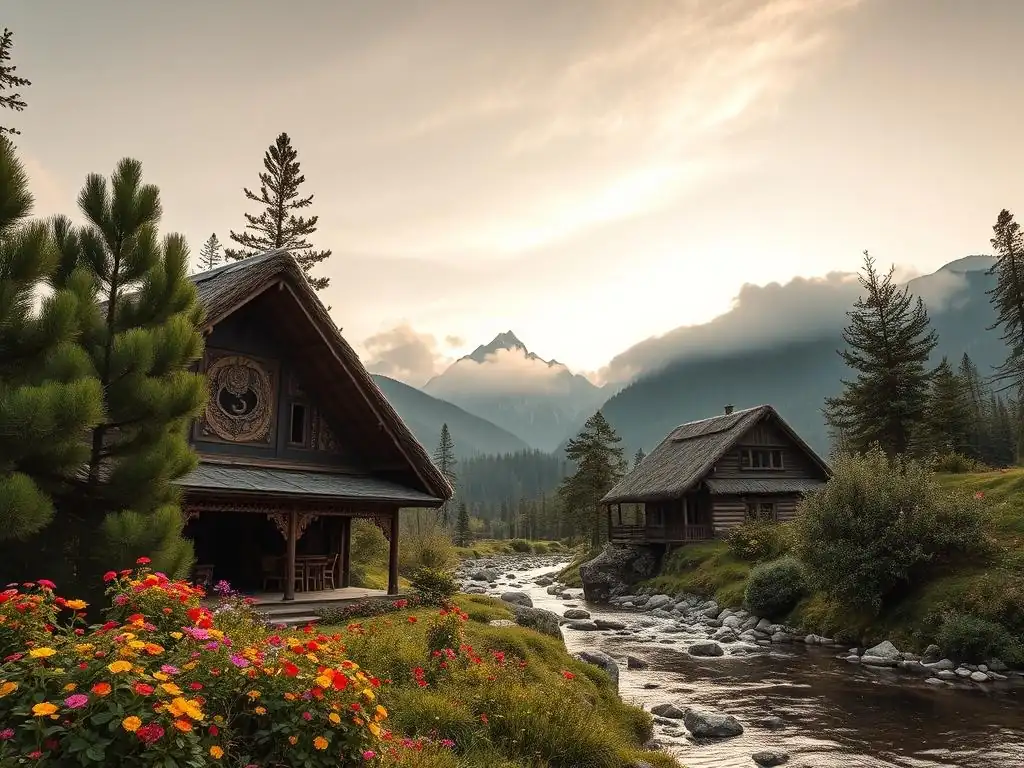
Exploring the relationship between indigenous architecture and nature reveals a rich tapestry of cultural practices and environmental adaptations. Various indigenous civilizations have developed architectural styles that reflect their understanding of and reverence for the natural world. This section delves into specific case studies that illustrate how these cultures harmonized their built environments with their surrounding ecosystems.
Case Study: The Mayan Civilization and Its Connection to Nature
The Mayan civilization, which flourished in Mesoamerica from approximately 2000 BC to the arrival of Europeans in the 16th century, offers a profound example of indigenous architecture intertwined with the natural landscape. The Mayans constructed their cities in areas that provided both resources and strategic advantages. Their architectural designs often incorporated local materials, such as limestone and wood, demonstrating a deep understanding of their environment.
One significant aspect of Mayan architecture is the alignment of their structures with celestial events. Temples and pyramids, such as those at Tikal and Chichen Itza, were often oriented to mark solstices and equinoxes, highlighting the civilization's astronomical knowledge and its connection to nature. Additionally, the use of terraces and raised fields exemplifies how the Mayans adapted their agricultural practices to the surrounding rainforests, allowing them to thrive in a challenging environment.
Moreover, Mayan cities were designed to integrate with their natural surroundings, featuring an extensive network of causeways and water management systems. This relationship between architecture and nature facilitated not only the survival of the civilization but also the flourishing of its cultural practices, ceremonies, and social structures, making it a key example of indigenous architecture reflecting ecological considerations.
Case Study: The Pueblo People and Their Earth-Centric Architecture
The Pueblo people, indigenous to the Southwestern United States, showcase another fascinating relationship between architecture and nature. Their dwellings, often referred to as adobe houses, are constructed from natural materials such as clay and straw, which are abundant in their arid environment. This choice of materials not only reflects a sustainable approach but also ensures that the buildings blend seamlessly with the surrounding landscape.
Pueblo architecture is characterized by its multi-story structures built into cliffs or on mesas, allowing for a natural defense against the elements and potential invaders. The layout of these communities often promotes communal living, with shared spaces that foster social interaction and cohesion. The orientation of homes toward the sun maximizes natural light and warmth, demonstrating a keen awareness of climatic conditions.
Furthermore, the Pueblo people incorporate sacred spaces within their architectural designs, such as kivas—ceremonial structures that serve as places for spiritual gatherings. These elements emphasize the significance of nature in their cultural practices and beliefs, illustrating how their architecture is not merely functional but also deeply symbolic.
Challenges and Modern Relevance of Indigenous Architectural Practices
Despite the rich heritage of indigenous architecture, several challenges threaten the preservation and continuation of these practices in contemporary society. Understanding these challenges is crucial for recognizing the modern relevance of indigenous architectural styles and their relationship with nature.
Preservation of Traditional Techniques in Contemporary Society
As globalization and urbanization sweep across the globe, traditional indigenous architectural techniques face the risk of being overshadowed by modern construction practices. The loss of skilled artisans who possess knowledge of ancient methods poses a significant challenge. Efforts to preserve these techniques are critical, as they represent not only cultural heritage but also sustainable practices that resonate with contemporary environmental concerns.
Many indigenous communities are working to revitalize their architectural traditions through educational programs and workshops, teaching younger generations the importance of their heritage. By integrating these traditional techniques with modern sustainable practices, such as eco-friendly materials and energy-efficient designs, indigenous architecture can evolve while remaining rooted in its cultural significance.
The Impact of Climate Change on Indigenous Architecture
Climate change poses a severe threat to indigenous architecture, particularly for communities that depend on specific environmental conditions for their traditional practices. Rising temperatures, erratic weather patterns, and natural disasters can disrupt the delicate balance that indigenous cultures have maintained with their surroundings for centuries.
For instance, the Pueblo people face challenges related to water scarcity, which affects both their agricultural practices and the materials used in their construction. Similarly, rising sea levels threaten coastal indigenous communities, prompting a re-evaluation of architectural designs to adapt to changing landscapes.
In response, many indigenous groups are advocating for sustainable practices that honor their architectural heritage while addressing contemporary environmental challenges. By recognizing the interconnectedness of nature and architecture, these communities can develop resilient strategies that allow them to thrive amidst the impacts of climate change.
Conclusion
Indigenous architecture and nature are intricately intertwined, reflecting a profound respect for the environment and a deep understanding of ecological systems among various indigenous civilizations. This comparative study reveals how diverse groups adapted their architectural styles to harmonize with their natural surroundings, leading to sustainable practices that not only served their immediate needs but also respected the land they inhabited. The architectural achievements of indigenous peoples illustrate a rich tapestry of cultural expression, ingenuity, and resilience that continues to inspire contemporary design and environmental stewardship.
Summary of Key Findings on Indigenous Architecture and Nature
- Sustainable Practices: Indigenous architectural styles often emphasize sustainability, utilizing locally sourced materials and designs that promote energy efficiency and environmental harmony.
- Cultural Reflection: The architecture of indigenous civilizations serves as a reflection of their cultural beliefs and practices, often incorporating elements that symbolize their relationship with nature.
- Adaptive Strategies: Different indigenous groups developed unique architectural solutions to adapt to their specific environments, whether it be the mud-brick homes of the Pueblo peoples or the longhouses of the Haudenosaunee, showcasing a deep understanding of regional climates and resources.
- Legacy of Knowledge: The knowledge embedded in these architectural practices underscores the importance of indigenous wisdom in fostering sustainable living and ecological balance, which remains highly relevant in contemporary discussions around architecture and environmentalism.
The Importance of Recognizing Indigenous Contributions to Architecture
Acknowledging indigenous contributions to architecture is crucial for several reasons. Firstly, it fosters a deeper appreciation for the innovative solutions developed by these cultures in response to their environments. By recognizing their architectural legacies, we also honor the cultural identities and histories of indigenous peoples, many of whom have faced marginalization and erasure.
Furthermore, understanding indigenous architecture encourages contemporary architects and urban planners to integrate traditional ecological knowledge into modern design. This can lead to more sustainable practices that prioritize environmental health and cultural sensitivity. Finally, recognizing these contributions helps counteract the prevailing narratives that often overlook or undervalue indigenous perspectives, promoting a more inclusive understanding of architectural history.
Call to Action
Encouraging Further Exploration of Indigenous Civilizations and Their Architectural Legacies
To fully appreciate the interplay of nature and architecture in indigenous civilizations, we encourage readers to delve deeper into the study of these rich cultures. Engaging with indigenous architectural histories not only enriches our understanding of past societies but also inspires contemporary practices that honor ecological balance and cultural heritage.
- Visit Museums and Exhibits: Explore local museums featuring indigenous art and architecture to gain firsthand insights into their remarkable designs and materials.
- Read Indigenous Voices: Seek out literature written by indigenous authors that discuss their history, architecture, and the relationship with nature to foster a more nuanced perspective.
- Support Indigenous Communities: Engage with and support indigenous-led projects focused on architectural preservation and cultural education, ensuring that these vital contributions are recognized and celebrated.
By taking these steps, we can contribute to a broader recognition of indigenous architecture and its profound impact on our understanding of sustainable design and cultural expression in the Americas.
- Introduction to Indigenous Architecture and Nature
- Historical Context of Indigenous Civilizations
- Comparative Analysis of Indigenous Architectural Styles
- The Ecological Principles in Indigenous Architecture
- Case Studies of Indigenous Architecture and Nature Interplay
- Challenges and Modern Relevance of Indigenous Architectural Practices
- Conclusion
- Call to Action
- What is the focus of the article "The Interplay of Nature and Architecture in Indigenous Civilizations"?
- How did indigenous civilizations integrate nature into their architectural designs?
- What are some key achievements in indigenous architecture mentioned in the article?
- Why is it important to study indigenous architecture in relation to nature?
- How can this website contribute to a better understanding of indigenous cultures?
Frequently Asked Questions
What is the focus of the article "The Interplay of Nature and Architecture in Indigenous Civilizations"?
The article explores the interrelationship between nature and architecture in various indigenous cultures of the Americas, highlighting how these societies adapted their structures to the natural environment.
How did indigenous civilizations integrate nature into their architectural designs?
Indigenous civilizations often utilized local materials and natural features in their architecture, reflecting a deep understanding of their environmental context and ensuring harmony between their buildings and the landscape.
What are some key achievements in indigenous architecture mentioned in the article?
The article details remarkable architectural achievements, such as the intricate earthworks, advanced irrigation systems, and sustainable building techniques that showcase the ingenuity of indigenous peoples.
Why is it important to study indigenous architecture in relation to nature?
Studying indigenous architecture in relation to nature reveals insights into how these cultures responded to ecological challenges, providing valuable lessons on sustainability and environmental stewardship that are relevant today.
How can this website contribute to a better understanding of indigenous cultures?
This website offers a comprehensive exploration of various indigenous societies, emphasizing their achievements and the lasting impact of their cultures, thereby fostering greater appreciation and awareness of their heritage.
Final Reflection: Embracing the Harmony of Indigenous Architecture and Nature
The intricate relationship between Indigenous architecture and nature is not merely a historical curiosity; it is a profound reminder of how sustainable practices and cultural identity can coexist in harmony. In today's world, where environmental concerns are paramount, the lessons drawn from Indigenous civilizations are more relevant than ever. The way these communities have integrated their built environments with the natural landscape serves as a powerful blueprint for contemporary architecture, urging us to rethink our approach to urban development and environmental stewardship.
Culture is not static; it evolves, yet the foundational principles of Indigenous architecture continue to resonate in our modern society. The respect for the land and the use of local materials reflect a deep understanding of ecological balance that many contemporary architects strive to emulate. As we face the challenges of climate change and urbanization, the wisdom embedded in Indigenous practices offers invaluable insights. Architecture is the thoughtful making of space.
– Louis Kahn. This quote encapsulates the essence of how Indigenous architecture is not just about buildings but about creating spaces that honor and reflect the environment.
As we conclude this exploration, I invite you to reflect on how the principles of Indigenous architecture can inspire your own relationship with nature and the built environment. Consider how you can incorporate these lessons into your daily life, whether through sustainable practices, community engagement, or simply fostering a deeper appreciation for the natural world around you. Let us carry forward the legacy of these civilizations, ensuring that our future developments honor the delicate interplay of nature and architecture, creating spaces that are not only functional but also deeply connected to the earth.
Unleash Your Creativity by Merging Nature and Architecture!
Thank you for joining us in exploring the captivating relationship between nature and architecture as seen in Indigenous civilizations. We hope you found valuable insights into how these cultures seamlessly integrated their built environments with the natural world. Now, it’s time to take that inspiration and put it into action!
- Start a project that incorporates natural elements into your living space, using locally sourced materials or designing a garden that embodies principles inspired by Indigenous cultures.
- Explore Indigenous architecture by visiting local landmarks or museums, and discover the rich stories they convey.
- Share your ideas on how modern architecture can honor and reflect nature by discussing it with friends or engaging in online conversations.
What innovative approaches can you envision to blend your environment with architectural design, drawing inspiration from Indigenous practices?