
Sacred Spaces: The Architecture of Indigenous Ceremonial Sites in North America

Welcome to Indigenous Civilizations of the Americas, where we invite you to embark on a fascinating journey through time, exploring the rich tapestry of indigenous cultures that flourished prior to European colonization. In our featured article, “Sacred Spaces: The Architecture of Indigenous Ceremonial Sites in North America,” we delve into the remarkable indigenous ceremonial architecture that serves as a testament to the spiritual and social sophistication of these societies. Discover how these sacred structures not only reflect the beliefs and practices of the past but also continue to influence contemporary culture.
Prepare to be captivated by the stories woven into these architectural marvels and uncover the profound legacy they leave behind. Let's explore together!
Introduction to Indigenous Ceremonial Architecture in North America
Indigenous ceremonial architecture in North America is a profound testament to the rich cultural heritage and spiritual beliefs of the diverse tribes that inhabited the continent long before European colonization. These structures, ranging from grand earthworks to intricate temples, were not merely functional spaces; they embodied the spiritual, social, and cosmological values of the communities that built them. Each site was designed with purpose and meaning, reflecting the relationship between the people and their environment, as well as their understanding of the cosmos.
From the monumental mounds of the Mississippian cultures to the sacred kivas of the Pueblo peoples, the architectural achievements of Indigenous civilizations reveal a deep connection to the land and a sophisticated understanding of materials and construction techniques. These sites served various roles: as places of worship, community gatherings, and ceremonial observances, creating a tapestry of cultural expression that resonates to this day. The examination of these architectural forms not only highlights the ingenuity of Indigenous peoples but also emphasizes their enduring legacy in contemporary cultures.
As we explore the architectural diversity of these ceremonial sites, we will uncover the complexities of their designs, the rituals performed within them, and their significance in the broader context of Indigenous history and identity.
Significance of Ceremonial Sites in Indigenous Cultures
Ceremonial sites hold immense significance in Indigenous cultures across North America, serving as focal points for spiritual practices, community cohesion, and cultural continuity. These spaces are imbued with meaning, often reflecting the cosmologies and traditions of the tribes that constructed them.
-
Spiritual Connection:
Ceremonial architecture often embodies the spiritual beliefs of Indigenous peoples, acting as a bridge between the physical and metaphysical realms. Structures like the kiva, a circular underground room used by Pueblo people, represent a sacred space for rituals and communal gatherings, emphasizing the connection to ancestors and the spiritual world.
-
Cultural Identity:
These sites are integral to the preservation of cultural identity. They function as venues for traditional ceremonies, storytelling, and community gatherings, reinforcing the values and teachings of Indigenous cultures. For example, the Medicine Wheel in the Plains cultures serves not just as a ceremonial site but also as a representation of the interconnectedness of life and the universe.
-
Architectural Innovation:
The construction techniques and materials used in these ceremonial sites demonstrate remarkable ingenuity. Many Indigenous groups utilized locally sourced materials, such as earth, wood, and stone, to create structures that harmonized with their natural surroundings. This respect for the environment is evident in the careful planning and design of ceremonial spaces, which often align with celestial events.
-
Historical Continuity:
Ceremonial sites also serve as important historical markers, providing insight into the societal structures, beliefs, and practices of Indigenous civilizations over time. They are a testament to the resilience of Indigenous cultures, as many continue to use these spaces for traditional practices, even as they adapt to contemporary challenges.
The significance of Indigenous ceremonial architecture in North America goes beyond mere physical structures; they are vital expressions of cultural identity, spirituality, and historical continuity. Understanding these sites enriches our appreciation of the complex societies that thrived in North America and underscores their lasting influence on contemporary Indigenous life.
Overview of Indigenous Ceremonial Architecture
Indigenous ceremonial architecture in North America encompasses a diverse array of structures that served significant cultural, religious, and social purposes among various tribes and nations. These sites, ranging from grand temples to sacred mounds, reflect the deep spiritual beliefs and practices of indigenous peoples. They are often situated in locations that hold particular significance, such as near water sources, on elevated landscapes, or in areas rich with natural resources. Understanding these architectural forms provides valuable insight into the worldviews and societal structures of indigenous cultures prior to European contact.
Defining Indigenous Ceremonial Architecture
Indigenous ceremonial architecture refers to the buildings and spaces specifically designed for rituals, ceremonies, and communal gatherings among indigenous groups. These structures vary widely in form, construction techniques, and materials used, influenced by the local environment and the cultural practices of each community. They often serve as focal points for community identity and spiritual connection, embodying the values and cosmologies that are central to indigenous life. Examples include kivas of the Pueblo peoples, longhouses of the Haudenosaunee, and earthen mounds of the Mississippian cultures, each uniquely representing the diverse cultural heritage of their respective groups.
Key Characteristics of Ceremonial Structures
The characteristics of indigenous ceremonial structures can be categorized into several key features:
- Materials: Indigenous peoples utilized locally available materials such as wood, stone, earth, and plant fibers. For example, the Pueblo peoples often used adobe for their kivas, while the Mississippians constructed mounds from clay and earth.
- Design: Many ceremonial sites were constructed with specific alignments to celestial bodies, emphasizing the connection between the physical and spiritual realms. For instance, some structures are oriented toward the sunrise or sunset, reflecting the importance of astronomical events in rituals.
- Functionality: Ceremonial structures were designed not only for rituals but also for community gatherings, education, and governance. This multifunctionality underscores the role of these spaces in fostering social cohesion and cultural continuity.
- Symbolism: The architecture often incorporated symbolic elements, such as carvings or painting, that conveyed cultural narratives, spiritual beliefs, and historical events. These symbols served as a form of communication, linking the physical space to the community's identity.
Historical Context of Indigenous Ceremonial Sites
The historical context of indigenous ceremonial sites is essential for understanding their development and significance. These sites have evolved over thousands of years, shaped by various factors, including social organization, belief systems, and environmental conditions.
Pre-Colonial Architectural Practices
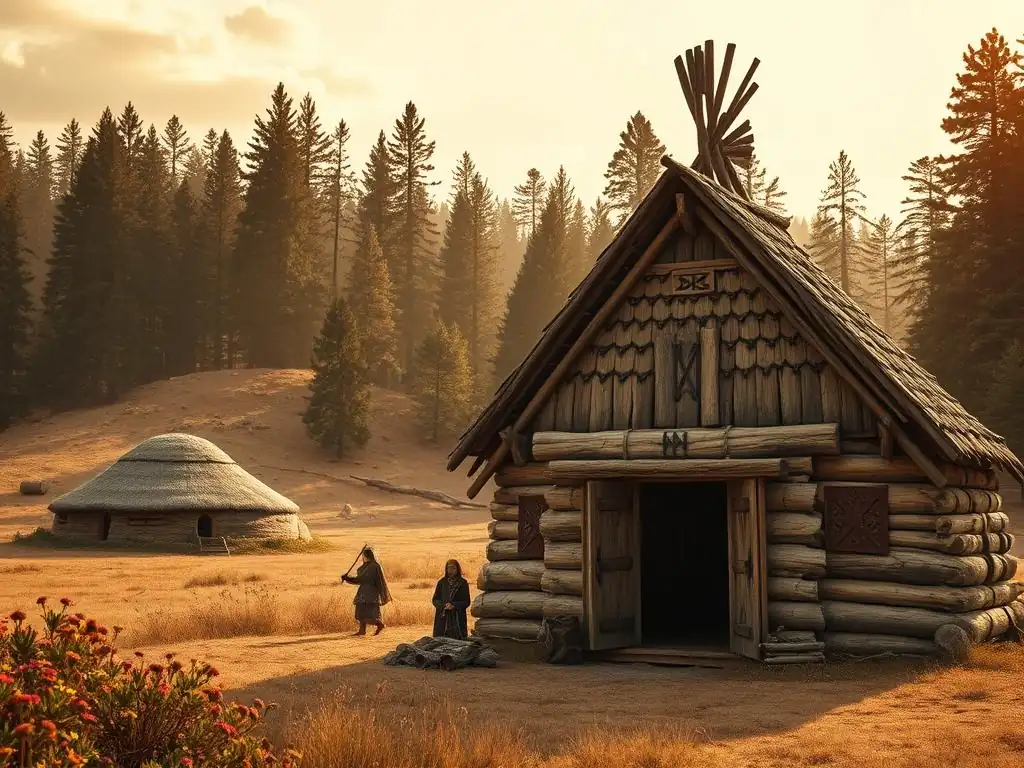
Prior to European colonization, indigenous communities across North America developed sophisticated architectural practices that reflected their unique cultural identities. Many societies constructed permanent structures that were intricately designed and built to last for generations. For example, the Cahokia site in present-day Illinois features large earthen mounds that served ceremonial purposes and demonstrated advanced engineering skills. The longhouses of the Iroquois, built from timber and bark, were communal spaces that reflected their matrilineal social structure and facilitated communal living. These practices illustrate a profound understanding of architecture that blended functionality with spiritual significance.
Influence of Geography on Ceremonial Architecture
Geography played a crucial role in shaping the forms and functions of indigenous ceremonial architecture. The availability of resources and the local climate influenced construction techniques and materials. For instance:
- Coastal Regions: Indigenous groups such as the coastal Salish relied on abundant cedar trees to create longhouses and canoes, which were integral to their cultural practices.
- Plains and Prairies: The nomadic tribes, like the Lakota and Cheyenne, constructed portable tipis that facilitated their migratory lifestyle while serving as ceremonial spaces during gatherings.
- Mountainous Areas: In the Southwest, the Pueblo peoples built multi-story adobe dwellings that were often situated on cliffs, providing both protection and a vantage point for ritual observances.
This geographical diversity not only influenced architectural styles but also shaped the spiritual and cultural practices associated with these spaces, highlighting the intricate relationship between environment, architecture, and indigenous identity.
Types of Indigenous Ceremonial Architecture in North America
Indigenous ceremonial architecture in North America encompasses a diverse array of structures that reflect the spiritual and cultural practices of various tribes and nations. These architectural forms were integral to the social fabric of indigenous communities, serving both sacred and communal purposes. Understanding the different types of ceremonial architecture provides insight into the rich traditions and beliefs of these cultures.
Earthworks and Mounds
Earthworks and mounds are among the oldest forms of ceremonial architecture in North America, often associated with complex societies like the Mississippian culture. These structures, built using earth and other natural materials, served various purposes, including burial sites, ceremonial platforms, and astronomical observatories.
- Types of Earthworks:
- Effigy Mounds: Shaped like animals or human figures, these mounds often held spiritual significance and served as memorials.
- Conical Mounds: Typically used for burials, these mounds signify the importance of the deceased within the community.
- Platform Mounds: Often featuring structures on top, these mounds served as bases for temples or other ceremonial buildings.
The construction of these mounds reflects advanced engineering skills and a deep cultural connection to the land, highlighting the spiritual beliefs that permeated indigenous societies.
Temples and Shrines
Temples and shrines were pivotal in many indigenous cultures, acting as focal points for worship, rituals, and community gatherings. These structures varied greatly in design and function, often reflecting the unique spiritual beliefs of different tribes.
- Notable Features:
- Sacred Orientation: Many temples were aligned with celestial events, such as solstices or equinoxes, underscoring the importance of astronomical knowledge.
- Materials Used: Temples were constructed using locally available materials, including wood, stone, and adobe, depending on the region.
- Ritualistic Decor: Intricate carvings, paintings, and other artistic elements adorned these sites, depicting myths, deities, and ancestral figures.
For example, the Kiva, a circular, underground chamber found among the Pueblo peoples of the Southwest, served as a space for religious ceremonies and communal gatherings, illustrating the blend of architecture and spirituality.
Sweat Lodges and Ceremonial Circles
Sweat lodges and ceremonial circles are essential elements of indigenous spiritual practices, often used for purification rituals and communal gatherings. These spaces are designed to facilitate physical and spiritual cleansing through heat and steam.
- Sweat Lodges: Typically constructed from natural materials like wood and covered with blankets or skins, sweat lodges are small, dome-shaped structures. Participants enter to engage in rituals that promote healing, introspection, and connection with the spirit world.
- Ceremonial Circles: Often marked by stones or earthen mounds, ceremonial circles are places where various gatherings, such as powwows and celebrations, take place. They serve as venues for storytelling, dance, and the reaffirmation of cultural identity.
The design and use of these structures reflect a profound respect for nature and the belief in the interconnectedness of all life, emphasizing the importance of community and tradition.
Regional Variations in Indigenous Ceremonial Architecture
The diversity of indigenous ceremonial architecture across North America is influenced by various factors, including geography, climate, and cultural practices. Each region showcases distinct architectural styles and construction techniques, reflecting the unique traditions of the indigenous peoples.
Northern Indigenous Ceremonial Sites
In the northern regions, indigenous ceremonial architecture is characterized by structures that can withstand harsh climates.
- Igloos and Longhouses: These structures were often used for communal living and ceremonial purposes. Longhouses, built from wood and bark, served as gathering places for multiple families and were often associated with the Iroquois Confederacy.
- Stone Circles: Found in areas like the Arctic and Subarctic, stone circles often served as ceremonial sites for rituals related to hunting and spiritual connection to the land.
The architecture in these regions reflects adaptations to the environment, showcasing the ingenuity and resilience of northern indigenous peoples.
Southern Indigenous Ceremonial Architecture
Southern indigenous ceremonial architecture often features more elaborate structures, influenced by the warmer climate and agricultural practices.
- Temple Mounds: Prominent among the Mississippian cultures, these mounds often supported wooden temples that were used for religious rituals and community leadership.
- Adobe Structures: In the Southwest, adobe construction allowed for the creation of multi-story ceremonial buildings known as pueblos, which served both residential and ceremonial functions.
The architectural forms in the south highlight the integration of spiritual beliefs with the natural environment, emphasizing the role of agriculture and community in indigenous life.
Plains Indigenous Ceremonial Architecture
Plains indigenous architecture is primarily characterized by portable structures that align with the nomadic lifestyle of many tribes.
- Tipis: These conical tents, made from animal hides and wooden poles, were easily assembled and disassembled, allowing for mobility. Tipis often served as ceremonial spaces during gatherings and rituals.
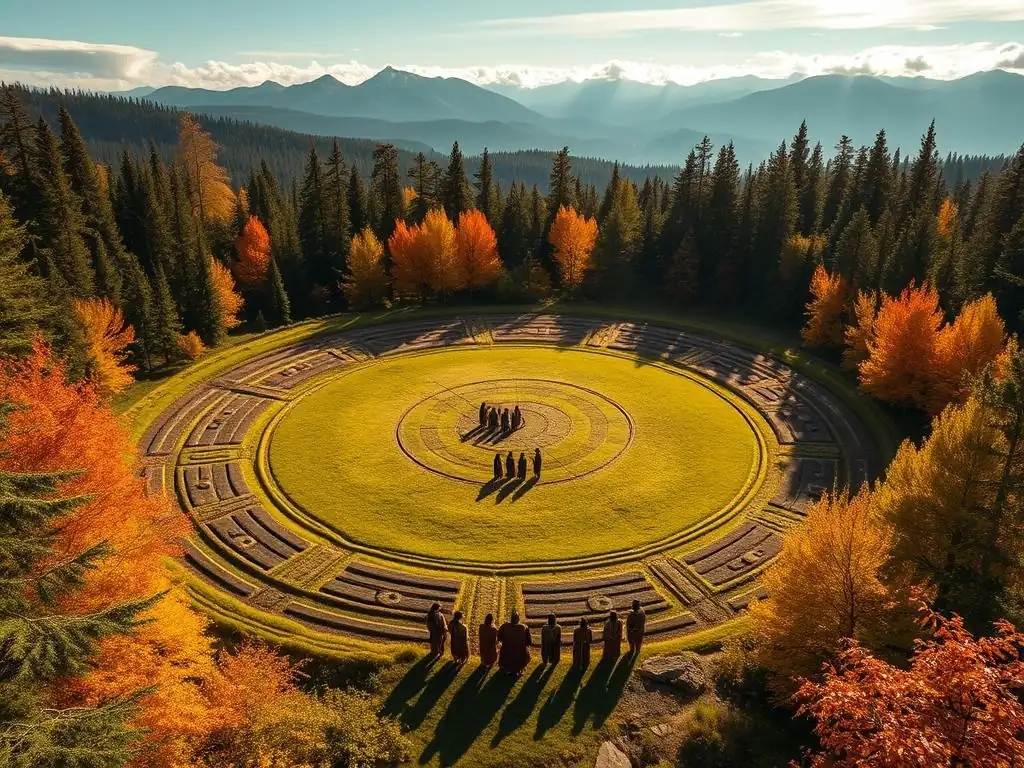
- Medicine Wheels: These stone structures, often arranged in a circular pattern, hold significant spiritual meaning and are used for various ceremonial purposes, including healing and vision quests.
The architecture of the Plains tribes reflects their deep connection to the land and the importance of mobility, adaptability, and community in their ceremonial practices.
The Role of Ceremonial Architecture in Indigenous Spirituality
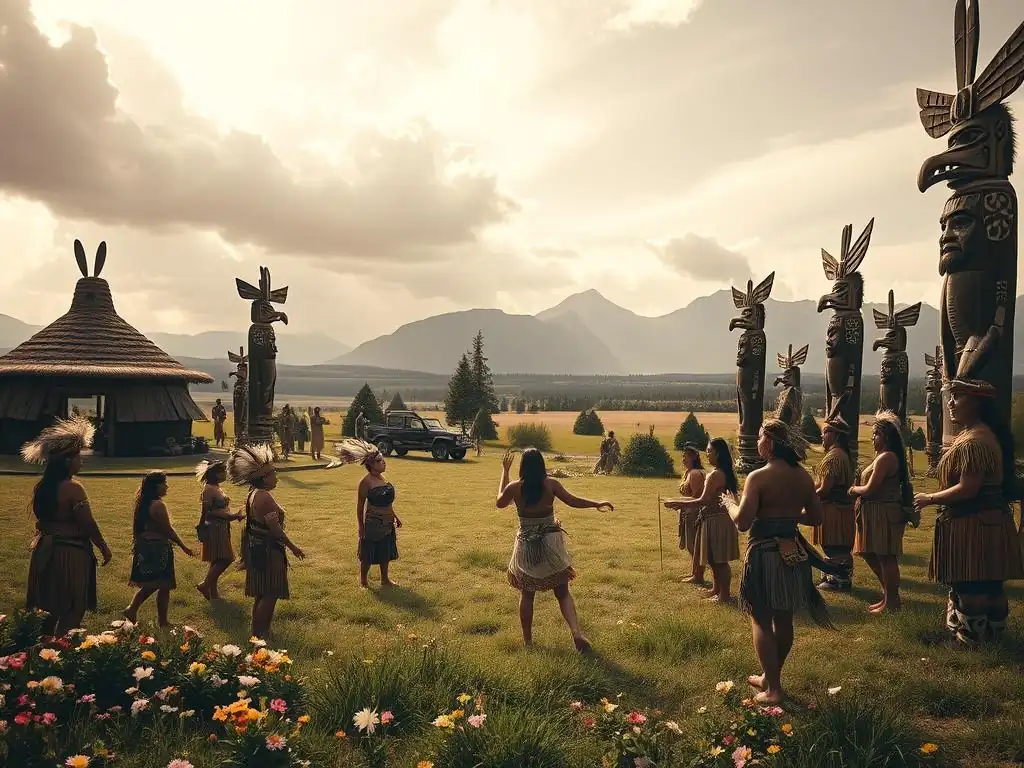
Indigenous ceremonial architecture in North America serves as more than just physical structures; it embodies the spiritual beliefs and practices of various indigenous cultures. These architectural forms are often designed with specific symbolic meanings that reflect the community's worldview, cosmology, and relationship with the environment. The positioning, materials, and designs of these sites are meticulously chosen to create sacred spaces that are conducive to spiritual practices and connections with ancestors, deities, and the natural world.
For many indigenous groups, ceremonial architecture acts as a bridge between the physical and spiritual realms. Structures like sweat lodges, kivas, and longhouses are not merely shelters; they are portals for transformation, healing, and communal identity. The design and orientation of these buildings often align with celestial bodies, reinforcing the community's cosmological beliefs. Thus, these architectural sites play a crucial role in maintaining cultural continuity and fostering a sense of belonging and purpose within the community.
Connection Between Architecture and Spiritual Beliefs
The correlation between indigenous architectural forms and spiritual beliefs is deeply rooted in the notion that the environment is alive and imbued with spirit. Many indigenous cultures view the land as sacred, and this belief is reflected in their ceremonial architecture. For instance, the Navajo people construct hogans with specific orientations to align with the cardinal directions, which they believe are essential for harmony and balance.
Moreover, the use of natural materials in these structures—such as wood, earth, and stone—highlights a profound respect for nature. This choice of materials is not arbitrary; it symbolizes a connection to ancestral practices and the environment. The architectural forms, therefore, become an integral part of the spiritual landscape, reinforcing the relationship between the people, their beliefs, and the land they inhabit.
Ritual Practices Associated with Ceremonial Structures
Ritual practices associated with indigenous ceremonial architecture vary widely among different cultures but generally include ceremonies that promote healing, renewal, and community bonding. For example, in many Plains tribes, the sun dance is performed in a specially constructed lodge, where participants engage in a series of rites that honor the sun and seek spiritual strength.
Similarly, among the Pueblo peoples, kivas serve as spaces for rituals and gatherings, where storytelling and spiritual teachings are shared. These practices are often cyclical, tied to seasonal changes, agricultural cycles, or significant cultural events. The architecture not only facilitates these rituals but is also imbued with the stories and histories of the people, making it a living testament to their cultural heritage.
Preservation and Modern-Day Relevance of Indigenous Ceremonial Sites
The preservation of indigenous ceremonial sites is crucial not only for maintaining cultural identity but also for fostering spiritual practices that connect present and future generations with their ancestors. As globalization and modernization continue to impact indigenous communities, there is a growing recognition of the importance of safeguarding these sacred spaces.
Efforts to Preserve Indigenous Architectural Heritage
Various organizations, both indigenous and non-indigenous, are actively working to preserve and restore ceremonial sites across North America. Initiatives often involve collaboration with local tribes to ensure that restoration efforts are culturally appropriate and respectful of traditional practices.
For instance, the National Park Service has engaged in partnerships with indigenous communities to manage sites like Chaco Canyon, which is significant for its ancestral Puebloan architecture and spiritual importance. Furthermore, educational programs aimed at raising awareness about the significance of these sites are being developed to encourage the public to appreciate and respect indigenous architectural heritage.
The Impact of Modernization on Ceremonial Sites
Modernization poses significant challenges to the preservation of indigenous ceremonial architecture. Urban development, environmental degradation, and climate change threaten these sacred spaces, often leading to their deterioration or destruction. As indigenous communities navigate the complexities of contemporary life, the struggle to maintain these sites becomes intertwined with broader issues of sovereignty, identity, and cultural survival.
Despite these challenges, many indigenous groups are finding innovative ways to integrate traditional practices with modern-day realities. This includes the adaptation of ceremonial practices to urban settings or the use of technology to document and share their architectural heritage. By blending tradition with modernity, indigenous communities continue to assert their identity and ensure that their ceremonial architecture remains relevant in the 21st century.
Conclusion: The Enduring Legacy of Indigenous Ceremonial Architecture
Indigenous ceremonial architecture in North America represents not only the physical structures built by diverse cultures but also the deep spiritual and communal values that these spaces embodied. From the expansive earthworks of the Mississippian culture to the intricate stonework of the Pueblo peoples, each site tells a unique story of connection to the land, community, and the cosmos. These sacred spaces served as centers for religious and social gatherings, reflecting the intricate relationship between the people and their environment.
The legacy of these architectural feats extends beyond their historical context; they continue to influence contemporary Indigenous cultural practices and identity. Modern Indigenous peoples often draw upon these ancestral architectural forms and philosophies, ensuring that the wisdom embedded within these structures is preserved and revitalized. The ongoing efforts to protect and celebrate these sites underscore their significance not only as historical artifacts but as living traditions that shape the cultural landscape of North America today.
Reflection on the Importance of Sacred Spaces
Sacred spaces have always held profound meaning for Indigenous communities, serving as sites of worship, community gatherings, and rites of passage. These architectural forms were carefully designed to align with natural elements, celestial bodies, and significant geographical features, reinforcing the interconnectedness of life and spirituality. For instance, the alignment of structures like the Sun Dagger at Fajada Butte in New Mexico demonstrates the sophisticated understanding of astronomy that Indigenous cultures possessed, further highlighting the significance of these spaces in their cosmology.
Moreover, the preservation and recognition of these ceremonial sites are crucial for fostering a sense of identity and continuity among Indigenous peoples. They act as tangible links to ancestors, traditions, and histories that have withstood the test of time. As such, they play a vital role in cultural education, allowing younger generations to learn about their heritage and the philosophies that underpin their existence. The reverence for these sacred spaces emphasizes the importance of cultural stewardship and the need for respectful engagement with these sites by both Indigenous and non-Indigenous communities alike.
Final Thoughts on the Future of Indigenous Architecture in North America
Looking ahead, the future of Indigenous architectural practices in North America is filled with both challenges and opportunities. As contemporary Indigenous architects and designers continue to innovate, there is a growing movement to blend traditional forms with modern techniques, creating spaces that honor ancestral wisdom while addressing current needs. This fusion of old and new not only revitalizes Indigenous architectural practices but also promotes sustainability and community resilience.
Furthermore, increased awareness and appreciation for Indigenous ceremonial architecture among the broader public can foster greater respect for these cultural sites. Advocacy for the protection of sacred spaces can lead to increased funding and support for preservation projects, ensuring that future generations can experience and learn from these remarkable structures. By honoring and uplifting Indigenous voices in architectural discourse, there is potential for a more inclusive narrative that recognizes the importance of Indigenous contributions to North America's architectural heritage.
The enduring legacy of Indigenous ceremonial architecture in North America serves as a testament to the rich cultural heritage and resilience of Indigenous peoples. As we move forward, it is essential to celebrate, preserve, and learn from these sacred spaces, ensuring their significance is acknowledged and respected for generations to come.
- Introduction to Indigenous Ceremonial Architecture in North America
- Significance of Ceremonial Sites in Indigenous Cultures
- Overview of Indigenous Ceremonial Architecture
- Historical Context of Indigenous Ceremonial Sites
- Types of Indigenous Ceremonial Architecture in North America
- Regional Variations in Indigenous Ceremonial Architecture
- The Role of Ceremonial Architecture in Indigenous Spirituality
- Preservation and Modern-Day Relevance of Indigenous Ceremonial Sites
- Conclusion: The Enduring Legacy of Indigenous Ceremonial Architecture
- What is the focus of the article "Sacred Spaces: The Architecture of Indigenous Ceremonial Sites in North America"?
- Why is indigenous ceremonial architecture important?
- What types of structures are considered indigenous ceremonial architecture?
- How did European colonization impact indigenous ceremonial sites?
- What can we learn from studying indigenous ceremonial architecture today?
Frequently Asked Questions
What is the focus of the article "Sacred Spaces: The Architecture of Indigenous Ceremonial Sites in North America"?
The article explores the significance of indigenous ceremonial architecture in North America, highlighting how these architectural forms reflect the spiritual beliefs and cultural practices of various indigenous communities.
Why is indigenous ceremonial architecture important?
Indigenous ceremonial architecture plays a crucial role in understanding the social and spiritual dynamics of indigenous cultures, showcasing their connection to the land, community, and ritual practices.
What types of structures are considered indigenous ceremonial architecture?
Structures such as kivas, longhouses, and mound complexes are examples of indigenous ceremonial architecture, each serving distinct ritualistic and communal purposes within their respective cultures.
How did European colonization impact indigenous ceremonial sites?
European colonization led to the destruction and alteration of many indigenous ceremonial sites, significantly disrupting the cultural practices and spiritual traditions of Native American communities.
What can we learn from studying indigenous ceremonial architecture today?
Studying indigenous ceremonial architecture offers insights into the diverse cultural heritage of Native American tribes and underscores the importance of preserving these sites for future generations to appreciate their historical and spiritual significance.
Final Reflection: Embracing the Legacy of Indigenous Ceremonial Architecture
The architectural marvels of Indigenous ceremonial sites in North America are not merely relics of the past; they are living testaments to the resilience and spiritual depth of Indigenous cultures. As we navigate a world increasingly disconnected from its roots, understanding and appreciating these sacred spaces becomes essential in fostering respect for the traditions and histories they embody. The intricate designs and purposeful placements of these structures remind us that architecture can be a profound expression of identity and spirituality, resonating with the very essence of the land.
The influence of Indigenous ceremonial architecture extends far beyond its physical presence; it shapes cultural narratives and community bonds that endure through generations. These sites serve as reminders of the interconnectedness of people, nature, and the cosmos, inviting us to reflect on our own relationship with the environment.
As noted by cultural historian Vine Deloria Jr., “The land is not just a place to live; it is a living entity that has a spirit.” > This perspective encourages us to view these sacred spaces not just as historical artifacts but as vital components of contemporary Indigenous identity and cultural continuity.
As we conclude our exploration of Indigenous ceremonial architecture, I invite you to reflect on the lessons these sacred spaces impart. Consider how you can honor and integrate the values of respect, community, and spirituality into your own life. Whether through supporting Indigenous rights, learning about their histories, or simply taking a moment to appreciate the natural world around you, each action contributes to a broader understanding and appreciation of these remarkable cultures. Let us carry forward the legacy of these sacred sites, ensuring they continue to inspire and educate future generations.
Unveil the Sacred: Connect with Indigenous Ceremonial Architecture!
Thank you for taking the time to explore the profound significance of Indigenous ceremonial sites in North America. You've gained valuable insights into the architectural wonders that embody cultural heritage and spiritual depth. Now, let’s transform that knowledge into action!
Here are some ways you can deepen your understanding and appreciation:
- Participate in a local Indigenous event: Engage with your community by attending ceremonies or gatherings that celebrate Indigenous cultures. This is a wonderful opportunity to learn and connect firsthand.
- Visit a sacred site: If possible, plan a visit to an Indigenous ceremonial site nearby or in a different region. Experience the history and spirituality embedded in these remarkable structures.
- Share your insights: Discuss your newfound knowledge with friends or on social media. Use your voice to raise awareness about the importance of preserving these sacred spaces.
Which aspect of Indigenous architecture resonates with you the most, and how might it inspire your own sense of place?