
The Importance of Llamas: Inca Innovations in Animal Husbandry

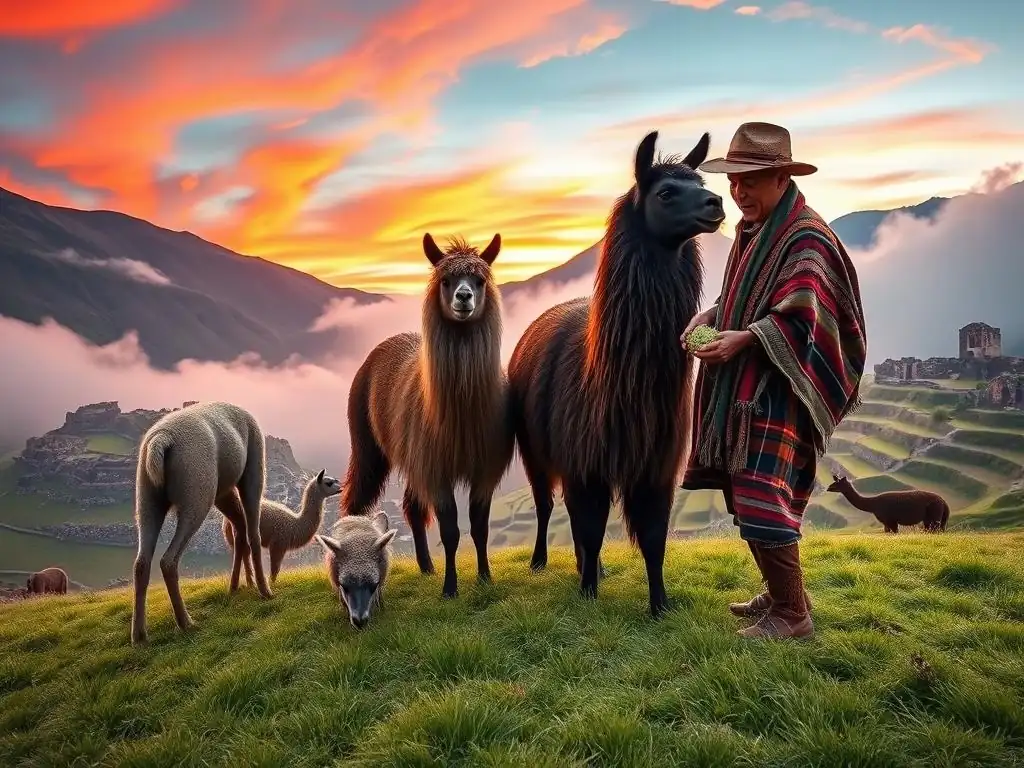
Welcome to Indigenous Civilizations of the Americas, where we delve into the rich tapestry of cultures that flourished long before European contact. Here, you’ll discover the remarkable achievements and societal structures of these diverse indigenous groups. Today, we invite you to explore the fascinating world of Inca llama husbandry practices—an innovative approach that not only showcases the Inca's agricultural prowess but also reveals how these majestic animals were integral to their daily lives and economy. Prepare to uncover the secrets of this ancient civilization as we embark on a journey through time and tradition.
Introduction to Inca Llama Husbandry Practices
The Inca civilization, renowned for its sophisticated societal structure and advanced agricultural techniques, placed significant emphasis on animal husbandry, particularly the practice of llama husbandry. Llamas were not only vital to the daily lives of the Incas but also played a crucial role in their economy, culture, and transportation networks.
This article delves into the intricate llama husbandry practices of the Incas, highlighting how these animals were integrated into the fabric of Inca society and the innovative methods developed for their care and management. Understanding the significance of llamas provides insight into the broader achievements of the Inca civilization and their lasting impact on Andean culture.
Overview of Llamas in Inca Culture
Llamas (Lama glama) were domesticated by Andean peoples thousands of years before the rise of the Inca Empire. Within Inca culture, llamas held multifaceted roles:
- Transportation: Known as the "ships of the Andes," llamas were essential pack animals. They could carry loads of up to 25% of their body weight across rugged mountainous terrain, facilitating trade and communication across the vast Inca Empire.
- Food Source: While not as commonly utilized for meat as other animals, llamas provided a source of protein, especially during times of scarcity.
- Textile Production: The soft, warm wool of llamas was spun into textiles, which were highly valued and used for clothing, blankets, and ceremonial purposes.
- Religious Symbolism: Llamas were often featured in religious rituals and offerings, symbolizing prosperity and abundance.
Significance of Llamas in Inca Society
The significance of llamas extended beyond their practical uses; they were deeply woven into the social and economic tapestry of Inca life. Their roles included:
- Economic Impact: Llamas were integral to the Inca economy, providing goods for trade and contributing to agricultural productivity through their manure, which was used as fertilizer.
- Social Status: Ownership of llamas was often indicative of wealth and social standing within Inca society. The more llamas one owned, the higher the social status, especially among elite families.
- Cultural Identity: Llamas were emblematic of Andean culture, representing the relationship between humans and their environment. They featured prominently in art, mythology, and folklore, reinforcing their importance in daily life.
Historical Context of Inca Llama Husbandry
Origins of Llama Domestication in the Andes
The domestication of llamas can be traced back over 4,000 years, primarily in the highlands of South America. Archaeological evidence indicates that ancient Andean cultures recognized the utility of llamas early on. Key points include:
- Geographical Adaptation: Llamas adapted remarkably well to the harsh Andean climate, thriving in high altitudes where few other animals could survive.
- Cultural Significance: Early agricultural societies utilized llamas for their wool and as a source of meat, laying the groundwork for the more sophisticated practices developed by the Incas.
Evolution of Animal Husbandry Practices Among the Incas
As the Inca Empire expanded, so too did their methods for managing llamas. Innovations in husbandry included:
- Selective Breeding: The Incas practiced selective breeding to enhance desirable traits in llamas, such as size, strength, and wool quality. This practice ensured a robust population capable of meeting the demands of their society.
- Innovative Feeding Techniques: The Incas developed specialized feeding practices that allowed for optimal growth and health of llamas, utilizing native grasses and other vegetation found at high altitudes.
- Management Systems: The establishment of herding practices and communal grazing areas reflected advanced management techniques, ensuring both animal welfare and sustainability of resources.
Through these practices, the Incas not only maximized the utility of llamas but also laid the foundation for future generations to appreciate and utilize these remarkable animals. Understanding the history and significance of Inca llama husbandry practices provides a glimpse into the ingenuity of one of the most advanced civilizations in pre-Columbian America.
Key Inca Llama Husbandry Practices
The Inca civilization developed sophisticated llama husbandry practices that were integral to their agriculture, economy, and daily life. These practices were not only focused on breeding and care but also included feeding, management, and the strategic use of llamas in various roles. The Inca utilized llamas for their wool, meat, and as pack animals, making them essential to the functioning of their society. This section explores the key practices that defined Inca llama husbandry, highlighting their innovations and the cultural significance of these animals.
Breeding Techniques for Optimal Llama Traits
The Incas employed selective breeding techniques to enhance desirable traits in llamas, such as strength, size, and wool quality. By carefully choosing which llamas to breed based on their physical characteristics and temperament, the Inca were able to produce a breed that was well-suited for their specific needs.
- Genetic Selection: Inca breeders focused on traits like endurance for long-distance travel and the ability to thrive in high altitudes. This genetic selection ensured that the llamas could effectively serve their roles in transport and agriculture.
- Controlled Breeding Practices: The Inca implemented controlled breeding practices to prevent inbreeding and maintain a healthy gene pool. They established breeding pairs based on lineage and performance, contributing to a sustainable population of llamas.
- Adaptation to Environment: Breeding practices took into account the harsh mountainous environment of the Andes, where adaptability was crucial. Llamas bred in these conditions developed unique traits, such as thick fur for insulation against cold weather.
Through these techniques, the Inca were able to produce llamas that not only met their practical needs but also became a symbol of their agricultural prowess.
Feeding and Nutrition of Llamas in Inca Agriculture
Proper nutrition was vital for maintaining the health and productivity of llamas within Inca society. The Incas understood the dietary requirements of these animals and developed feeding practices that supported their well-being and utility.
- Forage-Based Diet: Llamas primarily fed on native grasses and shrubs found in the Andean region. The Inca ensured that llamas had access to a variety of forages to meet their nutritional needs, which included essential vitamins and minerals.
- Seasonal Feeding Practices: The Inca adapted their feeding strategies to align with seasonal changes. During the dry season, they would store forage for feeding their llamas, ensuring that the animals received adequate nutrition even when natural resources were scarce.
- Supplemental Feeding: In addition to foraging, the Incas supplemented llama diets with grains and other cultivated crops during periods of high demand, such as before festivals or during long journeys. This practice boosted the energy levels of llamas needed for labor-intensive tasks.
By meticulously managing the nutrition of llamas, the Incas ensured that their animals remained healthy and productive, ultimately enhancing their agricultural output.
Llama Care and Management in Inca Society
The care and management of llamas were essential components of Inca husbandry practices. The Incas recognized that ensuring the health and welfare of their llamas directly impacted their efficiency and productivity.
- Health Monitoring: The Incas routinely checked their llamas for signs of illness or injury. They developed a keen understanding of animal health, which allowed them to treat minor ailments and prevent the spread of disease within their herds.
- Shelter and Protection: Inca llama owners provided adequate shelter to protect their animals from harsh weather conditions. They constructed enclosures that offered safety from predators and the elements, ensuring a comfortable living environment for the llamas.
- Social Structure: Llamas were often cared for by specialized herders who understood the animals' needs and behaviors. This social structure within Inca communities facilitated effective management and contributed to the overall success of llama husbandry.
Through diligent care and management, the Incas maximized the utility of llamas, making them a cornerstone of their agricultural and economic systems.
Role of Llamas in Inca Economy
Llamas played a multifaceted role in the Inca economy, serving as vital assets that supported trade, transportation, and agriculture. Their contributions were essential for maintaining the prosperity of the Inca Empire, illustrating the importance of these animals in societal development.
Llamas as Pack Animals: Transport and Trade
One of the most critical roles of llamas in the Inca economy was their use as pack animals. Their ability to carry heavy loads over long distances made them invaluable for transport and trade.
- Long-Distance Travel: Llamas could traverse the rugged Andean terrain, allowing the Incas to transport goods such as textiles, pottery, and agricultural products across vast distances. This capability facilitated trade networks that connected various regions of the empire.
- Economic Exchange: Through their use as pack animals, llamas enabled the exchange of goods between different communities. This exchange not only strengthened economic ties but also promoted cultural interactions among diverse groups within the empire.
- Military Logistics: Llamas were also utilized in military logistics, carrying supplies for armies during campaigns. Their resilience and strength allowed the Inca military to maintain supply lines critical for successful operations.
Thus, llamas were a vital component of the Inca trade system, enhancing economic stability and enabling the expansion of the empire.
Contribution of Llamas to Inca Agriculture and Food Supply
Llamas contributed significantly to the agricultural practices of the Inca, serving as both a source of labor and a means of enhancing food supply.
- Fertilization: Llama dung was a valuable fertilizer for Inca agriculture. The Incas utilized it to enrich the soil, promoting crop growth and sustaining agricultural productivity in a challenging environment.
- Labor in Agriculture: Llamas were employed to transport agricultural products, such as grains and potatoes, from fields to storage facilities. Their strength made it easier for farmers to manage large harvests, thus improving the efficiency of agricultural operations.
- Sustaining Food Supply: By providing meat and wool, llamas contributed directly to the food supply of the Inca civilization. The availability of these resources ensured that communities could sustain their populations, particularly in times of scarcity.
The role of llamas in Inca agriculture was integral to the empire's ability to thrive, highlighting the interconnectedness of animal husbandry and agricultural success in the Inca civilization.
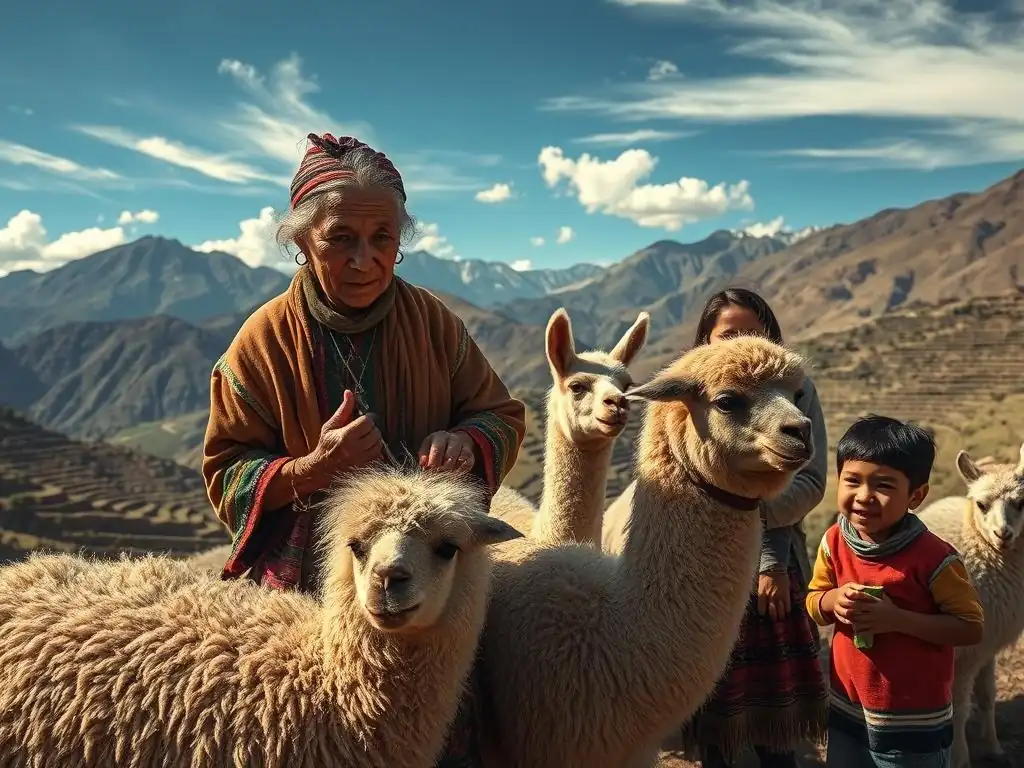
Llamas were not merely animals for the Inca; they held significant social and cultural value that permeated various aspects of their society. As pack animals, llamas were essential for transportation across the rugged Andean terrain, facilitating trade and communication between distant communities. This ability to traverse challenging landscapes made llamas indispensable during the expansion of the Inca Empire, allowing for the efficient exchange of goods, ideas, and cultural practices.
Moreover, llamas played a vital role in the daily lives of the Inca people. They were a source of wool, which was woven into textiles that were highly valued for their warmth and durability. The Inca also utilized llama meat as a dietary staple, providing essential nutrients to their diet. In addition to their practical uses, llamas were often treated as companions, reflecting their integration into the social fabric of Inca life.
Llamas in Inca Religion and Mythology
Within the Inca belief system, llamas were revered as sacred animals. They were often associated with various deities and were believed to embody spiritual qualities. The Inca considered llamas as gifts from the gods, particularly Pachamama, the Earth goddess, who was said to provide them with these resilient animals to aid in their survival and prosperity.
In many myths, llamas were depicted as symbols of abundance and fertility, linking them to agricultural success and the health of the community. The Inca people performed rituals and offerings to honor these animals, reflecting their belief in the interconnectedness of life and the importance of maintaining harmony with nature.
Festivals and Rituals Involving Llamas
The Inca calendar was filled with festivals that celebrated agricultural cycles, and llamas often played a central role in these events. One prominent festival was Inti Raymi, the Festival of the Sun, where llamas were sacrificed as offerings to ensure a bountiful harvest. This ritual underscored the notion that the health of the llama population directly correlated with the agricultural prosperity of the Inca civilization.
Additionally, llamas were featured in ceremonies surrounding childbirth and marriage, where they symbolized fertility and prosperity. These animals were often dressed in colorful textiles for such occasions, highlighting their status not just as livestock but as integral participants in the cultural and spiritual life of the Inca people.
Innovations in Inca Animal Husbandry
The Inca civilization was marked by its sophisticated agricultural practices, and their approach to llama husbandry was no exception. The Inca developed innovative techniques to optimize the breeding, care, and management of llamas, ensuring a sustainable supply of these vital animals.
One of the key innovations was selective breeding, which aimed to enhance desirable traits such as size, strength, and temperament. By carefully managing breeding practices, the Inca were able to produce llamas that were well-suited for both labor and companionship, contributing to their effectiveness in various roles within society.
Technological Advances in Llama Management
Inca innovations in llama management included the development of specialized corrals and grazing practices that maximized the health and productivity of their herds. These corrals were strategically located to provide easy access to nutritious grazing areas, essential for maintaining the llamas' strength and vigor.
The Inca also implemented advanced veterinary practices, including herbal remedies and careful observation of animal behavior to diagnose health issues. This holistic approach to animal husbandry not only ensured the well-being of the llamas but also reinforced their importance within Inca society as a valuable resource.
Comparison of Inca Practices with Other Indigenous Cultures
When comparing Inca llama husbandry practices with those of other indigenous cultures in the Americas, several distinctions emerge. For instance, while cultures such as the Navajo utilized sheep for similar purposes, the Inca uniquely capitalized on the llama's adaptability to high altitudes and their ability to navigate challenging terrains.
Additionally, the Inca's systematic approach to breeding and herd management set them apart from many other indigenous groups, who often relied on more traditional methods. This emphasis on innovation and efficiency not only facilitated the growth of the Inca Empire but also left a lasting impact on agricultural practices in the region. The Inca's comprehensive understanding of llama husbandry demonstrates their ingenuity and highlights the importance of these animals in their civilization's development.
Conclusion: Lasting Legacy of Inca Llama Husbandry Practices
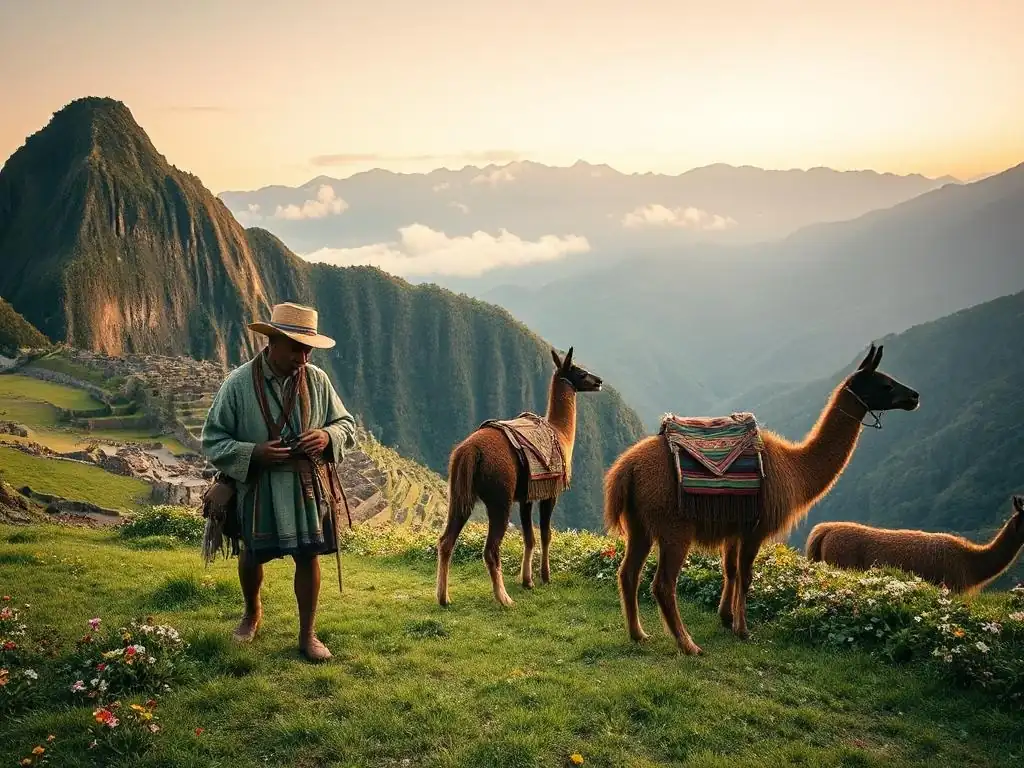
The Inca civilization's innovative llama husbandry practices have left an indelible mark on the Andean region and beyond. This unique relationship with llamas not only facilitated the movement of goods across the challenging terrains of the Andes but also established a sustainable model of animal husbandry that emphasized the integration of livestock into agricultural systems. By recognizing the llama's role as both a pack animal and a source of fiber, the Incas created a framework that allowed for the efficient transportation of resources and the fostering of trade networks, which were crucial for the empire's expansion and cohesion.
Moreover, the Inca's sustainable practices contributed to the conservation of the fragile Andean ecosystem. Their methods of grazing management ensured that llama populations thrived without overexploiting the land, a lesson that remains relevant in today's conversations about sustainable agriculture and livestock management. The legacy of these practices continues to influence modern Andean communities, where llamas are still valued for their utility and cultural significance.
Impact on Contemporary Andean Cultures
The impact of Inca llama husbandry practices is evident in contemporary Andean cultures, where llamas and alpacas remain integral to daily life. These animals are not only used for transportation and as pack animals but also play a crucial role in traditional textile production. The high-quality wool produced by llamas is still woven into intricate fabrics, maintaining cultural traditions that trace back to pre-Columbian times.
In addition, the cultural significance of llamas is celebrated in festivals and rituals, reflecting the enduring relationship between Andean peoples and these animals. This connection is a vital aspect of identity for many communities, as llamas symbolize resilience and adaptability in a challenging environment. As such, the Inca's legacy of llama husbandry practices continues to shape the social, economic, and cultural landscapes of the Andes, fostering a sense of continuity and pride among indigenous populations.
Lessons from Inca Innovations in Animal Husbandry
The Inca innovations in llama husbandry offer several valuable lessons for contemporary agricultural practices. First and foremost, the emphasis on sustainability is paramount. By integrating llamas into their agricultural systems, the Incas demonstrated that livestock can be managed in a way that supports both human needs and environmental health. This principle is increasingly relevant today as societies seek to balance food production with ecological preservation.
Another lesson is the importance of adaptability. The Incas adapted their husbandry practices to the diverse ecological zones of the Andes, demonstrating that successful animal management requires an understanding of local environments. This adaptability can inspire modern farmers to tailor their practices to the specific conditions they face, be it in mountainous regions or flat plains.
Lastly, the Inca model highlights the significance of community and cooperation in animal husbandry. The shared responsibilities of caring for llamas and the collective benefits derived from their use underscore the importance of community engagement in agricultural practices. This collaborative approach can foster resilience and innovation in contemporary agricultural systems, encouraging societies to work together towards sustainable development.
The Inca civilization's llama husbandry practices not only shaped their society but also provide enduring lessons that continue to resonate in today's world, emphasizing sustainability, adaptability, and community.
- Introduction to Inca Llama Husbandry Practices
- Historical Context of Inca Llama Husbandry
- Key Inca Llama Husbandry Practices
- Role of Llamas in Inca Economy
- Social and Cultural Importance of Llamas
- Llamas in Inca Religion and Mythology
- Innovations in Inca Animal Husbandry
- Conclusion: Lasting Legacy of Inca Llama Husbandry Practices
- Impact on Contemporary Andean Cultures
- Lessons from Inca Innovations in Animal Husbandry
Frequently Asked Questions
What role did llamas play in Inca society?
Llamas were essential to Inca society, serving as pack animals for transporting goods and as sources of wool and meat. Their ability to navigate the rugged terrain made them invaluable.
How did Inca llama husbandry practices differ from other cultures?
Inca llama husbandry practices were marked by sustainable management techniques and a deep understanding of the animals’ needs. They utilized selective breeding to enhance desirable traits, ensuring a robust and healthy population.
What innovations did the Incas introduce in llama husbandry?
The Incas developed innovative breeding practices and improved herding techniques that optimized llama productivity. They also established sacred rituals surrounding llamas, which highlighted their cultural significance.
How did llama husbandry impact Inca trade?
Llama husbandry enabled the transportation of goods across vast distances, facilitating trade networks throughout the empire. This contributed to the economic stability and expansion of Inca influence in the region.
What are the lasting impacts of Inca llama husbandry practices today?
Today, Inca llama husbandry practices continue to influence modern Andean communities, emphasizing sustainable agriculture and the importance of cultural heritage. These practices are seen as models for biodiversity conservation and livestock management.
Final Reflection: The Enduring Legacy of Inca Llama Husbandry
The significance of Inca llama husbandry practices resonates profoundly in today's world, where sustainable agriculture and animal welfare are more crucial than ever. The Inca civilization's innovative techniques not only optimized the use of llamas for transportation and agriculture but also fostered a deep respect for the animals that served them. This historical perspective reminds us that our relationship with animals is not merely functional; it is a partnership that can enrich our lives and sustain our communities.
Cultural appreciation for the Inca's llama husbandry practices continues to shape our understanding of sustainable practices in modern agriculture. The lessons learned from the Incas about utilizing local resources and respecting animal welfare are more relevant now than ever. As we face global challenges such as climate change and food security, we can draw inspiration from the past. The greatest threat to our planet is the belief that someone else will save it.
- Robert Swan. This quote encapsulates the urgency of adopting practices that honor both our environment and the animals we rely on.
As you reflect on the importance of Inca llama husbandry, consider how these ancient practices can inspire your own choices today. How can you incorporate sustainability and respect for animals into your daily life? Whether it's supporting local farms, advocating for animal welfare, or simply being more mindful of your consumption habits, every action counts. Let the legacy of the Incas guide you toward a more harmonious relationship with the world around you, fostering a future where both humans and animals thrive together.
Unleash the Power of Llamas: Transform Your Understanding!
Thank you for taking the time to explore the fascinating role llamas played in Inca innovations. You've delved into a rich tapestry of agricultural prowess, cultural traditions, and sustainable practices that shaped an incredible civilization. Now, let’s take this knowledge further and make a positive impact!
Here’s how you can actively engage with the wonders of llamas and the legacy of the Incas:
- Adopt a sustainable agricultural practice in your own garden, focusing on environmentally friendly methods and responsible animal care.
- Share your insights! Discuss the importance of llamas with friends or on social media to spread awareness of their historical significance.
- Visit local museums or cultural exhibits that showcase indigenous practices and foster discussions about responsible animal management.
What aspect of Inca animal husbandry inspires you the most, and how will you incorporate it into your life today?