
The Mysterious Connection Between the Inca and Earlier Andean Cultures

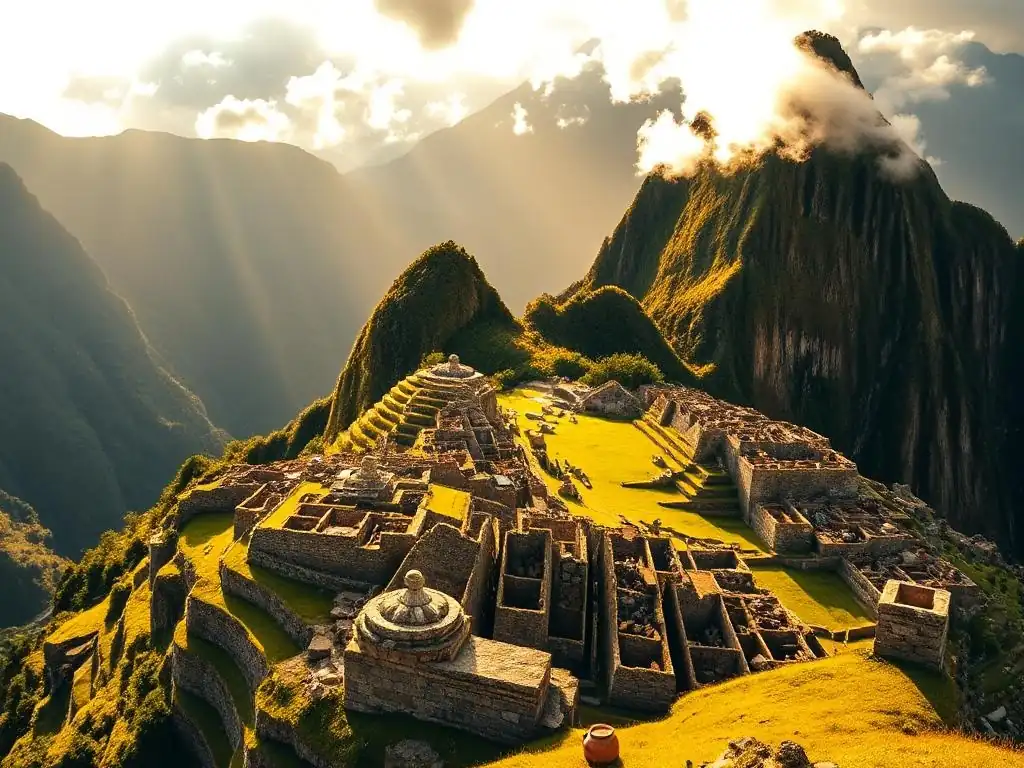
Welcome to Indigenous Civilizations of the Americas, where we embark on a captivating journey into the rich tapestry of pre-colonial cultures that once flourished across the continent. Dive deep into our featured article, "The Mysterious Connection Between the Inca and Earlier Andean Cultures," as we unravel the intricate threads linking the mighty Inca civilization to its ancestral roots. What secrets lie hidden in the Andean mountains, and how did these connections shape the vibrant society we recognize today? Join us in exploring these profound histories and uncover the remarkable legacies that continue to resonate in our modern world.
The exploration of the intricate web of relationships between the Inca civilization and earlier Andean cultures reveals a rich tapestry of history, innovation, and cultural exchange. Understanding these connections provides insight into how the Inca not only built upon the foundations laid by their predecessors but also adapted and transformed these influences into a complex society that would dominate the Andean region by the 15th century. This article delves into the dynamic interplay of these cultures, examining their achievements and the profound impact they have had on the history of the Americas.
Introduction to Inca and Earlier Andean Cultures
The Inca civilization, often celebrated for its architectural marvels and sophisticated social structure, did not emerge in isolation. Instead, it is the product of centuries of cultural evolution and interaction with earlier Andean societies. The connections between these cultures are crucial to understanding the Inca's success and the rich heritage of the Andes. By examining both the Inca and their predecessors, we can appreciate the continuity of traditions that shaped their world.
Overview of the Inca Civilization
The Inca civilization, which flourished from the early 15th century until the Spanish Conquest in the 16th century, was the largest empire in pre-Columbian America. The Incas are renowned for:
- Innovative Agricultural Techniques: The introduction of terrace farming and irrigation systems allowed them to thrive in the challenging Andean environment.
- Advanced Engineering: The construction of extensive road networks and impressive stone architecture, including the famous Machu Picchu, showcased their engineering prowess.
- Rich Cultural Practices: The Incas practiced a form of state religion, with the worship of Inti, the sun god, at the core of their belief system.
These elements highlight the Inca's remarkable achievements, but they also hint at the influences of earlier Andean cultures that preceded them.
Significance of Earlier Andean Cultures
Before the rise of the Inca, various cultures played pivotal roles in shaping the Andean region. These earlier societies contributed significantly to the cultural and technological developments that the Incas would later adopt and adapt. Some of the notable achievements of these cultures include:
- Pottery and Textiles: The development of intricate pottery and textiles, particularly by cultures like the Paracas and Moche, influenced Inca artistic styles.
- Agricultural Practices: Innovations in farming, such as the use of llamas for transport and the cultivation of diverse crops, were foundational for Inca agricultural success.
- Social Structures: Earlier Andean societies had complex social hierarchies and religious systems that laid the groundwork for the Inca state.
Understanding these contributions is essential to appreciating the depth of Inca civilization and its connections to the broader Andean cultural landscape.
The Historical Context of Andean Cultures
The historical context of Andean cultures is characterized by a series of interconnected civilizations that flourished over millennia. This context not only sets the stage for the emergence of the Inca but also highlights the rich heritage of the region.
Chronological Timeline of Andean Civilizations
- Chavín Culture (c. 900-200 BCE): An early civilization known for its religious center and intricate stone carvings, which influenced later cultures.
- Moche Culture (c. 100-700 CE): Renowned for advanced irrigation techniques and impressive pottery, the Moche society displayed significant artistic and architectural achievements.
- Nazca Culture (c. 100 BCE-800 CE): Famous for the Nazca Lines, this culture also made advancements in textiles and pottery.
- Tiwanaku (c. 300-1000 CE): Located near Lake Titicaca, Tiwanaku was a major political and religious center that influenced neighboring regions.
This chronological framework illustrates the progression and evolution of Andean cultures leading up to the Inca Empire.
Major Cultures Leading to the Inca
Several key cultures contributed to the rich tapestry of Andean civilization prior to the Inca:
- Chavín: Established the foundations of Andean religious and artistic traditions.
- Moche: Developed complex irrigation systems and produced exquisite metalwork.
- Nazca: Known for their artistic expression and monumental geoglyphs.
- Tiwanaku: Influenced political organization and trade networks in the Andes.
These cultures not only laid the groundwork for the Inca but also enriched the region's cultural diversity, making the connection between the Inca and earlier Andean cultures a fascinating study of continuity and transformation in history.
Inca Andean Culture Connections
The Inca civilization, which rose to prominence in the Andes Mountains during the 15th century, was not an isolated phenomenon. Rather, it was deeply intertwined with the earlier Andean cultures that had laid the groundwork for its success. Understanding the Inca Andean culture connections reveals a tapestry of shared practices, beliefs, and innovations that not only characterized the Inca Empire but also reflected the rich heritage of the Andean region. This intricate interplay influenced the Inca's agricultural practices, architectural advancements, religious beliefs, and trade networks, showcasing a continuity of cultural evolution that spanned centuries.
Shared Agricultural Practices
One of the most significant connections between the Inca and earlier Andean cultures is found in their agricultural practices. The Incas inherited and refined the techniques developed by previous civilizations, such as the Moche and Nazca.
- Terracing: The use of terraced farming was crucial in the mountainous terrain, allowing for effective land use and irrigation. Earlier cultures had established these methods, which the Incas expanded upon.
- Crop Diversity: The Inca agricultural system was characterized by a variety of crops, including potatoes, maize, and quinoa. This diversity reflects the knowledge and farming practices of their predecessors, who had cultivated these plants long before the Inca's ascendance.
- Irrigation Systems: The complex irrigation systems developed by earlier Andean societies were crucial for sustaining agriculture in the arid highlands. The Incas not only adopted these techniques but also innovated with sophisticated aqueducts and canals to enhance agricultural productivity.
These shared practices laid a strong foundation for the Inca Empire's agricultural success, enabling it to support a vast population and complex society.
Architectural Influences and Innovations
Architectural styles and construction techniques also represent a significant link between the Inca and earlier Andean cultures.
- Stone Masonry: The Incas are renowned for their impressive stonework, characterized by precisely cut stones that fit together without mortar. This technique was not entirely new; earlier cultures, particularly the Tiwanaku, had mastered similar methods, which the Incas adapted and perfected.
- Urban Planning: The layout of Inca cities such as Cusco shows influences from earlier Andean urban designs. The strategic placement of temples, plazas, and residential areas reflects a continuity of planning principles that prioritized both functionality and spirituality.
- Religious Structures: Many of the religious buildings constructed by the Incas, including the famous Coricancha in Cusco, echo the forms and functions of earlier Andean temples. This architectural lineage signifies the ongoing importance of religious practices and beliefs in Andean society.
These architectural innovations not only highlight the connections between these cultures but also demonstrate how the Inca incorporated and expanded upon their predecessors' legacies.
Similarities in Religious Beliefs and Practices
The religious beliefs and practices of the Inca civilization were profoundly influenced by earlier Andean cultures, showcasing a continuity of spiritual traditions.
- Polytheism: Both the Inca and earlier Andean societies worshipped a pantheon of gods, often linked to natural elements such as the sun, moon, and earth. The Inca deity Inti, the sun god, was central to their belief system and reflected the earlier reverence for solar deities.
- Ritual Practices: The rituals conducted by the Inca, including offerings and ceremonies, were deeply rooted in the practices of earlier cultures. For instance, the use of mummification and ancestor worship can be traced back to pre-Inca traditions, highlighting a shared focus on the afterlife and connection to ancestors.
- Sacred Sites: Many of the sacred sites revered by the Inca were originally significant to earlier cultures. The strategic selection of these sites illustrates the continuity of spiritual geography in the Andes.
These similarities underscore the profound influence of earlier Andean religious practices on the Inca civilization, revealing a rich tapestry of shared beliefs that persisted across generations.
The Role of Trade and Communication
Trade and communication were vital in establishing connections between the Inca Empire and earlier Andean cultures. Through these networks, the exchange of goods, ideas, and technologies played a significant role in cultural continuity and development.
Trade Routes Between Inca and Earlier Cultures
The Inca inherited a complex network of trade routes that had been established by earlier Andean societies, facilitating the movement of goods across vast distances.
- Road Systems: The Incas expanded upon the existing road systems that connected various regions of the Andes. These roads not only facilitated trade but also enabled the movement of armies and information, enhancing administrative control.
- Goods Exchange: Key goods traded included textiles, pottery, and agricultural products. The exchange of these items helped maintain economic ties and cultural interactions between the Inca and earlier cultures, fostering a sense of shared identity.
- Cultural Exchange: Trade routes served as conduits for cultural exchange, allowing ideas, customs, and technologies to flow between societies. This interaction enriched the Inca culture and provided a foundation for their societal advancements.
These trade routes were instrumental in sustaining the Inca Empire and connecting it with the rich cultural heritage of the Andes.
Exchange of Ideas and Technologies
The exchange of ideas and technologies between the Inca and earlier Andean cultures was a critical factor in the development of Inca civilization.
- Technological Innovations: The Incas adopted and adapted various technologies, such as agricultural tools and building techniques, from earlier societies. This transfer of knowledge significantly enhanced their capabilities in agriculture and construction.
- Cultural Practices: The Incas also integrated earlier cultural practices into their own, including textile production techniques and artistic styles. This blending of traditions led to the creation of a unique Inca identity that still bore the marks of its predecessors.
- Communication: The development of quipu, a system of knotted strings used for record-keeping and communication, illustrates the Inca's innovative spirit. However, earlier cultures had established similar systems for managing information, which the Incas refined for their extensive administrative needs.
This dynamic exchange of ideas and technologies underscores the interconnectedness of the Inca civilization with the earlier Andean cultures, revealing how cultural evolution is often a collaborative process.
Linguistic and Ethnic Ties
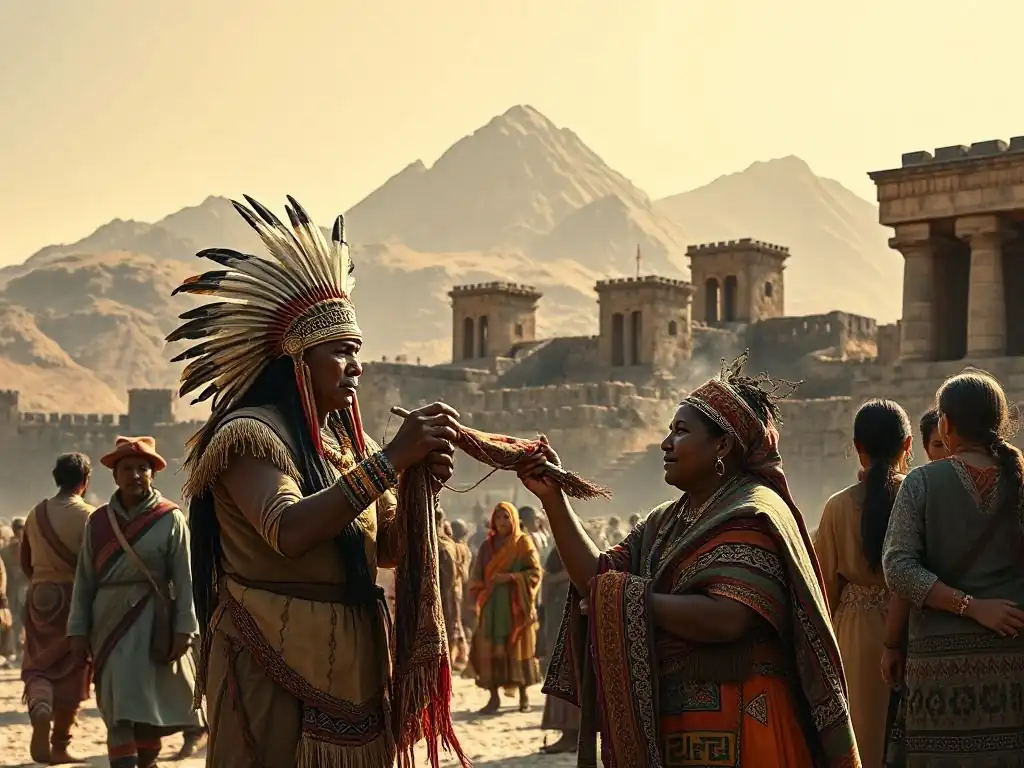
The connections between the Inca civilization and earlier Andean cultures are deeply rooted in linguistic and ethnic ties that shaped the region's social fabric. The Andean landscape was home to various ethnic groups, each contributing to a rich tapestry of languages, traditions, and social structures. Understanding these ties offers insight into how the Inca emerged as a dominant power while integrating the cultural legacies of their predecessors.
The Quechua Language and Its Evolution
One of the most significant aspects of the Inca's connection to earlier Andean cultures is the Quechua language, which serves as a vital linguistic link. Quechua is not only the language of the Inca Empire but also the lingua franca that facilitated communication across diverse ethnic groups in the Andes.
The evolution of Quechua can be traced back to pre-Inca societies, where it was spoken in various dialects across the highlands. Linguistic studies suggest that these dialects evolved from a common ancestral language, indicating a shared cultural heritage among the Andean peoples. With the rise of the Inca Empire, Quechua spread widely, becoming the official language of the state and a tool for administration and cultural exchange.
The adoption of Quechua by the Inca signifies their recognition of the linguistic landscape of the region, which allowed them to unify a vast territory and its diverse population under a single cultural umbrella. Today, Quechua remains a vital part of Andean identity, evidencing the deep-rooted connections between the Inca and earlier cultures.
Ethnic Diversity in the Andean Region
The Andean region was characterized by a mosaic of ethnic groups, each with distinct languages, customs, and identities. Before the Inca Empire unified these groups, powerful civilizations such as the Moche, Nazca, and Tiwanaku thrived, leaving behind a wealth of cultural and historical legacies.
This ethnic diversity played a crucial role in shaping the Inca's social and political policies. The Inca employed a strategy known as "mitmaq," which involved relocating groups to promote integration and loyalty. This practice not only facilitated the spread of Inca culture but also allowed the rulers to tap into the existing knowledge and skills of various ethnic groups, including agricultural techniques, textile production, and architectural styles.
By embracing the rich ethnic diversity of the Andes, the Inca were able to create a more cohesive empire that drew on the strengths of its constituent cultures. This blending of identities contributed to the Inca's lasting impact on Andean civilization and its cultural evolution.
Artistic and Cultural Expressions
The artistic and cultural expressions of the Andean region provide a fascinating glimpse into the connections between the Inca and their predecessors. The continuity of themes, motifs, and techniques illustrates how the Inca built upon the artistic traditions of earlier civilizations.
Artifacts Linking Inca and Earlier Andean Cultures
Archaeological discoveries have unveiled numerous artifacts that highlight the connections between the Inca and earlier Andean cultures. Pottery, textiles, and metalwork from various sites reveal a continuity of craftsmanship and artistic styles.
For instance, the intricate pottery designs of the Moche civilization, characterized by detailed facial representations and mythological scenes, influenced later Inca pottery. Similarly, the use of vibrant colors and complex patterns in textiles can be traced back to earlier cultures, demonstrating the skill and creativity that persisted through generations.
Notable artifacts, such as the famous "Sun Gate" of Tiwanaku, have been interpreted as direct influences on Inca architectural styles. These connections not only reflect technological advancements but also signify the importance of cultural exchange and adaptation in shaping the Inca's artistic identity.
Influence of Earlier Art Styles on Inca Art
The Inca Empire is renowned for its monumental architecture and sophisticated artistic techniques, yet much of this brilliance was drawn from earlier Andean cultures. The influence of earlier art styles can be seen in the Inca's use of geometric designs, natural motifs, and religious iconography, which were prevalent in pre-Inca societies.
For example, the Inca adopted the use of vibrant colors and intricate weaving techniques from the Wari and Nazca cultures, which enriched their textile production. The incorporation of religious symbols from earlier traditions, such as the puma and condor, into Inca art illustrates their respect for the beliefs of previous civilizations.
Additionally, the Inca's ability to blend these artistic elements with their own innovations resulted in a unique cultural expression that reflected both continuity and change. The legacy of earlier art styles not only enriched Inca art but also laid the groundwork for future Andean artistic expressions, ensuring that the rich heritage of the region endures even today.
The Legacy of Andean Cultures in the Inca Empire
The Inca Empire, which flourished from the early 15th century until the Spanish conquest in the 16th century, was not an isolated phenomenon but rather a culmination of centuries of cultural evolution within the Andean region. Earlier Andean cultures, such as the Chavín, Moche, and Nazca, laid the groundwork for the political, social, and religious frameworks that the Inca would later adopt and adapt. These cultures contributed significantly to agricultural advancements, architectural techniques, and intricate textile arts that became hallmarks of Inca civilization.
The legacy of these earlier societies is evident in the Inca's sophisticated agricultural practices, which included terrace farming and irrigation systems, techniques that were first developed by their ancestors. Moreover, the use of quipu, a system of knotted strings for record-keeping, can be traced back to earlier cultures, demonstrating a continuity of complex administrative practices. The architectural innovations, particularly the construction of monumental stone structures, reflect a deep-rooted tradition of craftsmanship that the Incas refined to create their iconic sites like Machu Picchu and Sacsayhuamán.
Continuity and Change in Cultural Practices
Cultural practices in the Andes displayed both continuity and change as the Inca Empire expanded. Rituals and religious beliefs were heavily influenced by pre-Inca traditions, with deities and cosmologies often merged or adapted to fit the Inca narrative. For instance, the worship of Pachamama, the earth goddess, was integral to both earlier Andean cultures and the Inca, symbolizing a shared reverence for nature. However, the Inca also introduced their own pantheon of gods, leading to a syncretism that characterized their religious practices.
Social structures also evolved, with the Incas implementing a more centralized and hierarchical system of governance. While earlier cultures had their own forms of leadership and community organization, the Inca model introduced a more extensive bureaucracy and the concept of the Inca as a divine ruler. This shift not only altered the political landscape but also the social fabric of Andean societies, as common people became integrated into a vast imperial system governed by the Inca.
Impact on Modern Indigenous Cultures in the Andes
The legacy of the Inca and earlier Andean cultures continues to resonate in modern indigenous societies across the Andes. Many contemporary communities maintain agricultural practices that reflect traditional methods passed down through generations, such as the cultivation of native crops like quinoa and potatoes. Furthermore, traditional textile techniques, which were highly developed during the Inca period, are still practiced by artisans today, showcasing vibrant colors and intricate patterns that tell stories of their heritage.
Cultural festivals and rituals often draw from both Inca and pre-Inca traditions, highlighting the enduring significance of ancestral practices in contemporary identity. The Quechua and Aymara peoples, for instance, celebrate festivals that are a blend of ancient customs and adaptations made during the Inca Empire, reinforcing their connection to the rich tapestry of Andean history. This continuity fosters a sense of pride and identity among modern indigenous cultures, as they navigate the complexities of globalization while honoring their past.
Conclusion: Understanding the Inca Through Their Predecessors
The Importance of Studying Inca and Earlier Andean Connections
Understanding the Inca Empire requires an appreciation of the intricate relationships it had with earlier Andean cultures. By studying these connections, we gain insights into how cultural practices, technologies, and social structures evolved over time. This interdisciplinary approach not only enriches our knowledge of the Inca but also illuminates the broader narrative of human adaptation and resilience in the Andes.
Scholarly research has highlighted the importance of these connections, revealing how the Inca were not merely conquerors but also cultural custodians who integrated and transformed the heritage of their predecessors. This understanding is essential to grasp the complexities of Andean civilization and its remarkable achievements.
Final Thoughts on Cultural Heritage and Identity in the Andes
The exploration of Inca and earlier Andean cultures sheds light on the profound cultural heritage that has shaped the identities of contemporary Andean peoples. Recognizing the interwoven narratives of these civilizations allows for a deeper appreciation of the richness of their traditions and the challenges they face today. As modern indigenous communities continue to navigate a world influenced by colonial history and modernity, their ability to draw from a rich cultural legacy empowers them to assert their identities and preserve their heritage.
The connections between the Inca and earlier Andean cultures are vital to understanding not only the past but also the present and future of indigenous identities in the Andes. Emphasizing these ties fosters a respectful recognition of the complex history that continues to influence the lives of millions in the region.
- Introduction to Inca and Earlier Andean Cultures
- The Historical Context of Andean Cultures
- Inca Andean Culture Connections
- The Role of Trade and Communication
- Linguistic and Ethnic Ties
- Artistic and Cultural Expressions
- The Legacy of Andean Cultures in the Inca Empire
- Conclusion: Understanding the Inca Through Their Predecessors
- What are the key features of Inca Andean culture connections?
- How did the Inca influence earlier Andean cultures?
- What role did religion play in the Inca Andean culture connections?
- How did the geography of the Andes affect the Inca and earlier cultures?
- What lasting impacts did the Inca civilization have on modern Andean cultures?
Frequently Asked Questions
What are the key features of Inca Andean culture connections?
The Inca Andean culture connections highlight the shared traditions, agricultural practices, and architectural techniques that evolved over centuries among various Andean civilizations.
How did the Inca influence earlier Andean cultures?
The Inca synthesized and built upon the cultural achievements of earlier Andean societies, leading to advancements in agriculture, engineering, and social organization.
What role did religion play in the Inca Andean culture connections?
Religion was central to the Inca civilization, interweaving with earlier Andean beliefs, particularly in the worship of nature deities and the Andean cosmology that emphasized harmony with the environment.
How did the geography of the Andes affect the Inca and earlier cultures?
The geographical diversity of the Andes, including mountains and valleys, influenced the development of distinct societies and their adaptation to different ecological niches, fostering rich cultural connections.
What lasting impacts did the Inca civilization have on modern Andean cultures?
The Inca civilization left a profound legacy in areas like language, agriculture, and community organization, which continue to influence contemporary Andean cultures today.
Final Reflection: Unraveling the Threads of Inca and Andean Culture Connections
In exploring the mysterious connection between the Inca and earlier Andean cultures, we uncover a rich tapestry of history that continues to resonate today. The intricate relationships forged through shared beliefs, agricultural practices, and architectural innovations remind us that cultures do not exist in isolation; they evolve and adapt through the contributions of those who came before. This understanding is crucial in a world that often seeks to categorize and compartmentalize, as it highlights the importance of interconnectedness in human history.
The influence of these ancient cultures on contemporary Andean societies is profound and enduring. As we delve deeper into the legacies of the Inca and their predecessors, we find that their traditions, rituals, and communal values still shape the identities of modern communities. History is not a burden on the memory but an illumination of the soul.
This quote encapsulates how the past continues to inform our present, urging us to appreciate the cultural richness that has been passed down through generations. The ongoing celebration of Andean heritage, from festivals to agricultural practices, serves as a testament to the resilience and adaptability of these cultures.
As we reflect on the connections between the Inca and earlier Andean cultures, I invite you to consider how these lessons can be applied in your own life. Embrace the idea that our identities are woven from the threads of those who came before us, and recognize the value of understanding and preserving cultural heritage. Let this exploration inspire you to seek connections in your own community, fostering a sense of belonging and appreciation for the diverse narratives that shape our world. Together, we can honor the past while paving the way for a more inclusive and interconnected future.
Unveil the Secrets of Andean Heritage!
Thank you for diving into the fascinating world of the Inca and earlier Andean cultures! You've uncovered key insights into their mysteries and connections—now it's time to take action and deepen your understanding even further.
Here are some exciting steps you can take to explore this rich heritage:
- Join a local or online discussion group focused on Indigenous cultures to share what you’ve learned and gain new perspectives.
- Visit a museum that showcases Andean artifacts or cultural exhibitions to experience the history firsthand.
- Consider volunteering with organizations dedicated to preserving Indigenous cultures and history in your area.
How do you see the influences of earlier Andean cultures shaping today’s identities in the region? We invite you to share your thoughts below!