
The Inca Empire's Fall: Political Missteps and Consequences

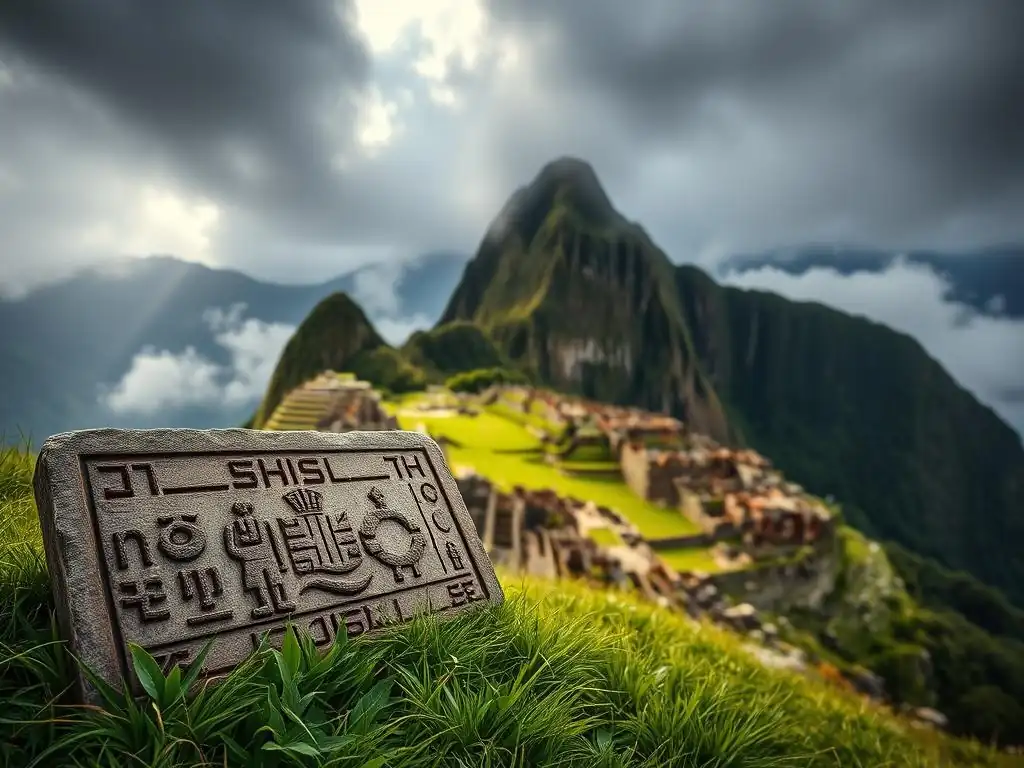
Welcome to Indigenous Civilizations of the Americas, where we embark on a fascinating journey through the rich tapestry of indigenous cultures that flourished long before European contact. In this exploration, we delve into the intricate world of the Inca Empire, examining the political missteps that ultimately led to its decline. What decisions shaped the destiny of this remarkable civilization? Join us as we uncover the complexities of their society and the profound consequences of their leadership choices, inviting you to discover the legacies that continue to resonate today. Dive in and let curiosity guide your exploration!
Introduction to the Inca Empire
The Inca Empire, one of the most remarkable civilizations to emerge in the Americas, flourished from the early 15th century until the Spanish conquest in the 16th century. Spanning a vast territory along the western coast of South America, the Inca Empire was characterized by its sophisticated political structure, advanced agricultural practices, and rich cultural heritage.
However, despite its impressive achievements, the empire ultimately faced significant challenges that led to its downfall. This article delves into the intricate political missteps that contributed to the decline of the Inca Empire, examining how governance choices shaped its fate and set the stage for external conquest.
Overview of the Inca Civilization
The Inca Civilization was defined by its monumental architecture, extensive road networks, and innovative agricultural techniques such as terrace farming. At its height, the empire encompassed regions of modern-day Peru, Ecuador, Bolivia, and Chile, with a population estimated between 6 to 12 million people. The Incas spoke Quechua and shared a rich cultural tapestry, including religion, art, and social organization.
- Key Features of the Inca Civilization:
- Architecture: Notable structures such as Machu Picchu and Sacsayhuamán.
- Agriculture: Advanced techniques, including irrigation and crop rotation.
- Road Systems: A vast network facilitating trade and military movement.
The Significance of Political Structure in the Inca Empire
The political structure of the Inca Empire was centralized and hierarchical, with the Sapa Inca at the top, serving both as the political leader and a divine figure. The governance system was characterized by a complex bureaucracy that managed various aspects of life, including agriculture, military, and tribute collection. This structure was crucial for maintaining order and unity across the vast empire.
- Political Hierarchy:
- Sapa Inca: The supreme ruler.
- Nobles: Advisors and regional governors (curacas).
- Commoners: The general populace responsible for labor and tribute.
The effectiveness of this political structure allowed the Incas to manage a diverse population and coordinate large-scale projects. However, as the empire expanded, the challenges of governance grew, leading to critical missteps that would ultimately undermine its stability.
Understanding Political Missteps in the Inca Empire
Political missteps refer to decisions or actions taken by leadership that result in negative consequences for governance and societal stability. In the context of the Inca Empire, these missteps were particularly impactful due to the centralized nature of its political system, where the decisions made by the Sapa Inca and his advisors could echo throughout the entire empire.
Definition of Political Missteps
Political missteps encompass various failures in leadership, strategy, and governance that can lead to unrest, discontent among the populace, and ultimately, a decline in power. In the case of the Inca Empire, these missteps were often rooted in the attempts to manage a vast and diverse empire, where conflicting interests and regional disparities posed significant challenges.
- Types of Political Missteps:
- Poor Leadership Decisions: Actions that alienated key groups within society.
- Failure to Adapt: Inability to respond to changing circumstances or external threats.
- Mismanagement of Resources: Ineffective allocation leading to shortages or unrest.
Key Political Missteps that Led to Decline
The decline of the Inca Empire can be traced through several key political missteps that exacerbated internal divisions and weakened its ability to respond to external threats. Among these missteps were:
- Succession Crisis: The death of Sapa Inca Huayna Capac led to a power struggle between his sons, resulting in civil war and fragmentation of the empire.
- Overextension: Rapid territorial expansion strained resources and governance, leading to difficulties in maintaining control over distant provinces.
- Failure to Address Local Grievances: The imposition of heavy tribute and labor demands alienated local populations, fostering resentment and unrest.
These political missteps not only destabilized the Inca Empire but also created an environment ripe for the Spanish conquest, highlighting the profound impact of governance decisions on the trajectory of civilizations.
Consequences of Political Missteps on the Inca Empire
The political missteps of the Inca Empire, particularly during the tumultuous final years leading up to its collapse, had profound consequences that reverberated throughout the empire and its society. The internal strife and poor governance strategies not only weakened the foundations of the Inca state but also paved the way for external threats, most notably the Spanish conquest. Understanding these consequences is critical to grasping the full scope of the Inca Empire's fall.
Immediate Effects on Governance
The immediate effects of political missteps within the Inca Empire were starkly visible in its governance structure. As rival factions emerged, primarily between the forces loyal to Huáscar and those aligned with Atahualpa, the central authority of the Sapa Inca began to erode. This division led to:
- Fragmentation of Power: The once-unified command of the Sapa Inca fractured, as local leaders began asserting more autonomy in the absence of strong central control. This fragmentation undermined the efficacy of governance and created a vacuum that weakened the administrative capabilities of the empire.
- Civil War: The rivalry between Huáscar and Atahualpa escalated into a brutal civil war, diverting resources and attention from the external threats posed by the encroaching Spanish. This conflict not only depleted manpower but also damaged the infrastructure and stability of the empire.
- Loss of Public Trust: As the political situation deteriorated, the loyalty of the populace began to wane. Subjects who once revered the Sapa Inca as a divine ruler now questioned the legitimacy of their leadership amidst civil strife. This erosion of trust further destabilized governance and diminished the effectiveness of the empire's policies.
Long-term Consequences for Inca Society
The long-term consequences of these political missteps had lasting impacts on Inca society, reshaping its social fabric and cultural legacy. Key outcomes included:
- Social Disintegration: The civil war and political infighting led to significant social upheaval. Communities became divided along factional lines, fostering mistrust and animosity among different groups. This disintegration made it difficult for the Inca to maintain social cohesion and unity.
- Economic Decline: As conflicts raged, agricultural production and trade suffered. The disruption of traditional practices and the loss of skilled labor caused the economy to falter. The once-thriving exchange networks that linked various regions of the empire began to crumble, leading to shortages and famine in some areas.
- Cultural Erosion: The political turmoil also contributed to a decline in cultural practices and knowledge transmission. With a weakened political structure, patronage of the arts and religious activities diminished, leading to a loss of cultural identity and heritage that had characterized the Inca civilization.
Case Studies of Political Failures
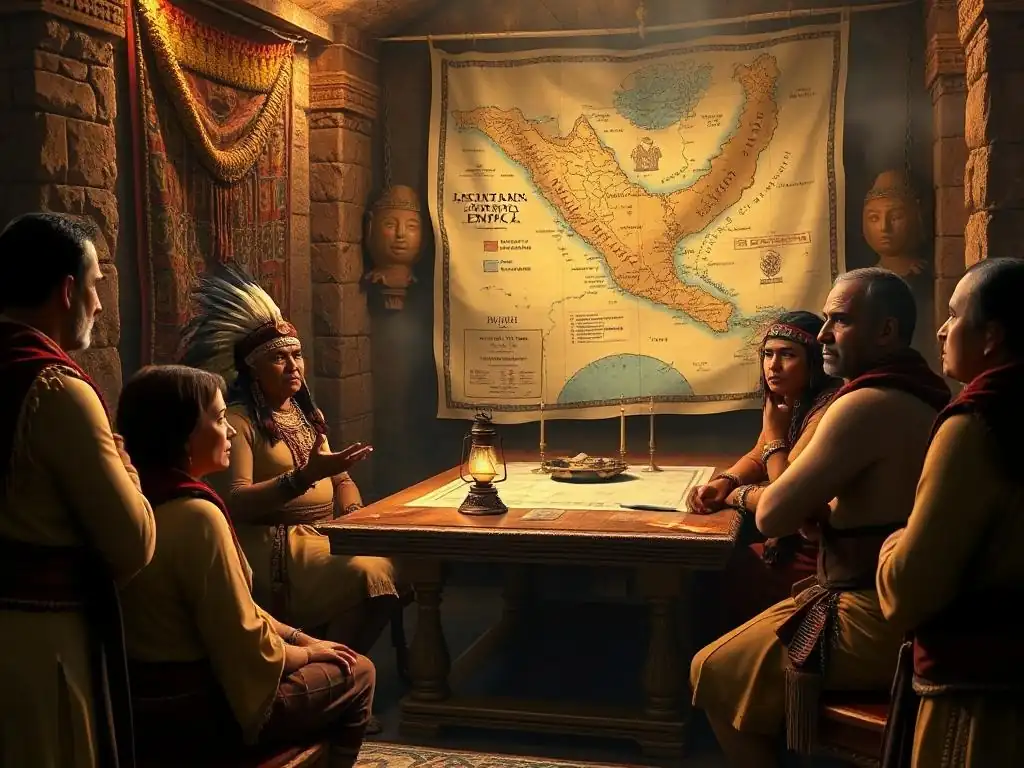
Examining specific cases of political failures within the Inca Empire provides valuable insights into how these missteps directly contributed to its downfall. Two pivotal case studies illustrate the complexities and consequences of internal discord.
The Role of Huáscar and Atahualpa's Rivalry
The rivalry between Huáscar and Atahualpa serves as a critical example of the detrimental effects of political miscalculations. Huáscar, as the legitimate heir, faced opposition from his half-brother Atahualpa, who had established a power base in the northern regions. This conflict led to:
- Civil War: The struggle for power culminated in a violent civil war that severely weakened the Inca military. Despite Huáscar's initial victories, Atahualpa ultimately captured him, further fracturing the empire's unity and military capabilities.
- Distraction from Foreign Threats: The intense focus on their rivalry blinded the Inca leadership to the looming threat of Spanish conquistadors. As resources were funneled into the internal conflict, the empire was ill-prepared to confront external adversaries who would exploit this division.
The Impact of Spanish Conquest on Inca Governance
The Spanish conquest of the Inca Empire in the early 1530s highlighted the vulnerabilities created by internal strife. Key impacts included:
- Exploitation of Division: Spanish conquistador Francisco Pizarro capitalized on the existing divisions within the Inca leadership. By aligning with discontented factions and promising them power, the Spanish were able to gain crucial support that facilitated their conquest.
- Collapse of Administrative Structures: The swift Spanish takeover led to the dismantling of the established Inca governance structures. The empire's traditional systems of administration, law, and social order were rapidly replaced or destabilized, resulting in chaos and a significant loss of authority.
- End of Sovereignty: The political missteps that defined the Inca Empire's final years culminated in the loss of sovereignty to the Spanish. The once-mighty empire fell under foreign control, marking the end of an era for indigenous governance in the Americas and ushering in a new colonial reality.
Lessons from the Political Missteps of the Inca Empire
The Inca Empire, despite its remarkable achievements in infrastructure, agriculture, and culture, faced significant political missteps that ultimately contributed to its downfall. Understanding these lessons can provide valuable insights into the importance of effective governance in any society. The Inca’s experiences reveal that strong leadership, effective succession planning, and unity in governance are critical components that ensure the stability and longevity of a political entity. Each of these aspects played a vital role in the challenges faced by the Inca Empire, highlighting the consequences of neglecting them.
Importance of Strong Leadership
Strong leadership was crucial for the cohesion and success of the Inca Empire. Leaders such as Pachacuti and his successors established a robust system of governance, but as the empire expanded, the quality of leadership became inconsistent. The later rulers demonstrated weaknesses in decision-making and failed to address the growing unrest among the diverse groups within the empire.
Key points about strong leadership include:
- Vision and Decision-Making: Effective leaders must have a clear vision and the ability to make decisive actions, especially during times of crisis.
- Crisis Management: The inability to respond swiftly to external threats or internal dissent can lead to widespread instability.
- Cultural Cohesion: Leaders must foster a sense of unity among diverse populations, respecting and integrating various cultural practices.
The lack of strong leadership in the latter years of the Inca Empire led to fragmentation, weakening the centralized authority that had previously unified the vast territories.
Need for Effective Succession Planning
The Inca Empire's approach to succession planning was often fraught with challenges. The practice of designating heirs was sometimes unclear, which led to power struggles and civil wars following the death of key leaders. For instance, the rivalry between Huáscar and Atahualpa illustrated how unclear succession could lead to devastating consequences for the empire.
Key aspects of effective succession planning include:
- Clear Designation of Heirs: Establishing a transparent line of succession helps to prevent disputes that can destabilize governance.
- Training Future Leaders: Preparing successors with the necessary skills and knowledge is essential for maintaining continuity in leadership.
- Conflict Resolution Mechanisms: Having strategies in place to manage disputes among potential leaders can mitigate the risk of civil strife.
The Inca Empire's failure to establish a robust succession plan led to a period of instability that ultimately weakened its political structure and made it vulnerable to external forces.
The Role of Unity in Governance
Unity within the Inca Empire was paramount for maintaining control over its vast territories. The empire succeeded in integrating various cultures and peoples, yet this unity was often superficial. As power struggles emerged and regional leaders became more assertive, the cohesion of the empire began to erode.
Key elements of unity in governance include:
- Cultural Integration: Promoting a shared identity among diverse groups can strengthen the fabric of governance.
- Decentralized Authority: While centralized control is important, allowing local leaders to have a voice can enhance loyalty and reduce discontent.
- Collective Decision-Making: Involving various stakeholders in governance can foster a sense of ownership and commitment to the empire.
The lack of true unity, especially during leadership transitions, contributed to the decline of the Inca Empire, as regional factions began to prioritize their interests over those of the empire as a whole.
Conclusion
Summary of Key Political Missteps and Their Consequences
The political missteps of the Inca Empire provide a stark reminder of the importance of effective governance. The failure to maintain strong leadership, implement effective succession planning, and foster unity led to internal strife and weakened the empire’s structure. These missteps not only catalyzed the decline of the empire but also set the stage for its eventual conquest by Spanish forces.
- Weak Leadership: Inconsistent leadership led to a lack of direction and stability.
- Poor Succession Planning: Ambiguities in succession caused conflicts that fragmented the empire.
- Erosion of Unity: A decline in cohesion among diverse groups resulted in internal divisions.
Reflection on the Legacy of the Inca Empire's Governance
The legacy of the Inca Empire’s governance serves as a powerful lesson for contemporary societies. It underscores the need for strong, visionary leadership and the importance of planning for the future. The Inca’s sophisticated political structures, while remarkable for their time, ultimately fell short in key areas that are critical for sustained success.
By reflecting on the Inca Empire's political missteps, modern leaders can glean valuable insights into the challenges of governance, the necessity for unity, and the importance of preparing for transitions in leadership. This historical analysis not only enriches our understanding of the Inca Empire but also informs present and future governance practices across the globe.
- Introduction to the Inca Empire
- Understanding Political Missteps in the Inca Empire
- Consequences of Political Missteps on the Inca Empire
- Case Studies of Political Failures
- Lessons from the Political Missteps of the Inca Empire
- Conclusion
- What were the main political missteps of the Inca Empire?
- How did political missteps contribute to the fall of the Inca Empire?
- What role did leadership decisions play in the empire's decline?
- Were there any successful responses to the political challenges faced by the Incas?
- How did the political missteps of the Inca Empire affect subsequent indigenous cultures?
Frequently Asked Questions
What were the main political missteps of the Inca Empire?
The Inca Empire's political missteps included overexpansion and failure to manage diverse populations, leading to internal dissent and weakened authority.
How did political missteps contribute to the fall of the Inca Empire?
These political missteps created vulnerabilities that European conquerors exploited, ultimately leading to the collapse of the empire in the 16th century.
What role did leadership decisions play in the empire's decline?
Poor leadership decisions, such as ineffective succession practices, resulted in power struggles that destabilized the Inca political structure.
Were there any successful responses to the political challenges faced by the Incas?
While the Inca Empire made attempts to address political challenges, such as reforms, these efforts often fell short due to overarching issues like resource strain and conflict.
How did the political missteps of the Inca Empire affect subsequent indigenous cultures?
The political missteps led to a shift in power dynamics, impacting subsequent indigenous cultures by paving the way for European domination and altering the social landscape in the Americas.
Final Reflection: Understanding the Inca Empire's Political Missteps and Their Lasting Consequences
The examination of the Inca Empire's political missteps reveals not only the fragility of power but also the profound consequences that arise from governance failures. As we reflect on the intricate web of political decisions that led to the empire's downfall, it becomes clear that the lessons learned from this historical narrative resonate deeply in today's world. The miscalculations of leadership in the past serve as a stark reminder that the choices made by those in power can shape the destinies of entire civilizations.
The impact of the Inca Empire's political missteps continues to echo through time, influencing our understanding of leadership, governance, and societal resilience. These historical lessons remind us that the balance of power is delicate and that the repercussions of political decisions can extend far beyond their immediate context. As we navigate our own political landscapes, we can draw inspiration from the past. Those who cannot remember the past are condemned to repeat it.
– George Santayana. This quote encapsulates the importance of historical awareness in shaping our future, urging us to learn from the mistakes of previous leaders.
As we conclude this exploration of the Inca Empire's fall, I invite you to reflect on the lessons embedded within this history. Consider how the themes of political accountability and foresight apply to your own life and the world around you. What can you learn from the past to inform your present decisions? Embrace the opportunity to engage in thoughtful discourse and action, ensuring that the echoes of history guide you toward a more informed and responsible future.
Unveil the Lessons of the Inca Empire’s Fall!
Thank you for taking the time to explore the complexities of the Inca Empire's decline. Your interest in these historical events not only enriches your understanding but also highlights the crucial role political decisions play in shaping civilizations. Now, it’s time to take the insights you've gained and transform them into action!
Here are a few ways you can engage further:
- Dive deeper into Indigenous cultures by researching various civilizations and their unique political landscapes.
- Join our community! Share your thoughts on the Inca Empire’s fall in the comments below and connect with others who are passionate about history.
- Consider reading “1491: New Revelations of the Americas Before Columbus” to broaden your perspective on pre-Columbian societies.
As we reflect on the past, how do you think the political decisions of today’s leaders will influence the future of our civilizations?