
The Connection Between Inca Art and Agricultural Practices

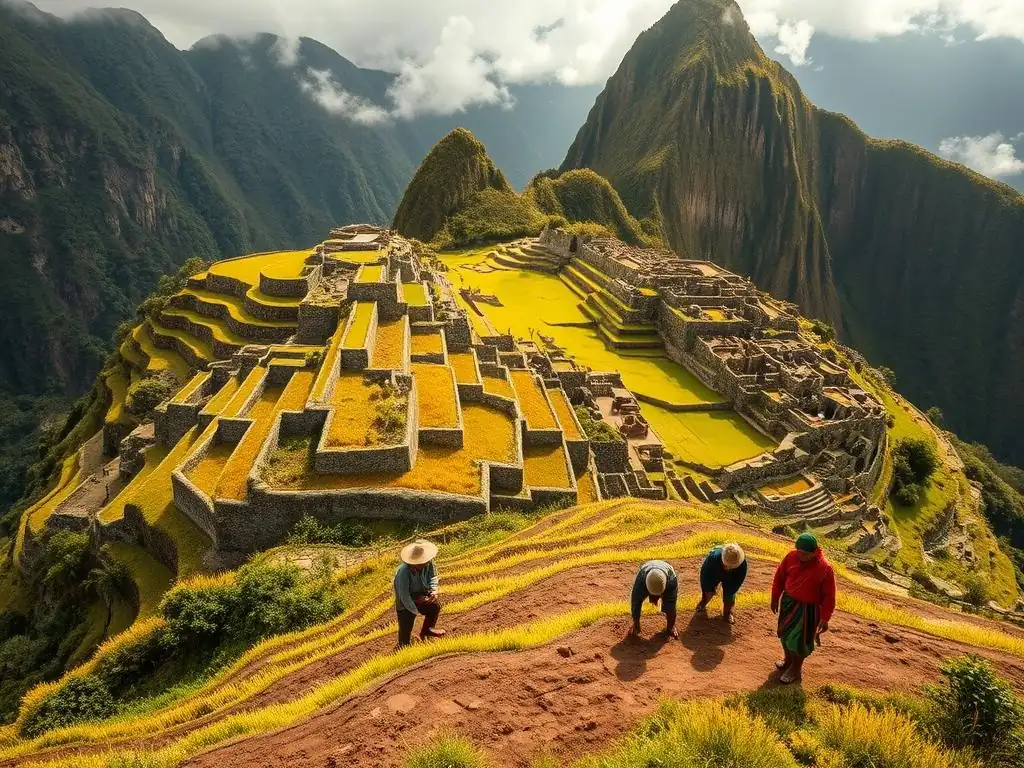
Welcome to Indigenous Civilizations of the Americas, where we invite you to journey through the rich tapestry of cultures that flourished long before European contact. In our featured article, "The Connection Between Inca Art and Agricultural Practices," we delve into the profound relationship between the stunning artistry of the Inca and their ingenious agricultural methods. Discover how these two elements intertwined to create a vibrant society that not only survived but thrived in harmony with the land.
Curious about how art reflects agricultural ingenuity? Join us as we uncover the layers of this fascinating connection and explore the legacy of the Inca civilization!
- Introduction to Inca Art and Agriculture Connection
- Historical Context of Inca Civilization
- Inca Art as a Reflection of Agricultural Practices
- The Influence of Geography on Inca Art and Agriculture
- Rituals and Ceremonies Connecting Inca Art and Agriculture
- The Techniques and Materials Used in Inca Art
- Legacy of Inca Art and Agricultural Practices
- Conclusion: The Interwoven Nature of Inca Art and Agriculture
-
Frequently Asked Questions
- What is the significance of Inca art in relation to their agricultural practices?
- How did the Inca civilization incorporate agriculture into their art?
- What types of art were influenced by agricultural themes in the Inca culture?
- Can you explain the role of landscapes in Inca art related to agriculture?
- How did Inca agricultural innovations influence their artistic expressions?
- Final Reflection: The Enduring Legacy of Inca Art and Agriculture Connection
- Uncover the Rich Ties Between Art and Agriculture!
Introduction to Inca Art and Agriculture Connection
The Inca civilization, one of the most remarkable indigenous cultures of the Americas, is celebrated not only for its vast empire but also for its profound connection between art and agriculture. This relationship is crucial to understanding how the Incas utilized their environment and resources, blending aesthetic expression with practical agricultural practices.
The intricate designs found in Inca art serve not only as a testament to their artistic prowess but also reflect their agricultural heritage, symbols of fertility, and reverence for the land. This article delves into the multifaceted connection between Inca art and agricultural practices, showcasing how these elements intertwined to shape a thriving society that has left an indelible mark on history.
Understanding the Importance of Inca Art
Inca art is a rich tapestry of expression that encompasses various forms, including textiles, pottery, metalwork, and monumental architecture. Each artistic endeavor was imbued with cultural significance, reflecting the values, beliefs, and daily life of the Inca people. The importance of Inca art can be understood through several key aspects:
-
Cultural Identity:
Inca art serves as a crucial medium for expressing cultural identity. Through intricate designs and patterns, artisans conveyed stories, religious beliefs, and social structures. For instance, textile weavings often depicted the status of individuals, with specific patterns reserved for nobility.
-
Symbolism and Ritual:
Many art forms were deeply symbolic, often linked to agricultural cycles. For example, the depiction of crops in pottery or textiles could serve as offerings to Pachamama (Mother Earth) to ensure bountiful harvests. Such rituals illustrate how art was not merely decorative but a vital part of agricultural practices.
-
Technological Innovation:
The Inca were masterful in their use of materials, which often reflected their agricultural practices. The creation of vibrant dyes from local plants and minerals showcases their understanding of the natural world and their ability to transform resources into art.
Overview of Inca Agricultural Practices
Agriculture was the backbone of the Inca economy, and its practices were as sophisticated as their artistic endeavors. The Incas developed innovative techniques that maximized the productivity of their diverse landscapes. Some notable aspects of Inca agricultural practices include:
-
Terracing:
The Incas utilized terraced farming to cultivate crops on steep slopes, effectively managing water drainage and soil erosion. This technique allowed them to maximize arable land in the mountainous regions of the Andes.
-
Crop Diversity:
The Inca cultivated a wide range of crops, including potatoes, maize, quinoa, and beans. This diversity not only supported their diet but also contributed to the resilience of their agricultural system against pests and disease.
-
Irrigation Systems:
Advanced irrigation systems were developed to channel water from rivers and streams to their fields. These systems were essential for sustaining agriculture in the arid regions of the empire, demonstrating the Incas' ingenuity in resource management.
-
Seasonal Festivals:
Agricultural practices were often intertwined with cultural festivities, celebrating the planting and harvesting seasons. These events featured elaborate rituals and artistic displays, further reinforcing the connection between art and agriculture.
The connection between Inca art and agricultural practices is a testament to the complex and interwoven nature of their civilization. Through a deeper exploration of these themes, we can gain insight into how the Incas not only survived but thrived in a challenging environment, leaving a legacy that continues to inspire and educate today.
Historical Context of Inca Civilization
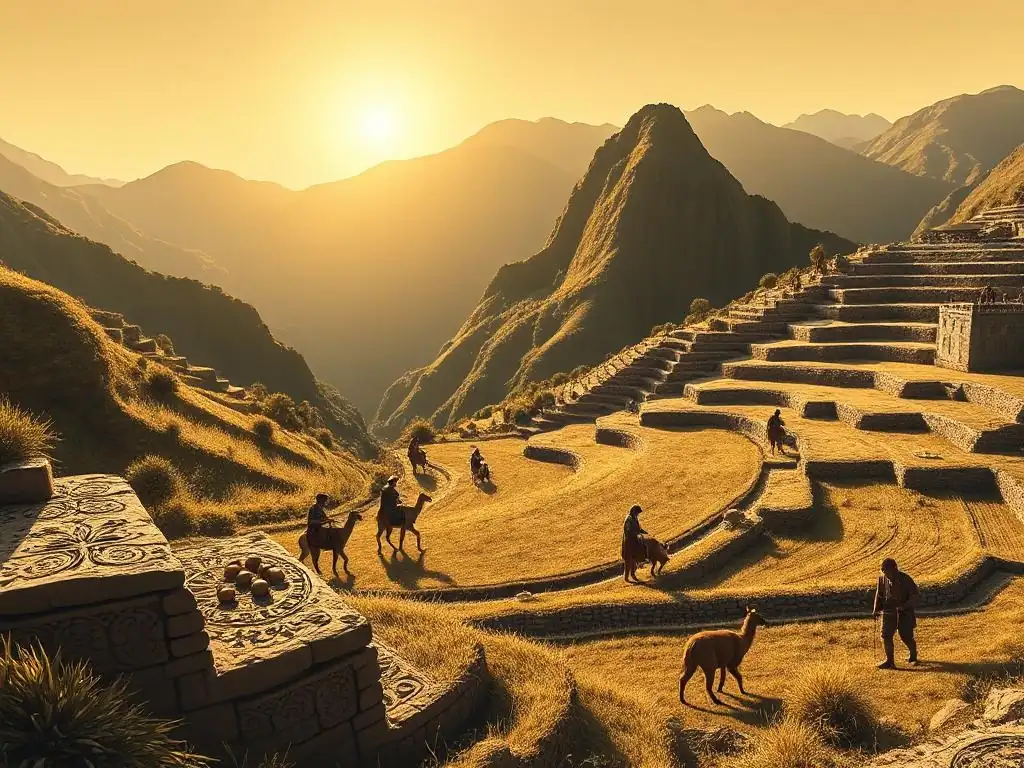
The Inca Civilization, which flourished in the Andean region of South America from the early 15th century until the Spanish conquest in the 16th century, is renowned for its sophisticated societal structures, engineering prowess, and rich cultural heritage. The Incas established one of the largest empires in pre-Columbian America, known as Tawantinsuyu, which stretched across present-day Peru, Ecuador, Bolivia, and parts of Chile and Argentina.
The Incas’ ability to adapt to diverse geographical conditions—from high mountainous terrains to coastal deserts—was crucial for their success. Central to their society was agriculture, which not only sustained their population but also supported their expansive empire through trade, tribute, and the cultivation of diverse crops. The extensive agricultural practices incorporated advanced techniques such as terracing, irrigation, and the use of guano as fertilizer, which led to surplus production.
The foundation of Inca society rested heavily on the agricultural calendar, which dictated the rhythm of life, religious ceremonies, and festivals. This agrarian lifestyle deepened the connection between their spiritual beliefs and art, as vibrant artistic expressions often depicted agricultural themes and deities associated with fertility and harvest.
The Role of Agriculture in Inca Society
Agriculture was the backbone of Inca society, with the Incas cultivating a variety of crops including potatoes, maize, quinoa, and various legumes. The agricultural system was highly organized, involving a hierarchy of labor where communities were responsible for producing food for both their local needs and the empire's demands.
- Terracing: The Incas ingeniously transformed steep mountain slopes into arable land through terracing, which not only maximized usable land but also minimized soil erosion. This technique allowed them to cultivate diverse crops at different altitudes, significantly contributing to food security.
- Irrigation Systems: Advanced irrigation systems enabled the Incas to manage water resources effectively. Canals and aqueducts were constructed to channel water from rivers and streams to their fields, ensuring consistent irrigation. This innovation was vital for sustaining crops in the arid regions of the Andes.
- Crop Diversity and Surplus: The Incas practiced crop rotation and polyculture, planting multiple crops together to enhance soil fertility and yield. This diversity not only supported their diet but also provided materials for textiles, dyes, and other artistic endeavors.
The significance of agriculture in Inca culture extended beyond mere sustenance; it was interwoven with their identity and cosmology. Agricultural deities such as Pachamama (Mother Earth) were revered in rituals and festivals, reinforcing the belief that successful harvests were a reflection of divine favor.
Development of Artistic Expression in Inca Culture
The artistic expression of the Incas is deeply intertwined with their agricultural practices, reflecting their reverence for the land and the cycles of nature. Inca art, particularly textiles, pottery, and metalwork, often featured motifs that symbolized fertility, agricultural abundance, and the natural world.
- Textiles: The Incas were skilled weavers, producing textiles that were not only practical but also held significant cultural value. Patterns and colors in textiles often represented agricultural themes, with certain designs symbolizing specific crops or fertility. The use of vibrant dyes derived from natural sources, such as plants and minerals, showcased their artistic ingenuity.
- Pottery: Incan pottery often depicted agricultural scenes, including the harvesting of crops and the use of farming tools. The craftsmanship involved in creating these vessels reflects the importance of agriculture in daily life; they were used for storage, cooking, and ceremonial purposes.
- Ceremonial Art: Rituals celebrating the agricultural calendar were rich in artistic expression, with offerings made to deities in the form of food, textiles, and pottery. These ceremonies often included intricate decorations and elaborate displays, emphasizing the connection between art and agriculture.
The connection between Inca art and agriculture is profound and multifaceted, reflecting the society’s dependence on farming for sustenance, economic stability, and cultural identity. Through their artistic expressions, the Incas celebrated their agricultural achievements and honored the natural world, leaving a lasting legacy that continues to be studied and admired today.
Inca Art as a Reflection of Agricultural Practices
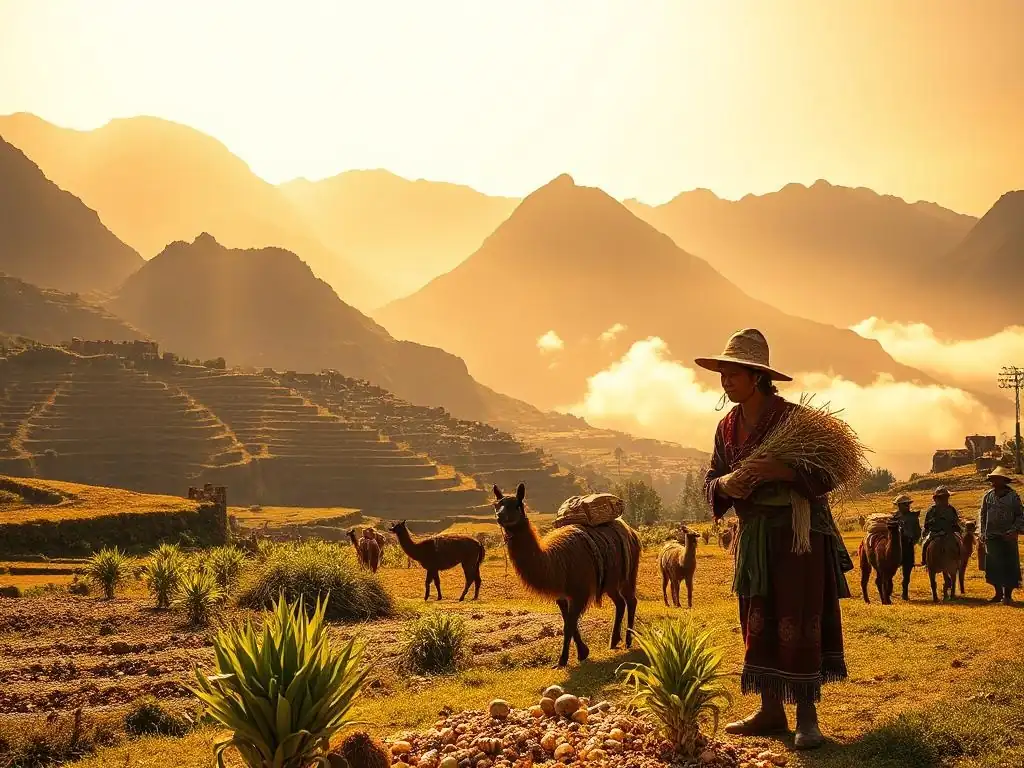
Inca art is deeply intertwined with the agricultural practices that sustained their civilization. The Inca Empire, known for its sophisticated agricultural techniques, relied heavily on the fertility of the land and the seasonal cycles, which were artistically represented in various forms of art, from pottery to textiles. This connection between art and agriculture not only illustrates the importance of farming in Inca society but also serves as a testament to their reverence for the natural world and the deities that governed it.
The Inca employed a range of artistic expressions to convey their agricultural achievements and the significance of crops in their daily lives. By examining these artistic representations, we can gain insights into how the Incas perceived and celebrated their agricultural practices. The integration of agricultural themes into their art highlights the centrality of farming to Inca culture and identity.
Symbolism of Crops in Inca Art
Crops played a crucial role in Inca art, serving as powerful symbols of life, sustenance, and fertility. The most prominent crops depicted include:
- Maize (corn): Often seen as a sacred plant, maize was not only a staple food but also held religious significance. Inca art frequently features maize motifs in textiles and pottery, symbolizing abundance and prosperity.
- Potatoes: The Inca cultivated numerous potato varieties, and this crop is often represented in their artwork. Potatoes symbolize resilience and adaptability, reflecting the diverse agricultural practices of the Incas.
- Quinoa: Known for its nutritional value, quinoa is sometimes depicted in Inca art, emphasizing its importance in their diet and agricultural systems.
Inca artisans used these crops not just for decorative purposes but as a way to communicate their deep respect for the earth and the agricultural cycles. The presence of these symbols in their art reinforces the connection between their agricultural practices and their spiritual beliefs, showcasing the integral role of farming in fostering cultural identity.
Depictions of Farming Techniques in Inca Art
Inca art also provides valuable insights into the agricultural techniques employed by this civilization. Various forms of artistic expression illustrate the methods and tools used in farming:
- Terracing: The Incas mastered the art of terracing to maximize arable land in the mountainous regions. Artistic depictions often show these terraces, highlighting their ingenuity in adapting to the challenging geography.
- Irrigation Systems: Inca art frequently features representations of irrigation channels, which were crucial for watering crops in arid regions. These depictions reveal the advanced engineering skills of the Incas in managing water resources.
- Harvesting Scenes: Many textiles and ceramics depict scenes of harvesting, showcasing the communal aspect of agricultural practices. These artworks often illustrate the tools used, such as sickles and baskets, emphasizing the importance of community in agricultural success.
Through these depictions, we can appreciate how Inca art serves as a historical record of their agricultural innovations and practices. The emphasis on farming techniques in their artwork underscores the significance of agriculture in shaping their societal structure and daily life.
The connection between Inca art and agriculture is profound and multifaceted. By examining the symbolism of crops and the representation of farming techniques, we gain a deeper understanding of how the Inca civilization valued their agricultural heritage and its impact on their cultural identity. This exploration reveals not only the technical prowess of the Incas but also their spiritual and communal ties to the land.
The Influence of Geography on Inca Art and Agriculture
The Inca civilization, known for its remarkable achievements, flourished in the diverse and challenging environments of the Andes Mountains. The geographical features of this region significantly influenced both their agricultural practices and artistic expressions. Understanding this connection provides valuable insights into how the Incas adapted to their surroundings, utilizing the landscape's resources to cultivate crops and create art that reflected their relationship with nature.
The Andean Landscape and Its Impact on Art
The Andean landscape is characterized by majestic mountains, deep valleys, and a variety of ecosystems, ranging from arid plains to lush highland forests. This diversity played a crucial role in shaping Inca art. The Incas often drew inspiration from their environment, using local materials and themes that reflected their connection to the land.
- Natural Materials: The Incas utilized materials readily available in their surroundings, such as clay, stone, and textiles made from alpaca and llama wool. This choice of materials not only showcased the richness of their environment but also allowed them to create art forms that were durable and functional.
- Symbolism in Art: Inca art is replete with symbols that represent various aspects of Andean life. For instance, the sun god Inti was frequently depicted, symbolizing not only the importance of agriculture but also the reverence the Incas held for natural elements. The use of geometric patterns and vibrant colors in textiles often mirrored the landscapes of the Andes, depicting mountains, rivers, and flora.
- Art as a Reflection of Society: The geographical challenges faced by the Incas, such as steep terrains and altitude variations, influenced their societal structure and artistic expression. Art served not just an aesthetic purpose but also as a means of communication, conveying cultural values and agricultural knowledge necessary for survival.
Agricultural Diversity in Various Inca Regions
The Inca Empire extended across a vast expanse of territory, encompassing diverse climates and agricultural zones. This diversity allowed the Incas to cultivate a wide range of crops, which in turn influenced their artistic practices.
- Highland Agriculture: In the high-altitude regions, the Incas cultivated hardy crops such as potatoes and quinoa. These crops were not only staples of their diet but also became central motifs in their art. Pottery often depicted these essential crops, emphasizing their significance in Inca daily life.
- Coastal Agriculture: The coastal areas provided a different set of resources, allowing the Incas to grow crops like maize and various fruits. The abundance of marine life also influenced artistic representations, with motifs reflecting fish and oceanic themes.
- Amazonian Influence: The Incas also ventured into the Amazonian region, where they encountered tropical biodiversity. This interaction with different ecological zones enriched their agricultural practices and introduced new themes into their art, such as intricate representations of jungle flora and fauna.
| Region | Primary Crops | Artistic Influence |
|---|---|---|
| Highlands | Potatoes, Quinoa | Pottery depicting staple crops |
| Coastal | Maize, Fruits | Oceanic themes in textiles |
| Amazonian | Tropical fruits | Jungle motifs in carvings |
The intricate connection between Inca art and agriculture is deeply rooted in the geography of the Andes. The environment not only provided the resources necessary for survival but also inspired artistic expression that reflected the Incas' profound relationship with their land. Understanding this connection enhances our appreciation of the complex cultural tapestry woven by the Incas, where art and agriculture were inextricably linked, showcasing their ingenuity and resilience in the face of geographical challenges.
Rituals and Ceremonies Connecting Inca Art and Agriculture
Agricultural Festivals and Their Artistic Representations
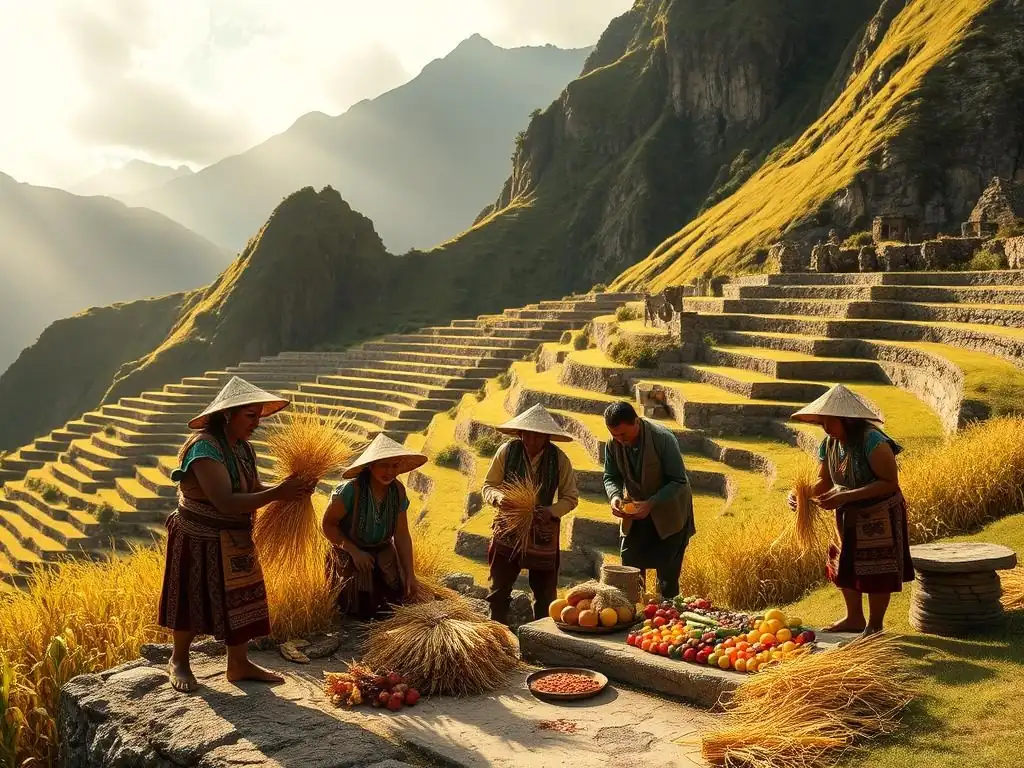
Agricultural festivals played a pivotal role in the Inca civilization, symbolizing the deep connection between their art and agricultural practices. These celebrations were not merely about harvesting crops; they were vibrant expressions of gratitude, community, and reverence for nature. The Incas believed that successful agriculture was a gift from the gods, leading them to create elaborate festivals that intertwined art and farming.
One of the most notable festivals was Inti Raymi, the Festival of the Sun, celebrated during the winter solstice. This event honored Inti, the sun god, who was central to Inca agricultural practices. The festival involved a series of rituals, including offerings and sacrifices, which were artistically represented through colorful textiles, pottery, and intricate carvings. The ceremonial attire worn by participants often featured motifs that reflected agricultural themes, such as maize, potatoes, and other crops essential to Inca life.
During these festivals, the Incas showcased their artistic talents through various mediums:
- Textiles: Vibrantly colored fabrics woven with patterns symbolizing fertility and harvest.
- Ceramics: Decorated pottery depicting agricultural scenes, including the cultivation and harvesting of crops.
- Sculptures: Stone carvings representing deities and nature, emphasizing the sacredness of agricultural practices.
The artistic representations during these festivals not only served aesthetic purposes but also reinforced the community's collective identity and agricultural heritage. Participants would engage in dances, music, and storytelling, all intertwined with artistic expressions that celebrated their connection to the land.
The Significance of Deities in Art and Farming
In the Inca worldview, deities played a crucial role in agriculture, and this relationship was vividly depicted in their art. The Incas worshipped various gods associated with agriculture, such as Pachamama (Mother Earth) and Inti (the Sun), believing that these deities directly influenced crop yields. As a result, the representation of these gods in their art was both a form of reverence and a reminder of the vital connection between spirituality and sustenance.
Artworks often illustrated scenes of agricultural life that were imbued with spiritual significance. For instance, ceremonial pottery frequently featured images of Pachamama, adorned with symbols of fertility and abundance, such as fruits and grains. These representations served not only as decorative elements but also as offerings to the gods, seeking blessings for bountiful harvests.
The significance of deities in Inca art and agriculture can be summarized as follows:
- Cultural Identity: Artistic depictions of deities fostered a strong sense of identity and community among the Incas, reinforcing their agricultural practices as sacred.
- Spiritual Connection: Art served as a medium through which the Incas communicated with their deities, seeking favor and guidance in their agricultural endeavors.
- Symbolic Representation: The use of symbols and motifs in art represented the cyclical nature of life, death, and rebirth, echoing the agricultural seasons.
In essence, the connection between Inca art and agriculture is deeply rooted in their religious beliefs and cultural practices. This intricate relationship highlights how artistic expressions served not only to beautify their world but also to affirm their dependence on the land and the divine forces that governed it. By recognizing the significance of deities in both art and farming, we gain insight into the holistic nature of Inca civilization, where agriculture and spirituality were inextricably linked.
The Techniques and Materials Used in Inca Art
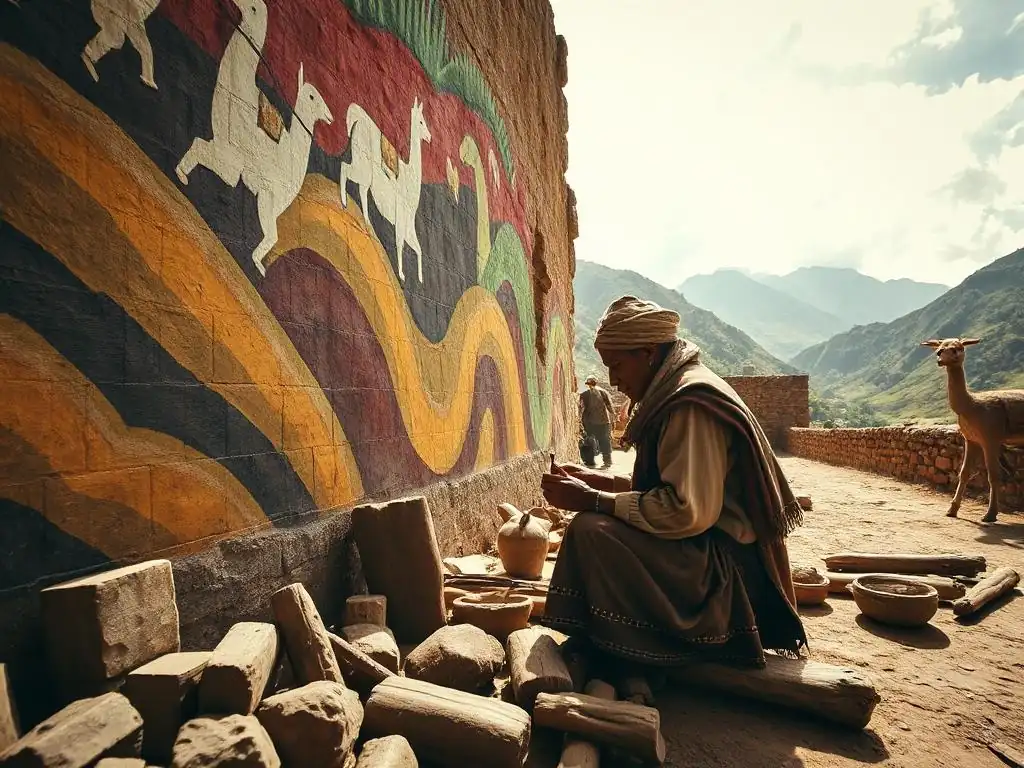
Traditional Materials Influenced by Agricultural Products
Inca art is renowned for its intricate designs and vibrant colors, which often reflect the agricultural practices that were fundamental to their society. The Incas utilized materials that were closely linked to their farming activities, resulting in a unique fusion of art and agriculture.
- Natural Dyes: The Incas sourced dyes from a variety of plants and minerals, which were integral to their textile production. For instance, cochineal, derived from the cochineal insect, was used to create vivid reds, while indigo plants produced deep blues. These colors were not only aesthetic but also symbolized different agricultural cycles and deities associated with fertility and harvest.
- Fibers and Textiles: The primary material for Inca textiles was cotton and alpaca wool. The cultivation of cotton was vital for clothing, while alpaca herding provided a sustainable source of high-quality fiber. Textiles often depicted agricultural scenes, including depictions of crops like maize and potatoes, showcasing the importance of these products in their daily life and rituals.
- Metals and Ceramics: Inca artisans also crafted art from metals such as gold and silver, which were not only valuable but also held religious significance. Ceramics, often painted with agricultural motifs, were used for both practical and ceremonial purposes. These vessels frequently featured designs that celebrated harvests, demonstrating the connection between their artistic expression and agricultural abundance.
Techniques that Highlight Agricultural Themes
The techniques employed by Inca artists were deeply intertwined with their agricultural practices, reflecting a sophisticated understanding of both art and the natural world.
- Symbolism in Art: Inca art is rich in symbolism, with many pieces representing agricultural themes. For instance, the use of geometric shapes often mimicked the patterns of fields and crops. Artists would depict animals like llamas, which were essential for transportation and agriculture, thus intertwining their artistic creations with the agricultural landscape.
- Mural Painting: Murals were a significant form of expression in Inca society, often painted on the walls of temples and public buildings. These murals frequently illustrated agricultural practices, such as planting and harvesting, and served not only decorative purposes but also educational functions, teaching communities about the cycles of agriculture.
- Ceremonial Art: Many artistic works were created for agricultural festivals, celebrating the bounty of the land. Rituals often included offerings of food and textiles to the gods, which were artistically crafted to honor agricultural deities. The artistry involved in these rituals highlighted the reverence the Incas had for their agricultural practices, reinforcing the connection between their art and the sustenance it provided.
The techniques and materials used in Inca art reveal a profound connection to their agricultural practices. Through the use of natural materials and thematic representations, the Incas celebrated their agricultural achievements, ensuring that their art served as a lasting testament to their civilization's relationship with the land.
Legacy of Inca Art and Agricultural Practices
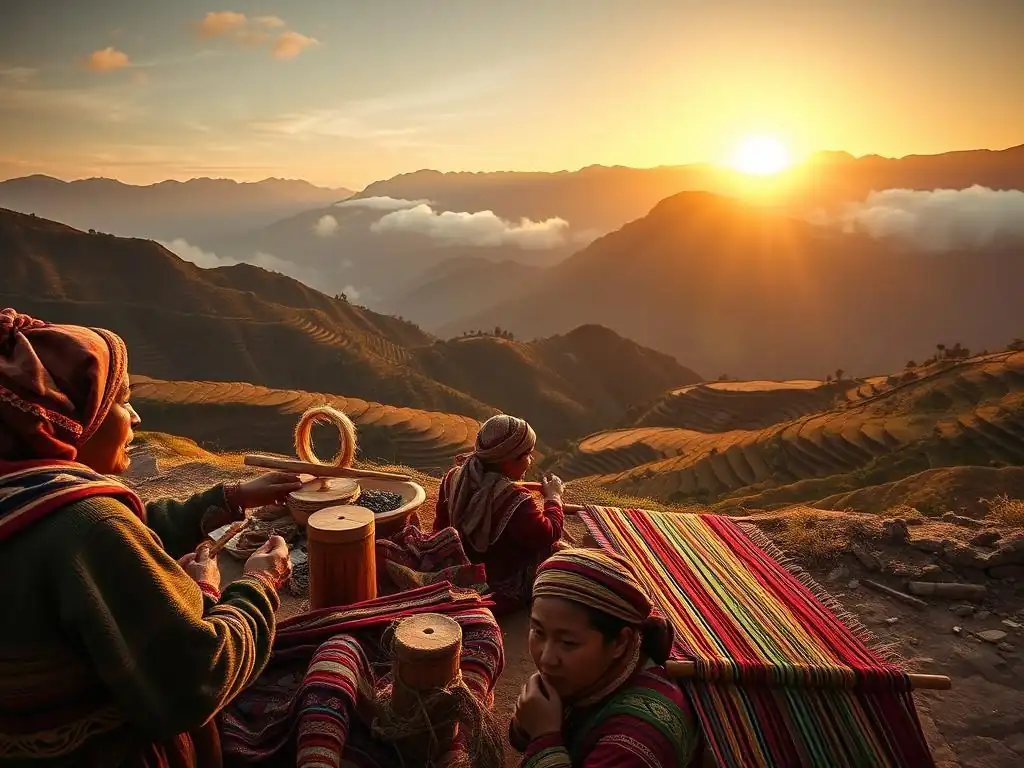
The Inca civilization is renowned for its remarkable legacy in both art and agriculture, which are intricately connected. Their artistic expressions were not mere aesthetic endeavors; they served as reflections of their agricultural practices, cosmology, and societal values. The Inca utilized a variety of mediums, including textiles, pottery, and metalwork, to depict agricultural themes, reflecting their reliance on the land and the significance of farming in their daily lives.
The techniques and designs employed in Inca art reveal a sophisticated understanding of the agricultural cycles and the environment. For instance, textiles often featured motifs of crops such as maize, potatoes, and quinoa, which were staples in the Inca diet. These representations served not only as decoration but also as cultural narratives that emphasized the importance of agriculture in sustaining their society.
Moreover, the Inca's agricultural practices, such as terrace farming and irrigation systems, were integral to their artistic representations. The terraces themselves, often adorned with ceremonial structures and artwork, were a testament to the ingenuity of Inca engineering and their harmonious relationship with the landscape. This connection between art and agriculture not only fostered a sense of identity but also conveyed the Inca's respect for Pachamama, the Andean goddess of the earth.
Influence on Contemporary Indigenous Art
The influence of Inca art on contemporary indigenous art is profound and enduring. Modern artisans continue to draw inspiration from ancient Inca aesthetics, which often emphasize themes of community, nature, and spirituality. Today's artists utilize traditional techniques while incorporating contemporary styles, creating a vibrant fusion that honors their heritage.
For example, many contemporary indigenous artists employ traditional weaving methods that harken back to Inca times, using vibrant colors and intricate patterns reminiscent of ancient textiles. This continuity of artistic expression not only preserves the techniques and knowledge passed down through generations but also serves to revitalize indigenous identities in a modern context.
Furthermore, the agricultural motifs found in Inca art have been reinterpreted in contemporary works, highlighting the ongoing significance of agriculture in indigenous cultures. Artists often reflect on themes of sustainability, food sovereignty, and the challenges faced by indigenous farmers today, echoing the Inca's deep-rooted connection to the land.
The resurgence of interest in indigenous art has also led to a broader appreciation of its cultural significance. Exhibitions, markets, and community initiatives have provided platforms for indigenous artists to showcase their work, ensuring that the legacy of Inca art continues to thrive in the contemporary landscape.
The Continuing Importance of Agriculture in Indigenous Cultures
Agriculture remains a cornerstone of indigenous cultures throughout the Americas, deeply intertwined with their identities, traditions, and social structures. For many indigenous communities, farming is not merely a means of sustenance but a way of life that connects them to their ancestors and the land.
The practices and crops cultivated by these communities often reflect centuries of knowledge and adaptation to local environments. For instance, traditional farming methods, such as companion planting and crop rotation, are still employed by many indigenous farmers today, ensuring the sustainability of their agricultural systems. These practices are rooted in a profound understanding of ecological balance and biodiversity, principles that were also central to Inca agricultural techniques.
Moreover, the spiritual dimensions of agriculture persist in indigenous cultures, where farming rituals and ceremonies are integral to planting and harvesting cycles. These practices honor the earth and the spirits believed to inhabit it, emphasizing a reciprocal relationship between people and nature. This connection is reminiscent of the Inca's reverence for Pachamama and their agricultural deities, illustrating how these ancient beliefs continue to influence contemporary indigenous agricultural practices.
The legacy of Inca art and agricultural practices is not only a historical phenomenon but a living tradition that informs contemporary indigenous cultures. The connection between Inca art and agriculture highlights the importance of these elements in shaping identity, community, and cultural continuity. As indigenous peoples navigate modern challenges, the integration of traditional practices with contemporary artistry ensures that their rich heritage remains vibrant and relevant.
Conclusion: The Interwoven Nature of Inca Art and Agriculture
The intricate relationship between Inca art and agriculture reveals a profound understanding of the environment and a rich cultural expression that transcended mere aesthetics. The Inca civilization, thriving in the Andean highlands, demonstrated how art was not only a reflection of cultural identity but also a vital component of agricultural practices. This connection is evident in various aspects, including ceremonial practices, the depiction of agricultural deities, and the use of agricultural motifs in textiles and pottery.
Final Thoughts on the Connection Between Inca Art and Agricultural Practices
The Inca utilized art as a means of communicating their reverence for agriculture. For instance, many forms of Inca art, such as pottery and textiles, featured motifs of crops, animals, and agricultural rituals. These artistic expressions served dual purposes: they celebrated the bounty of the earth while also reinforcing the community's agricultural identity.
The Inti Raymi, or Festival of the Sun, is a prime example of this connection. During this festival, elaborate rituals and dances were performed to honor Inti, the sun god, who was believed to be instrumental in crop growth. The vibrant costumes worn during these ceremonies often included intricate designs that symbolized agricultural prosperity, showcasing how deeply intertwined art and agriculture were within Inca society.
Furthermore, the use of geometric patterns in textiles and ceramics can be traced back to agricultural cycles, with specific designs representing various crops and farming techniques. This highlights how Inca artisans infused their agricultural knowledge into their creative processes, ensuring that their art was not only visually appealing but also culturally significant.
The Lasting Impact of Inca Cultural Achievements on Today’s Society
The legacy of Inca art and its connection to agriculture continues to resonate in contemporary cultures across the Andes. Modern artisans often draw inspiration from traditional Inca motifs, using them to create textiles and crafts that honor their heritage while adapting to current markets. The agricultural practices established by the Incas, such as terrace farming and crop rotation, remain relevant today, as they are still employed by local farmers to optimize land use and preserve the environment.
Moreover, the rich narrative embedded in Inca art serves as a vital educational tool for current generations, fostering an appreciation for indigenous cultures and their contributions to sustainable agriculture. By studying the connection between Inca art and agricultural practices, we gain not only insight into their sophisticated understanding of the natural world but also a framework for integrating traditional wisdom into modern agricultural practices.
The connection between Inca art and agriculture is a testament to the ingenuity and resilience of the Inca civilization. Their cultural achievements continue to influence and inspire, reminding us of the importance of respecting and learning from the past as we navigate the complexities of contemporary society.
Frequently Asked Questions
What is the significance of Inca art in relation to their agricultural practices?
Inca art played a crucial role in celebrating and depicting their agricultural practices, showcasing their connection to the land and the importance of farming in their society.
How did the Inca civilization incorporate agriculture into their art?
The Inca civilization often portrayed elements of agriculture in their art, using motifs related to crops and farming techniques to convey their reverence for nature and its contributions to their survival.
What types of art were influenced by agricultural themes in the Inca culture?
Various forms of art, such as pottery, textiles, and stone carvings, reflected agricultural themes, often depicting fertility, harvests, and agricultural rituals that were integral to Inca life.
Landscapes in Inca art often illustrated the agricultural terrain, highlighting the connection between the natural environment and their farming practices, thus emphasizing the importance of land in their culture.
How did Inca agricultural innovations influence their artistic expressions?
Inca agricultural innovations, such as terrace farming and irrigation systems, inspired artistic expressions that celebrated these advancements, demonstrating how art served as a means of documenting and honoring their agricultural heritage.
Final Reflection: The Enduring Legacy of Inca Art and Agriculture Connection
The intricate relationship between Inca art and agricultural practices remains profoundly relevant today, as it highlights the importance of cultural heritage in sustainable development. In a world increasingly focused on environmental sustainability, understanding how ancient civilizations harmonized their artistic expressions with agricultural practices offers invaluable lessons for contemporary society. The Inca civilization’s ability to intertwine aesthetics with functionality serves as a striking reminder of the potential for creativity to enhance our relationship with the land.
The influence of Inca art and agriculture extends far beyond historical significance; it resonates deeply within our cultural and social landscapes today. The vibrant motifs and symbols found in Inca art reflect a profound respect for nature and the cycles of life, encouraging us to reconsider our own practices and values. As we navigate modern challenges, the wisdom embedded in these ancient traditions can inspire us to cultivate a more sustainable and respectful approach to our environment. Art is the most beautiful of all lies.
This quote reminds us that while art may be a reflection of reality, it also has the power to shape our perceptions and actions towards the world around us.
As we conclude this exploration of the Inca art and agriculture connection, I invite you to reflect on how these lessons can be applied in your own life. Consider how you can integrate creativity and respect for nature into your daily practices, fostering a deeper connection with the world around you. By embracing the wisdom of the past, we can cultivate a future that honors both our cultural heritage and the environment, ensuring that the legacy of the Inca civilization continues to inspire generations to come.
Uncover the Rich Ties Between Art and Agriculture!
Thank you for joining us in exploring the fascinating connection between Inca art and agricultural practices! You've gained insight into how these vibrant expressions of culture were deeply interwoven with sustenance and community. Now, it's time to take that knowledge and put it into action.
Here’s how you can dive deeper and celebrate the legacy of the Incas:
- Explore Local Culture: Visit museums or cultural festivals in your area that showcase Indigenous art. Discover how traditional practices continue to thrive today!
- Engage with Nature: Start a small garden inspired by Inca farming techniques. Share your progress and exchange ideas with others in community gardening groups!
- Share Your Insights: Write a blog post or create a discussion group to share what you’ve learned about Inca heritage and its significance in the modern world. Invite friends to join the conversation!
How will you incorporate the wisdom of the Incas into your own life and community?