
From XRays to Drones: Innovative Imaging Techniques in Archaeological Discoveries

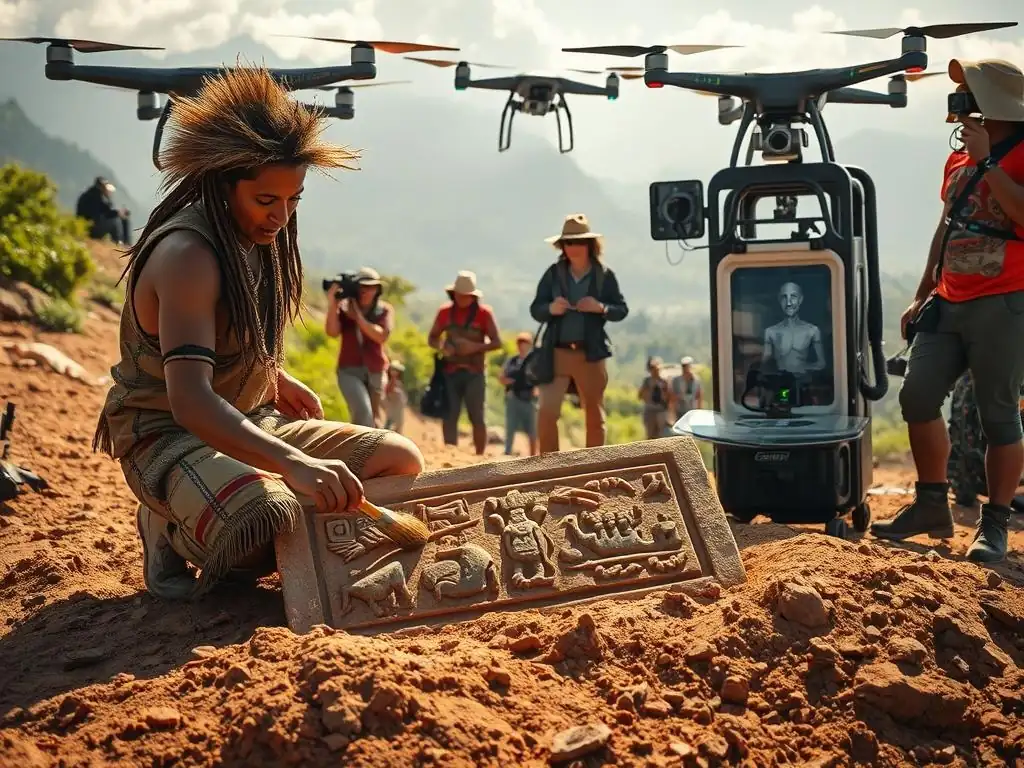
Welcome to Indigenous Civilizations of the Americas, where we invite you to embark on a fascinating journey through the rich tapestry of indigenous cultures that flourished across the continent long before European contact. In our featured article, "From XRays to Drones: Innovative Imaging Techniques in Archaeological Discoveries," we delve into the groundbreaking methods that are revolutionizing our understanding of these vibrant societies.
Discover how these archaeological discoveries are unearthing stories of resilience and ingenuity, and prepare to be captivated by the profound impacts these cultures continue to have on our world today. Join us as we unravel the mysteries of the past and celebrate the legacies that shape our present!
- Introduction to Innovative Imaging Techniques in Archaeological Discoveries
- Understanding X-Ray Imaging in Archaeology
- The Rise of Drones in Archaeological Surveys
- 3D Scanning Technologies and Their Impact
- Remote Sensing Techniques and Indigenous Cultures
- Comparing Imaging Techniques in Archaeology
- Future Trends in Archaeological Imaging Technologies
- Conclusion
-
Frequently Asked Questions
- What are some innovative imaging techniques used in archaeological discoveries?
- How do these techniques impact our understanding of indigenous cultures?
- What role do archaeological discoveries play in preserving indigenous heritage?
- Can these imaging techniques be applied to modern archaeological sites?
- How are drones changing the field of archaeology?
- Final Reflection: Embracing Innovation in Indigenous Cultures Archaeological Discoveries
- Unearth New Discoveries Today!
Introduction to Innovative Imaging Techniques in Archaeological Discoveries
Archaeological discoveries provide invaluable insights into the lives and cultures of indigenous peoples who inhabited the Americas long before European contact. The advancement of imaging technologies, such as X-rays, drones, and 3D scanning, has revolutionized the field of archaeology, enabling researchers to uncover hidden artifacts and sites without invasive digging or destruction.
These innovative techniques not only enhance our understanding of indigenous cultures but also preserve their rich histories and contributions to human civilization. In this article, we will explore how these imaging technologies have transformed archaeological practices, particularly in revealing the intricate societies and achievements of indigenous cultures across the Americas.
Overview of Indigenous Cultures and Their Archaeological Importance
Indigenous cultures in the Americas are incredibly diverse, encompassing a wide range of societies with unique traditions, languages, and histories. From the sophisticated urban centers of the Maya and Aztec civilizations to the nomadic tribes of the Great Plains, each culture has left behind a wealth of archaeological evidence that narrates their way of life.
Key highlights include:
- Maya Civilization: Renowned for their advancements in mathematics, astronomy, and writing systems, the Maya created monumental architecture and complex societal structures.
- Inca Empire: Famous for their engineering feats, such as the construction of Machu Picchu, the Inca developed extensive road systems and agricultural terraces that supported their vast empire.
- Native American Tribes: Various tribes, such as the Iroquois and Sioux, have rich oral histories and material cultures that provide insight into their social organization and spiritual beliefs.
The archaeological significance of these cultures lies in their ability to offer a glimpse into the past, helping contemporary societies to appreciate the profound legacies that indigenous peoples have contributed to global heritage.
The Role of Imaging Technologies in Uncovering the Past
Imaging technologies play a crucial role in modern archaeology, allowing researchers to investigate sites and artifacts with unprecedented detail and precision. These methods facilitate the exploration of areas that are difficult or impossible to access through traditional excavation techniques.
Some of the most impactful imaging technologies include:
- X-ray Imaging: This non-destructive method enables archaeologists to analyze the internal structure of artifacts without damaging them. For example, X-ray fluorescence (XRF) can determine the elemental composition of pottery and metal objects, revealing trade patterns and manufacturing techniques.
- Drones: Equipped with high-resolution cameras and LiDAR (Light Detection and Ranging) technology, drones can create detailed topographical maps of archaeological sites. This capability allows for the discovery of previously unknown structures and the monitoring of site changes over time.
- 3D Scanning: By capturing the intricate details of artifacts and sites, 3D scanning technology provides a digital archive that can be studied and shared globally. This technique is particularly valuable for preserving fragile items and documenting sites at risk of destruction.
The integration of these imaging technologies not only enhances the effectiveness of archaeological research but also fosters a deeper understanding of the complexities and nuances of indigenous cultures throughout history. By leveraging these tools, archaeologists can bring to light the stories and achievements of indigenous peoples, ensuring their legacies are recognized and celebrated in the modern world.
Understanding X-Ray Imaging in Archaeology
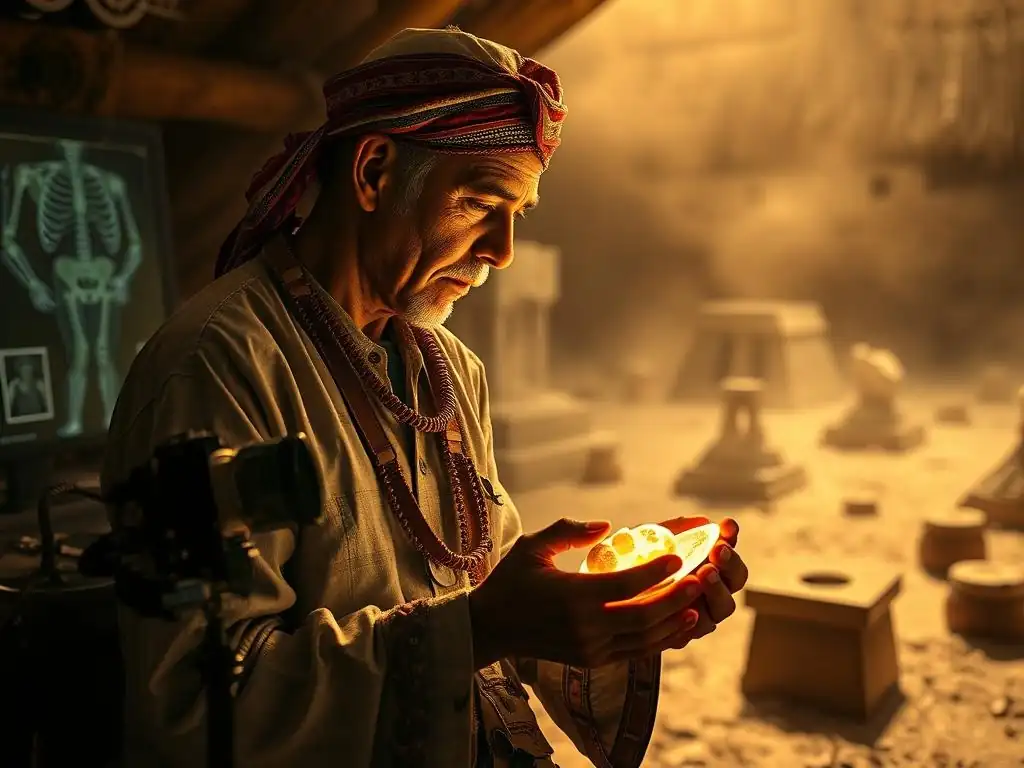
X-ray imaging has emerged as a pivotal technology in the field of archaeology, especially in the study of indigenous cultures. This non-destructive technique allows researchers to visualize the internal structures of artifacts without damaging them. By penetrating various materials, X-rays provide a detailed view of the components that make up archaeological finds, such as pottery, tools, and skeletal remains.
The core principle of X-ray imaging lies in the differential absorption of X-rays by different materials. For instance, denser materials like metals and bones absorb more X-rays than less dense materials like soil and ceramics. This variance creates a contrast that can be captured in images, revealing hidden features that are not visible to the naked eye.
How X-Ray Imaging Revolutionizes Indigenous Cultures Research
X-ray imaging has fundamentally transformed the way researchers study indigenous cultures of the Americas. Here are a few key ways it has made an impact:
- Non-Destructive Analysis: X-ray techniques allow archaeologists to analyze artifacts without the risk of damaging them. This is particularly important for irreplaceable items from indigenous cultures, ensuring that their integrity is preserved for future generations.
- Discovery of Hidden Details: X-ray imaging can uncover hidden aspects of artifacts such as internal structures, markings, and even materials used in their construction. For example, X-ray fluorescence (XRF) can identify elemental compositions, revealing trade networks and technological practices of indigenous communities.
- Enhanced Understanding of Burial Practices: In the study of ancient burial sites, X-ray imaging can elucidate the arrangement and condition of skeletal remains and grave goods. This helps researchers interpret the cultural significance of burial practices among various indigenous groups.
- Preservation of Knowledge: Through detailed imaging, archaeologists can document findings in a manner that can be shared with the indigenous communities themselves, fostering collaboration and preserving their history in a respectful manner.
Advantages of X-Ray Techniques in Archaeological Discoveries
The advantages of using X-ray imaging techniques in archaeological discoveries extend beyond their non-invasive nature. Here are several notable benefits:
- Cost-Effective: Compared to other imaging technologies, X-ray imaging is often more accessible and cost-effective, making it a practical choice for many archaeological projects.
- Rapid Results: X-ray imaging can provide immediate insights into artifacts, allowing for quicker analysis and decision-making during excavations.
- Broad Applicability: X-ray techniques can be applied across various archaeological contexts, from analyzing small artifacts to larger structures, making them versatile tools in the field.
- Facilitates Interdisciplinary Research: The data gathered through X-ray imaging can be invaluable not only for archaeologists but also for historians, conservationists, and anthropologists, fostering a collaborative approach to understanding indigenous cultures.
- Improved Artifact Conservation: By revealing the condition of artifacts, X-ray imaging aids in conservation efforts, helping to identify which items require immediate attention and how best to preserve them for future study.
X-ray imaging is a groundbreaking technique that has greatly enhanced the study of indigenous cultures through archaeological discoveries. Its ability to provide detailed, non-invasive insights into artifacts and burial practices has opened new avenues for research, allowing for a deeper understanding of the rich histories and contributions of these civilizations.
The Rise of Drones in Archaeological Surveys
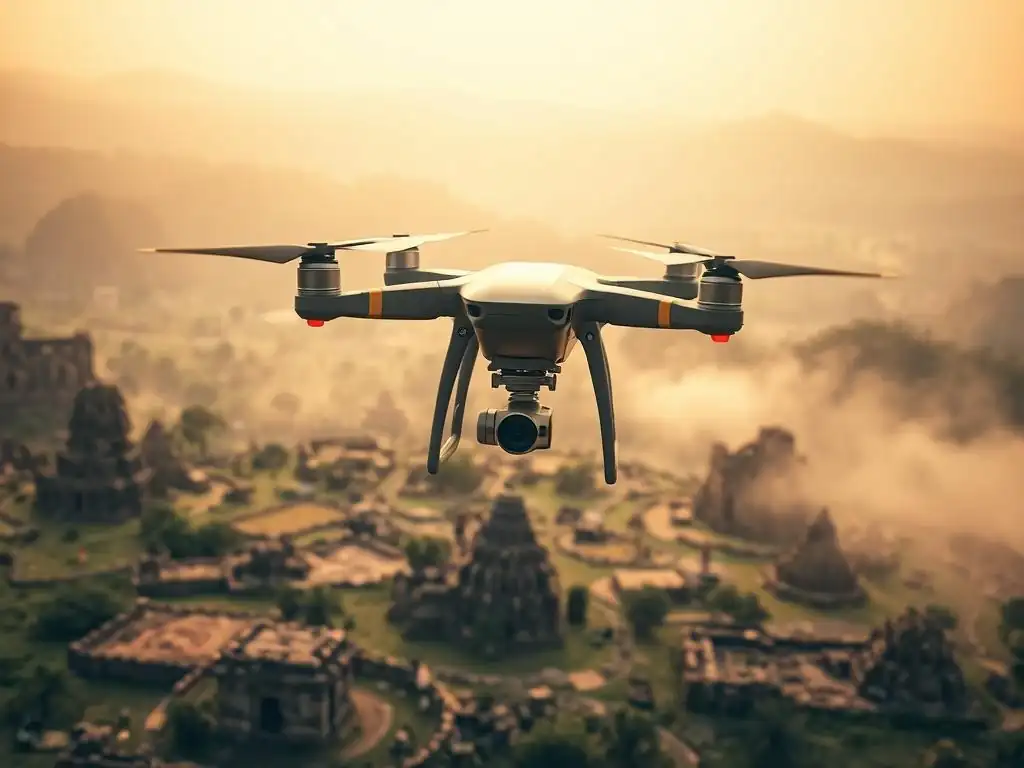
Overview of Drone Technology in Archaeological Context
Drone technology has revolutionized the field of archaeology in recent years, offering unprecedented opportunities for researchers to explore and document indigenous cultures' archaeological discoveries. Drones, also known as Unmanned Aerial Vehicles (UAVs), are equipped with high-resolution cameras and various sensors that allow for detailed aerial surveys of archaeological sites. This technology enables archaeologists to capture extensive and accurate data from above, making it easier to identify and analyze features that may be hidden from ground-level view.
The integration of drone technology into archaeological practices has led to the development of several innovative techniques, such as:
- Photogrammetry: This technique uses drone-captured images to create 3D models of archaeological sites, providing a comprehensive visual representation of structures and landscapes.
- LiDAR (Light Detection and Ranging): Drones equipped with LiDAR sensors can penetrate dense vegetation, revealing ground features and ancient structures that are otherwise obscured, particularly in forested areas.
- Thermal Imaging: Utilizing infrared cameras, drones can detect heat signatures, enabling researchers to locate buried structures or features associated with indigenous cultures.
These advancements in drone technology not only enhance the accuracy and efficiency of archaeological surveys but also foster a deeper understanding of the complexities of indigenous cultures.
Benefits of Using Drones for Discovering Indigenous Cultures
The use of drones in archaeological discoveries related to indigenous cultures offers numerous benefits that enhance research methodologies and outcomes. Some key advantages include:
- Accessibility: Drones can reach remote or difficult terrains that may be challenging for ground teams to access. This capability ensures that archaeologists can survey a wider range of locations, discovering new sites related to indigenous cultures.
- Cost-Effectiveness: Deploying drones for aerial surveys is often more cost-effective compared to traditional methods, such as manned aircraft or extensive ground excavation. This efficiency allows for more projects to be funded and completed within budget constraints.
- Data Collection and Analysis: Drones can capture large volumes of data quickly, which can be processed and analyzed using sophisticated software. This rapid data collection enables archaeologists to make informed decisions about where to focus their efforts, thus improving the chances of uncovering significant indigenous archaeological discoveries.
- Preservation of Sites: By utilizing drones, researchers can minimize physical disruption to sensitive archaeological sites. Aerial surveys allow for thorough documentation without the need for invasive excavation, helping to preserve the integrity of indigenous heritage.
- Community Engagement: Drones can facilitate collaboration with local indigenous communities. By sharing aerial imagery and findings, archaeologists can foster a greater understanding of indigenous cultures and encourage community involvement in preserving their history.
Case Studies: Successful Drone Applications in Archaeological Discoveries
Several notable case studies exemplify the successful application of drone technology in uncovering and documenting indigenous cultures' archaeological discoveries:
- Mayan Civilization in Guatemala: In 2018, archaeologists utilized drones equipped with LiDAR technology to map the ancient Mayan city of Tikal. The data revealed previously unknown structures, including pyramids and extensive road networks, providing new insights into the societal organization of the Mayans.
- Nazca Lines in Peru: Researchers employed drones to create detailed 3D models of the Nazca Lines, ancient geoglyphs etched into the Peruvian desert. The aerial perspective allowed for a more comprehensive analysis of the lines' designs and their potential cultural significance to the indigenous Nazca people.
- Chaco Canyon in New Mexico: Drones played a crucial role in surveying the prehistoric Chaco Canyon, known for its elaborate pueblo structures. Aerial images captured by drones have contributed to the understanding of the site's extensive road systems and their connections to other indigenous cultures across the Southwest.
These case studies illustrate how drone technology not only enhances archaeological methodologies but also deepens our understanding of the rich and diverse indigenous cultures that once thrived across the Americas. By leveraging innovative imaging techniques, researchers continue to unveil the complexities of these civilizations, ensuring their legacy endures.
3D Scanning Technologies and Their Impact
The Importance of 3D Scanning in Preserving Indigenous Heritage
3D scanning technologies play a crucial role in the preservation of indigenous heritage, offering a modern approach to documenting and conserving cultural artifacts, sites, and landscapes. By capturing precise, high-resolution three-dimensional data, these technologies allow researchers and conservators to create digital replicas of important cultural heritage elements without the need for physical handling. This not only minimizes the risk of damage but also provides a pathway for future studies and restorations.
The significance of 3D scanning extends beyond mere documentation. It enables the creation of immersive experiences for education and outreach, allowing a broader audience to engage with indigenous cultures. For example, virtual reality (VR) applications utilizing 3D models can transport users to ancient sites, offering a glimpse into the architectural prowess and societal structures of indigenous civilizations. Furthermore, these digital archives can serve as an invaluable resource for indigenous communities, empowering them to reclaim and tell their stories through the preservation of their cultural heritage.
The integration of 3D scanning into archaeological practices is also aiding in the identification and analysis of artifacts that may not be accessible due to their location or condition. This technology allows for detailed measurements and examinations, leading to new insights into the practices and lifestyles of indigenous cultures. By preserving these legacies, we ensure that the achievements and contributions of indigenous peoples are recognized and respected in the broader narrative of history.
Applications of 3D Scanning in Archaeological Sites
The applications of 3D scanning in archaeological sites are diverse and transformative, significantly enhancing our understanding of indigenous cultures and their historical contexts. Some notable applications include:
- Site Documentation: 3D scanning is used to document archaeological sites in detail, capturing the spatial relationships and configurations of structures. This is particularly important for sites that face threats from environmental factors or urban development.
- Artifact Analysis: Scanning allows for the detailed examination of artifacts, enabling researchers to study their shapes, sizes, and surface textures. This data can reveal information about the materials used, manufacturing techniques, and even the cultural significance of the items.
- Virtual Reconstructions: Utilizing 3D models, archaeologists can create virtual reconstructions of ancient settlements, providing insights into the living environments of indigenous peoples. These reconstructions can illustrate how communities were organized, the layout of homes, and the use of public spaces.
- Public Engagement: 3D-printed replicas of artifacts and structures can be utilized in educational settings to engage the public and foster a deeper appreciation for indigenous cultures. Exhibits incorporating these replicas allow visitors to interact with history in a tangible way.
- Preservation and Restoration: In cases where original artifacts are too fragile for handling, 3D scanning provides an alternative method for study and preservation. Digital models can be used to create accurate replicas for research, display, or educational purposes without compromising the integrity of the original pieces.
The integration of 3D scanning technologies in archaeological research is profoundly impacting the study and preservation of indigenous cultures. By providing detailed documentation, analysis, and public engagement opportunities, these technologies ensure that the legacies of indigenous peoples are honored and continued for future generations.
Remote Sensing Techniques and Indigenous Cultures
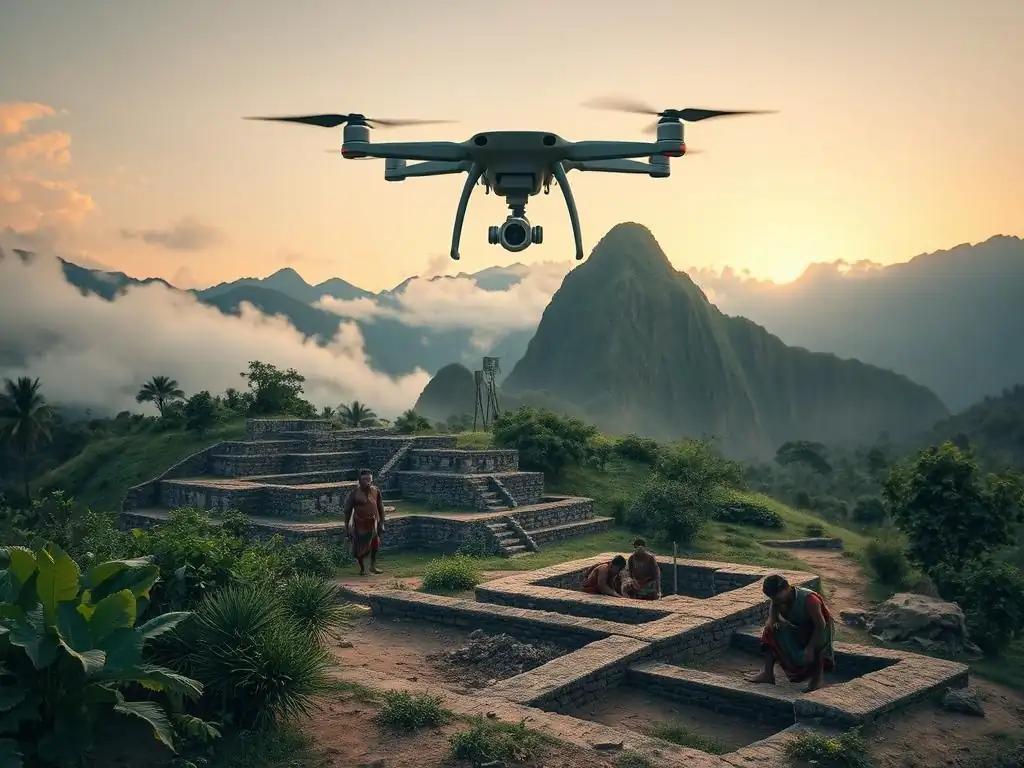
Overview of Remote Sensing in Archaeological Research
Remote sensing has revolutionized the field of archaeology, providing innovative methods for exploring and documenting ancient sites without invasive excavation. This technology employs various techniques to collect data about the Earth's surface from a distance, often using aerial or satellite imagery. Through these methods, researchers can identify archaeological features and patterns that might remain concealed beneath vegetation or soil.
Common remote sensing techniques include:
- Satellite Imagery: High-resolution images captured by satellites can reveal large-scale archaeological sites and landscape changes over time.
- LiDAR (Light Detection and Ranging): This laser-based technique can penetrate forest canopies, producing detailed 3D models of the terrain and structures beneath.
- Aerial Photography: Capturing images from aircraft can help in mapping sites and understanding spatial relationships between features.
- Ground-Penetrating Radar (GPR): GPR uses radar pulses to image the subsurface, making it possible to detect buried structures and artifacts.
These technologies not only enhance the efficiency of archaeological surveys but also minimize the disruption of cultural heritage sites, making them invaluable in the study of indigenous cultures.
How Remote Sensing Aids in Discovering Indigenous Civilizations
Remote sensing plays a crucial role in uncovering the rich tapestry of indigenous cultures across the Americas. By utilizing various imaging techniques, researchers can gain insights into the social, political, and environmental contexts of these ancient societies.
- Mapping Ancient Settlements: Remote sensing allows archaeologists to identify previously unknown settlements by analyzing patterns in the landscape. For example, LiDAR has uncovered extensive urban layouts of the Maya civilization, revealing intricate road systems and ceremonial centers that were hidden under dense jungle canopy.
- Identifying Agricultural Practices: Techniques such as satellite imagery can highlight ancient agricultural fields, irrigation systems, and terracing methods employed by indigenous peoples. This information is essential for understanding how these societies adapted to their environments and managed resources sustainably.
- Reconstructing Trade Networks: By mapping the distribution of archaeological sites using remote sensing, researchers can infer trade routes and interactions between different indigenous cultures. This has been observed in the Andes, where remote sensing has illuminated connections between the Inca Empire and its neighboring cultures.
- Preserving Cultural Heritage: Remote sensing techniques enable archaeologists to monitor and protect vulnerable sites from threats such as urban development and climate change. By documenting changes over time, researchers can advocate for the preservation of indigenous heritage, ensuring that future generations can appreciate these legacies.
Remote sensing technologies are essential tools for the study of indigenous cultures and their archaeological discoveries. By revealing hidden aspects of ancient societies, these methods enhance our understanding of their achievements and contributions to human history.
Comparing Imaging Techniques in Archaeology
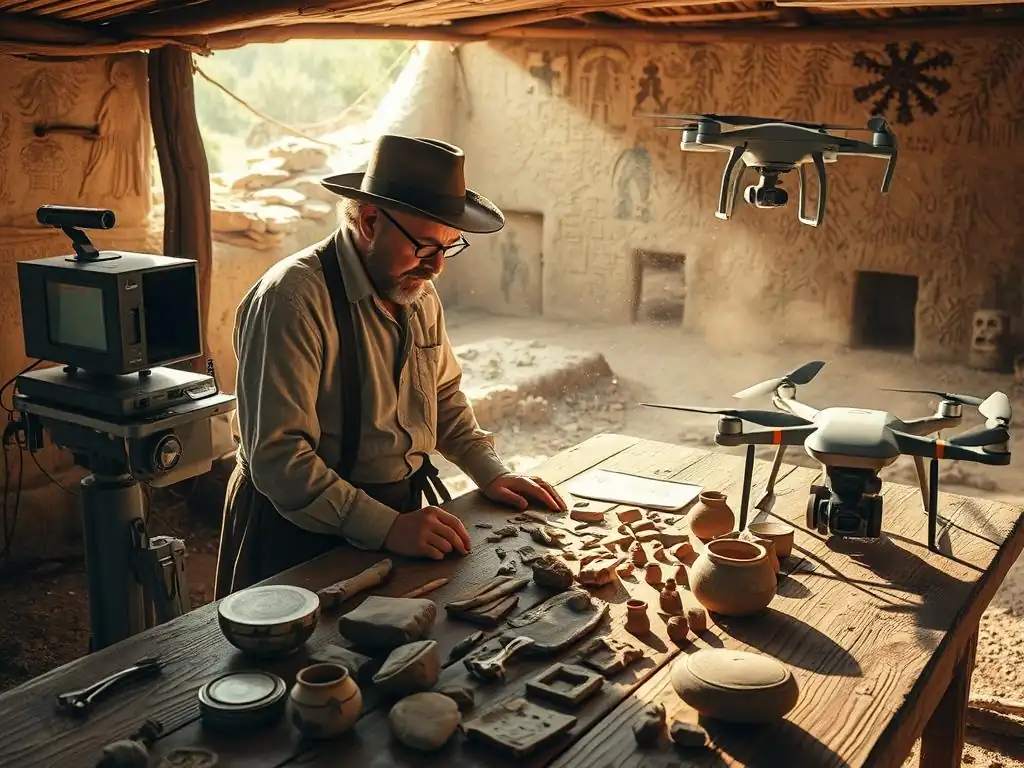
The field of archaeology has evolved significantly with the advent of innovative imaging techniques. These technologies have transformed the way we study and understand indigenous cultures, allowing researchers to uncover hidden artifacts, analyze ancient structures, and document cultural heritage with unprecedented accuracy. In this section, we will explore various imaging techniques and their effectiveness in revealing the rich tapestry of indigenous cultures throughout the Americas.
X-Rays vs. Drones: Which Is More Effective for Indigenous Cultures?
When it comes to archaeological discoveries, both X-rays and drones offer unique advantages and challenges. Understanding their effectiveness in the context of indigenous cultures requires a closer look at each method.
- X-Rays:
- Advantages:
- Detailed Analysis: X-rays provide a non-invasive way to visualize the internal structure of artifacts, such as pottery or tools, revealing features that are otherwise obscured.
- Preservation of Artifacts: Since X-rays do not require physical interaction with the item, they help in preserving fragile artifacts.
- Limitations:
- Limited Range: X-ray imaging is confined to smaller objects and cannot be used for large-scale archaeological sites.
- Technical Expertise Required: Interpreting X-ray images requires specialized knowledge, which may not always be available on-site.
- Advantages:
- Drones:
- Advantages:
- Wide Coverage: Drones can cover large areas quickly, making them ideal for surveying expansive archaeological sites.
- High-Resolution Imaging: Equipped with advanced cameras, drones can capture high-resolution images and create detailed topographic maps of indigenous settlement patterns.
- Limitations:
- Environmental Factors: Drones are affected by weather conditions, which can limit their operational capabilities.
- Data Processing: The images captured must be processed and analyzed using sophisticated software, which may require additional resources.
- Advantages:
While X-rays excel in providing detailed insights into individual artifacts, drones are superior for surveying large areas and mapping indigenous cultural landscapes. The choice between these techniques often depends on the specific research goals and the nature of the archaeological site.
3D Scanning vs. Remote Sensing: A Comparative Analysis
The integration of 3D scanning and remote sensing has revolutionized archaeological practices, providing new avenues for exploring indigenous cultures. Both methods offer distinct benefits that enhance our understanding of past societies.
- 3D Scanning:
- Advantages:
- High Fidelity Replicas: 3D scanning allows for the creation of accurate digital replicas of artifacts and structures, facilitating detailed analysis and study.
- Interactive Learning: These digital models can be used in educational settings, enabling students and the public to engage with indigenous cultures in an interactive manner.
- Limitations:
- Time-Consuming: The scanning process can be labor-intensive, requiring significant time and effort to produce high-quality models.
- Equipment Costs: High-quality 3D scanning equipment can be expensive, potentially limiting access for some archaeological projects.
- Advantages:
- Remote Sensing:
- Advantages:
- Large Area Analysis: Remote sensing technologies, such as LiDAR (Light Detection and Ranging), can penetrate vegetation and provide detailed topographical information about large landscapes.
- Identification of Subsurface Features: This technique can reveal subsurface archaeological features, such as buried structures or settlement patterns, that may otherwise go undetected.
- Limitations:
- Interpretation Challenges: The data generated by remote sensing requires careful interpretation, which can be complex and sometimes subjective.
- Dependence on Technology: Successful application relies heavily on advanced technology and software, which may not be readily available in all archaeological contexts.
- Advantages:
Both 3D scanning and remote sensing play critical roles in the study of indigenous cultures, each contributing unique perspectives to archaeological discoveries. By leveraging these technologies, researchers can gain deeper insights into the social, economic, and cultural dynamics of ancient civilizations across the Americas.
Future Trends in Archaeological Imaging Technologies
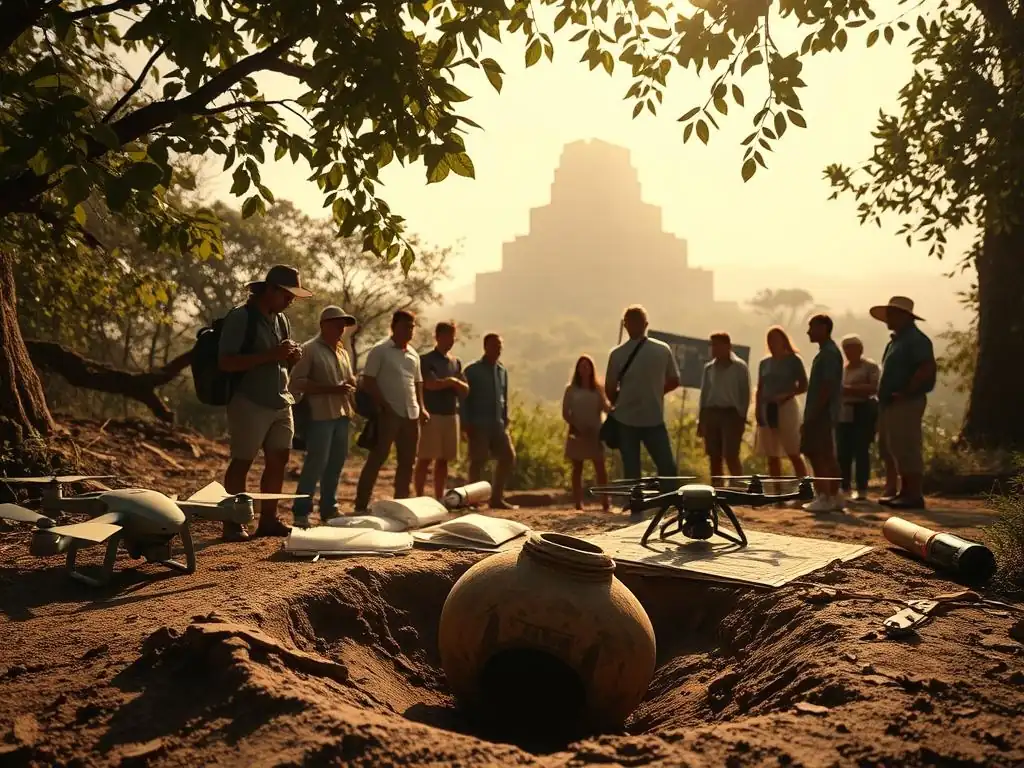
Emerging Innovations in Imaging for Indigenous Cultures
As the field of archaeology continues to evolve, several innovative imaging technologies are emerging that hold the potential to revolutionize the study of indigenous cultures in the Americas. These advancements not only enhance our understanding of past societies but also offer non-invasive methods to explore and preserve archaeological sites. Here are some key innovations:
- LiDAR (Light Detection and Ranging): This remote sensing technology uses laser light to measure distances and create detailed topographical maps. In dense forest areas, such as those in Central America, LiDAR has uncovered previously hidden ancient structures and pathways, revealing the scale and complexity of indigenous urban planning.
- 3D Scanning and Modeling: Three-dimensional scanning techniques enable researchers to create precise digital replicas of artifacts and sites. This technology aids in the preservation of indigenous artifacts, allowing for virtual access and study without risking damage to the originals. For example, the scanning of ceremonial objects from the Inca civilization helps in understanding their cultural significance and craftsmanship.
- X-Ray Fluorescence (XRF): XRF is a non-destructive analytical technique that identifies the elemental composition of materials. This method has been instrumental in studying indigenous pottery and metalwork, providing insights into trade networks and resource utilization. By analyzing the elemental makeup, archaeologists can trace the origins of materials used in ancient artifacts.
- Ground Penetrating Radar (GPR): GPR technology is used to detect subsurface structures without excavation. It has been particularly useful in locating burial sites and ancient structures associated with indigenous cultures. For instance, GPR has revealed the layout of ancient Mississippian mounds in the southeastern United States, offering clues about social organization and ceremonial practices.
These technologies not only enhance our ability to discover and study the remnants of indigenous cultures but also promote a deeper appreciation for the sophisticated societies that once thrived across the Americas.
The Potential Impact of Future Technologies on Archaeological Discoveries
The future of archaeological imaging technologies holds immense promise for uncovering new insights into indigenous cultures. As these technologies advance, their potential impact can be categorized into several key areas:
- Enhanced Data Collection: Future imaging technologies will likely provide even more detailed and accurate data collection. For instance, advancements in spectral imaging could allow archaeologists to analyze a broader range of materials, including organic remains, which are often overlooked in traditional studies.
- Interdisciplinary Collaboration: As imaging technologies become more sophisticated, collaborations between archaeologists, computer scientists, and engineers are expected to increase. This interdisciplinary approach will facilitate the development of new tools and methods tailored specifically for archaeological research.
- Preservation of Cultural Heritage: Innovative imaging techniques will play a crucial role in preserving indigenous cultural heritage. By creating high-resolution digital archives of artifacts and sites, future generations will have access to this knowledge without the risks associated with physical handling and exposure to environmental factors.
- Public Engagement and Education: The visualization capabilities of advanced imaging technologies can enhance public understanding of indigenous cultures. Interactive exhibits and virtual reality experiences based on archaeological findings can foster greater appreciation for the history and contributions of these societies.
- Ethical Considerations: As technology progresses, ethical considerations regarding the treatment of indigenous artifacts and sites will become more prominent. Engaging with indigenous communities in the application of these technologies will be essential to ensure respectful and meaningful interpretations of their heritage.
The future trends in archaeological imaging technologies promise to enrich our understanding of indigenous cultures, leading to groundbreaking discoveries and a more profound respect for their legacies. As these advancements unfold, they will undoubtedly reshape the landscape of archaeological research and preservation.
Conclusion
Recap of Key Imaging Techniques in Archaeological Discoveries
In the realm of archaeology, innovative imaging techniques have transformed how researchers uncover and understand ancient indigenous cultures. Here’s a summary of some of the most significant methods employed in recent archaeological discoveries:
- X-Ray Fluorescence (XRF): This non-destructive technique allows archaeologists to analyze the elemental composition of artifacts, providing insights into the materials used by indigenous cultures and their trade networks.
- Ground Penetrating Radar (GPR): GPR is particularly effective in locating subsurface archaeological features without excavation. This tool enables the mapping of ancient structures, burial sites, and settlement patterns, revealing the spatial organization of indigenous societies.
- 3D Imaging and Modeling: By using laser scanning and photogrammetry, researchers can create detailed three-dimensional representations of artifacts and sites. This technique not only preserves the physical characteristics of items but also aids in visualizing how indigenous cultures interacted with their environments.
- Satellite Imagery and Drones: The use of drones equipped with high-resolution cameras and multispectral sensors allows for extensive aerial surveys of archaeological sites. This approach helps identify previously unrecorded structures and landscapes associated with indigenous cultures, expanding our understanding of their geographical distribution and settlement patterns.
- Computed Tomography (CT) Scanning: CT scans provide a detailed view of the internal structures of artifacts, revealing hidden features without the need for physical alteration. This is especially valuable for fragile objects from indigenous cultures, ensuring their preservation while facilitating study.
These imaging techniques not only enhance archaeological methodologies but also allow for more inclusive narratives concerning indigenous cultures, ensuring that their histories are documented with precision and care.
The Lasting Impact of Imaging Technologies on Understanding Indigenous Cultures
The integration of advanced imaging technologies in archaeological research has profoundly influenced our comprehension of indigenous cultures across the Americas. Here are some key impacts:
- Enhanced Preservation of Cultural Heritage: Imaging technologies such as 3D modeling and CT scanning enable the documentation and preservation of artifacts in a digital format. This is crucial for safeguarding the cultural heritage of indigenous peoples, allowing future generations to study and appreciate their history without risking damage to physical objects.
- Revealing Hidden Histories: Many indigenous artifacts contain layers of history that are not immediately visible. Techniques like XRF and CT scans can uncover details about manufacturing processes, usage, and even the social dynamics of indigenous societies. This deeper understanding helps paint a fuller picture of their achievements and interactions.
- Interdisciplinary Collaboration: The application of imaging technologies fosters collaboration among archaeologists, historians, and indigenous communities. By involving these groups in the interpretation of findings, researchers can ensure that the narratives produced are respectful, accurate, and reflective of indigenous perspectives.
- Educational Opportunities: High-resolution images and 3D models created through these technologies provide valuable educational resources. Schools and museums can utilize these materials to educate the public about indigenous cultures, promoting awareness and appreciation of their contributions to history.
- Dynamic Research Approaches: The use of drones and satellite imagery has revolutionized how archaeological surveys are conducted. By allowing for rapid assessments of large areas, these technologies enable researchers to identify sites that might have been overlooked, leading to new discoveries that can reshape our understanding of indigenous cultures.
The implementation of innovative imaging techniques in archaeological discoveries has not only advanced our knowledge of indigenous cultures but has also created a platform for respectful engagement with their histories. As technology continues to evolve, it holds the potential to unlock even more secrets from the past, ensuring that the legacies of indigenous peoples are honored and preserved for future generations.
Frequently Asked Questions
What are some innovative imaging techniques used in archaeological discoveries?
Innovative imaging techniques like X-rays and drones are crucial for uncovering hidden layers of indigenous cultures without invasive digging, enabling researchers to explore sites more effectively.
How do these techniques impact our understanding of indigenous cultures?
By utilizing advanced imaging, archaeologists can better analyze artifacts and structures, leading to a deeper understanding of the social, economic, and cultural practices of indigenous civilizations.
What role do archaeological discoveries play in preserving indigenous heritage?
Archaeological discoveries provide invaluable insights into the histories and traditions of indigenous cultures, helping to preserve their legacy and inform contemporary discussions about cultural identity.
Can these imaging techniques be applied to modern archaeological sites?
Yes, many of these techniques are adaptable and can be applied to both ancient and modern archaeological sites, enhancing our ability to study and interpret diverse cultural histories.
How are drones changing the field of archaeology?
Drones offer unique aerial perspectives and can efficiently survey large areas, making them a game-changer for exploring and documenting the vast landscapes of indigenous cultures.
Final Reflection: Embracing Innovation in Indigenous Cultures Archaeological Discoveries
The intersection of technology and archaeology has never been more crucial, as innovative imaging techniques like X-rays and drones are reshaping our understanding of indigenous cultures. These advancements not only enhance our ability to uncover hidden artifacts but also allow us to appreciate the rich histories of civilizations that have long been overlooked. The importance of these discoveries resonates deeply in today's world, as they remind us of the stories waiting to be told and the knowledge still to be gained.
The impact of these technologies extends beyond mere excavation; they foster a deeper connection to the cultural heritage of indigenous peoples. As we uncover their histories through advanced imaging, we also acknowledge the significance of preserving these narratives for future generations. Technology is not just a tool; it is a bridge to understanding our past.
This ongoing dialogue between innovation and cultural preservation is vital in honoring the legacies of indigenous cultures while paving the way for more inclusive archaeological practices.
As we reflect on the themes presented in this article, I invite you to consider how you can engage with and support the preservation of indigenous cultures in your own life. Whether through advocacy, education, or simply sharing the stories of these remarkable civilizations, each of us has a role to play in ensuring that their histories are not only discovered but celebrated. Let us embrace the possibilities that lie ahead, using technology not just to uncover the past, but to honor and uplift the voices of those who came before us.
Unearth New Discoveries Today!
Thank you for exploring the fascinating world of innovative imaging techniques in archaeology with us! You’ve learned how advancements like X-rays and drones are transforming our understanding of ancient civilizations. Now, let’s put that knowledge into action!
Here’s how you can get involved and contribute to the journey of discovery:
- Join a local archaeology group or volunteer at a related organization to connect with like-minded enthusiasts and professionals in the field.
- Explore online resources or courses to deepen your understanding of archaeological imaging techniques—there's always a new skill to learn!
- Share your insights! Discuss this article on social media or in community forums to spark conversations and inspire others to appreciate the wonders of archaeology.
How do you envision contributing to the preservation and understanding of our shared cultural heritage? We’d love to hear your thoughts!