
The Art and Iconography of Tikal: Decoding Ancient Symbols

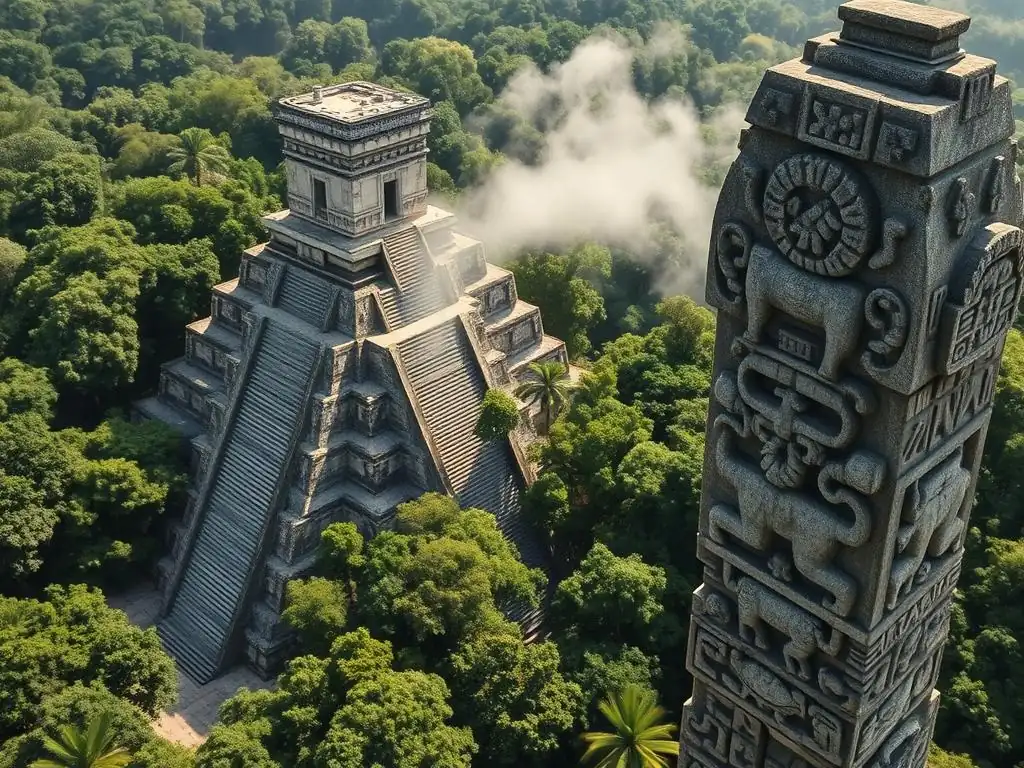
Welcome to Indigenous Civilizations of the Americas, where we invite you to embark on a fascinating journey through the rich tapestry of cultures that flourished long before European contact. In our featured article, "The Art and Iconography of Tikal: Decoding Ancient Symbols," we delve into the enigmatic world of Tikal's ancient Mayan art symbols, uncovering the profound meanings behind these striking visuals. Join us as we explore the achievements and legacies of these remarkable societies, sparking your curiosity about the intricate connections between art, culture, and history. Ready to unlock the secrets of the past? Your adventure begins here!
Introduction to Tikal Ancient Mayan Art Symbols
Tikal, one of the most prominent cities of the ancient Maya civilization, stands as a testament to the artistic and cultural achievements of this remarkable society. Nestled in the lush jungles of Guatemala, Tikal was not only a thriving urban center but also a vibrant hub of artistic expression that flourished between 300 and 900 CE. The art and iconography of Tikal are rich with meaning, reflecting the spiritual beliefs, social structures, and historical narratives of the Maya people.
Understanding Tikal's ancient Mayan art symbols requires a deep dive into the context in which they were created. Each symbol, whether etched in stone or painted on pottery, serves as a window into the past, revealing insights into the lives, beliefs, and achievements of its creators. This article aims to decode these symbols, exploring their significance and the messages they convey about the ancient Mayan worldview.
The Significance of Art in Tikal's Ancient Society
Art in Tikal was not merely decorative; it was deeply intertwined with the city's politics, religion, and social hierarchy. The monumental structures adorned with intricate carvings and reliefs were significant in reinforcing the power of the elite and the divine right of rulers. The following aspects highlight the importance of art in Tikal's ancient society:
- Religious Expressions: Much of Tikal's art served a religious purpose, depicting gods, rituals, and cosmological themes. For instance, the representations of deities on stelae and altars reflect the Maya's intricate beliefs about the universe and their place within it.
- Political Propaganda: Rulers often commissioned artworks to immortalize their achievements and legitimize their reign. The carvings on monuments frequently depict rulers in ceremonial garb, showcasing their divine connection and reinforcing their authority among the populace.
- Cultural Identity: The symbols and motifs used in Tikal's art are emblematic of Maya identity. They embody the unique cultural nuances of the region, differentiating Tikal from other Mesoamerican civilizations.
- Historical Record: Artifacts such as pottery, murals, and sculptures serve as historical documents. They provide crucial insights into the daily life, customs, and societal changes over time within Tikal and the wider Maya civilization.
Through these lenses, Tikal's ancient Mayan art symbols reveal a complex interplay of religion, politics, and identity, making the city's artistic legacy a vital component of understanding indigenous cultures of the Americas. Exploring these symbols allows us to appreciate the sophisticated narrative woven into Tikal's monumental architecture and vibrant artistry.
Understanding the Cultural Context of Tikal
The Historical Background of Tikal
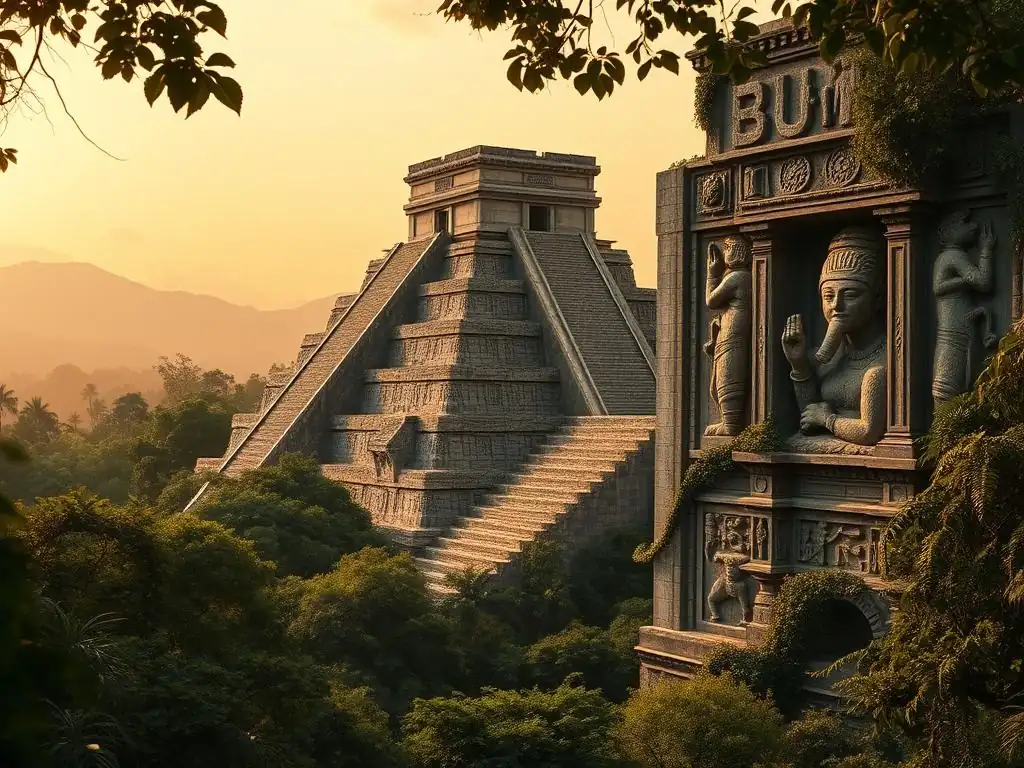
Tikal, one of the largest and most significant cities of the ancient Maya civilization, flourished from approximately 300 to 900 CE. It was located in what is now Guatemala and became a major political, economic, and cultural center of the Maya world. The city is renowned for its monumental architecture, including towering pyramids, palaces, and temples, which stand as a testament to the sophisticated society that inhabited the region.
The political history of Tikal is marked by its rivalry with other city-states, such as Calakmul, with which it engaged in periods of conflict and alliances. The famous "Tikal Stelae," carved stone monuments, provide insight into the lineage of rulers and the city's political landscape. Notably, the reign of Siyaj K’ak’ in the 4th century CE represents a pivotal moment in Tikal's history, as it marked the beginning of a new era of power and expansion.
Archaeological excavations at Tikal have revealed a wealth of artifacts, inscriptions, and iconography that reflect the complexities of Mayan society. This rich historical background is essential for understanding the artistic expressions found in Tikal's art and iconography, as they were deeply intertwined with the city's political and social dynamics.
The Role of Art in Mayan Civilization
Art played a central role in the Mayan civilization, serving as a medium for communication and representation of their beliefs, history, and social hierarchies. At Tikal, artistic expressions were not merely decorative; they were imbued with meaning and significance, often conveying messages related to religion, politics, and identity.
Mayan art encompassed various forms, including sculpture, pottery, murals, and textiles. Each of these mediums allowed for the expression of complex ideas and narratives. For example, the intricate carvings on stelae and altars often depicted gods, rulers, and significant historical events, functioning as both records of power and religious devotion.
Moreover, art in Tikal was closely linked to the Maya's cosmology. Symbols and motifs commonly found in Tikal's artwork, such as the maize god or the World Tree, illustrated the deep connection between the Maya and their environment, emphasizing themes of life, death, and rebirth. This interrelation between art and spirituality enriched the cultural fabric of Tikal, making it a focal point for understanding Mayan ideologies.
Influences on Tikal's Artistic Expression
The artistic expression of Tikal was influenced by various factors, including regional interactions, trade, and cultural exchanges with other Mesoamerican civilizations. As a pivotal city in the Maya lowlands, Tikal was a melting pot of ideas and styles, absorbing influences from neighboring regions and cities.
- Cultural Exchange: Tikal's strategic location facilitated interactions with other Mesoamerican cultures, such as the Olmecs and Teotihuacan. These exchanges introduced new artistic techniques and iconography, which were then adapted and integrated into Tikal's local styles.
- Religious Beliefs: The religious framework of the Maya profoundly impacted their art. The pantheon of gods, mythology, and rituals found their expression in sculptures and murals, often depicting elaborate ceremonies or divine figures. This religious influence ensured that the art produced in Tikal was rich in symbolism, serving both spiritual and political purposes.
- Political Dynamics: The rivalry and alliances between city-states also shaped Tikal's artistic narrative. Art was utilized to project power and legitimacy, often illustrating the achievements of rulers or the city's military prowess. The grandeur of Tikal’s architecture and the sophistication of its artworks were deliberate statements of authority, aimed at both local and external audiences.
Tikal's artistic legacy is a reflection of its historical context, the central role of art in Mayan life, and the myriad influences that shaped its unique cultural expression. Understanding these aspects allows for a deeper appreciation of Tikal's ancient Mayan art symbols and their enduring significance.
Iconography in Tikal’s Artwork
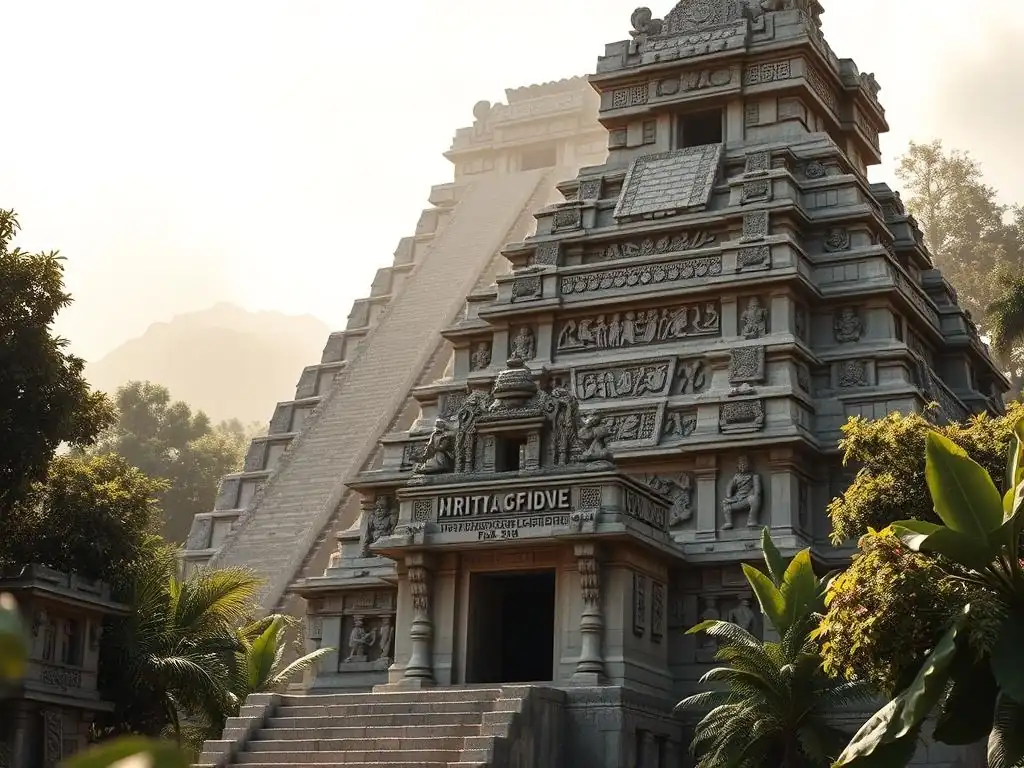
Tikal, one of the most significant cities of the ancient Maya civilization, is renowned for its intricate artwork and rich iconography. The art found at Tikal serves not merely as decoration but as a profound communication of cultural identity, religious belief, and social structure. The iconography of Tikal’s artwork reflects the complexities of ancient Maya society, capturing the essence of their cosmology, mythology, and daily life.
The artistic expressions in Tikal include a variety of media such as sculpture, pottery, and mural paintings, each showcasing a distinctive language of symbols that conveys deeper meanings. These symbols are often interwoven with historical narratives, depicting significant events, deities, and the ruling elite, thereby reinforcing the power dynamics of Tikal’s society.
Types of Tikal Ancient Mayan Art Symbols
The ancient Mayan art symbols of Tikal can be categorized into several types, each serving unique purposes:
- Deities and Supernatural Beings:
- The portrayal of gods like Itzamná, the creator god, and other deities represents the religious beliefs of the Maya.
- Symbols associated with these figures often include specific attributes, such as the serpent, which signifies power and fertility.
- Royal Iconography:
- Rulers are frequently depicted with elaborate headdresses and regalia, symbolizing their divine right to govern.
- The presence of glyphs next to these figures often denotes their lineage and achievements, emphasizing their status.
- Nature and the Cosmos:
- Natural elements like the jaguar, maize, and celestial bodies are commonly featured, reflecting the Maya’s close connection to nature.
- The jaguar, for instance, symbolizes strength and the underworld, while maize is a vital life source, representing nourishment and sustenance.
- Everyday Life:
- Ceramics and murals often depict daily activities, rituals, and social gatherings, offering insights into the societal structure and customs of Tikal.
- Symbols like tools and food items are commonplace, showcasing the importance of agriculture and trade.
Common Themes and Motifs in Tikal Art
Tikal’s art is rich with recurring themes and motifs that echo the beliefs and values of the Maya civilization. Key themes include:
- The Cycle of Life and Death:
- Many artworks depict scenes of death and rebirth, illustrating the Maya’s understanding of mortality and the afterlife.
- The World Tree, often represented in various forms, symbolizes the connection between the earth, the underworld, and the heavens.
- Power and Authority:
- The representation of rulers and their divine right is a dominant theme, as seen in stelae and altars that commemorate their deeds.
- Ceremonial scenes often highlight the rituals associated with maintaining power, such as bloodletting and offerings.
- Mythological Narratives:
- Tikal’s artworks frequently narrate myths and legends, which serve to educate and reinforce cultural identity.
- Iconographic elements related to creation myths and the Hero Twins are prevalent, indicating their importance in Maya tradition.
- Interconnectedness of Nature and Society:
- Artworks often illustrate the symbiotic relationship between the Maya and their environment, emphasizing respect for nature.
- Symbols representing agricultural cycles, animal life, and celestial events reflect the Maya’s reliance on and reverence for the natural world.
Symbolic Meanings Behind Tikal's Iconography
The symbolic meanings embedded in Tikal's iconography reveal a complex understanding of the world among the ancient Maya. Some notable interpretations include:
- Duality and Balance:
- Many symbols represent duality, such as day and night or life and death, reflecting the Maya’s belief in balance as a fundamental principle of existence.
- The interplay of light and darkness in the iconography suggests a cyclical view of time and the universe.
- Divine Connection:
- Symbols linked to deities denote an intrinsic relationship between the rulers and the divine, suggesting that political authority was believed to be sanctioned by higher powers.
- The iconography often serves as a visual prayer or offering, reinforcing the connection between the earthly and the divine.
- Cultural Identity:
- The unique styles and motifs of Tikal’s artworks contribute to the broader cultural identity of the Maya, distinguishing Tikal from other city-states.
- Specific symbols can signify regional pride and heritage, serving as a reminder of the city’s achievements and history.
- Ritual Significance:
- Many symbols are associated with rituals and ceremonies, indicating their role in the spiritual life of the Maya.
- Artworks often functioned as a means to communicate with the gods, invoking their favor through artistic expression.
The Tikal ancient Mayan art symbols serve as a vital window into the beliefs, values, and social structures of the ancient Maya civilization. By decoding the intricate iconography found in Tikal, we gain a deeper understanding of a rich cultural heritage that continues to influence and inspire today.
Notable Examples of Tikal Ancient Mayan Art Symbols
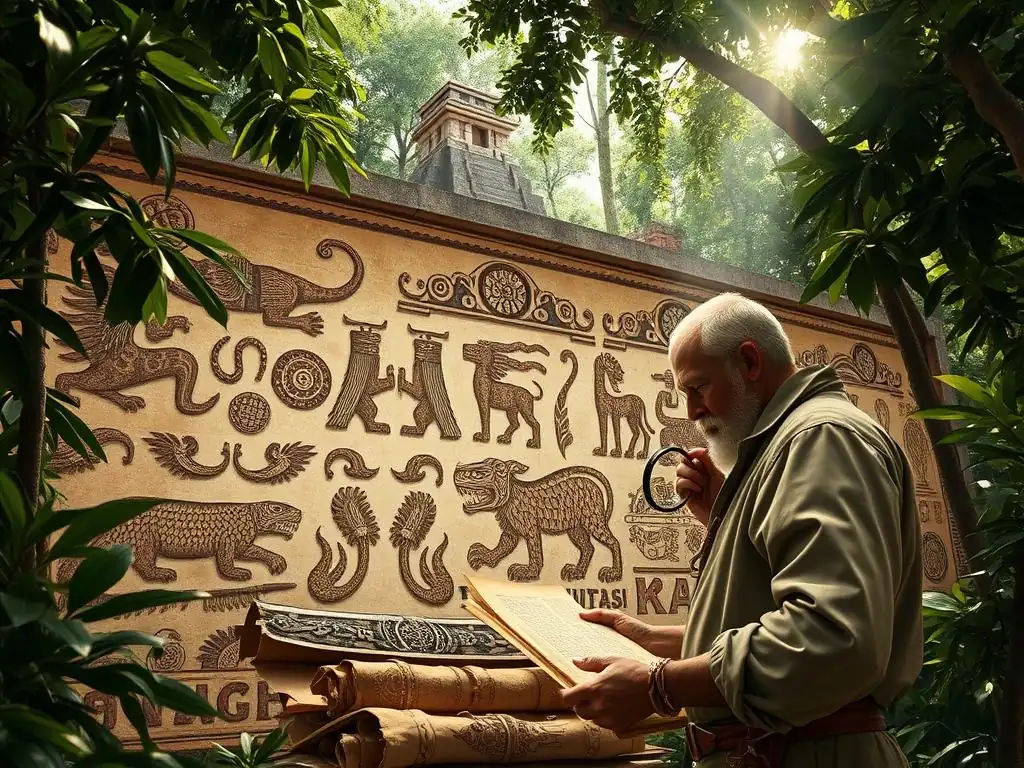
The ancient city of Tikal, one of the most significant sites of the Mayan civilization, is renowned for its rich artistic heritage. The art and iconography found in Tikal serve not only as aesthetic expressions but also as vital historical documents that reveal the beliefs, social structures, and achievements of the Maya. This section highlights notable examples of Tikal ancient Mayan art symbols, emphasizing their meanings and significance within the cultural context of the time.
The Temple of the Inscriptions: A Symbolic Masterpiece
The Temple of the Inscriptions stands as a monumental example of Tikal's architectural and artistic grandeur. This temple is adorned with intricate carvings that narrate the history of the city and the dynasties that ruled it. The most significant aspect of this temple is the hieroglyphic inscriptions that cover its walls, which detail the reign of King Jasaw Chan K'awiil I.
- Hieroglyphic Symbolism: The inscriptions are rich with symbolic meaning, often depicting the king in ritualistic poses, indicating his divine right to rule. The use of specific symbols, such as the jaguar and serpent, denotes power and the connection to the underworld and the heavens.
- Cultural Significance: This temple not only served as a tomb for the king but also as a reminder of his lineage and divine favor. The artistry reflects a deep reverence for ancestry and the belief in the cyclical nature of life and death, making the temple a sacred site.
Stelae of Tikal: Decoding Their Symbolism
Stelae are large stone monuments that played a critical role in the documentation of historical events and the commemoration of rulers in Tikal. These stelae are typically adorned with relief carvings and inscriptions that convey complex narratives.
- Iconography of Power: Each stela often features the likeness of a ruler, depicted with elaborate headdresses and regalia, symbolizing their authority and connection to the gods. The positioning of the figures, often in profile, is significant in indicating their status and role within the society.
- Historical Context: For example, Stela 16 is notable for its depiction of King Yik'in Chan K'awiil, showcasing the ceremonial attire of the elite and the intricate details that suggest a deep understanding of social hierarchies. The carvings not only celebrate individual rulers but also reflect the broader political landscape of the time.
Murals and Sculptures: Visual Narratives of Tikal
The murals and sculptures found throughout Tikal present a vivid tapestry of Mayan life, mythology, and spirituality. These artworks serve as visual narratives, providing insight into the daily life, rituals, and beliefs of the ancient Maya.
- Narrative Techniques: Murals often depict scenes of courtly life, including rituals, feasting, and warfare. The use of color and perspective in these murals enhances the storytelling aspect, allowing viewers to engage with the events portrayed.
- Symbolic Themes: Common themes include the duality of life and death, the relationship between humans and gods, and the importance of agricultural cycles. For instance, murals depicting maize gods highlight the vital role of agriculture in sustaining the civilization, showcasing the Maya's deep connection to their environment.
- Sculptural Art: Sculptures, such as those found at the Temple of the Inscriptions, further complement the visual narratives by featuring deities and mythological creatures. These sculptures often serve as guardians of sacred spaces, imbued with protective qualities.
The art and iconography of Tikal are not merely decorative elements but serve as profound symbols of the ancient Mayan civilization's beliefs, achievements, and societal structures. The study of these symbols offers invaluable insights into the rich tapestry of Tikal's history and cultural legacy.
Techniques and Materials in Tikal Art
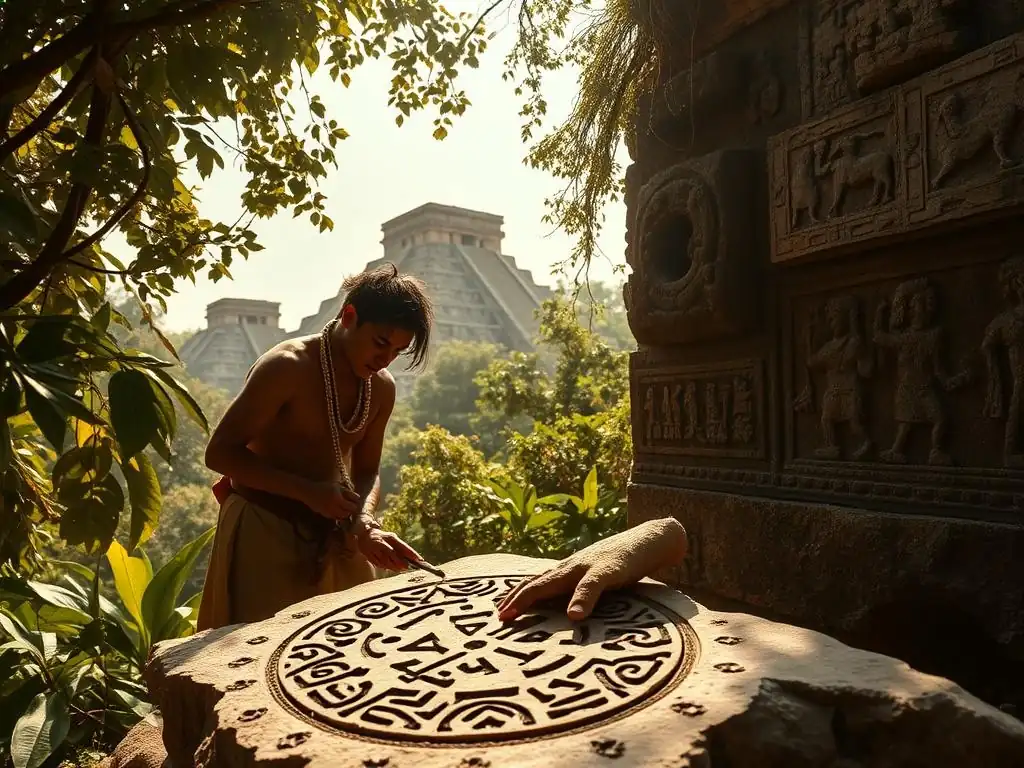
Traditional Materials Used in Tikal Ancient Art
The ancient Maya of Tikal employed a variety of traditional materials in their artistic creations, reflecting both the natural resources available in their environment and their sophisticated techniques. The primary materials included:
- Stone: The most enduring material, used for sculptures, monuments, and architecture. Types of stone such as limestone and sandstone were quarried nearby, allowing for intricate carvings that have survived for centuries.
- Wood: Often used for smaller sculptures, masks, and ceremonial objects. While wood is less durable than stone, many wooden artifacts have been preserved in the humid climate due to unique burial conditions.
- Ceramics: Tikal artists crafted intricate pottery, which served both functional and decorative purposes. These ceramics were often painted with elaborate designs and symbols that conveyed cultural narratives.
- Pigments: Natural pigments derived from minerals and plants were used to color ceramics and murals. The Maya developed a sophisticated palette, including bright reds, blues, and yellows, that expressed vibrancy in their art.
- Shell and Bone: These materials were used to create jewelry and decorative items, often indicating status and identity within Tikal’s society.
These materials not only highlight the artistic capabilities of the Tikal Maya but also serve as a testament to their understanding of the environment and resource management.
Artistic Techniques Employed by Tikal Artists
The artistic techniques used by Tikal artists were as varied as the materials they chose to work with. Some key techniques included:
- Carving: This technique was primarily used in stonework, where artisans would meticulously chip away at the surface to create detailed reliefs and sculptures. The precision of these carvings often depicted mythological figures, historical events, and daily life scenes.
- Modeling: In ceramic art, the process of hand-building allowed artists to create unique forms and intricate designs. This technique showcased not only aesthetic appeal but also cultural significance, often incorporating symbolic motifs.
- Painting: The application of paints on ceramics and murals involved a combination of brushwork and spraying techniques. Artists would layer colors to achieve depth and luminosity, creating visually stunning pieces that captured the essence of their subjects.
- Inlay: This technique involved embedding materials like jade, shell, or obsidian into stone or wooden objects. Such embellishments not only enhanced the visual appeal but also added symbolic meanings, particularly in ceremonial contexts.
- Weaving: Textiles played a crucial role in Tikal's art, with techniques that included intricate weaving patterns. These textiles were often adorned with vivid colors and symbols, representing social status and cultural identity.
These techniques illustrate the complexity and innovation within Tikal’s art, revealing a culture deeply engaged with symbolism and meaning.
Preservation of Tikal's Ancient Art Symbols
The preservation of Tikal's ancient art symbols is critical for understanding the civilization's history and cultural heritage. Several factors contribute to the current state of preservation:
- Archaeological Efforts: Ongoing excavations and restorations have been vital in uncovering and preserving Tikal’s art. Archaeologists meticulously document and restore artifacts to ensure their longevity.
- Environmental Conditions: The humid tropical climate of Tikal poses challenges such as erosion and biological degradation. However, certain conditions, like the preservation of artifacts in sealed environments or within structures, have helped maintain many artworks.
- Cultural Awareness and Education: Local and international initiatives aimed at educating communities about the importance of preserving Tikal's heritage foster a sense of pride and responsibility. This awareness encourages sustainable tourism practices that prioritize conservation.
- Technological Advancements: Modern techniques such as 3D imaging and digital documentation allow for detailed records of Tikal’s art. These technologies help in monitoring the condition of artifacts and provide insights into restoration efforts.
- Legal Protections: National and international laws protect Tikal’s archaeological sites from looting and unauthorized excavations. Such legal frameworks are essential for safeguarding the integrity of these ancient symbols.
Through these preservation efforts, Tikal's art and iconography continue to inspire and educate future generations about the rich history and cultural significance of the ancient Maya civilization.
The Legacy of Tikal's Art and Iconography
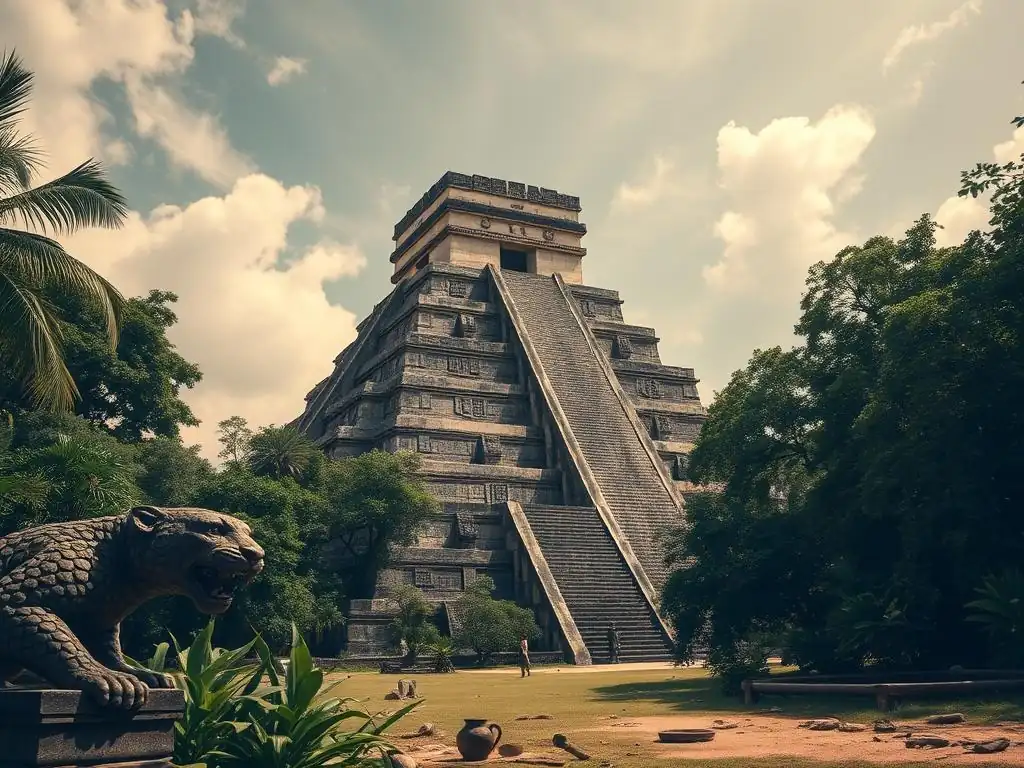
The art and iconography of Tikal represent a crucial aspect of the ancient Mayan civilization, reflecting their beliefs, social structures, and artistic achievements. The intricate carvings, murals, and sculptures found in Tikal's monumental architecture serve not only as historical artifacts but as a testament to the sophistication of Mayan culture. This legacy continues to resonate today, influencing various aspects of modern culture and art.
Tikal Ancient Mayan Art Symbols in Modern Culture
The symbols found in Tikal's ancient Mayan art have transcended time, finding relevance in various aspects of modern culture. Many contemporary artists draw inspiration from the elaborate iconography that characterizes Tikal. The depictions of deities, animals, and mythological figures serve as a wellspring of creativity, allowing modern interpretations that pay homage to the ancient civilization.
For instance, the use of glyphs—stylized symbols representing sounds or words—has been revitalized in graphic design, fashion, and even tattoos. Many designs incorporate traditional Mayan motifs, merging ancient aesthetics with contemporary styles. This fusion not only honors Mayan heritage but also promotes awareness of its cultural significance.
Additionally, Tikal's art has sparked interest in the realms of education and tourism. Museums and cultural institutions worldwide showcase replicas and exhibitions of Tikal's artifacts, educating the public about the history and significance of Mayan civilization. Such efforts contribute to the preservation of indigenous cultures and the appreciation of their contributions to global heritage.
Influence on Contemporary Indigenous Art
The legacy of Tikal's art extends beyond mere inspiration; it actively influences contemporary indigenous artists. Many modern indigenous creators draw upon their ancestral heritage, utilizing traditional techniques and symbols that echo the artistry of Tikal. This revival of ancient methods fosters a sense of identity and continuity among indigenous communities.
- Preservation of Techniques: Artists are reintroducing ancient pottery, weaving, and stone-carving techniques that were prominent in Tikal. Workshops and community initiatives often focus on these methods, ensuring that the skills are passed down to future generations.
- Symbolic Representation: Modern indigenous art often incorporates symbols derived from Tikal, such as the jaguar and the feathered serpent, which hold significant spiritual meaning. These symbols serve as a bridge between the past and present, allowing artists to express their cultural narratives and connect with their roots.
The acknowledgment and incorporation of Tikal's iconography in contemporary works not only enrich the art itself but also promote a broader understanding and respect for indigenous cultures and their histories.
Continued Research and Discoveries in Tikal Art
Ongoing archaeological research at Tikal continues to unveil the complexities of ancient Mayan art and iconography. Recent excavations have uncovered new murals, sculptures, and artifacts that provide deeper insights into the cultural practices and societal structures of the Mayans.
- Technological Advancements: Innovations in technology, such as 3D modeling and digital imaging, have revolutionized the way researchers study Tikal's art. These tools allow for detailed analysis and reconstruction of artifacts, enhancing our understanding of their original contexts and significance.
- Interdisciplinary Approaches: Collaboration among archaeologists, historians, and artists is fostering a richer narrative surrounding Tikal's art. By integrating multiple perspectives, researchers are able to construct a more comprehensive picture of how art functioned within Mayan society, including its role in rituals, politics, and daily life.
- Public Engagement: The ongoing discoveries at Tikal are often shared with the public through exhibitions and educational programs. By involving local communities and visitors in the excitement of new findings, there is a greater appreciation for the enduring legacy of Tikal's ancient art.
Tikal's ancient Mayan art symbols are not merely relics of the past; they are vibrant elements of culture that continue to inspire and inform modern artistic expressions, educational initiatives, and ongoing research. The legacy of Tikal remains a vital part of understanding the rich tapestry of indigenous civilizations in the Americas.
Conclusion: The Enduring Impact of Tikal's Ancient Symbols
The art and iconography of Tikal serve as a window into the rich cultural tapestry of the ancient Maya civilization. The intricate symbols found in Tikal’s sculptures, murals, and pottery are not merely decorative elements; they encapsulate profound religious beliefs, social hierarchies, and historical narratives. The representation of deities, ancestors, and cosmological elements in Tikal's art underscores the deep connection the Maya had with their environment and the divine.
As modern scholars continue to decode these ancient symbols, they reveal insights about the socio-political dynamics of Tikal and its influence across the Maya region. The legacy of Tikal's art extends beyond mere aesthetics; it has informed contemporary understandings of Mayan culture, spirituality, and the complexities of their societal structures. Tikal's symbols resonate with themes of power, identity, and continuity, igniting interest and respect for the achievements of a civilization that thrived for centuries.
Moreover, the importance of Tikal's art can be seen in its enduring presence in modern Maya communities. The continued reverence for ancient symbols and practices illustrates a cultural resilience that transcends time. As descendants of the ancient Maya navigate their identities in a modern world, Tikal’s legacy remains a source of pride and inspiration, reminding us of the sophistication and depth of indigenous civilizations.
Further Reading on Tikal and Mayan Civilization
For those eager to delve deeper into the fascinating world of Tikal and the broader context of Mayan civilization, a wealth of resources is available:
- Books:
- The Maya by Michael D. Coe: A comprehensive overview of Mayan history, culture, and art.
- Tikal: An Illustrated History of the Ancient Maya City by John M. Weeks: This book provides detailed insights into Tikal's archaeology and its significance.
- Articles and Journals:
- "The Iconography of Tikal: A Study of Ancient Maya Symbols" published in the Journal of Maya Archaeology: An academic paper examining the meanings behind Tikal's artistic representations.
- "Maya Art and Iconography" from the Maya Studies Journal: A collection of articles discussing various aspects of Maya art, including Tikal.
- Documentaries:
- Secrets of the Maya: Tikal's Lost City: A documentary exploring the archaeological discoveries at Tikal and their implications for understanding the Maya.
- Ancient Maya: The Rise and Fall of Tikal: A visual journey through Tikal's history, highlighting its art and architecture.
- Online Resources:
- The Maya Exploration Center offers virtual tours and educational resources about Tikal and other ancient Maya sites.
- The Tikal National Park website provides updates on preservation efforts and visitor information.
By exploring these resources, readers can gain a deeper appreciation for the artistic and cultural significance of Tikal and the ancient Maya civilization, fostering a greater understanding of their enduring legacy.
Frequently Asked Questions
What is Tikal known for in terms of art?
Tikal is renowned for its ancient Mayan art symbols, which reflect the sophisticated cultural and religious practices of the Maya civilization. The intricate carvings and murals often depict deities, rituals, and historical events.
How did Tikal's art influence other Mayan cities?
The art and iconography of Tikal served as a template for other Mayan cities, showcasing the shared beliefs and aesthetic values throughout the region. This influence helped to shape the artistic traditions of the Maya civilization.
What are some common symbols found in Tikal's art?
Common symbols in Tikal's art include jaguars, serpents, and the sun, each representing various aspects of Mayan mythology and cosmology. These symbols were integral to conveying spiritual messages and cultural identity.
How did the study of Tikal's art contribute to our understanding of Mayan society?
Studying Tikal's art and iconography provides insights into social hierarchy, religious practices, and daily life of the Maya. This understanding helps historians piece together the complexities of Mayan civilization before European contact.
What role did Tikal play in the broader context of Mayan civilization?
Tikal was a major urban center and played a significant role in the political, economic, and cultural development of the Maya. Its art and architecture reflect the power dynamics and cultural exchanges that characterized the ancient Mayan world.
Final Reflection: Unveiling the Legacy of Tikal's Ancient Symbols
The exploration of Tikal's ancient Mayan art symbols reveals not only the aesthetic brilliance of a bygone civilization but also their profound cultural significance that resonates even today. As we delve into the intricate carvings and murals that adorn Tikal's temples, we uncover a rich tapestry of history that speaks to the values, beliefs, and stories of the Mayan people. This understanding of ancient art is not merely an academic pursuit; it is a vital connection to our shared human heritage, reminding us that the past continues to shape our present and future.
The influence of Tikal's iconography extends beyond the borders of archaeology and art history; it permeates contemporary culture and identity. The symbols and narratives etched into stone serve as a bridge between generations, inviting us to reflect on our own stories and the legacies we leave behind. As the renowned anthropologist David Freidel once said, The past is not dead; it is not even past.
This sentiment underscores the importance of engaging with the art and symbols of Tikal, as they continue to inspire and inform our understanding of identity, community, and creativity in today's world.
As you reflect on the significance of Tikal's ancient Mayan art symbols, consider how these lessons can be woven into your own life. Embrace the stories that shape your identity and the symbols that resonate with your experiences. Let the artistry of the past inspire you to create meaning in your own journey, fostering a deeper appreciation for the cultural narratives that connect us all. In doing so, you not only honor the legacy of Tikal but also contribute to the ongoing dialogue of human expression and connection.
Unveil the Mysteries of Tikal Today!
Thank you for exploring the captivating world of Tikal with us! By delving into the art and iconography of this ancient civilization, you've taken a step towards understanding the rich narratives woven into their symbols. Now, it's time to awaken your own curiosity and deepen your connection to these remarkable histories.
Here’s how you can continue this enriching journey:
- Dive Deeper: Visit a local museum or explore online exhibits that showcase Mayan artifacts to truly appreciate their artistry.
- Share Your Insights: Engage in discussions about your discoveries related to Tikal’s symbolism with friends or share them on social media to spark conversations and inspire others.
- Connect with Communities: Join an online forum or community group dedicated to indigenous cultures, where you can share resources and learn from fellow enthusiasts.
What ancient symbol or element of Tikal resonated with you the most, and how has it shaped your understanding of history?