
Astronomical Alignments: Sacred Sites and Celestial Events in Mesoamerica

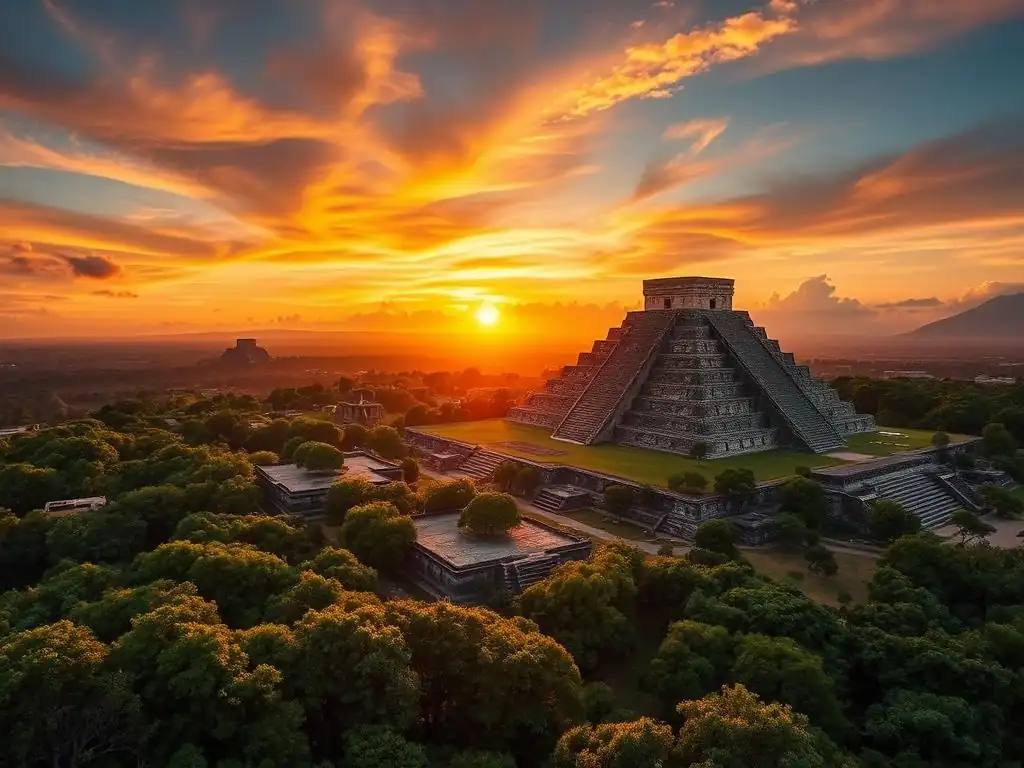
Welcome to Indigenous Civilizations of the Americas, where we embark on a journey through the rich tapestry of cultures that flourished long before European contact. Dive deep into the fascinating world of Mesoamerican astronomical sacred sites, where ancient civilizations aligned their monumental structures with celestial events, showcasing their profound understanding of the cosmos.
In our featured article, "Astronomical Alignments: Sacred Sites and Celestial Events in Mesoamerica," we unravel the mysteries of these sacred places and their significance in the daily lives of the people who built them. Prepare to be captivated as you explore the achievements and legacies of these remarkable societies, and discover how their insights still resonate today.
- Introduction to Mesoamerican Astronomy and Sacred Sites
- Key Mesoamerican Astronomical Sacred Sites
- Celestial Events and Their Impact on Mesoamerican Societies
- Architectural Features Reflecting Astronomical Knowledge
- Legacy of Mesoamerican Astronomical Knowledge
- Conclusion: The Cultural Significance of Mesoamerican Astronomical Sacred Sites
- Frequently Asked Questions
- Final Reflection: The Cosmic Connection of Mesoamerican Sacred Sites
- Unlock the Secrets of Mesoamerican Celestial Wonders!
Introduction to Mesoamerican Astronomy and Sacred Sites
Mesoamerican astronomy is a fascinating field that reveals the intricate relationship between the celestial and terrestrial realms as understood by indigenous cultures prior to European contact. The civilizations that inhabited this region, such as the Maya, Aztec, and Olmec, developed profound astronomical knowledge, which they intricately wove into their sacred sites and rituals. These practices were not merely scientific; they were deeply spiritual, reflecting a worldview where the cosmos was seen as a living entity that influenced daily life and societal organization.
Understanding Mesoamerican astronomical sacred sites involves exploring how these cultures aligned their temples, pyramids, and other structures with celestial events, such as solstices, equinoxes, and planetary movements. This alignment was not only functional but also symbolic, serving as a bridge between the earthly and the divine. In this article, we will delve into the diverse practices surrounding Mesoamerican astronomical sacred sites and the significant role that celestial events played in shaping the beliefs and customs of these ancient civilizations.
Overview of Mesoamerican Astronomical Practices
Mesoamerican cultures exhibited a sophisticated understanding of astronomy, which was evident in their calendars, cosmology, and architectural designs. Notable practices included:
- Solar and Lunar Calendars: The Maya, for instance, created intricate calendars that tracked solar, lunar, and ritual cycles. Their Tzolk'in (260-day calendar) and Haab' (365-day calendar) were fundamental to agricultural and religious activities.
- Observational Techniques: Indigenous astronomers employed various observational techniques to monitor celestial bodies. They used simple instruments like the gnomon, a vertical stick that cast shadows to mark time, and observatories positioned strategically to observe celestial events.
- Alignments of Structures: Many sacred sites, like the Pyramid of the Sun in Teotihuacan and the El Caracol observatory in Chichen Itza, showcase precise alignments with solar and celestial events. These alignments highlight the importance of astronomical events in the planning and construction of these monumental structures.
- Ritualistic Practices: Celestial events often dictated the timing of significant rituals and ceremonies. For example, the Maya would hold elaborate festivals during equinoxes and solstices, times they believed were crucial for agricultural fertility and spiritual renewal.
Importance of Celestial Events in Indigenous Cultures
The significance of celestial events extended far beyond mere observation; they were deeply woven into the fabric of Mesoamerican life. Key aspects include:
- Agricultural Cycles: Celestial events served as important indicators for agricultural activities. The timing of planting and harvesting was often aligned with lunar phases and solar cycles, ensuring successful crop yields.
- Religious Significance: Many celestial phenomena were believed to be manifestations of the gods, influencing everything from the weather to human fate. Rituals were performed to honor these celestial entities, reinforcing the connection between the heavens and the earth.
- Cultural Identity: The shared knowledge of celestial phenomena fostered a sense of community and cultural identity among different Mesoamerican societies. This knowledge was often passed down through generations, ensuring the continuity of cosmological beliefs and practices.
- Navigational Aids: Stars and celestial bodies also served as navigational aids for Mesoamerican peoples, guiding them in their travels and conquests across vast distances.
Mesoamerican astronomical sacred sites are a testament to the rich intellectual and spiritual heritage of indigenous cultures. Their achievements in astronomy not only shaped their architectural marvels but also profoundly influenced their societal structures and religious practices, leaving a lasting legacy that continues to be studied and admired today.
Key Mesoamerican Astronomical Sacred Sites
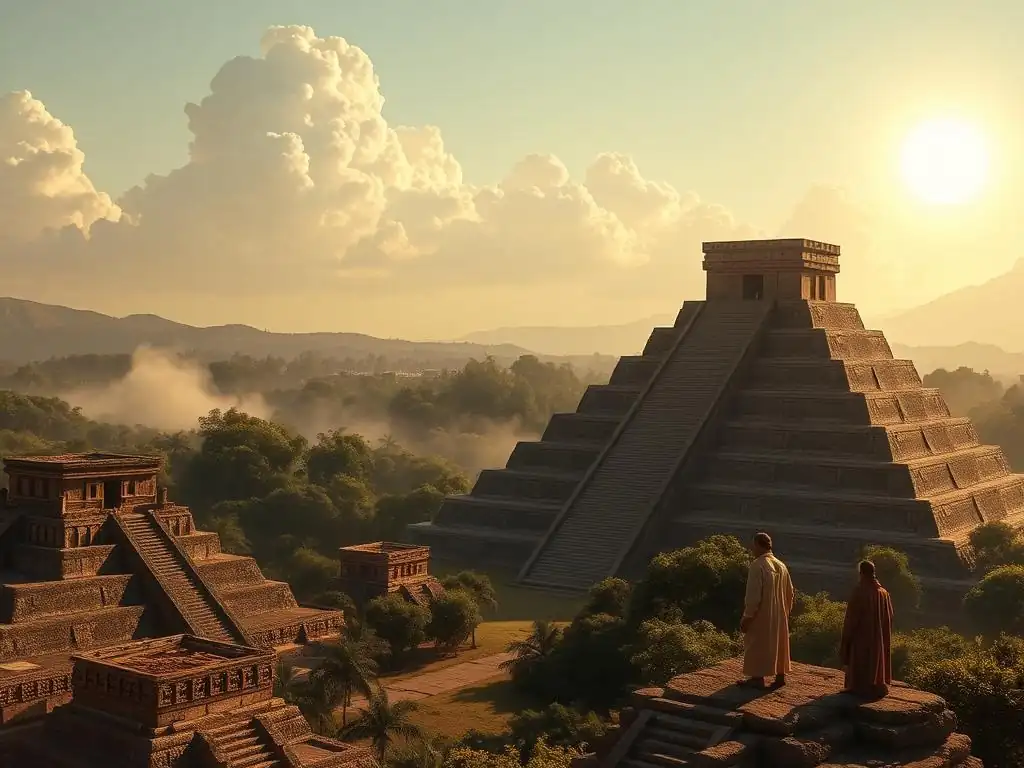
The Pyramid of the Sun in Teotihuacan
The Pyramid of the Sun, located in the ancient city of Teotihuacan, is one of the largest and most significant monuments in Mesoamerica. Constructed around the first century CE, this colossal structure stands at approximately 65 meters tall and is a central feature of the city's layout. Its base covers an area of over 220,000 square meters, making it one of the largest pyramids in the world.
Astronomical Alignments and Their Significance
The Pyramid of the Sun is not merely an architectural marvel; it is also a prime example of Mesoamerican astronomical knowledge. Researchers have found that the pyramid is aligned with the setting sun during specific times of the year, particularly during the solstices. This alignment suggests that the builders had a profound understanding of celestial movements.
- Key Alignments:
- The pyramid's orientation aligns closely with the azimuth of the sun during the equinoxes.
- During the summer solstice, the sun sets directly in line with the pyramid's axis, casting a long shadow that resembles the nearby Pyramid of the Moon.
These alignments likely held significant cultural and religious meaning, serving as a way for the inhabitants to connect their earthly existence to celestial phenomena. The pyramids may have been used as observatories for tracking solar and lunar cycles, which were crucial for agricultural and ceremonial calendars.
Chichen Itza and the Temple of Kukulkan
Another remarkable site is Chichen Itza, which was a major city of the Maya civilization. The Temple of Kukulkan, also known as El Castillo, is particularly notable for its intricate design and astronomical significance. This step pyramid, built around the 12th century CE, stands about 24 meters tall and features a total of 91 steps on each of its four sides, which, when combined with the temple's platform, totals 365 steps—symbolically representing the solar calendar.
The Equinox Phenomenon and Its Cultural Relevance
Chichen Itza's Temple of Kukulkan is renowned for the equinox phenomenon that occurs twice a year, around March 21 and September 21. During these times, the setting sun creates a shadow that resembles a serpent slithering down the pyramid's staircase. This visual effect is not only awe-inspiring but also deeply rooted in the cultural and religious beliefs of the Maya.
- Cultural Significance:
- The serpent is associated with Kukulkan, the feathered serpent deity, symbolizing rebirth and renewal.
- The equinoxes marked crucial points in the agricultural calendar, signaling the time for planting and harvesting.
The precise alignment of the Temple of Kukulkan demonstrates the advanced understanding of astronomy possessed by the Maya. It also reflects their ability to integrate celestial events with their architectural achievements, reinforcing the notion that their sacred sites were not merely places of worship but also vital observatories that connected the cosmos with the earthly realm.
The Mesoamerican astronomical sacred sites, particularly the Pyramid of the Sun and the Temple of Kukulkan, provide profound insights into the advanced astronomical knowledge and cultural practices of the civilizations that thrived in these regions. These sites stand as a testament to the intricate relationship between architecture, astronomy, and spirituality in Mesoamerican cultures.
Copan and Its Astronomical Hieroglyphs
Copan, located in present-day western Honduras, is one of the most significant archaeological sites of the Maya civilization. Renowned for its intricate stelae and altars, Copan also features remarkable astronomical hieroglyphs that reveal the sophisticated understanding of celestial phenomena possessed by the Maya. These hieroglyphs are not merely decorative; they serve as essential records of the astronomical events that influenced the political and religious life of the city.
The astronomical hieroglyphs at Copan depict various celestial bodies and events, including the movements of the sun, moon, and planets. One of the most notable examples is the hieroglyphic stairway, which is adorned with over 60 glyphs that convey astronomical information. This stairway is believed to have been constructed in the 8th century and is aligned with significant solar events, such as solstices and equinoxes. The precise alignment of structures at Copan demonstrates a deep understanding of celestial cycles, which were integral to the agricultural calendar and religious rituals of the Maya.
In addition to the hieroglyphs, Copan's architecture also reflects astronomical knowledge. The positioning of the temple complexes and the orientation of buildings are often aligned with significant celestial events. This careful planning illustrates how the Maya integrated their astronomical observations into their urban design, showcasing the cultural importance of astronomy in their society.
The Role of Astronomy in Mayan Society
Astronomy played a pivotal role in Mayan society, influencing various aspects of life, including agriculture, religion, and governance. The Maya were exceptional astronomers, capable of making precise observations of celestial bodies. They meticulously tracked the cycles of the sun, moon, and planets, which allowed them to create an intricate calendar system that was fundamental to their agricultural practices.
The Mayan calendar, consisting of the Tzolk'in (a 260-day ritual calendar) and the Haab' (a 365-day solar calendar), was primarily based on astronomical observations. These calendars were crucial for determining the optimal times for planting and harvesting crops, which were vital for sustaining their civilization. Moreover, specific celestial events, such as lunar eclipses and planetary alignments, were interpreted as omens or messages from the gods, influencing decision-making among the elite and the general populace alike.
Religiously, astronomy was deeply intertwined with Mayan cosmology. The movements of celestial bodies were believed to reflect the actions of deities, and many rituals were timed to correspond with astronomical events. Temples and ceremonial sites were often oriented towards the rising or setting sun during solstices and equinoxes, emphasizing the connection between the heavens and the earth.
The societal hierarchy of the Maya also relied on astronomical knowledge. Leaders and priests were often the same individuals who controlled astronomical observations, as their authority was linked to their understanding of celestial cycles. This connection reinforced their power and legitimacy, allowing them to navigate both political and spiritual realms effectively.
The role of astronomy in Mayan society was multifaceted, influencing agricultural practices, religious beliefs, and social structures. The legacy of their astronomical practices continues to captivate scholars and enthusiasts alike, highlighting the advanced knowledge possessed by this remarkable civilization.
Celestial Events and Their Impact on Mesoamerican Societies
Celestial events played a significant role in shaping the cultural, spiritual, and societal frameworks of Mesoamerican civilizations. The intricate understanding of these events was not merely academic; they were deeply woven into the fabric of daily life, agricultural practices, and religious beliefs. Mesoamerican societies, such as the Maya and Aztecs, meticulously observed the skies, and their interpretations of astronomical phenomena influenced their calendars, rituals, and even political decisions.
Eclipses and Their Cultural Interpretations
Eclipses were among the most significant celestial events observed by Mesoamerican civilizations. These occurrences were often interpreted as omens or messages from the gods. The Maya, for example, had a rich mythology surrounding eclipses, believing that they represented the struggle between celestial deities.
- Lunar Eclipses: The Maya associated lunar eclipses with the goddess of the moon, who was believed to be in danger during these events. The phenomenon prompted rituals aimed at calming her and ensuring her safe return.
- Solar Eclipses: Solar eclipses were viewed as particularly ominous. The Aztecs, for instance, believed that a solar eclipse signified the withdrawal of the sun's power, leading to chaos on earth. As a result, they would perform elaborate ceremonies, including bloodletting and offerings, to appease the sun god.
The detailed observations of these eclipses were documented in codices, showcasing the advanced astronomical knowledge of these societies. Eclipses were not just seen as random occurrences but were integral to their understanding of the cosmos, influencing everything from agriculture to warfare.
Solstices and Equinoxes: Rituals and Ceremonies
The solstices and equinoxes were pivotal moments in the Mesoamerican calendar, marking transitions in the agricultural seasons and serving as critical periods for spiritual reflection and community gathering. These celestial events were celebrated with distinct rituals and ceremonies that underscored their importance in Mesoamerican society.
- Summer and Winter Solstices:
- The summer solstice, occurring around June 21, was often celebrated with ceremonies that honored the sun's peak power. The Maya, for example, would conduct rituals at sites like Tikal to mark this event, ensuring a good harvest.
- Conversely, the winter solstice, around December 21, was seen as a time of rebirth. It symbolized the sun's return and was celebrated with feasting, dancing, and offerings to ensure the sun's strength.
- Equinoxes:
- The spring equinox and autumn equinox, occurring around March 21 and September 23 respectively, represented balance and transition. Rituals during these times often involved agricultural ceremonies to encourage fertility in crops. The equinoxes were also times for community gatherings, reinforcing social bonds and cultural identity.
These events were meticulously calculated and integrated into the Mesoamerican calendar systems, reflecting the civilizations' profound connection to the cosmos.
The Role of Venus in Mesoamerican Astronomy
Venus held a prominent position in Mesoamerican astronomy, revered as a powerful celestial body that influenced both agricultural cycles and warfare. The planet was often associated with the god Quetzalcoatl in Aztec mythology and was intricately linked to various societal practices.
- Morning Star and Evening Star: Mesoamerican cultures recognized Venus as both the morning star and the evening star, with each phase carrying different meanings. The appearance of Venus as the morning star was often seen as a harbinger of war. The Aztecs timed military campaigns to coincide with this celestial event, believing that the god of war favored them during these periods.
- Calendrical Significance: The cycles of Venus were meticulously recorded in the Dresden Codex, one of the few surviving pre-Columbian books. The Maya developed a 584-day synodic period for Venus, integrating it into their calendars for agricultural planning and ritualistic purposes.
The reverence for Venus extended to elaborate rituals and ceremonies aimed at ensuring favor from the gods associated with this planet. These practices exemplify the intricate relationship between celestial bodies and terrestrial life in Mesoamerican cultures, highlighting the importance of astronomy in their worldview and everyday existence.
Architectural Features Reflecting Astronomical Knowledge
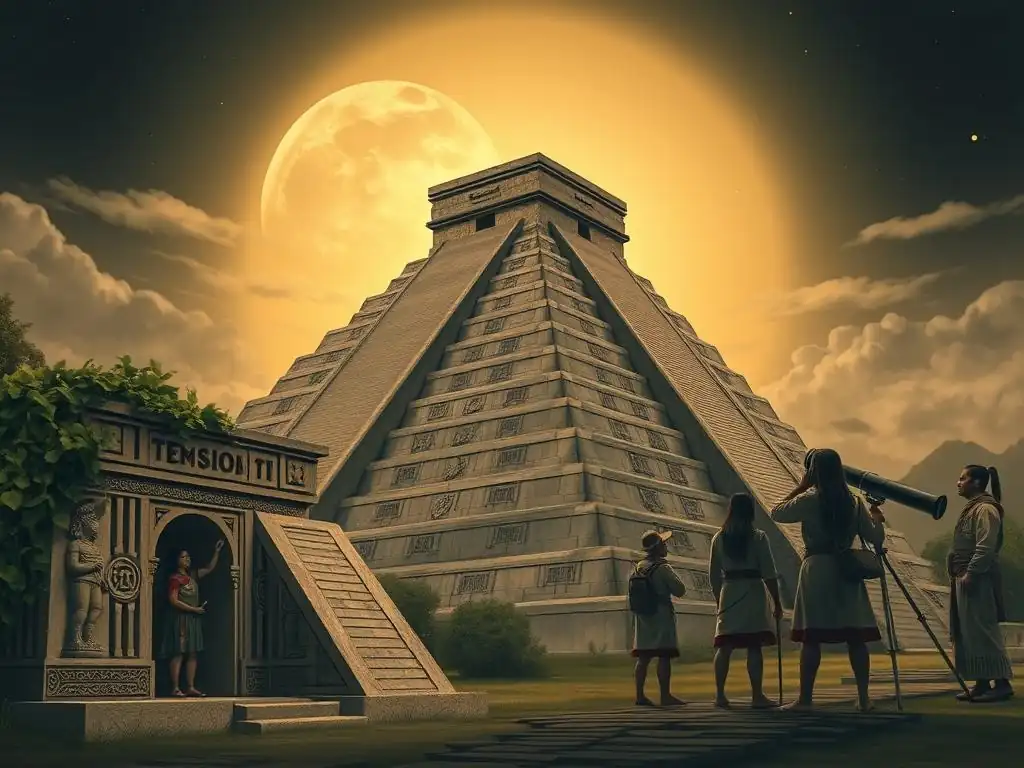
In Mesoamerica, the integration of astronomical knowledge into architecture is a testament to the advanced understanding of celestial phenomena by indigenous cultures. Mesoamerican civilizations, particularly the Maya and the Aztec, meticulously designed their sacred sites to align with significant astronomical events. These architectural features not only served religious purposes but also reflected a deep-seated cosmological worldview, demonstrating the inseparable link between the cosmos and daily life.
Orientation and Design of Mesoamerican Structures
The orientation of Mesoamerican buildings often correlates with cardinal directions—north, south, east, and west—reflecting the importance of these orientations in their cosmology. For instance, many pyramids and temples, such as the Pyramid of the Sun in Teotihuacan and the Temple of Kukulkan at Chichen Itza, are aligned with specific solar and lunar events.
- Pyramid of the Sun: This monumental structure is oriented to the west, allowing for significant solar observations, particularly during solstices.
- Temple of Kukulkan: At Chichen Itza, this pyramid is designed so that during the equinox, shadows cast by its staircases create the illusion of a serpent descending, a representation of the deity Kukulkan.
Moreover, the layout of these sites often incorporates astronomical markers and platforms, which were used for observing celestial events:
- Ecliptic Alignments: Many temples are oriented towards the path of the sun during key solar events, such as solstices and equinoxes.
- Calendar Systems: Structures were often built in relation to the Mesoamerican calendar, such as the 365-day solar calendar, which influenced agricultural practices and religious ceremonies.
The precise orientation of these sacred sites indicates not only architectural ingenuity but also a sophisticated understanding of astronomy.
Use of Shadows and Light in Sacred Spaces
The interplay of light and shadow is another architectural hallmark of Mesoamerican astronomical sacred sites. Indigenous architects ingeniously designed structures to create significant visual effects during particular celestial events, reinforcing the connection between the material and spiritual worlds.
- Solstice Effects: During the summer solstice, light would pierce through openings in temples, illuminating specific altars or images, enhancing the spiritual experience of rituals. This phenomenon can be observed at sites like the Temple of the Inscriptions in Palenque.
- Equinox Rituals: Similarly, during the equinoxes, the alignment of structures would result in unique shadow patterns. The most famous example is the Temple of Kukulkan at Chichen Itza, where the descending serpent shadow on the equinox symbolizes renewal and fertility.
These light and shadow effects were not merely aesthetic; they held profound spiritual significance, often associated with agricultural cycles and deities. The ability to predict these celestial events through architectural design illustrates the advanced understanding Mesoamerican cultures had of the cosmos.
Mesoamerican astronomical sacred sites exemplify the remarkable architectural prowess and astronomical knowledge of indigenous civilizations. The orientation and design of their structures, along with the careful manipulation of light and shadow, reveal a harmonious relationship between the earthly and the celestial, underscoring the importance of astronomy in their cultural and spiritual lives.
Legacy of Mesoamerican Astronomical Knowledge
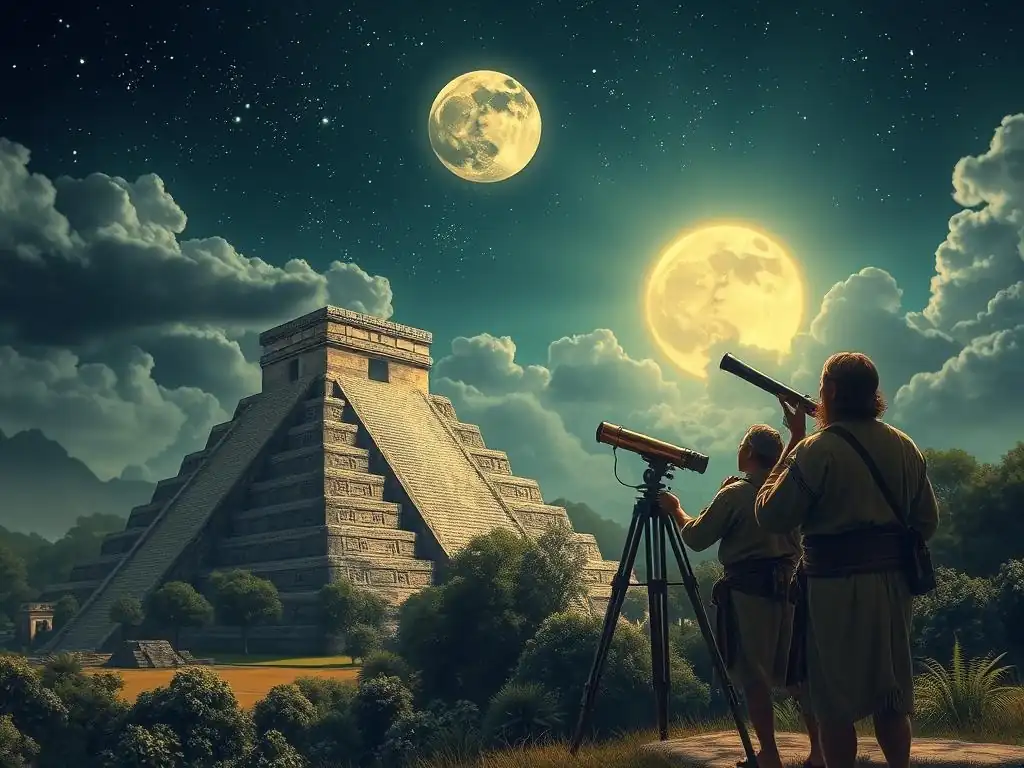
Mesoamerican civilizations, including the Maya and the Aztecs, possessed profound astronomical knowledge that significantly influenced their societies and the broader indigenous cultures that followed. This legacy is evident in various aspects of their daily life, agricultural practices, and religious ceremonies.
Influence on Later Indigenous Cultures
The astronomical practices of Mesoamerican cultures laid the groundwork for subsequent indigenous societies across the Americas. For instance, the intricate calendars developed by the Maya, based on celestial events, were adopted and adapted by later cultures, including the Mixtecs and Zapotecs. These calendars were not merely timekeeping tools but were also integral to agricultural cycles, guiding planting and harvesting based on celestial alignments.
- Calendrical Systems: The Maya utilized a vigesimal (base-20) counting system, which allowed them to create complex calendars like the Tzolk'in (a 260-day ritual calendar) and the Haab' (a 365-day solar calendar). These calendars were crucial for scheduling religious festivals and agricultural activities.
- Astronomical Observations: The Aztecs, inheriting knowledge from the Maya, constructed their own astronomical frameworks. They built the Templo Mayor in Tenochtitlan, which was aligned with celestial events, such as the solstices and equinoxes, demonstrating a sophisticated understanding of astronomy.
- Cultural Practices: Many indigenous cultures that followed continued to incorporate astronomical observations into their rituals. For example, the Inca civilization in South America also observed celestial bodies to dictate agricultural cycles and religious celebrations, showing a direct lineage of Mesoamerican influences.
This transfer of astronomical knowledge is a testament to the ingenuity and adaptability of indigenous cultures. As they encountered new environments and circumstances, they maintained and adapted the celestial wisdom passed down through generations.
Modern Recognition of Mesoamerican Astronomical Sites
In contemporary times, Mesoamerican astronomical sacred sites have garnered significant attention from historians, archaeologists, and tourists alike. These sites are recognized not only for their architectural grandeur but also for the advanced astronomical knowledge they represent.
- Archaeological Studies: Ongoing archaeological research continues to uncover the complexities of these sites. For instance, the El Caracol observatory at Chichen Itza is a prime example of Mesoamerican astronomical ingenuity, featuring windows aligned with significant celestial events. Recent studies have revealed its potential use for tracking the movements of Venus, which played a crucial role in Mayan cosmology.
- Cultural Heritage: Many of these sites are now protected as UNESCO World Heritage Sites, recognizing their importance to global heritage. Examples include Teotihuacan, with its Avenue of the Dead, and Uxmal, which showcases the Puuc architectural style and celestial alignments.
- Public Engagement: Local governments and indigenous groups are increasingly involved in promoting these sites as centers of cultural education. Programs aimed at sharing the astronomical knowledge of ancient civilizations are being implemented, fostering a deeper appreciation of their contributions to science and society.
The legacy of Mesoamerican astronomical knowledge continues to influence modern indigenous cultures and is increasingly recognized for its historical significance. The study and preservation of these astronomical sacred sites underscore their importance in understanding the complex relationship between ancient peoples and the cosmos.
Conclusion: The Cultural Significance of Mesoamerican Astronomical Sacred Sites
Mesoamerican astronomical sacred sites are not merely remnants of ancient civilizations; they embody the profound interrelationship between the cosmos and the cultural identity of indigenous peoples. These sites served as observatories, temples, and ceremonial centers, facilitating a deep understanding of celestial events that were integral to agricultural, religious, and social practices. They reflect a sophisticated knowledge of astronomy that was essential for navigation, timekeeping, and agricultural cycles.
The alignment of structures with celestial bodies highlights the significance of astronomical events in shaping the rituals and calendars of Mesoamerican societies. For example, the alignment of the Pyramid of the Sun at Teotihuacan with the sun's path during solstices symbolizes the integration of cosmology into the daily lives of its inhabitants. Such connections underscore the importance of celestial phenomena in fostering a sense of community and identity among the indigenous peoples.
Reflection on the Interconnection Between Astronomy and Indigenous Identity
The relationship between astronomy and indigenous identity in Mesoamerica is deeply rooted in the worldview of these cultures. Celestial events were often seen as manifestations of deities and were integral to mythologies that shaped social norms and traditions. For instance, the Maya calendar, which intricately linked celestial events with agricultural cycles, illustrates how astronomical knowledge was utilized in daily life and spiritual practices.
Indigenous societies employed astronomy not only for practical purposes but also as a means of expressing their beliefs and values. The construction of sacred sites, such as the observatories at Uxmal and Chichen Itza, reflects an understanding of the universe that was both scientific and spiritual. These sites served as places of reflection and meditation, where individuals could connect with their heritage and the natural world. Thus, Mesoamerican astronomical sacred sites are vital to understanding the indigenous identity, as they represent a synthesis of knowledge, spirituality, and culture.
Future Exploration of Mesoamerican Astronomical Heritage
The ongoing interest in Mesoamerican astronomical heritage offers a rich avenue for exploration and scholarship. As contemporary researchers delve deeper into the astronomical practices of ancient civilizations, new technologies such as satellite imagery and 3D modeling provide fresh insights into the alignment and purpose of these sacred sites.
Furthermore, interdisciplinary approaches that integrate archaeology, anthropology, and astronomy can enhance our understanding of how these civilizations interacted with their environment. Collaborative efforts with indigenous communities can also promote the preservation of this heritage, as many still hold knowledge and practices related to astronomy.
The cultural significance of Mesoamerican astronomical sacred sites extends beyond their historical context; they are living legacies that continue to influence contemporary indigenous identity. Future explorations of these celestial connections will not only deepen our appreciation of ancient achievements but also honor the enduring spirit of the indigenous peoples of the Americas.
Frequently Asked Questions
What are Mesoamerican astronomical sacred sites?
Mesoamerican astronomical sacred sites are locations where ancient cultures built structures aligned with celestial events, such as solstices and equinoxes, to reflect their spiritual beliefs and agricultural practices.
Why were celestial events important to Mesoamerican cultures?
Celestial events were crucial as they dictated agricultural cycles and were central to their religious practices, influencing everything from planting to rituals that honored their gods.
How did Mesoamerican civilizations utilize astronomy?
Mesoamerican civilizations used astronomy to create calendars, predict seasonal changes, and align their sacred sites for rituals, demonstrating a sophisticated understanding of celestial mechanics.
Which Mesoamerican cultures are known for their astronomical alignments?
Civilizations like the Maya and Aztecs are particularly noted for their advanced knowledge of astronomy, reflected in the positioning of their temples and the construction of observatories.
What is the significance of studying these sites today?
Studying Mesoamerican astronomical sacred sites helps us understand the cultural heritage and scientific achievements of indigenous peoples, as well as their lasting impact on modern astronomy and cultural practices.
Final Reflection: The Cosmic Connection of Mesoamerican Sacred Sites
The intricate relationship between celestial events and Mesoamerican astronomical sacred sites remains profoundly relevant today, as we continue to seek meaning in the cosmos. The ancient civilizations of Mesoamerica understood the universe not merely as a backdrop to human existence but as an integral part of their spiritual and cultural identity. This connection invites us to reconsider our own relationship with the stars and the natural world, reminding us that we are part of a larger cosmic tapestry.
Mesoamerican astronomical sacred sites have left an indelible mark on our cultural and social landscape, influencing contemporary practices and beliefs. The reverence for celestial events, as seen in the alignment of temples and pyramids, speaks to a universal human desire to connect with something greater than ourselves. The stars are not just distant suns; they are the ancestors who guide us.
This perspective encourages us to honor the wisdom of the past while recognizing its ongoing impact on our present and future.
As we reflect on the lessons of Mesoamerican astronomical sacred sites, let us embrace the call to explore our own connections with the universe. Consider how you can incorporate a sense of wonder and reverence for the cosmos into your daily life. Whether through stargazing, learning about ancient cultures, or simply taking a moment to appreciate the night sky, we can all find ways to honor the celestial rhythms that have shaped human history and continue to inspire us today.
Unlock the Secrets of Mesoamerican Celestial Wonders!
Thank you for exploring the fascinating world of astronomical alignments and sacred sites in Mesoamerica! Your curiosity about these ancient civilizations and their celestial connections is invaluable. Now, let’s keep the momentum going and deepen your engagement with this captivating topic.
Here’s how you can take action right now:
- Join a local astronomy club or participate in online webinars to witness celestial events through a new perspective.
- Visit a nearby historical site and try to identify its astronomical alignments—you might discover surprising insights!
- Share your newfound knowledge with friends and family by organizing a discussion or presenting your insights on social media.
As you dive deeper into the wonders of Mesoamerican astronomy, consider this: Which aspect of the universe's influence on ancient civilizations resonates most with you, and why?