
The Role of Local Leaders in the Inca Empire: Autonomy vs. Central Control

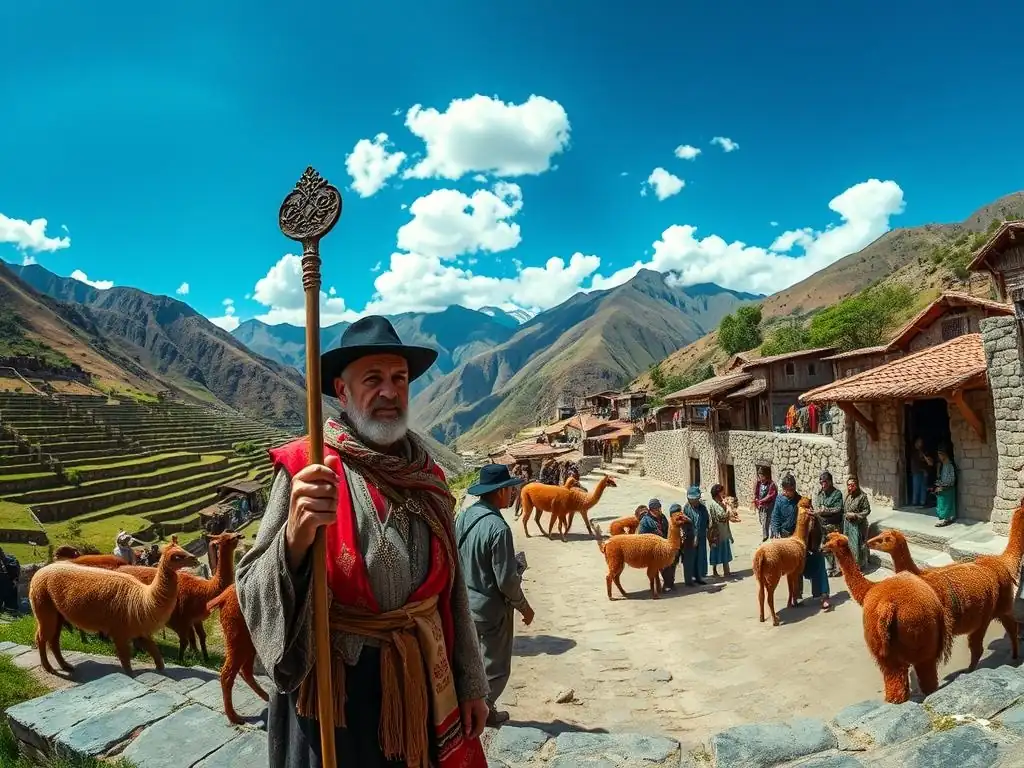
Welcome to Indigenous Civilizations of the Americas, where we invite you to embark on a fascinating journey through the rich tapestry of pre-colonial cultures that flourished across the continents. Today, we delve into the intricate dynamics of local leadership within the Inca Empire, exploring the delicate balance between autonomy and central control that shaped one of history's most remarkable civilizations.
What strategies did local leaders employ to maintain their authority while navigating the vast reach of the Inca state? Join us as we uncover the answers and illuminate the profound legacy of the Inca Empire, inspiring you to delve deeper into the captivating stories of indigenous cultures.
Introduction to Inca Empire Local Leadership Dynamics
The Inca Empire, known for its remarkable engineering, extensive road networks, and sophisticated agricultural practices, was also characterized by a complex political structure that balanced both central control and local autonomy. Understanding the dynamics of local leadership within this vast empire is crucial for comprehending how the Incas managed their diverse territories.
Local leaders played a pivotal role in governance, serving as vital links between the central authority in Cusco and the various regions that comprised the empire. This article delves into the intricate relationship between local leaders and the central government, highlighting the significance of this dynamic in maintaining the stability and cohesion of the Inca state.
Overview of the Inca Empire's Political Structure
The political framework of the Inca Empire was hierarchical yet flexible, allowing for a degree of local governance that was essential in managing the vast diversity of the empire's populace.
- Sapa Inca: At the top of the hierarchy stood the Sapa Inca, the emperor considered both a political and religious figure, wielding absolute power.
- Council of Nobles: Below the Sapa Inca was a council of nobles who assisted in governance and decision-making processes.
- Regional Administrators: The empire was divided into four suyus (regions), each governed by a regional administrator known as an apuk. These leaders were crucial in enforcing the will of the Sapa Inca while also managing local affairs.
This structure allowed the Incas to efficiently oversee vast territories, but it also relied heavily on the cooperation and loyalty of local leaders to function effectively.
Importance of Local Leadership in Indigenous Governance
Local leaders in the Inca Empire were indispensable for several reasons:
- Cultural Mediation: They acted as cultural mediators, bridging the gap between the central authority and local customs, which helped in maintaining social cohesion.
- Resource Management: Local leaders were responsible for managing local resources, ensuring that agricultural production and labor were aligned with the needs of the empire.
- Conflict Resolution: They played a crucial role in resolving disputes within their communities, which helped to maintain peace and order.
The effectiveness of local leadership was a key factor in the stability and expansion of the Inca Empire, demonstrating the importance of integrating local governance within a centralized system.
Historical Context of Local Leadership in the Inca Empire
The Emergence of Regional Leaders in Pre-Inca Societies
Before the rise of the Inca Empire, the Andes region was home to various pre-Columbian societies that exhibited distinct forms of governance. These societies often had their own local leaders or chieftains who managed communal affairs.
- Regional Variations: Different regions had varying structures of leadership based on local customs, resources, and social organization.
- Cultural Heritage: The traditions and practices of these early leaders laid the groundwork for the Inca governance model, influencing how the Incas integrated local leadership into their administrative system.
Integration of Local Leaders into the Inca Administrative System
With the expansion of the Inca Empire, local leaders were systematically integrated into the imperial structure:
- Co-optation: The Incas often co-opted existing leaders, integrating them into their administrative framework while respecting local traditions.
- Quipu System: Local leaders were tasked with maintaining records using the quipu system, which helped in monitoring resources and populations.
- Loyalty and Reward: The Inca rulers incentivized loyalty from local leaders through privileges and resources, ensuring that they remained committed to the empire's goals.
This integration of local leaders not only facilitated effective governance but also allowed the Inca Empire to adapt and thrive across diverse cultural landscapes.
Characteristics of Local Leadership in the Inca Empire
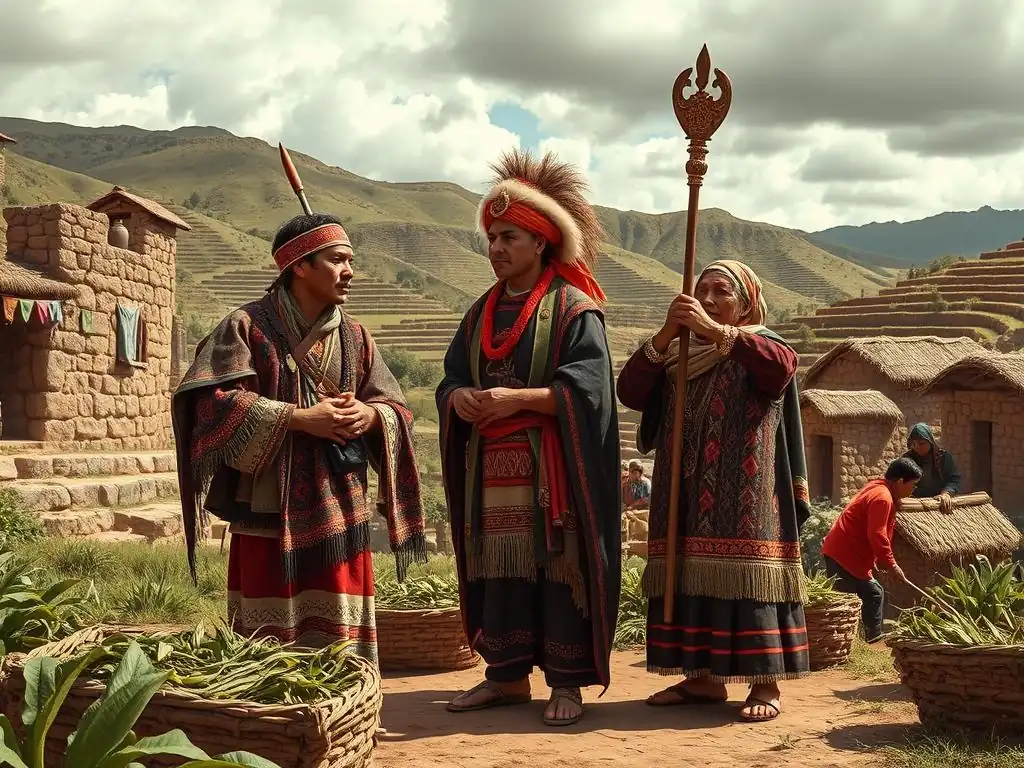
Local leadership within the Inca Empire was marked by a distinctive blend of authority, cultural integration, and loyalty to the central government. Local leaders, known as "curacas," played a critical role in maintaining the sociopolitical structure of the empire while also embodying the diverse indigenous cultures that existed within their territories. The curacas were typically chosen from the local nobility, which helped to ensure that they possessed both the respect of their communities and the necessary knowledge of local customs and issues.
These leaders were characterized by their ability to balance local interests with the demands of the Inca central authority. They were often required to adapt Inca policies to fit the unique needs of their regions. Furthermore, the effectiveness of a curaca was often gauged by their capability to mobilize resources and people for the benefit of both their community and the empire. This included managing agricultural production, overseeing infrastructure projects, and facilitating tribute collection, which was vital for the sustenance of the Inca state.
Roles and Responsibilities of Local Leaders
Local leaders in the Inca Empire had a multifaceted role that spanned various responsibilities. Primarily, they acted as intermediaries between the Inca government and their local communities. Their duties included:
- Resource Management: Curacas were responsible for overseeing agricultural production and ensuring that the land was cultivated efficiently. They coordinated labor for farming, irrigation systems, and the distribution of food resources.
- Tribute Collection: One of their critical functions was to collect tribute from the local populace, which was then sent to the Inca administration. This tribute could include goods, textiles, and labor.
- Conflict Resolution: Local leaders played a key role in mediating disputes within their communities, using their authority to maintain social order and harmony.
- Cultural Preservation: They were tasked with preserving local customs and traditions while also promoting Inca culture, which often resulted in a blend of practices that reflected both local and imperial influences.
The relationship between local leaders and central authorities in the Inca Empire was complex, characterized by both cooperation and tension. While local leaders had a degree of autonomy in managing their territories, they remained subordinate to the overarching power of the Inca emperor and the centralized administration. This hierarchical structure was designed to ensure loyalty to the state while allowing local leaders to address the specific needs of their communities.
The Inca administration utilized a system of "mitmaqkuna," or resettlement, which involved relocating communities to different areas to promote loyalty and integrate diverse ethnic groups. This strategy often diminished the power of local leaders, as it disrupted traditional authority structures. Despite this, effective curacas could leverage their local knowledge and connections to maintain influence, often negotiating their position within the imperial framework.
Autonomy of Local Leaders in the Inca Empire
Despite being part of a centralized empire, local leaders in the Inca Empire enjoyed a notable degree of autonomy. This autonomy was essential for the effective governance of diverse and geographically distinct regions. Curacas were expected to make decisions that reflected the needs and desires of their communities, often leading to variations in how policies were implemented across the empire.
Local leaders had the authority to organize labor for public works, manage local disputes, and enforce laws. This autonomy allowed leaders to adapt imperial mandates to their contexts, fostering a sense of local identity and governance. However, their autonomy was always tempered by the expectation of loyalty to the central authority, which could revoke their power if they were deemed insufficiently compliant.
Examples of Local Governance and Decision-Making
One of the most telling examples of local governance in the Inca Empire can be observed in the "ayllu" system, which was a form of communal organization. In this system, local leaders facilitated collective decision-making and resource sharing among families. Curacas worked within these frameworks to address community issues, such as crop rotation, labor allocation, and dispute resolution.
Additionally, the curacas had the authority to make decisions about local religious practices, which often involved the veneration of both Inca deities and local spirits. This dual approach to governance allowed for a more cohesive society that respected local traditions while also aligning with the imperial ideology.
Case Studies: Successful Local Leaders and Their Impact
Several local leaders in the Inca Empire exemplified the successful management of their regions while balancing the demands of the central authority. One notable figure is Túpac Amaru, a curaca from the Cusco region, who effectively mobilized resources during a period of drought. His leadership ensured that his community maintained food security and contributed to the empire's overall stability.
Another example is Manco Inca Yupanqui, who, as a local leader, demonstrated the ability to leverage his position against the Spanish invaders. His governance strategies included uniting various local groups to resist colonization, highlighting the importance of local leadership in both maintaining autonomy and confronting external threats.
These case studies illustrate the vital role of local leaders in the Inca Empire's governance, showcasing their ability to navigate the complexities of imperial authority while fostering regional resilience and identity.
Central Control in the Inca Empire
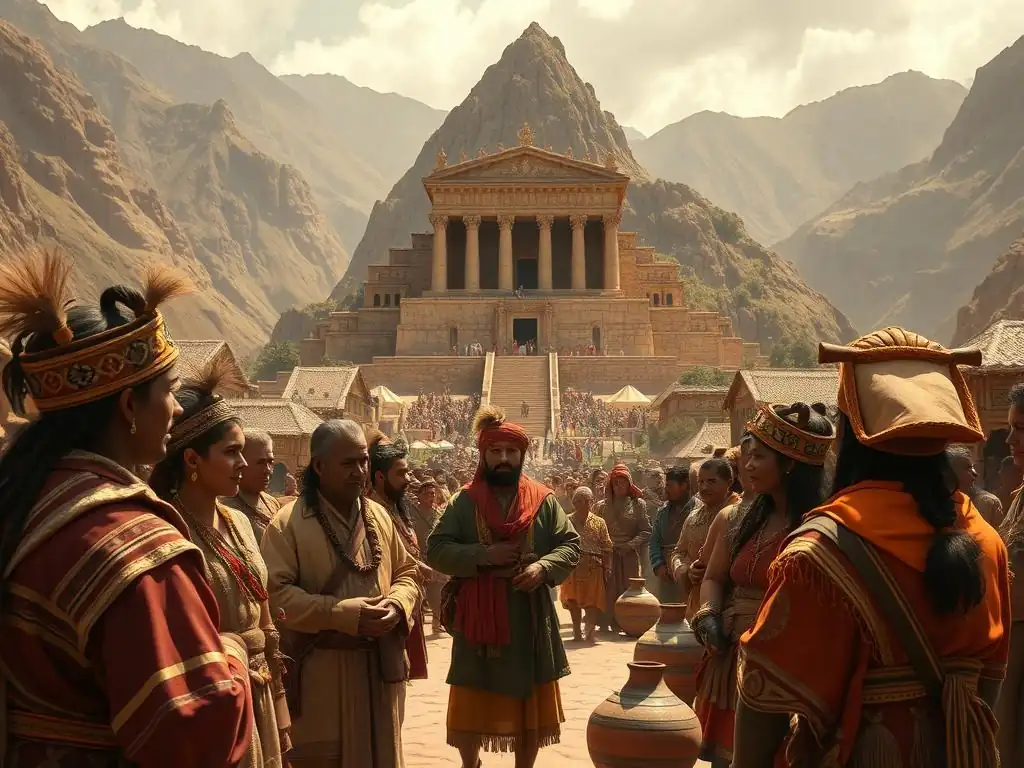
The Inca Empire, known for its vast territory and sophisticated governance, employed a centralized system that was vital for maintaining order and ensuring the effective management of resources across its extensive lands. Central control was a hallmark of the Inca political structure, allowing the Sapa Inca, the emperor, to enact policies and exert influence over various regions. This centralization was not merely a matter of authority but also involved intricate mechanisms that ensured loyalty and compliance from local leaders.
Mechanisms of Central Authority and Oversight
To maintain control over such a vast empire, the Incas developed various mechanisms that included administrative divisions known as suyus and ayllus. Each suyu (region) was governed by a local leader, who was often an indigenous chieftain or a loyal Inca official. These leaders were responsible for implementing the Sapa Inca's decrees and collecting taxes, thereby serving as intermediaries between the central authority and the local populace.
Moreover, the Inca employed a system of mitmaqkuna, or resettlement, where communities were relocated to ensure loyalty and reduce the risk of rebellion. This strategy allowed for a mix of cultures and strengthened the empire's unity under the Sapa Inca’s rule. Local leaders were also closely monitored through regular inspections and audits carried out by officials known as t'inkuy to prevent any abuse of power and ensure adherence to central policies.
The Role of the Sapa Inca in Local Governance
The Sapa Inca played a pivotal role in local governance, acting not only as the supreme ruler but also as the divine embodiment of the Inca state. His decisions directly influenced local leaders' authority, as he was considered the ultimate source of law and order. The Sapa Inca’s policies were communicated through a series of messengers, called chasquis, who ensured rapid dissemination of information.
In practice, local leaders were expected to uphold the Sapa Inca's vision, which included agricultural production, tribute collection, and public works projects. While they had some degree of autonomy in managing local affairs, their power was significantly curtailed by the overarching authority of the Sapa Inca, who reserved the right to intervene in local governance at any moment. This structure fostered a blend of local leadership within a tightly controlled framework, balancing autonomy with central oversight.
Tensions Between Autonomy and Central Control
Despite the structured governance of the Inca Empire, tensions frequently arose between local leaders and the central authority. The desire for autonomy among local leaders often clashed with the Sapa Inca's need for uniformity and loyalty throughout the empire. This dynamic created a complex relationship where local leaders had to navigate their interests against the backdrop of central control.
Conflicts Arising from Local Leaders' Autonomy
Local leaders, empowered by their roles, sometimes sought to assert their independence, leading to conflicts with the central authority. In certain instances, this resulted in revolts or resistance against the Sapa Inca's policies, particularly when local interests diverged from imperial expectations. For example, in regions with established traditions and governance, local leaders would occasionally prioritize their communities' needs over the demands of the empire, leading to tensions and potential uprisings.
These conflicts were not merely about power struggles; they were deeply rooted in cultural differences and varying local customs, which the central authority might overlook. Such instances highlighted the challenges of governing a diverse empire where local identities and practices competed with the overarching imperial identity promoted by the Sapa Inca.
Responses from Central Authorities to Maintain Control
In response to the tensions and conflicts arising from local leaders' autonomy, the central authorities developed strategic measures to reinforce control. This included the appointment of loyal officials from the capital to key local positions, effectively placing trusted insiders in areas where discontent was brewing. Additionally, the Inca Empire practiced punitive measures against rebellious local leaders, which included the relocation of populations and the execution of those who were deemed a threat to imperial stability.
Furthermore, the central government reinforced its presence through a network of tambos, or way stations, which served as logistical hubs for communication and troop mobilization. This network was crucial for rapid responses to local disturbances and for ensuring that the Sapa Inca’s orders were executed without delay. Through these mechanisms, the Inca Empire sought to maintain a delicate balance between allowing some degree of local governance and ensuring the supremacy of central authority, ultimately shaping the dynamic of leadership within the empire.
The Influence of Local Leaders on Inca Society
Local leaders, known as curacas or caciques, played a crucial role in the Inca Empire's societal structure, bridging the gap between the central authority and local communities. Their influence extended beyond mere governance; they were pivotal in maintaining the cultural identity of their people within the vast Inca territory.
The Inca Empire, known for its impressive central control, allowed local leaders a degree of autonomy, enabling them to manage their communities in ways that aligned with local customs and traditions. This duality fostered a sense of loyalty among the populace, as local leaders acted as both representatives of the Inca authority and custodians of indigenous heritage.
Local leaders were also instrumental in the implementation of Inca policies, particularly in areas such as taxation, labor, and resource management. They served as intermediaries, conveying the directives of the Inca rulers while also voicing the concerns and needs of their communities. This role was essential in ensuring the smooth functioning of the empire, as local leaders could tailor central policies to better fit the unique contexts of their regions. Their ability to navigate the complexities of local and central governance was vital for the cohesion of the Inca Empire.
Cultural Contributions of Local Leaders
Cultural contributions from local leaders were significant in preserving the diverse traditions and practices of various ethnic groups within the Inca Empire. While the Incas promoted a unified culture, local leaders played a key role in integrating local customs, languages, and rituals into the broader cultural framework. They organized festivals, religious ceremonies, and agricultural practices that revered local deities and honored ancestral traditions.
For instance, local leaders facilitated the celebration of Inti Raymi, the Festival of the Sun, which was vital for both Inca identity and local customs. This festival not only reinforced the central authority of the Inca rulers but also allowed local populations to express their cultural identities. By fostering a blend of Inca and local traditions, these leaders ensured that indigenous cultures were not merely overshadowed by the imperial narrative but instead flourished within it.
Local Leaders' Role in Economic Management
In economic terms, local leaders were essential to the management of resources, land distribution, and agricultural production. They oversaw the implementation of the mit'a system, which required local populations to perform labor for the state, ensuring that agricultural goods were produced efficiently to support both local needs and imperial demands. Local leaders coordinated labor projects, such as the construction of roads, irrigation systems, and terraces, which were vital for maintaining agricultural productivity and enhancing trade.
Furthermore, local leaders managed the collection of tribute, which was a significant aspect of the Inca economic system. They ensured that tributes were collected fairly and efficiently, which contributed to the wealth of the empire. Their understanding of local economies allowed them to negotiate and mediate between the desires of the central authorities and the realities of local needs, reinforcing their importance in the economic landscape of the Inca Empire.
Conclusion: The Balance of Power in Inca Empire Local Leadership Dynamics
The dynamics of local leadership within the Inca Empire exemplified a delicate balance between autonomy and central control. While the Inca rulers exerted significant authority over the vast empire, local leaders maintained a vital role in governance, cultural preservation, and economic management. Their influence facilitated a unique governance model that allowed for local adaptation within a framework of imperial oversight.
Summary of Autonomy vs. Central Control in the Inca Empire
The Inca Empire's approach to local leadership reflects a strategic balance of power. While the central government held ultimate authority, local leaders were granted a degree of autonomy to manage their communities effectively. This duality not only fostered loyalty among local populations but also enabled the Incas to maintain control over a diverse and expansive territory. The interplay of autonomy and control was essential for the stability and cohesion of the empire, allowing it to thrive for centuries.
Lasting Legacy of Local Leaders in Indigenous Governance
The legacy of local leaders in the Inca Empire extends beyond their time, influencing indigenous governance structures in the Americas even today. Their model of leadership, which combined local knowledge with centralized authority, provided a framework that many indigenous communities have drawn upon in their contemporary governance practices. By honoring local customs while navigating broader political dynamics, local leaders set a precedent for the resilience and adaptability of indigenous governance systems. Their contributions continue to be celebrated and recognized as vital components of the rich tapestry of indigenous cultures across the Americas.
- Introduction to Inca Empire Local Leadership Dynamics
- Overview of the Inca Empire's Political Structure
- Importance of Local Leadership in Indigenous Governance
- Historical Context of Local Leadership in the Inca Empire
- Characteristics of Local Leadership in the Inca Empire
- Roles and Responsibilities of Local Leaders
- Power Dynamics Between Local Leaders and Central Authorities
- Autonomy of Local Leaders in the Inca Empire
- Central Control in the Inca Empire
- Tensions Between Autonomy and Central Control
- The Influence of Local Leaders on Inca Society
- Conclusion: The Balance of Power in Inca Empire Local Leadership Dynamics
- What were the primary roles of local leaders in the Inca Empire?
- How did local leadership dynamics affect the Inca Empire's governance?
- Did local leaders have any autonomy in decision-making?
- What impact did local leaders have on Inca society?
- How did the Inca Empire ensure loyalty from local leaders?
Frequently Asked Questions
What were the primary roles of local leaders in the Inca Empire?
Local leaders, or ayllu heads, were responsible for managing resources, enforcing laws, and maintaining social order within their communities while also reporting to the central government.
How did local leadership dynamics affect the Inca Empire's governance?
The dynamics between local leaders and central authorities allowed for a balance of autonomy and control, which enabled the Inca Empire to effectively manage its vast territories and diverse populations.
Did local leaders have any autonomy in decision-making?
Yes, local leaders had a degree of autonomy in handling local issues, but they also had to align their decisions with the central policies set by the Inca rulers, creating a complex relationship.
What impact did local leaders have on Inca society?
Local leaders played a crucial role in the implementation of Inca policies, which helped in the integration of various cultures and the maintenance of the empire’s stability.
How did the Inca Empire ensure loyalty from local leaders?
The Inca Empire fostered loyalty by providing incentives, such as land grants and titles, while also demanding tribute and military service, creating a system of mutual dependency.
Final Reflection: The Balance of Autonomy and Control in the Inca Empire
The dynamics of local leadership within the Inca Empire remain profoundly relevant today, as they highlight the intricate balance between autonomy and central control in governance. In an era where local communities seek greater representation and autonomy, the lessons drawn from the Inca Empire's approach to local leadership illuminate the complexities of power distribution. The Inca's ability to integrate local leaders while maintaining central authority serves as a compelling reminder of the delicate dance between unity and diversity in governance.
The influence of local leaders in the Inca Empire not only shaped the political landscape of their time but continues to resonate within our contemporary society. The interplay between local autonomy and central oversight is a theme that echoes in modern governance, where local leaders often serve as crucial intermediaries between the populace and the central government. As historian John H. Rowe aptly stated, The Inca Empire was a masterclass in the art of governance, where local leaders were both the backbone and the face of imperial authority.
This observation underscores the enduring significance of local leadership dynamics, as they foster community engagement and ensure that diverse voices are heard within larger political frameworks.
As we reflect on the lessons of the Inca Empire, let us consider how we can apply these insights to our own communities today. Embrace the spirit of collaboration and empowerment by recognizing the value of local leadership in shaping our collective future. Whether through supporting local initiatives or advocating for inclusive governance, each of us has a role to play in fostering a more balanced and representative society. In doing so, we honor the legacy of the Inca Empire and contribute to a world where autonomy and central control coexist harmoniously for the benefit of all.
Embrace the Legacy of Leadership and Empowerment!
Thank you for exploring the intricate dynamics between local leaders and central control in the Inca Empire. Your journey through this article has illuminated the delicate balance of autonomy that shaped one of history’s most fascinating civilizations. Now, let’s take this knowledge further and engage with the essence of leadership in our own communities!
Here’s how you can dive deeper and make a meaningful impact:
- Reflect on Leadership: **Consider a local issue that resonates with you**—how can you step into a leadership role to foster positive change?
- Join the Discussion: Share your insights or experiences regarding community leadership below! How do you see the principles from the Inca Empire applying today?
- Explore Further: **Research the leadership styles of various indigenous civilizations**—what can they teach us about resilience and empowerment?
What leadership qualities do you think are essential for today’s community leaders, and how can we cultivate them? Your thoughts could ignite a powerful conversation!