
Innovations in Textiles: The Craftsmanship Behind Aztec Clothing

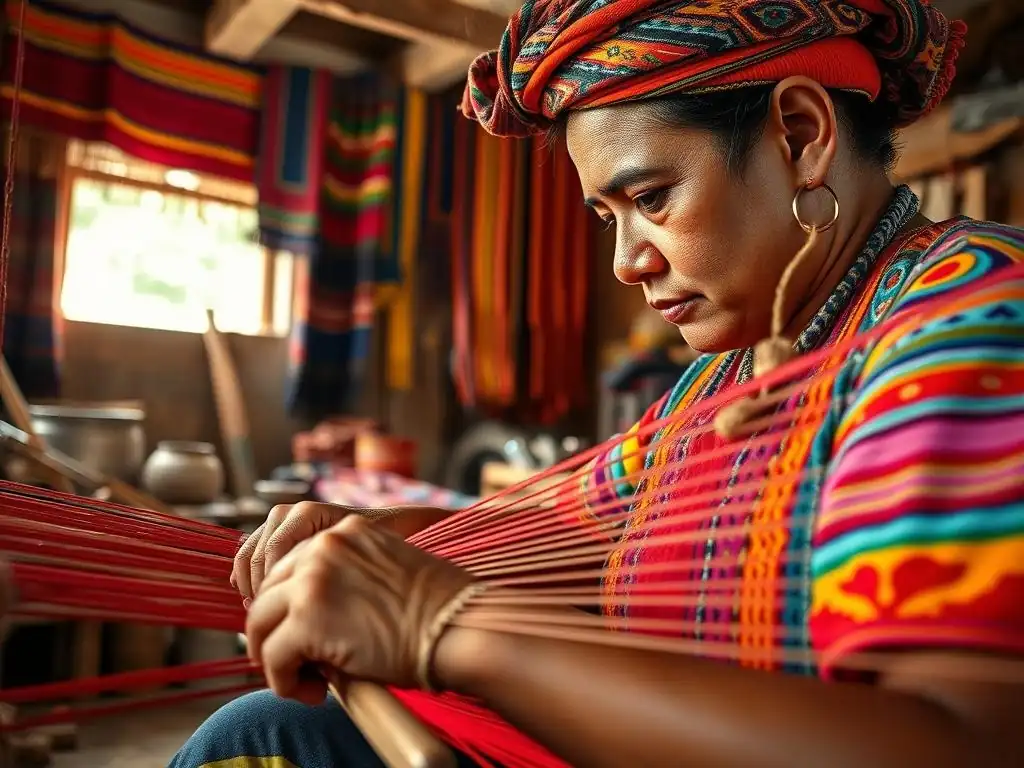
Welcome to Indigenous Civilizations of the Americas, where we invite you to embark on a fascinating journey through the rich tapestry of indigenous cultures that flourished long before European contact. In our featured article, “Innovations in Textiles: The Craftsmanship Behind Aztec Clothing,” we delve into the intricate world of Aztec textile craftsmanship techniques—a testament to the creativity and ingenuity of the Aztec civilization. Discover how these remarkable skills not only shaped the clothing of a vibrant society but also laid the foundation for their enduring legacy.
Join us as we unravel the stories behind these exquisite creations and explore the profound impact they had on cultural identity and community life. Your exploration starts here!
- Introduction to Aztec Textile Craftsmanship
- Historical Context of Aztec Textile Craftsmanship
- Key Aztec Textile Craftsmanship Techniques
- Materials Used in Aztec Textile Craftsmanship
- The Role of Textiles in Aztec Society
- Innovations and Techniques in Modern Textile Craftsmanship
- Conclusion: The Legacy of Aztec Textile Craftsmanship
- References and Further Reading on Aztec Textile Craftsmanship Techniques
- Frequently Asked Questions
- Final Reflection: Celebrating the Legacy of Aztec Textile Craftsmanship
- Dive Deeper into Aztec Textile Mastery!
Introduction to Aztec Textile Craftsmanship
The Aztec civilization, flourishing in central Mexico from the 14th to the 16th centuries, was a remarkable society characterized by its rich cultural heritage, advanced agricultural practices, and intricate craftsmanship. Among the many artistic expressions of the Aztecs, textile craftsmanship stands out as a significant achievement, reflecting their societal values, religious beliefs, and the environmental resources available to them.
This article delves into the Aztec textile craftsmanship techniques, showcasing the skills and innovations that defined their clothing and textiles. By exploring the artistry behind Aztec garments, we gain insight into the daily lives of the Aztecs and the cultural importance of textiles in their society.
Overview of Aztec Civilization and Its Cultural Significance
The Aztec Empire, known as Mexica, emerged as one of the most influential civilizations in pre-Columbian America. Centered in the Valley of Mexico, its capital, Tenochtitlán, became a bustling metropolis with a population that rivaled that of contemporary European cities. The Aztecs were not only warriors and traders but also skilled artisans and builders. Their culture was rich in mythology, religion, and art, with a strong emphasis on community and social hierarchy.
Key aspects of Aztec culture included:
- Religion: The Aztecs practiced a polytheistic faith, with numerous gods representing various elements of life. Textiles often featured religious symbolism and were used in ceremonies and rituals.
- Social Structure: Society was stratified, with nobles, priests, and commoners having distinct roles. Textiles were a marker of status, with elaborate garments reserved for the elite.
- Trade and Economy: The Aztec economy was based on agriculture, tribute, and trade. Textiles were a significant commodity, exchanged for goods and services throughout the empire and beyond.
The cultural significance of the Aztecs is evident in their contributions to art, architecture, and technology, with textile craftsmanship being a vital part of their identity.
Importance of Textile Craftsmanship in Aztec Society
Textile craftsmanship in Aztec society was more than just a practical necessity; it was an essential aspect of their cultural expression and social organization. The techniques and materials used in Aztec textiles reveal much about their environment and social dynamics.
- Materials: The Aztecs utilized a variety of materials, including cotton, maguey fibers, and animal hides. Each material brought its unique properties and aesthetic qualities to the textiles produced.
- Techniques: Various techniques were employed in the creation of textiles, such as weaving, dyeing, and embroidery. The mastery of these techniques allowed Aztec artisans to produce intricate patterns and designs that conveyed messages of power, identity, and beauty.
- Economic Role: Textiles were integral to the economy, serving both practical needs and as a form of currency in trade. The production and exchange of textiles stimulated economic interactions, fostering relationships among different communities.
Overall, the craftsmanship behind Aztec clothing not only reflects the artistic ingenuity of the civilization but also highlights the societal values and cultural narratives that were woven into every garment. Understanding these techniques and their significance offers a deeper appreciation for the rich history of the Aztec civilization and its enduring legacy in the Americas.
Historical Context of Aztec Textile Craftsmanship
Origins of Textile Techniques in Mesoamerica
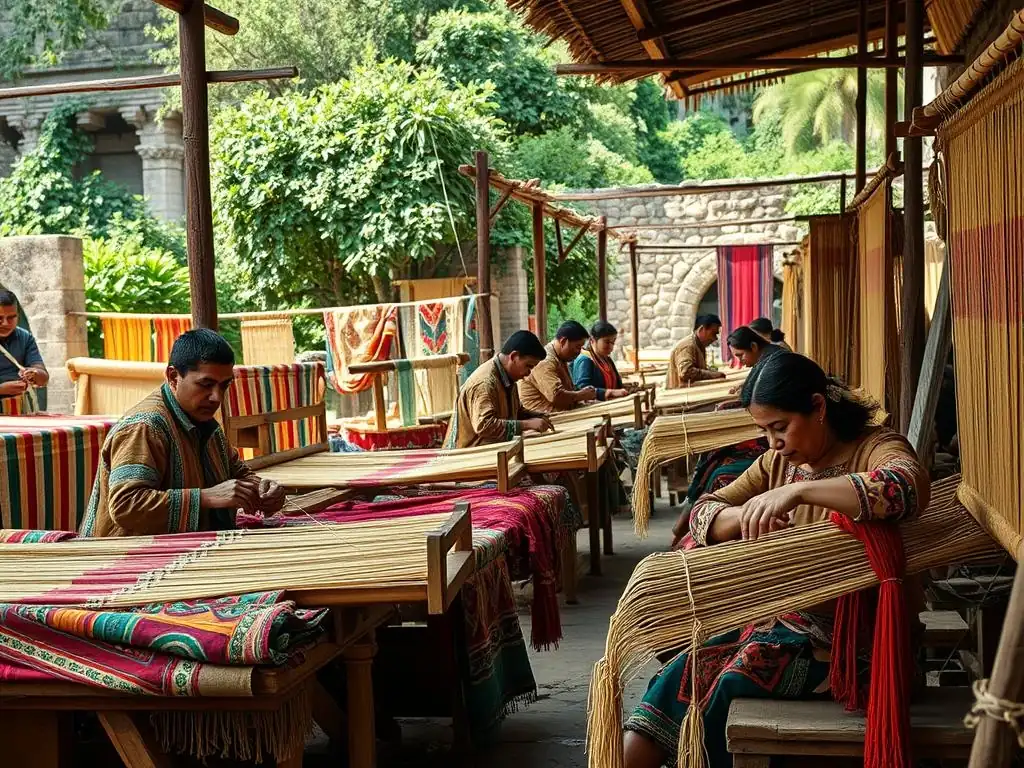
The origins of textile craftsmanship in Mesoamerica can be traced back thousands of years, prior to the emergence of the Aztec civilization. Indigenous peoples in this region developed sophisticated techniques that reflected their environment, resources, and cultural values. The cultivation of cotton and the domestication of various plants such as agave and bark served as the primary materials for textiles.
The Maya civilization, which thrived before the Aztecs, significantly influenced textile techniques. They employed intricate weaving methods, including the use of backstrap looms, which allowed for the creation of detailed patterns and designs. These techniques were inherited and adapted by the Aztecs, who further refined them to produce their distinctive textiles. The Toltec civilization also contributed to this legacy, introducing new motifs and styles that would later be seen in Aztec clothing.
The Aztecs utilized a variety of fibers, including cotton, agave fibers, and animal hair, to create textiles that were not only functional but also served as a display of social status. The textiles produced held significant cultural importance, as they were often adorned with symbols that represented various deities and aspects of life in the Aztec empire.
Evolution of Aztec Textile Craftsmanship Techniques
As the Aztec civilization evolved, so did their textile craftsmanship techniques. By the time of the height of the Aztec Empire in the 15th century, textile production had become a highly developed art form, characterized by several key innovations:
- Weaving Techniques:
- The use of the backstrap loom was prevalent, allowing for intricate designs and patterns.
- The introduction of complex tie-dyeing and embroidering techniques added depth and creativity to textile production.
- Dyeing Methods:
- The Aztecs utilized natural dyes extracted from plants, minerals, and insects. For instance, the cochineal insect was used to produce vibrant red dyes, while indigo plants were employed to create shades of blue.
- The dyeing process involved a meticulous method of pre-treating fibers and applying dyes to achieve desired hues, showcasing the artisans' expertise.
- Textile Finishing:
- Techniques such as felting and appliqué were employed to create textures and layered effects in clothing. This allowed for not only aesthetic appeal but also functionality in garments.
- The integration of decorative elements, such as feathers and beads, further emphasized the cultural significance of textiles, often indicating the wearer's status or role within society.
- Societal Impact:
- Textiles were important in the economy of the Aztec Empire, serving as trade goods and indicators of wealth. The calpulli (neighborhood groups) often specialized in different textile crafts, fostering community and cooperation.
- Clothing styles and textiles also conveyed messages about identity, with specific garments reserved for nobility, warriors, and priests.
The innovations in Aztec textile craftsmanship techniques not only highlight the creativity and skill of the artisans but also reflect the intricate social structures and cultural beliefs of the Aztec civilization. As a result, these textiles remain a significant aspect of Mesoamerican heritage, continuing to inspire contemporary practices in textile art and fashion.
Key Aztec Textile Craftsmanship Techniques
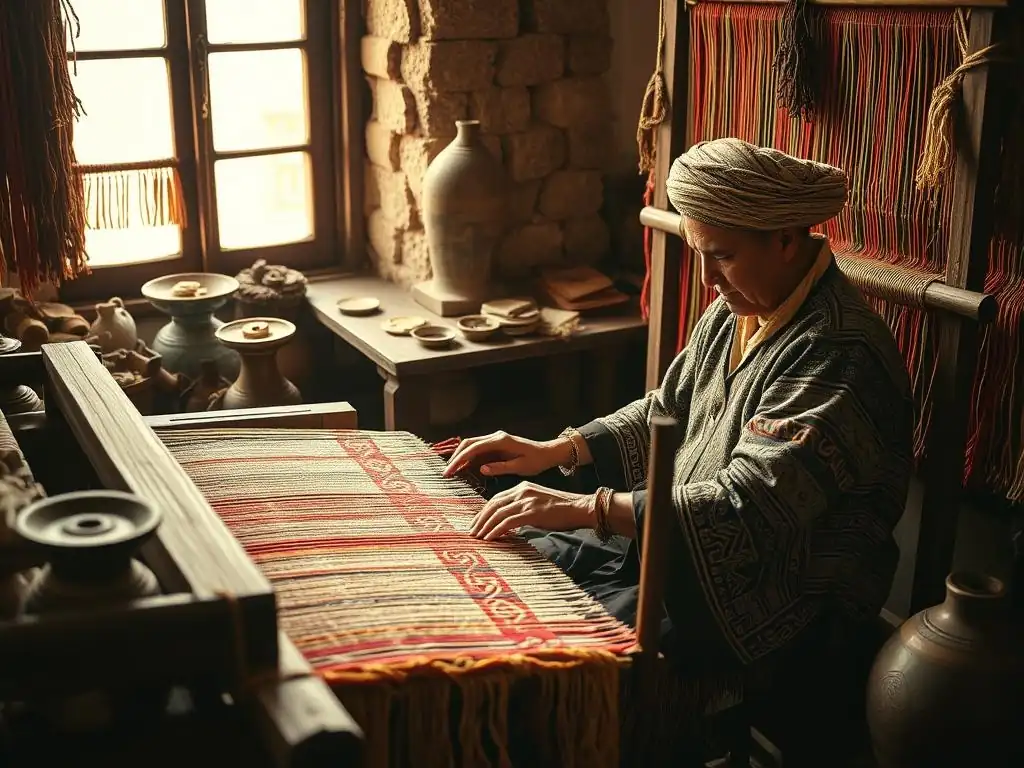
The Aztec civilization is renowned for its rich cultural heritage, particularly in the field of textile craftsmanship. The techniques employed by the Aztecs in textile production not only reflect their artistic sensibilities but also their sophisticated understanding of materials and processes. This section delves into the notable craftsmanship techniques utilized in Aztec textiles, focusing on weaving and dyeing methods that contributed to the vibrancy and functionality of their clothing.
Weaving Techniques Used in Aztec Textiles
The Aztecs employed various weaving techniques that showcased their ingenuity and skill. The mastery of weaving was essential for creating intricate textiles that were not only aesthetically pleasing but also served practical purposes in clothing and ceremonial contexts.
Backstrap Weaving: A Traditional Method
Backstrap weaving is one of the oldest and most traditional techniques used by the Aztecs. This method involves a loom that is anchored at one end to the weaver's waist (via a strap) and at the other to a stationary object. The weaver uses their body to create tension in the warp threads, which allows for precise control over the weaving process.
- Advantages of Backstrap Weaving:
- Portability: The loom can be easily set up and dismantled, allowing weavers to work in various locations.
- Flexibility: This technique accommodates a range of textile designs, from simple patterns to complex motifs.
- Community Craft: Often practiced in groups, backstrap weaving fosters social interaction and knowledge sharing among artisans.
The resulting fabrics from this technique were often adorned with geometric patterns, representing various aspects of Aztec cosmology.
Loom Weaving: Innovations and Applications
In addition to backstrap weaving, the Aztecs developed more complex loom weaving techniques. These techniques allowed for the production of wider fabrics, which were essential for clothing, blankets, and ceremonial items.
- Types of Looms:
- Vertical Looms: Used for creating heavier textiles, these looms allowed for the weaving of large pieces of cloth suitable for mantles and robes.
- Horizontal Looms: Employed for more intricate designs, horizontal looms facilitated the creation of fine textiles with detailed patterns.
The innovations in loom weaving not only increased the efficiency of textile production but also expanded the variety of fabrics available, enhancing the diversity of Aztec clothing.
Dyeing Techniques in Aztec Textiles
Color played a significant role in Aztec textiles, both for aesthetic appeal and symbolic meaning. The dyeing techniques employed by the Aztecs were as sophisticated as their weaving methods, utilizing local resources to create vibrant colors that conveyed cultural significance.
Natural Dyes: Sources and Processes
The Aztecs utilized a range of natural materials to produce dyes, demonstrating an intricate knowledge of local flora and fauna. Some common sources of dyes included:
- Indigo Plants: Used to create rich blue hues, indigo was a prized dye that symbolized nobility.
- Cochineal Insects: These insects were harvested to produce vivid reds, which were highly valued in Aztec society.
- Various Plants and Minerals: Other colors were derived from plants such as the pericón for yellow and from minerals like ochre for earthy tones.
The process of dyeing involved several steps, including extraction, mordanting (using substances to fix the dye), and dyeing, which highlighted the Aztecs' expertise in creating durable and vibrant colors.
Color Symbolism in Aztec Fabrics
Colors in Aztec textiles were not merely aesthetic choices; they were imbued with cultural significance and symbolism. Each color was associated with different meanings, often reflecting the beliefs and values of Aztec society.
- Red: Signified power, sacrifice, and the sun.
- Blue: Represented water, fertility, and the sky.
- Yellow: Associated with the earth, maize, and abundance.
The careful selection and application of colors in textiles allowed the Aztecs to convey messages about status, spirituality, and identity, enriching their clothing and ceremonial regalia.
The techniques of weaving and dyeing in Aztec textile craftsmanship reveal not only the artistic skill of the artisans but also the cultural narratives embedded in their work. These innovations represent a significant aspect of the scientific achievements of the Aztec civilization, showcasing their ability to harmonize functionality with artistry.
Materials Used in Aztec Textile Craftsmanship
Fibers Utilized in Aztec Textiles
The Aztec civilization was renowned for its sophisticated textile craftsmanship, which was deeply intertwined with their culture and daily life. The primary fibers used in Aztec textiles were cotton and agave, each offering unique properties and applications.
Cotton: The Primary Fiber
Cotton was the most significant fiber in Aztec textile craftsmanship, prized for its softness, durability, and versatility. The Aztecs cultivated several types of cotton, including the Gossypium hirsutum, which thrived in the warm climate of Mesoamerica. Cotton textiles were used for various purposes, from everyday clothing to ceremonial garments.
- Cultivation: Aztecs developed advanced agricultural techniques, including crop rotation and irrigation, to maximize cotton yields. This ensured a steady supply of fiber for textile production.
- Processing: After harvesting, cotton was subjected to a meticulous process that included ginning, spinning, and dyeing. The fibers were spun into thread using simple tools, such as spindle whorls.
- Dyeing Techniques: The Aztecs employed natural dyes derived from plants, insects, and minerals. The vibrant colors achieved through these methods were a hallmark of Aztec textiles, with hues ranging from deep reds to bright yellows.
Agave: Fibers and Their Uses
In addition to cotton, the Aztecs utilized fibers from the agave plant, known for its strength and durability. The most famous of these fibers is ixtle, derived from the leaves of the agave plant.
- Extraction Process: The extraction of ixtle involved harvesting the agave leaves and scraping off the outer layers to reveal the fibrous inner material. This process required skill and precision to ensure the fibers remained intact.
- Applications: Agave fibers were primarily used for making ropes, nets, and sandals, but they also found their way into textiles. The combination of cotton and agave in textile production provided added strength and texture to garments.
Patterns and Designs in Aztec Textiles
Aztec textiles were not merely functional; they also served as a canvas for artistic expression. The patterns and designs incorporated into these textiles reflected the rich cultural heritage of the Aztec civilization.
Symbolic Motifs and Their Meanings
Aztec textiles were adorned with intricate patterns and motifs, each carrying specific meanings that resonated with their beliefs and societal structure.
- Geometric Patterns: Many textiles featured geometric designs, symbolizing the cosmic order and the duality of life. These patterns often incorporated shapes like diamonds, triangles, and zigzags.
- Mythological Symbols: Motifs depicting deities, animals, and natural elements were common, reflecting the Aztecs' reverence for their gods and the natural world. For instance, the jaguar symbolized strength and power, while the eagle represented the sun and war.
Influence of Nature in Textile Patterns
Nature played a pivotal role in shaping the aesthetic of Aztec textiles, with many designs inspired by the flora and fauna of their environment.
- Botanical Inspirations: Patterns often mimicked the shapes of leaves, flowers, and fruits. This connection to nature not only showcased the artisans' observational skills but also highlighted the importance of nature in Aztec life.
- Animal Motifs: The incorporation of animal figures, such as birds and fish, in textile designs illustrated the Aztecs' deep relationship with the surrounding ecosystem. These motifs were not only decorative but also imbued with spiritual significance.
The mastery of Aztec textile craftsmanship techniques involved a rich interplay of materials, patterns, and cultural significance. The use of cotton and agave fibers, combined with symbolic designs inspired by nature, created textiles that were both functional and deeply meaningful within the Aztec society.
The Role of Textiles in Aztec Society
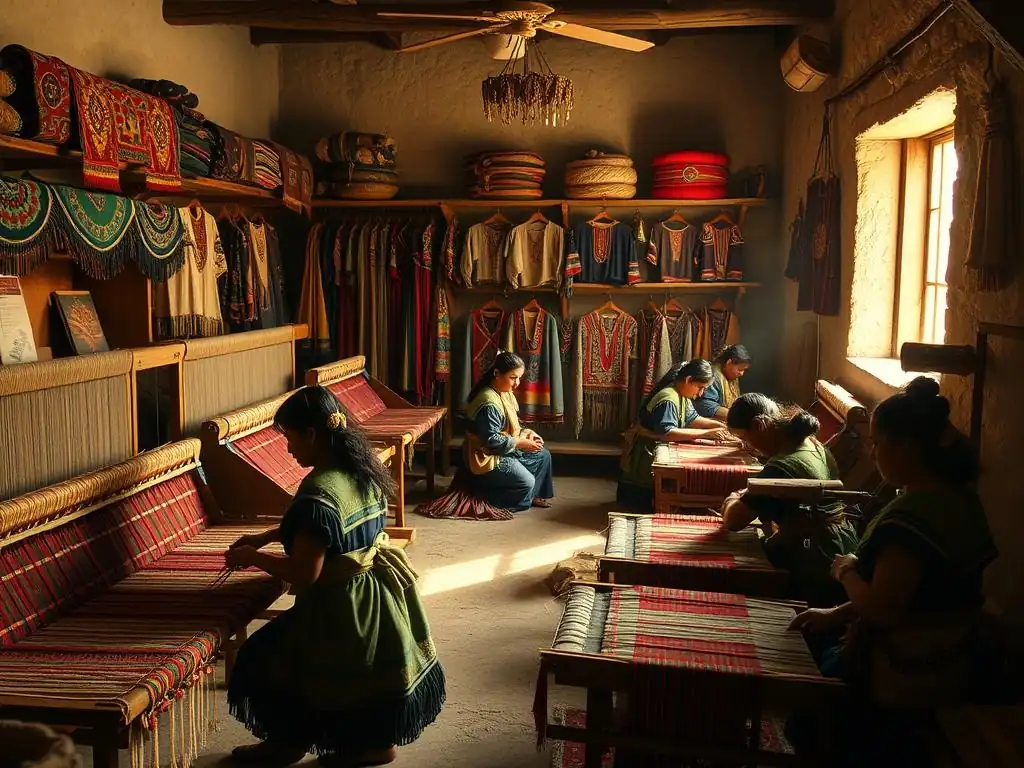
Textiles played a pivotal role in Aztec society, serving not only as practical items for clothing and decoration but also as vital symbols of identity, status, and culture. The craftsmanship behind Aztec textiles was a reflection of the ingenuity and artistic expression of the civilization, showcasing their advanced techniques and rich traditions.
In Aztec culture, textiles were more than just garments; they were powerful indicators of social status and wealth. The quality, color, and intricacy of the textiles denoted the wearer's position within the hierarchical structure of Aztec society.
- Noble Class: Nobles adorned themselves in elaborate garments made from the finest cotton, often dyed in vibrant colors using natural pigments derived from plants and insects. The use of intricate patterns, such as geometric designs and symbolic motifs, was prevalent among the elite, showcasing their access to skilled artisans and abundant resources.
- Commoners: Commoners wore simpler textiles, typically made from coarser fabrics. While their clothing was functional and modest, it still reflected local traditions and regional styles. Common people utilized techniques such as weaving and embroidery, albeit with less complexity than those of the nobility.
- Symbolic Colors: Specific colors were associated with various social classes. For instance, the color red was often reserved for the elite, while commoners typically wore earth tones. This color-coding not only provided visual cues about one's status but also reinforced societal norms and values.
The distinction in textile craftsmanship techniques was not merely aesthetic; it was a method of communicating one's place in Aztec society, with artisans carefully adhering to traditions passed down through generations.
Ceremonial Uses of Aztec Clothing and Textiles
Beyond everyday wear, textiles held significant ceremonial importance in the Aztec civilization. They were integral to religious rituals and social ceremonies, often imbued with symbolic meaning.
- Religious Ceremonies: Textiles were used in various religious practices, including offerings to deities and during rituals to ensure agricultural fertility. Priests donned elaborate garments decorated with feathers and precious stones, signifying their spiritual authority and the connection between the divine and the earthly realms.
- Festivals and Celebrations: During significant festivals, such as the Tonalpohualli (the 260-day ritual calendar), communities came together to celebrate with vibrant displays of textile craftsmanship. Participants wore ceremonial garments that signified their roles in the festivities, often featuring rich embroidery and symbolic patterns.
- Burial Practices: Textiles played a crucial role in burial rites, where the deceased were often wrapped in finely woven cloths, sometimes adorned with personal belongings and ceremonial items. This practice reflected the belief in an afterlife, where the quality of the burial attire could influence one's journey.
The ceremonial uses of textiles not only reinforced cultural identity but also highlighted the Aztecs' profound connection to their spirituality and community. Through intricate craftsmanship and meaningful designs, Aztec textile craftsmanship techniques became a vital aspect of their cultural heritage, leaving a lasting legacy that continues to intrigue and inspire.
Innovations and Techniques in Modern Textile Craftsmanship
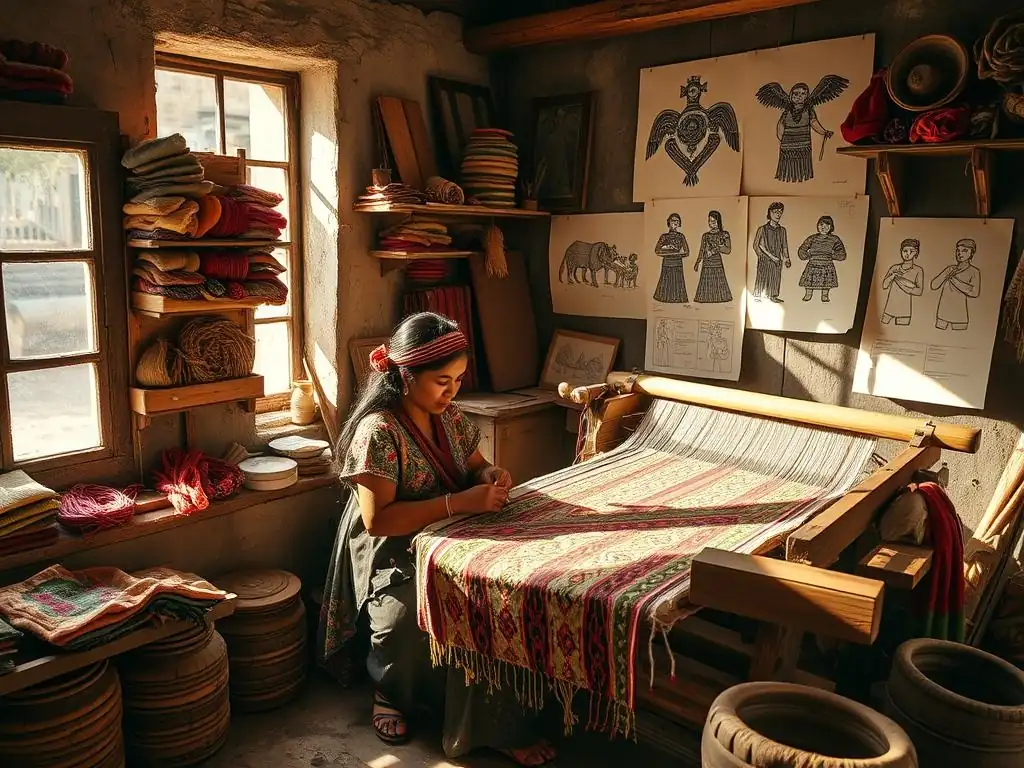
The legacy of Aztec textile craftsmanship techniques continues to influence contemporary textile practices. The intricate methods developed by the Aztecs, such as weaving, dyeing, and decoration, are not only preserved but have also been adapted and innovated upon in modern textile production. This section explores how ancient techniques are maintained and transformed in today’s textile arts, showcasing the resilience and creativity of indigenous cultures.
Preservation of Traditional Techniques in Contemporary Practices
The preservation of traditional Aztec textile craftsmanship techniques is a vital aspect of cultural heritage for many indigenous communities. These techniques are often passed down through generations, ensuring that the knowledge and skills of textile production remain intact. Here are some key methods through which traditional techniques are preserved:
- Community Workshops: Many indigenous artisans participate in community workshops that focus on teaching and sharing textile-making skills. These workshops often emphasize the importance of using traditional materials, such as cotton and natural dyes, to maintain authenticity.
- Cultural Festivals: Events like textile fairs and cultural festivals serve as platforms for artisans to demonstrate their skills and sell their products. These gatherings foster a sense of community and encourage the younger generation to engage with their heritage.
- Documentation: Efforts to document traditional techniques through video tutorials, books, and online platforms have become increasingly important. This documentation not only preserves knowledge but also makes it accessible to a wider audience interested in learning about Aztec textile craftsmanship.
- Artisan Co-ops: Many artisans have formed cooperatives to pool resources and share knowledge. These co-ops often emphasize the importance of traditional craft techniques while providing economic opportunities for their members.
The preservation of traditional techniques is not just about maintaining the past; it is about empowering future generations to connect with their roots.
Fusion of Ancient Techniques with Modern Innovations
While the preservation of traditional techniques is crucial, the fusion of ancient Aztec textile craftsmanship with modern innovations has led to exciting developments in the textile industry. Artisans are increasingly blending time-honored practices with contemporary design principles and technologies. This fusion can be seen in various ways:
- Eco-Friendly Materials: Modern artisans are embracing sustainable practices by using organic fibers and natural dyes, mirroring the resourcefulness of the Aztecs who relied on their environment for materials. This not only honors traditional practices but also addresses current environmental concerns.
- Digital Technology: The use of digital tools in design and production has allowed artisans to experiment with patterns and techniques that were previously difficult to achieve. Computer-aided design (CAD) software enables the creation of intricate designs inspired by traditional motifs.
- Collaboration with Fashion Designers: Many contemporary fashion designers collaborate with indigenous artisans to create collections that highlight Aztec textile techniques. This partnership not only brings traditional craftsmanship to a global audience but also provides economic benefits to the artisans involved.
- Innovative Weaving Techniques: Modern weaving technologies, such as Jacquard looms, are being used to replicate traditional patterns with precision. These innovations enable artisans to produce textiles that are both aesthetically pleasing and technically advanced.
| Innovation Type | Description |
|---|---|
| Eco-Friendly Materials | Use of organic fibers and natural dyes |
| Digital Technology | CAD software for intricate design creation |
| Collaboration | Partnerships with contemporary fashion designers |
| Innovative Weaving | Use of Jacquard looms to replicate traditional patterns |
The blending of ancient techniques with modern innovations not only revitalizes Aztec textile craftsmanship but also ensures its relevance in today’s global market. By embracing both tradition and innovation, artisans are paving the way for a vibrant future for indigenous textiles.
Conclusion: The Legacy of Aztec Textile Craftsmanship
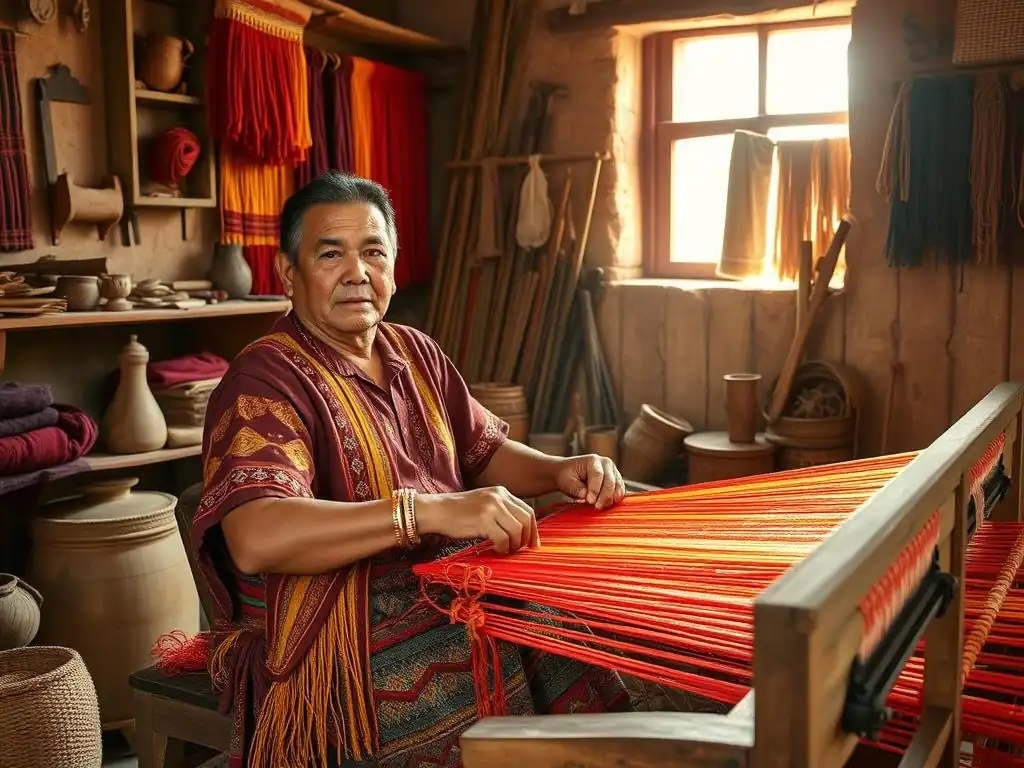
The legacy of Aztec textile craftsmanship is a rich tapestry woven from centuries of tradition, innovation, and cultural significance. The intricate methods employed by the Aztecs not only showcase their artistic prowess but also reflect their societal values and environmental adaptations. These textiles were not merely functional; they served as a medium of expression, a symbol of status, and a means of preserving history. The meticulous techniques utilized by Aztec artisans, such as weaving, dyeing, and embroidery, have left an indelible mark on the textile arts, influencing future generations and cultures.
Lasting Impact on Textile Arts and Crafts
The influence of Aztec textile craftsmanship techniques can still be seen in various aspects of contemporary textile arts. Their use of vibrant colors derived from natural dyes, intricate patterns, and diverse materials has inspired modern artisans and designers. The following points highlight the lasting impact of Aztec textiles:
- Cultural Revival: Many indigenous communities today are reviving traditional textile techniques to preserve their cultural heritage. Workshops and educational programs are being established to teach these skills to new generations, ensuring that the knowledge is not lost.
- Fusion of Styles: Contemporary artists often blend traditional Aztec motifs with modern design principles, creating innovative textile products that honor the past while appealing to current markets.
- Sustainable Practices: The Aztecs utilized local resources for their textiles, a practice that modern artisans are increasingly adopting. This focus on sustainability resonates with today's eco-conscious consumers, making Aztec techniques relevant in the context of current environmental concerns.
- Symbolism and Identity: Textiles remain a powerful form of cultural expression. Many indigenous weavers incorporate symbols and stories into their work, preserving narratives that connect people to their ancestry and identity.
Future of Aztec Textile Techniques in Cultural Heritage
Looking ahead, the future of Aztec textile techniques is promising, as there is a growing recognition of the importance of preserving and celebrating indigenous craftsmanship. Several factors contribute to this optimistic outlook:
- Increased Awareness: There is a rising awareness of the value of indigenous knowledge systems, including textile techniques. Educational initiatives, cultural festivals, and exhibitions are helping to highlight the significance of Aztec craftsmanship.
- Digital Platforms: Social media and online marketplaces provide a platform for artisans to showcase their work to a global audience. This exposure not only supports artisans financially but also fosters appreciation for their cultural heritage.
- Collaboration with Designers: Collaborations between traditional artisans and contemporary designers have the potential to create unique products that respect traditional techniques while appealing to modern aesthetics. This synergy can lead to innovative textile designs that honor Aztec history.
- Support from Institutions: Museums, cultural organizations, and universities are increasingly investing in research and programs that focus on indigenous textiles. These institutions play a crucial role in documenting, preserving, and promoting Aztec craftsmanship.
The craftsmanship behind Aztec textiles is not merely a relic of the past but a living tradition that continues to evolve. With ongoing efforts to preserve these techniques and integrate them into modern practices, the rich legacy of Aztec textile craftsmanship is poised to thrive for generations to come.
References and Further Reading on Aztec Textile Craftsmanship Techniques
Recommended Books and Articles
-
"The Art of Aztec Weaving" by Susan T. Harlan
This comprehensive book dives into the intricate techniques of Aztec textile craftsmanship, exploring the materials, tools, and processes used by the Aztecs. Harlan provides detailed illustrations that visualize the various weaving methods, making it an essential resource for understanding the artistry behind Aztec clothing.
-
"Aztec Textiles: Techniques and Traditions" by Antonio M. Romero
Romero's work focuses on the historical significance of textiles in Aztec culture. It examines how textiles were not only functional but also played a crucial role in social status and identity. This book includes case studies that highlight specific techniques employed in the making of Aztec garments.
-
"Weaving in Ancient Mesoamerica" by Patricia A. McAnany
This article investigates the broader context of weaving practices in Mesoamerica, with a dedicated section on the Aztecs. McAnany discusses the cultural implications of textile production and its relation to trade, economy, and ritual.
-
"The Symbolism of Color in Aztec Textiles" by Inez C. Vargas
In this scholarly article, Vargas delves into the use of color in Aztec textiles, exploring the meanings behind dye choices and patterns. This resource is particularly valuable for those interested in the symbolic aspects of Aztec craftsmanship.
Online Resources for Further Exploration
-
The Metropolitan Museum of Art - Aztec Textiles
The Met's online collection offers a wealth of information on Aztec textiles, featuring high-resolution images and descriptions of various pieces. This resource allows for a visual exploration of the craftsmanship techniques used by the Aztecs.
-
Smithsonian National Museum of the American Indian - Textile Traditions
This website provides educational resources and articles on indigenous textile traditions across the Americas, including a dedicated section on Aztec textiles. The content includes multimedia presentations that showcase the techniques and cultural significance of textile production.
-
Google Arts & Culture - Aztec Civilization
This platform offers an interactive experience with exhibitions dedicated to Aztec culture, including textiles. Users can explore detailed articles, videos, and visual representations of Aztec craftsmanship techniques.
-
YouTube - Aztec Weaving Techniques
Various channels provide documentaries and tutorials on Aztec weaving methods. These videos can serve as a practical supplement for those interested in hands-on learning and visual demonstrations of techniques.
By engaging with these recommended books and online resources, readers can deepen their understanding of Aztec textile craftsmanship techniques and appreciate the cultural richness embedded in the textiles of the Aztec civilization.
Frequently Asked Questions
What are the key features of Aztec textile craftsmanship techniques?
Aztec textile craftsmanship techniques are characterized by intricate patterns, vibrant colors, and the use of materials like cotton and agave fibers. These techniques reflect the cultural significance and artistic expression of the Aztec society.
How did the Aztecs influence modern textile practices?
The Aztecs contributed to modern textile practices through their innovative dyeing methods and weaving techniques. Their artistry continues to inspire contemporary textile designers and artisans worldwide.
What materials did the Aztecs use in their textiles?
The Aztecs primarily used cotton, hemp, and agave fibers for their textiles. They also utilized natural dyes from plants and insects to achieve their striking colors.
What role did textiles play in Aztec society?
Textiles were essential in Aztec society, serving as symbols of status, wealth, and identity. They were used not only for clothing but also in religious ceremonies and trade.
How can I learn more about Aztec textile craftsmanship?
To delve deeper into Aztec textile craftsmanship techniques, explore resources such as historical texts, museum collections, and dedicated websites like "Indigenous Civilizations of the Americas," which provide comprehensive insights into these rich traditions.
Final Reflection: Celebrating the Legacy of Aztec Textile Craftsmanship
The intricate techniques of Aztec textile craftsmanship are not merely relics of the past; they are a testament to the enduring spirit of innovation and creativity that continues to resonate today. As we explore the rich history of Aztec clothing, we uncover a world where artistry and functionality coalesce, revealing the profound impact these textiles have on contemporary fashion and cultural identity. The legacy of Aztec craftsmanship serves as a reminder that the threads of our history are woven into the fabric of our present.
Cultural heritage is a living tapestry, continuously influencing our social landscape and inspiring new generations of artisans and designers. The techniques employed by the Aztecs, from intricate weaving patterns to the use of natural dyes, have not only shaped their identity but also laid the groundwork for modern textile practices. As we reflect on this legacy, we are reminded of the words of renowned designer Issey Miyake: Fashion is about comfort and feeling good.
This sentiment echoes the essence of Aztec textiles, where comfort and aesthetic beauty were paramount, fostering a deep connection between the wearer and the garment.
As we move forward, let us take a moment to reflect on how we can honor and integrate the lessons of Aztec textile craftsmanship into our lives. Consider the stories behind the fabrics we choose and the artisans who create them. By embracing sustainable practices and celebrating cultural heritage, we can contribute to a future where craftsmanship thrives. I invite you to explore the world of textiles with a renewed sense of appreciation, allowing the artistry of the past to inspire your choices and ignite your creativity in the present.
Dive Deeper into Aztec Textile Mastery!
Thank you for exploring the fascinating world of Aztec clothing with us! Your interest has brought you closer to understanding the rich craftsmanship and cultural significance behind these textiles. Now, let’s take that knowledge a step further and transform it into meaningful action!
- Visit a local museum or cultural center that features Indigenous textiles, and immerse yourself in their beauty and history.
- Share this article with friends and family to spark conversations about the art of textile making and its cultural relevance today.
- Consider trying your hand at textile arts using natural dyes or practicing traditional weaving techniques—you might just uncover a new passion!
What aspect of Aztec textile artistry inspires you the most? How do you think we can honor and preserve such rich traditions in today’s world?