
Women and the Conquest: The Often Overlooked Role of Aztec Women

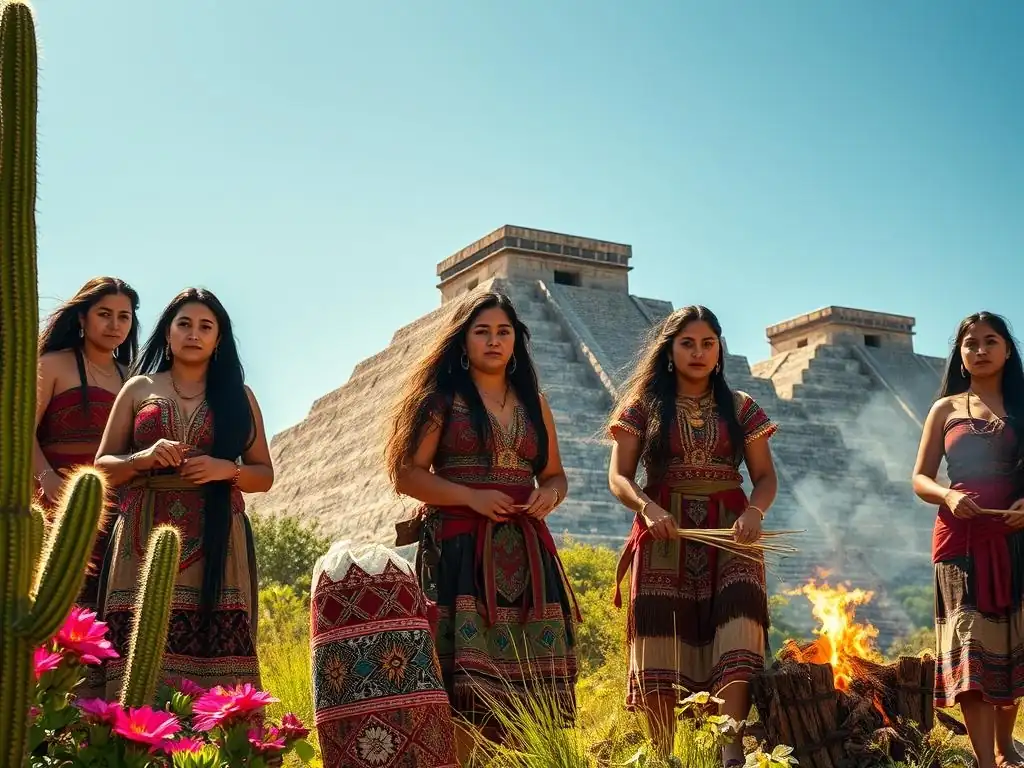
Welcome to Indigenous Civilizations of the Americas, where we invite you to journey through the rich tapestry of cultures that flourished long before European contact. Our exploration shines a spotlight on the often overlooked role of Aztec women in history, revealing their incredible contributions and resilience amidst the tumult of conquest. As you delve deeper into this fascinating article, you'll uncover the stories of these remarkable women and their enduring influence on both their society and our understanding of history. Prepare to be captivated as we challenge conventional narratives and celebrate the vibrant legacies of Indigenous peoples.
- Introduction to Aztec Women in History
- The Status of Aztec Women in Pre-Colonial Society
- Women’s Involvement in the Conquest
- Key Figures: Notable Aztec Women in History
- Misconceptions About Aztec Women
- The Impact of European Contact on Aztec Women
- Conclusion: The Legacy of Aztec Women in History
- Call to Action: Further Exploration of Aztec Women's History
-
Frequently Asked Questions
- What role did Aztec women play in society before the conquest?
- How were Aztec women viewed in terms of education and knowledge?
- Did Aztec women have any political influence during the Aztec Empire?
- What were the impacts of European colonization on Aztec women?
- How can we learn more about the contributions of Aztec women in history?
- Final Reflection: The Unseen Legacy of Aztec Women in History
- Empower Your Understanding of Aztec Women!
Introduction to Aztec Women in History
The history of the Aztec civilization is rich and complex, yet one crucial aspect often overlooked is the pivotal role women played in their society. Aztec women in history were not merely passive figures; they were integral to the social, economic, and political fabric of their communities.
By examining their contributions, we can gain a deeper understanding of the Aztec culture and its operations before the disruptive forces of European colonization. This article aims to shed light on the lives of Aztec women, exploring their roles, responsibilities, and the significant impact they had on their society, ultimately redefining our perspective on their contributions during the conquest era.
Overview of Aztec Society and Gender Roles
The Aztec society was characterized by a distinct hierarchy, where gender roles were clearly defined yet more nuanced than one might expect. Women occupied essential positions within the family unit and the broader community, contributing significantly to various aspects of daily life.
- Family and Household: Women were primarily responsible for managing the household, which included cooking, weaving, and child-rearing. They were the backbone of the family unit, ensuring the smooth operation of domestic life.
- Economic Contributions: Beyond domestic duties, Aztec women participated in economic activities. Many engaged in market trading, selling goods such as textiles, food, and pottery, thereby contributing to the economy of their city-states.
- Cultural Roles: Women also played vital roles in cultural and religious practices. They participated in rituals and ceremonies, often serving as priestesses or leaders in religious contexts, which highlights their influence in spiritual matters.
This detailed framework of roles emphasizes that while Aztec society was patriarchal, women were far from marginalized; they were active participants in various spheres of life, shaping the community's identity and legacy.
Importance of Recognizing Aztec Women’s Contributions
Understanding the contributions of Aztec women is crucial for several reasons:
- Historical Accuracy: Recognizing their roles challenges the traditional narratives that often focus solely on male achievements. It enriches our understanding of Aztec civilization by providing a more balanced view of history.
- Cultural Legacy: By acknowledging the influence of Aztec women, we can appreciate the cultural practices and traditions that have persisted over time. Their contributions have left an indelible mark on the cultural heritage of modern Mexico and beyond.
- Empowerment and Inspiration: Highlighting the significance of Aztec women serves as a source of inspiration for contemporary discussions about gender roles and empowerment. Their stories remind us of the strength and resilience women have exhibited throughout history.
Exploring the often-overlooked roles of Aztec women allows us to paint a more comprehensive picture of their society. Through this examination, we celebrate their contributions and recognize their enduring legacy in shaping Aztec civilization and its historical narrative.
The Status of Aztec Women in Pre-Colonial Society
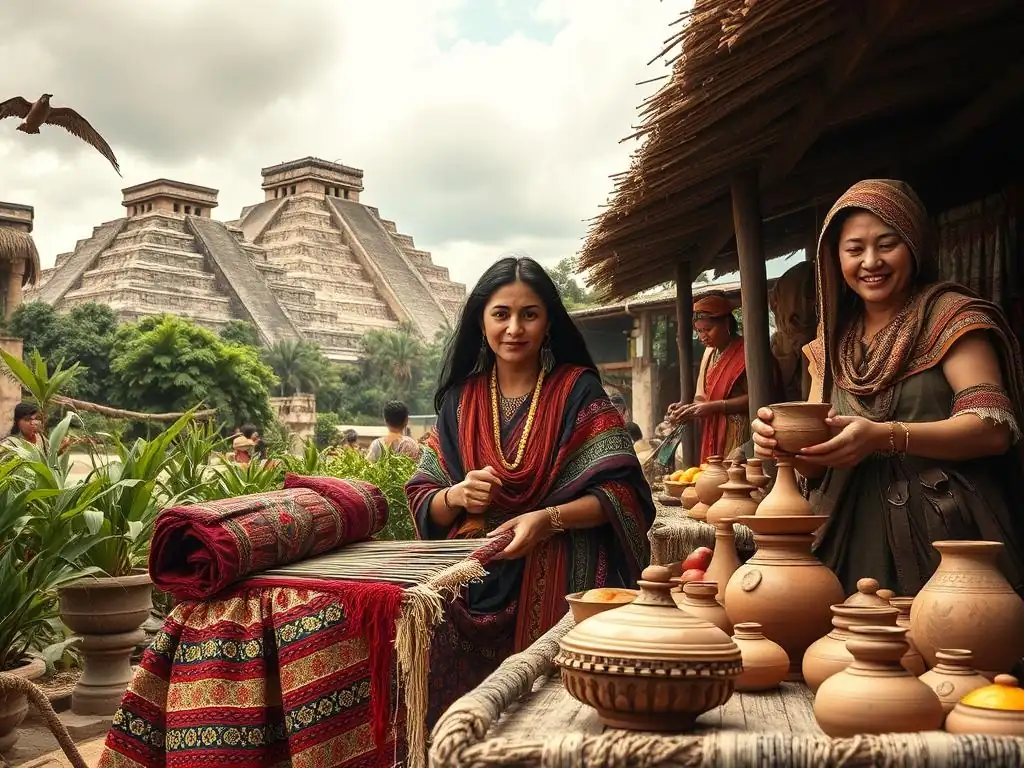
In the intricately woven fabric of Aztec society, women held a nuanced position that is often overshadowed by the dominant narratives centered on men. Contrary to the common perception of gender inequality in pre-colonial societies, Aztec women enjoyed a relatively elevated status within their communities.
- Social Structure: The Aztec social hierarchy was complex, comprising various classes—nobles, commoners, serfs, and slaves. Women, particularly those of noble descent, had access to education and could own property, which was a privilege not common in many other societies of the time.
- Legal Rights: Aztec women possessed legal rights, including the ability to inherit property and manage their own finances. This autonomy allowed them to engage in trade and commerce, contributing to the economy of the empire.
- Marriage and Family: While marriages were often arranged to strengthen alliances, women retained significant influence within the household. They were responsible for domestic management, which included overseeing the upbringing of children and maintaining household affairs. Importantly, women could also initiate divorce, a rare right in many other cultures.
- Religious Influence: Women held roles in religious ceremonies and rituals, often serving as priestesses. This position not only provided them with a voice in spiritual matters but also elevated their status within society.
Roles and Responsibilities of Aztec Women
The roles of Aztec women extended far beyond the domestic sphere, encompassing a variety of responsibilities that contributed significantly to their society.
- Domestic Roles: Aztec women were primarily tasked with managing the household, which included preparing food, weaving textiles, and caring for children. The importance of their contributions to daily life cannot be understated, as they were essential for the sustenance and well-being of families.
- Economic Contributions: Women participated actively in economic activities. They were involved in the production of goods such as textiles, pottery, and food. Additionally, many women engaged in market trade, selling their crafts and produce in local marketplaces, thereby helping to support their families and communities.
- Cultural Transmission: As primary caregivers, Aztec women played a crucial role in the cultural education of children. They transmitted traditional knowledge, customs, and skills, ensuring the continuity of Aztec culture across generations.
- Political Influence: Although overt political power was largely reserved for men, women of the nobility could wield significant influence behind the scenes. They often acted as advisors to male relatives in positions of power, shaping decisions that affected their communities.
- Military Roles: While primarily associated with domestic responsibilities, some women also participated in warfare. They would support the military by preparing supplies, and in some instances, they even took up arms, showcasing their versatility and strength.
The status and roles of Aztec women in history reveal a society that, while patriarchal, afforded women considerable rights and responsibilities. Their contributions were vital to the social, economic, and cultural fabric of the Aztec civilization, highlighting the need for a deeper understanding of their impact in the face of conquest.
Women’s Involvement in the Conquest
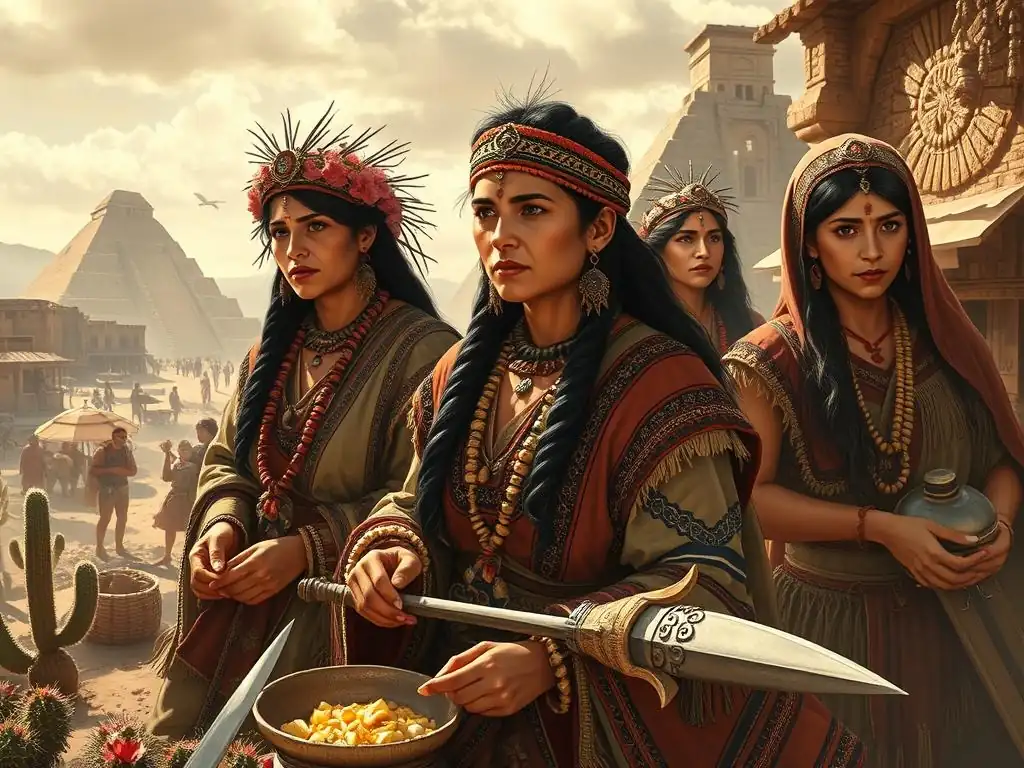
Aztec Women's Roles in Warfare
Aztec women played a critical yet often overlooked role in the military landscape of their society, particularly during the tumultuous period of European contact and conquest. While historical narratives frequently focus on male warriors, women actively contributed to warfare in several capacities, showcasing their resilience and strategic importance.
- Defenders of the Home:
- Many Aztec women took on the role of defenders within their communities, especially when male warriors were engaged in battle. They participated in the protection of their homes and families, utilizing weapons such as slings, stones, and even household tools to fend off intruders.
- Logistics and Support:
- Women were integral to the logistics of warfare. They prepared food, maintained supplies, and cared for the wounded, ensuring that male warriors had the necessary resources to fight effectively. This behind-the-scenes work was crucial for sustaining military campaigns.
- Symbolic Warriors:
- Aztec women sometimes took on symbolic roles in warfare, participating in rituals and ceremonies that honored the gods of war. Their involvement in these spiritual aspects helped to bolster the morale of warriors and reinforced the cultural significance of combat.
- War Captives:
- Captured women from rival tribes were often integrated into Aztec society and could even be trained for combat. These women sometimes fought alongside their captors, demonstrating that warfare was not solely a male domain.
Aztec women significantly influenced political and social structures, helping to shape the very fabric of their civilization. While traditional narratives often overlook these contributions, the impact of Aztec women on governance and societal norms cannot be underestimated.
- Political Influencers:
- Women in the Aztec society held considerable influence, particularly within their families. Many women were daughters of nobles and wielded power through strategic marriages that could forge alliances between powerful families. These connections played a vital role in political maneuvering during the conquest.
- Economic Participation:
- Aztec women were active in trade and commerce, often managing markets and controlling the distribution of goods. This economic participation not only provided financial stability but also increased their status within society, allowing them to exert influence over political matters.
- Religious Authority:
- Women also held significant roles in religious practices, often serving as priestesses. Their involvement in rituals and ceremonies granted them a voice in the spiritual and political spheres, as religious authority was closely intertwined with governance in Aztec culture.
- Educators of Future Generations:
- Mothers and grandmothers played a pivotal role in educating the youth, imparting cultural values and knowledge that shaped the next generation. This transmission of knowledge ensured the continuation of Aztec traditions and societal structures, even amidst external threats.
In summary, Aztec women in history were not merely passive figures but rather dynamic participants in the socio-political landscape of their civilization. Their contributions to warfare and governance illustrate the complexity of their roles and the profound impact they had on Aztec society during the era of conquest.
Key Figures: Notable Aztec Women in History
Malintzin: Her Impact on Society
Malintzin, often referred to as La Malinche, is one of the most significant figures in Aztec history, particularly in the context of the Spanish conquest. Born into a noble family, she was captured and sold into slavery, eventually becoming a translator and advisor for Hernán Cortés. Her multilingual abilities allowed her to bridge the communication gap between the Spanish and the indigenous peoples.
- Cultural Mediator: Malintzin facilitated crucial negotiations and communications, enabling Cortés to form alliances with various indigenous groups. Her role in these interactions was pivotal, as she not only translated words but also cultural nuances, which shaped the outcome of many encounters.
- Strategic Advisor: Beyond her linguistic skills, Malintzin provided insights into the political landscape of the Aztec Empire. She advised Cortés on the motivations and alliances of local tribes, influencing military strategies that led to the fall of Tenochtitlan.
- Controversial Figure: Despite her contributions, Malintzin is often portrayed negatively in history, seen as a traitor to her people. This perception overshadowed her complex role as a survivor navigating a tumultuous period, making her a subject of both admiration and criticism.
Tecuichpo: Influence During the Conquest
Tecuichpo, also known as Isabella, was the daughter of Moctezuma II and played a significant role during the conquest of the Aztec Empire. As a noblewoman, she embodied the values and responsibilities of Aztec society, which included diplomacy and leadership.
- Royal Heritage: As a member of the royal family, Tecuichpo was a symbol of Aztec identity. Her marriage to Spanish conquistador Juan de Salazar de la Laguna was a strategic alliance that exemplified the complex relationships formed during the conquest.
- Cultural Resilience: Tecuichpo's life after the conquest reflected a blend of both Spanish and indigenous cultures. She became an essential figure in preserving Aztec traditions while adapting to the new colonial reality.
- Legacy of Leadership: Her influence extended beyond her lifetime, as she became a representation of the resilience of Aztec women. Tecuichpo’s legacy serves as a reminder of the importance of female agency in historical narratives, often overshadowed by male figures.
Xochiquetzal: Legacy and Recognition
Xochiquetzal, the Aztec goddess of love, beauty, and fertility, is an essential figure in understanding the role of women in Aztec society. Although a mythological figure, her attributes and the reverence she commanded reflect the societal values placed on women.
- Symbol of Womanhood: Xochiquetzal represented the ideal characteristics of femininity, including nurturing, beauty, and strength. Her worship emphasized the importance of women in maintaining societal harmony and fertility, showcasing their vital role in the community.
- Cultural Significance: Festivals dedicated to Xochiquetzal celebrated female empowerment and fertility, highlighting the reverence for women within Aztec spirituality. These celebrations illustrated how women were central to both religious practices and societal structures.
- Modern Recognition: In contemporary discussions surrounding Aztec women in history, Xochiquetzal serves as a potent symbol of the enduring legacy of indigenous femininity. Her recognition helps challenge historical narratives that often minimize the contributions and significance of women in pre-colonial societies.
The roles of these notable Aztec women underscore the complexity and richness of indigenous cultures before European contact. Their stories provide a deeper understanding of the impact women had in shaping Aztec society and the broader historical context.
Misconceptions About Aztec Women
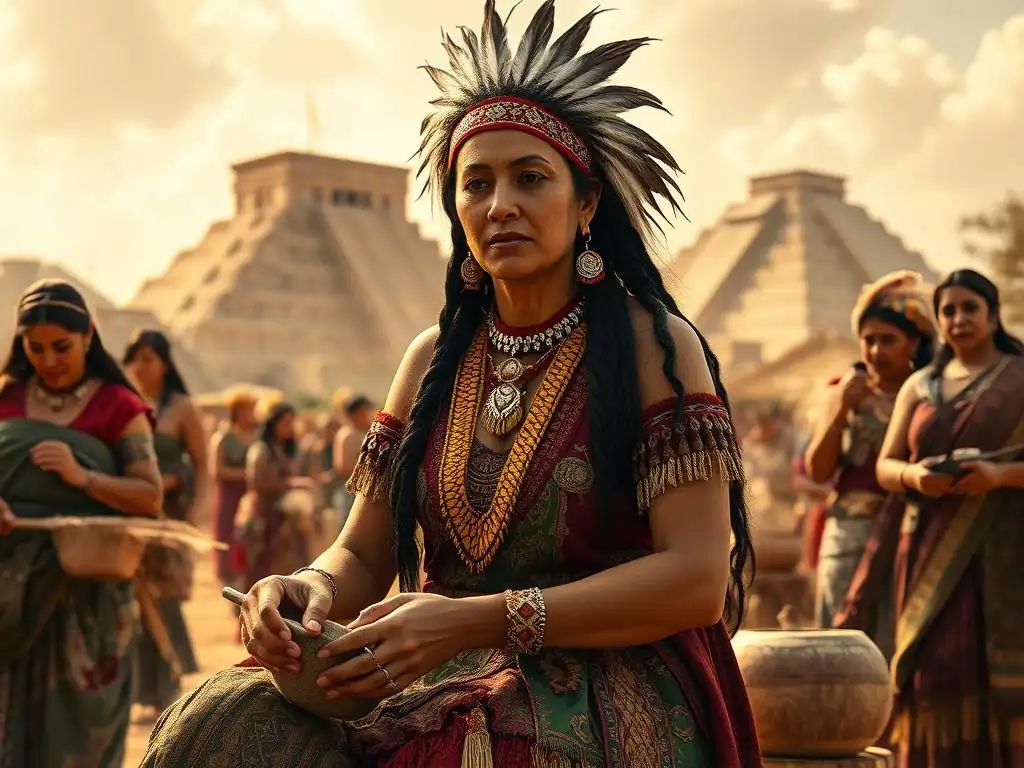
Debunking Myths of Gender Roles in Aztec Civilization
The narrative surrounding Aztec women has often been clouded by misconceptions and stereotypes that frame them as passive or solely domestic figures within their society. These myths can overshadow the significant roles that women played in various aspects of Aztec life. Contrary to the belief that Aztec society was strictly patriarchal, evidence suggests a more nuanced understanding of women's status and influence.
- Social Structure and Gender Roles:
- While men were predominantly seen as warriors and leaders, women held essential positions within the family and community. They were responsible for household management, but this did not equate to a lack of agency. Many women were involved in trade, especially in markets, where they could exert a significant economic influence.
- Women had legal rights, including the ability to own property, inherit land, and engage in contracts. This legal status allowed them to maintain a level of independence that contradicts the stereotype of total subservience.
- Religious and Cultural Significance:
- Aztec women participated actively in religious ceremonies and rituals. They were often tasked with roles that included serving deities and maintaining the spiritual health of the community. Notably, priestesses held esteemed positions, reflecting the reverence for female figures in Aztec spirituality.
- Military Contributions:
- While the focus is often on male warriors, there are accounts of women who took part in battles or supported military campaigns. This participation ranged from logistical support to direct involvement, exemplifying their resilience and adaptability in times of conflict.
By addressing these misconceptions, we can appreciate the multifaceted roles that Aztec women occupied, challenging the oversimplified views that have persisted in historical narratives.
The Reality of Women’s Empowerment in Aztec Society
In contrast to the common misconceptions surrounding their roles, Aztec women experienced a considerable degree of empowerment within their society. This empowerment is evident in various domains, from economic participation to social influence.
- Economic Roles:
- Women were crucial to the economy, engaging in trade and production. They often managed family businesses and participated in local markets, where they could sell goods such as textiles and food. This involvement not only provided them with financial independence but also positioned them as key contributors to the economic fabric of Aztec civilization.
- Marriage and Family:
- Marriage in Aztec society was not merely an arrangement for social or economic benefit; it was a partnership that allowed women to share in the responsibilities of family and community life. Women actively participated in decision-making processes within the household, and their roles as mothers were highly regarded. The emphasis on motherhood and nurturing further established their importance in maintaining societal continuity and cultural values.
- Education and Knowledge:
- Aztec women had access to education, particularly in the realms of weaving, medicine, and herbalism. Many were knowledgeable in the arts and crafts that were vital to their communities, and some even acted as healers. This knowledge not only empowered them within their families but also elevated their status in society.
The reality of women’s empowerment in Aztec society reveals a complex and dynamic picture. Aztec women played integral roles that contributed significantly to both their families and their communities, shaping the historical narrative in ways that deserve recognition and appreciation. By understanding these aspects, we can gain a clearer insight into the lives of Aztec women in history, acknowledging their contributions and the legacy they left behind.
The Impact of European Contact on Aztec Women
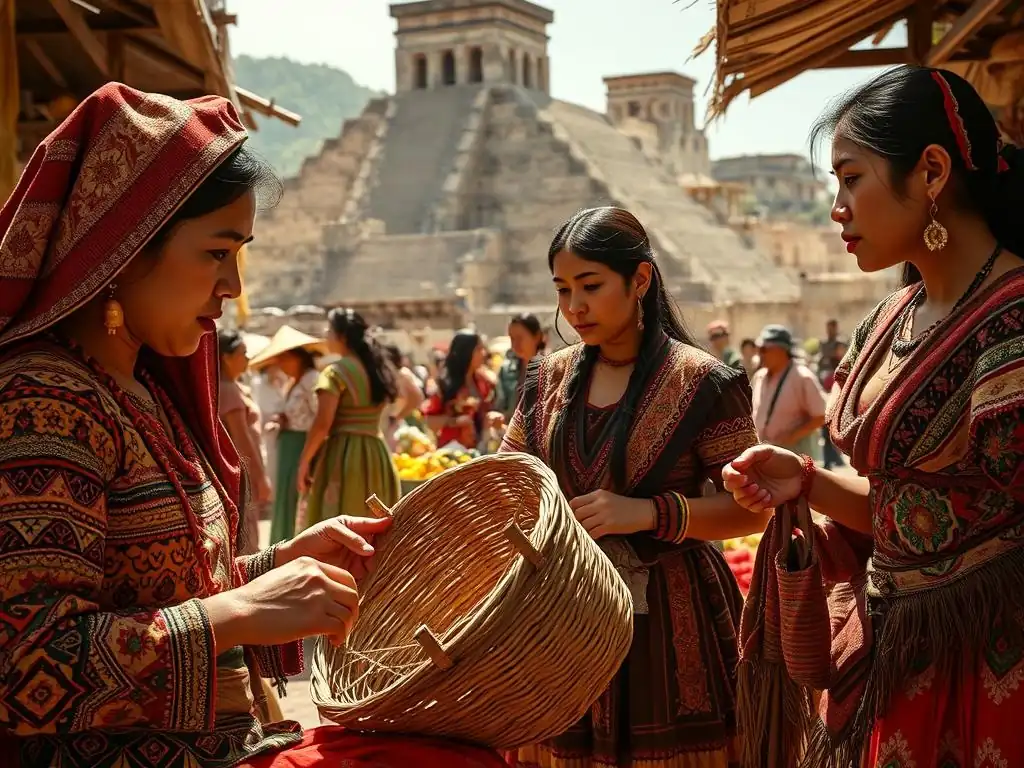
The arrival of European colonizers profoundly affected every aspect of Aztec life, including the roles and status of women within society. The imposition of European cultural norms and the displacement of indigenous practices led to significant changes in gender dynamics, altering the traditional roles that Aztec women held prior to contact.
Changes in Gender Dynamics Post-Conquest
Following the conquest, Aztec women experienced a dramatic shift in their societal roles. Traditionally, women in Aztec society held important positions as caretakers, agricultural producers, and even in some cases, leaders within the community. They were integral to the economy through their contributions to farming and textile production, often managing households and participating in trade.
However, the arrival of the Spanish brought patriarchal European values that undermined these established roles. The introduction of colonial governance led to a systematic devaluation of women's contributions. As the Spanish instituted their own social hierarchies, Aztec women's autonomy began to diminish.
- Loss of Autonomy: Many women lost their rights to property and inheritance, as Spanish laws prioritized male ownership. This shift marginalized the economic power that women had previously enjoyed.
- Religious Transformation: The Spanish imposed Catholicism, which altered the spiritual roles of women. The replacement of indigenous religious practices with European ones meant that women's roles in religious rituals were often minimized or excluded altogether.
Despite these changes, many Aztec women found ways to adapt. They became essential in the survival of their communities, maintaining cultural practices in secret and preserving traditions that would otherwise have been lost.
Resistance and Resilience: Women’s Survival Strategies
Aztec women displayed remarkable resilience in the face of colonial oppression. They employed various survival strategies to navigate the new socio-political landscape while still holding onto elements of their indigenous identity.
- Cultural Preservation: Many women became custodians of indigenous knowledge, passing down traditions, languages, and practices to future generations in clandestine settings. This ensured that their cultural identity endured despite the pressures of colonization.
- Economic Adaptation: Women adapted their economic roles by engaging in new forms of trade and labor. As European goods entered the market, some women began to incorporate these into their existing practices, thus ensuring their families' survival.
- Political Agency: Although largely marginalized, some women found ways to exert influence within their communities. They would often engage in political discourse, leveraging their roles as mothers to advocate for their families and communities, thereby asserting some level of agency.
- Collective Action: Aztec women participated in collective resistance against Spanish oppression. They joined forces with men and other women to protect their communities, contributing to uprisings and other forms of protest against colonial authorities.
The legacy of Aztec women during and after the conquest is one of strength and determination. Their ability to adapt and resist in the face of adversity highlights the critical role that women played in the historical narrative of the Aztec civilization, underscoring the importance of recognizing "Aztec women in history" as vital contributors to their society's resilience.
Conclusion: The Legacy of Aztec Women in History
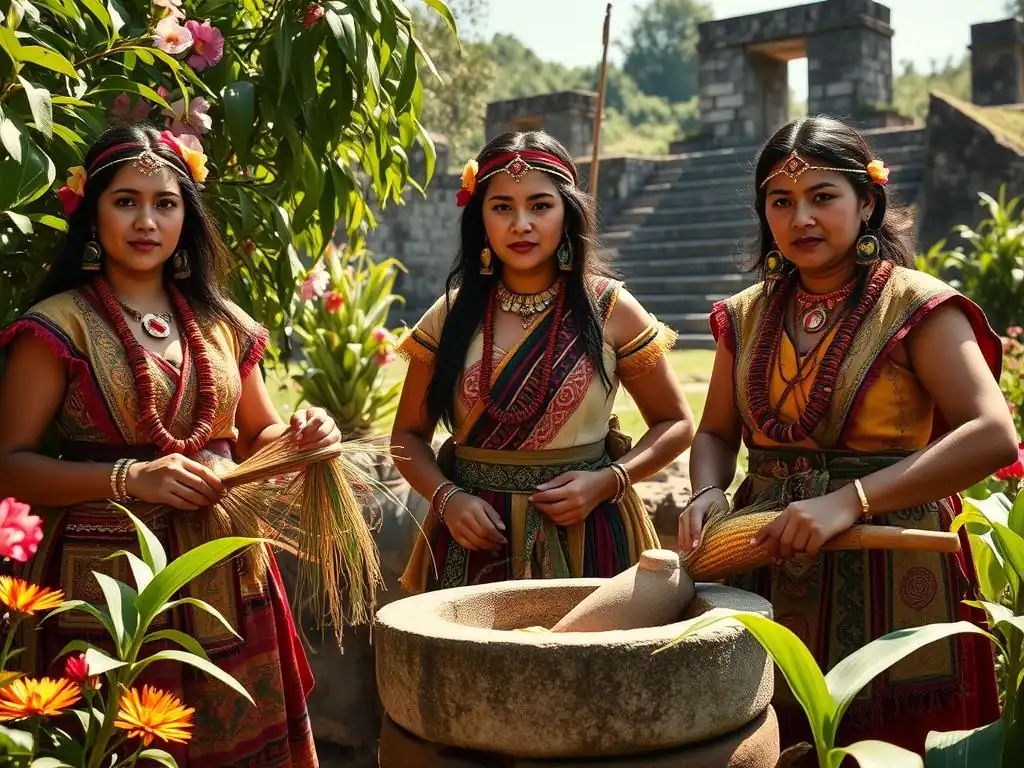
The legacy of Aztec women in history is a rich tapestry woven with threads of resilience, strength, and cultural significance. Despite the overwhelming focus on male figures in historical narratives, it is essential to recognize the pivotal roles that women played in the Aztec society. From their influence in the domestic sphere to their participation in religious and political activities, Aztec women were integral to the functioning of their civilization.
Reflection on the Contributions of Aztec Women
Aztec women contributed to their society in multifaceted ways that often go unrecognized. They were not just caregivers and homemakers; many were skilled artisans, merchants, and even warriors. For instance:
- Economic Contributions: Women were actively involved in trade and could own property, which allowed them to participate in the economic life of their communities. They often managed households and contributed to agricultural production, ensuring food security.
- Cultural Preservation: Women played a critical role in preserving and transmitting cultural knowledge, including language, traditions, and crafts. They taught the next generation about their history, spirituality, and customs, safeguarding the rich heritage of the Aztec civilization.
- Political Influence: Some women held significant political power, serving as advisors, priestesses, or even rulers. The influence of figures like Malintzin (La Malinche) illustrates how women's decisions could shape alliances and impact the course of history during the tumultuous times of conquest.
The contributions of Aztec women highlight their indispensable role in the social structure and cultural fabric of their society. Their efforts laid the groundwork for future generations, showcasing a legacy of strength and adaptability.
Importance of Acknowledging Women in Historical Narratives
Acknowledging the contributions of Aztec women in history is crucial for several reasons:
- Balanced Historical Perspective: Including women’s roles in historical narratives creates a more balanced and comprehensive understanding of the past. It recognizes the diversity of experiences and contributions that shaped the Aztec civilization.
- Empowerment and Representation: Highlighting the stories of Aztec women empowers contemporary audiences, particularly women, by providing them with role models who defied societal norms and made significant impacts in their communities.
- Cultural Recognition: By recognizing the importance of Aztec women, we honor their legacies and ensure that future generations learn about their vital roles. This acknowledgment contributes to a broader understanding of indigenous cultures and their complexities, challenging Eurocentric narratives that have historically marginalized these voices.
The legacy of Aztec women in history is a testament to their resilience and contributions to their society. By acknowledging their roles, we enrich our understanding of the Aztec civilization and promote a more inclusive historical narrative that honors all facets of the past.
Call to Action: Further Exploration of Aztec Women's History
Suggested Readings and Resources on Aztec Women in History
To gain a more profound understanding of the essential roles played by Aztec women in history, consider exploring the following resources:
- Books:
- Women of the Aztecs by Susan D. Gillespie: This book delves into the lives of Aztec women, discussing their social status, roles in religion, and contributions to the family and society.
- The Aztecs: A Very Short Introduction by David Carrasco: While this book provides a broad overview of Aztec civilization, it also highlights the significance of women within the societal structure.
- Academic Journals:
- Journal of Latin American Studies: This journal often features articles focusing on gender studies, including the impact of women in Aztec society.
- Ethnohistory: Explore articles that examine the interplay between indigenous cultures and European influences, with a focus on women's roles during these transitions.
- Online Resources:
- The Library of Congress: Offers a range of primary sources and documents related to the Aztec Empire, including insights into women's contributions.
- National Museum of the American Indian: Provides exhibitions and articles focusing on the cultural heritage of indigenous peoples, including an emphasis on women's history.
These resources not only illuminate the multifaceted roles of Aztec women but also encourage further inquiry into their contributions and legacies.
Understanding the significance of Aztec women in history is crucial for recognizing their contributions to both their societies and the broader narrative of indigenous cultures. Here are some ways to actively share this knowledge:
- Discuss with Peers: Engage in conversations with friends, family, or study groups about what you've learned regarding Aztec women's roles. Sharing insights can spark interest and promote further exploration.
- Social Media: Utilize platforms like Twitter, Instagram, or Facebook to share quotes, facts, or resources related to Aztec women in history. Use relevant hashtags such as #AztecWomen or #IndigenousHistory to reach a broader audience.
- Write Articles or Blogs: If you have a passion for writing, consider crafting articles or blog posts that highlight the achievements and significance of Aztec women. This can help raise awareness and contribute to the ongoing discourse surrounding indigenous histories.
- Community Events: Participate in or organize community events that focus on indigenous cultures, specifically featuring the roles of women. Workshops, lectures, or film screenings can be excellent ways to share knowledge and foster discussions.
By taking these actions, you contribute to a more nuanced understanding of Aztec women's vital roles and ensure that their histories are not overlooked. Each effort, no matter how small, can lead to greater awareness and appreciation of these remarkable women.
Frequently Asked Questions
What role did Aztec women play in society before the conquest?
Aztec women held important roles in their communities, managing households, participating in trade, and often engaging in craft production. Their contributions were essential to the economic stability of the society.
How were Aztec women viewed in terms of education and knowledge?
Aztec women had access to education and were taught various skills, including religious rituals and arts. This knowledge empowered them to take on vital roles within both family and community settings.
Did Aztec women have any political influence during the Aztec Empire?
While most political power was held by men, some Aztec women could wield influence indirectly through their relationships with male leaders or by holding positions as priestesses in religious contexts.
What were the impacts of European colonization on Aztec women?
With the arrival of Europeans, Aztec women's roles diminished as patriarchal structures became more dominant. Many women faced displacement and the loss of their traditional roles and rights.
How can we learn more about the contributions of Aztec women in history?
Exploring resources focused on indigenous civilizations, such as books and documentaries, can shed light on the often overlooked narratives of Aztec women and their significant contributions to history.
Final Reflection: The Unseen Legacy of Aztec Women in History
The contributions of Aztec women in history are not just footnotes in the grand narrative of conquest; they are pivotal chapters that shape our understanding of resilience and agency. Today, as we navigate discussions around gender roles and representation, the stories of these women remind us that history is often told through a narrow lens, overlooking the powerful influence of those who stood at the margins. The legacy of Aztec women is a testament to their strength and adaptability in a time of upheaval, and it challenges us to reconsider who we celebrate in our historical accounts.
The influence of Aztec women extends beyond their time, resonating within contemporary conversations about women's rights and empowerment. Their roles as leaders, warriors, and caretakers illustrate a complex social structure that valued their contributions, even amidst the chaos of conquest. As we reflect on their impact, we must acknowledge that the fight for recognition continues. Women are the real architects of society.
This quote encapsulates the essence of Aztec women's roles and serves as a reminder that their stories are integral to understanding the broader historical landscape.
As we close this exploration, I invite you to reflect on the lessons learned from the lives of Aztec women. Consider how their courage and resilience can inspire you in your own journey. Whether it's advocating for equality, sharing untold stories, or simply acknowledging the diverse voices in history, each of us has a role to play in shaping a more inclusive narrative. Let us honor the legacy of Aztec women by ensuring their stories are not forgotten, but celebrated and woven into the fabric of our collective history.
Empower Your Understanding of Aztec Women!
Thank you for exploring the significant yet often overlooked role of Aztec women in history. Your interest is a critical step towards recognizing their contributions and expanding your knowledge of indigenous civilizations. Now, let’s take your understanding further with a few actionable steps:
- Dive Deeper: Explore additional readings and documentaries that delve into Aztec society and highlight the contributions of women.
- Share the Knowledge: Engage in discussions with friends or share insights on social media to raise awareness about the vital roles women played in the Aztec Empire.
- Join the Conversation: Participate in online forums or attend local community events that focus on the rich history of indigenous peoples.
How will you celebrate and honor the legacy of Aztec women in your next conversation or learning experience?