
The Interplay of Trade: Aztec Economy Before and After European Contact

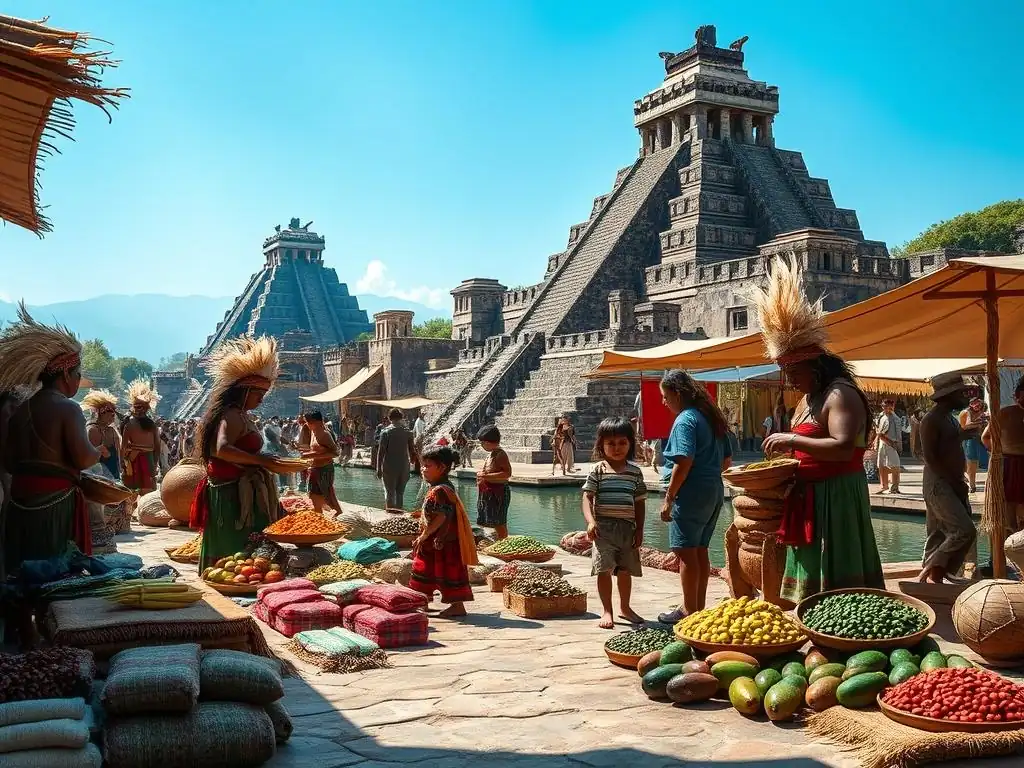
Welcome to Indigenous Civilizations of the Americas, where we embark on a captivating journey through the rich tapestry of indigenous cultures that flourished long before European colonization. Here, you will uncover the remarkable achievements and societal structures of these diverse civilizations.
In our featured article, "The Interplay of Trade: Aztec Economy Before and After European Contact," we delve into the intricacies of the Aztec economy prior to colonization, revealing how trade shaped their society and laid the groundwork for their enduring legacy. Prepare to ignite your curiosity as we explore the fascinating interplay of commerce, culture, and survival in the heart of the Aztec Empire!
Introduction to Aztec Economy
The Aztec economy before colonization was a complex and sophisticated system that played a crucial role in shaping the civilization's social, political, and cultural dynamics. Spanning the 14th to the early 16th centuries, the Aztec Empire was characterized by its vibrant trade networks, agricultural innovations, and intricate market systems.
This article delves into the multifaceted aspects of the Aztec economy before colonization, exploring its key features, the importance of trade, and how these elements were affected by European contact. By understanding the economic foundations of the Aztec civilization, we can appreciate the profound transformations that ensued following European arrival and the enduring legacy left behind.
Overview of the Aztec Civilization
The Aztec civilization, centered in what is now central Mexico, emerged as one of the most influential and powerful societies in Mesoamerica. Established in the early 14th century, the Aztecs were known for their impressive architectural feats, religious practices, and a complex social hierarchy. The capital city, Tenochtitlan, was a bustling metropolis that exemplified their advanced urban planning and engineering skills. The civilization thrived on a foundation of agricultural productivity, relying heavily on the cultivation of crops such as maize, beans, and squash.
Importance of Trade in Aztec Society
Trade was not merely an economic activity for the Aztecs; it was intricately woven into the fabric of their society. Exchanges facilitated the flow of goods, ideas, and cultural practices across vast distances, connecting diverse regions and peoples. Markets played a vital role in urban life, where merchants known as pochteca engaged in long-distance trade, bringing luxury items such as jade, cacao, and textiles into Tenochtitlan. The importance of trade extended beyond commerce; it fostered social relationships and alliances, contributing to the stability and growth of the Aztec Empire.
The Aztec Economy Before Colonization
Key Features of the Aztec Economy
The Aztec economy exhibited several key features that underscored its complexity and efficiency:
- Agriculture: The backbone of the economy, with the use of chinampas (floating gardens) allowing for year-round cultivation.
- Tribute System: Conquered city-states were required to pay tribute in the form of goods, providing a steady influx of resources to the Aztec capital.
- Craftsmanship: Skilled artisans produced high-quality goods, including pottery, textiles, and metalwork, which were essential for both domestic use and trade.
- Market Regulation: Markets were organized and regulated by the state, ensuring fair trade practices and standardizing weights and measures.
Trade Networks and Exchanges
The trade networks of the Aztec Empire were extensive, connecting various regions and facilitating the exchange of a wide array of goods. These networks can be categorized into:
- Long-distance Trade: Merchants traveled great distances to acquire rare resources, such as tropical birds from the south or obsidian from the north.
- Regional Trade: Local markets thrived in cities and towns, where everyday goods were exchanged among community members.
- Cultural Exchange: Trade routes not only facilitated the movement of goods but also ideas, leading to cultural diffusion and shared practices among different indigenous groups.
By examining the Aztec economy before colonization, we gain insights into a society that was not only economically vibrant but also culturally rich, setting the stage for the significant changes that would follow European contact.
The Role of Currency in the Aztec Economy
The Aztec economy before colonization was a complex and sophisticated system that relied heavily on trade and the use of currency. Unlike many ancient civilizations that relied solely on barter, the Aztecs developed a system of currency that facilitated trade both locally and over long distances. This currency was essential in establishing economic stability and promoting commerce among the various city-states within the Aztec Empire.
The Aztecs utilized various forms of currency, which were not only a means of exchange but also held cultural significance. The most notable form of currency was the cacao bean, which was highly valued and often used in transactions. The use of currency allowed for standardized pricing and contributed to the development of marketplace dynamics, where merchants could engage in trade with a clear understanding of value.
Use of Cacao Beans and Other Currency Forms
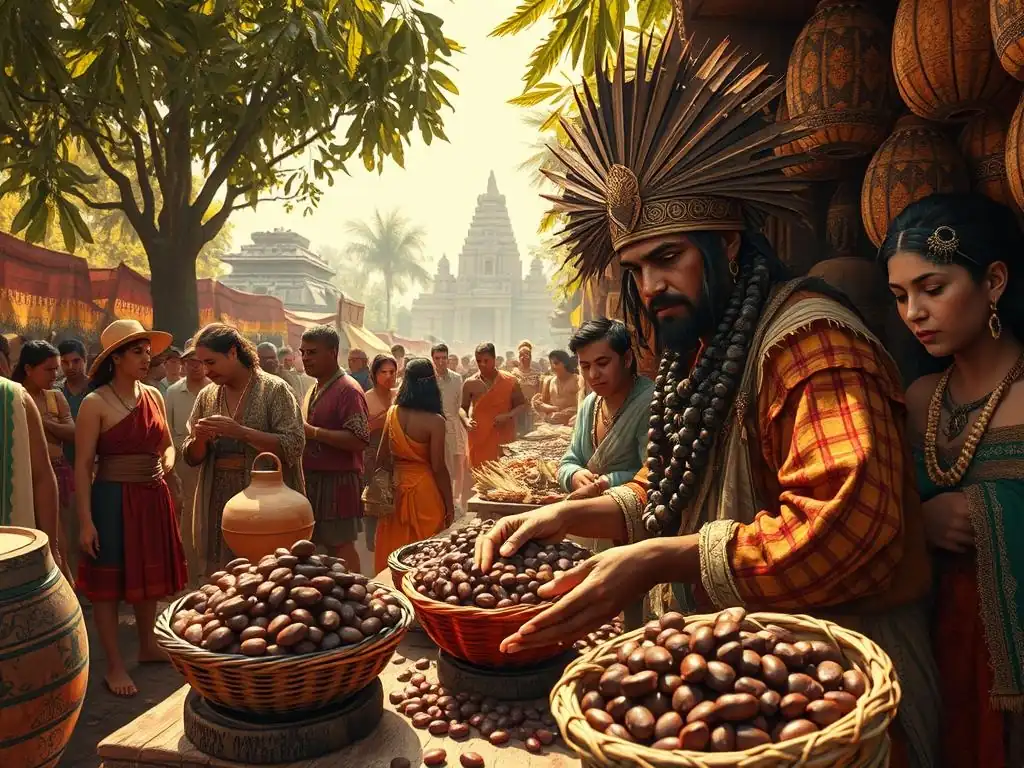
Cacao beans played a pivotal role in the Aztec economy. Not only were they used as a form of currency, but they were also highly prized for their use in making chocolate drinks, which were enjoyed by the elite and used in important rituals. The beans were so valuable that they were often used to pay tribute to the ruler and to settle debts.
In addition to cacao beans, the Aztecs employed other forms of currency, including:
- Cotton Cloth: Known as "quachtli," cotton cloth served as another common medium of exchange.
- Precious Metals: Gold and silver were also used, especially in larger transactions, although they were less common than cacao and cloth.
- Small Tools and Items: Various small items, such as knives and shells, were used as a form of currency in specific regions or among different groups.
This diverse array of currency types not only facilitated trade but also indicated the wealth and status of individuals and families within the society.
Economic Impact of Currency on Trade Practices
The establishment of currency in the Aztec economy significantly enhanced trade practices. It encouraged the growth of markets and trade routes, enabling merchants to travel vast distances to exchange goods. The bustling marketplaces in cities like Tenochtitlan became central hubs of commerce, where traders from different regions would come together to buy and sell a variety of goods, including textiles, pottery, and agricultural products.
The use of standardized currency helped to streamline transactions, reducing the time and complexity associated with bartering. Merchants could focus on the quality and quantity of their goods instead of negotiating the value of each item. This efficiency allowed the Aztec economy to thrive, contributing to the wealth and cultural development of the civilization as a whole.
Changes in the Aztec Economy After European Contact
The arrival of Europeans in the early 16th century marked a significant turning point in the Aztec economy. The initial interactions led to dramatic changes, as the indigenous systems of trade and currency faced unprecedented disruptions.
Initial Economic Disruptions Post-Contact
After European contact, the Aztec economy experienced immediate disruptions due to several factors. The conquest led to the collapse of the political and social structures that had governed trade, as well as a drastic reduction in the population due to violence and disease introduced by the Spaniards.
The loss of lives and laborers resulted in decreased agricultural output and disrupted trade routes. Traditional markets began to decline as the Aztec people faced instability and uncertainty. The once-thriving commerce that characterized the Aztec Empire struggled to survive in the face of these challenges, leading to economic hardship for many.
Introduction of European Goods and Influence
Despite the initial disruptions, the European presence also brought new goods and influences that would forever alter the Aztec economy. The introduction of European products such as metal tools, textiles, and livestock provided new opportunities for trade and agriculture.
The Aztecs began to integrate these foreign goods into their economy, creating a hybrid system that combined traditional practices with new influences. For instance, the introduction of horses transformed transportation and warfare, while European agricultural techniques and crops led to changes in farming practices.
However, this integration was not without its challenges. The influx of European goods often led to a reliance on foreign products, undermining local crafts and industries. The dynamics of trade shifted, as European merchants began to dominate the market, further altering the economic landscape of the once-thriving Aztec civilization.
The interplay of trade in the Aztec economy before and after European contact reveals a complex tapestry of cultural exchange, economic adaptation, and profound transformation. The legacy of these changes continues to echo through history, illustrating the resilience and adaptability of indigenous civilizations in the face of monumental shifts.
Comparison of Aztec Economic Systems: Before and After Contact
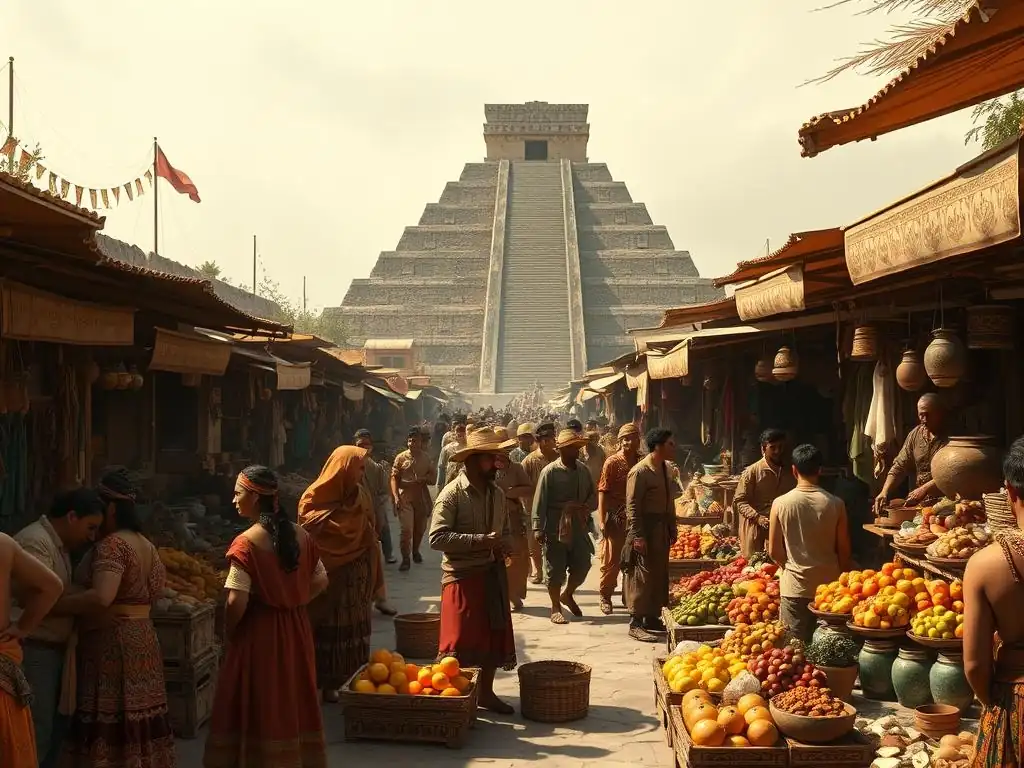
The Aztec economy before colonization was characterized by a complex system of trade, agriculture, and tribute, which played a crucial role in the empire's expansion and stability. The economy was primarily based on agricultural production, with maize as the staple crop. The Aztecs developed advanced farming techniques, including chinampas (floating gardens), which allowed them to cultivate crops efficiently on the shallow lake beds around Tenochtitlan. Trade networks stretched across Mesoamerica, facilitating the exchange of goods such as textiles, obsidian, cacao, and ceramics.
After European contact, the economic landscape of the Aztecs transformed dramatically. The introduction of European goods and currency altered trade dynamics. The Spanish imposed new economic policies, including the encomienda system, which disrupted traditional practices. Indigenous labor was exploited to extract resources, leading to a shift from local subsistence economies to a focus on export-oriented agriculture. Despite these changes, the resilience of Aztec trade practices persisted, incorporating new elements while retaining aspects of their original systems.
Similarities and Differences in Trade Practices
Before European contact, Aztec trade was governed by a blend of local and long-distance exchanges that emphasized mutual benefit and reciprocity. Merchants, known as pochteca, played a vital role in this system, acting as traders and spies while traversing vast territories to procure goods. Markets were bustling centers of commerce, where bartering was commonplace, and the flow of goods reflected the empire's wealth and cultural interactions.
In contrast, after contact, trade practices shifted significantly due to the imposition of colonial rule. The Spanish introduced a monetary economy, prioritizing the flow of precious metals like gold and silver. While indigenous trade networks were not entirely dismantled, they were reoriented to serve colonial interests. The pochteca were marginalized, and traditional trading relationships were disrupted as the focus moved toward extracting wealth for European markets. This juxtaposition highlights the adaptability of Aztec economic practices in the face of colonial pressures, revealing both continuity and change.
Evolution of Currency and Value Systems
The Aztec economy utilized a variety of currency forms, most notably cacao beans and cotton cloth, which were integral to trade and everyday transactions. The value of goods was often determined by their utility and demand, with social and cultural factors also influencing perceptions of worth. This barter system emphasized community relationships and local resources, fostering a sense of shared economic responsibility.
After European contact, the introduction of Spanish currency significantly altered the value systems in place. The reliance on precious metals led to a focus on wealth accumulation and individual profit, shifting the emphasis away from communal exchange practices. This evolution resulted in a more hierarchical economic structure, with wealth increasingly concentrated among colonial elites. The adaptation of indigenous economic practices to accommodate these changes underscores the resilience of the Aztec economy, even as it faced profound transformations.
The Legacy of the Aztec Economy
Lasting Impacts on Modern Mexican Economy
The legacy of the Aztec economy is evident in modern Mexico, where many agricultural practices and trade routes trace back to pre-colonial times. The emphasis on maize farming, for example, continues to be a cornerstone of Mexican agriculture and cuisine. Additionally, traditional markets, such as those in Oaxaca and Mexico City, echo the vibrant trade practices established during the Aztec period, showcasing a continuity of cultural identity through commerce.
Moreover, the economic structures that emerged during the colonial era have influenced contemporary economic policies and practices in Mexico. The integration of indigenous communities into the broader economic framework has been marked by both challenges and opportunities, reflecting the ongoing relevance of Aztec economic principles in navigating modern economic landscapes.
Cultural Significance of Aztec Trade Practices
Aztec trade practices were not merely economic activities; they were deeply intertwined with cultural identity and social organization. Trade facilitated the exchange of not only goods but also ideas, technologies, and cultural practices. The markets served as social hubs where people from diverse backgrounds interacted, fostering a rich tapestry of cultural exchange.
The significance of trade is also evident in Aztec mythology and religious practices, where commerce was often linked to deities and rituals. This cultural dimension of trade highlighted its role in sustaining community cohesion and identity. The enduring influence of these practices can be observed in contemporary Mexican culture, where markets and trade continue to embody the spirit of community and tradition, reflecting the legacy of the Aztec economy through the ages.
Conclusion
The examination of the Aztec economy before colonization reveals a complex and sophisticated system that was deeply intertwined with various aspects of society, culture, and even religion. The Aztecs established a vibrant trade network that not only facilitated the exchange of goods but also fostered relationships among different city-states and regions. The economy was characterized by a dual structure comprising tribute systems and market exchange, highlighting the adaptability and innovation of the Aztec people in managing resources and economic relationships.
Summary of Key Findings on Aztec Economy Before Colonization
- Trade Networks: The Aztecs engaged in extensive trade, utilizing both local markets and long-distance commerce. They traded goods such as textiles, ceramics, and food items, with major trade routes connecting various regions of Mesoamerica.
- Tribute System: The tribute system was a cornerstone of the Aztec economy, where conquered territories were required to pay tribute in the form of goods and services. This system not only provided the Aztec rulers with wealth but also ensured a steady supply of resources for the empire.
- Marketplaces: Vibrant marketplaces, such as the famous Tlatelolco market, served as economic hubs where merchants conducted business. These markets were crucial for the distribution of goods and played a significant role in the social fabric of Aztec society.
- Agricultural Practices: Agriculture was the backbone of the Aztec economy, with advanced farming techniques like chinampas (floating gardens) allowing for high yields. This agricultural productivity supported the growing population and the demands of trade.
- Cultural Significance: The economy was not solely about trade and agriculture; it also held cultural significance. Rituals and religious practices often influenced economic activities, showcasing the interconnectedness of the Aztec way of life.
Reflection on the Importance of Understanding Indigenous Economies
Understanding the Aztec economy before colonization is crucial for several reasons. First, it challenges the often simplistic narratives surrounding indigenous peoples as primitive or solely subsistence-based societies. Instead, it highlights their economic sophistication and organizational skills.
Moreover, recognizing the intricacies of the Aztec economy provides insight into how colonization disrupted not only trade networks but also social structures and cultural practices. By appreciating the complexity of indigenous economies, we can better understand the lasting impact of European contact on these civilizations.
Lastly, exploring the Aztec economy emphasizes the importance of indigenous knowledge systems and their relevance in contemporary discussions on sustainable practices and economic resilience. Acknowledging and learning from these historical economies can inform modern economic models and contribute to a more equitable understanding of global trade dynamics.
- Introduction to Aztec Economy
- The Aztec Economy Before Colonization
- The Role of Currency in the Aztec Economy
- Use of Cacao Beans and Other Currency Forms
- Economic Impact of Currency on Trade Practices
- Changes in the Aztec Economy After European Contact
- Comparison of Aztec Economic Systems: Before and After Contact
- The Legacy of the Aztec Economy
- Conclusion
Frequently Asked Questions
What was the main component of the Aztec economy before colonization?
The Aztec economy was primarily based on agriculture, supplemented by trade and tribute from conquered territories, which provided essential resources and goods.
How did the Aztec trading system function?
The Aztec trading system involved markets where goods like maize, cacao, and textiles were exchanged. Merchants played a crucial role in facilitating trade across the vast Mesoamerican region.
What impact did European contact have on the Aztec economy?
The arrival of Europeans disrupted the Aztec economy by introducing new diseases and altering trade routes, ultimately leading to the collapse of their established economic systems and practices.
Were there any unique features of the Aztec currency?
Yes, the Aztecs used cacao beans and copper tools as forms of currency, which reflected their values and facilitated trade both locally and regionally.
What lasting effects did the Aztec economy have on subsequent societies?
The Aztec economy laid the groundwork for future economic systems in the Americas, influencing trade practices and agricultural methods that persisted even after colonization.
Final Reflection: Understanding the Aztec Economy in a Changing World
The exploration of the Aztec economy before colonization reveals not only the sophistication of indigenous trade systems but also their profound impact on cultural exchange and societal development. Today, as we navigate a global economy influenced by historical trade dynamics, it is crucial to recognize how the past informs our present. The intricate networks established by the Aztecs serve as a reminder that economic systems are not static; they evolve and adapt, shaping the lives of those within them.
The legacy of the Aztec economy continues to resonate in contemporary discussions about trade, cultural identity, and economic resilience. By examining the ways in which the Aztecs engaged in commerce, we gain insight into the importance of trade as a vehicle for cultural exchange and innovation. As historian Charles C. Mann eloquently stated, "> The collision of cultures often leads to the creation of something new and unexpected." This observation underscores the ongoing relevance of the Aztec experience, illustrating how historical interactions can lead to transformative outcomes that influence future generations.
As we reflect on the lessons of the Aztec economy, let us consider how we can apply this understanding to our own lives and communities. Take a moment to think about the ways in which trade and cultural exchange shape your world. Whether through supporting local businesses, engaging in fair trade practices, or fostering connections across cultures, we have the power to create a more equitable and interconnected future. Embrace the spirit of the Aztecs by recognizing the value of collaboration and the richness that diverse perspectives bring to our shared economic landscape.
Unveil the Secrets of Aztec Trade: Take Action Now!
Thank you for diving into the fascinating world of the Aztec economy! Your interest in this rich history helps us understand the profound impacts of trade before and after European contact. Now, it's time to explore how you can further connect with this topic.
- Dive deeper: Research a specific trade route or commodity that intrigued you in the article. Discover how these elements shaped Aztec society!
- Join the conversation: Share this article with friends or on social media to inspire others to learn about indigenous economies.
- Explore local history: Visit a local museum or cultural center that showcases the trade and commerce of pre-Columbian civilizations in your region.
What aspects of the Aztec economy do you find most surprising or relevant to today's trade practices?