
Celebrating Survival: Festivals and Events That Honor Indigenous Traditions Today

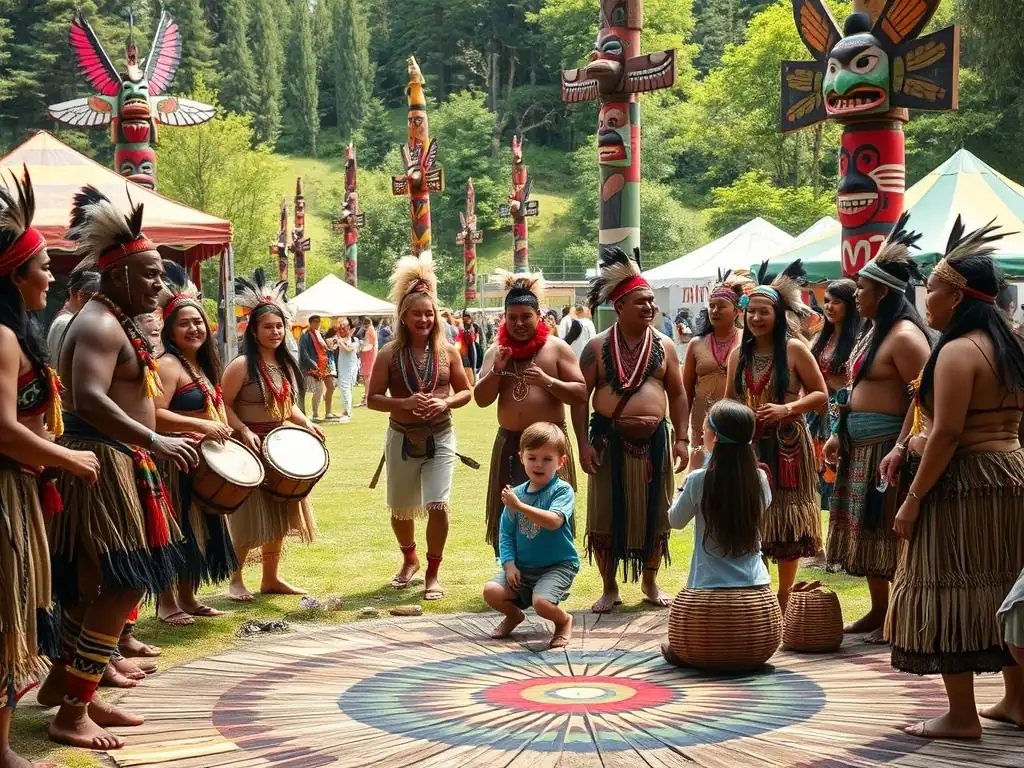
Welcome to Indigenous Civilizations of the Americas, where we invite you on a captivating journey through the rich tapestry of indigenous cultures that flourished long before European colonization. In our featured article, "Celebrating Survival: Festivals and Events That Honor Indigenous Traditions Today," we delve into the vibrant indigenous festivals and events that not only celebrate heritage but also reflect the resilience of these remarkable societies.
Discover the significance of these traditions and how they continue to shape the identity of indigenous communities today. Join us as we uncover the stories, achievements, and lasting impact of these civilizations—your exploration starts now!
- Introduction to Indigenous Festivals and Events
- The Role of Festivals in Indigenous Cultures
- Notable Indigenous Festivals and Events Across the Americas
- The Impact of Modernization on Indigenous Festivals
- Conclusion: The Future of Indigenous Festivals and Events
- Frequently Asked Questions
- Final Reflection: Honoring Heritage Through Indigenous Festivals
- Embrace Indigenous Traditions: Join the Celebration!
Introduction to Indigenous Festivals and Events
Indigenous festivals and events serve as vital expressions of cultural identity, resilience, and continuity for the diverse indigenous communities across the Americas. These vibrant gatherings not only celebrate the rich heritage and traditions that have persisted through centuries of adversity but also play a crucial role in educating both indigenous and non-indigenous populations about the historical and contemporary significance of these cultures.
By honoring rituals, storytelling, music, dance, and traditional practices, these celebrations provide an opportunity for communities to come together, strengthen their bonds, and showcase their unique identities. In this article, we will explore the various indigenous festivals and events that are held today, examining their importance and the ways in which they contribute to the survival of traditions.
The Importance of Celebrating Indigenous Traditions
Celebrating indigenous traditions through festivals and events is essential for several reasons:
- Cultural Preservation: These gatherings allow for the transmission of cultural knowledge, languages, and practices to younger generations, ensuring that traditions are not lost over time.
- Community Building: Festivals foster a sense of belonging and unity among community members, reinforcing social ties and collective identity.
- Visibility and Awareness: By showcasing indigenous cultures to a broader audience, these events promote understanding and respect for the diversity of indigenous peoples and their histories.
- Empowerment: Participating in and organizing festivals can empower indigenous communities, giving them a platform to express their values, concerns, and aspirations.
The recognition and celebration of indigenous festivals are not merely acts of remembrance but are vital for the ongoing survival of these cultures in a rapidly changing world.
Overview of Survival and Resilience in Indigenous Cultures
The survival of indigenous cultures in the Americas is a testament to the resilience and adaptability of these communities. Despite centuries of colonization, assimilation, and cultural suppression, indigenous peoples have maintained their identities through various means:
- Revitalization Movements: Many indigenous groups are actively working to revive languages, arts, and traditional practices that had been diminished or lost.
- Intergenerational Learning: Elders play a crucial role in passing down knowledge and traditions, creating a bridge between past and present.
- Cultural Exchange: Engaging with other cultures while retaining core beliefs has allowed indigenous communities to adapt and flourish in contemporary society.
- Political Advocacy: Indigenous festivals often coincide with movements advocating for land rights, cultural recognition, and social justice, showcasing the intersection of tradition and activism.
These elements illustrate not only the survival of indigenous traditions but also the dynamic nature of these cultures as they navigate the complexities of the modern world. The celebration of indigenous festivals and events is an essential part of this ongoing journey, affirming the strength and vitality of indigenous identities.
The Role of Festivals in Indigenous Cultures
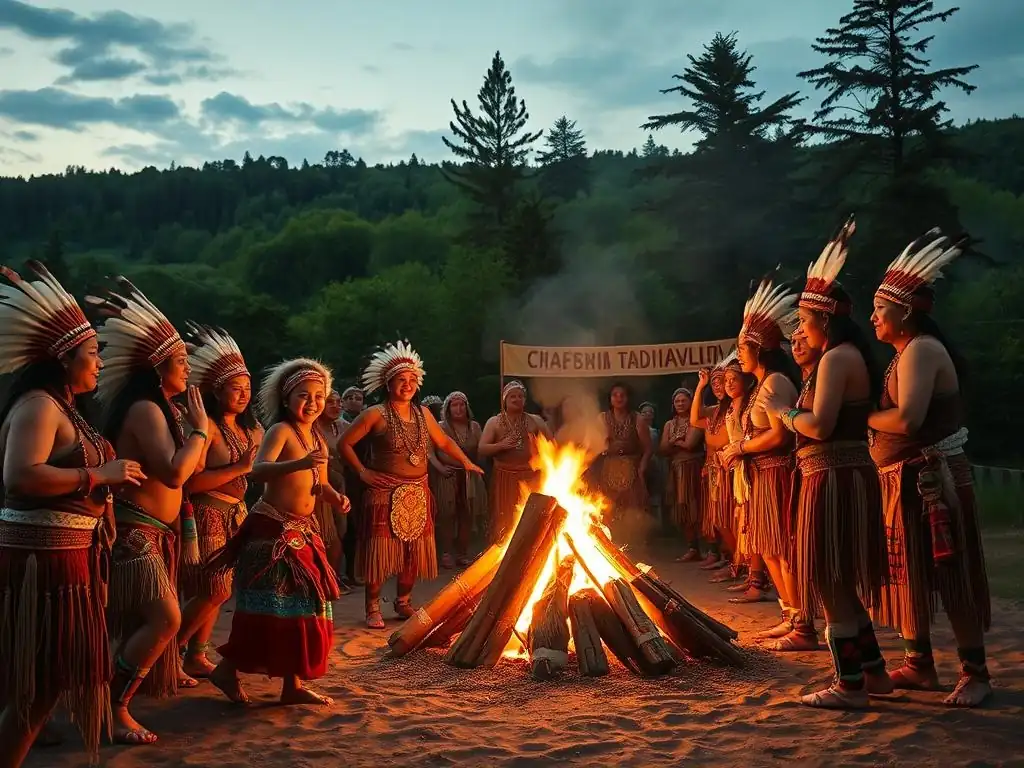
Indigenous festivals play a crucial role in the cultural tapestry of native communities across the Americas. These gatherings serve not only as a means of celebration but also as a vital mechanism for preserving cultural identity, transmitting knowledge, and fostering community bonds. Through a variety of rituals, music, dance, and art, indigenous festivals encapsulate the essence of traditions that have survived centuries of change and adversity.
Cultural Significance of Indigenous Festivals
Indigenous festivals are deeply rooted in the spiritual and historical narratives of each community. These events often commemorate significant historical milestones, seasonal changes, or agricultural cycles, reflecting the close relationship indigenous peoples maintain with the land. For instance, the Inti Raymi festival celebrated by the Quechua people in Peru honors the Incan sun god and marks the winter solstice, highlighting the importance of agricultural cycles in indigenous livelihoods.
Key Aspects of Cultural Significance:
- Spiritual Renewal: Festivals often include rituals intended to renew spiritual connections with ancestors and nature.
- Cultural Expression: Traditional dances, songs, and art showcased during festivals allow communities to express their unique identities and histories.
- Educational Opportunities: Festivals serve as platforms for sharing indigenous knowledge, including language, crafts, and agricultural practices with younger generations.
Festivals as a Means of Preserving Heritage
In the face of globalization and the historical impacts of colonization, indigenous festivals have emerged as critical venues for the preservation of heritage. They provide an opportunity for communities to reclaim and revitalize traditions that may have been suppressed or altered over time.
Mechanisms of Heritage Preservation:
- Revitalization of Languages: Many festivals incorporate traditional languages through songs and storytelling, ensuring that these languages are passed down.
- Traditional Crafts and Skills: Vendors at festivals often showcase traditional crafts, allowing artisans to teach and demonstrate their skills to attendees.
- Intergenerational Engagement: By involving elders and youth in planning and celebrating festivals, communities facilitate the transfer of knowledge and cultural practices across generations.
The Community Aspect of Indigenous Events
The communal nature of indigenous festivals fosters a sense of belonging and solidarity among participants. These events are not merely celebratory; they reinforce community ties and create a collective identity that transcends individual differences.
Community Benefits of Indigenous Festivals:
- Strengthening Social Bonds: Festivals bring together families and community members, strengthening relationships and fostering a sense of unity.
- Economic Support: Many communities generate income through festival tourism, which can be reinvested into local infrastructure and cultural programs.
- Cultural Diplomacy: By inviting outsiders to participate, indigenous festivals serve as opportunities for cultural exchange, promoting understanding and respect for indigenous cultures.
Indigenous festivals and events are vital to the survival of traditions, serving as a powerful testament to resilience and cultural continuity. They help maintain the rich tapestry of indigenous heritage while fostering community spirit and identity in the modern world.
Notable Indigenous Festivals and Events Across the Americas
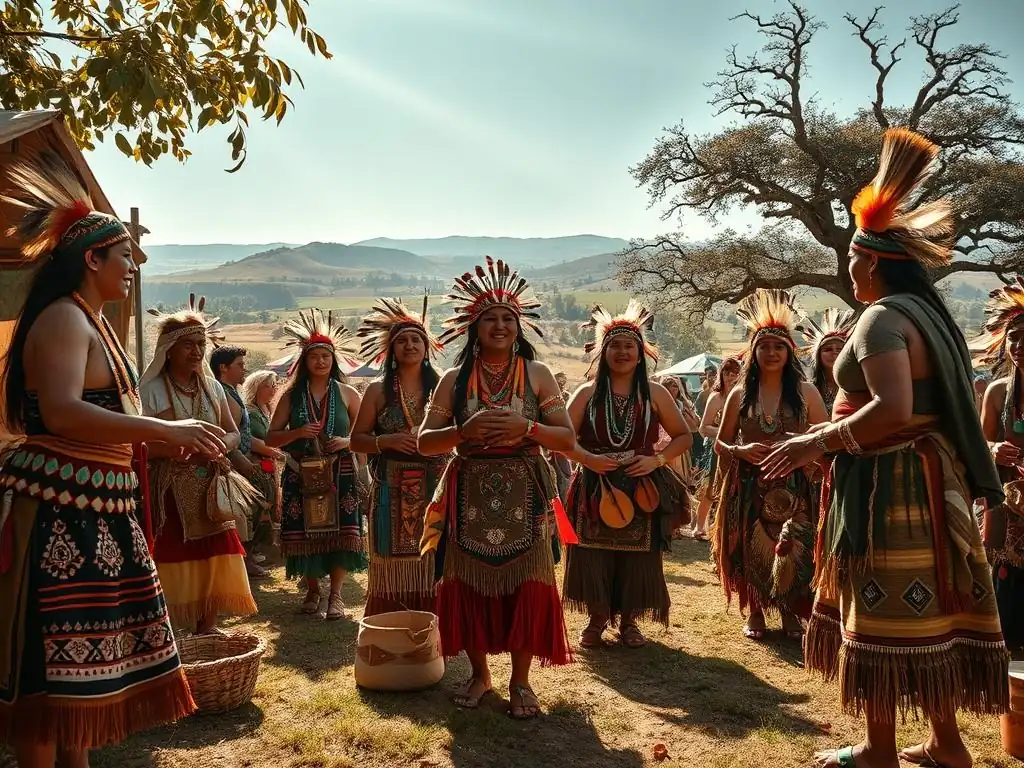
Indigenous festivals and events serve as vital expressions of cultural identity, resilience, and community for various Indigenous groups across the Americas. These celebrations not only honor ancestral traditions but also foster a sense of belonging and continuity in the face of historical challenges. Below, we explore two significant festivals that exemplify the rich tapestry of Indigenous traditions.
Powwows: Celebrating Native American Heritage
History and Evolution of Powwows
Powwows have their roots in the spiritual and social gatherings of Native American tribes across North America. Originally held for various purposes, including healing, storytelling, and socializing, these gatherings have evolved into vibrant celebrations of Native culture. The term "powwow" is derived from the Narragansett word pauwau, meaning "spiritual leader."
Historically, powwows were often small, local events. However, in the late 19th and early 20th centuries, as Native communities faced increasing pressures from European colonization, powwows began to serve as a means of cultural preservation. The introduction of intertribal powwows allowed different tribes to share their traditions, dances, and music, fostering a sense of unity and cultural pride.
Today, powwows vary in scale from local gatherings to large national events, attracting participants and attendees from across the continent. They continue to serve as vital spaces for cultural expression, healing, and community building.
Key Features of Powwow Events
Powwow events are characterized by several distinctive features that highlight Native American culture:
- Dancing: Traditional dances are central to powwow celebrations. Various styles, such as the Grass Dance, Fancy Dance, and Traditional Dance, each hold unique meanings and are often performed in full regalia.
- Drumming and Singing: Powwows include drum circles where participants sing traditional songs. Drumming is a powerful element, representing the heartbeat of the community and connecting participants to their heritage.
- Art and Craft Vendors: Many powwows feature booths selling Indigenous art, jewelry, traditional clothing, and crafts, allowing artists to showcase their work and share their stories.
- Food: Traditional foods are often available at powwows, emphasizing the connection between cultural heritage and culinary practices. Dishes like fry bread and Indian tacos are popular offerings.
- Ceremonial Elements: Powwows often include opening and closing ceremonies, honoring the ancestors and the land, as well as honoring veterans and community leaders.
Powwows are a testament to the resilience of Indigenous cultures, showcasing the vibrancy and diversity of Native American heritage.
Día de los Muertos: Honoring Ancestors in Indigenous Traditions
Cultural Practices and Symbolism
Día de los Muertos, or the Day of the Dead, is a deeply rooted tradition in many Indigenous cultures, particularly in Mexico and parts of Central America. This celebration combines elements of pre-Columbian beliefs and Spanish influences, creating a unique cultural phenomenon.
The festival takes place on November 1st and 2nd each year, coinciding with the Catholic observances of All Saints' Day and All Souls' Day. It is a time for families to honor and celebrate the lives of their deceased loved ones.
Key cultural practices associated with Día de los Muertos include:
- Altars (Ofrendas): Families create altars adorned with photographs, favorite foods, and personal items of the departed. These altars serve as a bridge between the living and the dead, inviting spirits to join the celebrations.
- Marigolds: The vibrant orange marigold flower is a symbol of death and resurrection. Its scent is believed to guide spirits back to their families.
- Calacas and Calaveras: Decorative skeletons and skulls, often made from sugar or clay, serve as playful representations of death, reminding participants to celebrate life rather than mourn.
- Traditional Foods: Special foods, such as pan de muerto (bread of the dead), are prepared and enjoyed during the festivities, symbolizing the cycle of life and death.
Contemporary Celebrations of Día de los Muertos
In contemporary society, Día de los Muertos has gained recognition beyond its regional roots, celebrated in various parts of the world. Communities hold parades, art exhibitions, and public altars, showcasing the richness of Indigenous traditions to broader audiences.
Public celebrations often involve:
- Community Events: Festivals featuring traditional music, dance, and storytelling are organized to engage the community and educate others about the significance of the holiday.
- Artistic Expressions: Artists create murals, sculptures, and installations that reflect the themes of life, death, and remembrance, contributing to the cultural dialogue surrounding the holiday.
- Educational Initiatives: Schools and cultural institutions often host workshops and informational sessions to teach participants about the history and meaning behind Día de los Muertos.
Through these modern expressions, Día de los Muertos not only honors Indigenous traditions but also fosters cross-cultural understanding and appreciation of the diverse Indigenous cultures of the Americas.
Inti Raymi: The Festival of the Sun
Inti Raymi, also known as the Festival of the Sun, is one of the most significant and vibrant indigenous festivals celebrated primarily in Peru, particularly in the city of Cusco. This ancient festival, which honors Inti, the Incan sun god, is a testament to the rich cultural heritage and beliefs of the Inca civilization. The festival is celebrated during the winter solstice, marking the time of year when the sun is at its lowest point in the sky, and it symbolizes the return of the sun and the renewal of life.
Historical Roots and Significance
The roots of Inti Raymi can be traced back to the Inca Empire, where it was an important religious ceremony held to ensure a good harvest and to honor the sun, which was believed to be the source of life. Historically, the festival included elaborate rituals performed by the Sapa Inca, the emperor of the Inca, and his priests.
During the ceremony, offerings were made to Inti, including animals, food, and other valuables. The Sapa Inca would participate in a reenactment of the creation of the world, invoking the blessings of the sun and the earth. This event not only reinforced the divine right of the emperor but also served to unify the diverse peoples of the Incan Empire through shared religious observances.
With the arrival of Spanish colonizers in the 16th century, the practice of Inti Raymi was banned due to its pagan roots. However, the festival persisted in various forms among indigenous communities as a symbol of resistance and cultural identity, ultimately leading to its revival in the 20th century.
Modern-Day Celebrations of Inti Raymi
Today, Inti Raymi is celebrated on June 24th each year, drawing thousands of visitors from around the world. The modern-day celebration is a grand spectacle that features a reenactment of the ancient rituals, showcasing traditional music, dance, and colorful costumes that reflect the indigenous heritage of Peru.
The festivities begin with a procession from the Qorikancha, the Temple of the Sun, to the Sacsayhuamán archaeological site, where the main events take place. Participants dressed as Inca nobility and priests perform rituals that include offerings to the sun, music played on traditional instruments, and dances that celebrate the agricultural cycle.
Local communities actively participate in the festival, and the event serves as a platform for the promotion of indigenous culture, arts, and traditions. The vibrant atmosphere, coupled with the dedication to preserving ancestral practices, makes Inti Raymi a remarkable celebration of survival, resilience, and cultural pride among indigenous peoples today.
By honoring their ancestors and traditions, the celebration of Inti Raymi not only reinforces the importance of indigenous identities but also educates wider audiences about the rich history and contributions of the Inca civilization.
The Impact of Modernization on Indigenous Festivals
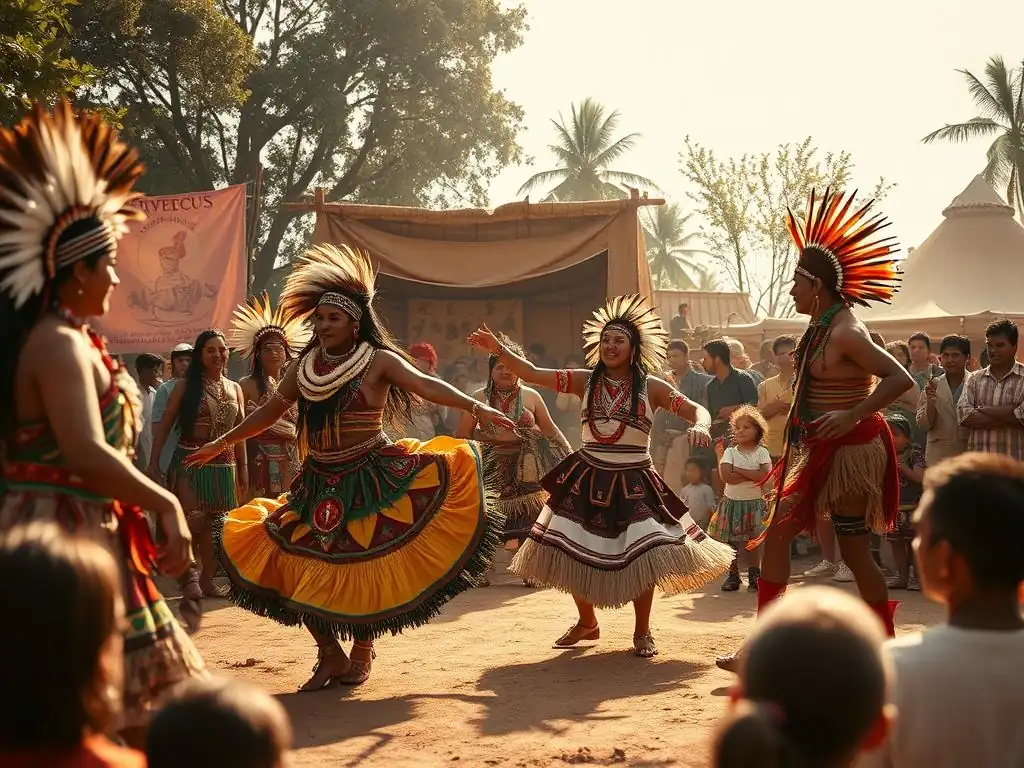
Modernization has had a profound impact on indigenous festivals, reshaping both their form and function within contemporary society. As globalization continues to weave its way into every aspect of life, indigenous peoples face unique challenges in maintaining their cultural heritage through traditional celebrations. Understanding this impact requires a closer examination of the challenges, adaptations, and innovations that characterize these events today.
Challenges Faced by Indigenous Celebrations Today
Indigenous festivals are often at the forefront of cultural expression, yet they encounter numerous challenges in the face of modernization:
- Cultural Appropriation: One of the most significant issues is the appropriation of indigenous cultural symbols and practices by non-indigenous individuals and organizations. This often leads to misrepresentation and commercialization, undermining the original meanings and significance of these traditions.
- Loss of Traditional Knowledge: As globalization spreads, younger generations may become disconnected from the cultural practices and languages of their ancestors. This loss can diminish the authenticity and richness of indigenous celebrations, as fewer people are able to participate in or understand the traditions.
- Economic Pressures: Many indigenous communities face economic challenges that can impact their ability to host traditional festivals. Funding shortages and the need to prioritize basic needs often result in reduced resources for cultural events.
- Environmental Changes: Climate change and environmental degradation can disrupt traditional practices tied to specific locations and seasons. For instance, ceremonies that rely on certain natural elements may be threatened as ecosystems change.
Adaptation and Innovation in Indigenous Events
Despite these challenges, indigenous communities have shown remarkable resilience by adapting their festivals and events to the modern context:
- Revitalization of Traditions: Many indigenous groups are working actively to revive and reinterpret traditional practices. By incorporating contemporary elements while honoring ancestral customs, they create a bridge between past and present.
- Collaborative Celebrations: Communities are increasingly collaborating with one another, as well as with non-indigenous groups, to create inclusive festivals that celebrate diversity. Such events often highlight shared histories and foster mutual understanding.
- Educational Components: Modern indigenous festivals frequently include educational workshops and presentations aimed at teaching attendees about indigenous history and culture. This not only helps to preserve traditions but also raises awareness among broader audiences.
- Emphasis on Storytelling: Storytelling remains a vital aspect of indigenous culture. Many festivals now focus on narrative elements, using stories to convey cultural values and histories, ensuring that younger generations remain connected to their heritage.
The Role of Technology in Promoting Indigenous Festivals
Technology plays an increasingly important role in the preservation and promotion of indigenous festivals, offering new avenues for engagement:
- Social Media Outreach: Platforms such as Facebook, Instagram, and Twitter allow indigenous communities to share information about their festivals with a global audience. This visibility helps attract attendees and raises awareness of cultural practices.
- Virtual Events: The rise of online platforms has enabled indigenous groups to hold virtual festivals and ceremonies, especially in response to challenges posed by the COVID-19 pandemic. These events can reach individuals who may not have been able to attend in person, fostering a sense of community.
- Digital Storytelling: Indigenous peoples are utilizing digital media to share their stories, traditions, and histories. This approach not only preserves cultural narratives but also allows for creative expression that resonates with younger audiences.
- Online Fundraising: Many communities leverage online crowdfunding platforms to garner support for their festivals. This can help alleviate financial pressures and ensure that cultural celebrations continue to thrive.
Through adaptation and the innovative use of technology, indigenous festivals are not just surviving but evolving, allowing them to remain vital expressions of cultural identity in a modern world. These events serve as reminders of the resilience and richness of indigenous traditions, ensuring that they are celebrated for generations to come.
Conclusion: The Future of Indigenous Festivals and Events
Continuing the Legacy of Indigenous Traditions
Indigenous festivals and events serve as vibrant expressions of culture, resilience, and identity. These gatherings are not merely celebrations; they are essential platforms for the transmission of knowledge and customs from one generation to the next. As many Indigenous communities face the challenges of modernity, these events play a crucial role in preserving languages, art forms, and traditional practices that might otherwise fade away.
For instance, the Inti Raymi, or Festival of the Sun, celebrated in Peru, showcases the Inca heritage and involves rituals that honor the sun god, Inti. This event attracts thousands of tourists and locals alike, creating a space where traditional music, dance, and costumes come together to educate and inspire. Such festivals not only reinforce cultural pride but also continue the legacy of Indigenous traditions by actively involving the community in their heritage.
Encouraging Participation in Indigenous Festivals
Participation in Indigenous festivals can be a transformative experience for both Indigenous and non-Indigenous peoples. These events promote understanding and appreciation of Indigenous cultures, breaking down stereotypes and fostering respect. Community engagement is vital; thus, many festivals actively encourage attendance from all walks of life.
For example, the Powwow is a significant event for many Native American tribes, celebrating culture through dance, music, and storytelling. Powwows welcome individuals from different backgrounds, offering workshops and presentations on traditional arts, such as beadwork and drumming. This inclusive approach not only strengthens community ties but also educates participants about the historical and contemporary significance of these traditions.
Final Thoughts on the Importance of Indigenous Celebrations
Indigenous festivals and events are more than just celebrations; they embody the spirit of survival and resilience of Indigenous peoples in the Americas. As these gatherings continue to evolve, they remain vital in nurturing cultural identity, fostering intergenerational connections, and promoting environmental stewardship.
In a world where globalization often threatens unique cultural expressions, Indigenous festivals stand as a testament to the enduring nature of these societies. They invite everyone to partake in the rich tapestry of Indigenous heritage, ensuring that the stories, values, and traditions of these communities not only survive but thrive. By participating in and supporting Indigenous festivals, we contribute to a broader movement of cultural preservation and appreciation that honors the past while looking toward a collaborative future.
Frequently Asked Questions
What are some examples of indigenous festivals celebrated today?
Many indigenous festivals include events like the Powwow, Day of the Dead, and Inti Raymi, each showcasing unique cultural traditions and heritage.
How do indigenous events contribute to cultural preservation?
Indigenous events play a vital role in cultural preservation by promoting traditional practices, languages, and community bonds, ensuring the survival of their rich heritage.
Why are indigenous festivals significant for education?
These festivals serve as educational platforms that share the history, values, and artistic expressions of indigenous cultures, fostering greater understanding and appreciation among diverse audiences.
How can I participate in indigenous celebrations?
You can participate in indigenous celebrations by attending local events, volunteering, or supporting indigenous artists and vendors, which helps to promote awareness and respect for these cultures.
What role do indigenous festivals play in community identity?
Indigenous festivals strengthen community identity by fostering a sense of belonging, celebrating shared values, and creating a platform for the younger generation to connect with their heritage.
Final Reflection: Honoring Heritage Through Indigenous Festivals
Indigenous festivals and events serve as a powerful reminder of the resilience and vibrancy of Indigenous cultures in today's world. As we navigate an era marked by rapid globalization and cultural homogenization, these celebrations stand as beacons of hope and identity, showcasing the rich traditions and stories that have survived through generations. They not only preserve the past but also inspire future generations to embrace their heritage with pride.
The influence of Indigenous festivals extends beyond mere celebration; they are vital in shaping our cultural and social landscapes. These events foster community, promote understanding, and encourage respect for the diverse narratives that make up our shared history. As we participate in these gatherings, we are reminded of the words of Indigenous activist Winona LaDuke: We don’t inherit the earth from our ancestors; we borrow it from our children.
This perspective emphasizes the importance of honoring our roots while being stewards of the future, ensuring that the traditions we celebrate today continue to thrive for generations to come.
As you reflect on the significance of Indigenous festivals and events, consider how you can engage with and support these traditions in your own life. Take the time to learn about the cultures represented in your community, attend local celebrations, and share these experiences with others. By doing so, you not only honor the resilience of Indigenous peoples but also contribute to a more inclusive and understanding world. Let us celebrate survival, not just as a remembrance of the past, but as a commitment to the future.
Embrace Indigenous Traditions: Join the Celebration!
Thank you for taking the time to explore the vibrant festivals and events that honor Indigenous traditions. We hope you've found inspiration in how these celebrations contribute to cultural survival and community resilience. Now, let’s take a meaningful step forward together!
Here are a few ways you can dive deeper and actively participate:
- Join a local Indigenous festival or event to experience the culture firsthand and engage with the community.
- Share your favorite festival or event on social media to spread awareness and celebrate Indigenous traditions with your friends and family.
- Explore online resources to learn more about various Indigenous cultures; consider reading books or watching documentaries that highlight their histories and contributions.
As we honor these vibrant traditions, what unique festival or event are you excited to attend that will deepen your connection to Indigenous cultures? **We’d love to hear your thoughts in the comments below! **