
The Cultural Legacy of the Iroquois: Visiting Historic Longhouses and Meeting Places

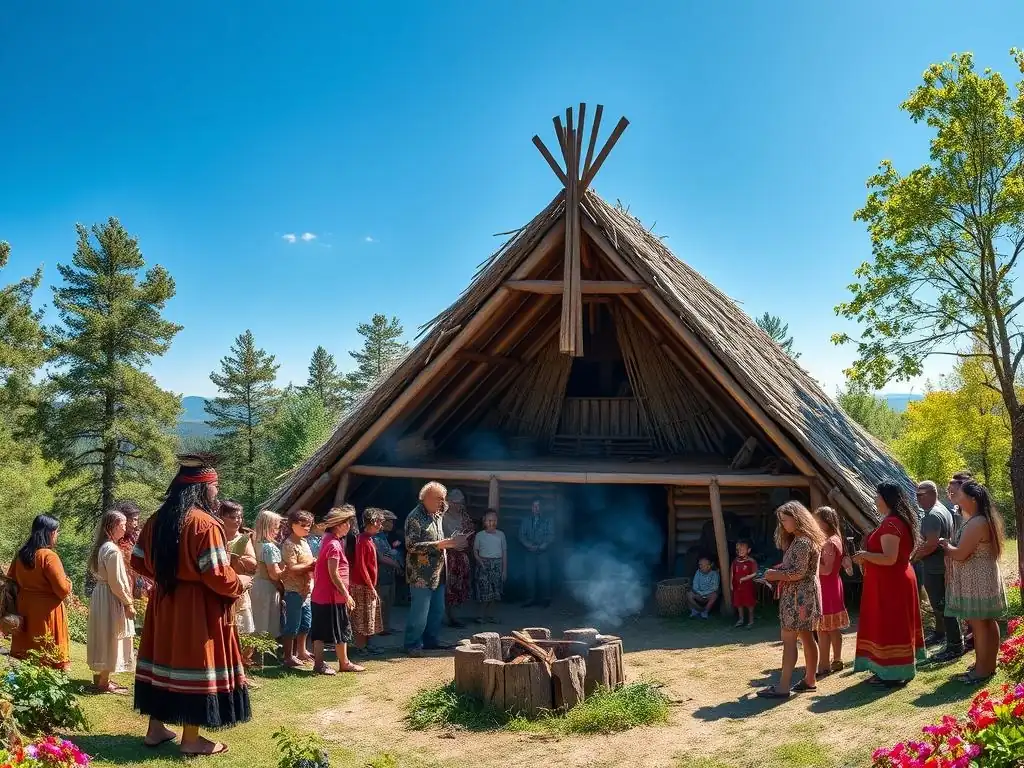
Welcome to Indigenous Civilizations of the Americas, where the rich tapestry of pre-colonial cultures unfolds before your eyes. Dive into our latest article, "The Cultural Legacy of the Iroquois: Visiting Historic Longhouses and Meeting Places," and discover the profound significance of Iroquois cultural heritage sites that continue to resonate today. As you explore the remarkable achievements and vibrant societies that shaped the Americas, you will uncover stories that not only honor the past but also inspire our present. Join us on this enlightening journey and see how the legacies of these ancient peoples still thrive in our world today!
Introduction to Iroquois Cultural Heritage Sites
The Iroquois, a remarkable group of indigenous peoples, have left an indelible mark on the cultural landscape of North America. Their rich history and vibrant traditions continue to resonate through the ages, notably through their architectural achievements and social structures. This article delves into the Iroquois cultural heritage sites, particularly focusing on the historic longhouses and meeting places that served as vital centers of community life. By exploring these sites, visitors can gain valuable insights into the Iroquois way of life, their governance, and the communal values that have shaped their identity.
The Iroquois Confederacy, a sophisticated political alliance formed by several tribes, is often hailed as a precursor to modern democratic systems. Understanding the significance of these cultural heritage sites not only enriches our appreciation of Iroquois history but also emphasizes their ongoing contributions to contemporary society. As we embark on this exploration, we will uncover the enduring legacy of the Iroquois and the importance of preserving these vital links to their past.
The Significance of Longhouses in Iroquois Culture
Longhouses were more than mere structures; they were the heart of Iroquois social and political life. These elongated, communal dwellings housed multiple families, reflecting the Iroquois value of kinship and cooperation. The design and construction of longhouses were intricately tied to the Iroquois' worldview, serving both practical and symbolic purposes.
- Community Living: Longhouses facilitated a communal lifestyle, where families shared resources and responsibilities. This structure fostered a strong sense of unity and support among members.
- Cultural Practices: The interior of longhouses was often a site for cultural rituals and gatherings, reinforcing traditions and social cohesion. Ceremonies, storytelling, and decision-making took place within these walls, highlighting their significance beyond mere shelter.
What is an Iroquois Longhouse?
An Iroquois longhouse is a traditional dwelling typically constructed from wooden frames covered with bark. These structures could vary in length but often extended over 100 feet, accommodating several families. The interior was organized into distinct sections, each designated for different families, with a central fire running the length of the house for heating and cooking.
The design of the longhouse was not only practical but also symbolic, representing the Iroquois belief in harmony with nature. The materials used in construction were sourced from the surrounding environment, emphasizing sustainability and respect for natural resources.
Historical Context of Longhouses
Historically, longhouses emerged as a response to the Iroquois' semi-nomadic lifestyle and communal living practices. As agricultural practices developed, these structures became permanent fixtures in Iroquois settlements. The longhouse culture flourished particularly during the 16th and 17th centuries, coinciding with the formation of the Iroquois Confederacy.
The longhouse served as a meeting place for decision-making and governance, with clan leaders gathering to discuss matters of importance. This political structure allowed the Iroquois to navigate external pressures, including European colonization, while maintaining their cultural identity.
Longhouses are not only architectural feats but also crucial elements of Iroquois cultural heritage. They encapsulate the values of community, cooperation, and resilience that continue to define the Iroquois people today. As we further explore these sites, we will understand their significance in the broader context of indigenous heritage and cultural preservation.
Key Iroquois Cultural Heritage Sites to Visit
The Iroquois, also known as the Haudenosaunee, have left a profound cultural legacy that can be explored through various heritage sites across New York and surrounding regions. These sites offer insights into their rich tradition, historical significance, and ongoing cultural practices. Notable sites include:
- Ganondagan State Historic Site: This site was once a vibrant Seneca village and is now home to a reconstructed longhouse and an extensive visitor center. It serves as a focal point for cultural education and events.
- The Iroquois Museum: Located in Howes Cave, New York, this museum showcases Iroquois art, history, and culture, featuring exhibitions that highlight the significance of the Iroquois Confederacy.
- Fort Niagara: Situated at the mouth of the Niagara River, this historic fort offers a glimpse into the interactions between the Iroquois and European settlers, with interpretive programs focusing on Indigenous history.
Visiting these sites not only enriches understanding of Iroquois culture but also promotes preservation efforts vital for sustaining their heritage.
Historic Longhouses: A Journey Through Time
Longhouses were the quintessential dwelling of the Iroquois, serving as both homes and community centers. These structures symbolize the communal lifestyle of the Iroquois, where families lived together, shared resources, and made collective decisions.
- Construction and Design: Traditionally, longhouses were built using wooden frames covered with bark, allowing them to withstand the elements. They could vary in size, accommodating multiple families, which emphasized the Iroquois value of community.
- Cultural Significance: Longhouses were not merely residences; they were sites of governance, social gatherings, and cultural rituals. They played a central role in the Iroquois Confederacy, fostering unity and collaboration among the tribes.
- Visiting Longhouses: Many heritage sites, such as Ganondagan, offer reconstructed longhouses where visitors can step inside, learn about their construction, and understand the daily lives of the Iroquois people.
These journeys through time not only educate visitors but also connect them to the enduring spirit of the Iroquois culture.
Meeting Places of the Iroquois Confederacy
The Iroquois Confederacy, formed in the 15th century, was a sophisticated political alliance that promoted peace and cooperation among the member nations: the Mohawk, Oneida, Onondaga, Cayuga, Seneca, and later the Tuscarora. Meeting places played a crucial role in this governance structure.
- The Grand Council: Held at Onondaga, the central meeting place for the Confederacy, the Grand Council was where representatives from each nation convened to discuss matters of war, peace, and collective governance. This site remains significant for understanding Iroquois diplomacy.
- Historic Sites of Council Meetings: Various sites across New York, such as the Iroquois Museum and Ganondagan, offer reconstructions of these meeting places, allowing visitors to gain insights into the decision-making processes and the importance of consensus in Iroquois culture.
These meeting places provide a window into the political sophistication of the Iroquois and their lasting influence on democratic practices.
Experiencing Iroquois Cultural Heritage
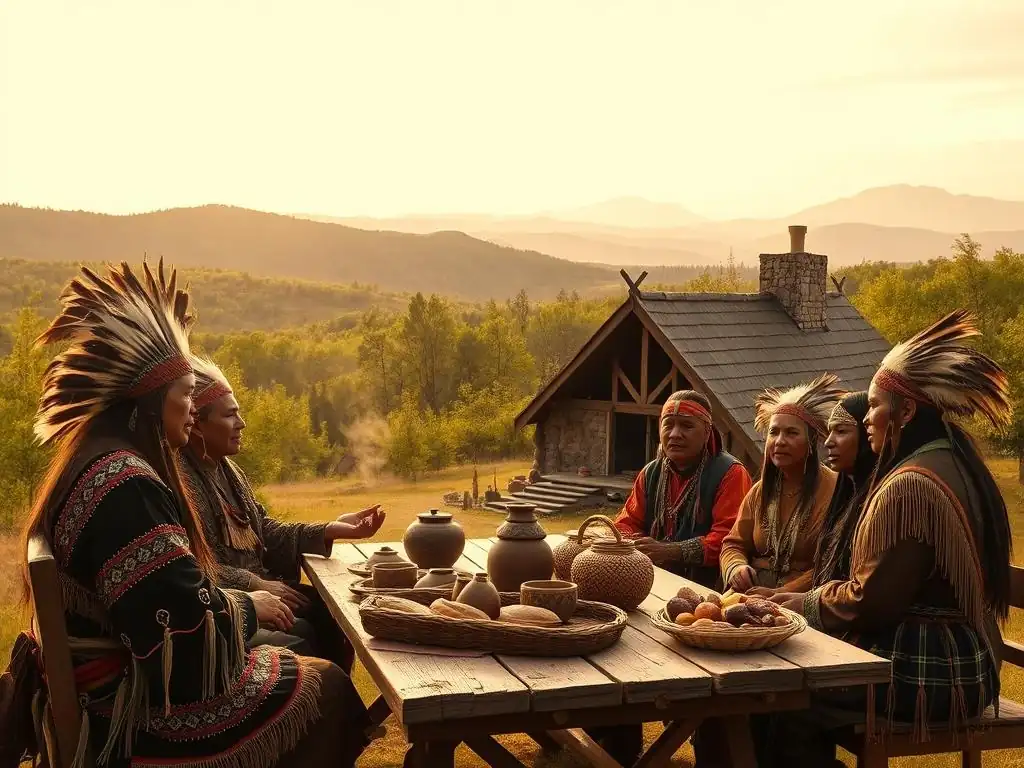
Experiencing Iroquois cultural heritage goes beyond mere observation; it involves engaging with living traditions that continue to shape the identity of the Iroquois people today.
Guided Tours and Cultural Experiences
Many heritage sites offer guided tours led by knowledgeable educators, often members of the Iroquois community, who provide authentic perspectives on their culture.
- Interactive Experiences: Visitors can participate in traditional activities such as crafting, cooking, and storytelling, facilitating a deeper understanding of Iroquois customs and practices.
- Cultural Events: Seasonal festivals and events, such as the Iroquois Arts Festival, showcase traditional music, dance, and art, engaging visitors in the vibrant cultural expressions of the Iroquois.
These immersive experiences foster appreciation and respect for Iroquois culture.
Educational Programs at Iroquois Heritage Sites
Educational programs at Iroquois heritage sites play a crucial role in promoting cultural awareness and understanding.
- Workshops and Seminars: Many sites offer workshops focused on Iroquois history, language, and arts, aimed at both children and adults. These programs encourage participants to explore the depth of Iroquois culture.
- School Programs: Educational initiatives designed for schools provide students with opportunities to learn about Iroquois contributions to society, including their influence on modern democratic principles.
Through these educational programs, heritage sites serve as vital resources for preserving and sharing Iroquois cultural heritage with future generations.
Preserving Iroquois Heritage for Future Generations
Preserving Iroquois cultural heritage is essential for maintaining the identity and traditions of the Haudenosaunee people. With a history that spans thousands of years, the Iroquois have developed a rich tapestry of customs, languages, and governance that continues to influence contemporary society. Efforts to safeguard this heritage focus on several dimensions, including education, cultural revitalization, and the protection of sacred sites.
One of the primary methods for ensuring the transmission of Iroquois culture is through education. Programs are being established within Iroquois communities to teach younger generations about traditional practices, including language instruction, storytelling, and crafts such as beadwork and pottery. These educational initiatives foster a sense of pride and belonging among youth while equipping them with the knowledge to carry on their cultural legacies.
Furthermore, the Iroquois are actively engaging in cultural revitalization efforts to revive traditional practices that may have waned over time. This includes organizing community events, festivals, and workshops that celebrate Iroquois customs, music, and dance. By actively participating in these activities, community members reinforce their identity and strengthen their connection to their ancestors.
The Role of Museums and Cultural Centers
Museums and cultural centers play a pivotal role in the preservation and promotion of Iroquois cultural heritage. These institutions serve as repositories for artifacts, documents, and oral histories that provide insight into the lives of the Iroquois people. In addition to preserving tangible items, they also offer educational programs and exhibitions that engage the public and raise awareness about Iroquois history and culture.
For instance, the Iroquois Indian Museum in New York showcases a vast collection of artifacts, including tools, clothing, and artwork that illustrate Iroquois life before and after European contact. Through guided tours, visitors can learn about the significance of these items and their role in Iroquois culture. Additionally, many museums host workshops led by Iroquois artisans, where participants can learn traditional crafts, helping to keep these skills alive.
Cultural centers often serve as community hubs where Iroquois people can gather to share their stories, hold meetings, and celebrate their heritage. These centers provide a space for the community to engage with their culture actively, ensuring that it remains vibrant and relevant in the modern world. By collaborating with local educators, cultural centers amplify the importance of Iroquois traditions and foster a deeper understanding among non-Iroquois individuals.
Community Efforts in Heritage Preservation
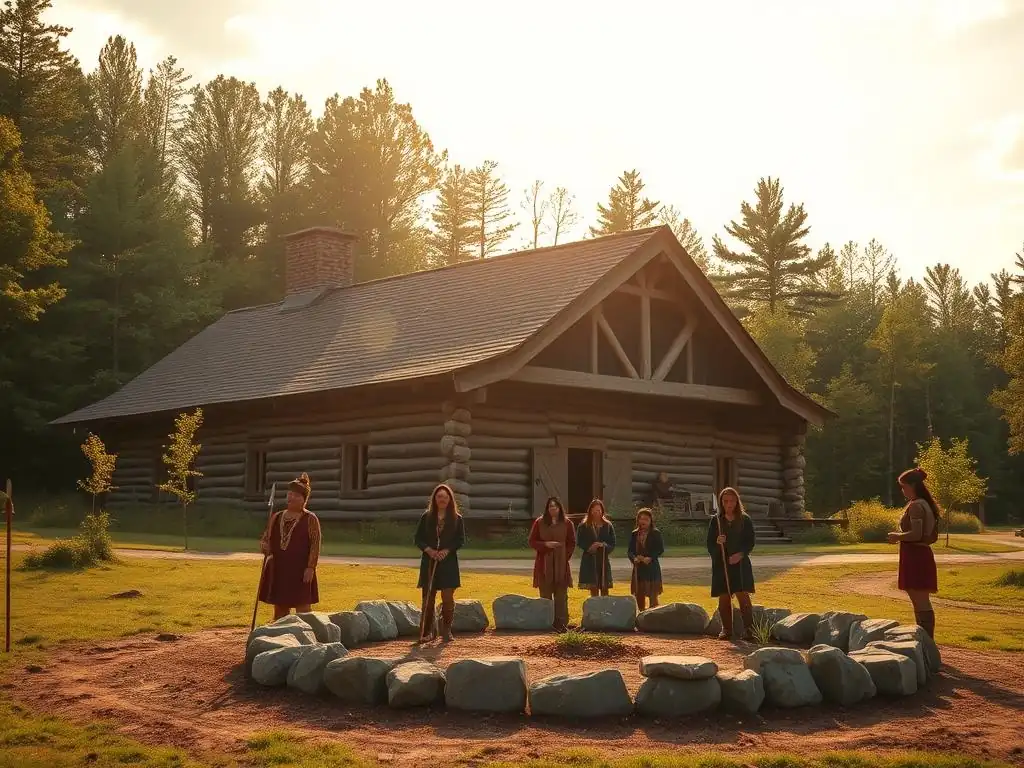
Community-driven initiatives are crucial for the ongoing preservation of Iroquois heritage. Many Iroquois communities have established organizations dedicated to cultural preservation, focusing on various aspects such as language revitalization, traditional ecological knowledge, and historical documentation. These grassroots efforts are often supported by collaborative partnerships with non-profit organizations and academic institutions.
One exemplary initiative is the Kahniakehikhwa (The Mohawk Language Project), which aims to revitalize the Mohawk language through immersive programs and educational resources. By teaching the language to children and adults alike, this project not only helps preserve the linguistic aspect of Iroquois culture but also reinforces the connection to traditional stories and knowledge systems.
Moreover, community members frequently engage in storytelling and oral history projects, documenting personal narratives and historical accounts that reflect the Iroquois experience. This practice not only honors the voices of elders but also ensures that these stories are passed down to future generations. Such efforts create a living archive of Iroquois cultural heritage, fostering a sense of continuity and identity among community members.
Conclusion: Embracing Iroquois Cultural Heritage
Embracing Iroquois cultural heritage is vital for both the Iroquois people and those interested in understanding the rich history of the Americas. By visiting historic longhouses and cultural sites, individuals can gain firsthand insight into the traditions, beliefs, and practices that have shaped Iroquois life for centuries. Engaging with Iroquois communities through museums, cultural centers, and community events allows for a deeper appreciation of their contributions to the broader tapestry of indigenous cultures.
As we move forward, it is crucial to support and participate in initiatives that promote the preservation of Iroquois heritage. Recognizing the significance of their cultural legacy not only honors the past but also enriches our collective understanding of humanity's diverse histories. Through collaborative efforts, education, and active participation, the Iroquois cultural heritage will continue to thrive for generations to come.
Call to Action: Plan Your Visit to Iroquois Cultural Heritage Sites
Exploring the rich tapestry of Iroquois cultural heritage sites offers a unique opportunity to connect with the history, traditions, and achievements of one of the most influential indigenous groups in North America. Whether you're a history enthusiast, a traveler seeking new experiences, or someone looking to understand the profound cultural legacies of the Iroquois, planning your visit can be both enriching and enlightening.
Discover Authentic Experiences
Visiting Iroquois cultural heritage sites allows you to engage with authentic experiences that go beyond mere observation. Here are some recommended activities to consider during your visit:
- Guided Tours: Participate in guided tours led by knowledgeable local historians or Iroquois community members. These tours often include storytelling, demonstrations of traditional crafts, and insights into the Iroquois way of life.
- Workshops: Engage in hands-on workshops that teach traditional skills such as beadwork, basket weaving, or pottery, giving you a deeper appreciation for Iroquois craftsmanship.
- Cultural Events: Check local calendars for cultural events, powwows, or festivals that celebrate Iroquois heritage, featuring music, dance, and traditional foods.
Respect and Responsiveness
When visiting Iroquois cultural heritage sites, it's crucial to approach your experience with respect and openness. Here are some tips to ensure your visit is both respectful and rewarding:
- Learn Before You Go: Familiarize yourself with the history and current issues facing the Iroquois communities. Understanding their struggles and achievements can enhance your appreciation of the sites you visit.
- Engage Thoughtfully: Be open to conversations with community members and ask questions that reflect genuine curiosity and interest in their culture. This engagement fosters mutual respect and understanding.
- Support Local Businesses: Consider purchasing handmade crafts or traditional foods from local artisans. This not only supports the community economically but also helps preserve their cultural practices.
Plan Your Itinerary
To make the most of your visit, it's essential to create a thoughtful itinerary that includes various Iroquois cultural heritage sites. Some notable locations to consider are:
| Heritage Site | Description |
|---|---|
| Ganondagan State Historic Site | A site that celebrates the Seneca Nation, featuring a reconstructed longhouse and trails. |
| Iroquois Indian Museum | Located in Howes Cave, this museum showcases Iroquois art, culture, and history through exhibits and programs. |
| Onondaga Nation | The spiritual and political center of the Iroquois Confederacy, offering cultural and historical insights. |
By planning your visit thoughtfully, you can immerse yourself in the Iroquois cultural heritage and gain a deeper understanding of their enduring legacy. The stories and experiences you encounter will not only enrich your knowledge but also contribute to the preservation of their vibrant culture for future generations.
- Introduction to Iroquois Cultural Heritage Sites
- The Significance of Longhouses in Iroquois Culture
- Key Iroquois Cultural Heritage Sites to Visit
- Experiencing Iroquois Cultural Heritage
- Preserving Iroquois Heritage for Future Generations
- The Role of Museums and Cultural Centers
- Community Efforts in Heritage Preservation
- Conclusion: Embracing Iroquois Cultural Heritage
- Call to Action: Plan Your Visit to Iroquois Cultural Heritage Sites
- What are some significant Iroquois cultural heritage sites to visit?
- How do Iroquois longhouses reflect their culture?
- Why is it important to learn about Iroquois cultural heritage?
- Are there any specific festivals related to Iroquois culture?
- How can visitors support the preservation of Iroquois sites?
Frequently Asked Questions
What are some significant Iroquois cultural heritage sites to visit?
Significant sites include historic longhouses, council houses, and sacred meeting places that showcase the rich traditions and history of the Iroquois people.
How do Iroquois longhouses reflect their culture?
Iroquois longhouses symbolize community and cohesion, serving as multi-family dwellings that embody the clan system and communal living valued by the Iroquois.
Why is it important to learn about Iroquois cultural heritage?
Understanding Iroquois heritage highlights their achievements, societal structures, and the lasting impact they had on American history and culture, fostering greater respect for indigenous perspectives.
Yes, many sites host traditional festivals, such as the Strawberry Festival and Harvest Festival, celebrating Iroquois traditions, food, and community gatherings.
How can visitors support the preservation of Iroquois sites?
Visitors can support preservation efforts by respecting cultural practices, participating in guided tours, and contributing to local indigenous organizations dedicated to maintaining these heritage sites.
Final Reflection: Embracing the Iroquois Cultural Heritage
The exploration of Iroquois cultural heritage sites is not just a journey through history, but a vital connection to the enduring spirit of a remarkable civilization. Today, as we navigate a world increasingly defined by globalization and cultural homogenization, the significance of preserving and honoring the rich legacies of indigenous peoples like the Iroquois becomes ever more pressing. Their historic longhouses and meeting places serve as powerful reminders of resilience, community, and the importance of maintaining cultural identity in the face of change.
The Iroquois cultural heritage continues to shape our understanding of community, governance, and environmental stewardship. The principles of the Iroquois Confederacy have influenced modern democratic systems and continue to inspire movements for social justice and ecological balance. As we reflect on their teachings, we are reminded of the words of Chief Oren Lyons: We are all related. We are all connected. We are all part of the same family.
This perspective invites us to recognize the interconnectedness of all cultures and the shared responsibility we hold in preserving our collective heritage.
As you consider the insights gained from visiting Iroquois cultural heritage sites, I encourage you to take action in your own life. Reflect on how you can honor and support indigenous cultures in your community, whether through education, advocacy, or simply by sharing their stories. Let the legacy of the Iroquois inspire you to foster a deeper appreciation for cultural diversity and to champion the voices that have shaped our world. In doing so, we not only honor the past but also pave the way for a more inclusive and vibrant future.
Experience the Richness of Iroquois Heritage Today!
Thank you for taking the time to explore the vibrant cultural legacy of the Iroquois with us! You've gained insight into their historic longhouses and significant meeting places. Now, it's time to immerse yourself in this rich history and make meaningful connections.
Here are a few exciting actions you can take to deepen your understanding and appreciation:
- Plan a visit to a local Iroquois historic site or cultural center to experience their traditions firsthand.
- Engage with your community by organizing a discussion group about Iroquois history and culture, fostering a space for shared learning.
- Share your newfound insights on social media or your blog— mention organizations or individuals who specialize in Indigenous studies to broaden the conversation!
As you consider your next steps, ask yourself: How can you contribute to preserving and promoting Indigenous cultures in your community? We’d love to hear your thoughts!