
10 Essential Tips for Planning Authentic Indigenous Cultural Tours

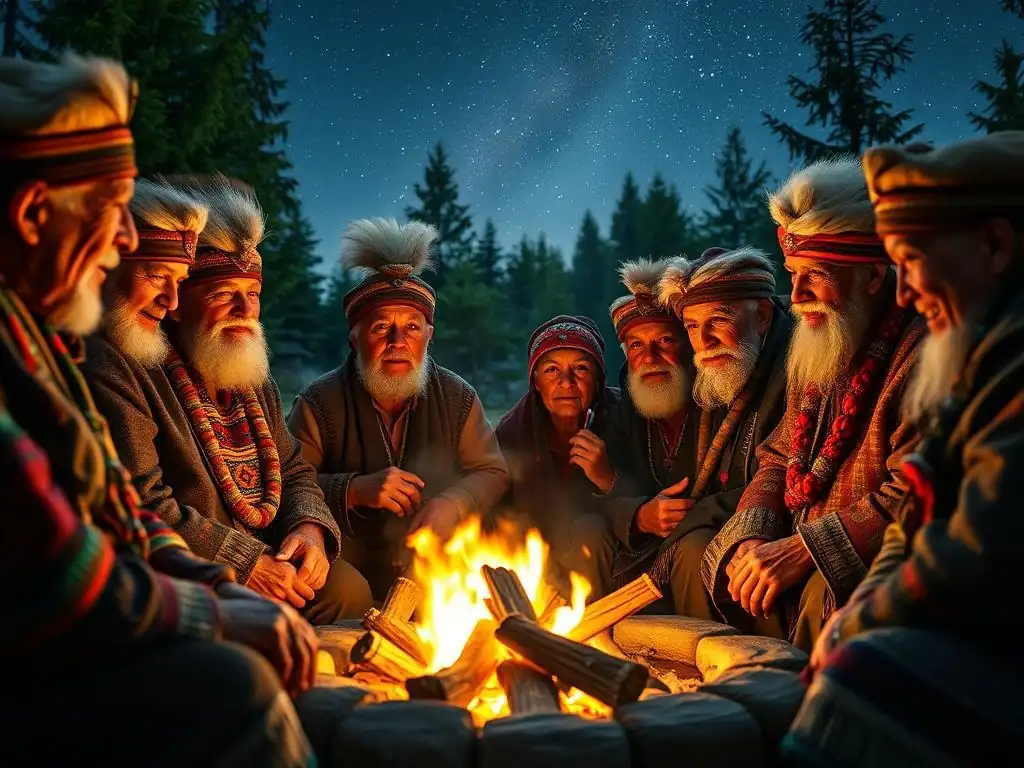
Welcome to Indigenous Civilizations of the Americas, where we invite you on a captivating journey through the rich tapestry of indigenous cultures that flourished long before European colonization. Our latest article, "10 Essential Tips for Planning Authentic Indigenous Cultural Tours," serves as your guide to experiencing these vibrant traditions firsthand. Discover how to honor the legacy and achievements of these remarkable societies while immersing yourself in their stories. Are you ready to explore the profound connections between past and present? Let’s embark on this enlightening adventure together!
- Introduction to Authentic Indigenous Cultural Tours
- Tip 1: Research Indigenous Cultures Thoroughly
- Tip 2: Connect with Indigenous Communities
- Tip 3: Choose Ethical Tour Operators
- Tip 4: Prioritize Cultural Protocols and Respect
- Tip 5: Focus on Local Guides for Authentic Insights
- Tip 6: Engage in Meaningful Activities
- Tip 7: Support Indigenous Artisans and Businesses
- Tip 8: Learn About Sustainable Practices in Indigenous Cultures
- Tip 9: Incorporate Indigenous Perspectives in Your Journey
- Tip 10: Share Your Experience Respectfully
- Conclusion: Embracing Authentic Indigenous Cultural Tours
- Frequently Asked Questions
- Final Reflection: Embracing Authenticity in Indigenous Cultural Tours
- Embrace the Journey: Plan Your Authentic Indigenous Cultural Tour Today!
Introduction to Authentic Indigenous Cultural Tours
Planning authentic Indigenous cultural tours is an enriching way to engage with the diverse traditions, histories, and perspectives of Indigenous peoples across the Americas. As travelers seek genuine experiences that transcend mere sightseeing, understanding the nuances of these cultures becomes vital. Authentic Indigenous cultural tours not only offer insights into the daily lives, spiritual practices, and artistic expressions of these communities but also foster respect and appreciation for their enduring legacies.
By prioritizing authenticity, travelers can support Indigenous economies while promoting cultural preservation and education. This article provides ten essential tips for planning tours that honor and respect Indigenous cultures, ensuring a meaningful journey for both visitors and host communities.
Understanding the Importance of Authenticity in Indigenous Tours
Authenticity in Indigenous cultural tours is crucial for several reasons:
- Cultural Integrity: Authentic tours preserve the true essence of Indigenous cultures, allowing visitors to experience traditions as they are practiced by community members.
- Community Empowerment: Engaging with local guides and artisans ensures that the economic benefits of tourism support Indigenous communities directly.
- Educational Value: Authentic experiences provide travelers with accurate representations of history and culture, fostering a deeper understanding and appreciation of Indigenous perspectives.
By prioritizing authenticity, travelers can avoid commodification and misrepresentation, ensuring that their experiences are respectful and meaningful.
The Impact of Cultural Misrepresentation on Indigenous Communities
Cultural misrepresentation can have profound effects on Indigenous communities, including:
- Erosion of Identity: When Indigenous cultures are misrepresented, it can lead to a diluted or distorted understanding of their traditions, ultimately undermining their identity.
- Economic Disadvantages: Misrepresentation often results in tourism that does not benefit the communities involved, diverting funds away from local initiatives and perpetuating stereotypes.
- Loss of Cultural Heritage: When cultural practices are commercialized or incorrectly portrayed, there is a risk of losing the authenticity of those traditions, which can diminish their significance for future generations.
It is essential for travelers to recognize these impacts and actively seek out tours that honor and reflect the true essence of Indigenous cultures. Through informed choices, travelers can contribute to the preservation and revitalization of these rich heritages.
Tip 1: Research Indigenous Cultures Thoroughly
Exploring the Rich History of Indigenous Civilizations
When planning authentic Indigenous cultural tours, it's imperative to conduct thorough research on the diverse civilizations that existed in the Americas prior to European contact. Each indigenous group has its own unique history, traditions, and contributions to the cultural tapestry of the continent. Understanding these intricacies will enrich your experience and foster respectful interactions with indigenous communities.
Indigenous civilizations such as the Maya, Inca, and Aztec, among many others, developed sophisticated societies with advanced knowledge in areas like astronomy, agriculture, and art. For instance, the Maya civilization is renowned for its remarkable achievements in mathematics and writing systems, while the Inca Empire is celebrated for its engineering feats, including the construction of Machu Picchu.
It's essential to delve into the specific histories and contemporary contexts of the indigenous groups you plan to engage with. This knowledge not only honors their legacy but also highlights the resilience and ongoing cultural practices of these communities today.
Recommended Resources for In-Depth Cultural Understanding
To facilitate your research on indigenous cultures, consider the following resources:
- Books and Academic Journals:
- "1491: New Revelations of the Americas Before Columbus" by Charles C. Mann provides compelling insights into pre-Columbian societies.
- "The Wayfinders: Why Ancient Wisdom Matters in the Modern World" by Wade Davis explores the depth of indigenous knowledge across the globe.
- Documentaries and Films:
- "In the Footsteps of the Condor" offers a visual journey into the life and traditions of the Andean people.
- "Rumble: The Indians Who Rocked the World" showcases the influence of Native American artists in the music industry.
- Online Databases and Websites:
- The National Museum of the American Indian offers a wealth of resources, including educational materials and articles on various indigenous cultures.
- Indigenous Peoples’ Literature provides a compilation of writings by indigenous authors, reflecting their perspectives and narratives.
- Cultural Centers and Organizations:
- Visiting local cultural centers can provide firsthand insights and access to workshops, events, and knowledgeable guides.
- Organizations like The Native American Rights Fund and First Nations Development Institute focus on preserving indigenous rights and cultures, offering valuable resources.
Investing time in these resources not only prepares you for a more meaningful journey but also supports the ongoing efforts to preserve and promote indigenous cultures. By approaching your trip with respect and understanding, you contribute positively to the communities you visit.
Tip 2: Connect with Indigenous Communities
Building Relationships for Authentic Experiences
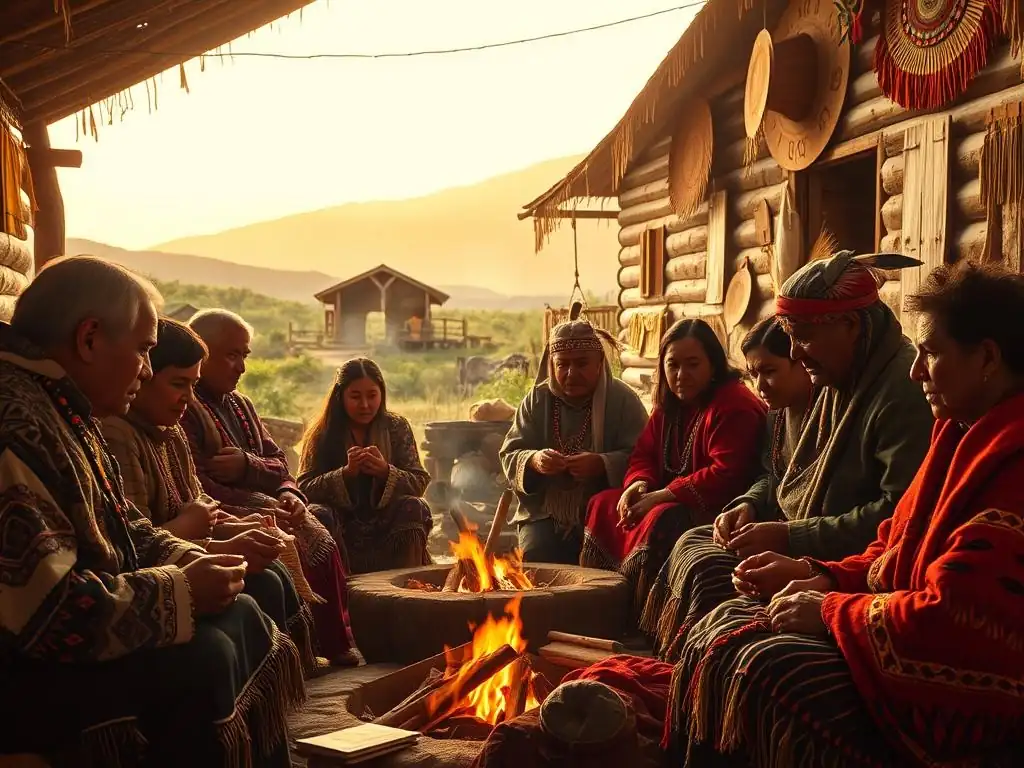
Connecting with Indigenous communities is paramount when planning authentic Indigenous cultural tours. Establishing genuine relationships can lead to richer experiences that respect and honor the traditions and narratives of these cultures. Here are some key aspects to consider:
- Engagement: Start by reaching out to local Indigenous leaders or organizations. Engaging with these communities can provide insight into their customs, languages, and histories. This engagement not only enriches the tour experience but also fosters respect and understanding between visitors and the community.
- Respect for Protocols: Each Indigenous community has its own customs and protocols. Understanding and respecting these practices is crucial. For instance, in some cultures, it is customary to seek permission before taking photographs or participating in ceremonies. Being aware of and adhering to these protocols can make a significant difference in how the community perceives visitors.
- Collaboration: Work collaboratively with Indigenous tour guides and cultural practitioners. They are the best sources of knowledge and can offer unique perspectives that enhance the authenticity of the tour. Collaborating with these individuals ensures a representation that is accurate and respectful.
- Support Local Economy: By connecting with Indigenous communities, you not only gain authentic experiences but also support their local economy. Choosing to engage with community-owned businesses, artisans, and local guides helps ensure that the economic benefits of tourism are felt directly by the community.
- Learning Opportunities: Take the time to learn about the history and struggles of the Indigenous peoples you are visiting. Understanding their context can deepen your appreciation for their culture and the significance of the experiences being offered.
Examples of Indigenous Organizations Offering Cultural Tours
Several Indigenous organizations across the Americas offer cultural tours that provide authentic insights into their heritage. Here are some notable examples:
| Organization | Location | Highlights |
|---|---|---|
| Native American Heritage Association | South Dakota, USA | Focus on Lakota culture, storytelling, and traditional crafts. |
| Cultural Survival | Multiple Locations | Offers tours led by Indigenous guides focusing on traditional practices and community resilience. |
| Kuna Yala Tour | Panama | Provides immersive experiences with the Guna people, including traditional fishing and crafts. |
| Turtle Island Tours | Ontario, Canada | Focuses on Anishinaabe culture, offering workshops on drumming and traditional foods. |
| Maya Eco Tours | Guatemala | Led by Indigenous guides, these tours emphasize the rich history of the Maya civilization and sustainable practices. |
These organizations exemplify the commitment to providing authentic Indigenous cultural tours that respect and celebrate the rich heritage of their communities. By engaging with them, travelers can ensure a meaningful and respectful exploration of Indigenous cultures in the Americas.
Tip 3: Choose Ethical Tour Operators
Choosing the right tour operator is crucial for ensuring that your experience of Indigenous cultures is respectful and authentic. Ethical tour operators prioritize the welfare of the communities they visit, ensuring that local customs and practices are honored. They also contribute to the economic sustainability of Indigenous peoples, fostering a mutually beneficial relationship between tourists and local communities. Here are some key criteria to consider when selecting a responsible tour company for your Indigenous cultural experiences.
Criteria for Selecting Responsible Tour Companies
When evaluating tour operators, consider the following criteria to ensure they align with ethical practices:
- Community Involvement
- Engagement with Local Communities: Look for operators that actively involve Indigenous communities in the planning and execution of tours. This ensures that the narratives shared are authentic and accurate.
- Profit Sharing: Check if the tour company shares a portion of their profits with local communities, supporting cultural preservation and community development.
- Cultural Sensitivity
- Respect for Traditions: Ensure that the operator educates travelers about the cultural significance of practices and artifacts. This includes understanding sacred sites and the importance of rituals.
- Training for Guides: Operators should employ Indigenous guides who are knowledgeable about their culture, ensuring that the information presented is both accurate and respectful.
- Environmental Responsibility
- Sustainable Practices: Responsible operators should implement eco-friendly practices, minimizing their environmental footprint. This includes waste management, conservation efforts, and promoting low-impact travel.
- Wildlife Conservation: Check if the tour company supports wildlife conservation initiatives that respect Indigenous land rights and preservation efforts.
- Transparent Policies
- Clear Communication: Ethical companies provide clear information about their practices, pricing, and policies. Transparency fosters trust and accountability.
- Feedback Mechanisms: Look for operators that encourage feedback from travelers and local communities, showing their commitment to continuous improvement.
By applying these criteria, you can identify ethical tour operators that offer enriching experiences while supporting Indigenous cultures.
Recommended Ethical Tour Operators for Indigenous Cultural Experiences
Below is a selection of ethical tour operators known for their commitment to authentic Indigenous cultural tours:
| Tour Operator | Description | Location |
|---|---|---|
| Indigenous Routes | Focuses on connecting travelers with Indigenous communities throughout the Americas, offering immersive experiences led by local guides. | North America |
| Cultural Survival | Works directly with Indigenous communities to promote sustainable tourism initiatives that empower local peoples. | Central and South America |
| NATIVE Tours | Provides guided tours that highlight Indigenous history, artistry, and traditions, ensuring a respectful and educational approach. | United States |
| Sacred Earth Journeys | Offers small group tours that emphasize cultural exchange and understanding of Indigenous perspectives and practices. | Various locations globally |
By choosing from these recommended operators, you can embark on authentic Indigenous cultural tours that provide meaningful insights while respecting the integrity and traditions of Indigenous communities. Remember, your choice in tour operator can have a significant impact on the preservation and appreciation of these rich cultures.
Tip 4: Prioritize Cultural Protocols and Respect
Understanding Cultural Sensitivity in Indigenous Contexts
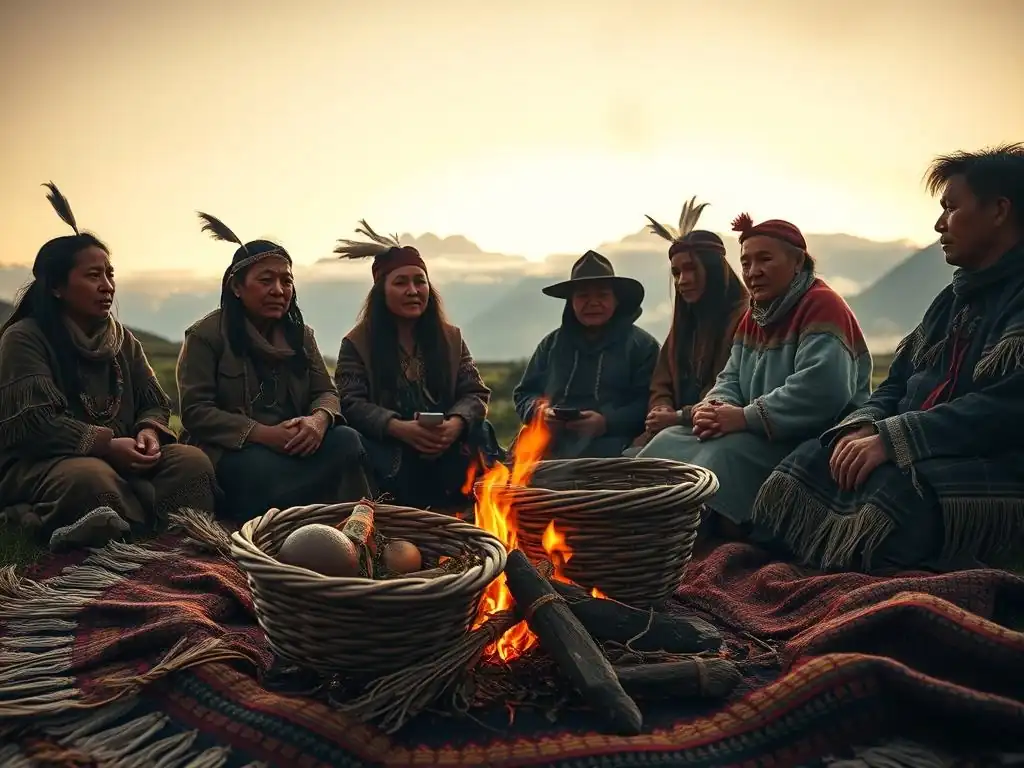
When planning authentic Indigenous cultural tours, it is crucial to understand the significance of cultural sensitivity. Different Indigenous communities have unique customs, values, and traditions that guide their social interactions and community life. Recognizing and respecting these protocols not only enhances the experience for visitors but also honors the heritage and dignity of the Indigenous peoples.
Cultural sensitivity involves an awareness of the historical context, social structures, and spiritual beliefs of Indigenous cultures. For example, many Indigenous groups have specific rituals or practices that may not be immediately apparent to outsiders. Understanding the importance of consent is vital; many communities prefer to control how their culture is shared with non-Indigenous people. Visitors should always seek permission before taking photos, recording, or sharing any cultural practices or stories.
Moreover, awareness of historical injustices, such as colonization and assimilation policies, helps in fostering respectful interactions. Acknowledging these issues allows for a deeper connection with the community and promotes healing and understanding.
Key Practices to Follow During Visits
To ensure a respectful and enriching experience during authentic Indigenous cultural tours, consider the following key practices:
- Seek Guidance: Always start by seeking guidance from local Indigenous leaders or cultural representatives. They can provide insights into appropriate behaviors and customs.
- Participate Respectfully: Engage in cultural activities with respect. Follow the lead of community members and be open to learning. If invited to participate in a ceremony, approach it with reverence.
- Respect Sacred Spaces: Many Indigenous sites hold spiritual significance. Always inquire if a location is sacred and avoid disturbing these spaces.
- Be Mindful of Language: Use inclusive language that reflects respect. Avoid stereotypes or generalizations about Indigenous cultures. Instead, refer to specific tribes or nations when discussing their histories and practices.
- Support Indigenous Businesses: Choose to support Indigenous-owned businesses for accommodations, food, and activities. This not only boosts the local economy but also ensures that the community benefits directly from your visit.
- Educate Yourself: Prior to your visit, educate yourself about the specific Indigenous culture you will be engaging with. Understanding their history, art, and traditions shows respect and enriches your experience.
- Listen Actively: During interactions, listen more than you speak. Allow Indigenous voices to share their stories and perspectives without interruption.
- Follow Photography Etiquette: Always ask for permission before taking photos of people or sacred objects. Some communities have strict rules about photography, so respect their wishes.
By prioritizing these key practices, travelers can contribute to a more respectful and meaningful dialogue between cultures, ensuring that authentic Indigenous cultural tours are not only enlightening but also enriching for both visitors and the communities they engage with.
Tip 5: Focus on Local Guides for Authentic Insights
The Value of Local Knowledge in Indigenous Tours
When planning authentic Indigenous cultural tours, one of the most significant aspects to consider is the inclusion of local guides. These individuals possess invaluable knowledge that stems from their heritage, experiences, and deep connections to the land and culture. Engaging local guides not only enriches the tour experience but also ensures that the narratives shared are genuine, reflective of the community's traditions, and respectful of its history.
Local guides are often the best interpreters of the cultural landscape. Their storytelling ability can bring to life the customs, beliefs, and historical significance of various sites. For example, a guide from the Navajo Nation may share the profound meanings behind sacred sites like Monument Valley, while a Mayan guide can provide insights into the architectural marvels of Tikal. Such perspectives are impossible to convey through traditional tourism methods, making local guides a cornerstone of authentic cultural exploration.
Moreover, employing local guides supports the community economically. The tourism revenue generated helps sustain Indigenous cultures and contributes to local development projects. This practice fosters a more equitable relationship between tourists and Indigenous communities, promoting sustainability and cultural preservation.
Highlighting Local Guides and Their Contributions
Local guides play a pivotal role in showcasing the richness of Indigenous cultures. Here are some key contributions they make to authentic Indigenous cultural tours:
- Cultural Interpretation: Local guides interpret cultural practices, rituals, and festivals, offering travelers a nuanced understanding of the community's way of life. They can explain the significance of traditional ceremonies, such as powwows or harvest festivals, and their relevance to contemporary Indigenous identity.
- Language and Communication: Many local guides are bilingual or multilingual, fluent in both their Indigenous language and the language of their visitors. This ability not only facilitates better communication but also allows for a more immersive experience, as they can share stories and songs in their native tongue, enhancing the cultural experience.
- Connection to the Land: Local guides have an intimate connection to the land, often passed down through generations. They can lead guests to hidden gems – sacred sites, traditional gathering places, and natural wonders – that are not typically found in guidebooks, providing a unique perspective on the Indigenous relationship with nature.
- Promotion of Cultural Practices: By including local artisans, musicians, and chefs in the tours, local guides can showcase contemporary Indigenous practices. Visitors may have the opportunity to participate in traditional crafts, enjoy Indigenous cuisine, or experience live performances, fostering a deeper appreciation for the culture.
- Advocacy for Indigenous Rights: Many local guides are also advocates for their communities. They can share ongoing challenges faced by Indigenous peoples, such as land rights issues or cultural preservation efforts. This education fosters awareness among tourists, encouraging them to become advocates for Indigenous rights upon returning home.
Focusing on local guides during authentic Indigenous cultural tours not only enhances the visitor experience but also promotes cultural preservation and community empowerment. Their unique insights and connections to the land and culture provide a richer, more respectful, and engaging journey through the diverse Indigenous landscapes of the Americas.
Tip 6: Engage in Meaningful Activities
Participatory Experiences that Honor Indigenous Traditions
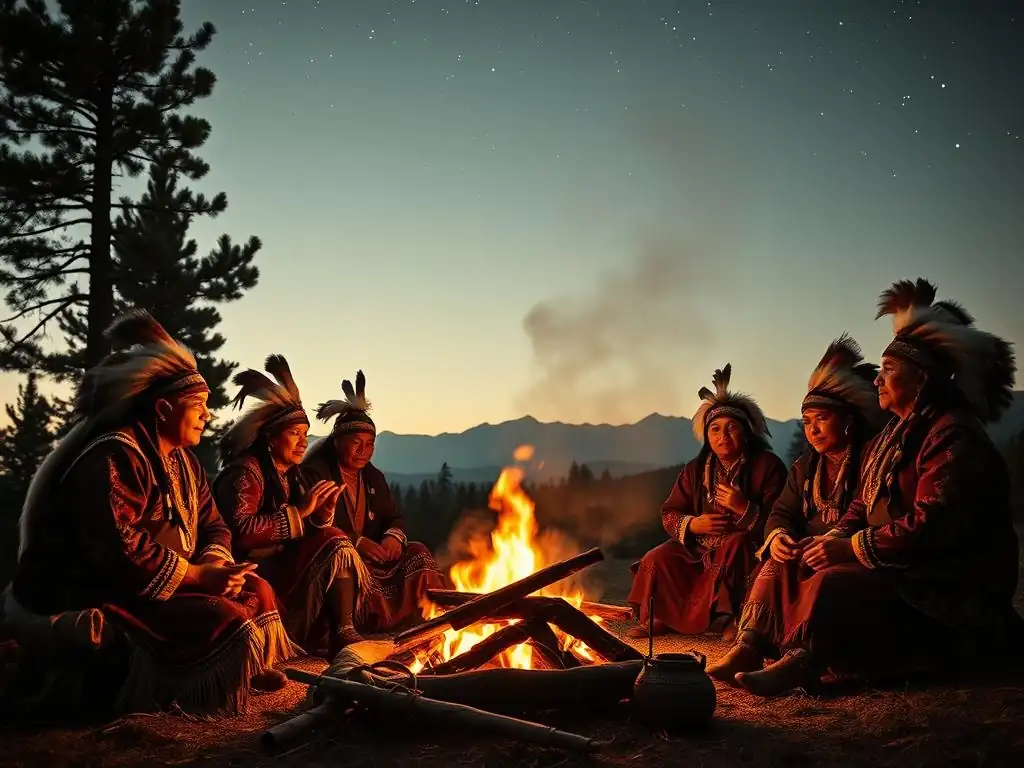
Engaging in meaningful activities is crucial for creating an authentic Indigenous cultural tour. These experiences allow visitors to connect deeply with Indigenous communities, fostering understanding and respect for their traditions. It is essential to choose activities that are not merely for entertainment but are designed to honor and reflect the Indigenous way of life.
Participatory experiences might include:
- Ceremonial Participation: Joining in traditional ceremonies, such as dances or seasonal festivals, provides insights into the spiritual and cultural practices of Indigenous peoples. However, it is vital to approach these events with respect and understanding, often requiring permission from community leaders.
- Land-Based Learning: Many Indigenous cultures have a profound connection to the land. Participating in guided walks or foraging activities allows visitors to learn about the local ecosystem, traditional land management practices, and how these practices relate to Indigenous identity.
- Cooking Classes: Engaging in traditional cooking classes can be a delightful way to experience Indigenous culture. Learning about the significance of specific ingredients and cooking methods helps to appreciate the culinary traditions that have been passed down through generations.
Examples of Activities (e.g., Traditional Craft Workshops, Storytelling Sessions)
Several activities can be included in an authentic Indigenous cultural tour to ensure a rich and immersive experience. Here are a few examples:
- Traditional Craft Workshops:
- Basket Weaving: Many Indigenous communities have unique methods of weaving baskets from local materials. Participants can learn about the cultural significance of various patterns and techniques.
- Pottery Making: Hands-on pottery workshops allow visitors to create their own pieces while learning about the historical and cultural importance of pottery in Indigenous societies.
- Storytelling Sessions:
- Oral Histories: Engaging with community elders who share traditional stories is a powerful way to understand the values, beliefs, and history of Indigenous cultures. These sessions often highlight the importance of oral traditions in preserving knowledge.
- Mythology and Legends: Exploring Indigenous myths and legends can provide insight into the worldview and cosmology of different cultures. These tales often reflect the relationship between people, nature, and the spiritual realm.
- Cultural Performances:
- Dance and Music: Attending performances by Indigenous artists can offer a glimpse into the vibrant artistic expressions of the community. These performances often convey stories and teachings that are integral to Indigenous identity.
- Art Exhibitions: Visiting local galleries or exhibitions featuring Indigenous artists allows for appreciation of contemporary expressions of culture and tradition, highlighting the ongoing relevance of Indigenous voices in the arts.
By participating in these meaningful activities, visitors can gain a deeper appreciation for Indigenous cultures and contribute to the preservation and promotion of their traditions. Engaging authentically in these experiences fosters a sense of connection and respect, essential for an enriching cultural journey.
Tip 7: Support Indigenous Artisans and Businesses
The Importance of Economic Empowerment for Indigenous Communities
Supporting Indigenous artisans and businesses plays a vital role in the economic empowerment of Indigenous communities. By choosing to purchase handcrafted goods and services directly from these communities, travelers can contribute to the sustainability of cultural practices, preserve traditional crafts, and foster a sense of pride and independence among Indigenous peoples. Economic empowerment not only helps in maintaining cultural identity but also supports education, health, and social welfare initiatives within these communities.
- Cultural Preservation: By purchasing traditional crafts, you help keep ancient techniques alive, passing them down through generations.
- Community Development: Supporting local businesses allows for reinvestment in community projects, such as schools, health clinics, and cultural centers.
- Sustainable Practices: Many Indigenous artisans utilize sustainable materials and traditional methods, promoting environmental stewardship.
Engaging with Indigenous artisans provides travelers with a deeper understanding of the cultural context behind the products, often accompanied by stories and traditions that enrich the purchasing experience.
Recommended Indigenous Artisans and Their Products
When planning an authentic Indigenous cultural tour, consider supporting the following artisans and their unique products:
| Artisan/Business Name | Region | Craft/Product Type | Description |
|---|---|---|---|
| Mary's Creations | Southwest USA | Pottery | Stunning clay pottery made using traditional techniques. Each piece reflects the natural landscape and cultural stories. |
| Navajo Weavers Guild | Navajo Nation | Textiles | Handwoven rugs and blankets featuring intricate patterns inspired by Navajo traditions. |
| Boreal Forest Crafts | Canada | Woodwork | Beautifully crafted wooden items, including totem poles and kitchenware, made from sustainably sourced wood. |
| Mapuche Artisans | Chile | Jewelry | Unique silver and stone jewelry representing Mapuche heritage and symbolism. |
| Mayan Hands | Guatemala | Textiles and Crafts | Hand-embroidered textiles and bags that reflect the vibrant colors and patterns of Mayan culture. |
By supporting these artisans, you not only acquire beautiful, meaningful items but also help sustain their communities and preserve their heritage.
Remember to engage in conversations with the artisans whenever possible; their stories and insights can enhance your understanding of the cultural significance behind their work. Supporting Indigenous artisans and businesses is an essential step towards fostering authentic Indigenous cultural tours and ensuring that the benefits of tourism reach the communities that share their rich heritage with visitors.
Tip 8: Learn About Sustainable Practices in Indigenous Cultures
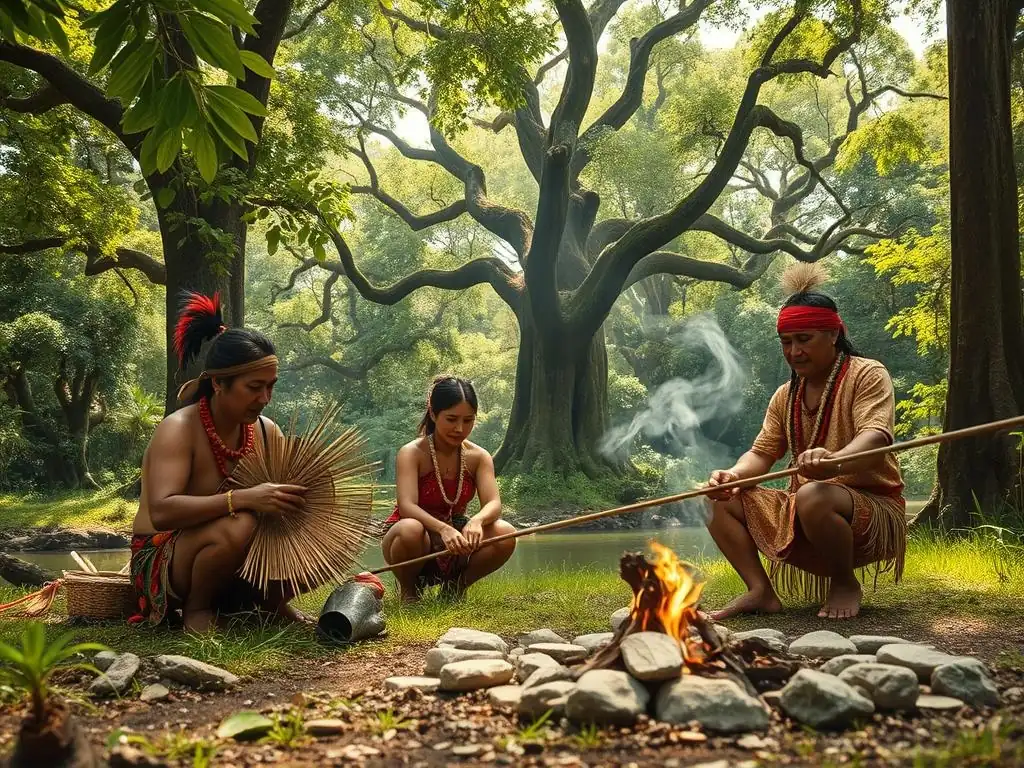
The Role of Sustainability in Indigenous Lifestyles
Sustainability has always been a cornerstone of Indigenous cultures across the Americas. For centuries, Indigenous peoples have developed intricate systems of land management, resource allocation, and community living that reflect a deep respect for nature. These practices are not merely contemporary trends; they have evolved over generations, deeply rooted in spiritual beliefs and traditional knowledge.
- Holistic Worldview: Indigenous cultures often view the world through a holistic lens, where all elements of the ecosystem—humans, animals, plants, and minerals—are interconnected. This perspective fosters a sense of responsibility toward maintaining balance and harmony within the environment.
- Traditional Ecological Knowledge (TEK): TEK encompasses the understanding and practices developed by Indigenous peoples regarding their local ecosystems. It includes knowledge about the sustainable use of resources, biodiversity conservation, and climate adaptation strategies that have been passed down orally through generations.
This worldview and understanding of sustainability are crucial when planning authentic Indigenous cultural tours. Tourists should seek to engage with local communities in ways that honor and incorporate these traditional practices, ensuring that their visit contributes positively to the preservation of Indigenous cultures and the environment.
Highlighting Sustainable Practices in Indigenous Tourism
When planning authentic Indigenous cultural tours, it is essential to highlight and support sustainable practices that Indigenous communities have developed. Here are some key elements to consider:
- Community-Based Tourism: Engaging with local Indigenous communities for tourism services ensures that the economic benefits remain within the community. This model supports local artisans, guides, and cultural preservation efforts.
- Low-Impact Activities:
- Nature Walks and Eco-Tours: Participating in guided nature walks led by Indigenous guides can provide insights into local flora and fauna while minimizing environmental impact.
- Cultural Workshops: Engaging in traditional arts, crafts, and cooking workshops not only supports local artisans but also fosters a deeper understanding of Indigenous cultures.
- Respect for Sacred Sites: Many Indigenous communities have sites of cultural and spiritual significance. Tourists should always seek permission and guidance from local leaders before visiting these sites, ensuring respect and preservation of their sacredness.
- Sustainable Accommodation: Choosing eco-friendly lodgings that employ sustainable practices—such as using renewable energy sources, conserving water, and minimizing waste—can enhance the overall impact of your trip.
- Environmental Stewardship: Participating in conservation activities, such as tree planting or wildlife monitoring, can allow tourists to give back to the land and learn about local conservation efforts firsthand.
By prioritizing these sustainable practices, travelers can ensure that their experiences are not only enriching but also contribute to the ongoing vitality and resilience of Indigenous cultures. Engaging in authentic Indigenous cultural tours fosters a mutual respect and understanding that can lead to a more sustainable future for all involved.
Tip 9: Incorporate Indigenous Perspectives in Your Journey
Incorporating Indigenous perspectives into your travel experience is essential for fostering a deeper understanding of the cultures you are exploring. This means engaging with local communities, learning from Indigenous voices, and recognizing the ways in which their worldviews and spiritual connections shape their lives and practices.
Understanding Worldviews and Spiritual Connections
Indigenous cultures in the Americas are rich with unique worldviews that inform their relationship with nature, community, and spirituality. These perspectives often emphasize a deep connection to the land, recognizing it as a living entity that sustains life and bears cultural significance.
- Holistic Understanding: Indigenous worldviews tend to view life as interconnected. This contrasts with Western perspectives that often compartmentalize elements of existence. Understanding this holistic approach can enrich your experience and appreciation of Indigenous cultures.
- Spiritual Practices: Many Indigenous groups maintain spiritual practices that are deeply tied to their environment. For instance, rituals may be performed to honor the earth, the water, and the spirits of ancestors. Participating in or observing these ceremonies can provide profound insights into the cultural significance of these practices.
- Storytelling Traditions: Oral traditions are central to Indigenous cultures, serving as a means of passing down knowledge, history, and values. Engaging with local storytellers can offer a more personal connection to the culture and its teachings.
- Cultural Protocols: Each Indigenous group has its own set of protocols regarding how to interact with their traditions and knowledge. It is important to approach these cultures with respect and an open mind, acknowledging their sovereignty and authority over their heritage.
By embracing these perspectives, you can transform your travel experience from a mere visit into a meaningful journey that respects and honors Indigenous cultures.
Suggested Readings and Materials for Deeper Insights
To further enhance your understanding of Indigenous perspectives, consider exploring the following readings and materials:
| Title | Author | Description |
|---|---|---|
| Braiding Sweetgrass | Robin Wall Kimmerer | A blend of Indigenous wisdom and scientific knowledge about the natural world. |
| The Heartbeat of Wounded Knee | David Treuer | A comprehensive history that highlights the resilience of Native American cultures post-colonization. |
| Indigenous Peoples: A Global History | Various Authors | A collection that examines the global impact and history of Indigenous peoples. |
| An Indigenous Peoples' History of the United States | Roxanne Dunbar-Ortiz | A critical examination of American history from an Indigenous perspective. |
| The Sacred Hoop: Recovering the Feminine in American Indian Traditions | Paula Gunn Allen | Explores the role of women in Indigenous cultures and their spiritual significance. |
These resources can serve as valuable tools in preparing for your authentic Indigenous cultural tour, ensuring that you approach your journey with knowledge and respect.
Incorporating Indigenous perspectives not only enriches your travel experience but also helps support Indigenous communities and fosters a greater appreciation for their cultural heritage. By taking the time to learn and engage with these perspectives, you honor the rich tapestry of Indigenous civilizations that have shaped the Americas.
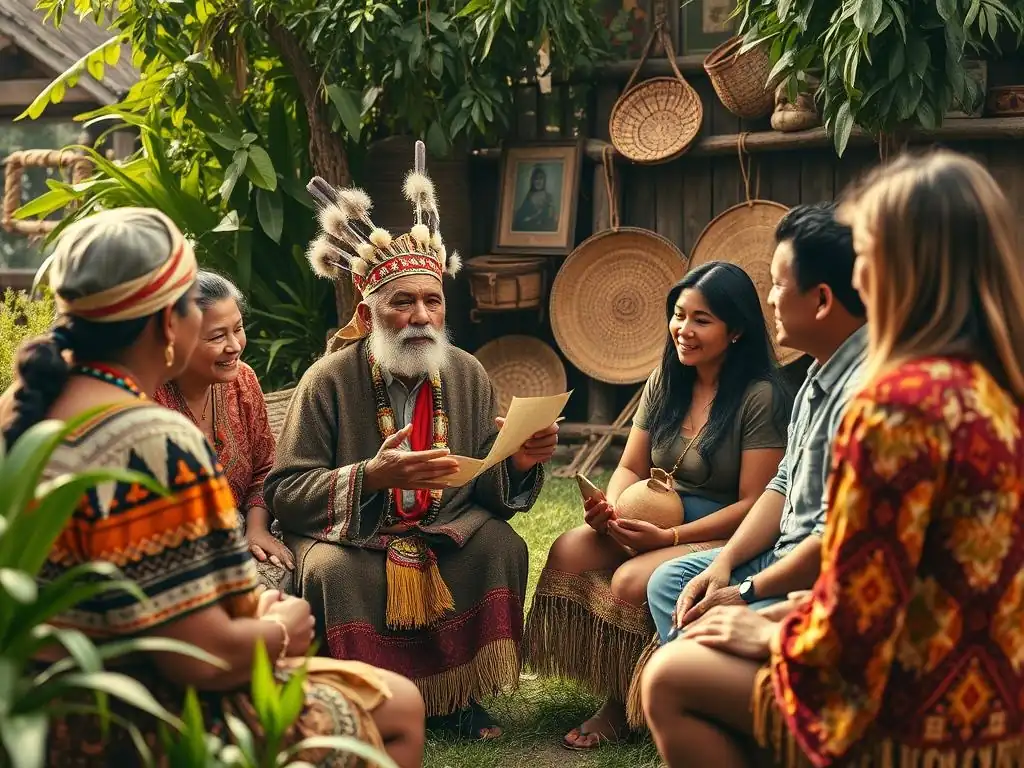
The Importance of Advocacy and Awareness
When embarking on Authentic Indigenous cultural tours, it's crucial to recognize the responsibility that comes with sharing your experiences. Advocacy and awareness play a significant role in promoting understanding and respect for Indigenous cultures. Engaging with these communities is not just about observation; it’s about amplifying their voices and stories. Here are some key points to consider:
- Understanding Context: Before sharing your experiences, educate yourself about the historical and contemporary issues that Indigenous communities face. This knowledge empowers you to speak thoughtfully and respectfully.
- Cultural Sensitivity: Recognize that some aspects of Indigenous cultures may be sacred or sensitive. Sharing these experiences requires careful consideration, ensuring that you do not perpetuate stereotypes or misrepresent their significance.
- Support Indigenous Initiatives: Advocate for policies and practices that support the rights and recognition of Indigenous peoples. This could involve promoting local artisans, participating in community-led tours, or supporting Indigenous-led businesses.
By prioritizing advocacy and awareness, you not only enrich your own understanding but also contribute to a broader movement that respects and uplifts Indigenous narratives.
Sharing your journey after an Authentic Indigenous cultural tour can be rewarding, but it must be done with thoughtfulness and respect. Here are some practical tips to ensure that you honor Indigenous voices in your storytelling:
- Use Respectful Language:
- Always refer to Indigenous peoples as they identify themselves. This may vary by community, so do your research. For example, instead of using blanket terms like "Native Americans," refer to specific tribes or nations.
- Highlight Indigenous Perspectives:
- Center your stories around the voices and experiences of Indigenous people. For instance, when discussing a cultural practice, provide direct quotes or insights from your tour guides or community members.
- Acknowledge Your Position:
- Be transparent about your identity and position as a visitor. Acknowledge any privileges you hold and how they intersect with the experiences of Indigenous peoples.
- Promote Indigenous Art and Culture:
- If you wish to share photos or videos, ensure that they depict Indigenous art and culture respectfully. Attribute the work to its creators and offer context about its significance.
- Create a Dialogue:
- Encourage conversations around your experiences. This can be done through social media platforms or community forums. Invite feedback from Indigenous individuals and be open to learning from their perspectives.
By following these guidelines, you can effectively share your journey while honoring the diverse cultures and histories of Indigenous peoples. This respectful approach fosters deeper connections and promotes a more nuanced understanding of the richness of Indigenous civilizations in the Americas.
Conclusion: Embracing Authentic Indigenous Cultural Tours
Embracing authentic Indigenous cultural tours allows travelers to connect deeply with the rich heritage and traditions of Indigenous communities. These experiences go beyond mere sightseeing; they foster understanding, respect, and appreciation for the diverse cultures that have thrived in the Americas for millennia. By choosing to engage in responsible tourism practices, travelers not only enrich their own lives but also contribute positively to the communities they visit. This mutual benefit highlights the importance of thoughtful planning and ethical considerations when embarking on such journeys.
The Lasting Impact of Responsible Tourism on Indigenous Communities
Responsible tourism is essential in ensuring that the cultural integrity of Indigenous communities is preserved and respected. When tourists engage in authentic Indigenous cultural tours, they create opportunities for economic growth and cultural exchange. Here are some key impacts of responsible tourism:
- Economic Empowerment:
- Indigenous communities often rely on tourism as a vital source of income. Funds generated through cultural tours can help sustain local economies, providing resources for education, healthcare, and infrastructure.
- Cultural Preservation:
- Authentic tours support the preservation of traditional practices, languages, and arts. By participating in these experiences, visitors help sustain cultural expressions that might otherwise be lost.
- Community Engagement:
- Responsible tourism encourages collaboration between visitors and Indigenous peoples. Engaging local guides and artisans not only enriches the tourist experience but also strengthens community ties.
- Environmental Stewardship:
- Many Indigenous cultures have a profound connection to the land. By promoting sustainable practices in tourism, travelers can learn about and support environmental conservation efforts led by Indigenous communities.
Engaging in authentic Indigenous cultural tours can lead to a transformative experience for both tourists and hosts, ensuring that the benefits of tourism are shared and that Indigenous voices are heard and respected.
Encouraging Respectful Exploration and Continuous Learning
Respectful exploration of Indigenous cultures involves a commitment to understanding and honoring the traditions, values, and histories of the communities encountered. Here are some strategies to encourage this respectful approach:
- Research Before You Go:
- Familiarize yourself with the specific Indigenous cultures you will visit. Understanding their history, struggles, and current issues can foster a deeper appreciation for their way of life.
- Ask Questions Thoughtfully:
- Engage with community members and ask questions that show genuine interest in their culture. However, be mindful of personal boundaries and the sensitivity of certain topics.
- Support Local Artisans and Businesses:
- Purchase handmade crafts and products directly from Indigenous artisans. This not only supports the local economy but also helps preserve traditional crafts and skills.
- Participate in Cultural Workshops:
- Join workshops led by Indigenous people, such as traditional cooking, weaving, or storytelling. This hands-on experience promotes learning and respect for their heritage.
- Reflect on Your Experience:
- After your tour, take time to reflect on what you learned and how it has influenced your perspective. Consider sharing your experiences and insights with others to promote awareness and understanding.
By committing to these practices, travelers can ensure that their journeys contribute to a meaningful dialogue between cultures and foster ongoing appreciation for the rich tapestry of Indigenous civilizations in the Americas. Embracing authentic Indigenous cultural tours not only enriches individual lives but also plays a crucial role in the preservation and celebration of Indigenous heritage.
Frequently Asked Questions
What are Authentic Indigenous cultural tours?
Authentic Indigenous cultural tours are experiences designed to immerse visitors in the rich traditions, histories, and lifestyles of Indigenous peoples, showcasing their unique cultures and contributions.
How can I ensure my tour is authentic?
To ensure your tour is authentic, look for operators who are Indigenous-owned or collaborate with local communities to provide genuine insights into their cultural practices and beliefs.
What should I expect during an Authentic Indigenous cultural tour?
During an authentic tour, you can expect hands-on experiences such as traditional crafts, storytelling sessions, and opportunities to participate in ceremonial practices, enhancing your understanding of Indigenous life.
Why is it important to support Indigenous cultural tourism?
Supporting Indigenous cultural tourism helps preserve and promote Indigenous cultures, providing economic benefits to communities while fostering mutual respect and understanding between travelers and Indigenous peoples.
Are there specific cultural protocols to follow on these tours?
Yes, it is important to respect cultural protocols, which may include seeking permission before taking photos, being mindful of sacred sites, and participating in activities with an open heart and mind.
Final Reflection: Embracing Authenticity in Indigenous Cultural Tours
In an era where cultural sensitivity and authenticity are more crucial than ever, planning authentic Indigenous cultural tours is not just a trend but a responsibility. As we navigate through a world increasingly aware of the importance of representation and respect, the significance of these tours transcends mere tourism; they become a bridge for understanding and reconciliation. By prioritizing authentic experiences, we not only honor Indigenous cultures but also enrich our own perspectives, fostering a deeper connection to the land and its stories.
The impact of authentic Indigenous cultural tours resonates far beyond the immediate experience; it shapes our societal narrative and cultural appreciation. These tours serve as a vital means of preserving Indigenous heritage and educating visitors about the rich traditions and histories that have often been overlooked. As we engage with these communities, we contribute to a larger movement of respect and recognition. Culture is the soul of a people, and when we share it, we share a part of ourselves.
This quote encapsulates the essence of what it means to participate in these tours: a mutual exchange that enriches both the visitor and the host.
As you reflect on the insights shared in this article, consider how you can actively participate in this movement towards authenticity and respect. Take the time to seek out genuine experiences, support Indigenous-led initiatives, and engage with the stories of the land and its people. Your journey can be a powerful catalyst for change, fostering understanding and appreciation that extends beyond your travels. Embrace the opportunity to learn, connect, and contribute to a more inclusive future, where every cultural exchange is rooted in respect and authenticity.
Embrace the Journey: Plan Your Authentic Indigenous Cultural Tour Today!
Thank you for taking the time to explore the essential tips for planning an authentic Indigenous cultural tour! Your commitment to understanding and respecting Indigenous cultures is key to fostering genuine connections and enriching your travel experiences. Now, let’s put that knowledge into action!
Here’s how you can start your journey toward an enriching cultural adventure:
- Start by researching Indigenous communities you wish to visit; learn about their traditions, values, and customs to lay the groundwork for a respectful experience.
- Connect with Indigenous tour operators who prioritize authenticity and community engagement—this choice supports local economies and ensures your experience is immersive.
- Share your newfound insights with friends and family! Encourage them to join you on this journey or inspire them to learn more about Indigenous cultures through your experiences.
As you reflect on these steps, consider this: What unique aspects of Indigenous culture are you most excited to explore on your upcoming tour? Share your thoughts below!