
Culinary Traditions of the Indigenous Peoples: A Taste of Ancient South America

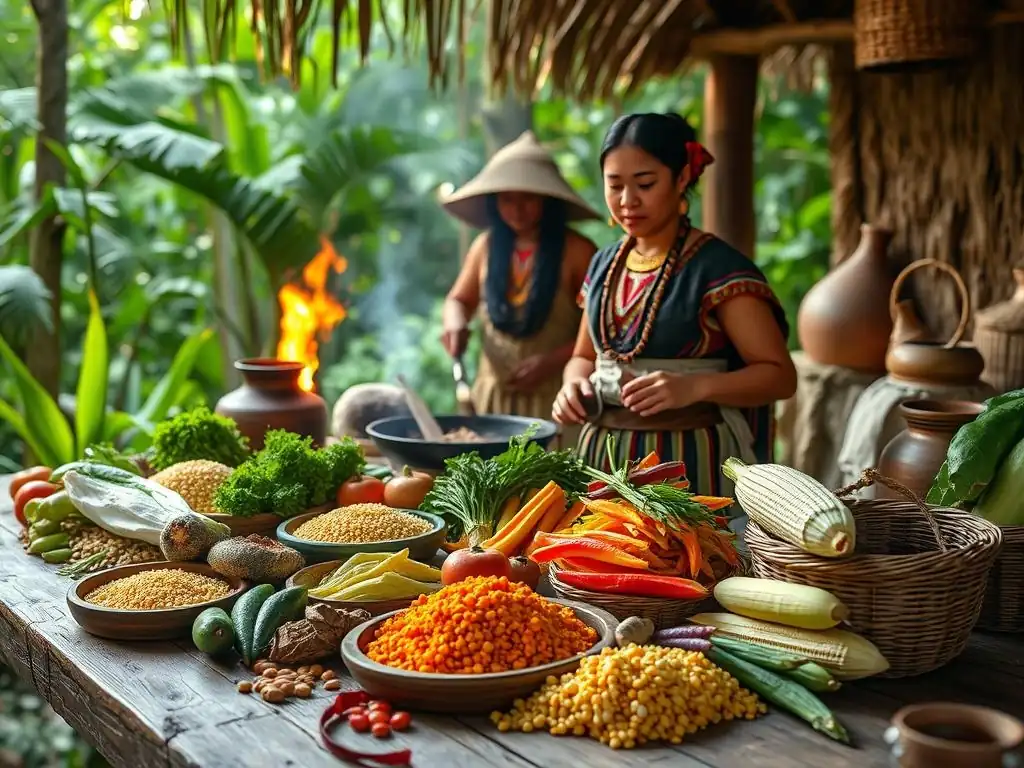
Welcome to Indigenous Civilizations of the Americas, where we invite you to embark on a remarkable journey through the rich tapestry of diverse indigenous cultures that flourished long before European contact. In our featured article, “Culinary Traditions of the Indigenous Peoples: A Taste of Ancient South America,” we delve into the vibrant and intricate indigenous culinary traditions of South America, showcasing how these age-old practices not only tantalize the palate but also weave together stories of community, sustainability, and deep reverence for the land.
Prepare to be intrigued as we uncover the flavors and histories that continue to shape the cultural landscape of the Americas today. Join us as we explore these fascinating traditions and discover the legacy that lives on through food.
Introduction to Indigenous Culinary Traditions in South America
The culinary traditions of the indigenous peoples of South America offer a rich tapestry of flavors, techniques, and cultural significance that have developed over thousands of years. Before the arrival of European colonizers, diverse groups such as the Inca, Mapuche, Guarani, and many others cultivated a profound relationship with their environment, leading to the creation of unique dishes that reflect their agricultural practices, spiritual beliefs, and social structures.
These indigenous culinary traditions not only highlight the importance of local ingredients but also reveal the intricate knowledge of the land that these communities possessed. From the cultivation of staple crops like maize, potatoes, and quinoa to the use of herbs and spices that enhance the natural flavors of food, the indigenous peoples of South America have laid the foundation for what we now recognize as traditional South American cuisine.
Moreover, these culinary practices have left a lasting impact on contemporary food culture, influencing modern chefs and home cooks alike. By exploring the indigenous culinary traditions of South America, we gain insight not only into the flavors and techniques that have shaped regional dishes but also into the cultural narratives and histories that continue to resonate today.
In this article, we will delve into the various aspects of indigenous culinary traditions in South America, uncovering their historical significance, regional variations, and the enduring legacy they impart on modern gastronomy. Join us as we embark on a flavorful journey through time, celebrating the rich heritage and vibrant tastes of ancient South America.
- What are the indigenous culinary traditions of South America?
- How have indigenous culinary traditions influenced modern South American cuisine?
- What role do local ingredients play in indigenous cooking?
- Are there specific cooking techniques unique to indigenous peoples of South America?
- How can one experience indigenous culinary traditions today?
Historical Context of Indigenous Culinary Traditions
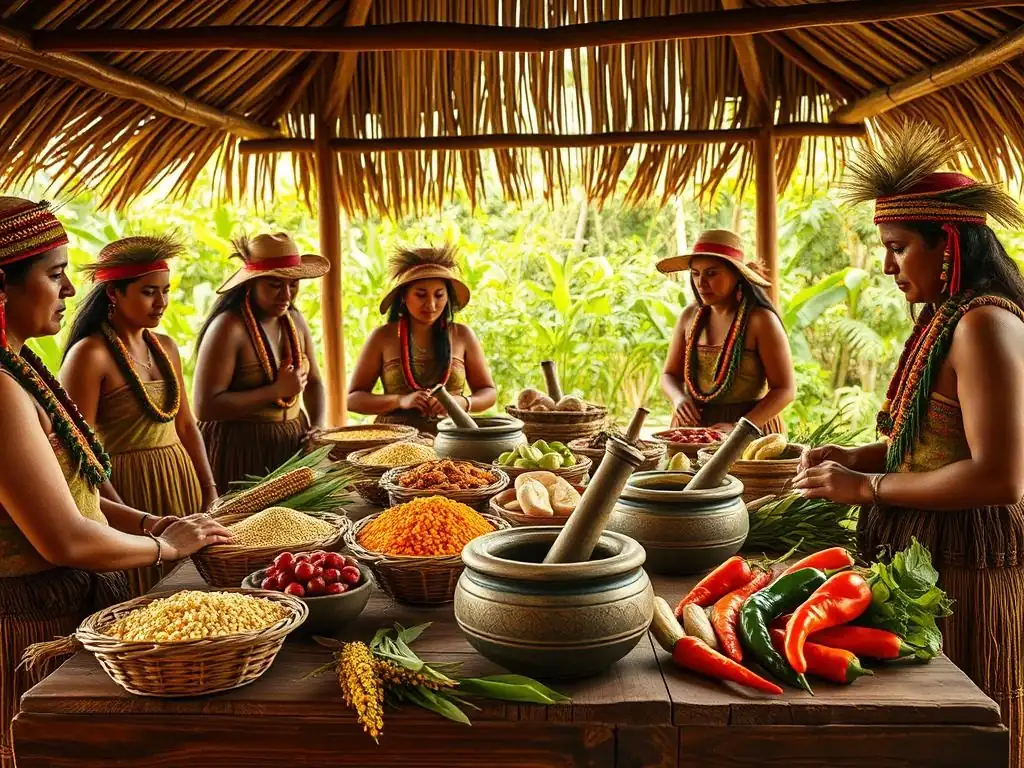
The culinary traditions of indigenous peoples in South America are deeply rooted in their historical context, encompassing thousands of years of agricultural development, cultural exchange, and adaptation to diverse environments. Before European colonization, these civilizations cultivated a rich tapestry of flavors, techniques, and ingredients that reflect their understanding of the land and its resources. This historical context lays the foundation for understanding the intricate culinary traditions that have survived and evolved over centuries.
Ancient Agricultural Practices
Indigenous peoples in South America displayed remarkable ingenuity in agriculture, laying the groundwork for their culinary traditions. The domestication of key crops played a pivotal role in shaping their diets and societies. Notable examples include:
- Maize (corn): One of the most significant crops, maize was cultivated by various cultures, particularly the Andean and Mesoamerican civilizations. It served as a staple food, utilized in dishes like arepas and tamales.
- Potatoes: The Andean region is renowned for its vast diversity of potatoes, with over 4,000 varieties documented. Indigenous peoples developed sophisticated methods to cultivate and preserve potatoes, leading to dishes like papas a la huancaína.
- Quinoa: Revered by the Inca as a sacred grain, quinoa is high in protein and has been a vital part of the diet in the Andes. It is often used in soups, salads, and traditional dishes such as quinoa pilaf.
These agricultural practices were not merely about sustenance; they were intertwined with spirituality, social organization, and trade. The Inca Empire, for example, established extensive agricultural systems that included terracing and irrigation, allowing them to thrive in the harsh Andean climate. The concept of “ayni,” or reciprocity, was fundamental, where communities worked together to cultivate and share resources, reinforcing social bonds and collective identity.
Traditional Cooking Techniques
The cooking techniques employed by indigenous peoples of South America are as diverse as the cultures themselves, reflecting their relationship with the environment and available resources. Key traditional methods include:
- Baking in Earth Ovens:
- Many communities utilized “huatia” or earth ovens, where food is wrapped in leaves and buried in hot coals, creating a slow-cooking environment. This method is still practiced today for cooking meats, tubers, and other ingredients.
- Steaming:
- Steaming is a prevalent technique, particularly in the Amazon, where ingredients are often wrapped in palm leaves and placed over boiling water. This method preserves the flavors and nutrients of the food.
- Fermentation:
- Fermentation has been crucial in various indigenous diets, leading to the creation of beverages like chicha, a fermented corn drink. This technique not only enhances flavors but also extends the shelf life of ingredients.
- Roasting:
- Roasting over an open flame is a common method for preparing meats and vegetables. This technique imparts a unique flavor and is often used during communal gatherings and celebrations.
- Use of Indigenous Spices and Herbs:
- Traditional cooking is characterized by the use of native spices and herbs, such as aji (hot pepper), coriander, and aji amarillo. These ingredients add depth and complexity to dishes, showcasing the culinary creativity of indigenous cultures.
The preservation of these cooking techniques reflects the resilience of indigenous culinary traditions in South America. Today, many of these practices are celebrated and revived as part of a broader movement to honor and preserve the rich heritage of indigenous foodways, making them an essential part of cultural identity and culinary tourism in the region.
Regional Variations in Indigenous Culinary Traditions
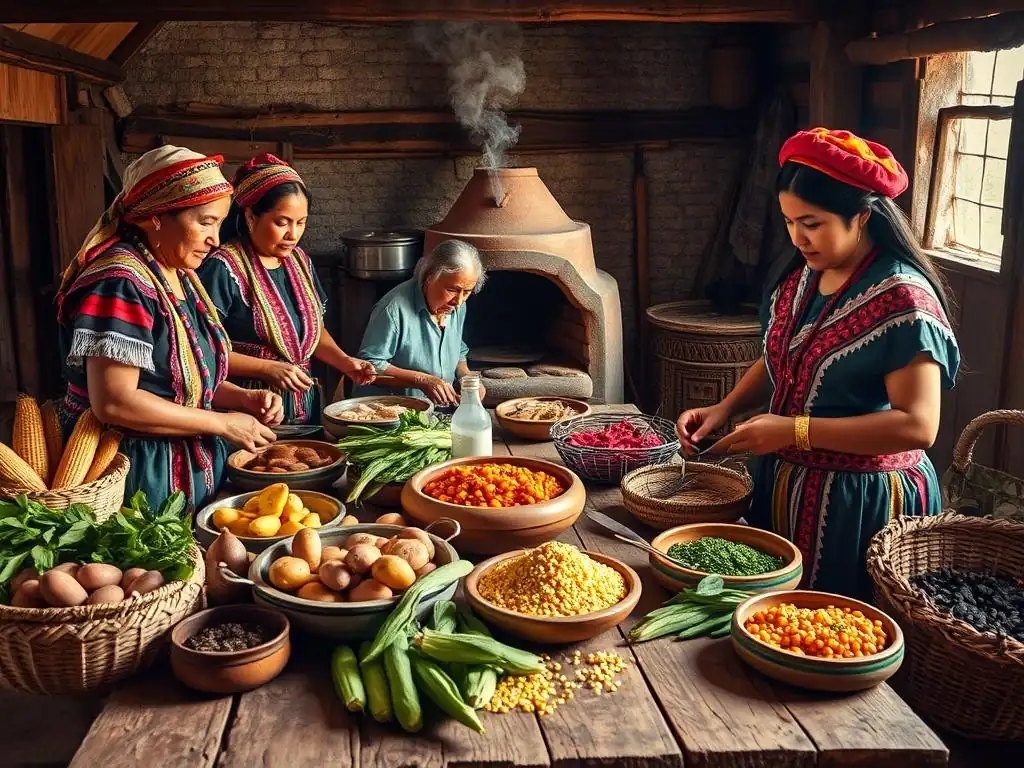
The culinary traditions of indigenous peoples in South America are as diverse as the landscapes they inhabit. Each region boasts unique ingredients, cooking methods, and cultural significance, reflecting the rich tapestry of indigenous life prior to European colonization. This section delves into the distinct culinary practices found in three major regions: the Amazon, the Andes, and Patagonia, highlighting how geography has shaped their foodways.
Amazonian Culinary Practices
The Amazon rainforest, with its lush biodiversity, has provided indigenous peoples with a wealth of resources to create a vibrant culinary tradition.
- Key Ingredients:
- Cassava: A staple in many Amazonian diets, cassava is processed into flour, tapioca, or consumed as boiled roots.
- Fish: The Amazon River and its tributaries are rich in fish, which are often smoked, dried, or grilled.
- Fruits and Nuts: Fruits like açaí, camu camu, and nuts such as Brazil nuts play a crucial role in nutrition and trade.
- Cooking Techniques:
- Chicha Preparation: Many Amazonian tribes create chicha, a fermented beverage made from cassava or maize, through a traditional process that involves mastication and fermentation.
- Pit Cooking: Some communities utilize pit cooking for communal feasts, where meats and tubers are wrapped in leaves and buried with hot stones.
Amazonian culinary practices are deeply intertwined with spiritual beliefs, where certain foods are considered sacred and are used in rituals and celebrations. This connection to the land and its resources underscores the importance of sustainability in indigenous food traditions.
Andean Culinary Heritage
The Andes, home to several indigenous cultures such as the Quechua and Aymara, present a rich culinary landscape shaped by altitude and climate diversity.
- Key Ingredients:
- Potatoes: Originating from the Andean region, over 4,000 varieties of potatoes are cultivated, showcasing the agricultural innovation of these communities.
- Quinoa: This ancient grain is not only a staple but also a source of pride, revered for its nutritional value and versatility.
- Corn (Maize): Integral to Andean diets, maize is used in various forms, from tamales to chicha.
- Cooking Techniques:
- Pachamanca: A traditional Andean technique that involves cooking meats and vegetables in an underground oven, utilizing hot stones and earth to create a unique flavor profile.
- Drying and Fermentation: Indigenous peoples often dry foods such as potatoes (chuño) and ferment grains, preserving them for long periods and enhancing flavors.
Andean culinary heritage reflects a profound respect for Pachamama (Mother Earth), with many dishes prepared during festivals honoring the earth’s bounty. This connection to land and spirituality is evident in the communal nature of Andean meals, often shared during significant cultural events.
Patagonian and Coastal Culinary Traditions
The southern regions of South America, including Patagonia and coastal areas, have developed unique culinary practices influenced by both the ocean and the harsh landscapes.
- Key Ingredients:
- Seafood: Fish and shellfish, including salmon and mussels, are vital sources of nutrition, often prepared fresh or smoked.
- Wild Game: Hunting has traditionally provided communities with protein sources like guanaco and deer, which are often dried or stewed.
- Berries: Native berries such as calafate and maqui are harvested for their rich flavor and nutritional benefits.
- Cooking Techniques:
- Asado: A traditional method of cooking meat over an open fire, reflecting both the communal aspect of meals and the importance of meat in coastal diets.
- Preservation: Indigenous peoples utilize smoking and drying techniques to preserve fish and meats, ensuring year-round access to these crucial resources.
The culinary traditions of Patagonia and the coastal regions are characterized by a strong connection to the environment, with a focus on seasonal and local ingredients. This reliance on natural resources showcases indigenous peoples’ adaptability and deep understanding of their ecosystems.
The indigenous culinary traditions in South America are a testament to the ingenuity and cultural richness of its peoples. Each region's unique practices reflect a profound relationship with the land, resources, and spirituality, offering a taste of the past that continues to thrive today.
Key Ingredients in Indigenous Culinary Traditions
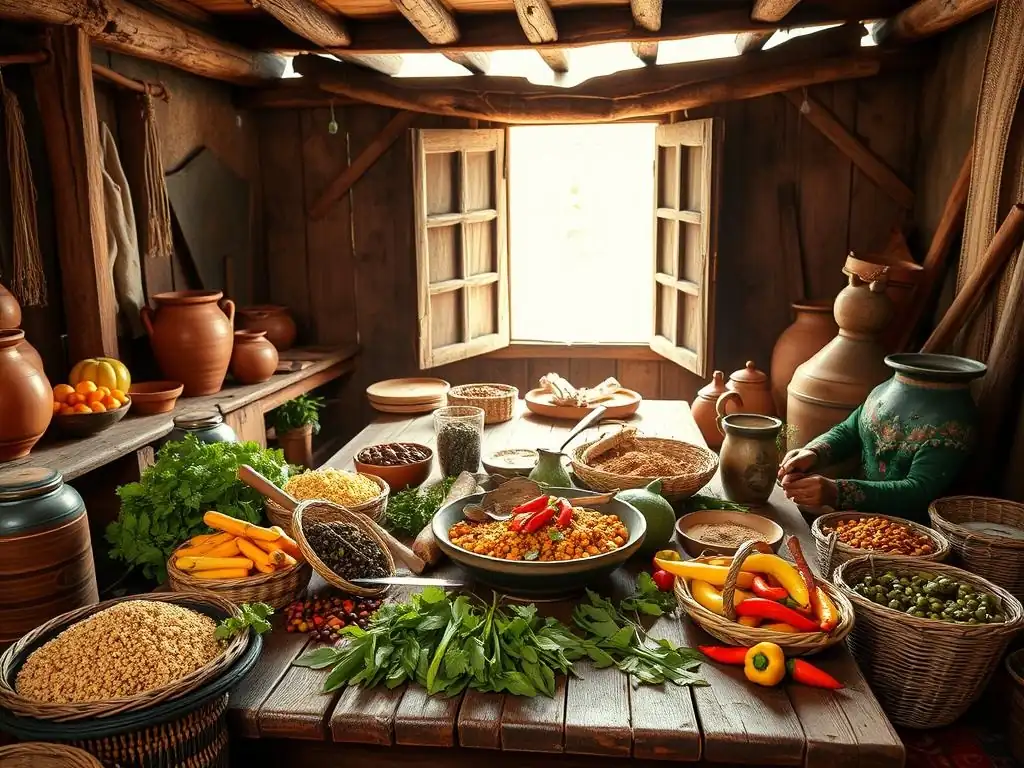
The culinary traditions of indigenous peoples in South America are deeply rooted in the region's diverse ecosystems. This rich tapestry of flavors and techniques reflects the unique agricultural practices, hunting methods, and cultural beliefs that have been passed down through generations. Understanding these key ingredients provides insight into the broader context of indigenous culinary traditions in South America.
Native Plants and Their Uses
Indigenous culinary traditions in South America are characterized by a profound connection to native plants, many of which have been cultivated and utilized for centuries. Here are some of the most significant native plants and their culinary uses:
- Maize (Zea mays):
- A staple in many indigenous diets, maize is used to make a variety of dishes, including tortillas, tamales, and beverages like chicha.
- Different regions have their own varieties, such as the colorful maíz chulpe in Peru, which is prized for its flavor.
- Quinoa (Chenopodium quinoa):
- This ancient grain is not only nutritious but also versatile, serving as a base for salads, soups, and side dishes.
- Quinoa has been cultivated in the Andes for over 5,000 years and is celebrated for its high protein content.
- Potatoes (Solanum tuberosum):
- With thousands of varieties originating from the Andes, potatoes are a fundamental ingredient in many dishes.
- Traditional preparations include pachamanca, where potatoes are cooked underground with hot stones, infusing them with unique flavors.
- Aji (Capsicum):
- Various types of chili peppers, known as aji, add heat and depth of flavor to indigenous dishes.
- A notable example is aji amarillo, used in sauces, stews, and ceviche.
- Cacao (Theobroma cacao):
- Revered by ancient cultures, cacao was used in ceremonial drinks and is the foundation for chocolate.
- Indigenous peoples often consumed it as a bitter beverage, sometimes mixed with spices and honey.
- Yuca (Manihot esculenta):
- Also known as cassava, yuca is a starchy root vegetable that can be boiled, fried, or processed into flour for various dishes.
- It is particularly important in northern South America and is a staple among indigenous communities.
These native plants not only form the backbone of indigenous culinary traditions but also illustrate the sustainable practices that have been developed over centuries to maintain ecological balance and food security.
Animal Husbandry and Hunting Practices
In addition to plant-based ingredients, indigenous culinary traditions in South America are enriched by diverse animal husbandry and hunting practices that reflect the region's rich biodiversity. Here are some key practices and their culinary implications:
- Llama and Alpaca Herding:
- In the Andean regions, llamas and alpacas are raised for their meat, wool, and transportation.
- The meat is often prepared as charqui, a form of jerky that has been traditionally dried and preserved for long journeys.
- Fish and Seafood:
- Coastal and riverine indigenous groups rely heavily on fish and seafood as significant dietary staples.
- Techniques such as smoking or drying fish help preserve the catch, allowing for year-round consumption.
- Hunting Wild Game:
- Hunting practices vary widely, from the use of bows and arrows to traps and nets, depending on the environment and available resources.
- Traditional dishes may include game such as wild turkey, deer, and various small mammals, often cooked in stews or roasted with local herbs.
- Domestication of Birds:
- Indigenous peoples have also domesticated birds such as ducks and guinea fowl, which provide eggs and meat.
- These birds contribute to the dietary diversity and are often featured in traditional celebrations.
- Insects and Other Edibles:
- In certain regions, insects like ants and larvae are considered delicacies, rich in protein and nutrients.
- These foods are usually harvested sustainably, showcasing the indigenous relationship with the land.
The integration of animal husbandry and hunting practices into culinary traditions highlights the adaptive strategies of indigenous peoples in South America. Their methods not only ensure food security but also preserve cultural heritage through traditional cooking techniques and communal meals.
By exploring these key ingredients and practices, we gain a deeper appreciation for the indigenous culinary traditions of South America, which continue to thrive and evolve while maintaining a profound connection to ancestral knowledge and the environment.
The Influence of Indigenous Culinary Traditions Today
The culinary traditions of indigenous peoples in South America have left an indelible mark on modern cuisine, influencing not only local dishes but also global gastronomy. These traditions are rooted in millennia of agricultural practices, resource management, and a profound connection to the land. Indigenous culinary practices have introduced unique flavors, ingredients, and techniques that continue to resonate in contemporary cooking.
Reviving Ancient Recipes in Modern Cuisine
In recent years, there has been a growing movement to revive ancient indigenous recipes, showcasing the rich flavors and diverse ingredients that characterized pre-colonial diets in South America. Chefs and home cooks alike are turning to traditional methods and indigenous ingredients such as:
- Quinoa: Once a staple of the Andean diet, quinoa is now celebrated worldwide for its nutritional value and versatility.
- Amaranth: This ancient grain is known for its high protein content and is being incorporated into modern dishes.
- Chicha: A traditional fermented beverage made from maize, chicha is being reimagined in contemporary cocktail culture.
These ingredients not only enhance the flavors of modern dishes but also serve as a bridge connecting contemporary diners to indigenous cultures. Restaurants focused on indigenous culinary traditions are sprouting across South America, offering menus that feature dishes like pachamanca (a traditional Andean dish cooked underground) and ceviche made with local fish varieties, showcasing the depth and diversity of indigenous gastronomy.
Culinary Tourism and Experiences
Culinary tourism is emerging as a key aspect of cultural journeys in South America, allowing travelers to engage directly with indigenous culinary traditions. Tour operators are curating immersive experiences that include:
- Cooking Classes: Visitors can learn to prepare traditional dishes using indigenous ingredients, guided by local chefs who share their ancestral knowledge.
- Farm-to-Table Experiences: Tours to indigenous farms allow tourists to participate in harvesting traditional crops, providing insight into sustainable agricultural practices that have been passed down through generations.
- Food Festivals: Events celebrating indigenous cuisines, such as the annual Festival de la Cocina Peruana, highlight the importance of these culinary traditions and foster appreciation for their cultural significance.
These experiences not only support the preservation of indigenous culinary traditions but also encourage a deeper understanding of the diverse cultural heritage of South America. Travelers leave with a newfound appreciation for the flavors and stories behind the food, enriching their overall cultural journey.
By embracing and promoting indigenous culinary traditions, we honor the contributions of South America's original peoples and ensure that their rich culinary heritage continues to thrive in the modern world.
Frequently Asked Questions
What are the indigenous culinary traditions of South America?
The indigenous culinary traditions of South America encompass a variety of ancient cooking techniques and ingredients that have been passed down through generations, showcasing the diversity of local cultures and ecosystems.
How have indigenous culinary traditions influenced modern South American cuisine?
Many contemporary dishes in South America have been shaped by indigenous culinary traditions, incorporating native ingredients such as quinoa, potatoes, and corn, which are fundamental to the region's gastronomy.
What role do local ingredients play in indigenous cooking?
Local ingredients are central to indigenous culinary traditions, as they reflect the ecosystems and agricultural practices of the region, promoting sustainability and cultural heritage through food.
Are there specific cooking techniques unique to indigenous peoples of South America?
Yes, indigenous peoples of South America employ unique cooking techniques such as stone boiling, smoking, and fermentation, which not only enhance flavors but also preserve nutritional value.
How can one experience indigenous culinary traditions today?
Experiencing indigenous culinary traditions today can involve visiting local markets, participating in cooking workshops, or dining at restaurants that focus on authentic indigenous dishes and ingredients.
Final Reflection: Embracing the Richness of Indigenous Culinary Traditions
The culinary traditions of Indigenous Peoples in South America are not just remnants of the past; they are vibrant, living practices that continue to shape our understanding of food and culture today. In a world increasingly dominated by fast food and globalization, these ancient traditions remind us of the importance of sustainability, community, and respect for the land. The flavors, techniques, and stories behind Indigenous cuisine offer a profound connection to history and identity, urging us to appreciate the depth and diversity of our culinary heritage.
The impact of these culinary traditions extends far beyond the kitchen; they influence social dynamics, cultural identity, and environmental stewardship. As we explore the rich tapestry of Indigenous foods, we uncover lessons in resilience and adaptability that resonate in our modern lives. Food is not just sustenance; it is a way of life, a means of connection to our ancestors and the earth.
This sentiment encapsulates the essence of Indigenous culinary practices, which celebrate the relationship between people and nature, fostering a sense of belonging and responsibility.
As we reflect on the importance of Indigenous culinary traditions, let us take a moment to consider how we can incorporate these lessons into our daily lives. I invite you to explore these flavors, engage with local Indigenous communities, and support sustainable practices that honor their heritage. By doing so, we not only enrich our palates but also contribute to the preservation of these invaluable traditions for future generations. Embrace the opportunity to learn, taste, and connect—because every meal can be a celebration of history, culture, and community.
Savor the Legacy: Dive into Indigenous Culinary Traditions!
Thank you for exploring the rich and vibrant culinary traditions of Indigenous peoples in South America. We hope you’ve gained valuable insights into how these ancient practices continue to shape our world today. Now, it's time to take action and explore these flavors yourself!
Here are some steps you can take to deepen your appreciation for Indigenous cuisines:
- Try your hand at a traditional recipe: Select a dish that resonates with you and gather the necessary ingredients to create it in your kitchen. Experience the unique flavors and honor the traditions firsthand!
- Join a local cooking class or workshop: Search for opportunities in your community that focus on Indigenous cooking. Not only will you learn new techniques, but you will also connect with fellow food enthusiasts who share your passion.
- Share your experiences: Document your culinary journey on social media or a blog. Engage with Indigenous chefs or organizations to help spread awareness and celebrate these incredible traditions.
What dish or ingredient from Indigenous culinary traditions intrigues you the most, and how do you plan to incorporate it into your cooking? Share your thoughts below!