
Generational Trauma: The Psychological Impact of Conquest on Indigenous Communities

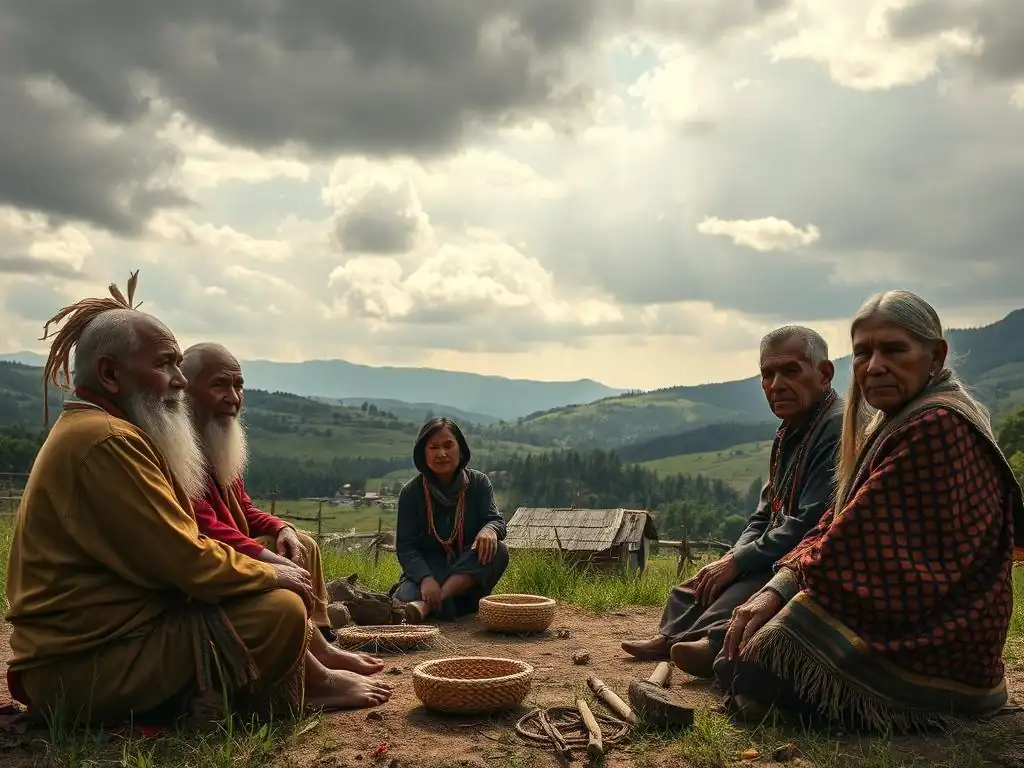
Welcome to Indigenous Civilizations of the Americas, where we invite you to embark on a profound journey through the rich tapestry of pre-colonial cultures that flourished across the continent. Here, we delve into the intricate achievements and vibrant societies that shaped the lives of Indigenous peoples long before European intervention.
In our featured article, “Generational Trauma: The Psychological Impact of Conquest on Indigenous Communities,” we tackle the complex psychological effects of colonization—a topic that reveals not only the resilience of these communities but also the lasting scars left by conquest. Prepare to uncover stories that resonate through time, sparking curiosity and prompting reflection as you explore the indelible impact of history on present-day Indigenous cultures.
- Introduction to Generational Trauma in Indigenous Communities
- Historical Context of Conquest and Colonization
- The Psychological Effects of Colonization on Indigenous Communities
- Case Studies of Psychological Trauma in Indigenous Communities
- Coping Mechanisms and Resilience in Indigenous Communities
- The Importance of Recognizing and Addressing Generational Trauma
- Conclusion: Moving Forward from Generational Trauma
-
Frequently Asked Questions
- What is generational trauma in the context of indigenous communities?
- How did colonization specifically affect indigenous psychological well-being?
- Are there any efforts to address generational trauma in indigenous populations today?
- How does the psychological impact of conquest differ among various indigenous cultures?
- What role does cultural identity play in mitigating the psychological effects of colonization?
- Final Reflection: Understanding the Psychological Effects of Colonization
- Heal, Empower, and Reconnect Today!
Introduction to Generational Trauma in Indigenous Communities
Generational trauma is a profound and complex phenomenon that has significantly affected indigenous communities across the Americas since the onset of European colonization. This article delves into the psychological effects of colonization, examining how the violent disruptions of cultural, social, and familial structures have reverberated through generations.
The legacy of conquest has not only resulted in immediate suffering but has also instilled deep-seated emotional and psychological scars that persist today. By exploring the intricate interplay between historical events and contemporary mental health issues, we aim to shed light on the resilience of these communities and the ongoing struggle to heal from the traumas of their past.
Understanding the Concept of Generational Trauma
Generational trauma refers to the transmission of the emotional and psychological effects of trauma from one generation to the next. In the context of indigenous communities, this concept is particularly relevant, as the experiences of colonization, forced assimilation, and cultural erasure have left indelible marks on the collective psyche. Key aspects of generational trauma include:
- Historical Context: The traumatic experiences faced by indigenous peoples during colonization, such as violence, displacement, and loss of land, create a foundation for ongoing psychological distress.
- Cultural Disruption: The dismantling of traditional practices and community structures leads to a loss of identity and belonging, which can manifest in various mental health challenges.
- Intergenerational Transmission: Children of trauma survivors often inherit the emotional pain and coping mechanisms of their parents, perpetuating a cycle of trauma that can affect multiple generations.
Understanding these elements is crucial in addressing the mental health disparities prevalent in indigenous communities today.
Overview of the Psychological Effects of Colonization
The psychological effects of colonization are multifaceted and can be observed across various dimensions of indigenous life. Some notable impacts include:
- Mental Health Disorders: Indigenous populations often experience higher rates of depression, anxiety, and PTSD compared to non-indigenous groups. Studies show that historical trauma is a significant contributing factor to these mental health issues.
- Substance Abuse: The trauma associated with colonization has been linked to increased rates of substance abuse as individuals may turn to drugs or alcohol as a coping mechanism for their pain.
- Social Isolation: Many indigenous individuals report feelings of alienation and isolation, stemming from the loss of cultural ties and community support networks that were integral to their ancestral ways of life.
- Identity Struggles: The forced assimilation policies and cultural erasure have led to identity crises among many indigenous peoples, resulting in a disconnect from their heritage and traditions.
- Resilience and Healing: Despite these challenges, there is a growing movement within indigenous communities to reclaim cultural practices and promote healing through traditional methods, fostering resilience and hope for future generations.
By acknowledging and addressing the psychological effects of colonization, we can better understand the ongoing challenges faced by indigenous communities and support their journey towards healing and recovery.
Historical Context of Conquest and Colonization
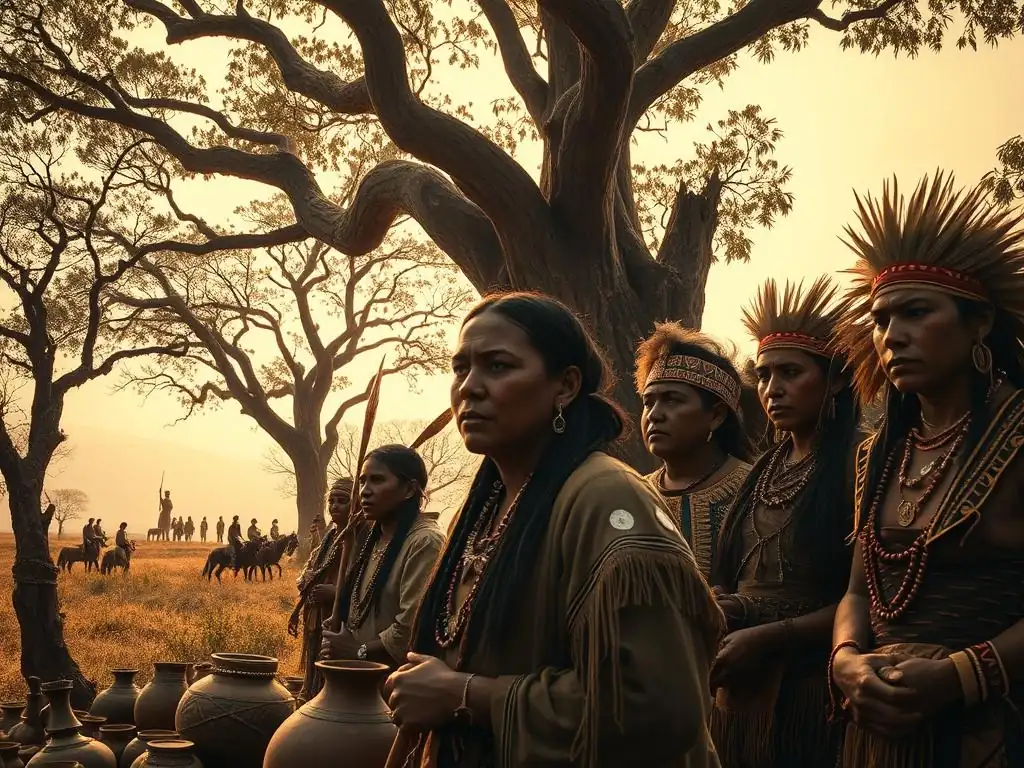
The arrival of European powers in the Americas during the late 15th and early 16th centuries marked a significant turning point in the history of indigenous civilizations. This era was characterized by the exploration, conquest, and eventual colonization of vast territories inhabited by diverse cultures and societies. The psychological effects of colonization on indigenous communities were profound and multifaceted, manifesting in various ways that continue to resonate today.
The Arrival of European Powers in the Americas
The first encounters between European explorers and indigenous populations initiated a series of events that dramatically altered the course of history. Notable figures such as Christopher Columbus, Hernán Cortés, and Francisco Pizarro led expeditions that resulted in the conquest of established civilizations like the Aztecs and Incas.
- Cultural Disruption: The introduction of European ideologies and practices disrupted traditional ways of life. Indigenous peoples faced challenges as their beliefs, languages, and social structures were undermined.
- Violence and Disease: The use of military force, coupled with the spread of diseases like smallpox, decimated indigenous populations. These factors led to significant loss of life and cultural heritage.
The psychological trauma from these initial encounters was immediate, as communities grappled with the violence inflicted upon them and the loss of their loved ones.
Initial Psychological Impact on Indigenous Peoples
The initial psychological impact of colonization can be understood through several critical lenses:
- Loss of Identity: As European powers asserted dominance, many indigenous peoples experienced a profound loss of identity. Traditional roles within their communities were challenged, leading to feelings of dislocation and confusion.
- Cultural Suppression: Efforts to suppress indigenous languages and practices resulted in a disconnection from ancestral heritage.
- Internalized Oppression: Many indigenous individuals began to internalize the negative stereotypes perpetuated by colonizers, contributing to a diminished sense of self-worth.
- Grief and Mourning: The loss of family members and community leaders due to violence and disease created a pervasive environment of grief.
- Collective Trauma: The shared experience of loss fostered a collective trauma that permeated generations, affecting mental health and community cohesion.
- Fear and Insecurity: The abrupt change in power dynamics instilled a sense of fear and insecurity among indigenous populations.
- Survival Instincts: Many communities were forced to adopt survival tactics in response to the threat posed by colonizers, which often included distrust of outsiders and heightened vigilance.
Long-term Effects of Conquest on Indigenous Societies
The long-term psychological effects of colonization have created enduring challenges for indigenous communities. These effects can be categorized into several key areas:
- Intergenerational Trauma: The psychological scars left by conquest have been transmitted across generations, affecting the mental health of subsequent descendants.
- Coping Mechanisms: Communities often develop coping mechanisms that can include substance abuse, depression, and anxiety as means of dealing with unresolved trauma.
- Cultural Resilience: Despite the challenges, many indigenous societies have shown remarkable resilience.
- Cultural Revival: Efforts to revive traditional practices, languages, and community structures have emerged as powerful tools for healing and identity reclamation.
- Socioeconomic Disparities: Colonization has resulted in lasting socioeconomic inequalities that continue to affect indigenous communities today.
- Educational Gaps: Limited access to education and healthcare has perpetuated cycles of poverty and disadvantage, exacerbating the psychological effects of colonization.
The psychological effects of colonization are deeply rooted in the historical context of conquest. Understanding these impacts is crucial for fostering healing and promoting cultural revitalization among indigenous communities, as they navigate the legacies of their past while striving for a more equitable future.
The Psychological Effects of Colonization on Indigenous Communities
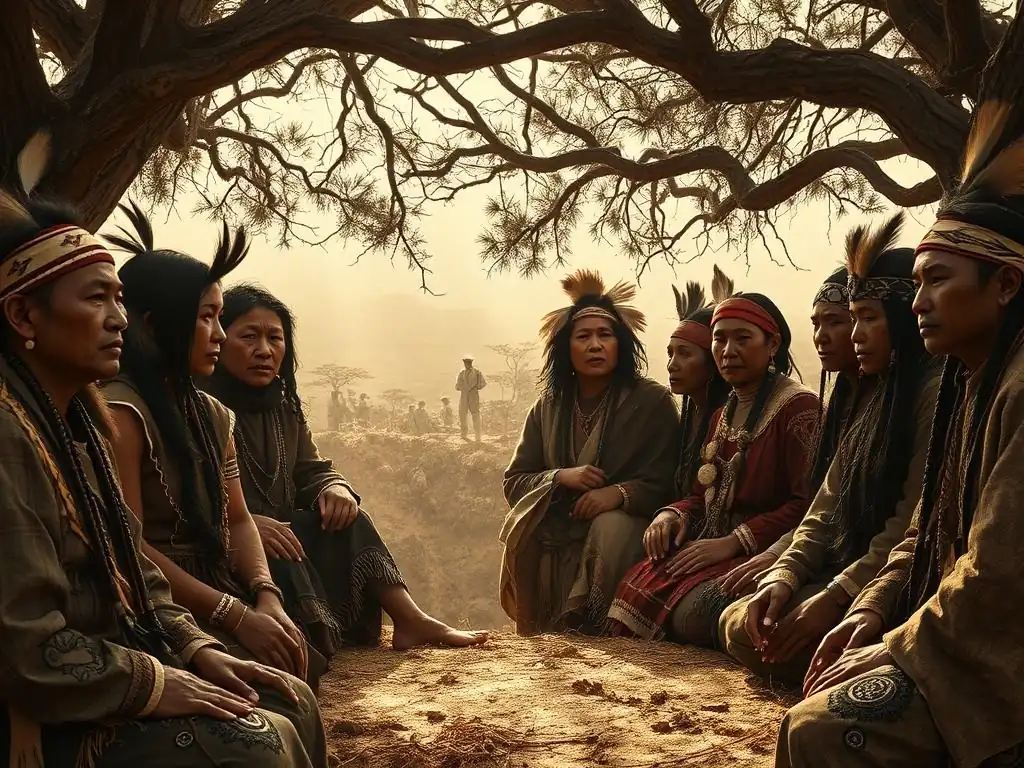
The psychological effects of colonization on Indigenous communities have been profound and multifaceted, leading to complex intergenerational trauma that persists to this day. This trauma is not merely a reflection of historical events but is deeply embedded in the collective consciousness of Indigenous peoples, manifesting in various mental health issues, community fragmentation, and a loss of cultural identity. Understanding these psychological effects is crucial in addressing the ongoing struggles faced by Indigenous populations in the Americas.
Overview of Psychological Trauma in Colonized Societies
Psychological trauma in colonized societies often stems from a combination of violent conquest, systemic oppression, and cultural erasure. The initial experiences of trauma, such as massacres, forced relocations, and the disruption of traditional ways of life, have long-lasting consequences. Studies indicate that the psychological impacts can include:
- Post-Traumatic Stress Disorder (PTSD): Many Indigenous individuals exhibit symptoms of PTSD due to the historical trauma experienced by their ancestors.
- Depression and Anxiety: Colonization has led to increased rates of depression and anxiety among Indigenous peoples, often exacerbated by socio-economic challenges.
- Substance Abuse: The disconnection from cultural practices and the imposition of foreign societal norms can result in substance abuse as a coping mechanism.
The concept of historical trauma, introduced by Dr. Maria Yellow Horse Brave Heart, emphasizes how the collective memories of trauma affect the mental health of contemporary Indigenous populations. This trauma is often transmitted across generations, resulting in a cycle of psychological distress.
Cultural Disruption and Its Psychological Consequences
Cultural disruption caused by colonization is a significant factor contributing to the psychological effects on Indigenous communities. The imposition of foreign cultures, religions, and social structures led to the dismantling of traditional practices. Key psychological consequences include:
- Loss of Cultural Identity: As Indigenous peoples were forced to abandon their cultural practices and beliefs, many experienced a profound sense of loss. This disconnection from culture can lead to feelings of alienation and identity confusion.
- Interpersonal Relationships: The breakdown of traditional social structures has affected familial and community relationships. Colonization has disrupted kinship ties, leading to weakened social support systems.
- Resilience and Adaptation: Despite these challenges, many Indigenous communities demonstrate remarkable resilience. Efforts to revive cultural practices and languages serve as a form of psychological healing and community rebuilding.
Studies have shown that cultural revitalization can mitigate some of the psychological impacts of colonization by fostering a sense of pride and belonging.
Loss of Language and Identity: Psychological Ramifications
Language is a crucial aspect of cultural identity, and its loss has severe psychological implications for Indigenous communities. The suppression of Indigenous languages during colonization has led to:
- Identity Crisis: Language loss often results in a disconnection from cultural heritage, leading to an identity crisis among younger generations who may struggle to understand their roots.
- Cognitive Impact: Research suggests that loss of language can affect cognitive development and emotional well-being. Individuals may find it challenging to express themselves and their experiences, leading to frustration and isolation.
- Cultural Transmission: Language carries cultural knowledge, traditions, and values. When a language is lost, so too is the ability to pass down this knowledge, affecting community cohesion and continuity.
Efforts to revitalize Indigenous languages are gaining momentum and are seen as a critical step in healing from the psychological effects of colonization. Initiatives focusing on language immersion programs have provided tangible benefits, fostering pride and reinforcing cultural identity.
The psychological effects of colonization on Indigenous communities are deeply rooted in historical trauma, cultural disruption, and the loss of language and identity. Addressing these issues through cultural revitalization and mental health support is essential for healing and resilience among Indigenous peoples.
Intergenerational Transmission of Trauma
The intergenerational transmission of trauma is a profound phenomenon observed in many Indigenous communities affected by colonization. This process refers to how the psychological effects of trauma experienced by one generation can be passed down to subsequent generations, often leading to a cycle of mental health issues, substance abuse, and social dysfunction.
Mechanisms of Transmission
The mechanisms through which trauma is transmitted across generations are complex and multifaceted. They can include:
- Psychological Impact: Parents who have experienced trauma may exhibit symptoms of mental health disorders such as depression and anxiety. This can lead to altered parenting styles, where emotional unavailability, neglect, or overprotectiveness becomes common, impacting children's development and attachment styles.
- Cultural Disruption: Colonization often resulted in the disruption of cultural practices, languages, and traditions. When these cultural elements are lost, the sense of identity and belonging is compromised, which can lead to feelings of shame and inadequacy in subsequent generations.
- Social and Economic Factors: Systemic inequalities, such as poverty and lack of access to healthcare and education, can exacerbate the psychological effects of colonization. These factors can create environments where trauma is a shared experience, further embedding it within the community.
Evidence of Intergenerational Trauma
Research has demonstrated the presence of intergenerational trauma among Indigenous populations. Studies show that descendants of those who experienced historical traumas, such as residential schools in Canada or forced removal policies in the United States, exhibit higher rates of mental health issues compared to their non-Indigenous counterparts. For instance, children of parents who faced these traumatic experiences are more likely to struggle with anxiety disorders, depression, and substance abuse.
Healing and Resilience
Despite the pervasive effects of intergenerational trauma, many Indigenous communities are actively working towards healing. Efforts include:
- Cultural Revitalization: Reviving traditional practices, languages, and ceremonies can help restore a sense of identity and community. This cultural engagement is crucial for healing and resilience.
- Community Support Programs: Initiatives that focus on mental health support, family counseling, and community-building activities provide safe spaces for individuals to share their experiences and foster healing.
- Education and Awareness: Promoting understanding of the historical context of trauma helps communities and allies recognize the lasting impacts of colonization. This awareness can pave the way for advocacy and policy changes aimed at supporting Indigenous mental health.
The intergenerational transmission of trauma underscores the lasting psychological effects of colonization on Indigenous communities. Recognizing and addressing these effects is essential for fostering healing and resilience in future generations.
Case Studies of Psychological Trauma in Indigenous Communities
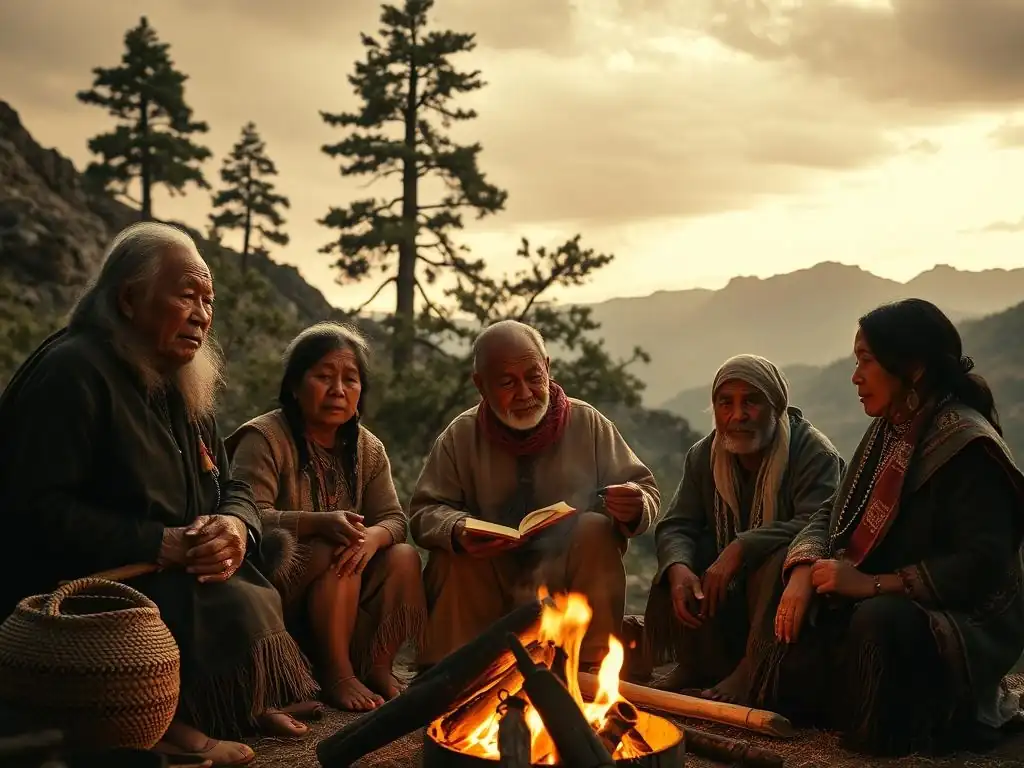
Case Study 1: The Cherokee Nation
Historical Background of the Cherokee Nation
The Cherokee Nation, one of the largest Native American tribes in the United States, has a rich history that predates European contact. Originally inhabiting the southeastern parts of what is now the United States, the Cherokee developed sophisticated social structures, with a written language and a constitution. The arrival of European settlers in the 18th century initiated a series of traumatic events, beginning with land dispossession, forced assimilation, and culminated in the infamous Trail of Tears in the 1830s, where thousands of Cherokees were forcibly removed from their ancestral lands to present-day Oklahoma.
Psychological Impact of Colonization on the Cherokee Nation
The psychological effects of colonization on the Cherokee Nation are profound and multifaceted. The forced removal led to immense grief and loss, as families were torn apart and communities disbanded. Survivors of the Trail of Tears experienced a collective trauma that has persisted through generations. Research indicates that this historical trauma contributes to various mental health issues within the community today, including depression, anxiety, and substance abuse.
The concept of historical trauma suggests that the psychological scars left by the traumatic events of colonization impact not just the individuals who lived through them but also subsequent generations. This phenomenon is characterized by feelings of hopelessness, disconnection from cultural identity, and chronic stress, which can hinder the community's healing process and resilience.
Case Study 2: The Lakota Sioux
Historical Context and Conquest
The Lakota Sioux, part of the larger Sioux Nation, inhabited the Great Plains of North America. Their way of life was deeply intertwined with the buffalo herds, which were central to their culture and sustenance. The arrival of European settlers and the westward expansion of the United States in the 19th century led to violent clashes, resulting in significant loss of life and land.
The Battle of Little Bighorn in 1876 is one of the most notable conflicts, where the Lakota, along with other tribes, defeated U.S. forces. However, this victory was short-lived, as subsequent military campaigns resulted in the forced confinement of the Lakota to reservations.
Long-term Psychological Effects Observed in the Lakota Sioux
The long-term psychological effects of colonization on the Lakota Sioux are evident in both individual and community health. The loss of land, culture, and autonomy has created a legacy of trauma that manifests in various mental health challenges, including intergenerational trauma. Studies show that members of the Lakota community experience higher rates of PTSD, depression, and suicidal ideation compared to the general population.
Moreover, the cultural dislocation and loss of traditional practices contribute to feelings of alienation and despair among the Lakota youth. Efforts to reclaim cultural identity, through language revitalization and traditional ceremonies, are seen as vital steps toward healing. Such initiatives not only address the psychological impacts of colonization but also strengthen community ties and resilience, fostering a renewed sense of purpose and belonging.
By examining the psychological effects of colonization through these case studies, we can gain deeper insight into the complex interplay between historical trauma and contemporary mental health challenges faced by Indigenous communities. Understanding these dynamics is crucial for developing effective support systems and promoting healing within these populations.
Coping Mechanisms and Resilience in Indigenous Communities
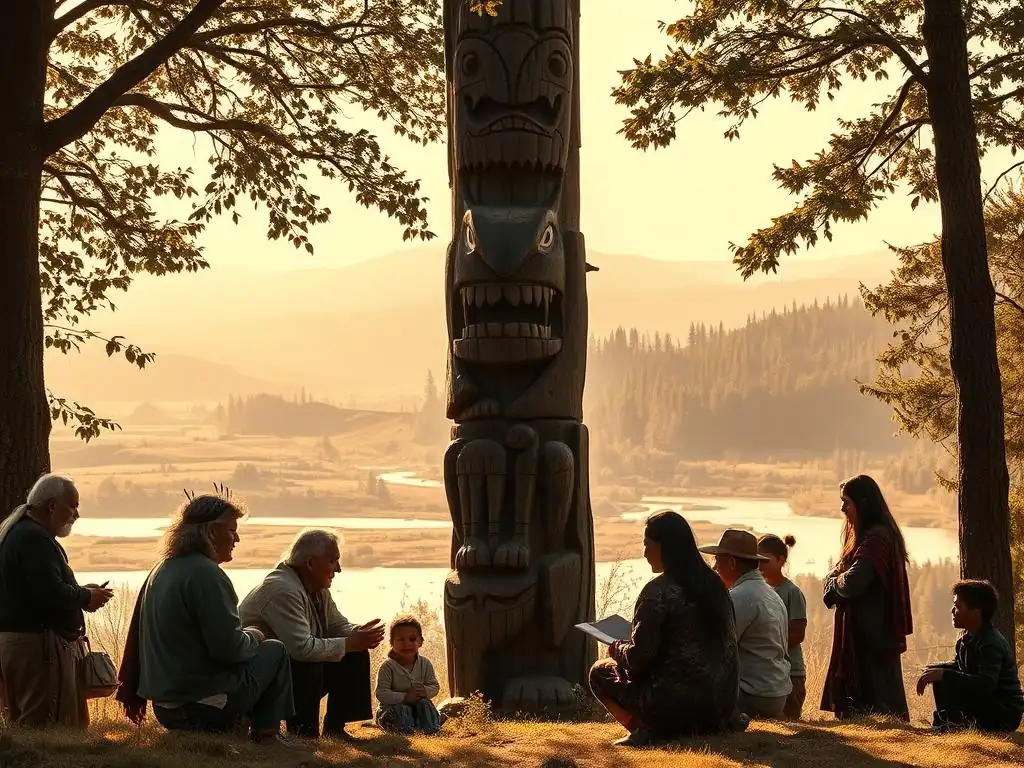
Indigenous communities in the Americas have faced profound psychological effects of colonization, including generational trauma that has persisted over centuries. Despite the adversities, these communities have developed various coping mechanisms and resilience strategies that reflect their unique cultural identities and histories. Understanding these practices is essential to appreciate how Indigenous peoples navigate their psychological landscapes in the aftermath of colonization.
Traditional Healing Practices and Their Role in Recovery
Traditional healing practices serve as a cornerstone for recovery in many Indigenous communities. These practices encompass a wide range of techniques, including herbal medicine, rituals, and spiritual ceremonies aimed at restoring balance and harmony within individuals and the community.
- Herbal Healing: Many Indigenous cultures utilize plants and herbs for medicinal purposes, which are often seen as gifts from nature. For instance, the use of sweetgrass for purification or sage for cleansing is common across various tribes. These natural remedies not only address physical ailments but also aid in emotional and spiritual healing.
- Rituals and Ceremonies: Ceremonial practices play a pivotal role in the healing process. Events such as sweat lodges, vision quests, and healing circles provide a safe space for individuals to confront their trauma and share their experiences within the community. These gatherings foster a sense of belonging and collective healing.
- Spiritual Guidance: Spiritual leaders, often referred to as shamans or medicine persons, offer guidance and support through a deep understanding of both traditional knowledge and spiritual practices. Their role is crucial in facilitating healing sessions and helping individuals reconnect with their cultural identity.
“Healing is not just about the individual, it’s about restoring the connection with the community and the land.”
Community Support Systems and Their Psychological Benefits
Community support systems are vital in promoting resilience among Indigenous peoples facing the psychological effects of colonization. These systems are built on the foundations of kinship, mutual aid, and shared history.
- Family Networks: Strong family ties provide a safety net for individuals experiencing trauma. Families often come together to share resources, offer emotional support, and participate in communal activities that reinforce their bonds.
- Collective Resilience: Indigenous communities often emphasize the importance of collective well-being over individualism. This focus fosters a culture where individuals feel supported and empowered to seek help, knowing they are part of a larger whole.
- Cultural Activities: Engaging in cultural practices such as storytelling, dance, and art helps individuals process their trauma. These activities not only serve as a form of expression but also reinforce cultural identity, which is crucial for psychological healing.
| Community Support Systems | Psychological Benefits |
|---|---|
| Family Networks | Emotional support, resource sharing |
| Collective Resilience | Empowerment, sense of belonging |
| Cultural Activities | Expression of identity, processing trauma |
Revitalization of Culture as a Tool for Healing
The revitalization of culture has emerged as a powerful tool for healing within Indigenous communities. This process involves reclaiming and practicing traditional customs, languages, and beliefs that were suppressed during colonization.
- Language Revitalization: Many Indigenous groups are actively working to revive their ancestral languages. Research has shown that language is deeply tied to identity and cultural heritage, and its revival can significantly enhance mental health and community cohesion.
- Cultural Education: Programs aimed at educating younger generations about their cultural heritage play a crucial role in fostering pride and resilience. Involving youth in traditional practices helps bridge generational gaps and instills a sense of responsibility towards cultural preservation.
- Artistic Expression: The arts serve as a medium for healing, allowing individuals to express their feelings and experiences creatively. This not only aids personal healing but also contributes to community awareness and solidarity.
“Culture is not just a legacy; it is our lifeline.”
By recognizing and supporting these coping mechanisms and resilience strategies, we can better understand the profound impact of colonization on Indigenous communities and the ways in which they continue to thrive despite historical trauma.
The Importance of Recognizing and Addressing Generational Trauma
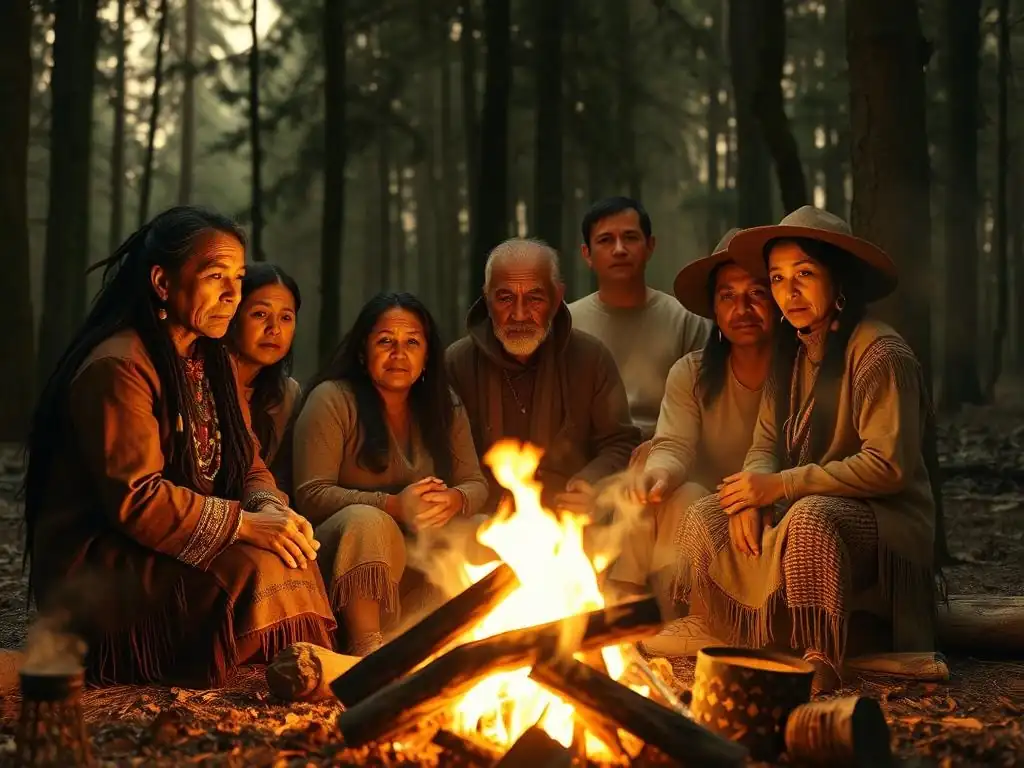
Generational trauma refers to the psychological effects that traumatic experiences can have not only on those who directly experienced the trauma but also on subsequent generations. In the context of indigenous communities in the Americas, the psychological effects of colonization have manifested deeply within these cultures, perpetuating cycles of trauma that influence identity, community cohesion, and mental health. Recognizing and addressing this trauma is crucial for healing and empowerment within these communities.
Acknowledgment of Historical Injustices
The acknowledgment of historical injustices is a critical step in addressing generational trauma. Throughout history, indigenous peoples faced violent conquest, forced displacement, and the erasure of their cultures and languages. Events such as the Trail of Tears, the California Genocide, and numerous massacres have left profound scars on indigenous communities.
- Historical Context: Understanding the impact of such events requires a comprehensive examination of the systemic oppression faced by indigenous peoples. This includes:
- Forced assimilation policies, such as the establishment of residential schools.
- Land dispossession and the disruption of traditional ways of life.
- The introduction of foreign diseases that decimated populations.
The psychological effects of colonization can be seen in high rates of mental health issues, substance abuse, and social disintegration among indigenous populations. Acknowledging these injustices helps validate the experiences of those affected and lays the groundwork for healing initiatives.
Psychological Healing as a Path to Empowerment
Healing from generational trauma involves a multifaceted approach that encompasses psychological, cultural, and community-based practices. Various therapeutic methods have been adopted by indigenous communities to promote healing and resilience, including:
- Cultural Revitalization: Engaging in traditional practices, ceremonies, and languages can foster a sense of identity and belonging. For instance:
- Traditional Healing Practices: Many communities utilize traditional medicine and spiritual healing as a means to address mental health issues.
- Storytelling and Oral Histories: Sharing stories of resilience and survival can empower individuals and reinforce cultural identity.
- Community Support Systems: Strengthening community networks is vital for collective healing. Examples include:
- Support Groups: Creating safe spaces for individuals to share their experiences and challenges.
- Intergenerational Programs: Encouraging the exchange of wisdom and knowledge between generations to build understanding and resilience.
- Therapeutic Interventions: Modern psychological practices can be integrated with traditional approaches to provide comprehensive support. Some effective methods include:
- Trauma-Informed Care: This approach recognizes the impact of trauma and emphasizes safety, empowerment, and healing.
- Cognitive Behavioral Therapy (CBT): Adapted to respect cultural values and practices, CBT can be effective in addressing anxiety and depression stemming from trauma.
The Role of Education in Understanding Psychological Effects
Education plays a pivotal role in understanding the psychological effects of colonization and in fostering empathy and change. By incorporating indigenous perspectives and histories into educational curricula, we can promote awareness and understanding of the complexities of generational trauma. Key aspects of this educational approach include:
- Curriculum Development: Developing inclusive curricula that highlight indigenous histories and contributions can help counteract stereotypes and misinformation. This includes:
- Indigenous Literature: Utilizing works from indigenous authors to provide authentic voices and narratives.
- Historical Context: Teaching the true history of colonization and its lasting impacts on indigenous communities.
- Community Engagement: Involving indigenous leaders and educators in the teaching process can enhance the educational experience. This can be achieved through:
- Workshops and Seminars: Hosting events led by indigenous scholars and activists to share their experiences and knowledge.
- Cultural Exchanges: Encouraging interactions between indigenous and non-indigenous students to foster mutual understanding and respect.
- Advocacy for Mental Health Resources: Education can also serve as a platform to advocate for mental health resources tailored to indigenous communities. This includes:
- Access to Services: Promoting the availability of culturally competent mental health services in indigenous areas.
- Policy Changes: Encouraging educational institutions and governments to implement policies that recognize and support the psychological needs of indigenous populations.
By prioritizing education and awareness, we can create a more informed society that acknowledges the psychological effects of colonization and works towards a more equitable future for indigenous communities.
Conclusion: Moving Forward from Generational Trauma
The journey towards healing from generational trauma in Indigenous communities is complex and multifaceted. It requires acknowledging the historical injustices and the psychological effects of colonization that have permeated through generations. By understanding these impacts, communities can work towards reclaiming their identities and fostering resilience.
Healing involves not only individual therapy but also community-based approaches that emphasize cultural revitalization and collective well-being. Integrating traditional healing practices with contemporary psychological methods can create a more holistic approach to mental health. This duality recognizes the importance of Indigenous knowledge systems and their role in shaping a healthier future.
The Importance of Healing in Indigenous Communities
Healing in Indigenous communities is essential for restoring balance and promoting mental health. The psychological effects of colonization have often resulted in higher rates of mental health issues, substance abuse, and a disconnection from cultural roots. To counteract these effects, communities are increasingly recognizing the significance of culturally relevant healing practices.
- Cultural Revitalization
- Language Restoration: Reviving native languages strengthens cultural identity and community bonds.
- Traditional Practices: Engaging in traditional ceremonies and practices fosters a sense of belonging and continuity.
- Community Support
- Elders' Role: Elders offer wisdom and guidance that can be pivotal in healing processes.
- Peer Support Groups: Connecting individuals who share similar experiences promotes solidarity and understanding.
- Education and Awareness
- Workshops and Programs: Educating community members about the impacts of colonization can empower them to address these issues collectively.
- Mental Health Resources
- Culturally Competent Therapists: Professionals who understand the cultural context of Indigenous experiences can provide more effective support.
- Integration of Traditional Healing: Practices such as sweat lodges and talking circles can complement Western therapeutic methods.
Future Directions for Research on Psychological Effects of Colonization
Future research on the psychological effects of colonization should consider a variety of approaches to fully understand the depth of its impact on Indigenous communities. Some key areas of focus include:
- Longitudinal Studies: Conducting studies that follow individuals over time can provide insights into how trauma manifests across generations.
- Intersectional Analysis: Understanding how factors such as gender, socioeconomic status, and geographical location intersect with colonization's effects can lead to more tailored interventions.
- Community-Based Participatory Research (CBPR): Collaborating with Indigenous communities in research design and implementation ensures that studies are relevant and respectful of cultural values.
- Evaluation of Healing Programs: Assessing the effectiveness of community-based healing initiatives can highlight best practices and areas for improvement.
Addressing the psychological effects of colonization requires a commitment to healing, understanding, and research that honors Indigenous voices and experiences. By taking these steps, we can support Indigenous communities in their journey towards reclaiming their narratives and fostering resilience for future generations.
Frequently Asked Questions
What is generational trauma in the context of indigenous communities?
Generational trauma refers to the psychological effects experienced by descendants of individuals who suffered from traumatic events, such as colonization. This trauma can influence mental health, cultural identity, and community structures over generations.
How did colonization specifically affect indigenous psychological well-being?
The psychological effects of colonization include loss of cultural identity, increased rates of depression and anxiety, and disrupted social structures. These impacts often stem from violence, displacement, and loss of land experienced during the conquest.
Are there any efforts to address generational trauma in indigenous populations today?
Yes, many communities and organizations are developing programs focused on healing and reconciliation. These initiatives often emphasize cultural revitalization, mental health support, and the importance of traditional practices.
How does the psychological impact of conquest differ among various indigenous cultures?
The effects vary significantly due to differences in historical experiences, resilience, and existing cultural practices. Some communities may have developed unique coping mechanisms, while others struggle more profoundly with the legacy of trauma.
What role does cultural identity play in mitigating the psychological effects of colonization?
A strong cultural identity can serve as a protective factor against the mental health impacts of colonization. Engaging in cultural practices and community connections helps foster resilience and promotes healing among indigenous peoples.
Final Reflection: Understanding the Psychological Effects of Colonization
The psychological effects of colonization resonate deeply within Indigenous communities today, revealing a legacy of trauma that transcends generations. As we explore the intricate web of generational trauma, it becomes evident that the scars of conquest are not merely historical footnotes but living realities that shape the identities, relationships, and mental health of Indigenous peoples. The echoes of colonization continue to reverberate, reminding us that the past is not a distant memory but a present-day challenge that demands our attention and understanding.
Cultural resilience and healing are vital as we navigate the ongoing impact of colonization on Indigenous communities. The stories of survival and strength amidst adversity highlight the importance of acknowledging and addressing these psychological effects. As one Indigenous leader poignantly stated, We are not just the sum of our traumas; we are also the embodiment of our healing.
This perspective emphasizes that while the wounds of the past are profound, the path toward recovery and empowerment is equally significant. By recognizing and validating these experiences, we can foster a more inclusive dialogue that honors the complexity of Indigenous identities.
As we reflect on the lessons of this article, I invite you to consider your role in this ongoing narrative. How can you contribute to the healing process and support Indigenous communities in reclaiming their narratives? Whether through education, advocacy, or simply by listening to the stories of those affected, each of us has the power to make a difference. Let us commit to understanding the psychological effects of colonization and work together to create a future where healing and resilience flourish, honoring the rich tapestry of Indigenous cultures that continue to inspire us all.
Heal, Empower, and Reconnect Today!
Thank you for taking the time to explore the profound and intricate subject of generational trauma within Indigenous communities. Your engagement with this topic helps shed light on its enduring effects and the path toward healing. Now, let's turn this knowledge into meaningful action!
Here are some ways you can contribute to healing and empowerment:
- Connect with Indigenous communities: Attend local events, workshops, or online discussions to understand their experiences and support their initiatives.
- Share this article with friends and family to raise awareness about the importance of addressing generational trauma and advocating for Indigenous rights.
- Engage with resources: Explore literature, documentaries, and podcasts that amplify Indigenous voices and narratives.
What steps will you take today to help break the cycle of trauma and create a more supportive environment for Indigenous communities?