
The Role of Indigenous Leaders in Navigating PostConquest Challenges

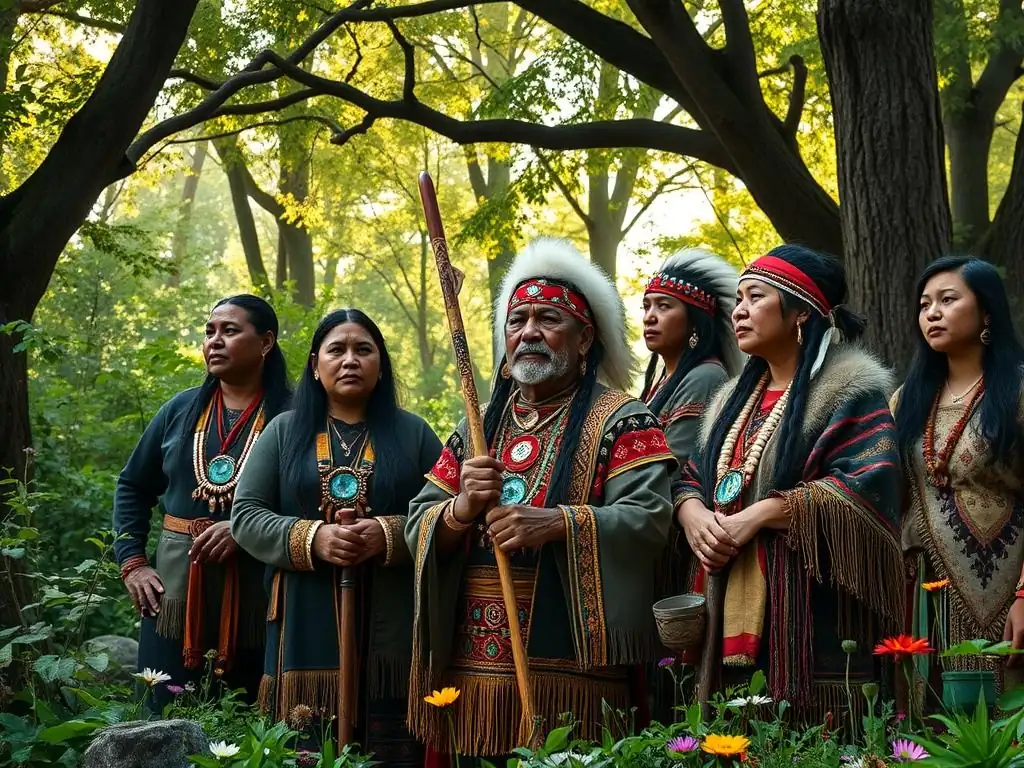
Welcome to Indigenous Civilizations of the Americas, where we delve into the rich tapestry of cultures that flourished long before European intrusion. In our featured article, "The Role of Indigenous Leaders in Navigating PostConquest Challenges," we explore the resilience and ingenuity of indigenous leaders as they faced unprecedented trials in a rapidly changing world. Discover how these remarkable figures shaped their communities and adapted to new realities, leaving an indelible mark on history. Join us on this enlightening journey, and uncover the stories that continue to resonate today!
Introduction to Indigenous Leaders and Post-Conquest Context
The role of indigenous leaders in the Americas has been pivotal in navigating the myriad challenges that emerged post-conquest. Following the arrival of European colonizers, indigenous societies faced unprecedented disruptions that threatened their very existence. Leaders from various cultures—whether they were chiefs, shamans, or community elders—stepped into crucial roles to guide their people through tumultuous times.
This article delves into the significant contributions of these leaders, highlighting their resilience and adaptability in the face of profound societal changes. Understanding the intersection of indigenous leadership and post-conquest challenges not only sheds light on their struggles but also celebrates their enduring legacy in shaping contemporary indigenous identities.
Overview of Indigenous Leadership Before European Conquest
Before European contact, indigenous communities across the Americas displayed a rich tapestry of leadership styles that varied greatly from one culture to another. Leaders were often chosen based on a mix of hereditary rights, demonstrated wisdom, and community consensus.
- Types of Leadership:
- Chiefs: Central figures in many tribes, responsible for governance and decision-making.
- Shamans: Spiritual leaders who guided their communities through spiritual and health matters.
- Council Elders: Groups of wise individuals who deliberated on important issues and maintained traditions.
These leadership structures were not only vital for maintaining order and social cohesion but also for fostering relationships with neighboring tribes, ensuring trade, and managing resources.
Significance of Leadership in Indigenous Cultures
Indigenous leaders played a crucial role in the cultural and social fabric of their communities. Their responsibilities encompassed:
- Cultural Preservation: Ensuring the transmission of traditions, rituals, and languages to future generations.
- Conflict Resolution: Mediating disputes and fostering peace within and among communities.
- Resource Management: Overseeing the sustainable use of land and natural resources, critical for the survival of their people.
The significance of leadership within these cultures cannot be overstated, as it provided a sense of identity, continuity, and stability in a rapidly changing world.
Understanding Post-Conquest Challenges Faced by Indigenous Communities
The arrival of European colonizers brought about a series of challenges that tested the resilience of indigenous leaders and their communities.
Impact of European Colonization on Indigenous Societies
Colonization had a devastating impact on indigenous societies, leading to:
- Population Decline: Diseases introduced by Europeans decimated populations, disrupting social structures.
- Loss of Land: Massive land dispossession forced many communities into unfamiliar territories, straining resources and relationships.
This upheaval necessitated strong leadership to navigate the complexities of survival and adaptation in a transformed landscape.
Economic Disruption and Resource Management
Economic systems that had thrived for centuries faced disruption as colonizers imposed new trade practices and resource exploitation. Indigenous leaders were compelled to:
- Adapt to New Economies: Shift from traditional practices to engage with European markets.
- Negotiate with Colonizers: Establish trade agreements while striving to protect their communities’ interests.
The ability of indigenous leaders to adapt economically was critical in mitigating the adverse effects of colonization.
Cultural Identity and Preservation Issues
As European influence seeped into indigenous societies, leaders faced the challenge of preserving their cultural identities amidst pressures to assimilate. They worked tirelessly to:
- Revive Traditions: Encourage the practice of indigenous languages, rituals, and customs.
- Combat Assimilation: Resist external pressures that sought to undermine their heritage.
The struggle for cultural preservation remains a testament to the strength and determination of indigenous leaders.
Social Fragmentation and Community Resilience
The fragmentation of indigenous societies was a significant post-conquest challenge, often exacerbated by colonization's divide-and-conquer tactics. In response, leaders fostered:
- Community Solidarity: Strengthening ties among members to promote unity and resilience.
- Collective Action: Mobilizing efforts for mutual aid and defense against external threats.
Such resilience was crucial in maintaining a sense of community and identity, laying the groundwork for future generations to reclaim and revitalize their cultures.
The Role of Indigenous Leaders in Addressing Post-Conquest Challenges
Indigenous leaders played a crucial role in navigating the multifaceted challenges that arose in the aftermath of European conquest. Their leadership was characterized by a deep understanding of their communities, cultural heritage, and the geopolitical landscape, enabling them to devise strategies that preserved their societies and fostered resilience. These leaders often emerged as symbols of resistance, unity, and cultural continuity, adapting traditional governance and practices to address new realities imposed by colonization.
Their roles extended beyond mere political leadership; they were also cultural custodians who sought to maintain the identity and values of their peoples amidst external pressures. By rallying their communities, forging alliances, and engaging in diplomacy, these leaders aimed to mitigate the disruptive impacts of colonization while safeguarding their cultural legacies.
Leadership Qualities That Foster Resilience
The effectiveness of indigenous leaders in overcoming post-conquest challenges can be attributed to several key leadership qualities:
- Visionary Thinking: Successful leaders possessed the ability to envision a future that balanced traditional values with the necessities of survival in a changing world. This foresight allowed them to set strategic goals that aligned with their community's needs.
- Cultural Knowledge: A deep understanding of their cultural practices, beliefs, and histories enabled leaders to inspire their people and draw upon collective strengths. This connection to heritage served as a foundation for resilience.
- Adaptability: The capacity to adapt to new circumstances while retaining core cultural values was essential. Leaders who embraced change while remaining rooted in tradition were better equipped to navigate the complexities of post-conquest life.
- Diplomacy: Many indigenous leaders excelled in diplomatic relations, negotiating with colonial powers while advocating for their communities. Their ability to communicate and form alliances was instrumental in securing resources and rights.
- Community Engagement: Leaders who prioritized the well-being of their communities and involved them in decision-making processes fostered unity and collective action. This participatory approach strengthened social bonds and resilience.
Strategies Employed by Indigenous Leaders
Indigenous leaders employed a variety of strategies to address the challenges posed by European colonization:
- Coalition Building: Forming alliances with other indigenous groups or sympathetic Europeans was a common strategy. By uniting forces, leaders could amplify their negotiating power and present a united front against encroachment.
- Cultural Revitalization: Many leaders focused on revitalizing cultural practices and traditions as a means of reinforcing identity and community cohesion. This included the promotion of language, art, and traditional ceremonies.
- Economic Adaptation: In response to the changing economic landscape, indigenous leaders encouraged the adaptation of traditional economic practices to incorporate new trade opportunities, which helped sustain their communities.
- Educational Initiatives: Some leaders established educational programs that integrated indigenous knowledge with European learning, equipping their communities with the skills necessary to navigate the new world.
- Resistance Movements: Leaders often spearheaded armed resistance or nonviolent protests against colonial powers, rallying their communities to defend their land and rights. These movements were critical in asserting indigenous sovereignty.
Case Studies of Indigenous Leaders in Post-Conquest Scenarios
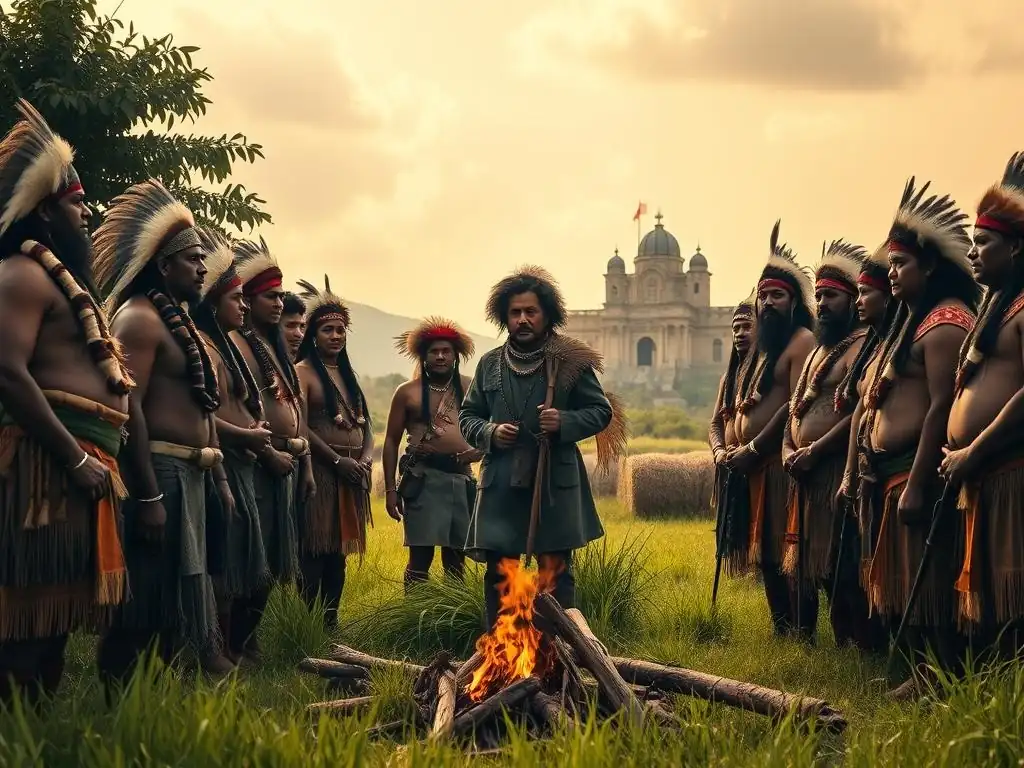
Tecumseh and Their Contributions
Tecumseh, a Shawnee chief, emerged as a prominent leader during the early 19th century, advocating for the unity of various indigenous nations against the encroachment of settlers in the Ohio Valley. His vision of a confederation aimed to resist colonial expansion and preserve indigenous lands and cultures. Tecumseh traveled extensively, forging alliances among tribes and promoting a collective identity centered on shared interests and heritage. He emphasized the importance of cultural revival and the need for indigenous peoples to reclaim their narratives in the face of colonization.
Through his efforts, Tecumseh not only sought to protect his people's lands but also aimed to inspire a sense of pride and resilience among indigenous communities. His leadership during the War of 1812, where he allied with the British against American expansion, illustrated his commitment to indigenous sovereignty. Although Tecumseh ultimately lost his life in battle, his legacy endures as a symbol of resistance and unity among indigenous peoples.
Sitting Bull and Their Legacy
Sitting Bull, a Hunkpapa Lakota leader, is renowned for his role in the resistance against U.S. government policies and military actions during the late 19th century. He became a prominent figure during the Great Sioux War, particularly noted for his leadership at the Battle of Little Bighorn in 1876. Sitting Bull's ability to unite various indigenous groups in a common cause highlighted his exceptional leadership skills and dedication to indigenous rights.
After the defeat of Custer's forces, Sitting Bull became a symbol of indigenous resistance, advocating for the preservation of Lakota culture and sovereignty. However, his challenges did not end with military victories; he faced significant pressure from U.S. authorities, leading to his eventual exile in Canada. Despite these adversities, Sitting Bull continued to promote indigenous rights and cultural traditions, eventually returning to the U.S. where he participated in Buffalo Bill's Wild West Show, using the platform to educate audiences about Native American life.
Sitting Bull's legacy is one of resilience and advocacy, emphasizing the importance of cultural identity and the ongoing struggle for indigenous rights. His life and leadership inspire contemporary movements aimed at preserving indigenous cultures and addressing post-colonial challenges.
Lessons Learned from Indigenous Leadership in Post-Conquest Contexts
Indigenous leaders in the Americas faced unprecedented challenges following European conquest, requiring them to adapt their strategies for survival and resilience. One of the key lessons learned from these leaders is the importance of unity among diverse tribes and nations. By fostering collaboration and forming alliances, indigenous leaders were able to strengthen their positions against colonial powers.
Additionally, these leaders demonstrated the value of strategic negotiation. Rather than resorting solely to conflict, many chose to engage in diplomacy with European settlers, negotiating treaties that, while often unequal, provided temporary reprieve and autonomy for their communities. This approach highlights the necessity of flexibility and pragmatism in leadership, especially in times of crisis.
Furthermore, indigenous leaders showcased the significance of cultural preservation. Many understood that their identity and traditions were paramount for the survival of their people. By maintaining their cultural practices, languages, and spiritual beliefs, they not only resisted cultural assimilation but also instilled a sense of pride and continuity within their communities. This resilience in cultural identity serves as a vital lesson for today's indigenous leaders, emphasizing the need to honor and uphold their heritage in the face of external pressures.
Strategies for Modern Indigenous Leaders
Modern indigenous leaders can draw from the historical experiences of their ancestors in navigating contemporary challenges. One effective strategy is the incorporation of traditional ecological knowledge in resource management and environmental advocacy. By blending ancestral wisdom with modern science, indigenous leaders can address pressing issues such as climate change and land rights.
Moreover, utilizing technology and social media for advocacy and awareness is crucial. Just as historical leaders used available means to communicate and organize, today’s leaders can leverage digital platforms to amplify their voices, connect with broader audiences, and mobilize support for their causes.
Networking with other indigenous groups and forming coalitions can also be beneficial. By sharing resources, strategies, and support systems, indigenous leaders can create a more formidable front against external challenges, much like their predecessors did.
Finally, fostering intergenerational dialogue is essential. Encouraging the exchange of ideas between elders and youth can ensure that valuable cultural knowledge and leadership skills are passed down, thus nurturing a new generation of informed and capable leaders.
Importance of Cultural Knowledge in Leadership
Cultural knowledge is crucial for effective leadership within indigenous communities. It provides a foundation for decision-making that respects the values, traditions, and beliefs of the people. Leaders who possess a deep understanding of their culture can navigate complexities with greater sensitivity and insight, ensuring that their actions align with community expectations and aspirations.
Moreover, cultural knowledge fosters trust and legitimacy. When leaders are grounded in their cultural identity, they are more likely to earn the respect and support of their community members. This trust is vital for mobilizing collective action and addressing the myriad challenges that indigenous communities face today.
In addition, cultural knowledge aids in conflict resolution. Leaders who are well-versed in their cultural practices can employ traditional methods of mediation and negotiation, offering solutions that resonate with their community's values and historical experiences. This approach not only addresses conflicts effectively but also reinforces cultural continuity and resilience.
Conclusion: The Lasting Influence of Indigenous Leaders on Post-Conquest Adaptations
The influence of indigenous leaders during the post-conquest era has left an indelible mark on the cultural landscape of the Americas. Their ability to adapt, innovate, and resist has shaped the ways in which indigenous communities navigate modern challenges. The legacy of these leaders demonstrates that even in the face of overwhelming adversity, resilience and cultural pride can emerge as formidable tools for survival.
As contemporary indigenous communities continue to confront socio-political and economic challenges, the lessons gleaned from past leaders remain relevant. Their experiences underscore the critical need for adaptive leadership that honors cultural heritage while responding to evolving circumstances.
Reflection on Indigenous Leadership in Contemporary Contexts
In contemporary contexts, the reflection on indigenous leadership reveals a rich tapestry of adaptation and innovation. Today's leaders are tasked not only with preserving their cultural identity but also with addressing modern issues such as land rights, environmental justice, and social equity. They draw inspiration from historical leaders while also embracing new strategies that incorporate technology and global networks.
This reflection highlights the importance of mentorship and community engagement in cultivating future leaders. By recognizing the achievements and struggles of past leaders, communities can empower the next generation to take on leadership roles with confidence and purpose.
The Ongoing Importance of Indigenous Voices in Society
The ongoing importance of indigenous voices in society cannot be overstated. These voices bring invaluable perspectives on sustainability, cultural diversity, and social justice. As indigenous leaders continue to advocate for their rights and the rights of their communities, their contributions enrich societal dialogues and policy-making processes.
Furthermore, recognizing and amplifying indigenous voices fosters a more inclusive society. It challenges dominant narratives, encourages cross-cultural understanding, and promotes respect for diverse worldviews. As society grapples with complex global issues, the insights and leadership of indigenous peoples will remain critical in shaping solutions that honor the past while building a more equitable future.
- Introduction to Indigenous Leaders and Post-Conquest Context
- Understanding Post-Conquest Challenges Faced by Indigenous Communities
- The Role of Indigenous Leaders in Addressing Post-Conquest Challenges
- Case Studies of Indigenous Leaders in Post-Conquest Scenarios
- Lessons Learned from Indigenous Leadership in Post-Conquest Contexts
- Conclusion: The Lasting Influence of Indigenous Leaders on Post-Conquest Adaptations
- What were the main postconquest challenges faced by indigenous leaders?
- How did indigenous leaders respond to the challenges they faced?
- Can you provide examples of notable indigenous leaders during this period?
- What impact did indigenous leaders have on their societies postconquest?
- How does the legacy of these indigenous leaders continue to influence contemporary issues?
Frequently Asked Questions
What were the main postconquest challenges faced by indigenous leaders?
Indigenous leaders encountered a variety of challenges after European colonization, including loss of land, disruption of traditional governance, and resistance against cultural assimilation.
How did indigenous leaders respond to the challenges they faced?
Many leaders employed strategies such as diplomacy, forming alliances with other indigenous groups, and sometimes engaging in armed resistance to protect their communities and cultures.
Can you provide examples of notable indigenous leaders during this period?
Some notable figures include Pocahontas, who played a crucial role in diplomacy, and Túpac Amaru II, who led a significant rebellion against Spanish colonial authorities in Peru.
What impact did indigenous leaders have on their societies postconquest?
Indigenous leaders were pivotal in maintaining cultural identity, advocating for the rights of their people, and influencing policy decisions that affected their communities during the colonial period.
How does the legacy of these indigenous leaders continue to influence contemporary issues?
The actions and resilience of these leaders have inspired modern indigenous movements, advocating for rights, representation, and the preservation of cultural heritage today.
Final Reflection: The Enduring Legacy of Indigenous Leaders in Post-Conquest Challenges
The role of indigenous leaders in navigating post-conquest challenges remains profoundly relevant today, as their resilience and wisdom continue to inspire movements for justice and equity. In a world still grappling with the consequences of colonialism, the lessons learned from these leaders are not just historical footnotes; they are essential blueprints for contemporary social and political activism. Their ability to unite communities and advocate for their rights serves as a powerful reminder that the fight for dignity and self-determination is ongoing and must be embraced by future generations.
The influence of indigenous leaders transcends time, shaping cultural identities and social movements across the globe. Their stories of perseverance and strategic leadership resonate deeply within marginalized communities, fostering a sense of pride and purpose. As the renowned activist Winona LaDuke once said, We are the land, and the land is us.
This profound connection underscores the importance of indigenous leadership in advocating for environmental justice and sustainable practices, reminding us that the fight for the earth is intertwined with the fight for indigenous rights.
As we reflect on the teachings of these remarkable leaders, let us commit to honoring their legacies by actively engaging in the struggles that persist today. I invite you to consider how you can embody the spirit of these leaders in your own life—whether through advocacy, education, or community involvement. By recognizing the importance of indigenous voices and their contributions to our shared history, we can collectively forge a path toward a more equitable and just future for all.
Unite and Inspire: Take Action with Indigenous Leadership!
Thank you for taking the time to explore the invaluable role of Indigenous leaders in navigating the challenges that arise after historical conflicts. You’ve gained insights into their resilience and strength, and now it’s time to put that knowledge into action.
Here are a few powerful steps you can take to contribute positively to this cause:
- Engage with Indigenous Voices: Follow and support Indigenous leaders on social media. Amplifying their messages helps bring attention to their vital work and the challenges they face.
- Educate Yourself and Others: Organize a discussion group or workshop focused on Indigenous histories and contemporary issues. Sharing knowledge fosters understanding and respect within your community.
- Participate in Community Initiatives: Offer your time or resources to local Indigenous organizations or events—making a tangible difference starts with your commitment!
How can you actively contribute to uplifting Indigenous leadership in your community today?