
Culinary Crossroads: The Transformation of Indigenous Diets PostConquest

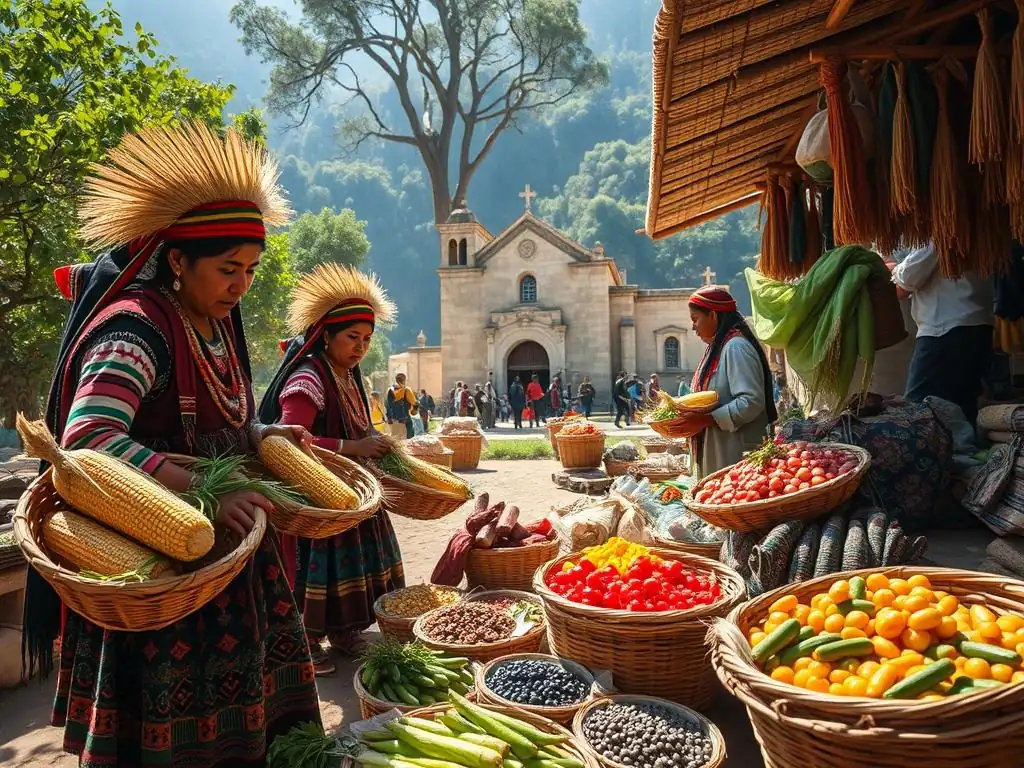
Welcome to Indigenous Civilizations of the Americas, where we invite you to embark on an enlightening journey through the rich tapestry of indigenous cultures that flourished long before European contact. Our focus today is on the fascinating theme of Indigenous diets transformation in the Americas, a pivotal aspect that reveals how these vibrant societies adapted and evolved in the wake of conquest.
Prepare to uncover the intricate ways in which culinary practices were reshaped, influencing not just their communities but also the world at large. Join us as we delve deeper into the culinary crossroads that defined a significant chapter in history – your exploration begins here!
- Introduction to Indigenous Diets Transformation in the Americas
- The Impact of European Conquest on Indigenous Diets
- Key Ingredients in Indigenous Diets Post-Conquest
- Cultural Adaptations in Indigenous Diets
- Case Studies of Indigenous Diets Transformation
- Modern Implications of Indigenous Diets Transformation
- Conclusion: Reflecting on the Transformation of Indigenous Diets
-
Frequently Asked Questions
- What does the article "Culinary Crossroads: The Transformation of Indigenous Diets PostConquest" discuss?
- How did European colonization impact indigenous food practices?
- What are some key ingredients that changed indigenous diets?
- Why is understanding indigenous diets important?
- How have indigenous diets evolved today?
- Final Reflection: The Enduring Legacy of Indigenous Diets Transformation
- Embrace Your Culinary Heritage: Act Now!
Introduction to Indigenous Diets Transformation in the Americas
The transformation of indigenous diets in the Americas following European conquest is a multifaceted topic that reflects the complex interplay of cultural exchange, adaptation, and resilience among Native communities. Before the arrival of Europeans, indigenous peoples had established sophisticated agricultural systems and culinary practices that were deeply intertwined with their cultural identities and spiritual beliefs.
However, the subsequent colonization introduced new foods, cooking techniques, and agricultural practices that significantly altered traditional diets. This article delves into the diverse indigenous diets prior to European contact, the profound changes that ensued, and the lasting impact of these transformations on contemporary indigenous cultures.
Overview of Indigenous Diets Before Conquest
Before the European conquest, indigenous peoples across the Americas enjoyed a rich and diverse array of foods that were cultivated, gathered, and hunted. The diets varied significantly depending on the region, climate, and available resources, showcasing the ingenuity and adaptability of these cultures.
Key Components of Indigenous Diets:
- Agriculture: Many indigenous groups practiced advanced agricultural techniques. Crops such as maize (corn), beans, and squash—known as the "Three Sisters"—were staples in various regions, particularly among the Iroquois and the Ancestral Puebloans.
- Hunting and Gathering: In addition to agriculture, hunting and gathering played a crucial role in sustaining indigenous diets. Tribes in the Great Plains, for example, relied heavily on bison, while coastal communities harvested fish and shellfish.
- Wild Foods: Indigenous diets also included a variety of wild foods, such as berries, nuts, and roots, which were foraged from the environment. This practice not only provided sustenance but also fostered a deep connection to the land.
Overall, the indigenous diets prior to conquest were characterized by their diversity, nutritional value, and cultural significance, reflecting the ecological knowledge and practices of their communities.
Significance of Diets in Indigenous Cultures
Diets in indigenous cultures were not merely a means of survival; they held profound cultural, spiritual, and social significance.
Cultural Importance:
- Identity and Tradition: Food was a vital part of ceremonies, rituals, and community gatherings. Traditional recipes and cooking methods were passed down through generations, serving as a form of cultural heritage.
- Spiritual Connections: Many indigenous groups viewed food as a gift from the earth, imbued with spiritual significance. Rituals often accompanied planting and harvesting, expressing gratitude and respect for the natural world.
Social Structure:
- Community Cohesion: Sharing food was an essential aspect of social life, fostering community bonds and cooperation. Feast days and communal gatherings strengthened relationships among tribe members.
- Economic Systems: Indigenous diets were often linked to trade networks, where surplus crops and goods were exchanged with neighboring tribes, facilitating economic interdependence.
The significance of indigenous diets extended beyond nutrition, serving as a foundation for cultural identity, social structure, and spiritual beliefs. The transformations that occurred post-conquest not only altered these diets but also impacted the very fabric of indigenous societies throughout the Americas.
The Impact of European Conquest on Indigenous Diets
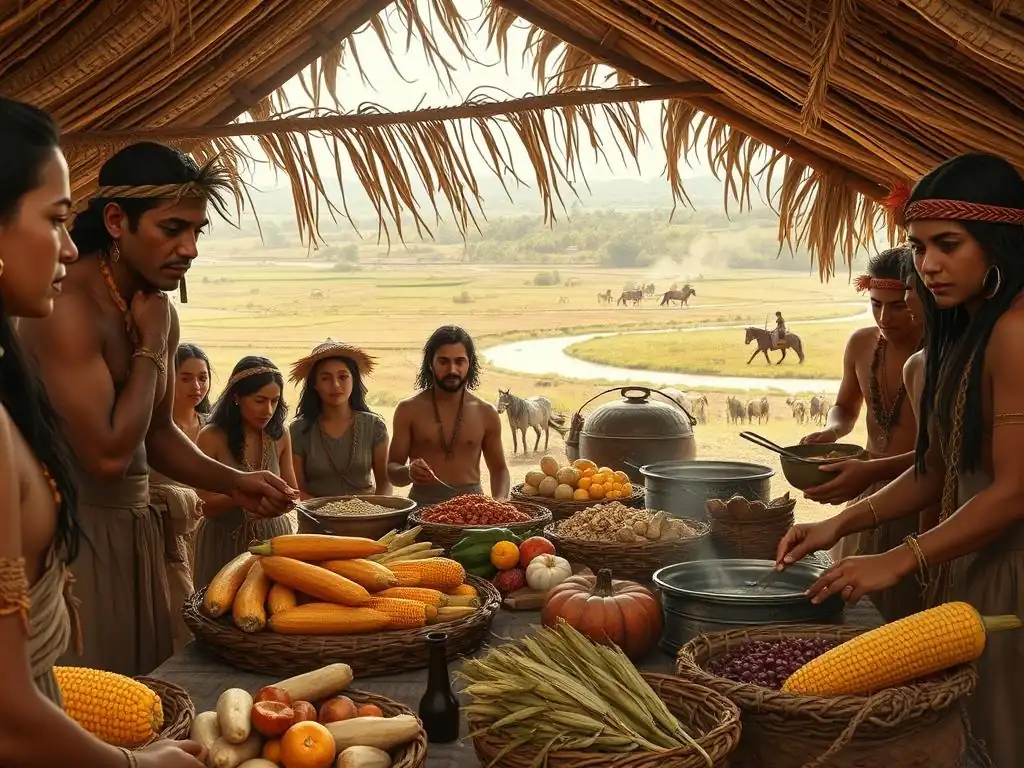
The arrival of European colonizers in the Americas marked a significant turning point for indigenous diets, leading to profound transformations that reshaped food sources, agricultural practices, and traditional methods of food preparation. This section delves into the various ways in which European conquest influenced indigenous diets, focusing on the initial changes in food sources and ingredients, the introduction of new agricultural practices, and the disruption of established farming methods.
Initial Changes in Food Sources and Ingredients
The European conquest initiated a rapid alteration in the food landscape of indigenous cultures. Initially, indigenous peoples relied heavily on native crops such as maize, beans, squash, and various wild plants and animals. However, with the introduction of European settlers came new food items that began to supplant traditional ingredients.
- New Crops Introduced: Europeans brought with them a variety of crops, including:
- Wheat: A staple grain that began to replace indigenous grains in many areas.
- Barley: Used for brewing and as livestock feed.
- Rice: Introduced in some regions, becoming a significant food source.
- Livestock: The introduction of European livestock, such as cattle, sheep, and pigs, provided new sources of protein but also altered local ecosystems. Indigenous diets began to include:
- Beef, pork, and mutton: These became integral to many indigenous diets over time.
- Changes in Nutritional Profiles: The shift toward these new food sources often led to changes in caloric intake and nutritional balance, impacting health and well-being.
The incorporation of European ingredients into indigenous diets was not merely a replacement but often a complex integration process, reflecting adaptation to new realities.
Introduction of European Agricultural Practices
As European settlers established their presence, they introduced new agricultural techniques that transformed indigenous farming practices. Many of these methods were foreign to indigenous peoples, who had developed their own sustainable practices over centuries.
- Monoculture: European settlers often practiced monoculture, focusing on the cultivation of a single crop, such as wheat or tobacco, which differed significantly from the indigenous practice of intercropping diverse species.
- Plowing and Irrigation: The use of plows and irrigation systems introduced more intensive farming methods. While these practices increased yields, they also required significant resources and labor, often leading to:
- Soil Degradation: Over time, the land suffered from nutrient depletion.
- Water Management Issues: The new irrigation practices sometimes led to water shortages or flooding in indigenous farming areas.
- Shift in Land Ownership: European agricultural systems often imposed new concepts of land ownership, leading to the displacement of indigenous peoples from their traditional lands, further disrupting their agricultural practices.
Disruption of Traditional Farming Methods
The European conquest not only introduced new foods and agricultural practices but also significantly disrupted traditional farming methods that had sustained indigenous cultures for generations.
- Loss of Knowledge: The imposition of European agricultural practices often marginalized indigenous knowledge systems related to farming, leading to a loss of biodiversity and traditional crops.
- Cultural Disconnection: Traditional farming was often intertwined with cultural practices and spirituality. The forced adaptation to European methods resulted in:
- Cultural Erosion: The disconnection from ancestral practices diminished the cultural significance of food.
- Resistance and Adaptation: While many indigenous communities adopted European practices, others resisted, seeking to preserve their own agricultural traditions.
- Economic Impacts: The shift in farming methods also had economic repercussions, as indigenous peoples faced increased competition for resources and markets, often resulting in a decline in traditional economies.
The transformation of indigenous diets was not just a result of new foods but a complex interplay of ecological, social, and economic factors shaped by conquest.
The impact of European conquest on indigenous diets in the Americas was multifaceted and profound, leading to a transformation that encompassed changes in food sources, agricultural practices, and traditional methods. These changes not only affected the nutritional aspects of indigenous diets but also had lasting implications for cultural identity and economic stability.
Key Ingredients in Indigenous Diets Post-Conquest
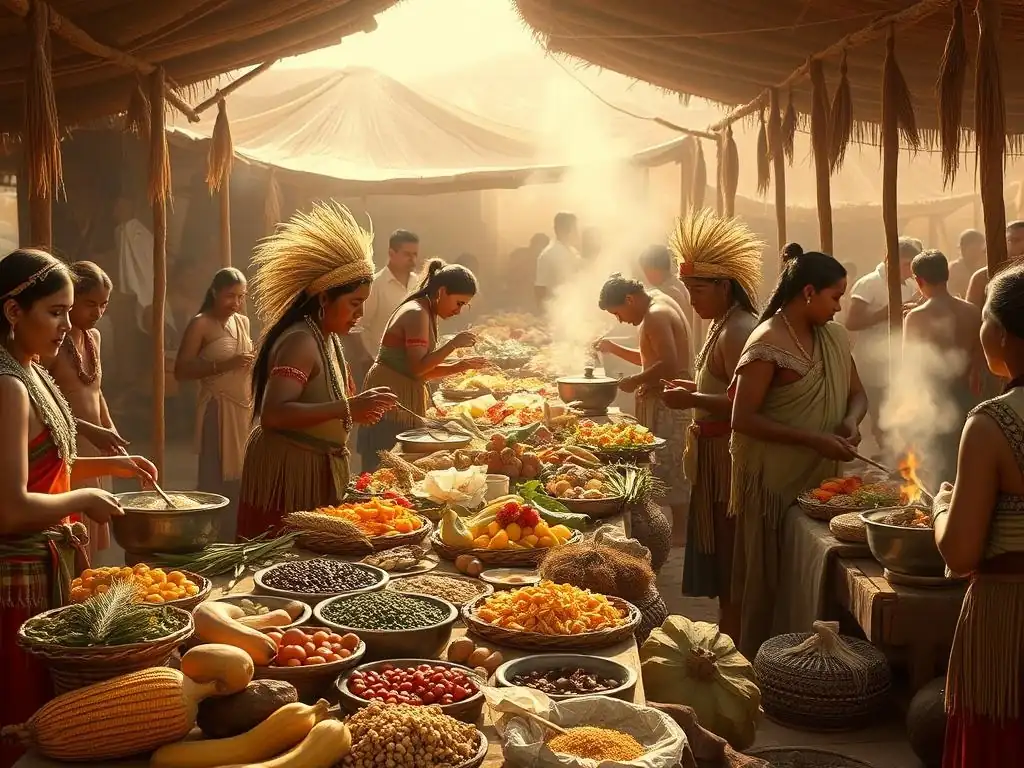
The arrival of European settlers in the Americas brought significant changes to the indigenous diets, intertwining native agricultural practices with European culinary traditions. This fusion not only altered the ingredients available to indigenous peoples but also transformed their foodways and cultural practices. Understanding the key ingredients that emerged during this period is essential to appreciate the broader context of Indigenous diets transformation Americas.
Introduction of European Crops and Livestock
The introduction of European crops and livestock was a pivotal moment in the evolution of indigenous diets. After the conquest, new agricultural practices and species were integrated into the existing food systems, creating a dynamic blend of flavors and nutritional profiles.
Notable European Introductions:
- Wheat: A staple in European diets, wheat became a significant crop in parts of North America, particularly in regions with suitable climates.
- Barley: Often used for brewing, barley was adopted by some indigenous cultures for its versatility.
- Sugarcane: Introduced primarily in the Caribbean, sugarcane transformed local diets, leading to the production of sweetened foods and beverages.
- Livestock: Animals such as pigs, cattle, and sheep provided new sources of protein, fundamentally altering traditional hunting and foraging practices.
The blending of these European ingredients with indigenous staples initiated a significant dietary transformation, leading to the emergence of hybrid dishes that reflected both heritages.
Maize: The Staple of Indigenous Diets
Maize, or corn, was already a cornerstone of indigenous diets prior to European contact. However, post-conquest, its significance evolved further. Maize's adaptability allowed it to be cultivated alongside new crops, enhancing its role in daily nutrition.
- Culinary Versatility: The use of maize extended beyond simple consumption; it became the base for various dishes, including tortillas, tamales, and pozole.
- Cultural Symbolism: Within many indigenous cultures, maize holds deep spiritual significance, often linked to creation myths and agricultural rituals.
The enduring presence of maize in post-conquest diets underscores its resilience and importance in maintaining indigenous cultural identity amid transformative changes.
Potatoes and Their Role in Dietary Transformation
The potato, native to the Andes, was another significant introduction that reshaped indigenous diets. Its adaptability to diverse climates made it an essential crop in various regions of the Americas.
- Nutritional Benefits: Rich in carbohydrates, vitamins, and minerals, potatoes provided a substantial food source that complemented traditional staples.
- Culinary Adaptations: Indigenous peoples incorporated potatoes into their cuisines, creating dishes that blended traditional flavors with new ingredients, such as stews and baked goods.
The widespread adoption of potatoes exemplifies how indigenous diets transformed in the post-conquest era, integrating new crops while retaining essential cultural practices.
Loss of Native Plants and Their Cultural Significance
The post-conquest period also saw the decline of many native plants that were integral to indigenous diets. This loss was not merely an agricultural shift; it profoundly impacted cultural identities and practices.
- Declining Diversity: As European crops became more dominant, traditional plants like amaranth and various wild greens faced decreased cultivation and usage.
- Cultural Erosion: Many indigenous communities relied on native plants for food, medicine, and ceremonial purposes. The loss of these plants signified a shift in cultural practices and knowledge systems.
The transformation of indigenous diets post-conquest thus reveals a complex interplay between adaptation and loss, highlighting the resilience of indigenous cultures while also acknowledging the challenges they faced in preserving their culinary heritage.
Cultural Adaptations in Indigenous Diets
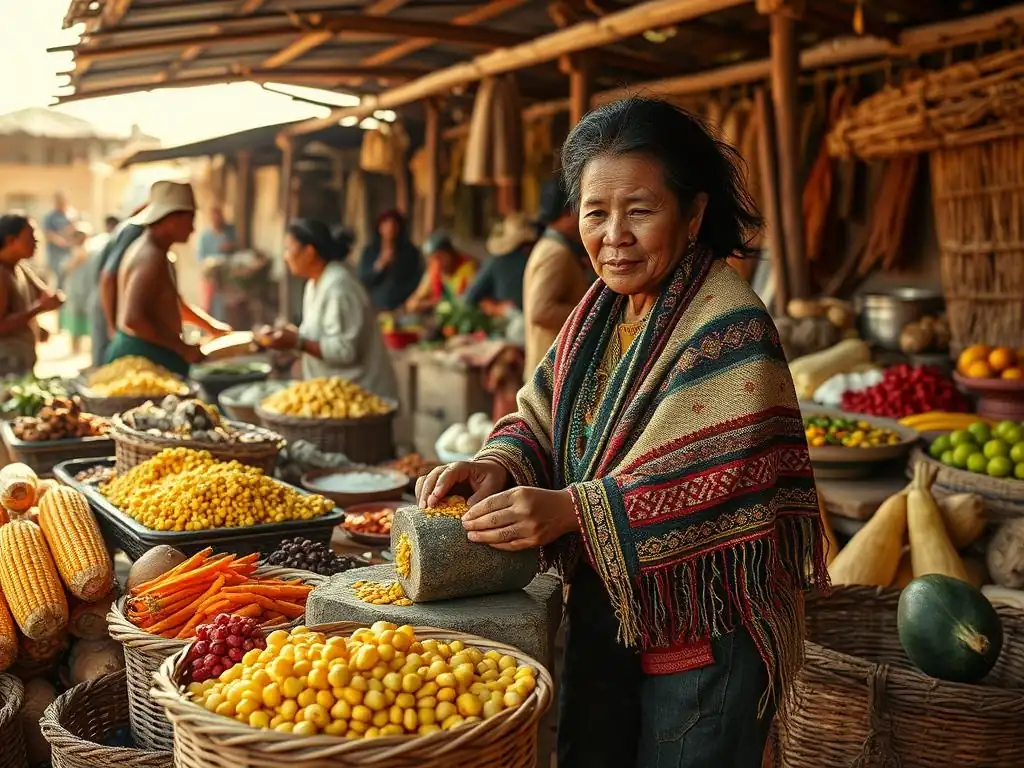
The arrival of Europeans in the Americas marked a significant turning point in the dietary customs of Indigenous peoples. The transformation of Indigenous diets after the conquest was not merely a process of substitution; it involved complex adaptations, integrations, and resilience in the face of dramatic change. Indigenous communities encountered new food items, cooking methods, and agricultural practices that would shape their culinary landscapes for generations to come.
Fusion of Indigenous and European Culinary Practices
The fusion of Indigenous and European culinary practices led to a vibrant and diverse food culture that incorporated elements from both traditions. This blending resulted in innovative dishes and new ways of preparing food, characterized by the following aspects:
- Introduction of New Ingredients: Europeans introduced a variety of foods, including wheat, barley, and livestock such as pigs, cows, and chickens. These ingredients were often incorporated into traditional dishes, creating a unique blend of flavors and textures.
- Adaptation of Cooking Methods: Indigenous peoples adapted European cooking techniques, such as baking and roasting, which were different from their traditional methods like boiling and steaming. This adaptability allowed for the creation of new culinary practices that enhanced their dietary repertoire.
- Hybrid Dishes: The combination of Indigenous and European ingredients gave rise to hybrid dishes. For example, the use of maize flour in baked goods, such as cornbread, exemplifies how Indigenous ingredients were transformed into new culinary forms.
Overall, this fusion marked a significant shift in the way food was prepared and consumed, leading to a more varied diet that reflected the blending of cultures.
Preservation of Traditional Cooking Techniques
Despite the influx of European foods and practices, many Indigenous communities prioritized the preservation of their traditional cooking techniques. This retention of cultural identity is evident in several ways:
- Use of Indigenous Ingredients: Many communities continued to rely on staple foods such as maize, beans, and squash, which remained central to their diets. These ingredients were often prepared using traditional methods, such as nixtamalization for maize, which enhanced its nutritional value.
- Culinary Rituals and Practices: Traditional cooking often involved communal activities and rituals that reinforced social bonds and cultural identity. For instance, the preparation of traditional feasts and ceremonies remained vital, maintaining the cultural significance of food within Indigenous societies.
- Knowledge Transmission: Elders played a crucial role in passing down culinary knowledge through generations. This transmission ensured that traditional techniques and recipes were preserved, even as external influences emerged.
By maintaining these practices, Indigenous communities not only honored their heritage but also adapted to the changing culinary landscape, fostering a sense of resilience.
Resilience and Adaptation of Indigenous Communities
The transformation of Indigenous diets post-conquest is a testament to the resilience and adaptability of Indigenous communities. Faced with significant challenges, many groups found ways to navigate the complexities of their new reality:
- Diversification of Food Sources: Indigenous peoples began to incorporate European crops and livestock into their diets, diversifying their food sources. This adaptation allowed communities to mitigate food scarcity and enhance nutritional intake.
- Economic Adaptations: The introduction of trade networks facilitated the exchange of foods and agricultural techniques. Indigenous communities often engaged in barter systems that included both traditional and European goods, leading to economic resilience.
- Cultural Hybridization: The blending of culinary practices not only enriched Indigenous diets but also fostered cultural hybridization. The incorporation of European foods into traditional diets did not erase Indigenous culinary identities; instead, it created a dynamic food culture that reflected the ongoing negotiation of identity in a post-conquest world.
The transformation of Indigenous diets in the Americas after the conquest illustrates a complex interplay of adaptation, preservation, and resilience. These changes not only shaped the culinary landscape but also highlighted the enduring spirit of Indigenous cultures amidst profound challenges.
Case Studies of Indigenous Diets Transformation
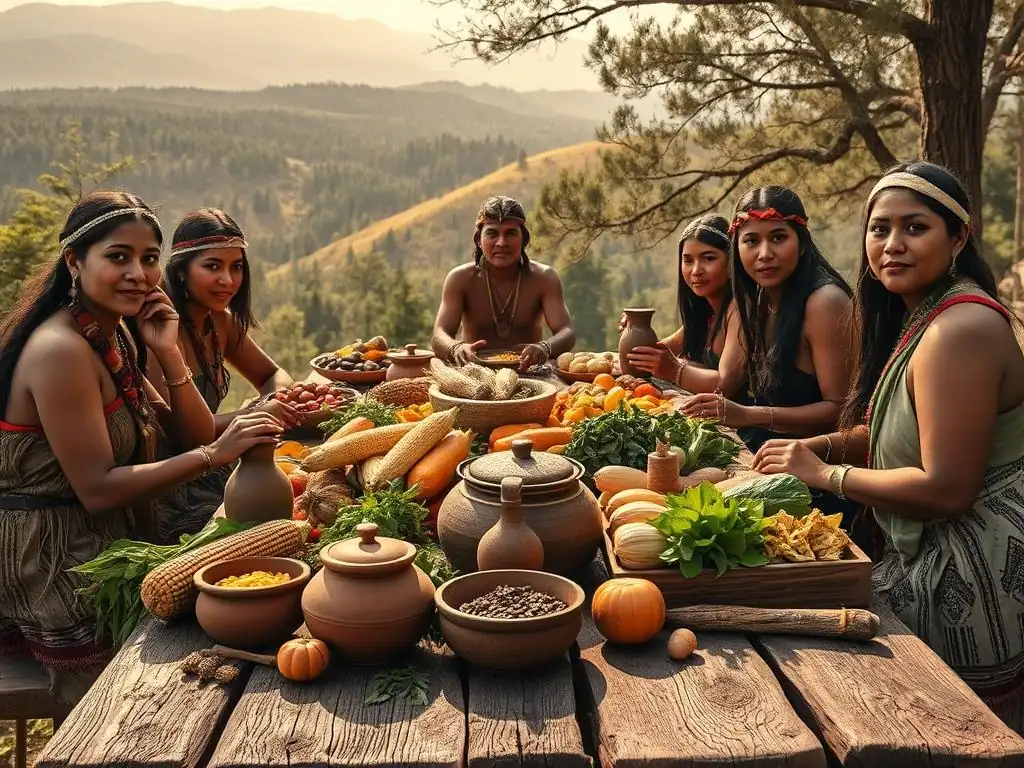
The transformation of indigenous diets in the Americas post-conquest is a multifaceted phenomenon, marked by significant changes in food sources, culinary practices, and agricultural methods. This section delves into specific case studies that highlight how various indigenous groups adapted to and integrated new ingredients and cooking techniques following European colonization.
The Pueblo Peoples and Their Culinary Changes
The Pueblo peoples, primarily located in the Southwestern United States, showcased remarkable adaptability in their culinary practices after the arrival of European settlers. Traditionally, their diets relied heavily on maize, beans, and squash, known as the "Three Sisters." However, the introduction of European crops and livestock led to significant shifts in their dietary patterns.
- New Ingredients:
- Wheat and Barley: European settlers introduced wheat and barley, which the Pueblo began to incorporate into their diets. These grains allowed for the creation of new recipes, such as flatbreads and porridge.
- Livestock: The introduction of sheep, goats, and cattle transformed traditional practices. Pueblo communities began raising sheep for wool and meat, resulting in new textile and culinary traditions.
- Culinary Techniques:
- The Pueblo adapted their cooking methods, incorporating European techniques such as baking, which complemented their traditional practices of steaming and roasting.
- The blending of these techniques led to unique dishes that combined indigenous and European flavors, highlighting the resilience and innovation of Pueblo culinary traditions.
The Iroquois and Adaptation to New Ingredients
The Iroquois Confederacy, a sophisticated political and social alliance of several tribes in the Northeastern United States, experienced profound changes in their diet following European contact. Their traditional reliance on maize, beans, and squash was supplemented by new ingredients introduced by European settlers.
- Adoption of New Crops:
- Potatoes and Tomatoes: The Iroquois integrated potatoes and tomatoes into their culinary repertoire. These crops became staples, particularly in the colder months when traditional crops were scarce.
- Sugar and Dairy: The introduction of sugar and dairy products allowed for the creation of new sweet and savory dishes, altering traditional flavors and cooking styles.
- Cultural Exchange:
- The Iroquois engaged in trade with European settlers, leading to a fusion of culinary practices. This exchange not only broadened their diet but also influenced their social and cultural structures, as food became a medium for negotiation and relationship-building.
The Maya and the Integration of European Foods
The Maya civilization, known for its rich agricultural practices and diverse diet, faced significant transformations after European conquest. While they had a well-established food system based on corn, beans, and chili peppers, the arrival of European foods presented opportunities and challenges.
- Incorporation of European Ingredients:
- Rice and Citrus Fruits: The Maya adapted by incorporating rice and various citrus fruits, such as oranges and limes, into their diets. These ingredients became essential components of their culinary practices, providing new flavors and textures.
- Meat Sources: European livestock like pigs and chickens were introduced, diversifying protein sources. The Maya began to raise these animals, leading to new dishes that combined traditional methods with European influences.
- Culinary Resilience:
- Despite the pressures of colonization, the Maya demonstrated culinary resilience by blending European foods with traditional recipes. This fusion resulted in unique dishes that reflected both their heritage and the new realities of their environment.
- The transformation of Maya diets is a testament to their adaptability, showcasing how they navigated the complexities of colonialism while maintaining their cultural identity.
The culinary transformations of indigenous diets in the Americas post-conquest reveal a rich tapestry of adaptation and resilience. Each case study highlights the unique ways in which different indigenous groups navigated the challenges and opportunities presented by European contact, ultimately enriching their culinary traditions.
Modern Implications of Indigenous Diets Transformation
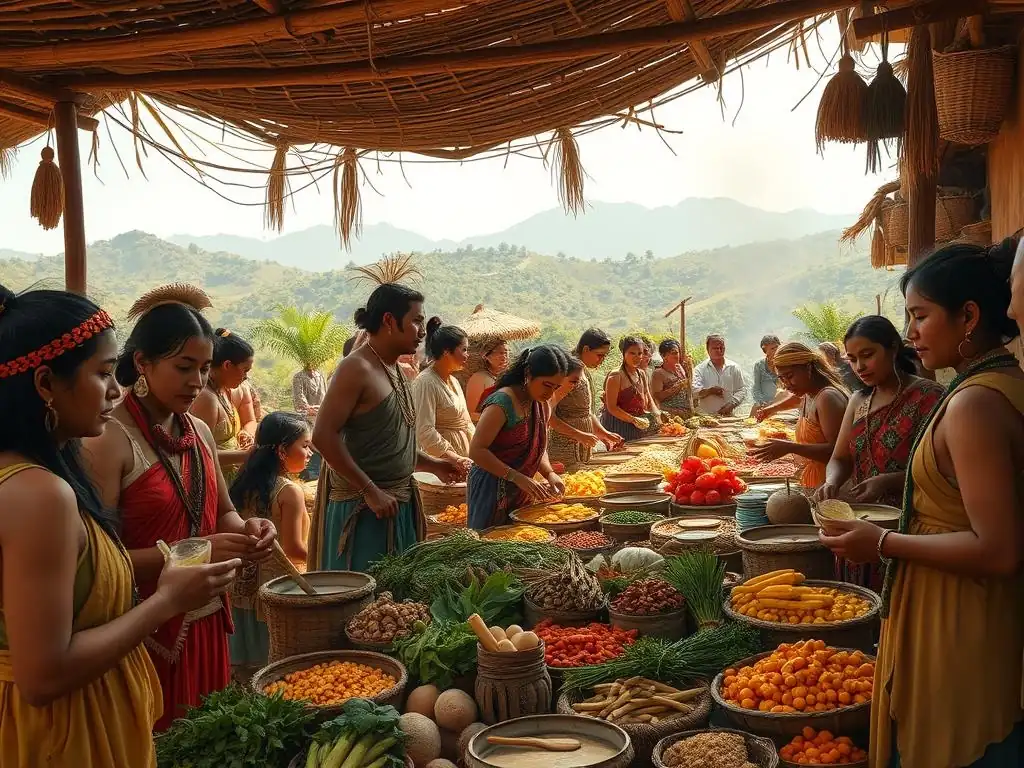
The transformation of indigenous diets in the Americas post-conquest was not just a historical phenomenon; it has significant modern implications that resonate within indigenous communities today. These implications can be seen in the revitalization of indigenous food sovereignty and the role that traditional diets play in contemporary indigenous identity. This section will explore these two critical aspects, shedding light on how the past informs the present.
Revitalization of Indigenous Food Sovereignty
Indigenous food sovereignty refers to the right of indigenous peoples to control their food systems, including the production, distribution, and consumption of food. The transformation of indigenous diets post-conquest often led to a dependency on European foods and agricultural practices, resulting in the erosion of traditional food systems. However, in recent years, there has been a robust movement aimed at revitalizing these systems, emphasizing the importance of traditional knowledge and practices.
- Restoration of Traditional Crops: Many indigenous communities are actively reintroducing ancestral crops such as amaranth, quinoa, and various beans that were staples before European contact. These crops not only offer nutritional benefits but also reconnect communities with their cultural heritage.
- Culinary Education Programs: Educational initiatives focused on traditional cooking techniques and ingredients are gaining traction. These programs teach younger generations the significance of their culinary heritage, fostering a renewed appreciation and understanding of indigenous diets.
- Community Gardens and Farming Initiatives: Collaborative efforts to establish community gardens have emerged, allowing indigenous peoples to reclaim land and cultivate traditional food sources. These projects promote sustainable practices and serve as a platform for cultural exchange and community bonding.
The revitalization of indigenous food sovereignty is crucial not only for health and nutrition but also for the preservation of cultural identity and resilience against external pressures.
The Role of Traditional Diets in Contemporary Indigenous Identity
Traditional diets play a pivotal role in shaping contemporary indigenous identities, serving as a means of cultural expression and resistance against globalization. The connection to food is deeply rooted in the spiritual and social fabric of indigenous communities.
- Cultural Resurgence: Engaging with traditional foods fosters a sense of belonging and pride among indigenous peoples. Recipes passed down through generations, along with the stories associated with them, reinforce cultural ties and promote a sense of community.
- Health and Well-being: Many indigenous diets are inherently healthy, consisting of whole foods rich in nutrients. By returning to traditional diets, indigenous communities are addressing health disparities often exacerbated by the adoption of processed foods. This shift not only improves physical health but also contributes to mental and emotional well-being.
- Political and Social Activism: The movement to revive traditional diets is often intertwined with broader political and social activism. Indigenous peoples advocate for food sovereignty as a means of asserting their rights, autonomy, and connection to land, challenging colonial narratives and practices that have sought to marginalize their cultures.
The transformation of indigenous diets in the Americas post-conquest has far-reaching implications today. By revitalizing food sovereignty and embracing traditional diets, indigenous communities are not only reclaiming their culinary heritage but also strengthening their identities in a modern world that often overlooks their contributions and significance.
Conclusion: Reflecting on the Transformation of Indigenous Diets
The transformation of Indigenous diets in the Americas following European conquest marks a significant chapter in the history of culinary practices. The introduction of new ingredients, cooking methods, and trade dynamics led to a profound reshaping of the food landscape. While many Indigenous communities faced tremendous challenges, they also exhibited remarkable adaptability, incorporating foreign elements into their traditional diets. This blending of culinary practices illustrates not only resilience but also the dynamic nature of Indigenous cultures in the face of external pressures.
Summary of Key Transformations and Adaptations
The post-conquest period witnessed several key transformations in Indigenous diets, characterized by the following significant changes:
- Introduction of New Foods: European colonizers brought a variety of new crops and livestock, including wheat, barley, rice, cattle, pigs, and chickens. These foods were integrated into local diets, often reshaping meal structures and agricultural practices.
- Agricultural Innovations: Indigenous communities adapted their farming techniques to cultivate European crops alongside traditional staples such as maize, beans, and squash. This diversification not only enriched their diets but also increased food security.
- Culinary Techniques: The arrival of new cooking methods, such as roasting and baking, influenced traditional food preparation. Indigenous peoples began to experiment with European techniques, often blending them with their own, resulting in unique fusion dishes.
- Trade Networks: The establishment of new trade routes facilitated the exchange of food products and culinary ideas between Indigenous groups and European settlers. This interaction contributed to the evolution of regional cuisines.
- Cultural Resilience: Despite the overwhelming challenges posed by colonization, many Indigenous communities preserved their traditional food practices. This resilience is evident in the continued use of Indigenous ingredients in contemporary recipes and celebrations.
The Ongoing Legacy of Indigenous Culinary Practices in the Americas
The culinary transformations that occurred post-conquest continue to resonate in contemporary Indigenous diets across the Americas. Key aspects of this legacy include:
- Revitalization of Traditional Foods: Many Indigenous communities are actively working to reclaim and promote traditional foods, emphasizing the importance of cultural heritage and sustainability. Initiatives such as community gardens and educational programs are helping to reconnect younger generations with their culinary roots.
- Culinary Tourism: The growing interest in Indigenous cuisines has led to a rise in culinary tourism, where travelers seek authentic dining experiences that highlight traditional and fusion dishes. This trend not only supports local economies but also fosters appreciation for Indigenous cultures.
- Cultural Identity: Food remains a vital aspect of cultural identity and community cohesion. Traditional dishes are often central to ceremonies and celebrations, serving as a means of preserving history and fostering social bonds.
- Health and Nutrition: There is a renewed awareness of the health benefits associated with traditional Indigenous diets, which are often rich in nutrients and biodiversity. Efforts to promote these diets can address modern health challenges faced by Indigenous populations, such as diabetes and obesity.
The transformation of Indigenous diets in the Americas post-conquest reflects a complex interplay of adaptation, resilience, and innovation. The ongoing legacy of these culinary practices not only enriches the cultural mosaic of the Americas but also serves as a testament to the enduring spirit of Indigenous peoples. Embracing this legacy is essential for fostering understanding, respect, and appreciation for the rich culinary traditions that continue to thrive today.
Frequently Asked Questions
What does the article "Culinary Crossroads: The Transformation of Indigenous Diets PostConquest" discuss?
The article explores the transformation of indigenous diets in the Americas following European colonization, highlighting how traditional food practices were altered and influenced by new ingredients and culinary techniques.
How did European colonization impact indigenous food practices?
European colonization introduced new ingredients and cooking methods that significantly influenced indigenous diets, leading to a blending of culinary traditions and the introduction of new agricultural practices.
What are some key ingredients that changed indigenous diets?
The article mentions ingredients like wheat, dairy, and livestock that were brought by Europeans, which transformed traditional diets that primarily relied on native crops like maize, beans, and squash.
Why is understanding indigenous diets important?
Understanding the transformation of indigenous diets provides insight into the cultural resilience and adaptation of native communities, showcasing their innovations in agriculture and culinary practices despite the challenges posed by colonization.
How have indigenous diets evolved today?
Today, many indigenous communities are revitalizing traditional food systems, integrating both historical and contemporary practices to promote cultural identity, health, and sustainability in their dietary choices.
Final Reflection: The Enduring Legacy of Indigenous Diets Transformation
The transformation of Indigenous diets in the Americas post-conquest is not just a historical narrative; it is a profound testament to resilience and adaptation. As we navigate a world increasingly influenced by globalization, understanding how Indigenous diets evolved under colonial pressures offers crucial insights into contemporary food systems and cultural preservation. The interplay between tradition and change in these diets reflects broader themes of identity, survival, and the ongoing struggle for recognition and respect.
Culinary traditions are more than mere recipes; they are the living expressions of a culture's history and values. The transformation of Indigenous diets has not only shaped the culinary landscape but has also influenced social dynamics and cultural identity within Indigenous communities. As we witness a resurgence of interest in traditional foods, it is essential to recognize the words of culinary historian Michael Twitty: Food is a way of knowing, a way of being, and a way of connecting with our ancestors.
This connection to the past enriches our understanding of the present and highlights the importance of honoring Indigenous knowledge and practices in our modern culinary experiences.
As we reflect on the lessons learned from the transformation of Indigenous diets, let us embrace the opportunity to engage with these rich culinary histories in our own lives. I invite you to explore the flavors and stories behind Indigenous foods, to appreciate their significance, and to advocate for the preservation of these traditions. By doing so, we not only honor the past but also contribute to a more inclusive and sustainable future, where diverse culinary heritages are celebrated and respected.
Embrace Your Culinary Heritage: Act Now!
Thank you for exploring the fascinating journey of Indigenous diets through history! By engaging with this rich narrative, you’ve taken your first step toward understanding the profound impacts on our culinary practices. Now, let’s put that knowledge into action!
- Rediscover traditional recipes by researching and preparing authentic indigenous dishes in your kitchen.
- Share your culinary experiences on social media, using relevant hashtags to promote appreciation and awareness of indigenous cuisine.
- Join a local or online community group centered around indigenous cooking to connect with others and exchange inspiration and ideas.
What delicious dish will you explore first, and how do you believe it reflects the resilience and creativity of indigenous cultures?