
The Legacy of Conquest: Ongoing Land Disputes in the Americas

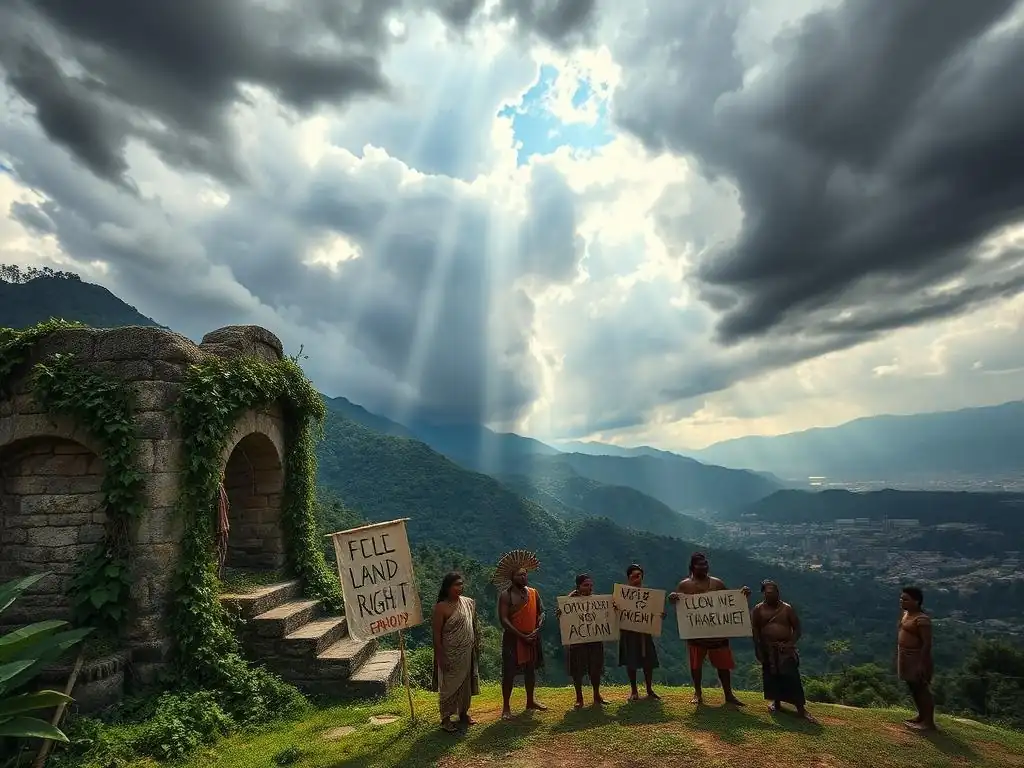
Welcome to Indigenous Civilizations of the Americas, where we embark on a journey through the rich tapestry of cultures that flourished long before European colonization. In our featured article, “The Legacy of Conquest: Ongoing Land Disputes in the Americas,” we delve into the pressing issue of indigenous land disputes, revealing how the echoes of history continue to shape the lives and rights of indigenous peoples today.
Prepare to be enlightened as we uncover the profound achievements and enduring legacies of these vibrant civilizations, inviting you to explore the complexities of their past and present. Join us as we unravel the stories that have shaped the Americas and discover the ongoing struggles that demand our attention.
Introduction to Indigenous Land Disputes in the Americas
The legacy of European colonization in the Americas is intricately tied to the ongoing land disputes that continue to affect indigenous communities today. These disputes are not merely about territory; they embody a struggle for identity, culture, and the recognition of rights that were systematically undermined by colonial powers.
Indigenous land disputes in the Americas reflect a complex history of dispossession, resistance, and resilience, as native peoples seek to reclaim their ancestral lands and assert their sovereignty. This article delves into the multifaceted dimensions of these disputes, examining their historical roots, cultural significance, and the modern movements that seek justice and recognition for indigenous rights.
Overview of Indigenous Cultures Before European Conquest
Before the arrival of Europeans, the Americas were home to a vast array of indigenous cultures, each with unique social structures, languages, and traditions. From the intricate societies of the Aztecs and Incas in Mesoamerica to the diverse tribes of North America, indigenous peoples had established sophisticated systems of governance, trade, and agriculture. These cultures were deeply connected to the land, which played a central role in their spiritual beliefs and daily lives.
- Key Characteristics of Indigenous Societies:
- Diverse Languages: Hundreds of languages were spoken, reflecting the rich cultural diversity.
- Sustainable Practices: Many societies practiced agriculture that respected the land and its resources.
- Complex Governance: Political structures varied widely, from confederacies to chiefdoms.
Significance of Land in Indigenous Societies
For indigenous peoples, land is not merely a commodity; it is a sacred entity that holds cultural, spiritual, and historical significance. The connection to land is woven into the very fabric of indigenous identity, influencing social relations, ceremonies, and ways of life.
- Cultural Importance of Land:
- Spiritual Beliefs: Many tribes view the land as a living entity, deserving of respect and care.
- Cultural Practices: Traditional practices such as hunting, gathering, and rituals often depend on specific lands.
- Identity and Heritage: Land is a source of pride, history, and connection to ancestors.
Historical Context of Land Disputes
The historical context of land disputes in the Americas is marked by a series of events that fundamentally altered the landscape and the rights of indigenous peoples. The arrival of Europeans initiated a prolonged period of conflict, dispossession, and legal struggles over land ownership and usage.
The Impact of European Colonization on Indigenous Land Rights
European colonization had devastating effects on indigenous land rights. The introduction of foreign legal systems often disregarded the existing relationships indigenous peoples had with their lands. Treaties were frequently signed under duress or were outright violated, leading to further displacement and loss of territory.
- Consequences of Colonization:
- Dispossession of Land: Vast areas were seized for agriculture, mining, and settlement.
- Legal Marginalization: Indigenous laws and rights were systematically undermined.
- Cultural Erosion: The loss of land led to a decline in traditional practices and languages.
Key Historical Events Leading to Disputes Over Land
Several pivotal events throughout history have shaped the landscape of land disputes in the Americas. These events highlight the ongoing struggle for justice and recognition faced by indigenous communities.
- Notable Events:
- The Doctrine of Discovery (1493): This papal decree justified the claim of European powers to indigenous lands.
- Treaties and Broken Promises: Numerous treaties were made with indigenous nations, many of which were later broken.
- The American Indian Movement (1968): A pivotal moment in the fight for indigenous rights and recognition of land claims.
The ongoing land disputes in the Americas serve as a testament to the resilience of indigenous communities and their enduring connection to their ancestral lands. Understanding this context is vital to recognizing the importance of land rights and the modern movements advocating for justice and restitution.
Current Indigenous Land Disputes in the Americas
Indigenous land disputes in the Americas are a continuing legacy of colonial policies and practices that have marginalized indigenous populations. These disputes often stem from historical injustices, including forced removal from ancestral lands, broken treaties, and a lack of recognition of indigenous land rights. Today, many indigenous communities are engaged in legal battles, protests, and negotiations to reclaim their rights to land, resources, and cultural heritage.
The ongoing disputes are not only about land ownership but also about the rights to natural resources, such as water, minerals, and forests, which are crucial for the survival of these communities. Additionally, the impacts of climate change and environmental degradation further complicate these disputes, as indigenous peoples often find themselves fighting against both governmental and corporate interests that threaten their traditional ways of life. These issues highlight the importance of acknowledging and addressing historical grievances as a means to foster reconciliation and justice.
Major Case Studies of Land Disputes
-
The Standing Rock Sioux Tribe vs. Dakota Access Pipeline
In 2016, the Standing Rock Sioux Tribe protested against the construction of the Dakota Access Pipeline, which threatened their water supply and sacred lands. The tribe argued that the pipeline's route violated treaties and endangered their cultural heritage. Despite widespread support from various indigenous and environmental groups, the U.S. government ultimately allowed the pipeline to proceed, leading to ongoing legal challenges and protests.
-
The Mapuche People in Chile
The Mapuche indigenous group in Chile has long fought for the recognition of their ancestral lands, particularly against logging companies and the government, which have appropriated vast areas for industrial use. Legal battles have ensued over land restitution, with varying degrees of success. The Mapuche's struggle highlights the complexities of legal frameworks and the need for genuine dialogue with the state.
-
The Oglala Lakota Nation and the Black Hills
The Oglala Lakota Nation's claim to the Black Hills in South Dakota is one of the most significant land disputes in the U.S. The U.S. government seized this sacred land following the discovery of gold in the 1870s, violating the Fort Laramie Treaty of 1868. While the U.S. Supreme Court ruled in favor of the Lakota in 1980, offering monetary compensation, the tribe continues to seek the return of their land instead of financial reparations.
Geographic Distribution of Land Disputes Across the Americas
Land disputes involving indigenous peoples are widespread across the Americas, with notable concentrations in specific regions:
- North America: The U.S. and Canada have numerous ongoing land disputes, particularly in areas like the Black Hills, the Great Plains, and the Arctic regions. The relationship between tribes and the federal government remains contentious, with various nations asserting their rights through treaties and legal action.
- Central America: In countries such as Guatemala and Honduras, indigenous groups face challenges related to land dispossession, especially in the context of agricultural expansion and mining. The ongoing impacts of colonialism and the lack of recognition of indigenous land rights are prevalent in this region.
- South America: The Amazon rainforest is a significant area of concern, where indigenous communities are fighting against deforestation, mining, and oil extraction. Countries like Brazil and Peru have seen violent confrontations between indigenous groups and corporations or government entities over land rights and environmental protections.
Legal Framework Surrounding Indigenous Land Rights

The legal framework surrounding indigenous land rights in the Americas is complex and varies significantly by country. While some nations have made strides toward recognizing indigenous rights through constitutional protections and legal reforms, others continue to uphold colonial-era laws that disregard indigenous sovereignty.
International Treaties and Legal Instruments
International law plays a crucial role in the recognition of indigenous land rights. Key instruments include:
- United Nations Declaration on the Rights of Indigenous Peoples (UNDRIP): Adopted in 2007, UNDRIP outlines the rights of indigenous peoples, including their rights to land, resources, and self-determination. While not legally binding, it serves as a framework for advocacy and policy-making.
- International Labour Organization Convention No. 169: This treaty, ratified by several countries in the Americas, recognizes the rights of indigenous peoples to their land and resources. It emphasizes consultation and participation in decisions that affect indigenous communities.
National Laws Affecting Indigenous Land Ownership
National laws significantly impact indigenous land ownership and disputes. Some countries have enacted legislation to protect indigenous rights, while others maintain legal systems that favor state or corporate interests. Notable examples include:
- Canada's Indigenous Rights Framework: The Canadian Constitution recognizes and affirms existing Aboriginal rights, including land claims. The government has entered into numerous treaties with indigenous nations, though implementation and recognition remain contentious.
- The U.S. Bureau of Indian Affairs (BIA): In the United States, the BIA oversees the administration of tribal lands. The trust system, which holds land in trust for tribes, is often criticized for its bureaucratic complexities and limitations on economic development.
- Brazil's Constitution: Brazil recognizes the rights of indigenous peoples to their lands, but enforcement remains weak. Land invasions and deforestation continue to threaten indigenous territories, leading to conflicts between indigenous groups, agribusiness, and the government.
The intersection of international and national laws illustrates the ongoing struggle for indigenous land rights in the Americas, highlighting the need for advocacy, legal reform, and genuine recognition of indigenous sovereignty.
Indigenous Movements and Activism
Indigenous movements and activism have emerged as powerful forces advocating for the recognition and protection of indigenous land rights across the Americas. These movements are often rooted in deep cultural connections to ancestral lands and a desire to reclaim what has been lost due to centuries of colonization and exploitation. Activists emphasize the importance of land not merely as a resource but as a vital part of their identity, culture, and spirituality.
The resurgence of these movements has been facilitated by greater global awareness of indigenous issues, the rise of social media, and increased collaboration among diverse indigenous groups. This activism often manifests through protests, legal challenges, and community organizing, highlighting the ongoing struggles faced by indigenous peoples in their fight for justice and recognition.
Modern Indigenous Movements for Land Rights
Modern indigenous movements for land rights encompass a variety of organizations and initiatives that seek to address historical grievances and contemporary challenges. Notable movements include the Zapatista movement in Mexico, which advocates for the rights of indigenous peoples in Chiapas, and the Idle No More movement in Canada, which promotes environmental sustainability and indigenous sovereignty.
These movements often engage in grassroots activism, using direct action to draw attention to injustices such as land dispossession, environmental degradation, and the violation of treaties. Furthermore, they utilize legal frameworks to challenge government policies and corporate practices that threaten their lands, often seeking to reclaim territory through both negotiation and confrontation.
Strategies Used by Indigenous Groups to Assert Land Rights
Indigenous groups employ a range of strategies to assert their land rights, often tailored to their specific cultural contexts and historical circumstances. Key strategies include:
- Legal Action: Many indigenous communities engage in litigation to assert their land claims, often referencing treaties and historical agreements that recognize their rights.
- Public Awareness Campaigns: Activists utilize media platforms to raise awareness about land disputes and mobilize public support, often highlighting the interconnectedness of indigenous rights and environmental conservation.
- Coalition Building: Indigenous groups frequently collaborate with environmental organizations, human rights advocates, and other marginalized communities to strengthen their political influence and broaden their reach.
- Cultural Revitalization: Efforts to revitalize indigenous languages, traditions, and practices are integral to asserting land rights, reinforcing the cultural significance of the land and its stewardship.
The Role of Government and Policy in Land Disputes
Government policies have played a crucial role in shaping the landscape of indigenous land disputes throughout the Americas. The historical context of colonization established legal frameworks that have often marginalized indigenous rights, leading to ongoing conflicts over land ownership and use.
In many cases, government policies have favored resource extraction and development over indigenous land rights, contributing to environmental degradation and social injustice. However, recent shifts in policy and public opinion are prompting some governments to reconsider their approaches to indigenous land claims.
Government Policies Affecting Indigenous Land Rights
Various government policies affect indigenous land rights, often reflecting differing national attitudes towards indigenous peoples. In countries like the United States and Canada, the legacy of treaties and land acts continues to influence land disputes.
Policies such as the Indian Reorganization Act in the U.S. aimed to reverse some of the damage caused by previous laws, but many argue that they still fall short of fully recognizing indigenous sovereignty. Similarly, in Brazil, the demarcation of indigenous territories has faced significant political challenges, particularly under administrations that prioritize agricultural expansion and economic development.
Recent Legislative Changes Impacting Land Disputes
Recent legislative changes across the Americas have had significant implications for indigenous land disputes. In Canada, the introduction of the United Nations Declaration on the Rights of Indigenous Peoples (UNDRIP) into domestic law represents a pivotal moment for indigenous rights, providing a framework for recognizing land claims and self-determination.
Similarly, in Bolivia, the 2009 constitution acknowledges the rights of indigenous peoples to their ancestral lands, setting a precedent for land reclamation efforts. Despite these advancements, the implementation of such policies often encounters resistance, and indigenous communities continue to advocate for stronger protections against encroachments on their lands.
The ongoing land disputes in the Americas are deeply intertwined with the legacy of conquest and colonization, necessitating a continued focus on indigenous movements, government policies, and the strategies employed by indigenous groups to assert their rights.
Cultural Significance of Land to Indigenous Peoples
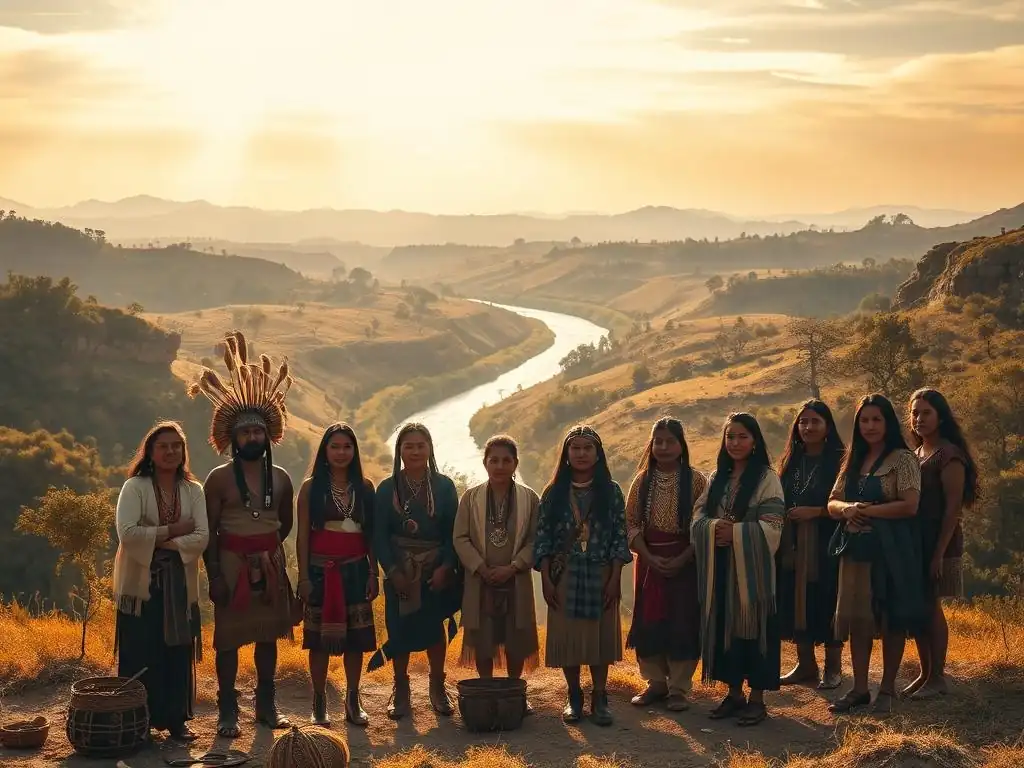
Land holds profound cultural significance for Indigenous peoples across the Americas. It is not merely a physical space but a sacred entity intertwined with identity, spirituality, and tradition. For many Indigenous cultures, land embodies their ancestors' spirits and is a living testament to their history, stories, and practices. This intrinsic connection manifests in various ways, including traditional ceremonies, storytelling, and the passing down of knowledge that emphasizes sustainable living and respect for nature.
The land is viewed as a communal resource rather than an individual possession, reinforcing the belief in collective stewardship. This perception contrasts sharply with Western notions of land ownership, where land is often seen as a commodity to be bought, sold, or exploited. For Indigenous communities, the health of the land directly correlates to their cultural vitality, making the preservation of land a crucial aspect of maintaining their heritage.
Spiritual and Historical Connections to Land
Spirituality among Indigenous peoples is deeply rooted in the land. Many tribes believe that their ancestors inhabit the land, creating a sacred bond that transcends generations. This connection is evident in rituals and practices, such as the use of specific sites for ceremonies, which are believed to be endowed with spiritual significance. For example, the Black Hills are considered sacred by the Lakota Sioux, representing a vital part of their heritage and spirituality.
Historically, land serves as a repository of identity and memory. Many Indigenous groups have oral traditions that recount their creation stories and historical journeys tied to specific landscapes. These narratives reinforce their connection to the land and provide a sense of belonging. The ancestral ties to the land are often encapsulated in place names, songs, and art, all of which contribute to the ongoing cultural narrative and identity of Indigenous peoples.
The Role of Land in Indigenous Identity and Community
Land is integral to the identity of Indigenous peoples, shaping their social structures, cultural practices, and community bonds. It serves as a foundation for traditional livelihoods, including hunting, fishing, and agriculture, which are essential for sustaining their way of life. The ability to access and care for their ancestral lands fosters a sense of pride and responsibility among community members.
Additionally, land acts as a unifying force within Indigenous communities. Collective efforts to protect and reclaim land often lead to strengthened community ties and revitalization of cultural practices. This communal focus is crucial in fostering resilience against external pressures, which can fragment communities and erode cultural identity. Thus, the struggle for land rights is not just a legal battle but a fight for cultural survival and the preservation of Indigenous identities.
Challenges Faced by Indigenous Communities
Indigenous communities face myriad challenges regarding land disputes, which stem from historical injustices and ongoing socio-economic disparities. These challenges are compounded by external pressures from governmental policies, corporate interests, and environmental changes. The fight for land rights is often met with resistance, leading to a complex landscape of legal battles and activism.
Economic Pressures and Land Disputes
Economic pressures significantly contribute to land disputes in the Americas. As global demand for resources increases, Indigenous lands are increasingly targeted for extraction and development. Activities such as mining, logging, and agricultural expansion often encroach upon traditional territories, threatening Indigenous livelihoods and cultural practices.
The lack of legal recognition of Indigenous land rights exacerbates these disputes. Many communities struggle to assert their claims in a legal system that often prioritizes economic development over Indigenous rights. Moreover, the financial resources required to engage in legal battles can be daunting, leaving many communities vulnerable and unable to protect their ancestral lands effectively.
Environmental Impact of Land Disputes on Indigenous Territories
Land disputes not only affect the socio-economic fabric of Indigenous communities but also have significant environmental repercussions. The exploitation of natural resources often leads to habitat destruction, pollution, and loss of biodiversity, which directly impacts the traditional ways of life that depend on healthy ecosystems.
For instance, deforestation for agriculture and mining can lead to soil erosion, reduced water quality, and altered wildlife habitats, which are all critical for Indigenous subsistence and cultural practices. Additionally, climate change exacerbates these environmental challenges, further threatening the resilience of Indigenous ecosystems and the communities that depend on them.
The ongoing land disputes in the Americas highlight the urgent need for recognizing and respecting Indigenous land rights, not only to address historical injustices but to ensure the survival of rich cultural heritages and sustainable ecological practices.
Conclusion: The Path Forward for Indigenous Land Rights
The ongoing land disputes in the Americas are a complex legacy of European colonization, deeply rooted in historical injustices that continue to affect indigenous communities today. As awareness of these issues grows, there is a burgeoning movement advocating for the recognition of indigenous land rights, emphasizing the need for reconciliation and justice. Moving forward, it is imperative that both governments and society acknowledge the historical context of these disputes and work collaboratively with indigenous peoples to forge a path that respects their rights and sovereignty.
Efforts to address these disputes must incorporate indigenous voices and perspectives, ensuring that negotiations and resolutions align with their cultural values and traditions. This collaborative approach not only fosters trust but also empowers indigenous communities to reclaim their heritage and land. Legal frameworks must be strengthened to protect indigenous land rights, and policies should be enacted that facilitate the restoration of lands taken unjustly.
Moreover, education plays a crucial role in this journey. By raising awareness about indigenous histories and the significance of land to their cultures, broader society can better understand the importance of resolving these disputes equitably. Ultimately, the path forward requires a commitment to justice, reparative measures, and a recognition of indigenous peoples as rightful stewards of their ancestral lands.
The Importance of Reconciliation and Recognition
Reconciliation is a fundamental aspect of addressing indigenous land disputes in the Americas. It involves acknowledging past wrongs, including forced removals, broken treaties, and cultural erasure. Recognizing these injustices is crucial to fostering healing and building trust between indigenous communities and non-indigenous populations.
Formal apologies and reparations from governments can signify a commitment to change and can help to restore dignity to indigenous peoples. Recognition also extends to legal acknowledgment of indigenous land rights, which is vital for their self-determination and cultural preservation. By prioritizing reconciliation, societies can move towards a more equitable future where indigenous peoples are empowered to participate in decision-making processes regarding their lands.
Furthermore, reconciliation efforts should include education about the histories and cultures of indigenous peoples in schools and public forums. This can help combat stereotypes and misinformation, fostering a more inclusive narrative that respects indigenous contributions to the Americas. Genuine reconciliation is not a one-time event but a continuous process that requires ongoing dialogue and efforts to dismantle systemic inequalities.
Future Prospects for Resolving Land Disputes in the Americas
The future prospects for resolving indigenous land disputes in the Americas hinge on several key factors, including legal reforms, advocacy efforts, and international support. As indigenous movements gain momentum, there is an increasing recognition of the significance of land rights in the context of climate change and environmental justice. Indigenous peoples often serve as effective guardians of biodiversity, and their traditional ecological knowledge is invaluable in addressing contemporary environmental challenges.
Innovative legal strategies are emerging, with indigenous groups leveraging international law and human rights frameworks to assert their land claims. The United Nations Declaration on the Rights of Indigenous Peoples (UNDRIP) serves as a critical tool in this regard, advocating for the rights to land, resources, and self-determination. As more countries begin to adopt and implement these principles, there is hope for greater recognition of indigenous land rights.
Additionally, partnerships between indigenous communities, non-governmental organizations, and sympathetic governments can facilitate land restitution and the establishment of co-management agreements. These collaborations can create inclusive frameworks that respect indigenous governance systems while addressing the interests of non-indigenous stakeholders.
Ultimately, the resolution of land disputes in the Americas will require sustained commitment from all parties involved. By fostering a collaborative environment focused on justice and equity, there is potential for meaningful progress in the recognition and restoration of indigenous land rights, paving the way for a future where indigenous cultures can thrive alongside broader society.
- Introduction to Indigenous Land Disputes in the Americas
- Historical Context of Land Disputes
- Current Indigenous Land Disputes in the Americas
- Legal Framework Surrounding Indigenous Land Rights
- Indigenous Movements and Activism
- The Role of Government and Policy in Land Disputes
- Cultural Significance of Land to Indigenous Peoples
- Challenges Faced by Indigenous Communities
- Conclusion: The Path Forward for Indigenous Land Rights
Frequently Asked Questions
What are the main causes of indigenous land disputes in the Americas?
The main causes include historical colonization, broken treaties, and ongoing exploitation of natural resources by governments and corporations.
How have indigenous cultures been affected by these land disputes?
Indigenous cultures have faced significant challenges, including loss of traditional lands, erosion of cultural practices, and threats to their identity and sovereignty.
What role do treaties play in land disputes?
Treaties are often seen as legal agreements that recognize indigenous land rights. However, many treaties have been violated or ignored, leading to ongoing conflicts.
Can land disputes impact the environment?
Yes, land disputes can lead to environmental degradation as indigenous lands are often exploited for resource extraction, which disrupts ecosystems and traditional practices.
What actions are being taken to resolve indigenous land disputes?
Efforts to resolve these disputes include legal battles, negotiations for land restitution, and advocacy for indigenous rights at national and international levels.
Final Reflection: Understanding the Legacy of Conquest and Its Impact on Indigenous Land Disputes in the Americas
The ongoing land disputes in the Americas are a stark reminder of the historical injustices that continue to shape our present. As we delve into the complexities of these conflicts, it becomes clear that the legacy of conquest is not merely a relic of the past but a living reality that affects countless indigenous communities today. The struggle for land rights is emblematic of a broader fight for identity, culture, and survival, making it imperative for us to acknowledge and address these issues with urgency and sensitivity.
The cultural and social landscape of the Americas has been profoundly influenced by these indigenous land disputes, as they highlight the resilience and strength of native communities in the face of adversity. These ongoing struggles are not just about land; they are about reclaiming dignity and heritage. As the renowned activist Winona LaDuke once said, Land is the basis of all life. It is the foundation of our culture and our identity.
This sentiment resonates deeply as we witness indigenous peoples advocating for their rights, reminding us that their fight is intertwined with the broader narrative of justice and equality in our society.
As we reflect on the themes presented in this article, I invite you to consider your own role in this ongoing dialogue. How can you contribute to the recognition and support of indigenous land rights? By educating ourselves and engaging in meaningful conversations, we can help foster a greater understanding of these issues and advocate for change. Let us not only reflect on the past but also take actionable steps toward a more equitable future, where the voices of indigenous communities are heard and respected.
Unveil the Truth: Take a Stand for Justice
Thank you for exploring the intricate legacy of land disputes in the Americas with us! Your interest in this vital issue enhances understanding and encourages dialogue about the importance of recognizing Indigenous rights. Now, let’s take meaningful action together.
- Engage with Indigenous Communities: Connect with local Indigenous organizations and participate in their events or initiatives to learn more and support their causes.
- Educate Yourself and Others: Share this article and recommend insightful literature or documentaries that explore Indigenous histories and land rights to your friends and family.
- Participate in Workshops: Seek out workshops or discussions in your area that focus on Indigenous sovereignty and land acknowledgment to enrich your understanding.
What steps will you take today to support Indigenous rights and help bridge the gap between cultures?